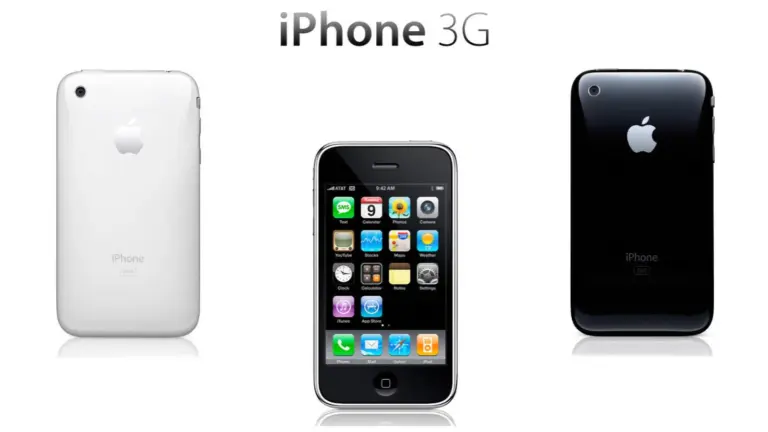
 July 11, 2008: The iPhone 3G goes on sale. Expectations for the smartphone sequel run high, and Apple delivers with the addition of GPS, faster 3G data and a higher-quality build. The iPhone 3G launch also brings a new mobile operating system packed with features.
Apple’s second smartphone runs iPhone OS 2, which introduces a better Mail app, turn-by-turn navigation and a little something called the App Store.

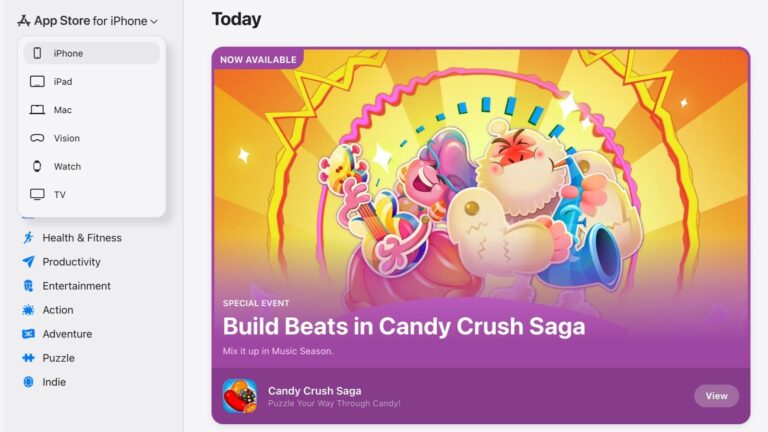
 July 10, 2008: Apple launches the App Store, an online hub that lets iPhone owners browse and download apps made by third-party developers. Transforming the iPhone from a locked-down platform to a generative one, the App Store means that every iPhone user can have his or her own “killer app” depending on the software they want — from social networking to composing music to playing games.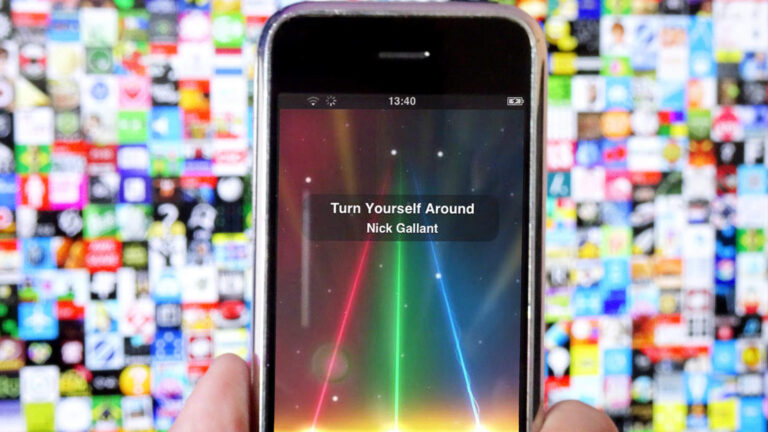
 July 7, 2011: Three years after its launch, the
 June 26, 2008: A year after the
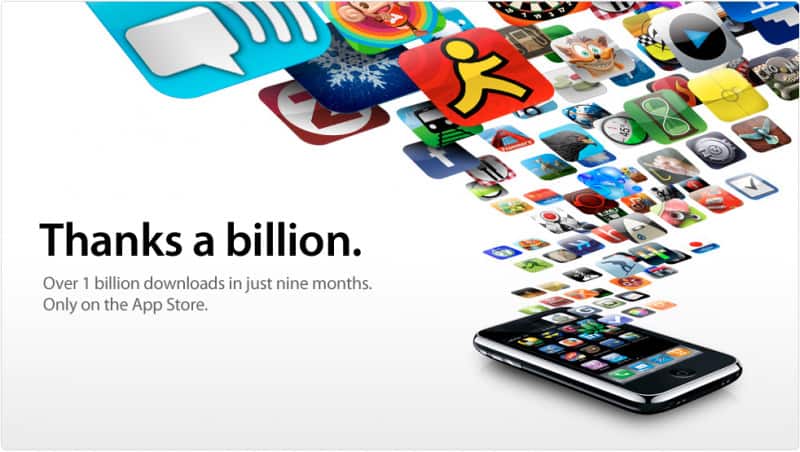
 April 23, 2009: Less than a year after
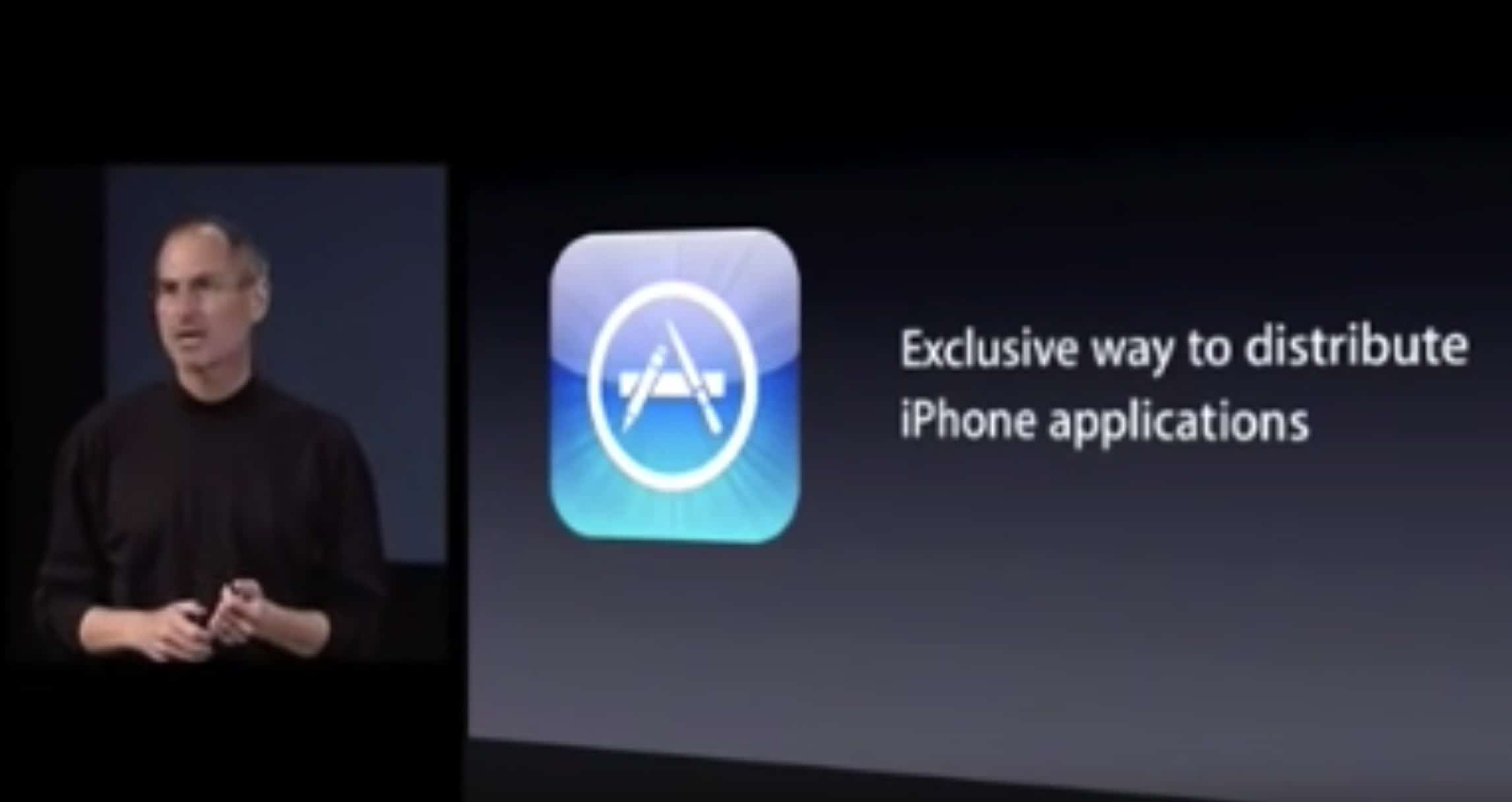
 March 6, 2008: Apple releases the iPhone software development kit, finally allowing coders to start creating native mobile apps for the new smartphone. The iPhone SDK gives developers the tools they need to unlock the new smartphone’s potential.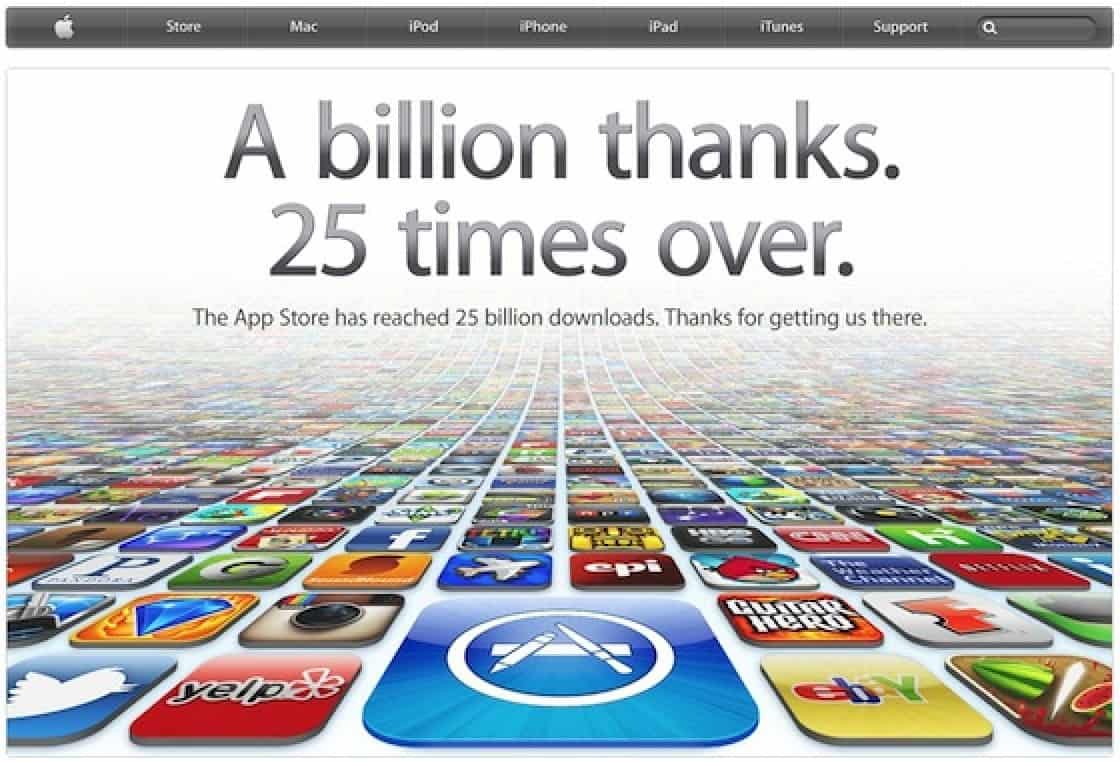
 March 5, 2012: Apple reaches a staggering milestone, with 25 billion apps downloaded from the iOS App Store. The company celebrates with a giveaway titled the “25 Billion App Countdown.”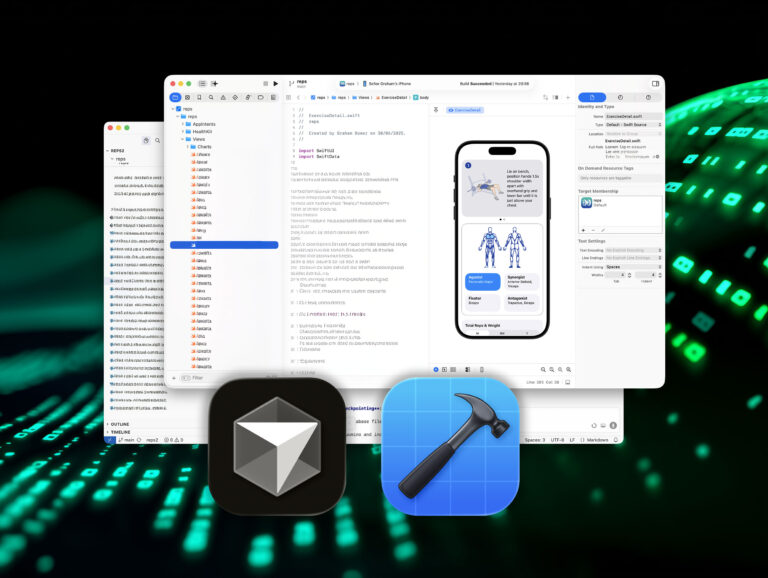

 December 31, 2012: App piracy hub Hackulous shuts down, bringing an end to two of its most popular pieces of software, Installous and AppSync.