
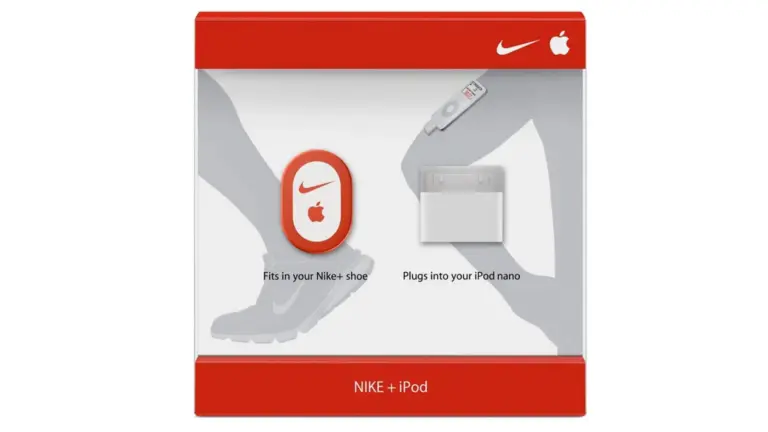
 July 13, 2006: Apple releases its first activity tracker, the Nike+iPod Sport Kit, which combines Cupertino’s popular music player with a smart pedometer that fits in a shoe.
The product marks Apple’s first step toward the kind of mobile health-tracking initiatives it will pursue in the following decade — most notably through its iOS Health app and the Apple Watch.


 July 12, 2010: The iPhone 4 suffers a major blow when respected trade publication Consumer Reports says it can’t, in good faith, recommend the new Apple smartphone.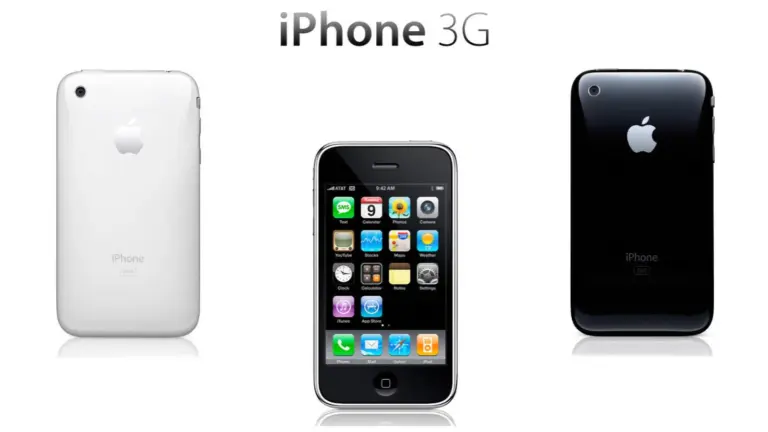
 July 11, 2008: The iPhone 3G goes on sale. Expectations for the smartphone sequel run high, and Apple delivers with the addition of GPS, faster 3G data and a higher-quality build. The iPhone 3G launch also brings a new mobile operating system packed with features.
 July 10, 2008: Apple launches the App Store, an online hub that lets iPhone owners browse and download apps made by third-party developers. Transforming the iPhone from a locked-down platform to a generative one, the App Store means that every iPhone user can have his or her own “killer app” depending on the software they want — from social networking to composing music to playing games.
 July 8, 1997: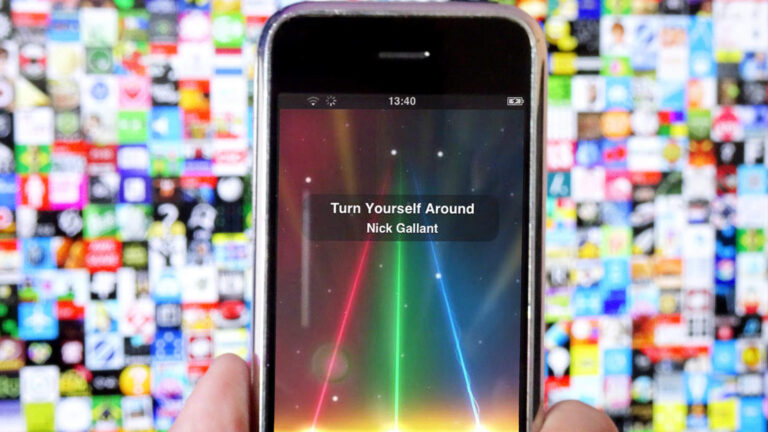
 July 7, 2011: Three years after its launch, the
 July 6, 1997: Following a massive quarterly loss for Apple, board member Edgar S. Woolard Jr. calls CEO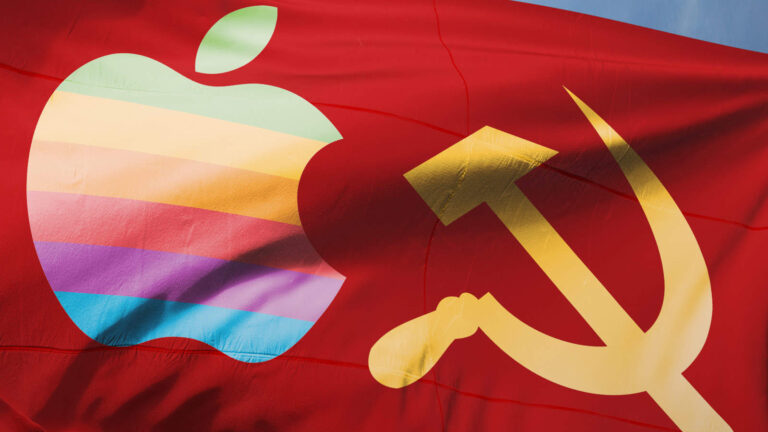
 July 4, 1985: Apple co-founder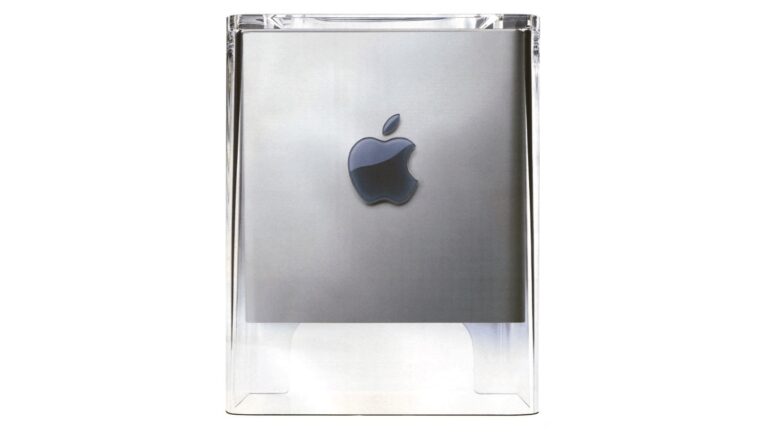
 July 3, 2001: Apple suspends production of its Power Mac G4 Cube, one of the most notable busts in Apple history — and the first major flop following
 July 2, 2010: Apple opens up about “
 July 1, 2012: Apple shuts down MobileMe, its subscription-based suite of online services and software offering push email, chat, data storage, a photo gallery and other features.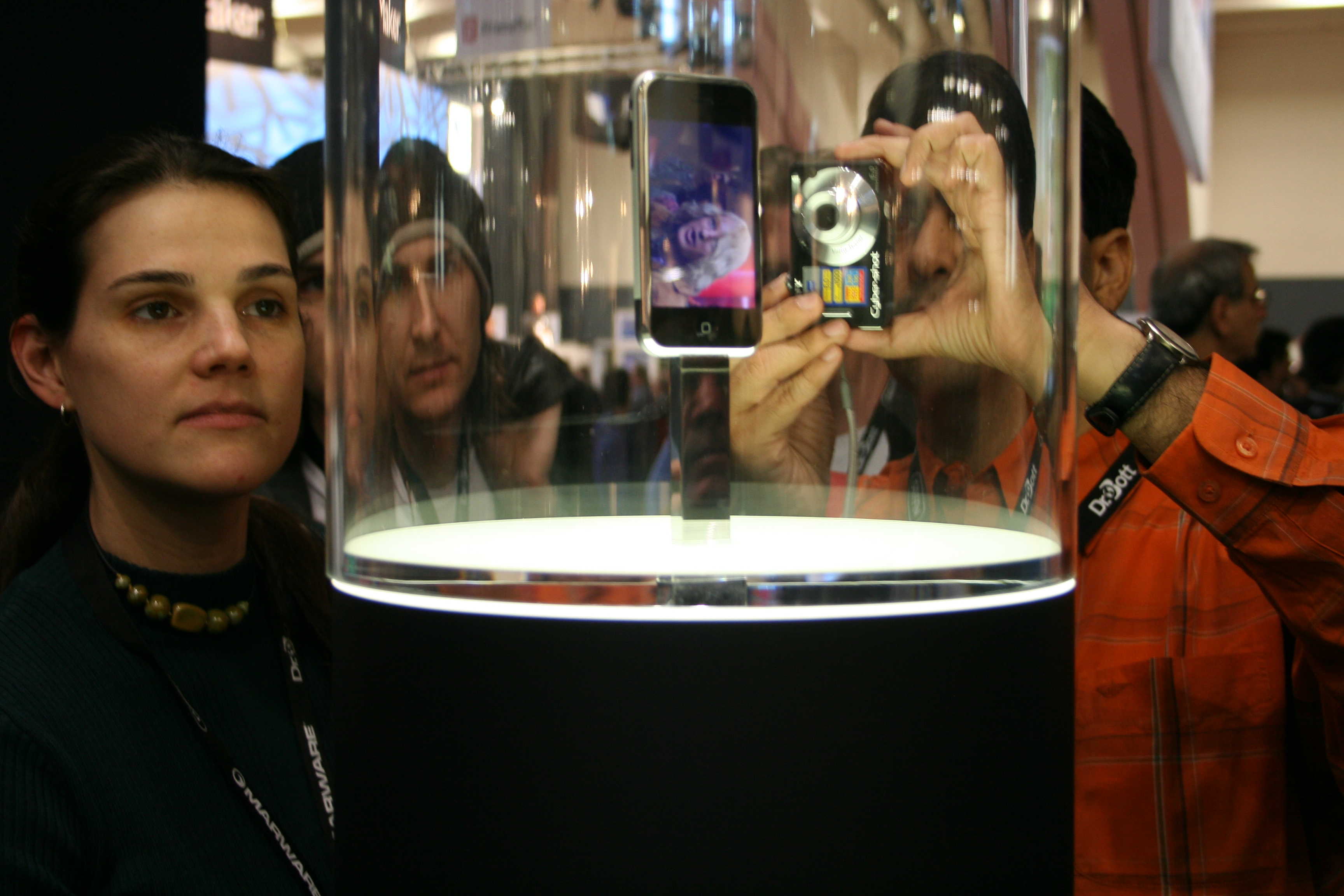
 June 29, 2007: The first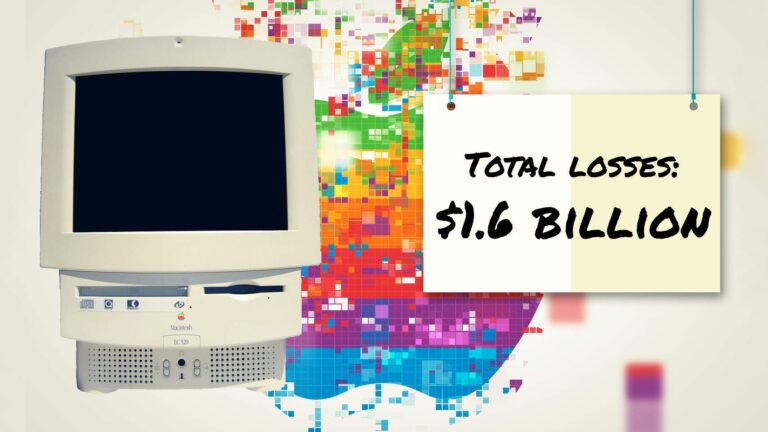
 June 27, 1997: The last day of another disappointing quarter brings an end to CEO Gil Amelio’s 500 days running Apple.
 June 26, 2008: A year after the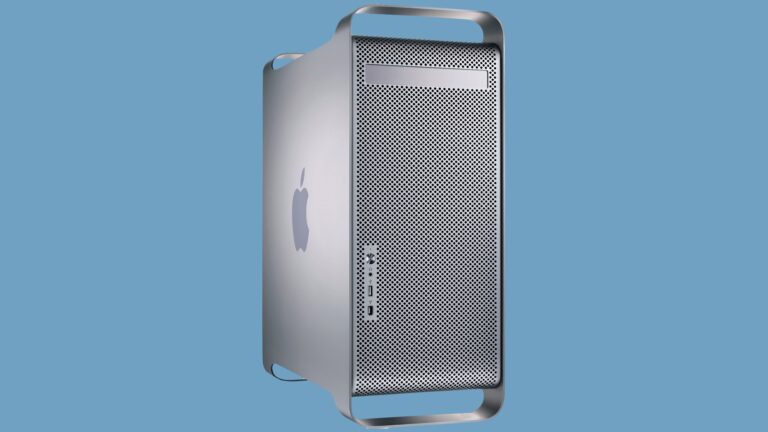
 June 23, 2003: Apple launches its gorgeous Power Mac G5, a powerhouse desktop computer with a perforated aluminum chassis that earns it the affectionate nickname “the cheese grater.”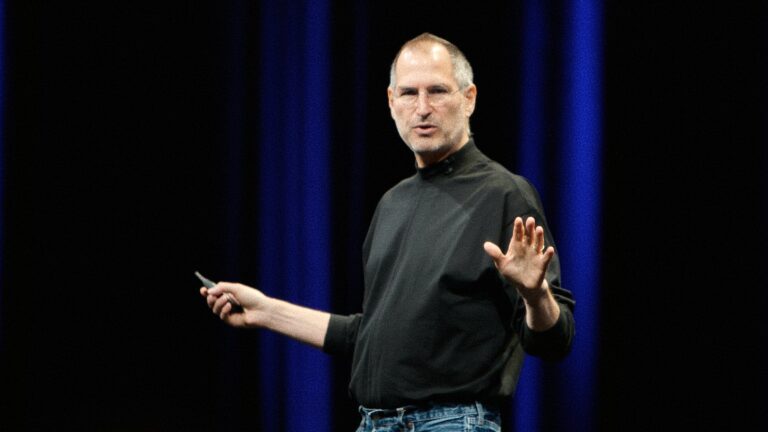
 June 22, 2009: Apple CEO Steve Jobs returns to work, a couple of months after undergoing a liver transplant as part of his treatment for pancreatic cancer.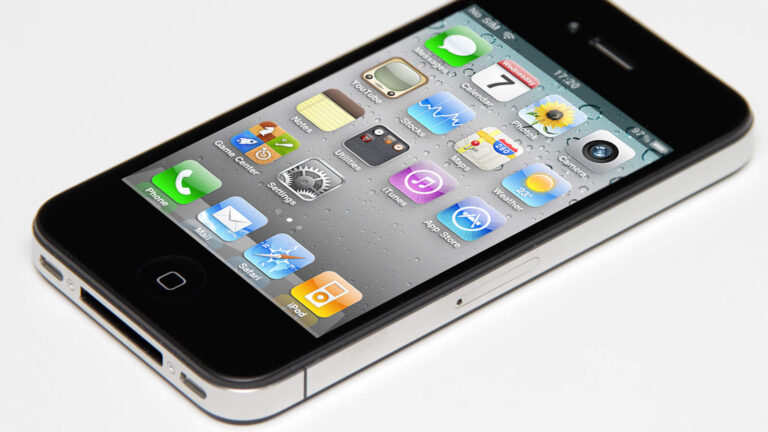
 June 21, 2010: Apple releases iOS 4, which introduces a range of productivity features as well as the FaceTime videotelephony service. The iOS 4 launch represents a big step forward for Apple’s flourishing mobile devices.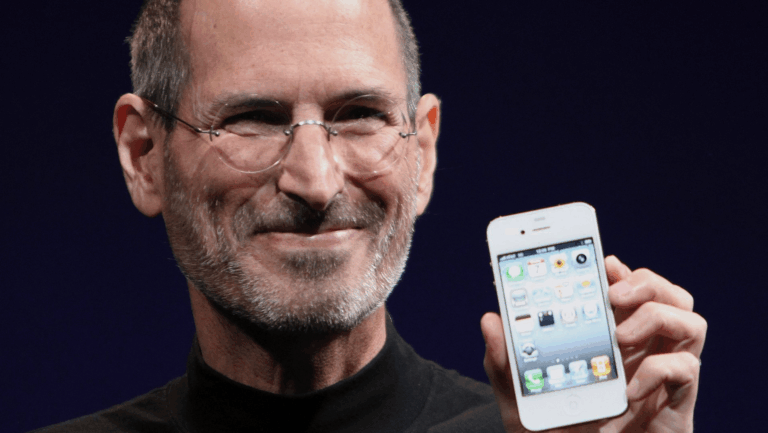
 June 16, 2010: Apple reports a massive surge of interest in its latest smartphone, with iPhone 4 preorders racking up 600,000 sales on their first day.
 June 12, 2005: Apple CEO Steve Jobs delivers a brilliant commencement speech to graduating students at Stanford University.
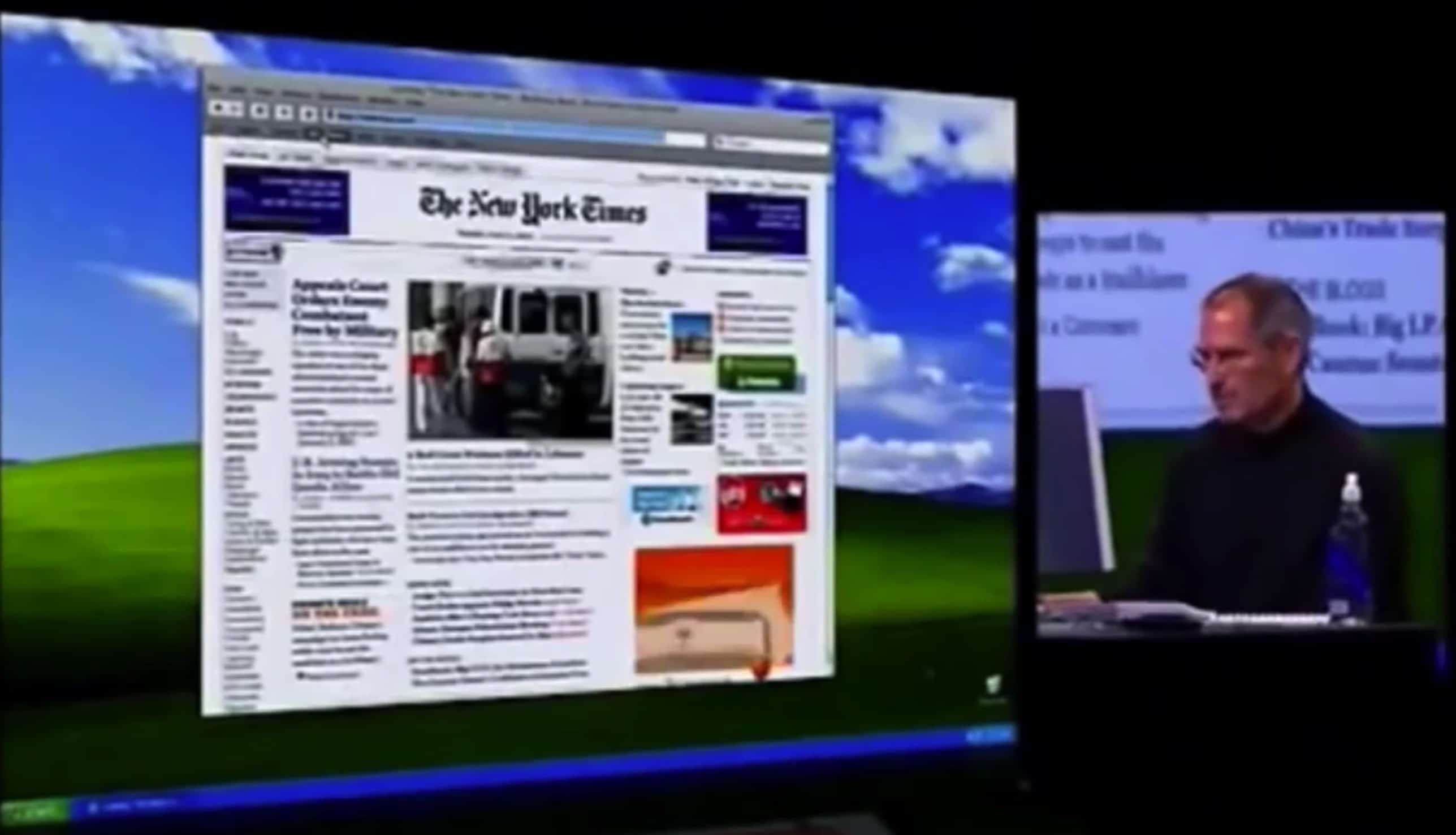
 June 11, 2007: At Apple’s Worldwide Developers Conference, CEO Steve Jobs unveils Safari 3 for Windows, bringing the company’s web browser to PCs for the first time.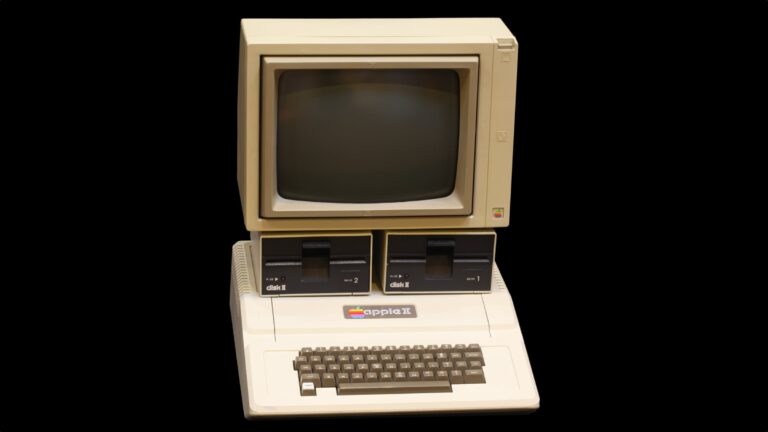
 June 10, 1977: Apple Computer Inc. ships its first
 June 9, 2002: Apple launches its “Switch” advertising campaign, featuring real people talking about their reasons for switching from PCs to Macs. Apple’s biggest marketing effort since the “Think different” ad campaign a few years earlier, one “Switch” ad in particular turns a 15-year-old high-school student named Ellen Feiss into an unlikely star.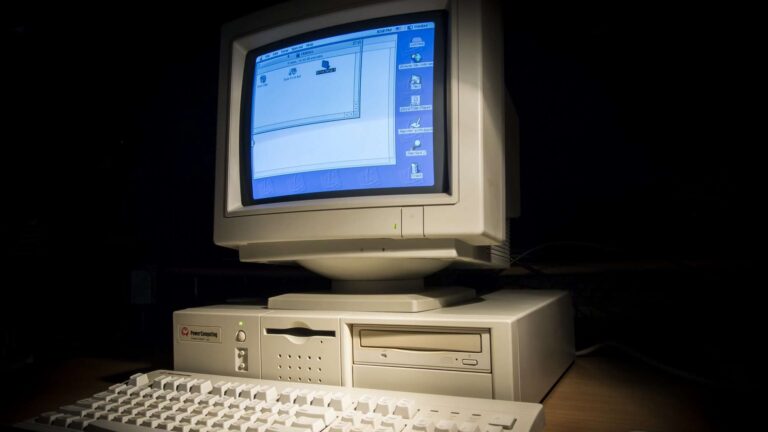
 June 4, 1997: Mac clone-maker Power Computing hits its high point as the company’s top exec reaches an agreement with Apple concerning the forthcoming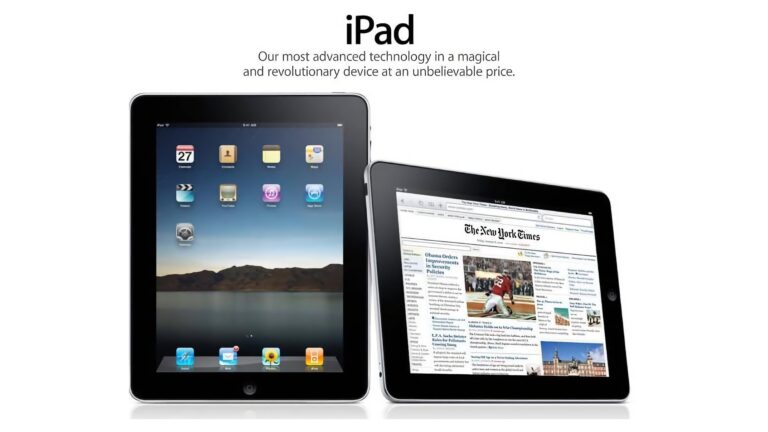
 May 28, 2010: Customers across Europe and Asia queue up to buy the iPad when the international launch date for Apple’s original tablet finally arrives.