

Power constraints can delay facility openings, increase carrying costs, and force expensive temporary power investments that reshape project economics for CFOs.
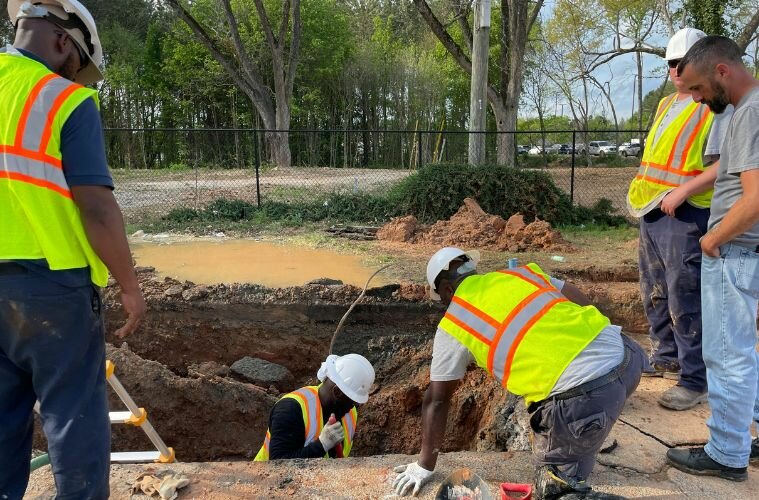
Operators cannot control power demand growth, infrastructure upgrade timelines, permitting contest rates or capital selectivity. What they can control is how early those realities enter their planning

Grid queues, water access, permitting risk and capital timing are converging on the same projects. That is changing how executives plan for Q3.

Climate policy uncertainty is affecting firm-level investment, employment, and R&D as a material financial risk. Companies managing it best are treating it as a capital strategy problem.

Ohio's House passed H.C.R. No. 35 63-32 on June 9, urging Congress to reform federal energy permitting and citing a 2,000-gigawatt interconnection backlog and NEPA timelines near four and a half years.

Eighteen EU member states signed a cross-border autonomous vehicle testbed agreement in Luxembourg on June 8, with $21.8 million in digital infrastructure funding launching this month.

The California ISO Board of Governors approved 38 transmission projects totaling $6.7 billion to meet rising load demand and expand access to renewable energy basins across California by 2035.

C40 Cities and UN-Habitat's Urban Planning Accelerator launched at the World Urban Forum with 33 cities committing to compact, climate-responsive development by 2035.
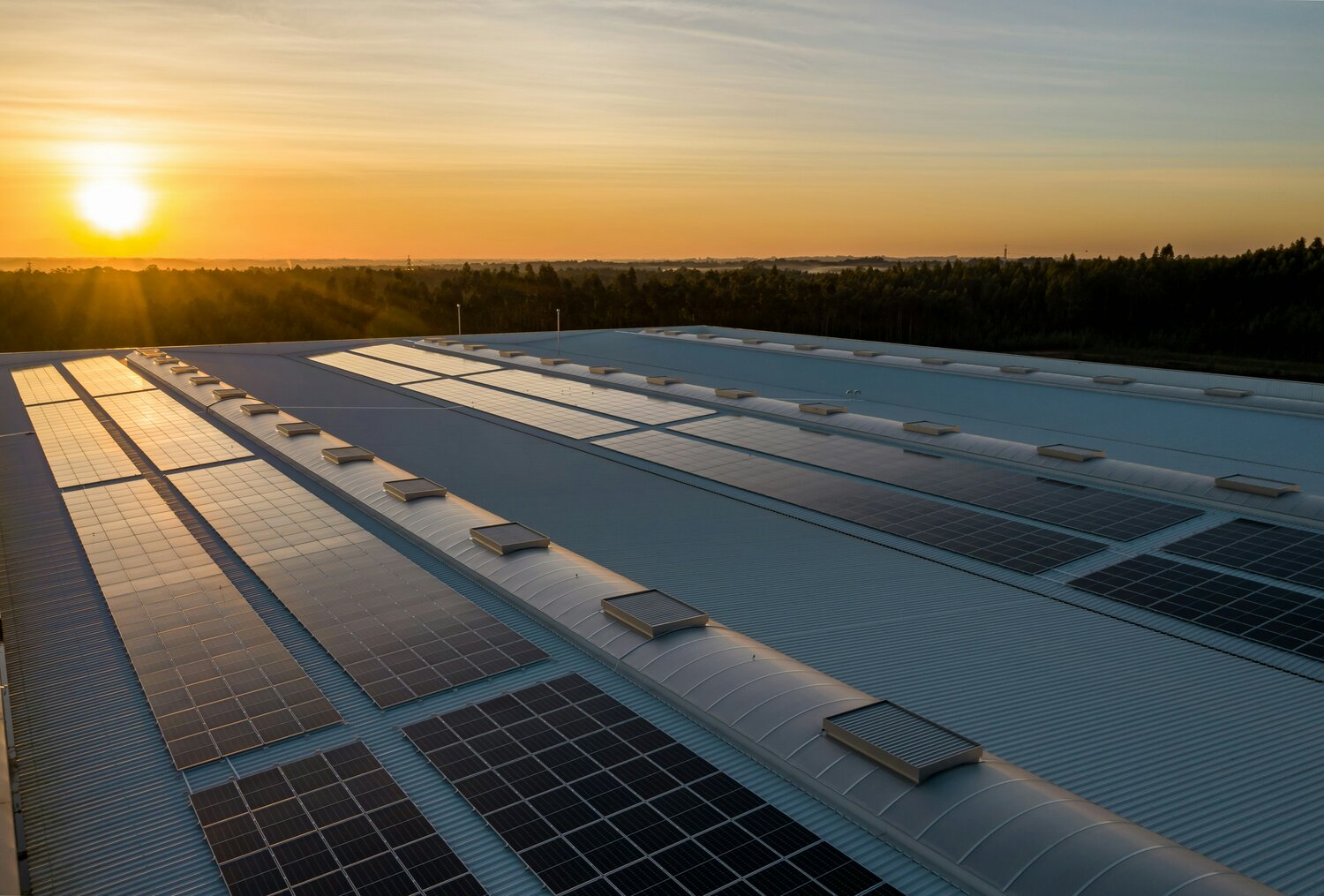
ISO New England's 2026 CELT Report adds its first behind-the-meter battery forecast and flags a winter peak timing problem tied to heat pump adoption growth through 2035.

Most organizations have an energy plan. Fewer have a strategy built on current infrastructure realities. The difference will become measurable and expensive over the next 18 months.
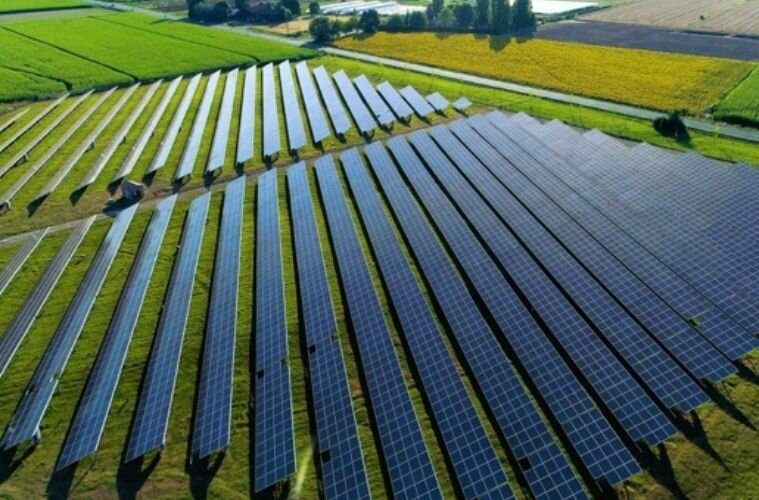
Virginia enacted SB508 April 22, directing Dominion Energy and Appalachian Power to assess unused solar interconnection capacity and pilot storage programs.
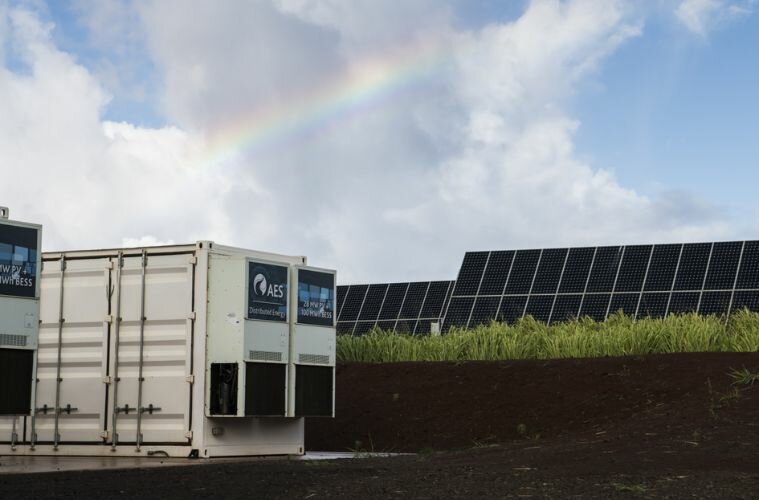
For facilities under grid pressure, on-site generation is no longer primarily a sustainability play. It's the clearest available tool for managing operational risk.

Experts at CMU Energy Week debated whether DERs are ready to help utilities manage surging electricity demand from data centers, electrification, and reshoring.

EPRI and EV Charging POD experts reveal why interconnection timelines, on-site generation, and data gaps are slowing electric vehicle infrastructure.
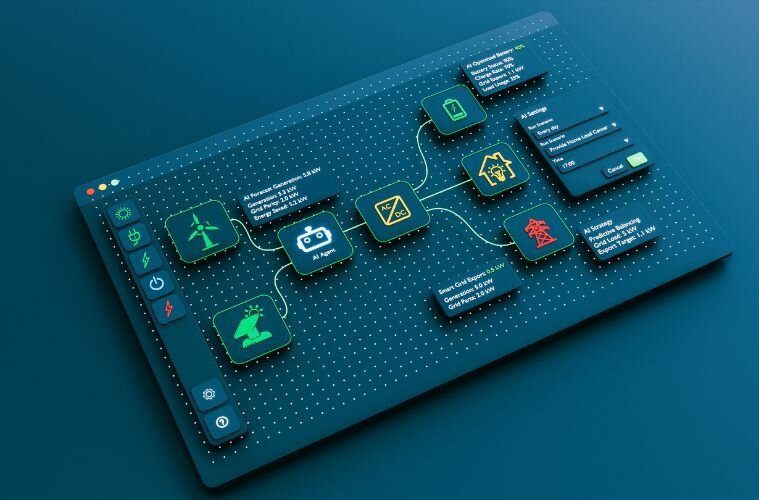
The EU's AccelerateEU plan responds to the Strait of Hormuz closure with fuel, grid, and clean energy actions that affect companies with European operations.

The Multiplex PowerPlay pilot funds smart load management systems that balance energy consumption in real time, keeping demand within existing panel limits without requiring a full service upgrade.

Virginia’s SB651 could expand the state’s underground transmission pilot program, raising questions about cost-sharing, project eligibility, and impacts on local utilities and ratepayers.

The Genesis Mission is a federal initiative, backed by presidential executive order, to connect the DOE's 17 national laboratories with the country's most advanced AI, computing, and quantum systems.

Massachusetts and Illinois lead the 2025 USGBC green building rankings as data centers, life sciences, and advanced manufacturing push LEED adoption into new territory.

Trump's reshoring push, AI disruption, and a 500,000-worker skilled trades gap are converging — and infrastructure decarbonization is caught in the middle.