
DOE selected TerraSpark Energy Campus in Grant County, West Virginia for up to $18.5 million to advance engineering and permitting for a 1.6 GW coal-with-carbon-capture project.

Canovation and CANPACK are preparing CanReseal for pilot-line use. The project tests whether resealable aluminum cans can fit existing production.

The regulatory framework for industrial radiography involves multiple federal and state agencies, dose limits that carry criminal exposure if violated, and compliance failures specific enough that inspectors arrive with a checklist most field crews have never read.
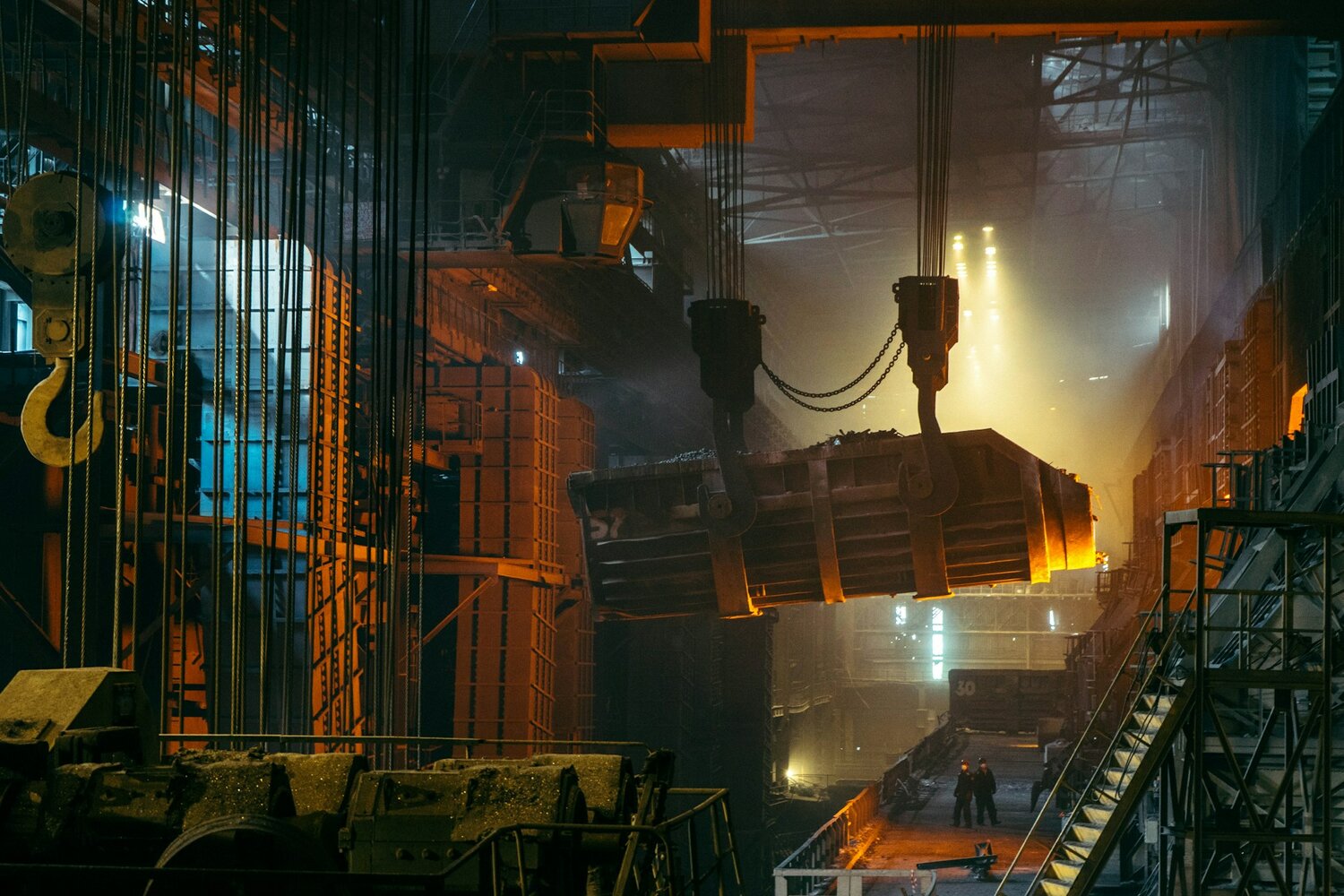
SANY is scaling local production as global equipment rules tighten. Its 2025 report links electrification, digital oversight and compliance.
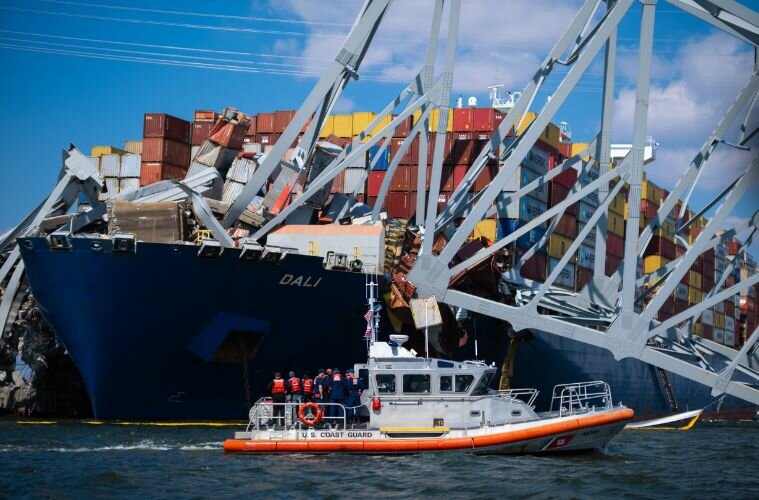
Federal grand jury charges Synergy Marine Group on 18 counts for the MV Dali Key Bridge allision, including six counts of misconduct resulting in death and environmental violations.
AFRL’s $18M contract will test large-capacity energy storage for Air Force missions. The goal is stronger power resilience in tough conditions.
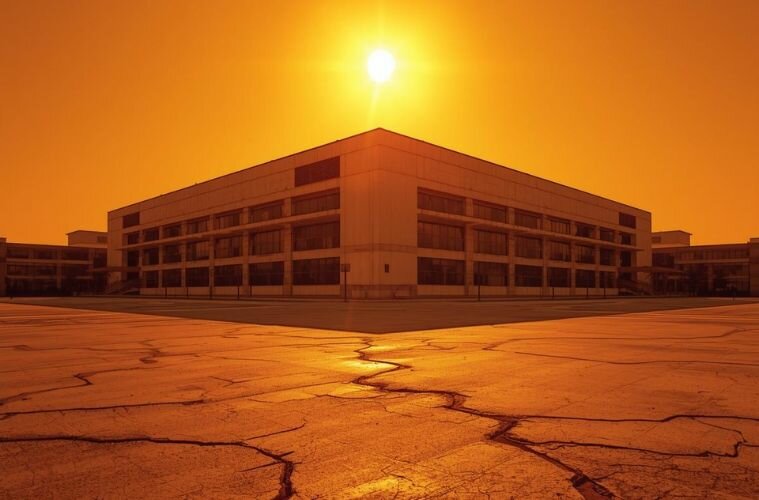
Building energy models were calibrated against climate conditions that no longer exist. Facilities leaders need to understand what that means for efficiency projections and equipment design.

Crab shell waste may help control how bioplastics degrade in seawater. The approach could improve durability while supporting circular material use.

Heat-tolerant enzymes are moving closer to industrial use. New structural insights show how proteins can stay stable and active in extreme conditions.
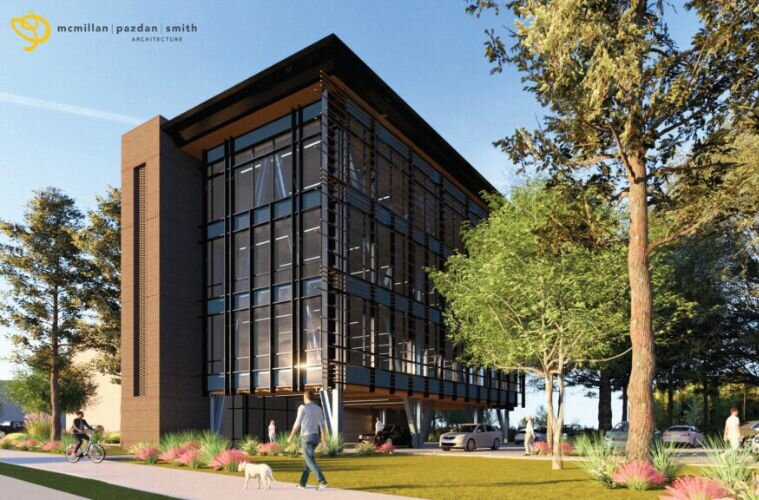
AVM Group will establish its national headquarters in Charleston County with a $5 million investment, supporting controlled environment design, engineering, and regional job growth.

Beyond Aero has completed a key design review for its hydrogen aircraft. The milestone supports certification progress and moves the program forward.

Virginia’s SB651 could expand the state’s underground transmission pilot program, raising questions about cost-sharing, project eligibility, and impacts on local utilities and ratepayers.

Steel and cement together account for nearly 15% of global CO2 emissions. The technology exists. The infrastructure doesn't.
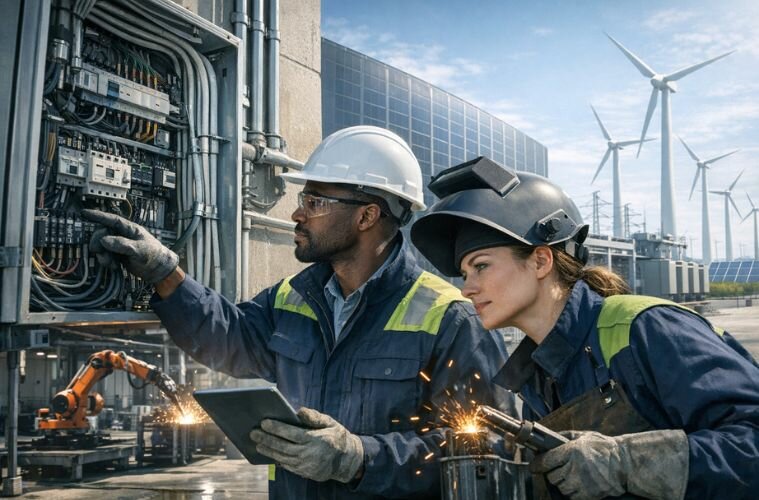
Trump's reshoring push, AI disruption, and a 500,000-worker skilled trades gap are converging — and infrastructure decarbonization is caught in the middle.
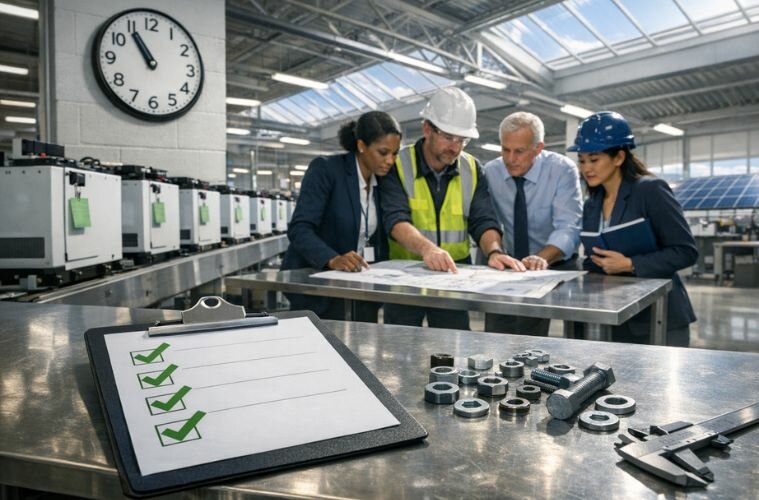
The window is closing. The credits survived. Most companies still don’t have a process to claim them.

As the July 2026 ITC deadline approaches, documentation scrutiny is increasing. Here’s what solar developers should reassess — plus access to the full on-demand briefing.

Rice is reshaping how engineers think about materials. Its speed-sensitive behavior enables adaptive structures without sensors or software.

Interior reopens 2.1 million acres in Alaska’s Dalton corridor, advancing state land entitlement and expanding energy development access.

Corporate resilience investment is increasing across climate, cyber, and infrastructure domains, but disconnected planning limits the effectiveness of risk mitigation in 2026.

A collapsed interceptor pipe discharged hundreds of millions of gallons of wastewater into the Potomac River, prompting elevated bacteria readings, repair efforts, and regulatory monitoring.