
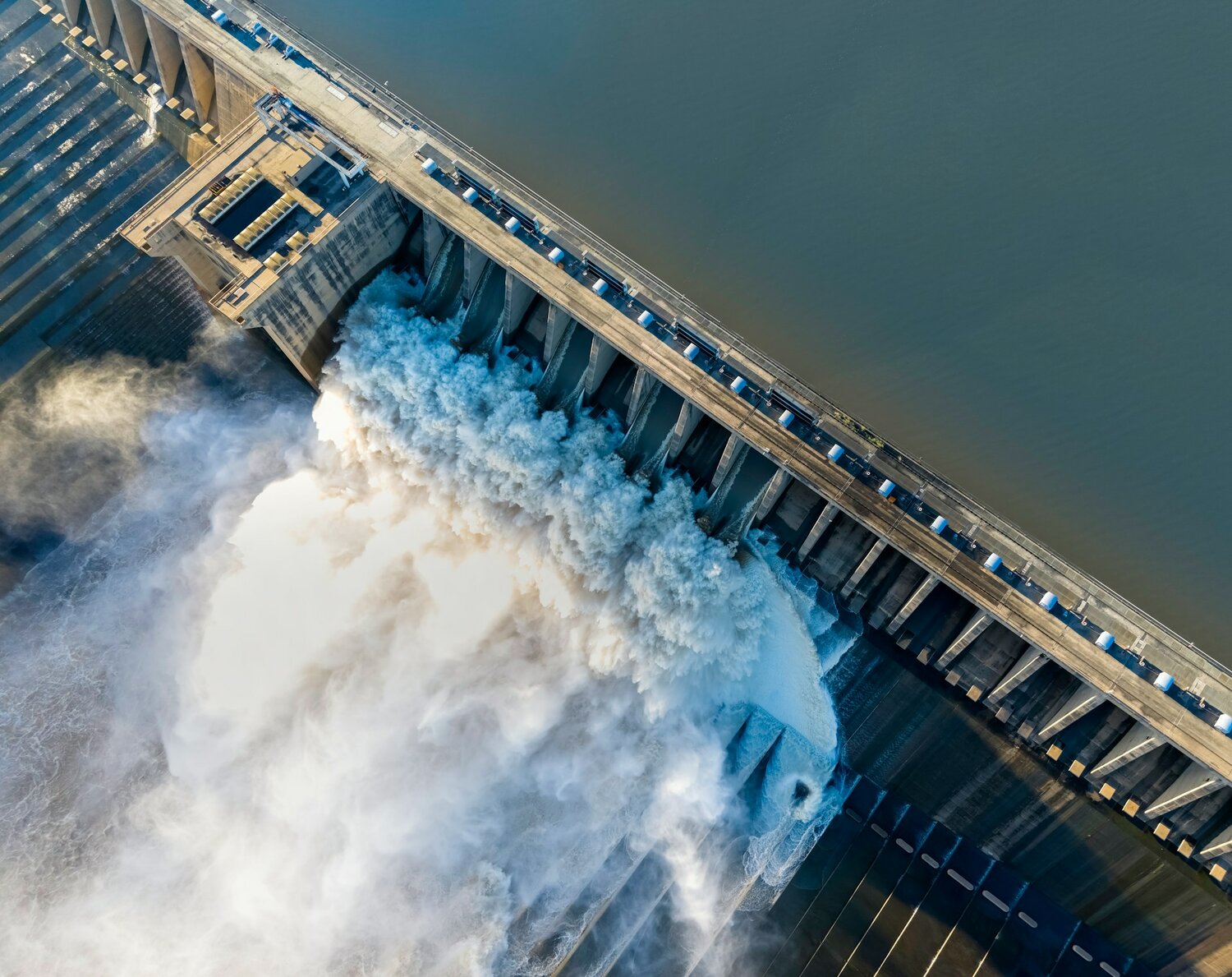
Europe’s renewable boom is exposing gaps in grid flexibility. Pumped storage is gaining attention as negative prices, heat and curtailment rise.

The UAE is showing what happens when power, capital, permitting, and chip access are coordinated before construction begins, not assembled project by project.

Building electrification replaces fossil-fueled heating, hot water, cooking, and some process loads with high-efficiency electric systems. Here’s how the U.S. economics, financing options, grid constraints, and building performance mandates are reshaping capital planning — and what owners should check before committing to a retrofit.
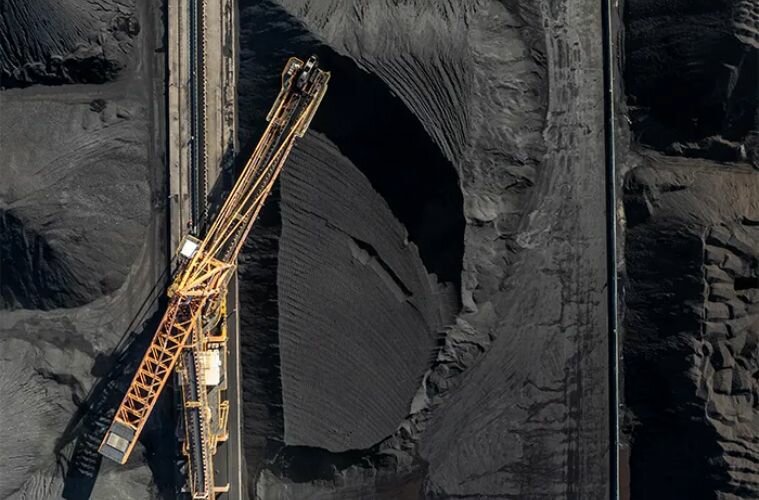
Core Natural Resources subsidiary CONSOL Innovations was selected for a DOE grant to pilot rare earth element recovery from Pennsylvania coal waste.

Tax incentives are sliding down site selection checklists as states compete on power availability, and several are already rebuilding programs around it.

Ireland could owe up to $30 billion (€26 billion) by 2030 for missing EU climate targets, new fiscal modeling shows, with costs rising after 2030.
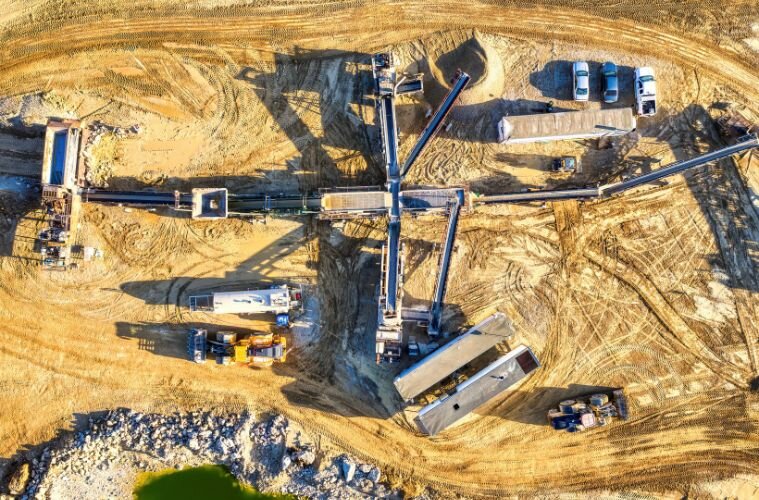
Power constraints can delay facility openings, increase carrying costs, and force expensive temporary power investments that reshape project economics for CFOs.

Data centers are absorbing grid capacity that manufacturers need for expansion, forcing executives to treat power access as a site selection variable.
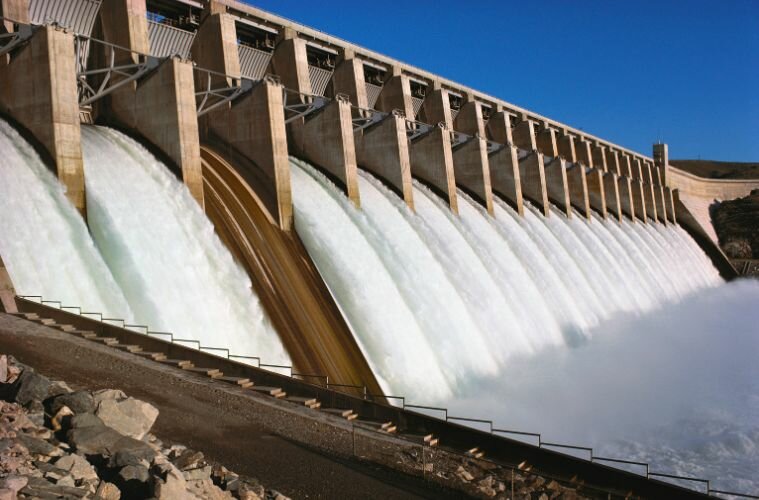
Curtailment orders, discharge limits, and insurance exposure are the water liabilities confronting industrial operations already built and operating in stressed basins.

California’s SB 343 update gives cartons fresh labeling clarity. New MRF data shows stronger sortation, but recovery work remains.

PJM has issued multiple grid reliability alerts as extreme heat pushes electricity demand toward a potential summer record across the Mid-Atlantic.
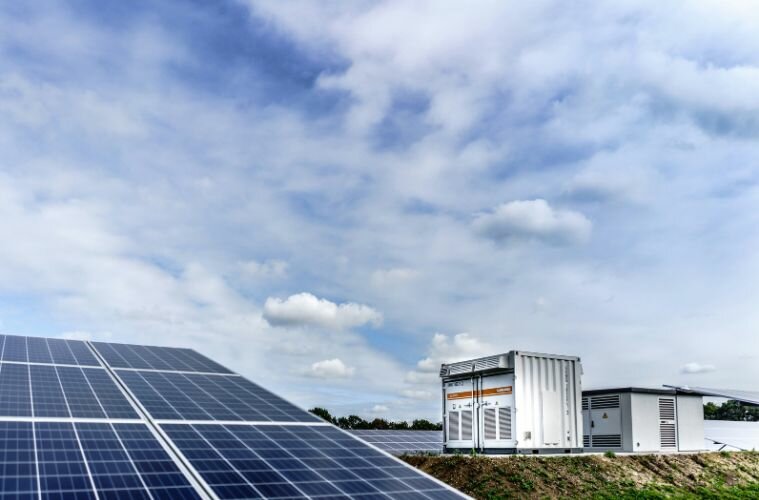
With median interconnection timelines approaching five years, facilities teams are redesigning project sequencing around a queue that most enterprise plans never accounted for.

AI plans often stall before models ever run. OpsGuru’s AWS lakehouse aims to help enterprises turn fragmented data into governed AI-ready systems.

Infrastructure constraints on power, water and permits are structural, not cyclical. Executives still planning around their resolution are planning for an environment that doesn't exist.

The D.C. Circuit unanimously upheld the EPA's 2024 PM2.5 soot standard on June 26, rejecting the Trump administration's bid to abandon the rule. EPA said it is reviewing the decision.

MediSun and Yanrun are launching a Singapore JV for brine recovery. The move targets industrial water reuse markets facing tighter rules.

UPS is investing $48 million in temperature-controlled freight facilities while expanding AI-powered logistics to support growing pharmaceutical demand.

Grid queues, water access, permitting risk and capital timing are converging on the same projects. That is changing how executives plan for Q3.

Honda and QuantumScape are deepening solid-state battery research. The work could shape future EV batteries, but scale remains the real test.

World Athletics' 2026 midpoint review shows what happens when sustainability stops being a pledge and becomes a contractual deliverable embedded in event hosting requirements.