
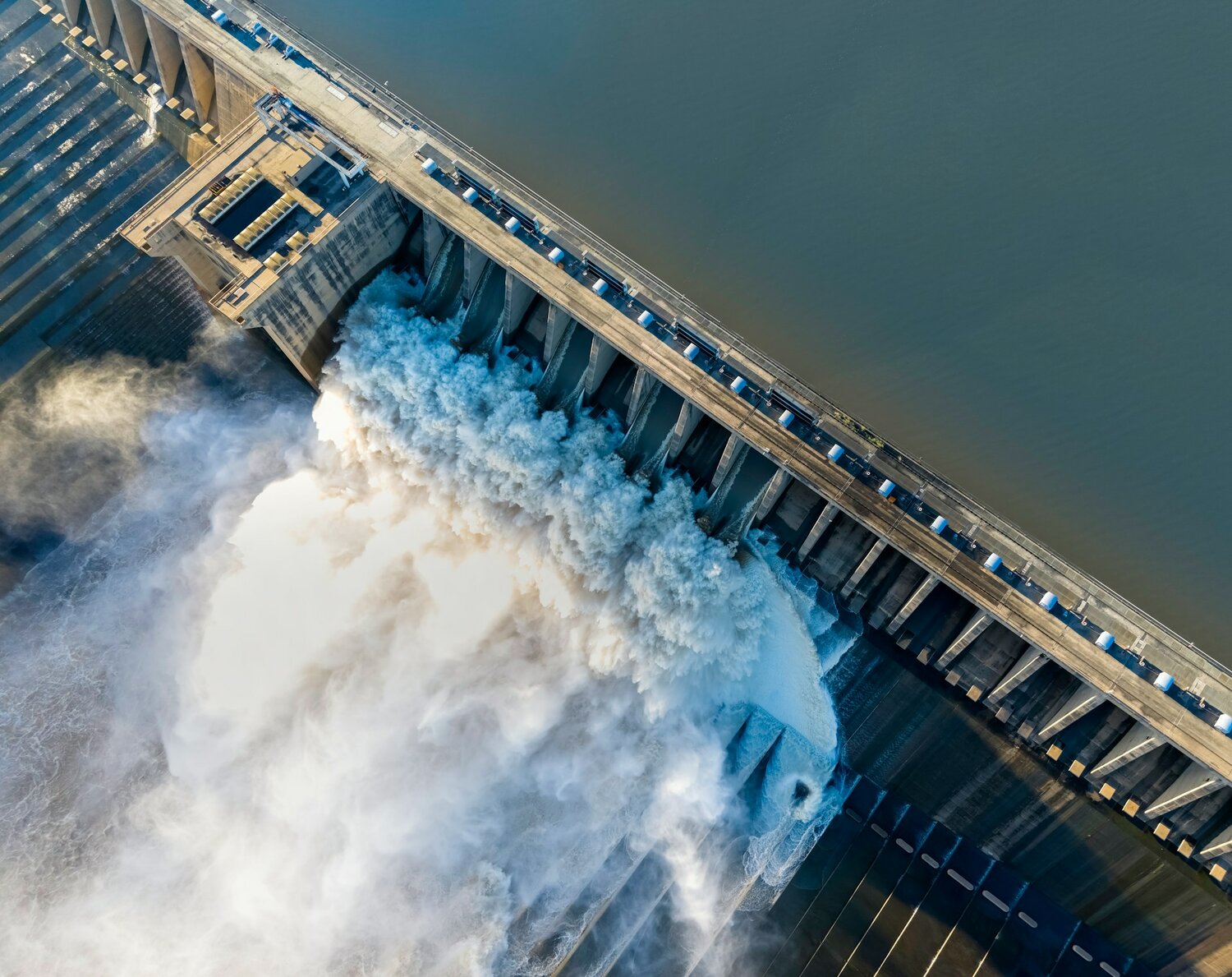
Europe’s renewable boom is exposing gaps in grid flexibility. Pumped storage is gaining attention as negative prices, heat and curtailment rise.

A new model shows how tiny spacer layers change 2D perovskites. It could help engineers design better LEDs, solar cells and other light-based devices.
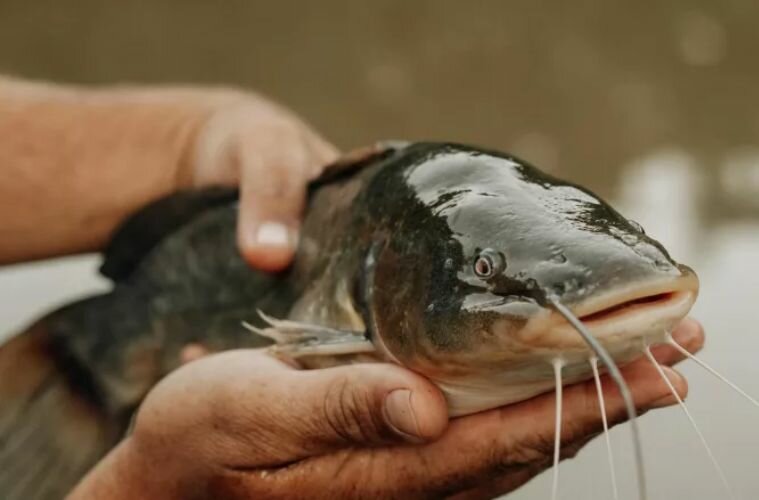
Monitoring data submitted to EPA detected PFNA and PFHxS in catfish tissue as the agency weighs rescinding federal determinations for both compounds.

Biochar is getting a real-world road test. Verde and Ergon are moving their cold paving partnership toward field projects, carbon credits and commercial use.
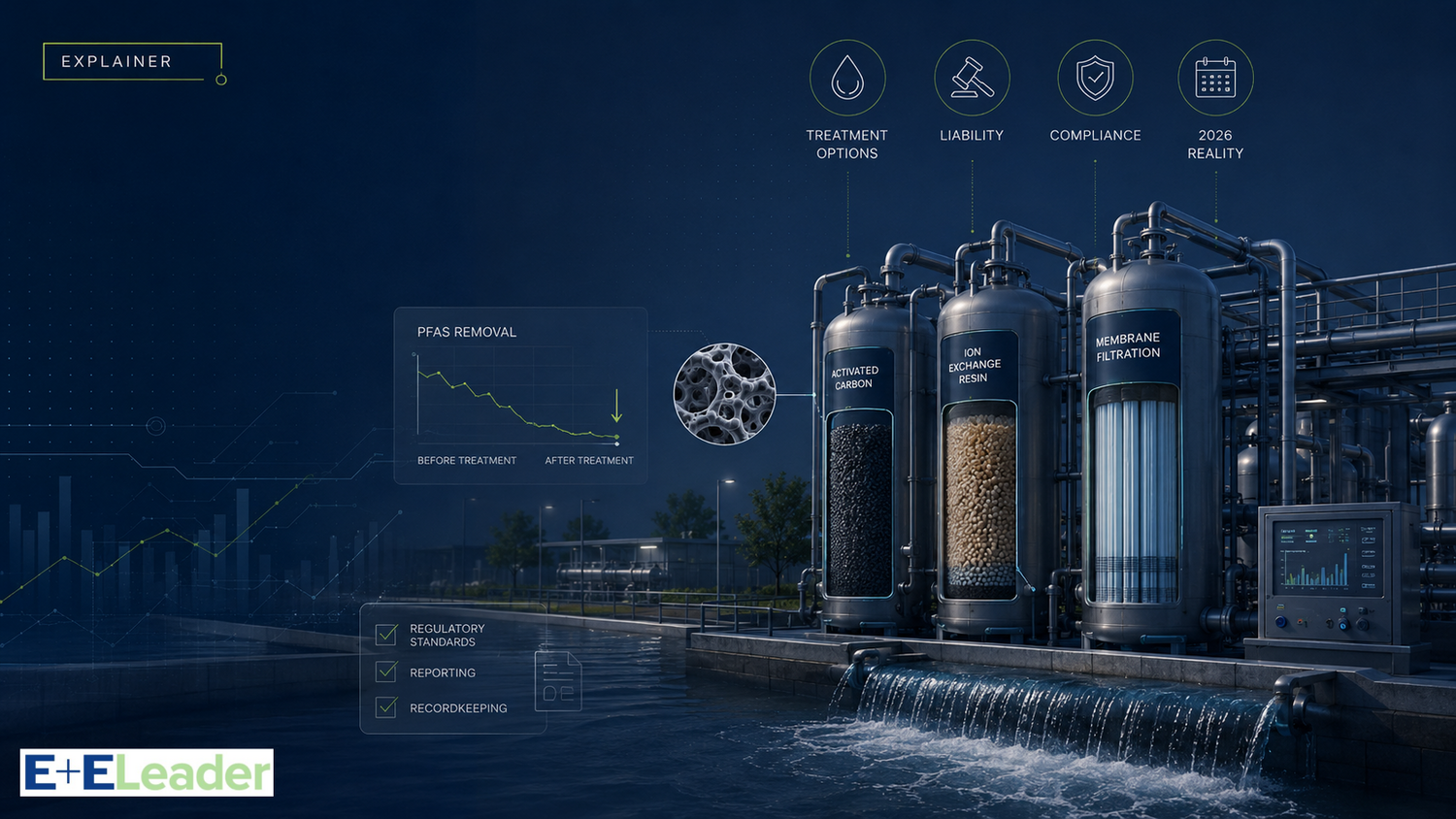
PFAS contamination is now a regulated, litigated, and expensive problem for water systems, wastewater utilities, landfills, manufacturers, and property owners alike. Here’s what makes these chemicals different, where liability comes from, what drives remediation cost, and which treatment technologies work — and which claims deserve skepticism.

Building electrification replaces fossil-fueled heating, hot water, cooking, and some process loads with high-efficiency electric systems. Here’s how the U.S. economics, financing options, grid constraints, and building performance mandates are reshaping capital planning — and what owners should check before committing to a retrofit.

Desert mosses may carry fungi that help them handle heat. The discovery could shift how scientists approach dryland restoration and climate stress.

Ireland could owe up to $30 billion (€26 billion) by 2030 for missing EU climate targets, new fiscal modeling shows, with costs rising after 2030.
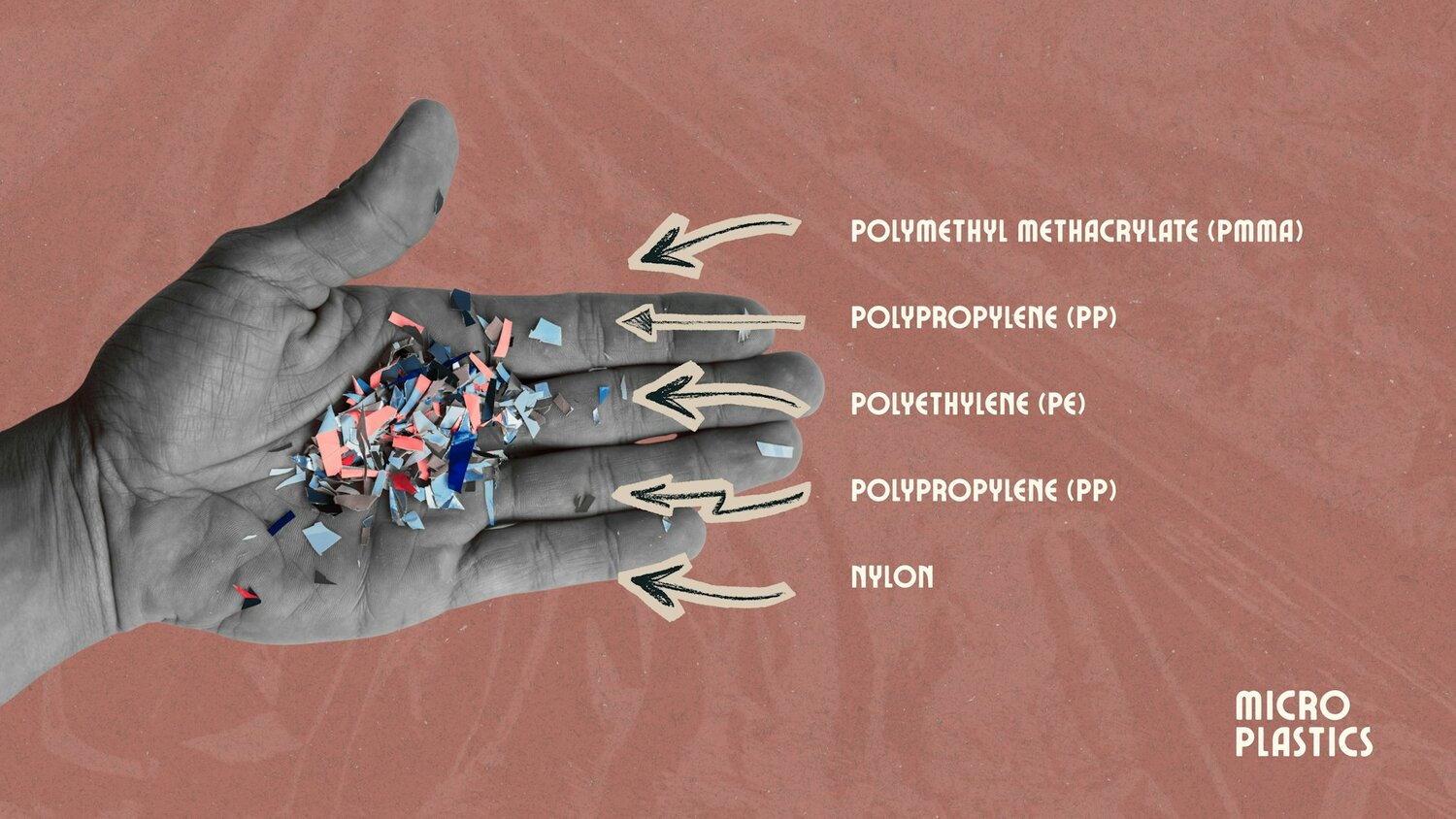
Chain length may shape how PFAS move through water and respond to treatment. For utilities, that means monitoring and removal strategies need sharper focus.

New 2025 research and a shelved EPA study add fresh evidence on fireworks pollution, as U.S. cities split over drone alternatives for July 4, 2026.

California’s SB 343 update gives cartons fresh labeling clarity. New MRF data shows stronger sortation, but recovery work remains.

Costa Rica's experience illustrates what happens when environmental protection is treated as an economic design problem rather than a compliance obligation

CFOs entering Q3 face a triage question: which infrastructure-dependent projects can actually execute on their original timelines, and what changes next.
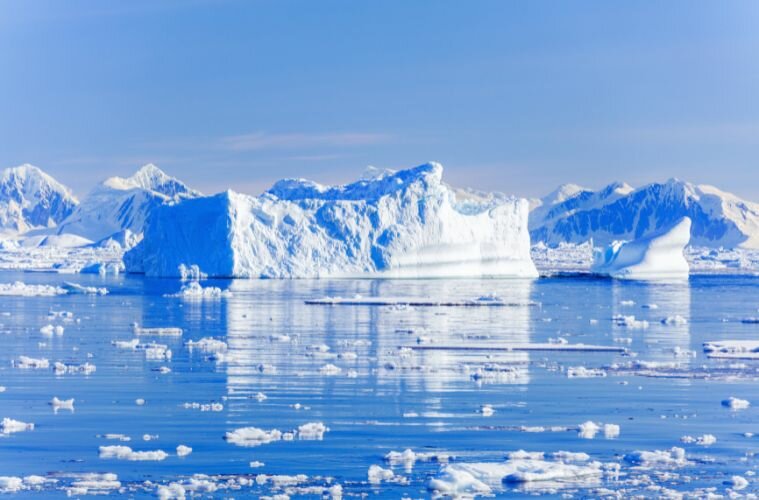
A peer-reviewed study in The Cryosphere is the first to directly attribute a major Antarctic glacier's retreat to human-driven warming, with effects projected to continue for centuries.

Tariff volatility, critical mineral concentration and supplier concentration have shifted the sources of procurement leverage heading into Q3 2026.

Speakers at London Climate Action Week said cities, businesses, and regional coalitions are increasingly driving climate action ahead of COP31.

World Athletics' 2026 midpoint review shows what happens when sustainability stops being a pledge and becomes a contractual deliverable embedded in event hosting requirements.

A new University of Wyoming project highlights how DOE increasingly views coal plants as platforms for critical minerals, water savings, and carbon capture.
For years, uncertainty justified delay. Increasingly, uncertainty itself is becoming the cost organizations can no longer afford to absorb.
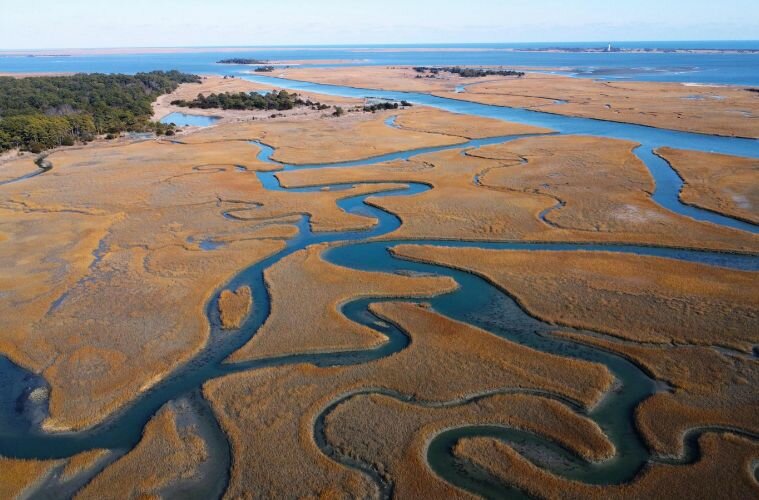
BOEM published a Request for Information June 23 on potential seabed mineral leasing off Virginia, covering 2,764 square miles near Chesapeake Bay. Comments close July 23.