

Tax incentives are sliding down site selection checklists as states compete on power availability, and several are already rebuilding programs around it.

Infrastructure constraints on power, water and permits are structural, not cyclical. Executives still planning around their resolution are planning for an environment that doesn't exist.

Speakers at London Climate Action Week said cities, businesses, and regional coalitions are increasingly driving climate action ahead of COP31.

Grid queues, water access, permitting risk and capital timing are converging on the same projects. That is changing how executives plan for Q3.
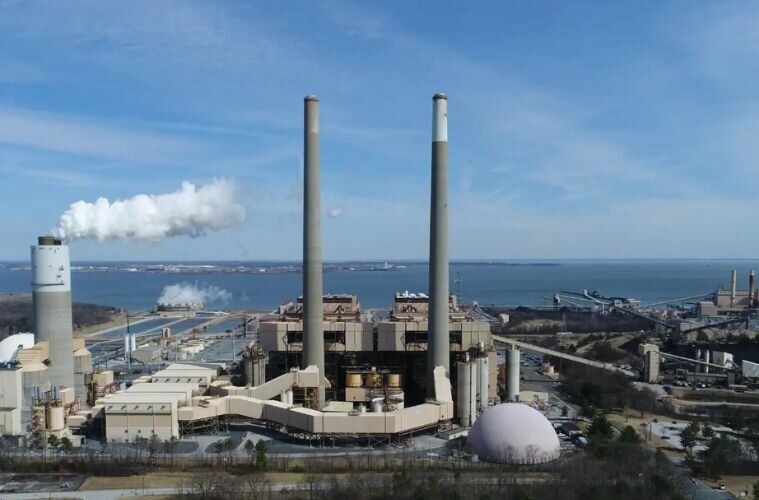
PJM and Talen Energy have filed at FERC to extend the Brandon Shores and H.A. Wagner reliability-must-run agreement to May 2031, citing transmission delays driven largely by data center load growth.

E2 tracked nearly 8 GW of canceled clean energy capacity and $13 billion in abandoned investment in Q1 2026 alone. The hidden cost is what those projects were supposed to deliver.

Global energy transition investment hit $2.3 trillion in 2025. But capital is concentrating in data centers and a few large managers, leaving most clean energy deals competing for less.

Anderon will initially focus on wafer fabrication for superconducting qubit technology and supporting electronics, with plans to expand into other quantum computing approaches over time.

Mexico's CFE declared grid emergencies three times in summer 2024 and reserve margins hit 3% in May of that year. For manufacturers who relocated to Mexico, summer reliability risk was not in the original location analysis.
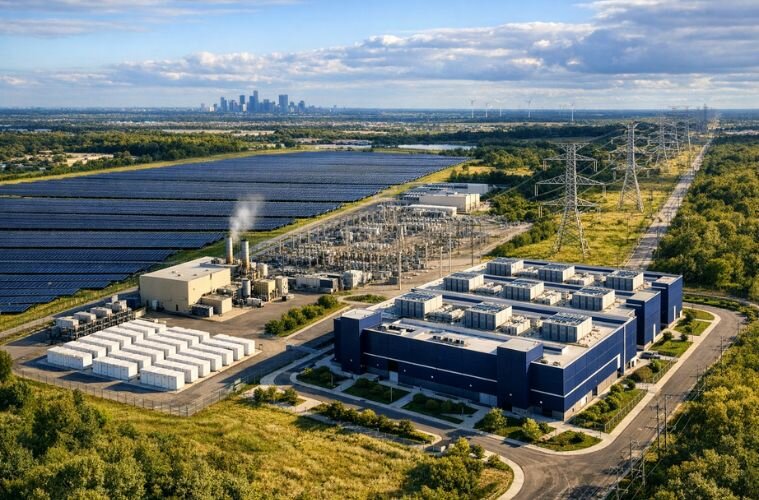
The leading edge of corporate energy procurement in 2026 is not a sustainability conversation. It is an infrastructure conversation.

Durham's Society 5.0 model shows how integrated infrastructure intelligence is becoming a material factor in corporate investment and workforce decisions in 2026.

The companies that built their energy strategy around efficiency are discovering a gap between what that strategy promised and what it has delivered.

A 40,000-acre hyperscale data center and power generation campus cleared its first regulatory hurdle in northern Utah this week.

Building energy models were calibrated against climate conditions that no longer exist. Facilities leaders need to understand what that means for efficiency projections and equipment design.
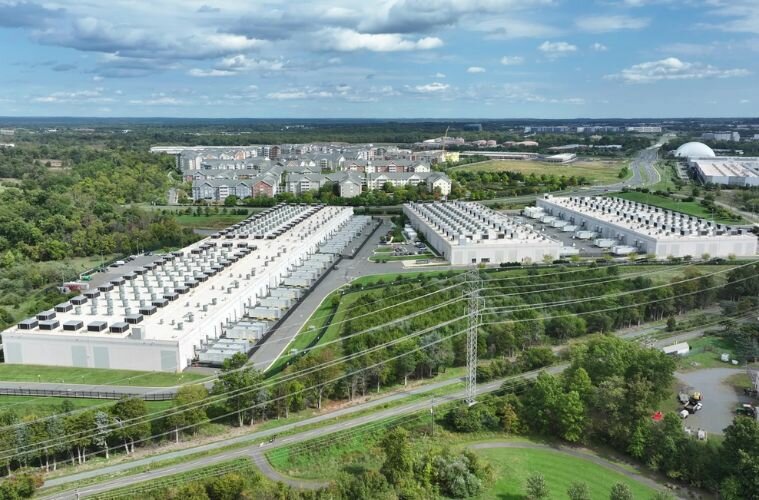
The arithmetic of corporate energy efficiency has stopped working for a growing number of technology-intensive companies.

AI infrastructure build-out is running into a constraint capital can't solve: the grid can't deliver megawatts as fast as investment wants to move.
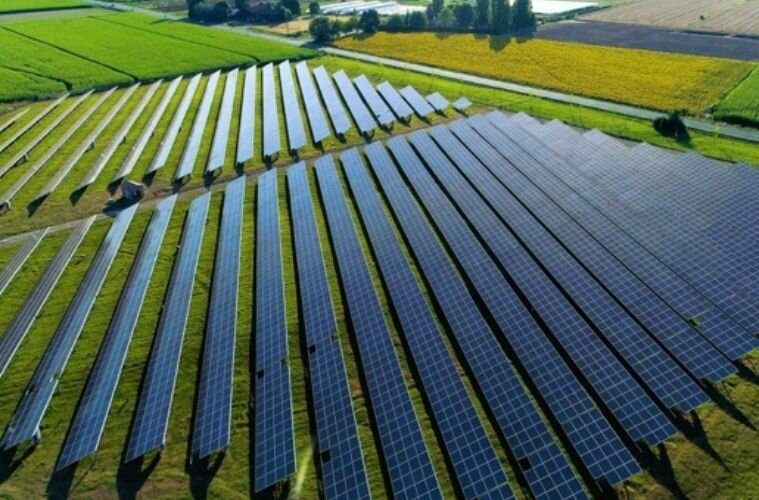
Virginia enacted SB508 April 22, directing Dominion Energy and Appalachian Power to assess unused solar interconnection capacity and pilot storage programs.

Experts at CMU Energy Week debated whether DERs are ready to help utilities manage surging electricity demand from data centers, electrification, and reshoring.

Industrial facilities are restructuring shift schedules around grid availability. In high-congestion markets, load flexibility has become a condition of grid access, not just a revenue opportunity.

Virtual PPAs were built for a grid with room to grow. As congestion spreads and basis risk climbs, procurement teams need a new contracting playbook for current grid conditions.