The mineralogy of Curium
| About Curium |
|---|
| Curium is a radioactive transuranic element that has only been produced in nuclear reactors. It is possible that some curium and other transuranic elements were created in the natural nuclear reactor in Oklo, Gabon. |
| General Properties | |
|---|---|
| Symbol: | Cm |
| Atomic Number: | 96 |
| Standard atomic weight (Ar): | [247] |
| Electron configuration: | [Rn] 5f7 6d1 7s2 |
| Photos | ||
|---|---|---|
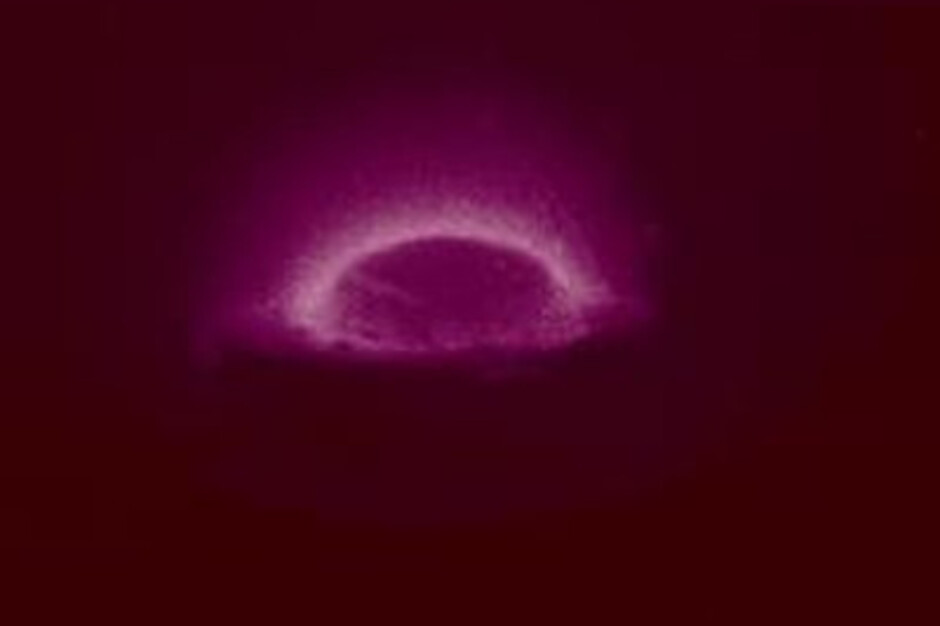 | ||
A piece of curium |
| Atomic Properties | |
|---|---|
| Electronegativity (Pauling scale): | 1.3 |
| Atomic Radius: | 174 pm |
| Ionic Radius: | 97 pm (+3) |
| 1st Ionization energy: | 581 kJ/mol |
| Oxidation States: | 3,4 |
| Physical Properties | |
|---|---|
| Standard State: | solid |
| Bonding Type: | metallic |
| Melting Point: | 1618 K |
| Boiling Point: | 3383 K |
| Density: | 13.51 g/cm3 |
| Metal/Non-Metal: | actinoid |
| Main isotopes of Curium | ||||
|---|---|---|---|---|
| Isotope | % in Nature | Half Life | Decay type | Decay product |
| 242Cm | synthetic | 160d | Spontaneous fission | |
| α | 238Pu | |||
| 243Cm | synthetic | 29.1y | α | 239Pu |
| ε | 243Am | |||
| Spontaneous fission | ||||
| 244Cm | synthetic | 18.1y | Spontaneous fission | |
| α | 240Pu | |||
| 245Cm | synthetic | 8500y | Spontaneous fission | |
| α | 241Pu | |||
| 246Cm | synthetic | 4730y | α | 242Pu |
| Spontaneous fission | ||||
| 247Cm | synthetic | 1.46×10⁷y | α | 234Pu |
| 248Cm | synthetic | 3.4×10⁵y | α | 244Pu |
| Spontaneous fission | ||||
| 250Cm | synthetic | 9000y | Spontaneous fission | |
| α | 246Pu | |||
| β− | 250Bk | |||
| Main ions of Curium | ||||
|---|---|---|---|---|
| Name | Ion | Example minerals | ||
| curium(II) | Cm2+ | |||
| curium(III) | Cm3+ | |||
| curium(IV) | Cm4+ | |||
| Other Information | |
|---|---|
| Year Discovered: | 1944 |
| Discovered By: | 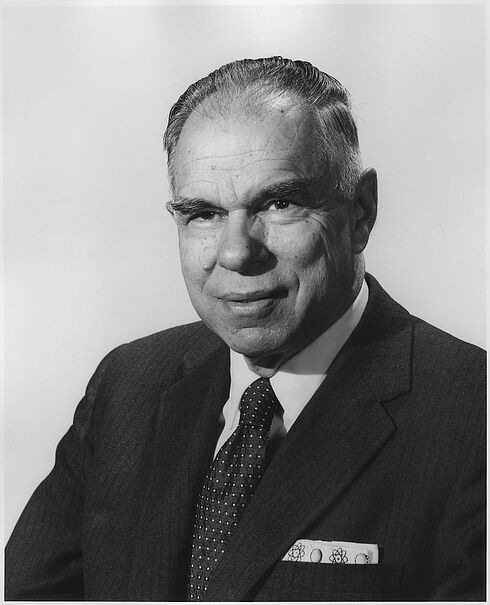 Glenn T. Seaborg  Albert Ghiorso Glenn T. Seaborg, Ralph A. James, Albert Ghiorso |
| Named For: | 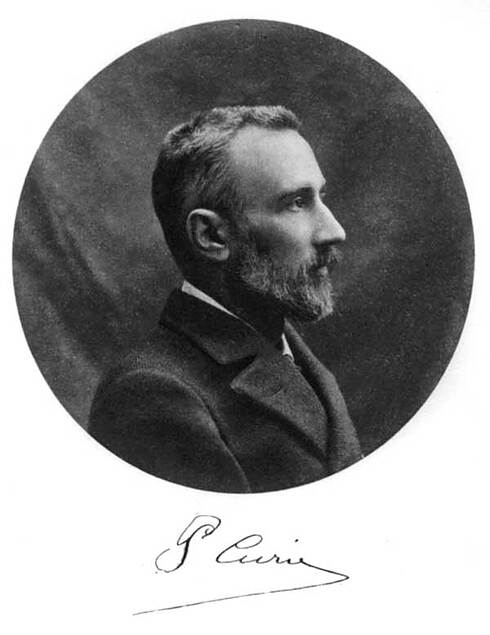 Pierre Curie 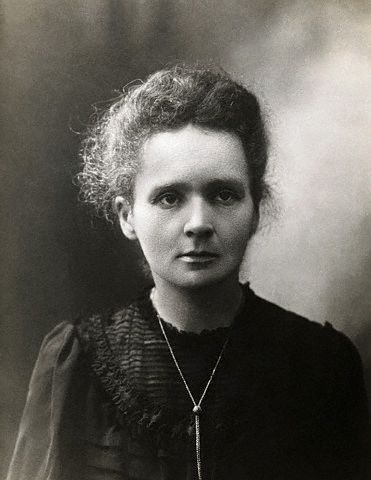 Marie Skłodowska Curie Marie Sklodowska-Curie and Pierre Curie |
| CPK color coding: | #785CE3 |
| External Links: | WikipediaWebElementsLos Alamos National LaboratoryTheodore Gray's PeriodicTable.com |