





















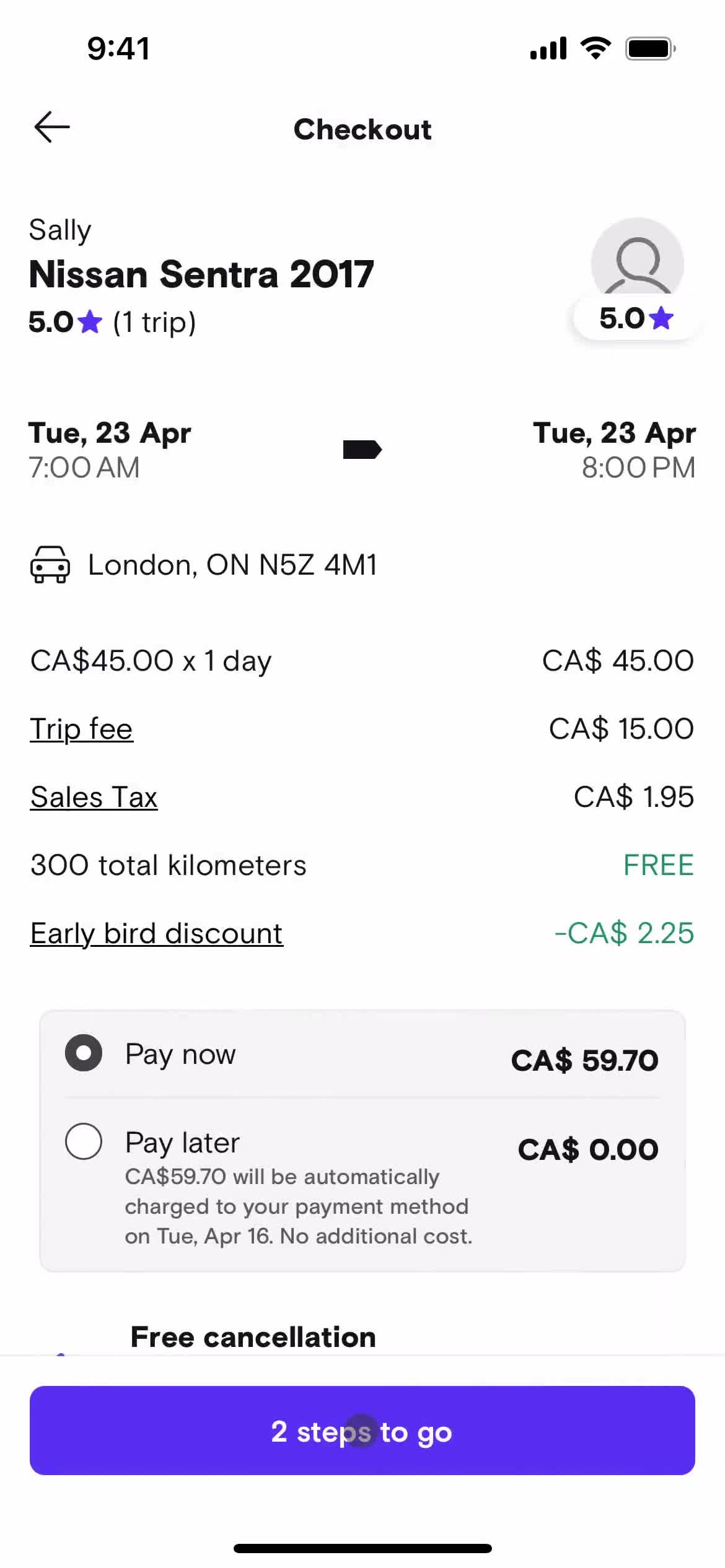
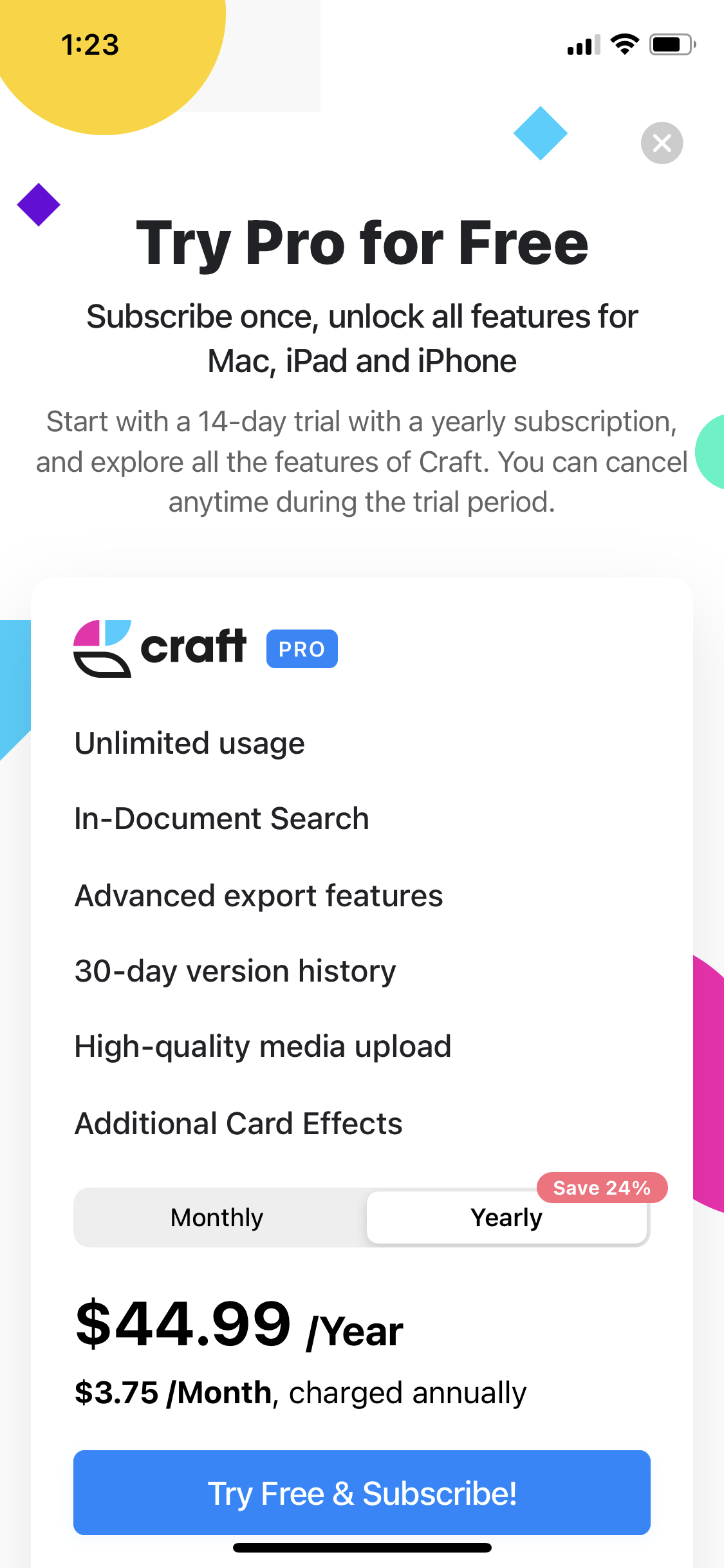
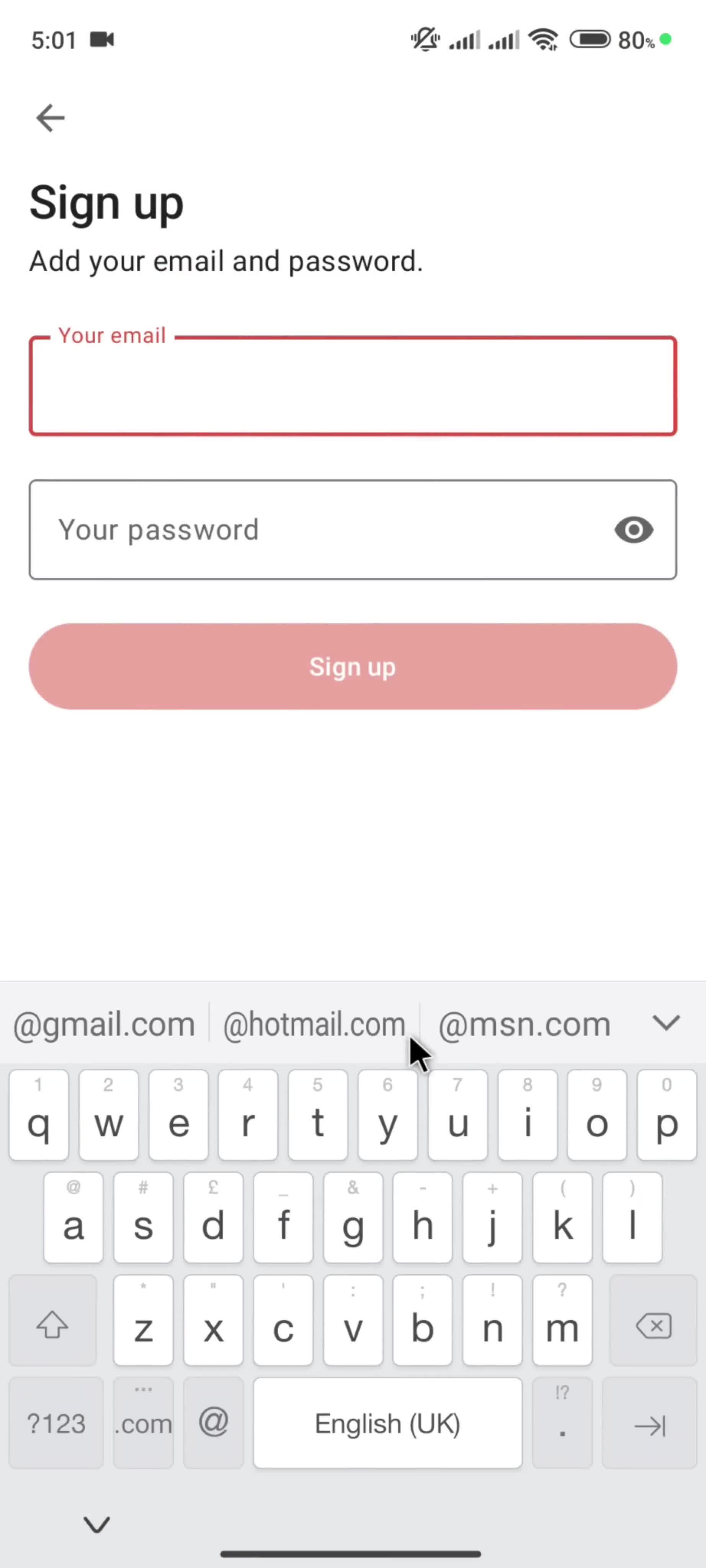
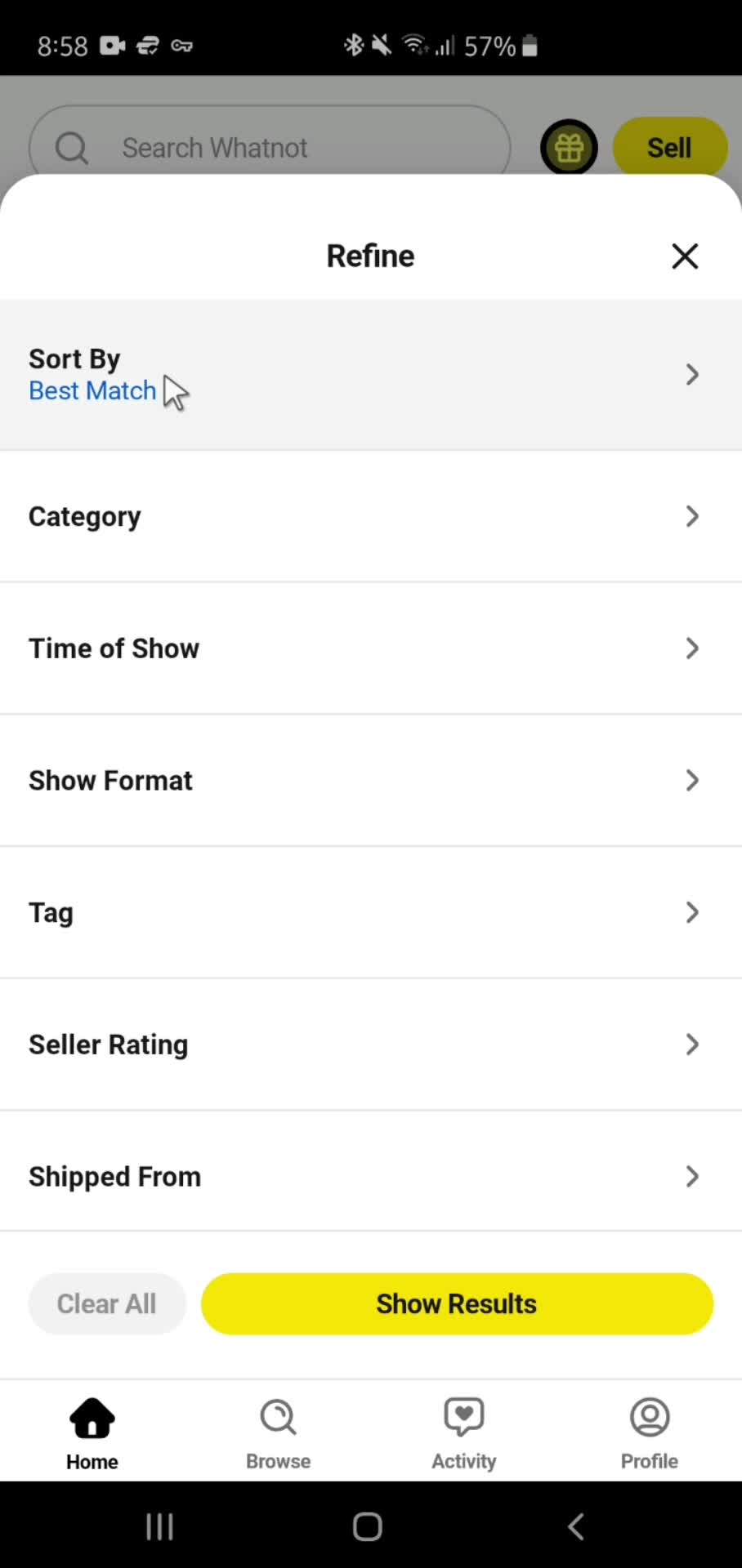







Android Adding session Flow — Platform-Specific Design
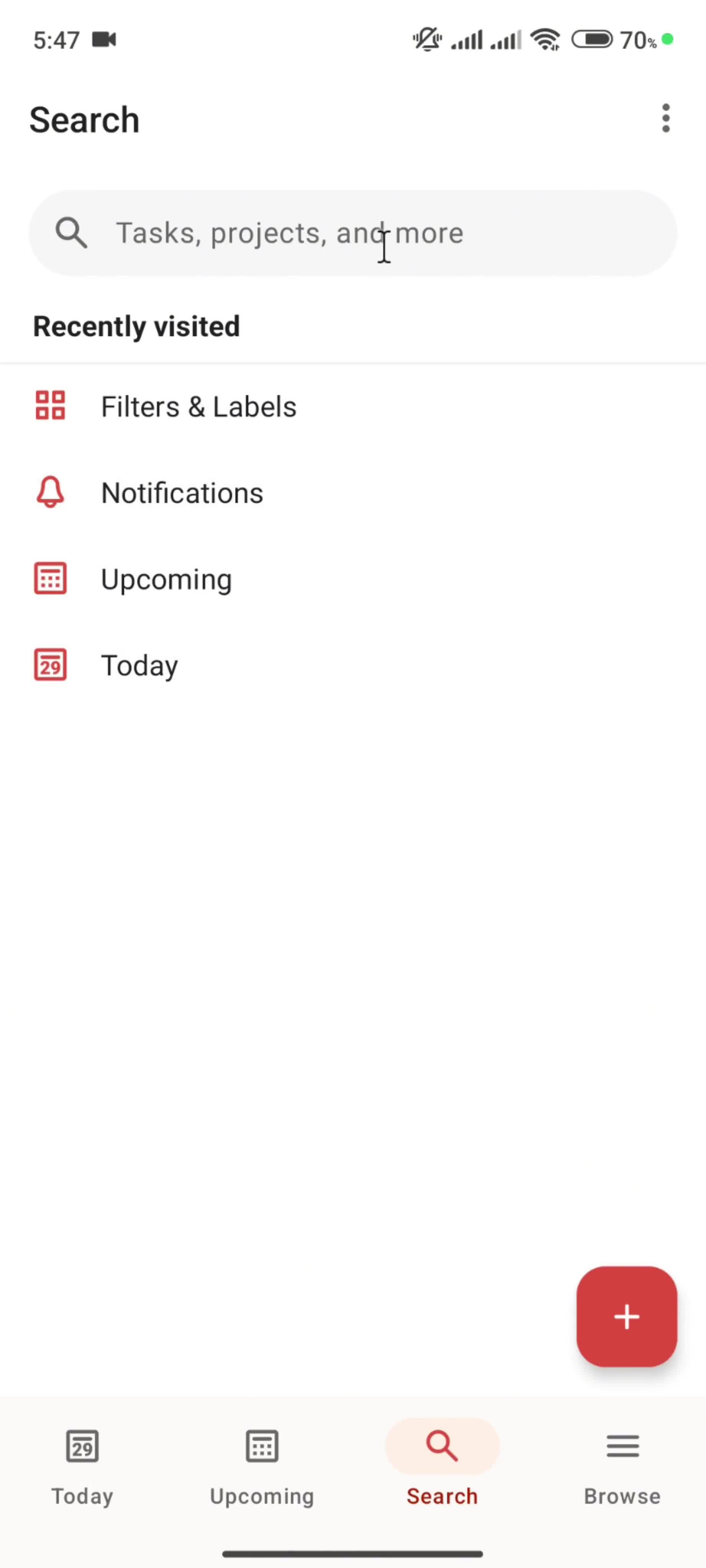
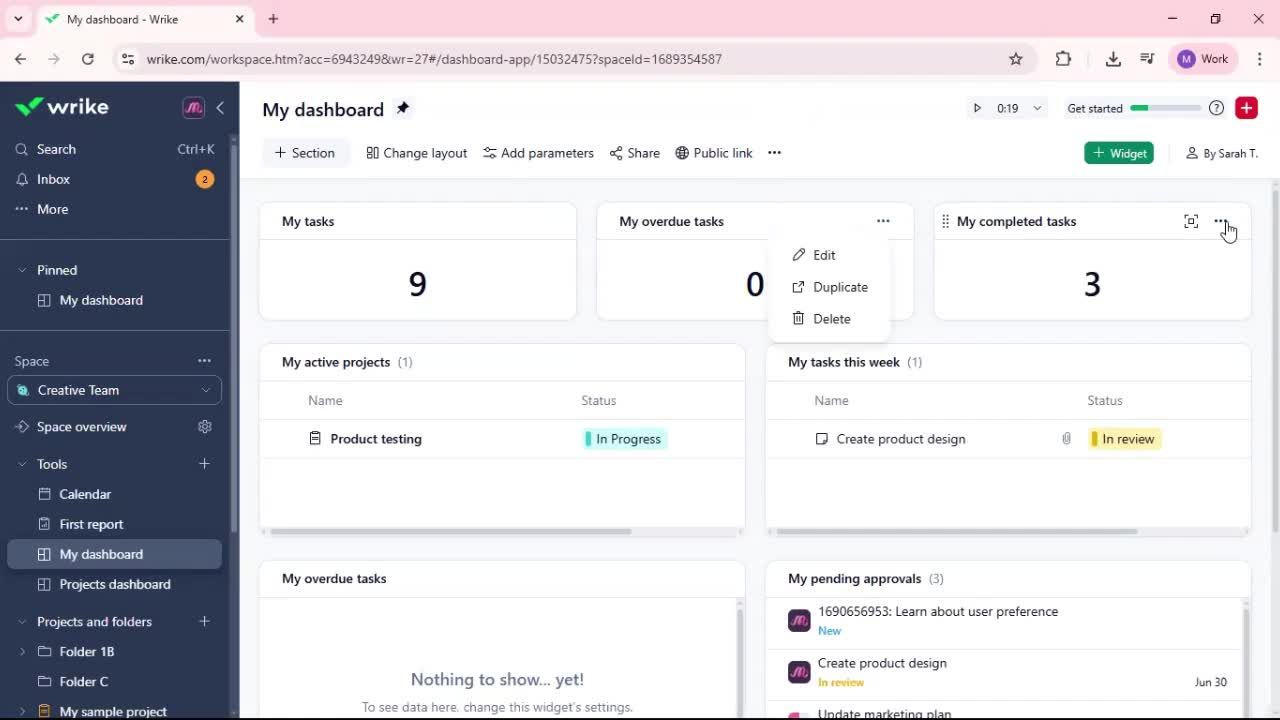
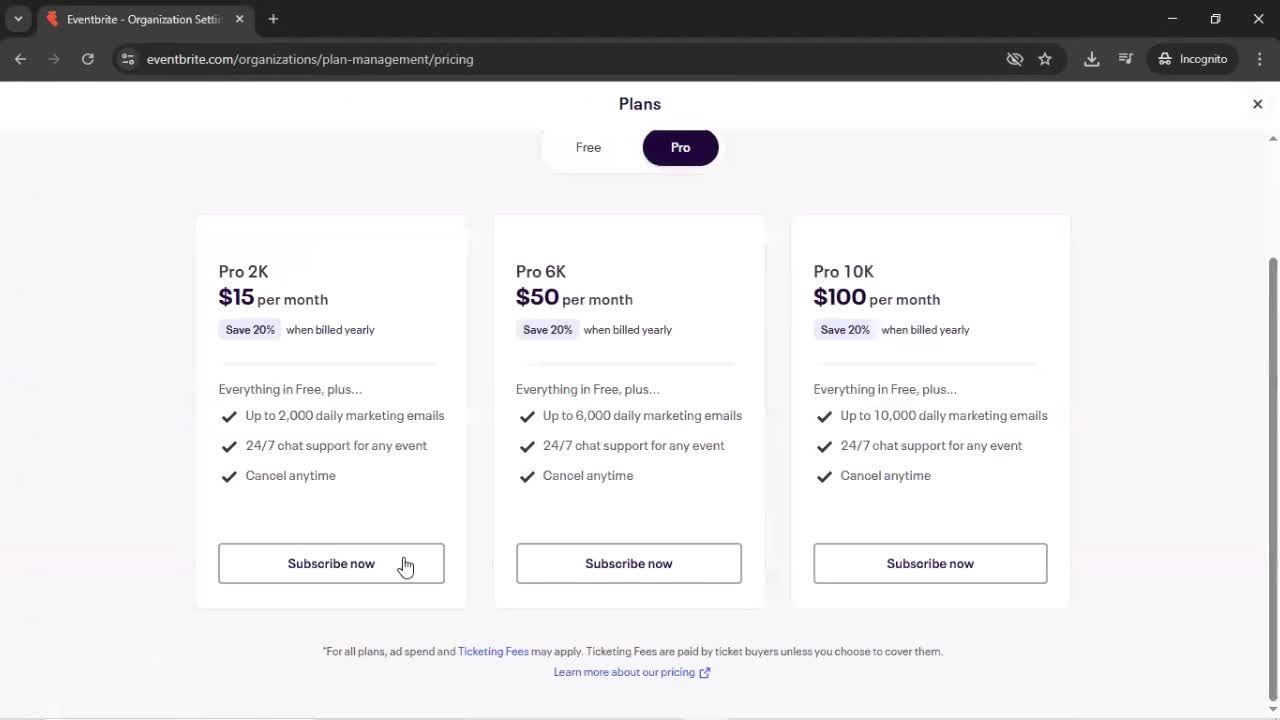
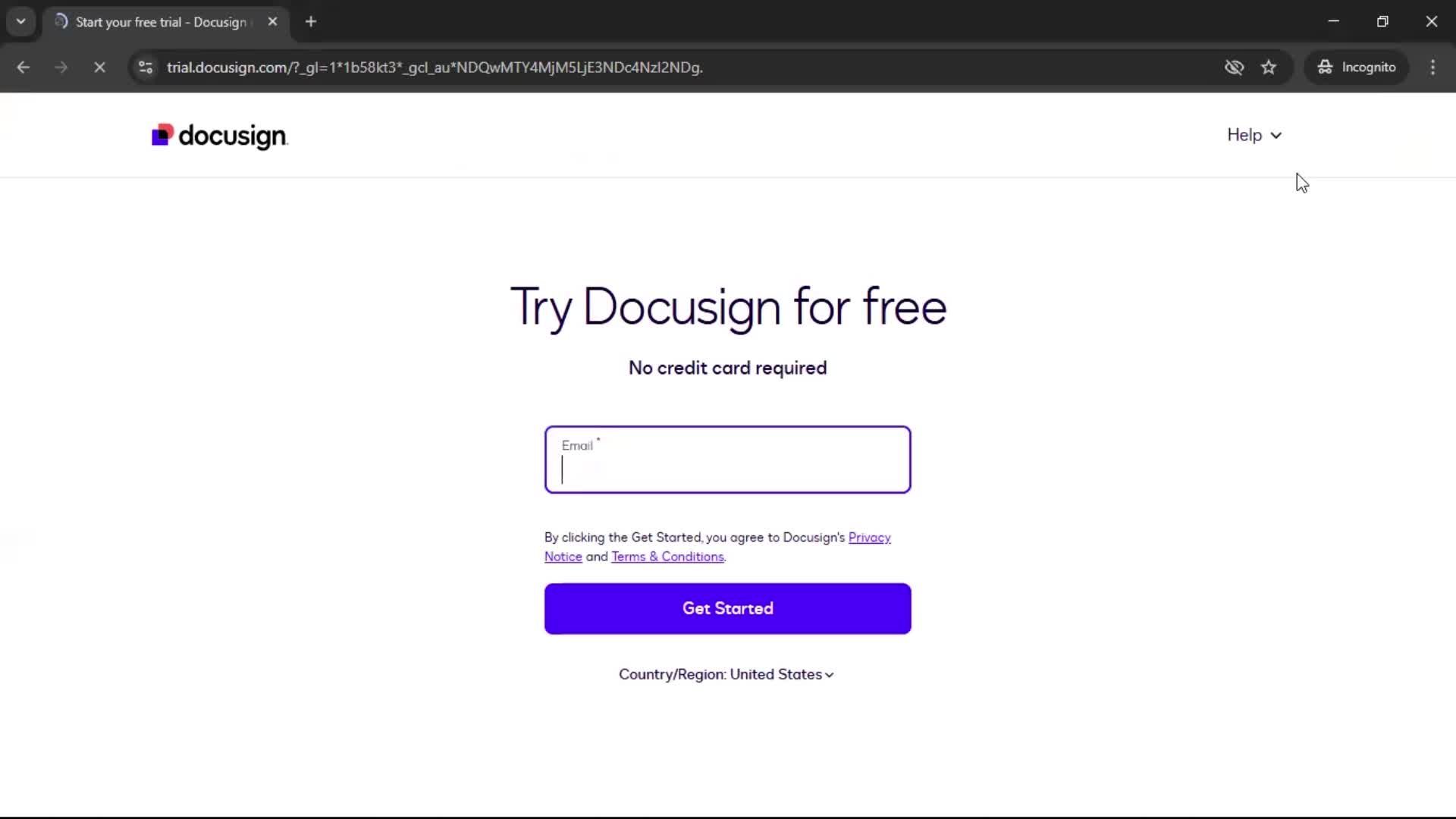
Adding session flows on Android are shaped by the platform as much as by the brand. Material Design patterns, back-button behavior, and the Android user's intent-based mindset all influence how Adding session feels. This page collects real Adding session recordings from the Page Flows Android library, so you can study dozens of examples in their native platform context.
Full Adding session Sequences on Real Android Devices
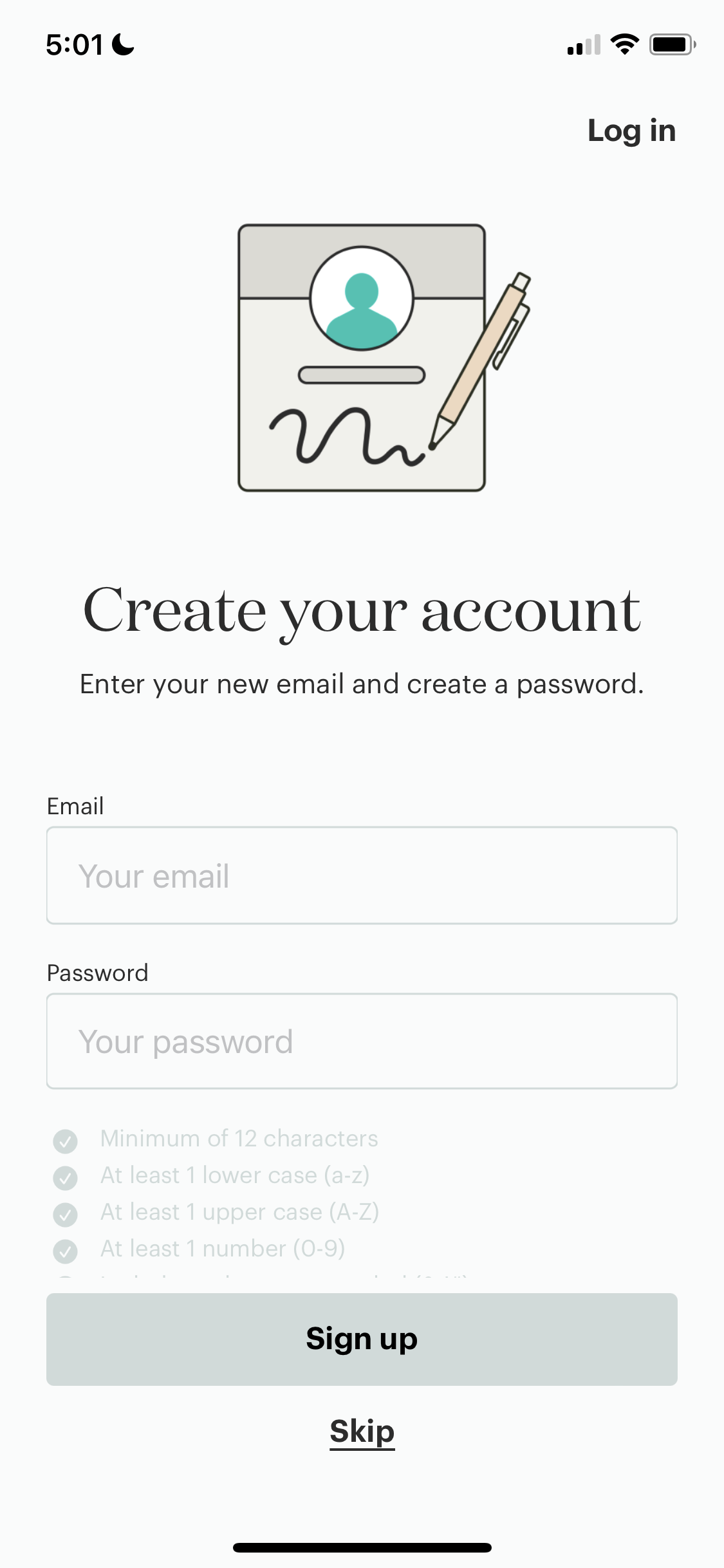
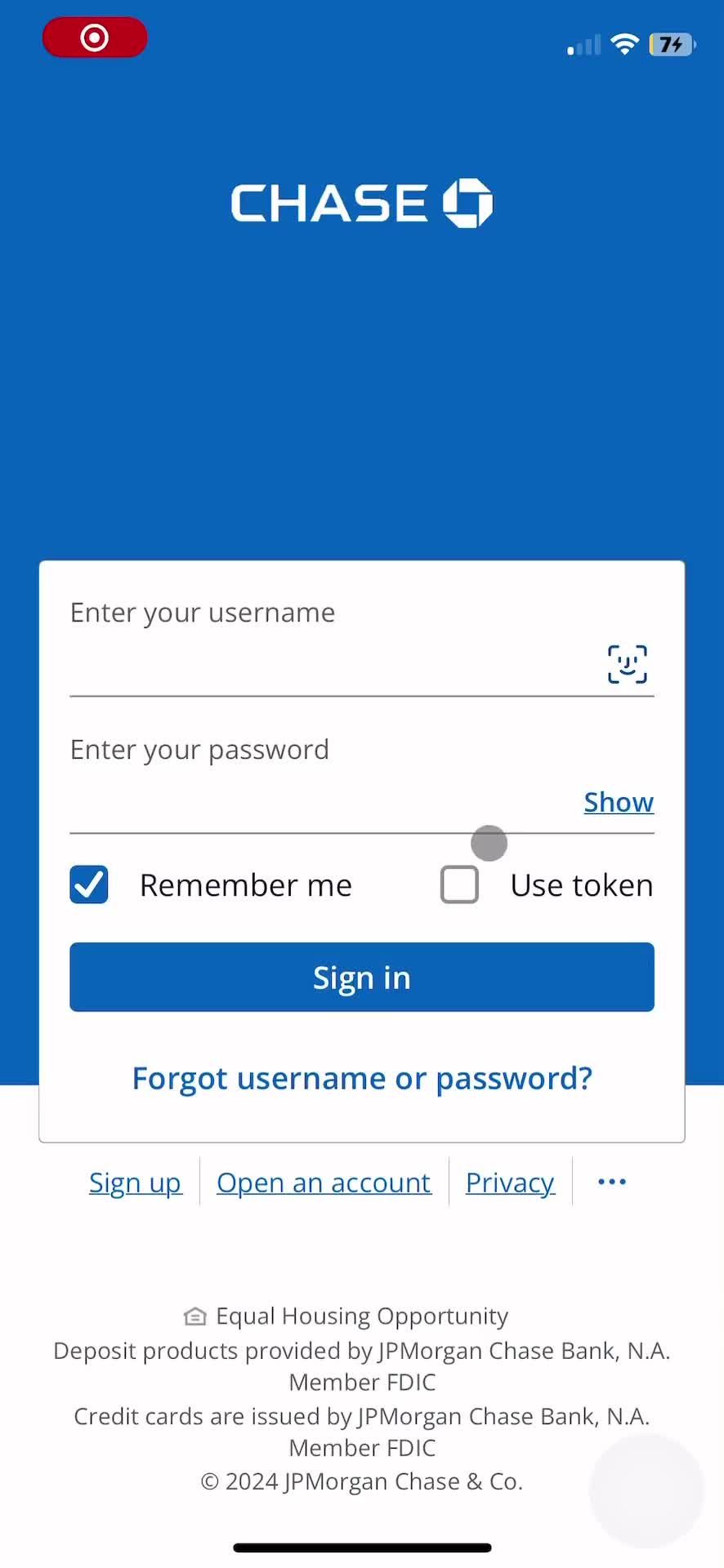
Each recording captures the full Adding session sequence on the live Google Play app — including how the app handles edge cases, confirmations, and transitions. Compared to looking at cropped screenshots or marketing GIFs, this gives you the complete design picture you need to make informed decisions.
For Designers Building Android-First Adding session Experiences
Designers benchmarking against competitors, PMs spec'ing out a new Adding session feature, and researchers studying Android UX conventions all use this as a starting reference. It's particularly valuable if you're designing Android-first and need evidence that's specific to the platform rather than translated from iOS.
Frequently Asked Questions
What Android Adding session flow examples are available?
The library features Adding session flows from many leading Android apps, covering a range of industries and design approaches. The collection grows regularly with new recordings.
How do Android Adding session flows differ from iOS?
Android Adding session flows often leverage Material Design components and gesture patterns that aren't present on iOS. Back-button handling and transitions are also different. Cross-referencing with the iOS version is a popular research approach.
Can I study Adding session flows from specific Android app categories?
Yes. Filters let you narrow Adding session flows to specific app categories or brands, so you're benchmarking against the apps most relevant to your work.
Are Android Adding session flows captured on the latest OS?
Most recordings are captured on current Android versions, so patterns reflect up-to-date Material Design language and OS-level behaviors rather than older conventions.