The mineralogy of Indium
| General Properties | |
|---|---|
| Symbol: | In |
| Commodity pages: | Indium |
| Atomic Number: | 49 |
| Standard atomic weight (Ar): | 114.818(3) |
| Electron configuration: | [Kr] 4d10 5s2 5p1 |
| Photos | ||
|---|---|---|
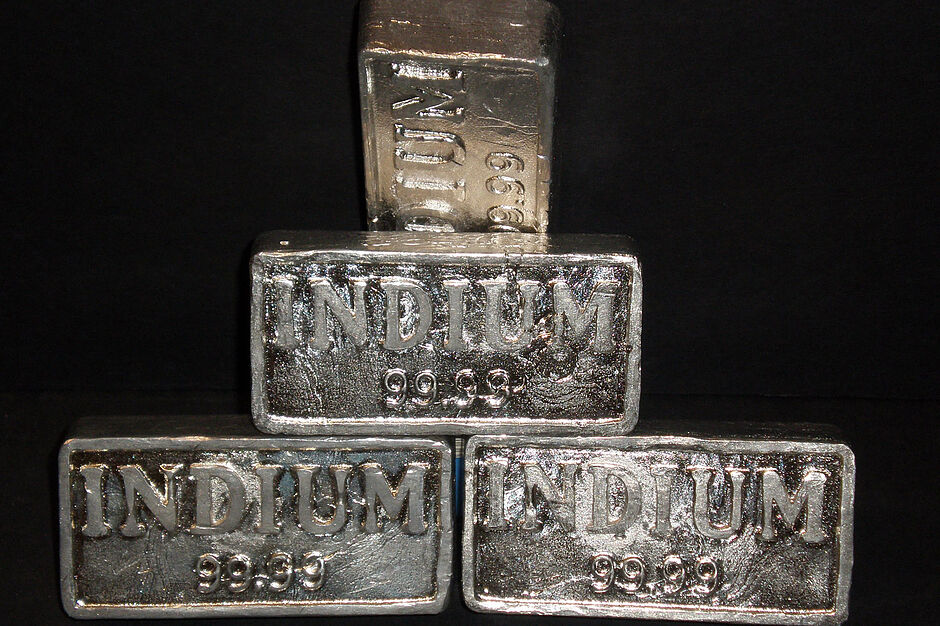 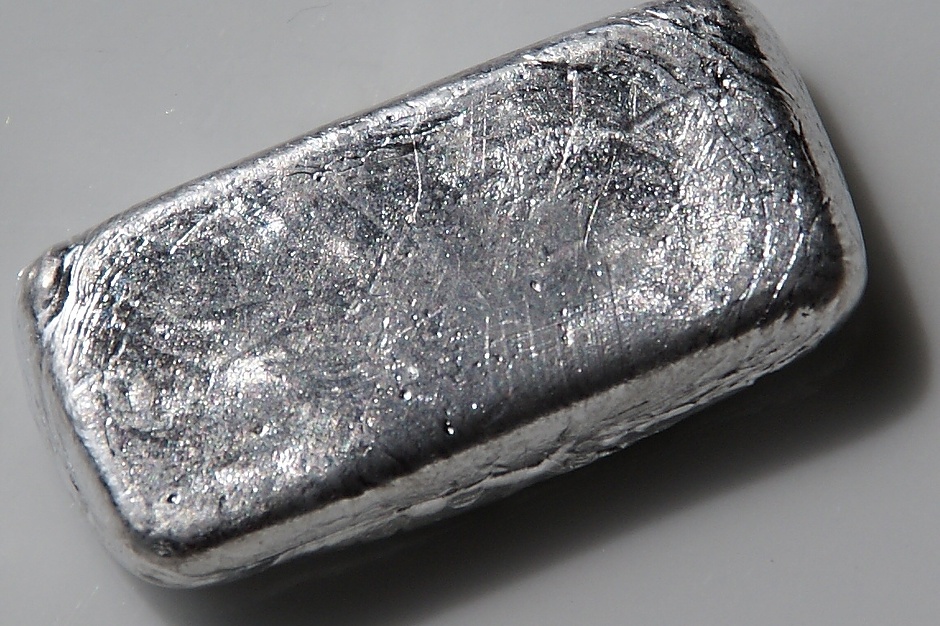 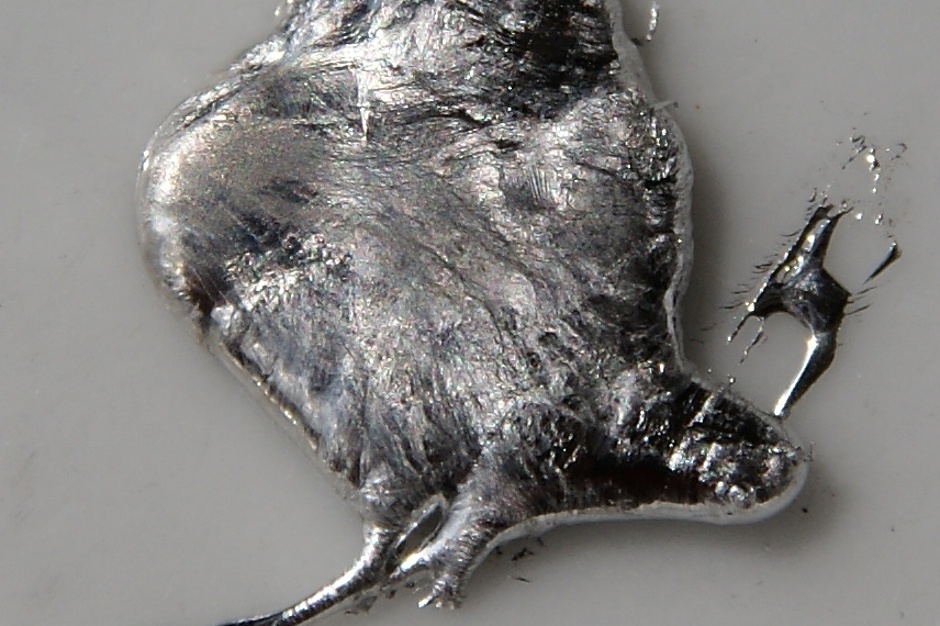 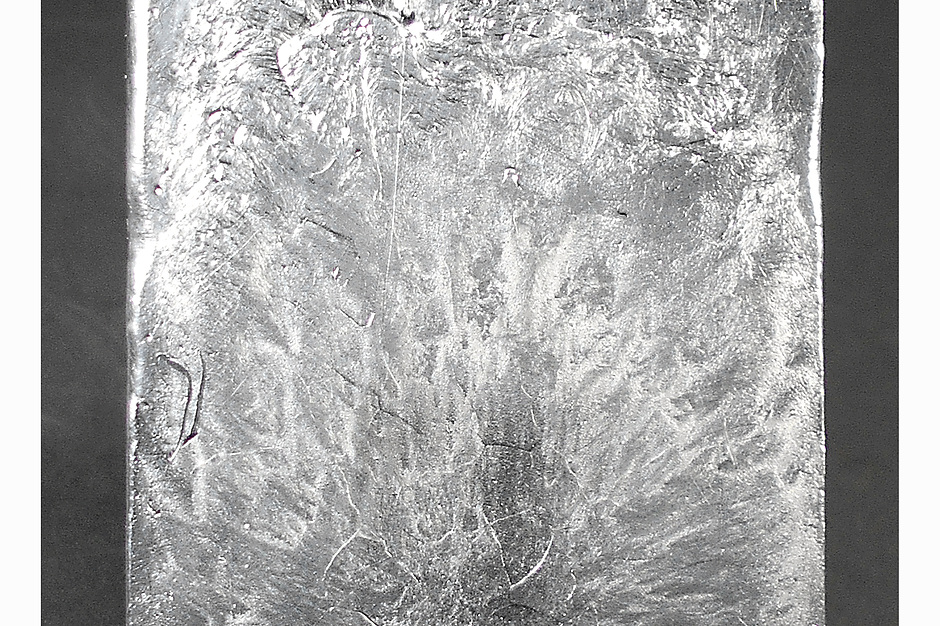 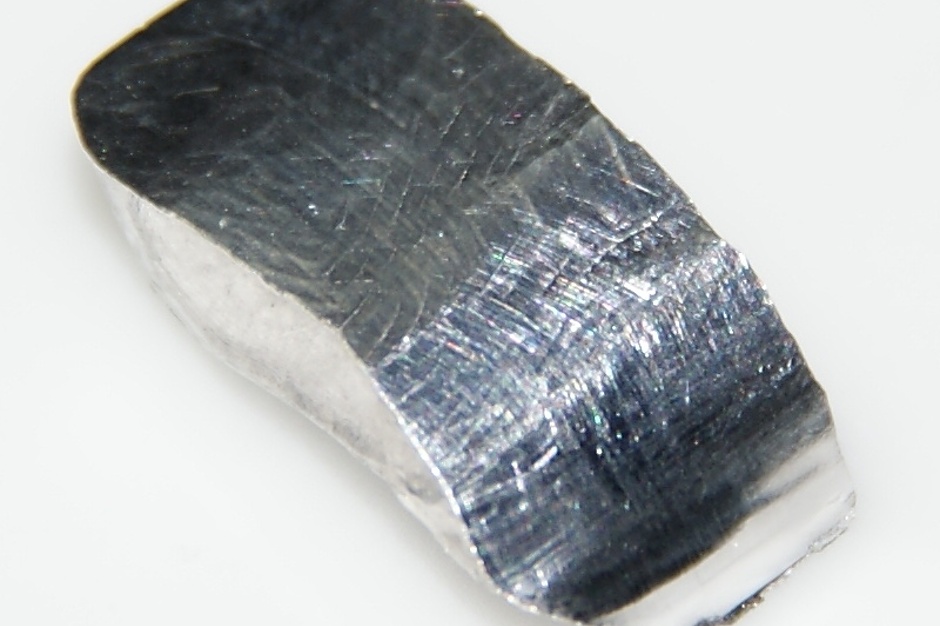 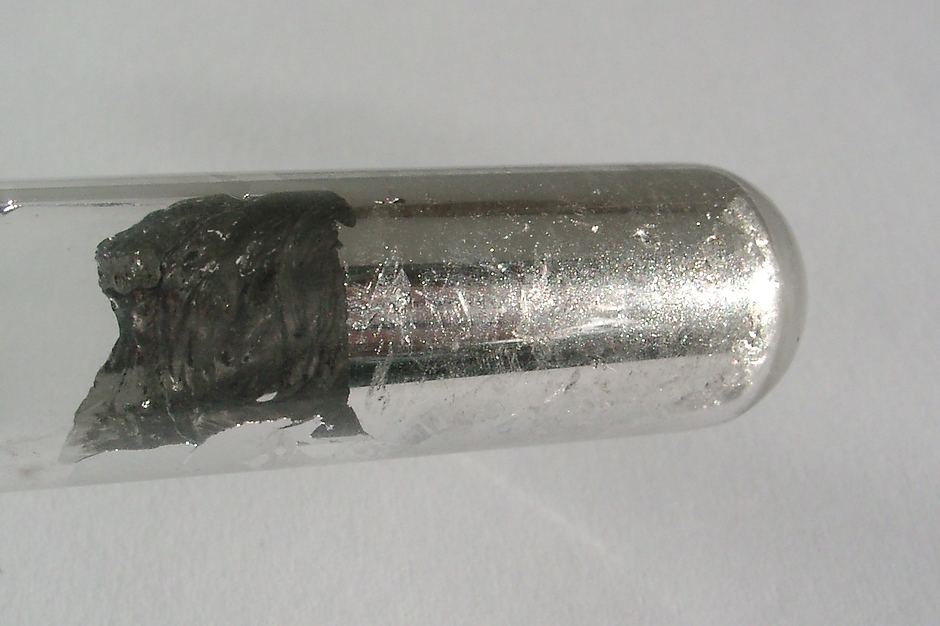 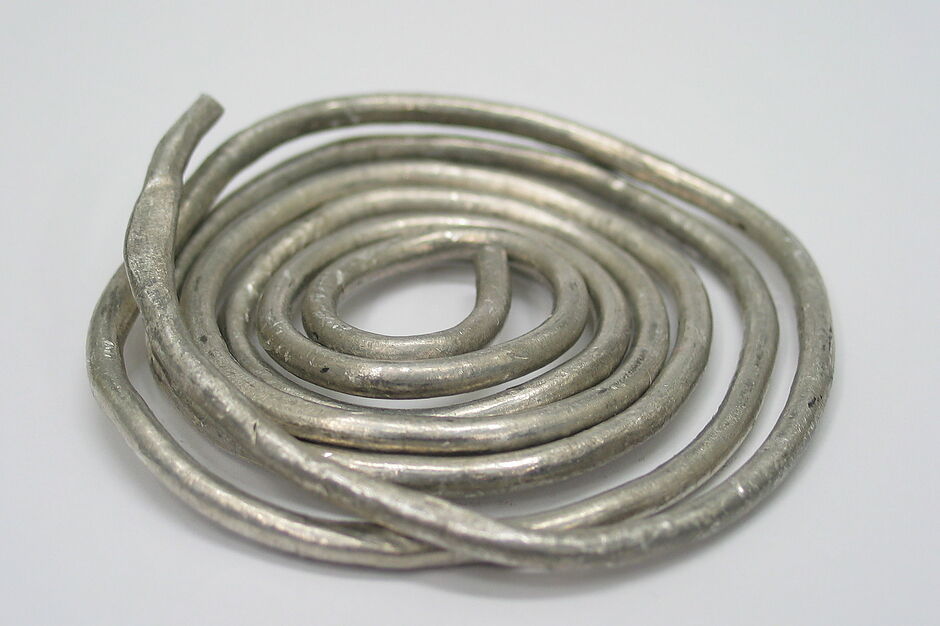 | ||
| < | Pure indium bars | > |
| Atomic Properties | |
|---|---|
| Electronegativity (Pauling scale): | 1.78 |
| Atomic Radius: | 156 pm |
| Ionic Radius: | 80 pm (+3) |
| Van der Waals Radius: | 193 pm |
| 1st Ionization energy: | 558 kJ/mol |
| 1st Electron affinity: | -29 kJ/mol |
| Oxidation States: | 1,2,3 |
| Physical Properties | |
|---|---|
| Standard State: | solid |
| Bonding Type: | metallic |
| Melting Point: | 430 K |
| Boiling Point: | 2345 K |
| Density: | 7.31 g/cm3 |
| Metal/Non-Metal: | metal |
| Main isotopes of Indium | ||||
|---|---|---|---|---|
| Isotope | % in Nature | Half Life | Decay type | Decay product |
| 113In | 4.29% | - | Spontaneous fission ? | |
| 115In | 95.71 | 4.41×10¹⁴y | β− | 115Sn |
| Other Information | |
|---|---|
| Year Discovered: | 1863 |
| Discovered By: | 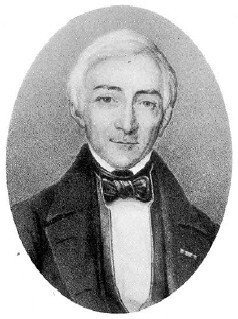 Ferdinand Reich 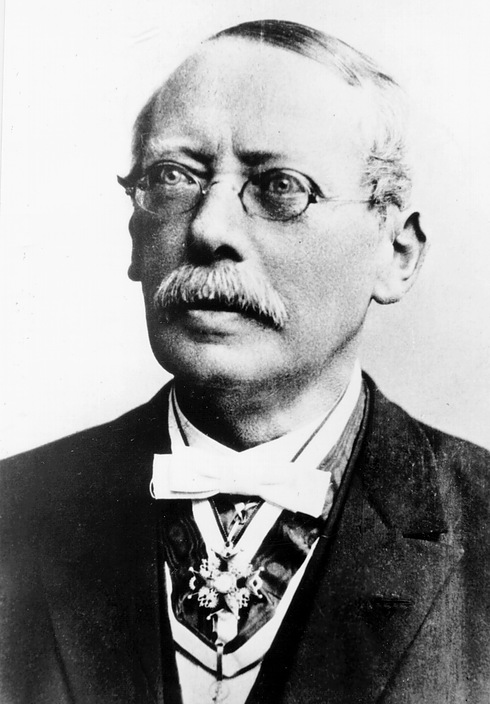 Hieronymus Theodor Richter Ferdinand Reich and Hieronymous Theodor Richter |
| Year Isolated: | 1867 |
| Isolated By: | Hieronymous Theodor Richter |
| Named For: | Named after indigo, because of indigo spectrum line |
| CPK color coding: | #A67573 |
| External Links: | WikipediaWebElementsLos Alamos National LaboratoryTheodore Gray's PeriodicTable.com |
| Simple Compounds | |||||||||||||||||||||||||||||||||||||||||||||||||||||||||||||||||||||||||||||||||||||||||||||||||||||||||||||||||||||||||||||||||||||||||||||||||||||||
|---|---|---|---|---|---|---|---|---|---|---|---|---|---|---|---|---|---|---|---|---|---|---|---|---|---|---|---|---|---|---|---|---|---|---|---|---|---|---|---|---|---|---|---|---|---|---|---|---|---|---|---|---|---|---|---|---|---|---|---|---|---|---|---|---|---|---|---|---|---|---|---|---|---|---|---|---|---|---|---|---|---|---|---|---|---|---|---|---|---|---|---|---|---|---|---|---|---|---|---|---|---|---|---|---|---|---|---|---|---|---|---|---|---|---|---|---|---|---|---|---|---|---|---|---|---|---|---|---|---|---|---|---|---|---|---|---|---|---|---|---|---|---|---|---|---|---|---|---|---|---|---|
| Nitrides | indium nitride | InN | +3 | ||||||||||||||||||||||||||||||||||||||||||||||||||||||||||||||||||||||||||||||||||||||||||||||||||||||||||||||||||||||||||||||||||||||||||||||||||||
| Sulfides | indium sulphide | InS | +2 | ||||||||||||||||||||||||||||||||||||||||||||||||||||||||||||||||||||||||||||||||||||||||||||||||||||||||||||||||||||||||||||||||||||||||||||||||||||
| diindium trisulphide | In2S3 | +3 | |||||||||||||||||||||||||||||||||||||||||||||||||||||||||||||||||||||||||||||||||||||||||||||||||||||||||||||||||||||||||||||||||||||||||||||||||||||
| Selenides | indium selenide | InSe | +2 | ||||||||||||||||||||||||||||||||||||||||||||||||||||||||||||||||||||||||||||||||||||||||||||||||||||||||||||||||||||||||||||||||||||||||||||||||||||
| diindium triselenide | In2Se3 | +3 | |||||||||||||||||||||||||||||||||||||||||||||||||||||||||||||||||||||||||||||||||||||||||||||||||||||||||||||||||||||||||||||||||||||||||||||||||||||
| Tellurides | indium telluride | InTe | +1,+3 | ||||||||||||||||||||||||||||||||||||||||||||||||||||||||||||||||||||||||||||||||||||||||||||||||||||||||||||||||||||||||||||||||||||||||||||||||||||
| diindium tritelluride | In2Te3 | +3 | |||||||||||||||||||||||||||||||||||||||||||||||||||||||||||||||||||||||||||||||||||||||||||||||||||||||||||||||||||||||||||||||||||||||||||||||||||||
| Hydrides | indium hydride | InH | +1 | ||||||||||||||||||||||||||||||||||||||||||||||||||||||||||||||||||||||||||||||||||||||||||||||||||||||||||||||||||||||||||||||||||||||||||||||||||||
| Fluorides | indium trifluoride trihydrate | InF3 · 3H2O | +3 | ||||||||||||||||||||||||||||||||||||||||||||||||||||||||||||||||||||||||||||||||||||||||||||||||||||||||||||||||||||||||||||||||||||||||||||||||||||
| indium fluoride | InF | +1 | |||||||||||||||||||||||||||||||||||||||||||||||||||||||||||||||||||||||||||||||||||||||||||||||||||||||||||||||||||||||||||||||||||||||||||||||||||||
| indium trifluoride | InF3 | +3 | |||||||||||||||||||||||||||||||||||||||||||||||||||||||||||||||||||||||||||||||||||||||||||||||||||||||||||||||||||||||||||||||||||||||||||||||||||||
| indium trifluoride nonahydrate | InF3 · 9H2O | +3 | |||||||||||||||||||||||||||||||||||||||||||||||||||||||||||||||||||||||||||||||||||||||||||||||||||||||||||||||||||||||||||||||||||||||||||||||||||||
| Chlorides | indium chloride | InCl | +1 | ||||||||||||||||||||||||||||||||||||||||||||||||||||||||||||||||||||||||||||||||||||||||||||||||||||||||||||||||||||||||||||||||||||||||||||||||||||
| indium dichloride | InCl2 | +1,+3 | |||||||||||||||||||||||||||||||||||||||||||||||||||||||||||||||||||||||||||||||||||||||||||||||||||||||||||||||||||||||||||||||||||||||||||||||||||||
| indium trichloride | InCl3 | +3 | |||||||||||||||||||||||||||||||||||||||||||||||||||||||||||||||||||||||||||||||||||||||||||||||||||||||||||||||||||||||||||||||||||||||||||||||||||||
| Bromides | indium bromide | InBr | +1 | ||||||||||||||||||||||||||||||||||||||||||||||||||||||||||||||||||||||||||||||||||||||||||||||||||||||||||||||||||||||||||||||||||||||||||||||||||||
| indium dibromide | InBr2 | +1,+3 | |||||||||||||||||||||||||||||||||||||||||||||||||||||||||||||||||||||||||||||||||||||||||||||||||||||||||||||||||||||||||||||||||||||||||||||||||||||
| indium tribromide | InBr3 | +3 | |||||||||||||||||||||||||||||||||||||||||||||||||||||||||||||||||||||||||||||||||||||||||||||||||||||||||||||||||||||||||||||||||||||||||||||||||||||
| Iodides | indium iodide | InI | +1 | ||||||||||||||||||||||||||||||||||||||||||||||||||||||||||||||||||||||||||||||||||||||||||||||||||||||||||||||||||||||||||||||||||||||||||||||||||||
| indium triiodide | InI3 | +3 | |||||||||||||||||||||||||||||||||||||||||||||||||||||||||||||||||||||||||||||||||||||||||||||||||||||||||||||||||||||||||||||||||||||||||||||||||||||
| diindium tetraiodide | In2I4 | +1,+3 | |||||||||||||||||||||||||||||||||||||||||||||||||||||||||||||||||||||||||||||||||||||||||||||||||||||||||||||||||||||||||||||||||||||||||||||||||||||
| Oxides | indium oxide | InO | +2 | ||||||||||||||||||||||||||||||||||||||||||||||||||||||||||||||||||||||||||||||||||||||||||||||||||||||||||||||||||||||||||||||||||||||||||||||||||||
| diindium trioxide | In2O3 | +3 | |||||||||||||||||||||||||||||||||||||||||||||||||||||||||||||||||||||||||||||||||||||||||||||||||||||||||||||||||||||||||||||||||||||||||||||||||||||
| Mineral Diversity of Indium | |
|---|---|
| 1. Elements | 3 valid mineral species |
| 2. Sulfides And Sulfosalts | 10 valid mineral species |
| 4. Oxides | 1 valid mineral species |
| 8. Phosphates, Arsenates, Vanadates | 1 valid mineral species |
| Total: | 15 valid species containing essential Indium |
| Minerals with the greatest weight % of Indium | ||
|---|---|---|
| Native Indium | In | 100.00 % |
| Dzhalindite | In(OH)3 | 69.23 % |
| Indite | FeIn2S4 | 55.50 % |
| Damiaoite | PtIn2 | 54.07 % |
| Cadmoindite | CdIn2S4 | 48.83 % |
| Roquesite | CuInS2 | 47.35 % |
| Laforêtite | AgInS2 | 40.03 % |
| Yanomamite | InAsO4·2H2O | 39.62 % |
| Sakuraiite | (Cu,Zn,Fe)3(In,Sn)S4 | 26.47 % |
| Yixunite | Pt3In | 16.40 % |
| Geochemistry of Indium | |
|---|---|
| Goldschmidt classification: | Chalcophile |
| In+ is concentrated in residual soils and sediments (less certainty.) | |
| In3+ is concentrated in residual soils and sediments (less certainty.) | |
| Elemental Abundance for Indium | ||
|---|---|---|
| Crust (CRC Handbook) | 2.5 x 10⁻⁷ | mass fraction, kg/kg |
| Crust (Kaye & Laby) | 2 x 10⁻⁷ | mass fraction, kg/kg |
| Crust (Greenwood) | 2.4 x 10⁻⁷ | mass fraction, kg/kg |
| Crust (Ahrens/Taylor) | 5.0 x 10⁻⁸ | mass fraction, kg/kg |
| Crust (Ahrens/Wänke) | 6.95 x 10⁻⁸ | mass fraction, kg/kg |
| Upper Crust (Ahrens/Taylor) | 5.0 x 10⁻⁸ | mass fraction, kg/kg |
| Sea Water (CRC Handbook) | 2 x 10⁻⁸ | mass per volume fraction, kg/L |
| The Sun (Kaye & Laby) | 1.3 x 10⁻⁶ | atom mole fraction relative to Si=1 |
| Solar System (Kaye & Laby) | 1.9 x 10⁻⁷ | atom mole fraction relative to Si=1 |
| Solar System (Ahrens) | 1.84 x 10⁻⁷ (6.4%) | atom mole fraction relative to Si=1 (% uncertainty) |
| Element association of Indium in the Mineral World | |||
|---|---|---|---|
| This table compares the known valid mineral species listed listed with Indium and the other elements listed based on the official IMA formula. Note that unlike other sections on this page this includes non-essential elements. The first data column contains the total number of minerals listed with Indium and the element listed for that row. The second data column lists this number as a percentage of all minerals listed with Indium. The final data column compares this percentage against the percentage of all minerals that contain the element listed in each row. Click on a heading to sort. |
| Element | Valid Minerals listed with element and Indium | % of In minerals | Relative to % in all minerals |
|---|---|---|---|
| Sulfur | 11 minerals with In and S | 64.71% | 193.25% higher |
| Iron | 5 minerals with In and Fe | 29.41% | 31.10% higher |
| Copper | 5 minerals with In and Cu | 29.41% | 117.20% higher |
| Zinc | 3 minerals with In and Zn | 17.65% | 213.51% higher |
| Arsenic | 3 minerals with In and As | 17.65% | 35.80% higher |
| Silver | 3 minerals with In and Ag | 17.65% | 351.56% higher |
| Tin | 3 minerals with In and Sn | 17.65% | 862.54% higher |
| Lead | 3 minerals with In and Pb | 17.65% | 62.80% higher |
| Oxygen | 2 minerals with In and O | 11.76% | 85.50% lower |
| Hydrogen | 2 minerals with In and H | 11.76% | 78.85% lower |
| Cadmium | 2 minerals with In and Cd | 11.76% | 2,051.56% higher |
| Bismuth | 2 minerals with In and Bi | 11.76% | 180.28% higher |
| Platinum | 2 minerals with In and Pt | 11.76% | 1,456.45% higher |
| Manganese | 1 mineral with In and Mn | 5.88% | 49.34% lower |
| Palladium | 1 mineral with In and Pd | 5.88% | 315.64% higher |
| Gallium | 1 mineral with In and Ga | 5.88% | 3,964.05% higher |
| Antimony | 1 mineral with In and Sb | 5.88% | 2.74% higher |
| Periodic Table | |||||||||||||||||||||||||||||||||||||||||||||||||||||||||||||||||||||||||||||||||||||||||||||||||||||||||||||||||||||||||||||||||||||||||||||||||||||||
|---|---|---|---|---|---|---|---|---|---|---|---|---|---|---|---|---|---|---|---|---|---|---|---|---|---|---|---|---|---|---|---|---|---|---|---|---|---|---|---|---|---|---|---|---|---|---|---|---|---|---|---|---|---|---|---|---|---|---|---|---|---|---|---|---|---|---|---|---|---|---|---|---|---|---|---|---|---|---|---|---|---|---|---|---|---|---|---|---|---|---|---|---|---|---|---|---|---|---|---|---|---|---|---|---|---|---|---|---|---|---|---|---|---|---|---|---|---|---|---|---|---|---|---|---|---|---|---|---|---|---|---|---|---|---|---|---|---|---|---|---|---|---|---|---|---|---|---|---|---|---|---|
| |||||||||||||||||||||||||||||||||||||||||||||||||||||||||||||||||||||||||||||||||||||||||||||||||||||||||||||||||||||||||||||||||||||||||||||||||||||||
| Cadmium << Indium >> Tin | |||||||||||||||||||||||||||||||||||||||||||||||||||||||||||||||||||||||||||||||||||||||||||||||||||||||||||||||||||||||||||||||||||||||||||||||||||||||