The mineralogy of Helium
| About Helium |
|---|
| Helium is the second lightest element, the lightest noble gas, and the second most abundant element in the known universe - up to 24% - which is 12 times the total of all heavier elements combined. As an unreactive noble gas it is not found in minerals directly, but is found within uranium and thorium minerals as a product of radioactive decay. Alpha particles (helium nuclei He2+) capture electrons when stopped by the surrounding rock to become helium. |
| General Properties | |
|---|---|
| Symbol: | He |
| Commodity pages: | Helium |
| Atomic Number: | 2 |
| Standard atomic weight (Ar): | 4.002602(2) |
| Electron configuration: | 1s2 |
| Photos | ||
|---|---|---|
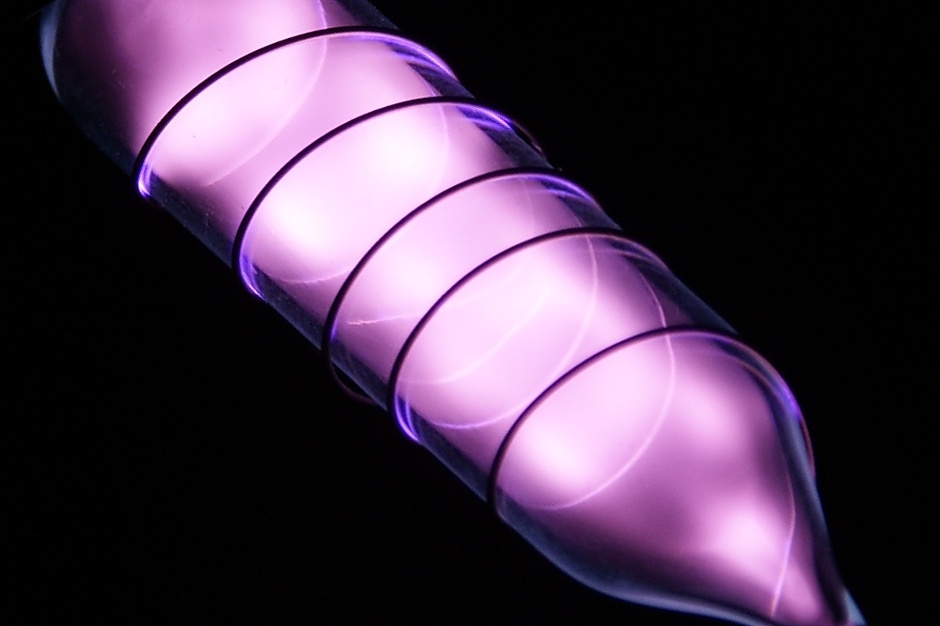  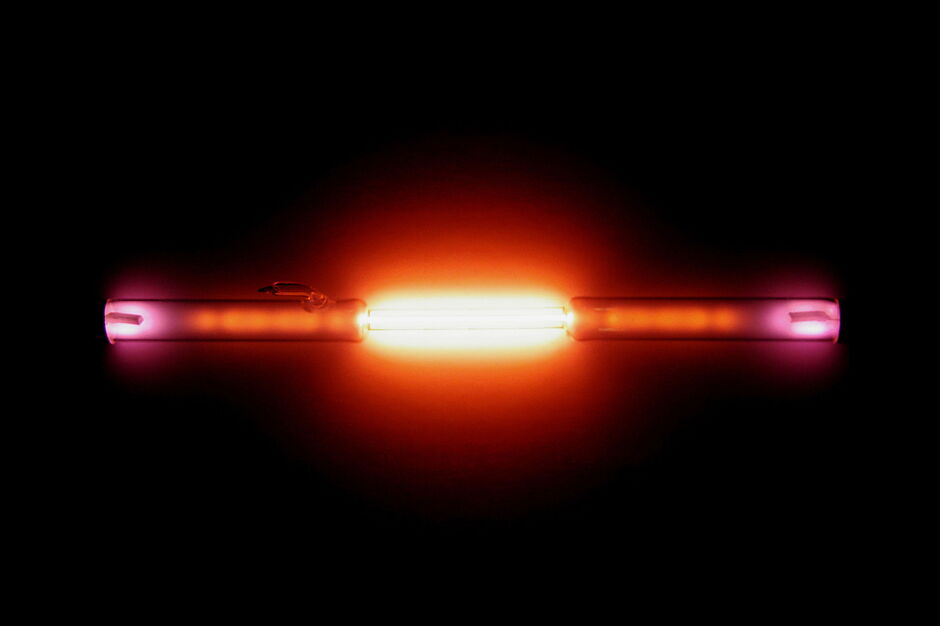 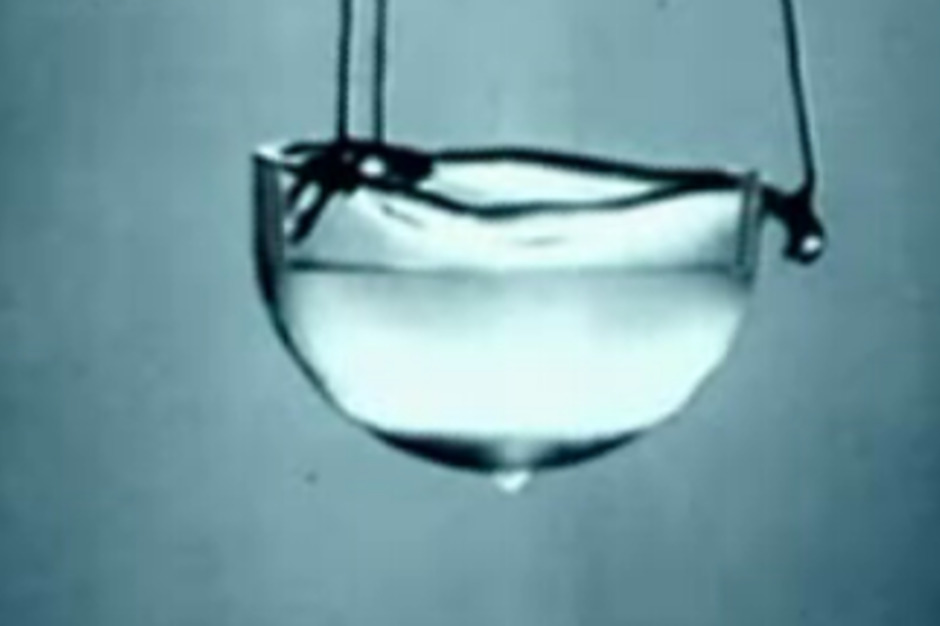 | ||
| < | Vial of glowing ultrapure helium | > |
| Atomic Properties | |
|---|---|
| Atomic Radius: | 31 pm |
| Van der Waals Radius: | 140 pm |
| 1st Ionization energy: | 2372 kJ/mol |
| Physical Properties | |
|---|---|
| Standard State: | gas |
| Bonding Type: | atomic |
| Boiling Point: | 4 K |
| Metal/Non-Metal: | noble gas |
| Main isotopes of Helium | ||||
|---|---|---|---|---|
| Isotope | % in Nature | Half Life | Decay type | Decay product |
| 3He | 0.000137% | stable | ||
| 4He | 99.999863% | stable | ||
| Other Information | |
|---|---|
| Year Discovered: | 1868 |
| Discovered By: | 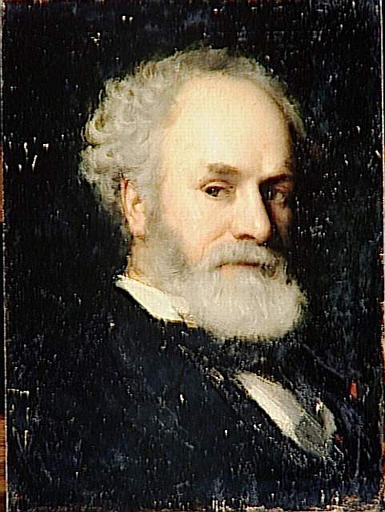 Portrait of Janssen by Jean-Jacques Henner 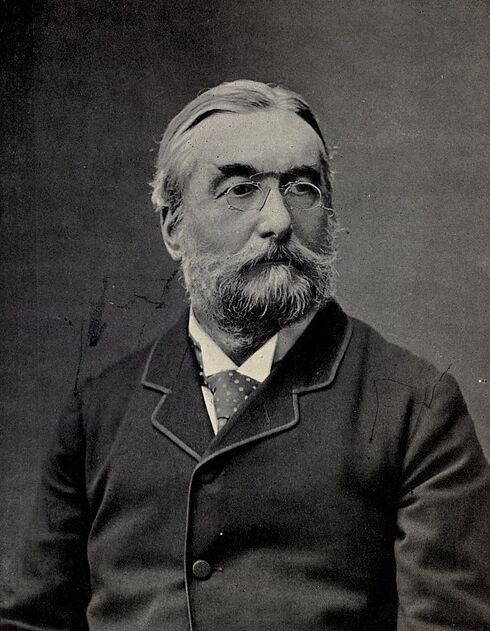 Sir Joseph Norman Lockyer Pierre Janssen, Norman Lockyer |
| Year Isolated: | 1895 |
| Isolated By: | 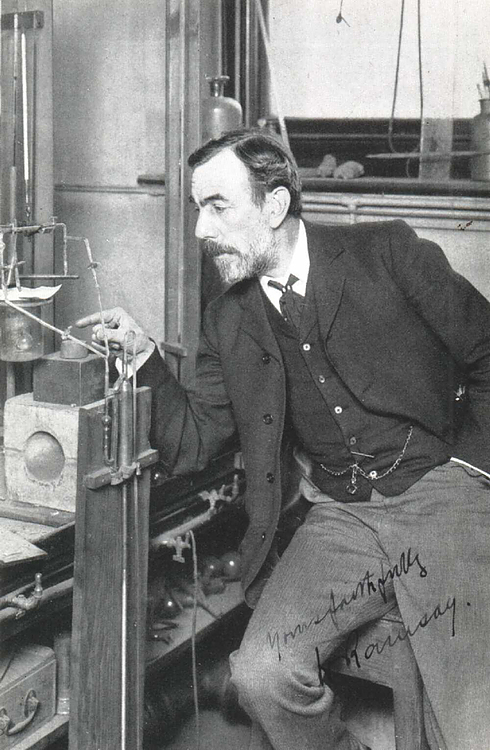 William Ramsay working 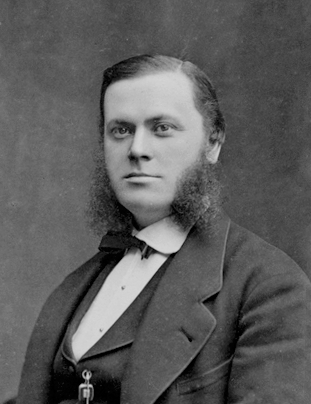 Per Teodor Cleve William Ramsay, Per Teodor Cleve, Abraham Langlet |
| Named For: | 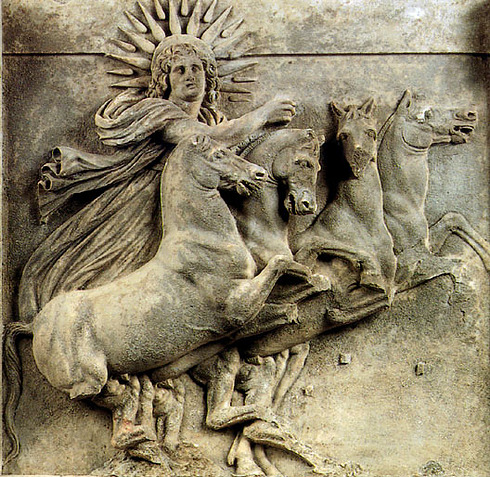 Helios, Greek god of the Sun |
| CPK color coding: | #D9FFFF |
| External Links: | WikipediaWebElementsLos Alamos National LaboratoryTheodore Gray's PeriodicTable.com |
| Geochemistry of Helium | |
|---|---|
| Goldschmidt classification: | Atmophile |
| Elemental Abundance for Helium | ||
|---|---|---|
| Crust (CRC Handbook) | 8 x 10⁻⁹ | mass fraction, kg/kg |
| Sea Water (CRC Handbook) | 7 x 10-12 | mass per volume fraction, kg/L |
| Sea Water (Kaye & Laby) | 7.2 x 10⁻¹² | mass per volume fraction, kg/L |
| Atmosphere (NASA) | 5.24ppm | as He |
| The Sun (Kaye & Laby) | 2.7 x 10³ | atom mole fraction relative to Si=1 |
| Solar System (Kaye & Laby) | 2.7 x 10³ | atom mole fraction relative to Si=1 |
| Solar System (Ahrens) | 2.72 x 10³ | atom mole fraction relative to Si=1 (% uncertainty) |
| Periodic Table | |||||||||||||||||||||||||||||||||||||||||||||||||||||||||||||||||||||||||||||||||||||||||||||||||||||||||||||||||||||||||||||||||||||||||||||||||||||||
|---|---|---|---|---|---|---|---|---|---|---|---|---|---|---|---|---|---|---|---|---|---|---|---|---|---|---|---|---|---|---|---|---|---|---|---|---|---|---|---|---|---|---|---|---|---|---|---|---|---|---|---|---|---|---|---|---|---|---|---|---|---|---|---|---|---|---|---|---|---|---|---|---|---|---|---|---|---|---|---|---|---|---|---|---|---|---|---|---|---|---|---|---|---|---|---|---|---|---|---|---|---|---|---|---|---|---|---|---|---|---|---|---|---|---|---|---|---|---|---|---|---|---|---|---|---|---|---|---|---|---|---|---|---|---|---|---|---|---|---|---|---|---|---|---|---|---|---|---|---|---|---|
| |||||||||||||||||||||||||||||||||||||||||||||||||||||||||||||||||||||||||||||||||||||||||||||||||||||||||||||||||||||||||||||||||||||||||||||||||||||||
| Hydrogen << Helium >> Lithium | |||||||||||||||||||||||||||||||||||||||||||||||||||||||||||||||||||||||||||||||||||||||||||||||||||||||||||||||||||||||||||||||||||||||||||||||||||||||
Spotted a mistake/omission? - These pages are a work in progress, so please send all comments/corrections to jolyon@mindat.org. Thank you.
Constants and physical property data from:
Lide, David R. - Ed. (2005) CRC Handbook of Chemistry and Physics - A Ready-Reference Book of Chemical and Physical Data (85th ed.). CRC Press.
National Physical Laboratory (2005) Kaye and Laby Online (discontinued). https://web.archive.org/web/20190506031327/http://www.kayelaby.npl.co.uk/
Kaye, G. W. C.; Laby, T. H. (n.d.) Tables of Physical and Chemical Constants and some Mathematical Functions. Longmans, Green, and Co.
Greenwood, N.N.; Earnshaw, A. (1997) Chemistry of the Elements (2nd ed.). Butterworth–Heinemann.
Ahrens, Thomas J. - Ed. (1995) Global Earth Physics - A Handbook of Physical Constants - AGU Reference Shelf No. 1. American Geophysical Union.
Railsback, L. Bruce (2003) An earth scientist's periodic table of the elements and their ions. Geology, 31 (9) 737 doi:10.1130/g19542.1
Emsley, John (2001) Nature's Building Blocks - An A-Z Guide to the Elements. Oxford University Press, Oxford.