The Impact of the Iran War on the Gulf’s Grand AI Plans
When Iranian drone strikes hit two of Amazon’s data centers in the United Arab Emirates and Bahrain in early March, amid the ongoing US-Israeli war with Iran, much of the media’s reflex was to declare it the end of the Gulf’s artificial intelligence (AI) ambitions. That read is misguided, and it misses why what Iran was trying to accomplish failed.
The Gulf states are betting big on artificial intelligence (AI). Their motive is simple: While hydrocarbons will remain part of the energy mix for the foreseeable future, the revenue and influence tied to crude are already beginning to diminish. AI is not just about technology; it is a hedge, and potentially a new foundation for sustaining and even increasing their power in the rapidly shifting world order.
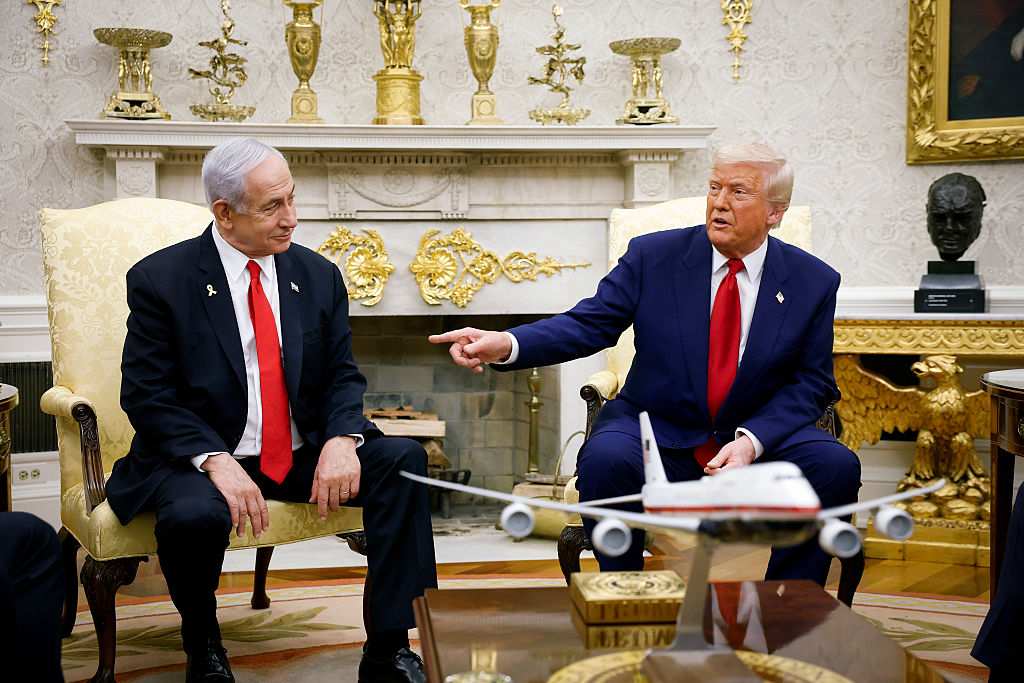
The United States is Israel’s closest ally, and its support is a central pillar of Israel’s national security. The US provides Israel access to purchase advanced weapon systems, ammunition and weapon emergency supplies in times of war, intelligence sharing, opportunities for cooperation in defense technology, and crucial diplomatic cover at the UN Security Council and elsewhere. It also provides Israel with regular security aid, to be spent in the United States, currently at an annual rate of $3.8bn (under an MOU that expires in 2028). Since October 2023, the US also offered active military support, in a break from the historical norm. It contributed substantially to Israel’s defense against Iranian ballistic missiles, in conjunction with Arab regional partners, and bombed nuclear sites in Iran in support of Israel’s campaign in the “12 Day War” of June 2025.
The Impact of the Iran War on the Gulf’s Grand AI Plans
When Iranian drone strikes hit two of Amazon’s data centers in the United Arab Emirates and Bahrain in early March, amid the ongoing US-Israeli war with Iran, much of the media’s reflex was to declare it the end of the Gulf’s artificial intelligence (AI) ambitions. That read is misguided, and it misses why what Iran was trying to accomplish failed.
The Gulf states are betting big on artificial intelligence (AI). Their motive is simple: While hydrocarbons will remain part of the energy mix for the foreseeable future, the revenue and influence tied to crude are already beginning to diminish. AI is not just about technology; it is a hedge, and potentially a new foundation for sustaining and even increasing their power in the rapidly shifting world order.
The United States is Israel’s closest ally, and its support is a central pillar of Israel’s national security. The US provides Israel access to purchase advanced weapon systems, ammunition and weapon emergency supplies in times of war, intelligence sharing, opportunities for cooperation in defense technology, and crucial diplomatic cover at the UN Security Council and elsewhere. It also provides Israel with regular security aid, to be spent in the United States, currently at an annual rate of $3.8bn (under an MOU that expires in 2028). Since October 2023, the US also offered active military support, in a break from the historical norm. It contributed substantially to Israel’s defense against Iranian ballistic missiles, in conjunction with Arab regional partners, and bombed nuclear sites in Iran in support of Israel’s campaign in the “12 Day War” of June 2025.
From the Middle East to West Asia: Redefining America’s Global Strategy
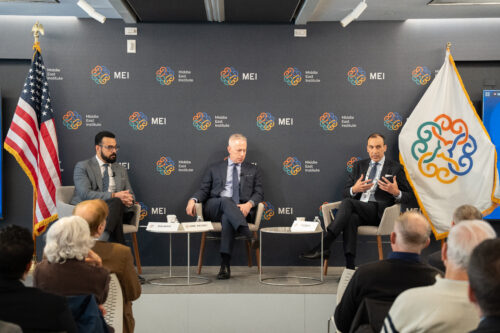
MEI Senior Fellow Mohammed Soliman joins hosts Alistair Taylor and Matthew Czekaj to discuss his new book, West Asia: A New American Grand Strategy in the Middle East. The book argues that it is time for the United States to move decisively away from nation-building and focus instead on order-building, outlining a framework for a new regional order that links Europe to the Indo-Pacific. Soliman also shares how he conceived of the core ideas behind his book and explains why his thesis is especially relevant in today’s geopolitical, economic, and technological landscape.
Bolstering US, Japan, and Gulf Cooperation in the High Tech Field
In recent years, both Washington and the Middle East have been looking eastward. The United States has been executing its own “pivot to Asia,” seeking to strengthen alliances and manage competition in the Indo-Pacific, while many Middle Eastern states are simultaneously deepening their economic and strategic ties with Asian partners. This dual pivot is creating new intersections for US–Japan cooperation. The discussion featured Ambassador Barbara Leaf, Mohammed Soliman and Amane Kobayashi, and was moderated by Ken Pollack. Drawing on their experience, the speakers examined how Japanese, American, and Gulf public and private initiatives can be integrated to create more dynamic, cutting-edge economies, symbiotic diplomatic relationships, and stronger mutual security ties.
Digital frontlines: What the 12-day war revealed about the evolution of Iran’s cyber strategy
During June’s Israel-Iran war, a quieter but significant battle played out in cyberspace, highlighting how Tehran has refined its use of digital tools to shape the battlespace, control domestic narratives, and project influence abroad. While largely ineffective in operational terms, Iran’s cyber response marked a new phase in its strategic evolution.
Saudi Arabia’s AI ambition, and what it means for the United States
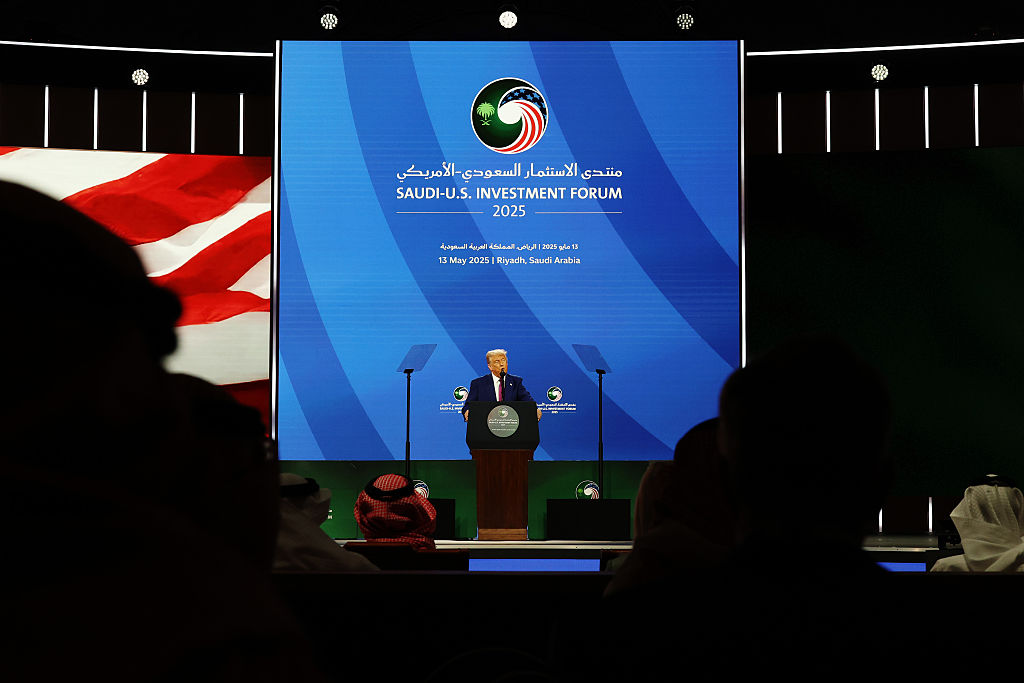
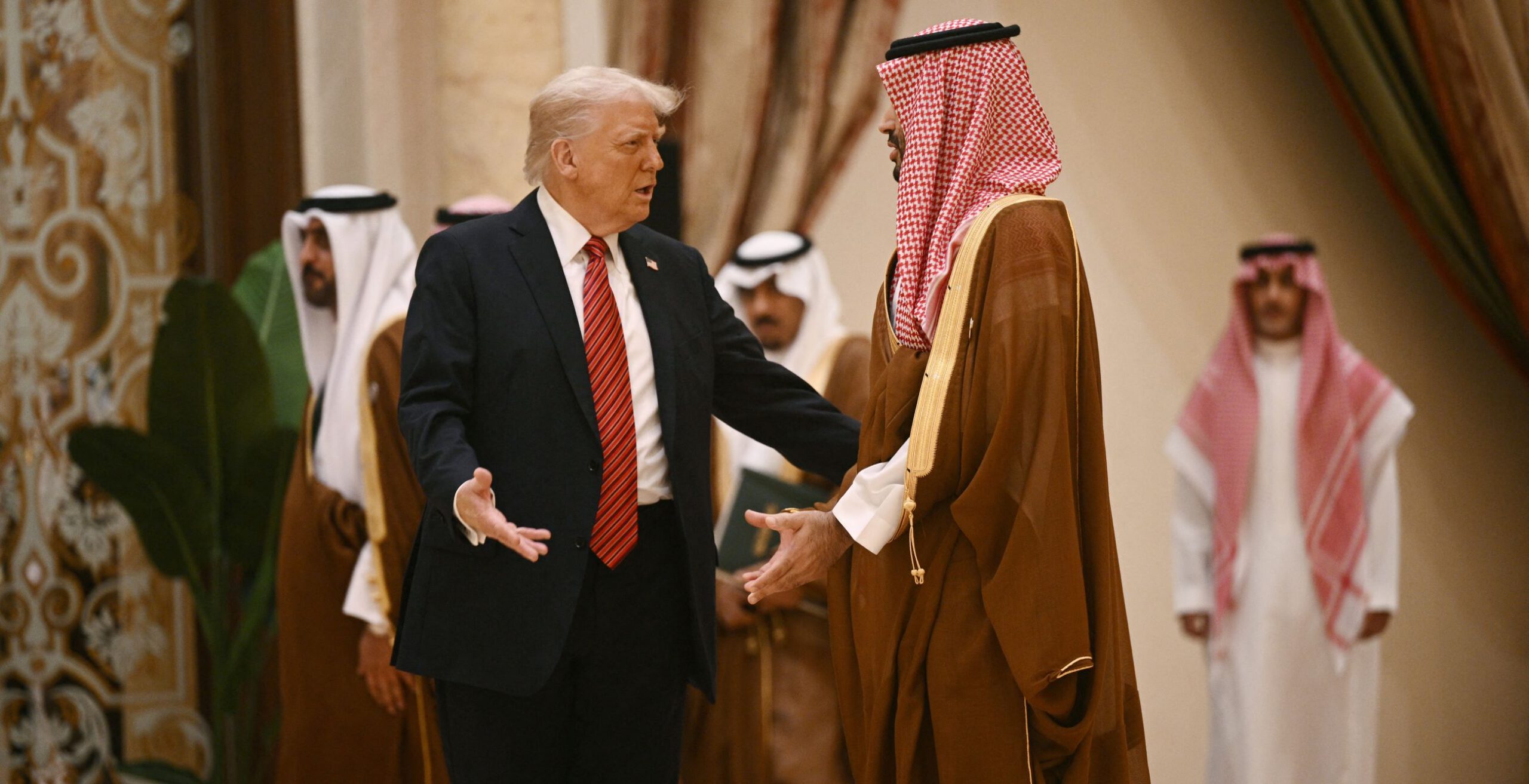
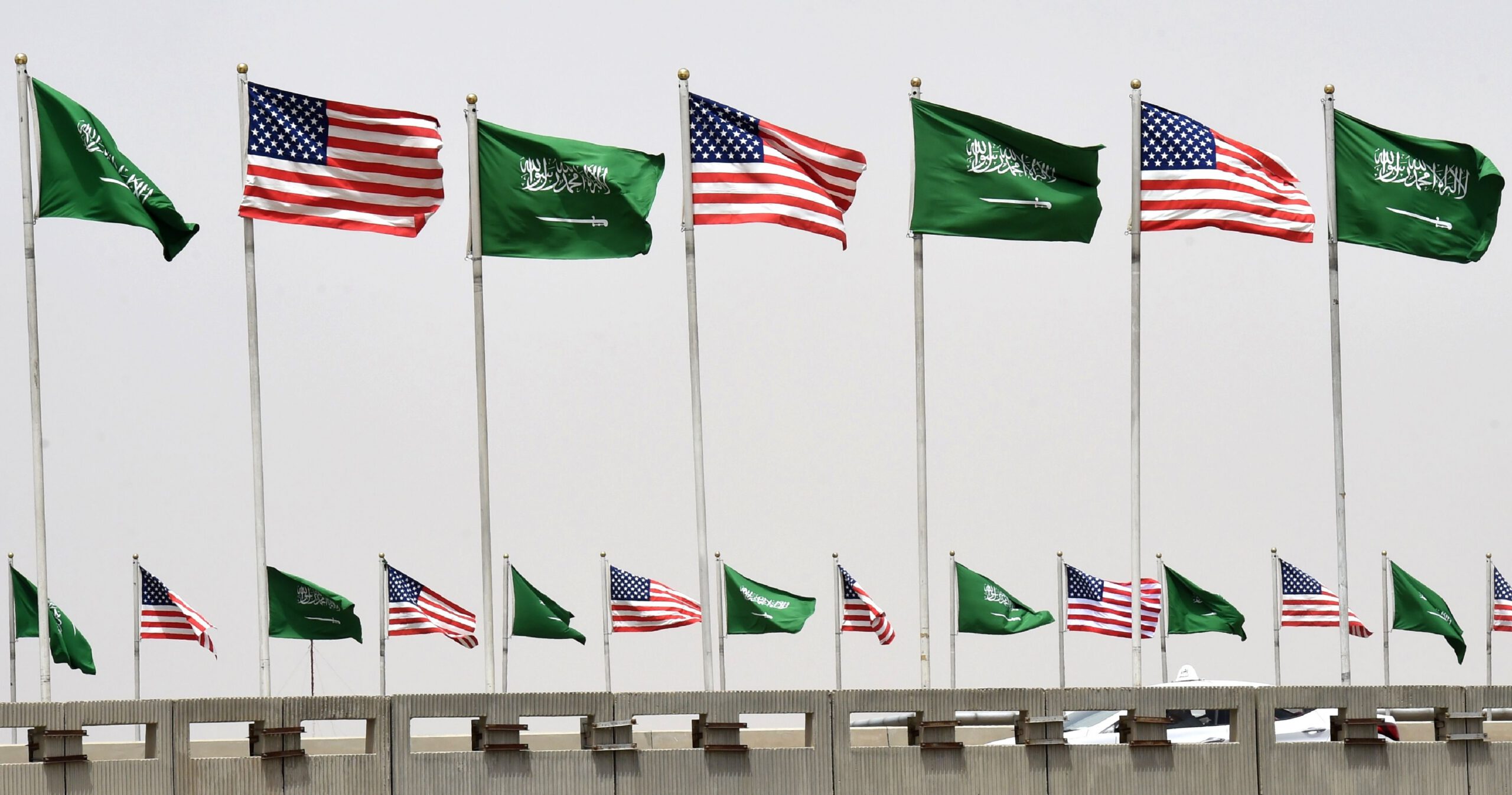
A day before Air Force One touched down in Riyadh to kick off US President Donald Trump’s three-country tour of the Gulf, Saudi Arabia made a pivotal announcement. The kingdom, long synonymous with oil, revealed a major investment in artificial intelligence (AI) through its newly launched company, HumAIn. This pivot, explicitly timed to coincide with Trump’s visit starting on May 13, and in anticipation of the signing of multiple tech deals between US and Gulf firms during the trip, signaled a profound shift in US-Saudi relations — from a traditional oil-for-security alliance to a partnership centered on AI and digital infrastructure.
Hosts Alistair Taylor and Matthew Czekaj speak with MEI Senior Fellow Mohammed Soliman about President Donald Trump’s recent trip to Saudi Arabia, the UAE, and Qatar, which yielded a wave of major US-Gulf tech and AI deals. Soliman explains how these partnerships mark a shift in the relationship—from oil and arms to compute power and data infrastructure—and what it means for the Gulf’s strategic role in the global AI ecosystem.
A midstream appraisal of Trump’s historic Middle East trip
One of the strategic thrusts of the opening months of Trump’s second terms has been aimed at deepening America’s economic engagement with the leading economies of the Gulf. Thus, the first leg of his trip to the region resulted in a template for deeper US-Saudi ties.
As Saudi Arabia accelerates its transformation into a global technology powerhouse, the United States has a pivotal opportunity to redefine its partnership with the kingdom. Moving beyond the traditional oil-for-security framework, a new partnership centered on artificial intelligence and digital infrastructure can anchor US-Saudi relations in the 21st century.
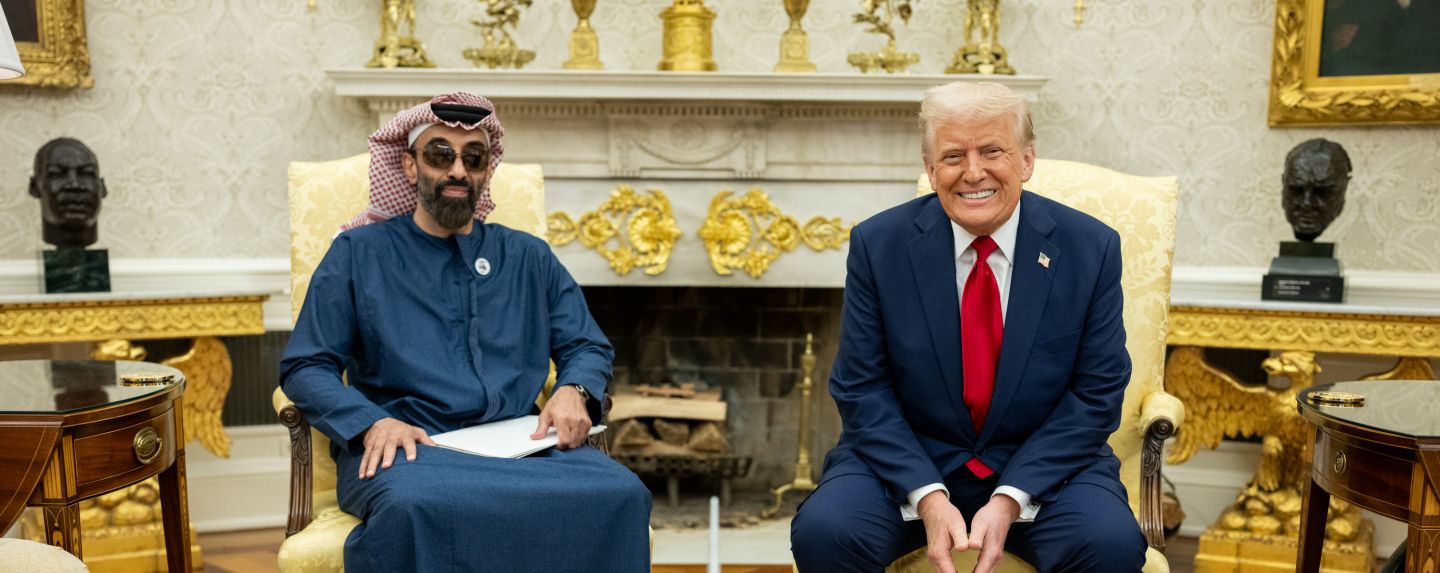
Sheikh Tahnoon in Washington: UAE-US relations reimagined for the 21st century with technology at the core
Sheikh Tahnoon bin Zayed, the United Arab Emirates’ national security adviser and a central figure in its tech and security landscape, visited Washington for high-level engagement with President Donald Trump’s team late last month, signaling a transformative shift in UAE-US relations.
The oldest peer-reviewed publication dedicated to the study of the modern Middle East, MEI’s flagship journal covers politics, society, and culture in the region.