�W���p���^�C���Y�̗��j
���{���\����p���V���̍]�ˁE�������ォ��̗��j�N�\�Ɖ摜�W�BHistory of The Japan Times,
chronology
���f�B�A�����҂����JT�j�ɊS���������̕��p�̃y�[�W�B�u���X�N���[���p�������������ɂȂ��Ă��镔������BThis
page is intended for researchers of media history, and anyone interested in The
Japan Times.
�̂̎�v���ʁi���쌠�ی���ԏI���j�͂��ׂė��j�����Ƃ��āA���N���b�N����Ɗg�債�ċL����ǂނ��Ƃ��ł��܂��B�t�@�C���͏d���ł��B
�֘A�y�[�WRelated pages:�@�W���p���^�C���Y���e�Љ��@�G�C�v�����t�[��(�p���f�BJT�����Ȃ�)�@
�W���p���^�C���Y�n�����@�p���V���̗��j�@�@

�wThe Japan
Times���̂�����x�i�W���p���^�C���Y�A1966�j�\��
1897-2007 �n��110���N
�\�@�]�ˎ��ォ��̉p����������

�W���p���^�C���Y2007/5
�W���p���^�C���Y��1897�N(���[�c�͖���)�ɑn������܂����B
�Ƃ̕s��������O���l�������̎��O�@���Ƃ����������̒��A���{�l�ƊO���l�̑��ݗ����������߂邽�߂ɓ��{�l���n�������V���ł��B
���S�ɂȂ����̂́A�ɓ����������鏑�������� ���{����(�����Ƃ��Ƃ���)�ŁA����@�g�E�ɓ������E���E�̉����őn���B
�z��ǎ҂͂܂��O���l�������ł�(�����A���{�ꂪ�����ł���O���l�͐����������Ȃ�����)�B�܂��A�C�O����̏��������w���̓��{�l���ǎґΏۂł����B
�@
�����݂̃W���p���^�C���Y�Д��s����

�֘A�y�[�W�@�W���p���^�C���Y���e�Љ��@
�����{�̉p���V���j family tree
�����AJT�ł́A���̗��j�̃_�C�W�F�X�g�N�\���f�ڂ��Ă��܂�(�_��Opinion�y�[�W�`��masthead)

�@
�@
�n�����@����30�N
JT �n�����y�[�W�Ő̂̎��ʂ�����܂�
�@
�@
�@
The Japan Times 1865�i�]�ˎ��㖖���j �� �z������----------------------��
�@�@Asahi
Evening News ---- IHI/Asahi-��
Daily Yomiuri--------------------��
�@�@�@�@�@�@�@�@�@�@�@�@�@�@�@�@�@
Mainich Daily News-------------�x���iweb�̂݁j
�@
���{�̉p���V���̗��j�ł�����@�}��family tree�@�wThe Japan Times���̂�����x�i�W���p���^�C���Y�jp.108

JT�����݂̂̉�������2017/3/17�n��120���N���W��B9�y�[�W�ɂ���
�@
�����W���p���^�C���Y���j�N�\
chronology by S. Ito
-- �]�ˎ��ォ�猻��܂Ł@--

Source: JT�fS LOGO THROUGH HISTORY
������w�i
15�`17���I�@��q�C����
1641�@�������]�˖��{������
18���I�㔼�`�@�C�M���X��擪�ɉ��Ă��Y�Ɗv��(�����n��Ƃ̍��͊i��)
1792�@���V�A�R�� �����ɁB�����ȗ����̎��ԁ@�ʏ��v��
1825�@�ٍ��D�ŕ���
1842�@���卑�E�����p�ɔs���!�@ �������ېV�̌�����
1853�@�y���[���D4�ljY�ꗈ�q
1854�@�J���@�@���Ęa�e���=�����I���
1858�@���ďC�D�ʏ����@�@�s��������@���O�@���E���S���匠�Ȃ�
1859�@���l�J�`�@������B���ɁE���J�`�͉���
19���I�㔼�`�@�ɂ���鍑��`�̎���(�ΊO�N���E�A���n�g��)
���n���ցF�ߑ㉻�̎���
�p�̓V���K�|�[���A���`�A��C�Ȃlj��ݏ��`�Ɛ[���W�B���{����ɉp�n�p���V�������B
1861 ���v���N(�]�ˎ���)�@���{�ŏ��̋ߑ�I�V���͉p���V��The Nagasaki Shipping List and Advertiser (��JT�̉��c:�W�҂�������V��������)�@�p���l�f�Տ��n���T�[�h���n���@�T2�@���N�p��
�@���摜���u���{�̉p���V���j�v�y�[�W��
The Japan Times is also linked to Japan's first modern newspaper in any language, The Nagasaki Shipping List and Advertiser of 1861. A key editor of a sister newspaper to the Nagasaki paper inaugurated the Hiogo News in 1868. Hiogo News was absorbed into The Kobe Chronicle, which was incorporated with The Japan Times in 1940. The Kobe Chronicle is remembered by many as the workplace of Novelist Lafcadio Hearn, who was an editorial writer in the 1890s.
1865�c�����N��(�ŏ���)The Japan
Times(�̂��Ɍ�JT�֍���) �p���l���J�r�[�n���B�A�[�l�X�g�E�T�g�E�̈ӌ��f�ڂŒm����
1868�����ېV�@�������W�����E�x�������E�`������E�����J���E��������
1870 The Japan Mail�n�� �p���n�@���l�@�e�� 1894�T����Japan Weekly Mail�ɍ����@�����o������Ă���
1871(����3/12/8�A��)�@���̓����V���u���l�����V���v�n���B1940�N�ɔp���B
1872�i����5�j�u���������V���v(�����V���̑O�g)�n�� ���݂܂łƂ��ꂸ�ɔ��s����Ă���ł��Â�(���{���)�V��
1894�s�������͍ŏ��̉p�Ɖ���
1897/3/22(����30)�@���W���p���^�C���Y�n��
�N���b�N�Ŋg��

�u�����̑��݈Ӌ`�v�Ƒ肵���n���А�������A�n���̗��R�́A���O�@���P�p�Ȃǂ��肤���{�l�ƊO���l�̑��ݗ����ł���Əq�ׂĂ��܂��B
�S�y�[�W���ǂ߂܂��@���n�����S�����Љ�@
�n���̒��S�F���{����(�����Ƃ��Ƃ����BThe Japan Mail���ɓ������鏑��)���句�B
 ��ʐ^�́wThe Japan
Times���̂�����x�i�W���p���^�C���Y�A1966�j���
��ʐ^�́wThe Japan
Times���̂�����x�i�W���p���^�C���Y�A1966�j���
���{�l�̎�ɂ�関�\�L�̉p���V���n���������B�ړI�͎��O�@���P�p���肤���{�l�ƊO���l�̑��ݗ���(�А�)�@�ꕔ5�K/1������~
�Ȍ�A�n���̐������͐����N
�n�������F����@�g�A�ɓ������A���E�̉����ŎR�c�G��(�В��B��܂��������B�Â͗@�g�v�l)�ȂǂƑn���B
����l���F�@���{(��M)�͒���o�g�B�����ɎR�c�G��(�В�)�A���M �R���Y(����M)�A�������d��(�x�z�l���H�꒷�A����Ɖc�Ƃ�S�����B��Ɏ��ƉƁB�����w�������d���o�������x���o��)�@�@���M�A�����͒��挧�J�o�g
�D�y�_�w�Z�̐l����
�@�g�͂��܂��܂ȉ���
����@�g�v�l�̒�̎q���R�c�G���B�c��`�m�Ŋw�сA���{�X�D�̊e�x�X���B49��JT�n���B���{����͎R�c�̉p�ꋳ�t����̐��k�B
����ƂɎc��A�@�g���M�̋��K�o�[���ɂ́A����30�`31�N�ɎR�c�ւT��A�Z�ʂ��Ă���B�������Z����Ƃ��悻�O�疜�~���B
�܂��A�W���p���^�C���Y�̈����B�R��́A���n�����Ă��������V��̂��̂����n�����B
�����́w�������`�x�i���ł�1899/6�j�A�w�����S�b�x�w����S�W�x�Ȃǂ̈�����W���p���^�C���Y�Ɉϑ��B�@�@�@�w�W���p���^�C���Y��m��{�xp.241���
1897 �E�B�[�N���[�������n���u�W���p�� �E�B�[�N���[�^�C���Y�v
1898�u�N�vThe Rising Generation�@�������@ST�̌��_�@���̂��Ɍ����Д��s�u�p��N�v�ƂȂ�A�ł������ȎG���ł���Ɠ����ɉp�ĕ��w�E�ōł����Ђ̂���w�p���������B09/4�Ɏ��ł͋x�����A�uWeb�p��N�v(����)�ɂȂ����B08/12/18���\�@
�u�p��N�̋x���Ɋ����ʣ����09/3/14p17�����@�@3/2�����̒d�ł�
�@
���N���A�w�������n��
1899���O�@���̓P�p(�̎��{)
���{�̓I���G���^���E���r���[��Seoul Press���n��
��JT�o�g�E�֘A�̗L���l
������g�Y�@�W���p���E�^�C���Y�L�ҁA���勳���A�����Ёu�p�a���p�厖�T�v
���M�R���Y�@�i�����̂Ԃ悵���낤�j�@���{��ƃW���p���^�C���Y�n��,����M�B�u�p��N�v�Ȃǎ�ɁB���勳��
�����݂̌����Б�a�p�̑O�g(�u�����Ђ̒m���x����C�ɍ��߂��̂��A�吳�V�N�X���ɏo�ł��ꂽ�w���M�a�p�厫�T�x�ł������B...�����͉p�a���T�ł����܂��c�t�Ȃ��̂����Ȃ����������ɁA�a�p���T�ł���قǗ��h�Ȃ��̂��o�ł��ꂽ���Ƃ͈����قł������B...���̌�...��������o�āA���݂̑��c�j�ҁw�V�a�p�厫�T�x�ƂȂ��Ă��飁@���������w������85�N�̕��݁xp.79)
�������g�@�@�^�C�ߑ�@�̕��@�A�����J�Ŗ@�w���w��1897�A���B�R�c�G���̑��q�ł���R�c���Y���������ɃG�[����w���w���Ă���A���̉��ŃW���p���^�C���Y�ɓ��Ђ����炵���B�W���p���^�C���Y�L�ҁ@�O���Ȃ���^�C�ɔh������A�@���ږ�Ƃ��Ē��N�ߌY�@�E���@�E���@���N���@�O�@�c��
���e���O�Y�@�c�呲��A�W���p���^�C���Y���ЁB�a�C�őގЁB�×{��A�c�啶�w�������A���㎍�l�̍Œ��V��
�n��P���@�W���p���^�C���Y�L�ҁA�ǔ��V���В��A
���_�@�_�˃N���j�N���i��The Japan Chronicle��JT�ɍ����j�̘_���L��
�V�n�ˈ
���{�ƎD�y�_�w�Z�ŏ��������BJT��Âōu������s��
�����ӎO
���I�푈���_���W���p���^�C���Y��
���c��(��)�@�@�O���ȁ@���O�c�@�c���@���W���p���^�C���Y�В��@����
�o�[�g���E�N���[���@Burton Crane�@�@�L�ҁ@�����{�ʼn̎�
J. B. �n���X�@�@���d���L�ҁB�u�S���l�̉p��v��u��w�u���v�u�t�Ƃ��Ď����w���A�����Ж���

�����̉p���L�҂͌��e�����M�Ŏ菑�������@���吳�R�N����^�C�v���C�^�[��
1905/5/15 �[���ɐ�ւ�
�@
1910 ���ؕ������@���O promulgation

Uneasy neighbors across the sea�@-- Japan's colonial rule in Korea between 1910 and 1945 has left open wounds that are still far from being healed (The Japan Times, 2010/8/22p7)
1911������������@�Ŏ��匠��=����40�N!�@����ʼn��ĂƑΓ�
�����ĂƑΓ��Ȏ���E�吳
1913 JT���Εt���V�[�����X�������R�{���t�|����@�C�R���d��JT���A����@
�吳�O�����P�l�f�B�[�В�����@�@�ΊO�ʐM�Аݗ��^�����吳3�N���ےʐM�Ђɔ��p(�ĐlJohn R. Kennedy�В�)

�吳����͎Ŏ���@�@�吳10�N �P�l�f�B�[���������Ő����Y�ɔ��p�B(���j�ŋϕ��͐��JT�ҏW�ǒ��������C�u�j���O�j���[�X�n��=���݂̃w�����h�����j
1914��ꎟ���E���

1918/4/2 ������The Japan Times and Mail��
�吳14�N�o�ŕ��Ɨ�
���C�m�^�C�v�ۗ̕L�͂��̎���ł��ƊENo.1
1921�O��@Message from Japan���W������I�ɁB�č��ւ̃��b�Z�[�W
1923���{�ɂ������v���X�E�L�����y�[���̍ŏ��̗�F�^�C���Y�����I�C��̊��͎O�}�̕ۑ����B�Q�N��̑吳14�N�����@How
The Japan Times saved a foundering battleship, twice JT 2011/12/18p11
1923�֓���k�Ё@��Q�ŋx�����������^�C�v���e�Ŕ��s
���吳����@�O���ȂƖ��ڂ��B
�吳�T�N�ɂ͊O���Ȃ���̕⏕���P���~�B�吳13�N�A�O�O�������c���s�g�����В��ɁB���a�W�N���c�ώВ�(���R��`�҂̂��ߌR�����甒�ᎋ�B���͂��ꂪ�]�������)�@���a15�N ���q�В��E���a19�N ���{���Y��Ƒ���(���̂Q�l�ɂ��Ă͊O���Ȃ����w���������o����)�B
�@
���a�V�c������

1930 ��̓����V���В� ���c���������m
�wThe Japan Times���̂�����xp.73�����p
�u��̓����V���В��̕��c���������a5�N�A�W���p���^�C���Y�ɓ��m���āA�p���L�ҏC�Ƃ������B�Ő����Y����ŁA�����̔ނ͕č��_�[�g�}�X�A�J���b�W�ł̗��w�𑲂��ċA����������A�^�C���Y��1�N���炸�p���C�Ƃ����āA�����a6�N�ɂ͕��A���c�p�����В������Ă���s�V���ɓ��Ђ��āA��ɂ��̋Ƃ��p�������A�^�C���Y����͔ނɂƂ��Ďz�E�ւ̎v���o�[�������ł������킯���B�v
�V�n�ˈ�̗{�q�V�n�ˍF�v�����a�����̃W���p���^�C���Y��M
1933 ���c�ώВ��@�v���Ԃ�̈��萭��(�̂������c��)
���a8�N1���`���a14�N12��

1935�Ă�(��)�ɁB�������݊����ɂ��Ă͍��E�̗L�͉�Ђ��Q��
���a�V�N�@������������@15�N�A�{�Ђɍ���
������E���
�@
���B���ց@1939/9/3�h�C�c�N�U

�@
 1939 12/12
�@
�@
1940 �펞���A�A�����荆�Ɂ@�uThe Japan Times Advertiser Incorporating The Japan Chronicle and The Japan Mail�v
Japan
Advertiser=�Čn�@The Japan Chronicle=�p�n�@The Japan Mail=�p�n
Japan Advertiser�� �C�M���X���{�Ƃ��A�����V������������̘b���������@
�u���̍����͊O�����͂̉p���V�����p�ɂ����{�]����������邽�߂ł������v��1943/1/1�Ѝ��Ő������ꂽ�B�u��̊����f�B�A�����vp.99�ɂ��
�@
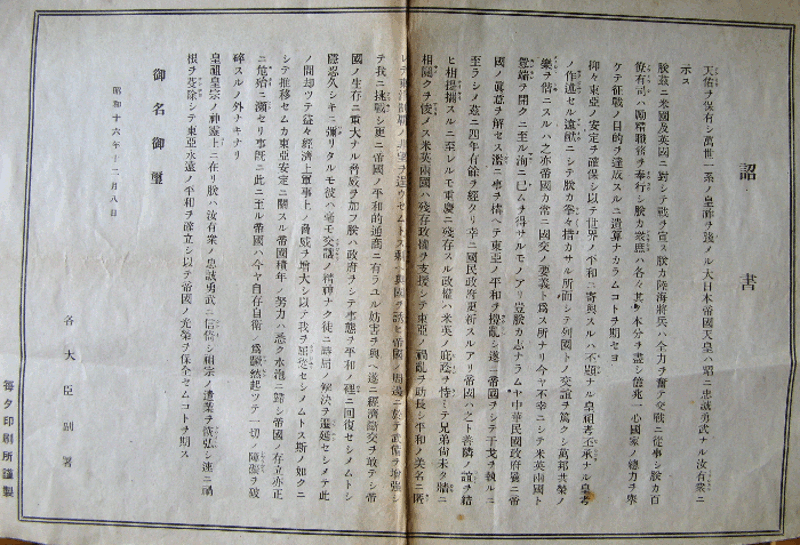
�J��ُ̏��@�ɓ��Ƒ�
�@
�����ʂŌ���@�I����͂��W���p���^�C���Y�̕ω�
-- ���U�������@����@�����E�ČR���k�֓]���@---
�����m�푈�����A�W���p���^�C���Y���푈���s�ɋ��͂��A�R�ɂ��u�ŏI�I�ɓ��{�͏��v�Ƃ����������悭���܂����B�₪�ďI��ƂȂ�A�����Ԃ͖ق��Ă��܂������A�₪�ē��{�̉߂��Ȃ���А����ڂ��A�ĕ��̑P�s����ʂɍڂ����肷��悤�ɂȂ�܂��B
��O�̐V�����{�x�z�ɂ��Ă����W�L�����������������B
�@
��1941/12/8 ���ĊJ�큨���{

�G���u�L���O��́u�x�m��Ɖ���B�ق��̃J�^�J�i�T����������B����́u���V���g���C�X��́u�����C�X�v�ɁB�싅�́u�A�E�g�v�́u�_���v
���a17�N�A�R�����荆�ύX�v���@���uNippon Times�v�ɁB
���a18�N���U����@1943/1/1�`56/7/1
�������{�^�C���Y���@The Nippon Times, Ltd.��
�@
�@

1942/12/8 (�J�����N)
���펞���̎��ʁ@The
Japan Times Advertiser / Nippon Times�@(PDF)
�ޗnj���g�̃R�s�[�B�隠�}����(���)�̈���
1942/11/9 Press Comments�Ȃ�
���ɂ��s���@Nippon Times Evening (�[��)�̑莚 �푈�X���[�K���t��
11/10 EVENING EDITION(�[��) "YASUKUNI MOTHER"��A �u���c���m�𑗂�v�̎��p��
11/23 "Unprecedented Victories Of Japanese Navy" �}��
1942/12/8 JAPAN PREPARED TO FIGHT A 100-YEAR WAR"�@(�J�����N)
1945/4/14 ROOSEVELT SUCCUMBS THURSDAY TO APOPLEXY
�@
�@
�ҏW�ǒ���J�� Mock Joya�̕M���ŊC�O�ɂ��m����B��������
J. B. �n���X
�Г��ɂ͊O���l��1�l�����炸�A���{�l�Ɠ��n�Ŕ��s�𑱂���
�Ј������ց@�펞�̐��ɉ��������{�V�������A������K���4���u�V���Ђ̊����́A�����y�я]�ƈ��ɂ����đS����ۗL���ׂ����Ɓv����17�`�ЊO����ƌ���
1943���߁`�@�O���ȍO���ޗǖ��F�����W���p���^�C���Y���ē@�@�L��ێ�Ȏ������@�@����25�ˁA���ɒ��J�i�_��g�A�����������`�ږ�Ȃ�
44/3/6�[�����x�~
1944-45 JAPONICUS�R�����@ �u�a��]�ފO���Ȃ��A���{�̍l�����푈���s��{���łȂ����Ƃ��A�����J�ɓ`���邽�߂ɓ���̋����ŁA�p�Ė@�̌��Ђł������������O�����O���Ȃ̎Q�^�Ƃ��Čق��A�R�����A�ځB�R�����{��ʂ邪�A�s�Ԃ�ǂނƐ^�ӂ�������悤�ɏ����ꂽ�B�C�O������NHK�̃��W�I�̒Z�g�����ł�����
��JAPONICUS�R����
WHAT PRICE PEACE 1945/6/27,28(PDF) �@
�@
���I��P�J���O�F�ߑs�ɐ키
���N���b�N����Ɗg�債�܂�
1945/7/8 �����W����Imperial Rescript Day�i�鍑�ُ��̓��j�Ƃ��āA�����m�푈�J��ُ̏�����ʂɍڂ��܂����B

1945/7/20 �_�����U�����R�������@236 Special
Kamikaze Attack Corps Fliers Win Recognition for Heroism in Okinawas

1945/7/31 �А��@Fighting Student �w�k�����A���������U��"a
worthy death":
"Many of the members of the Special Attack Corps are students, intrepid lads in their prime to whom honor, love of country and
a worthy death mean more than knowledge, enjoyment of comfort and a meaningless life."

�@
�@
���I��ُ̏��i�u�ς���������ς�...�v�ʉ������Ɠ���j
�I��̓��̃W���p���^�C���Y�FHIS MAJESTY ISSUES RESCRIPT TO RESTORE
PEACE�i�É��A���a�̏؏���z���j
�ˑR�̕A�悢�Ƃ������Ƃ��Ȃ����̂܂ܕB
���݂܂���A������JT���ʉ摜�����܂����B�ȉ��͏ُ��̓��{��ł��B
�w�哌���푈�I���m�ُ��x(���a20�N8��14��)
�@���[�N���E�m�吨�g�鍑�m����g�j�Ӄ~���m�[�u���ȃe���ǃ����E�Z���g�~�V䢃j���ǃi�����b���j���N
�@���n�鍑���{���V�e�ĉp�x�h�l���j�V���m�����錾������X���|�ʍ��Z�V���^��
�@�}�X�鍑�b���m�N�J���}�����M���h�m�y����j�X���n�c�c�c�@�m���̓j�V�e���m���X�[�J�T�����@�G�j�ĉp�j���Z�����ȃ������j�鍑�m�����g�����m����g������X���j�o�e�����m�匠���r�V�̓y���N�X�J�@�L�n�Ń������J�u�j�A���X�R���j���߃j�l���{�V���J���C�����m�E�풽�J�S���L�i�m�㐸���J�ꉭ�O���m����e�X�őP���s�Z���j�S���X��ǕK�X�V���D�]�Z�X���E�m�吨����j���A���X�@���V�G�n�V�j�c�s�i�����e���g�p�V�e��烃��E���V�S�Q�m�y�t���^�j�����w�J���T���j������������탒�p���Z���J�I�j��J�����m�ŖS�������X���m�~�i���X���e�l�ރm���������j�p�X�w�V�z�m�@�N���n�������ȃe�J�����m�Ԏq���ۃV�c�c�c�@�m�_��j�ӃZ�����������J�鍑���{���V�e�����錾�j���Z�V�����j���������ȃi��
�@���n�鍑�g���j�I�n�����m����j���̓Z�������M�j�V�⊶�m�Ӄ��\�Z�T�������X�鍑�b���j�V�e��w�j���V�E��j�}�V�j�˃��^���ҋy���m�⑰�j�z���v�Z�n�ܓ��׃j��N���폝�����q�ЉЃ��փ��Ƌƃ����q�^���҃m�����j�����e�n���m�[�N�f�O�X�����i���@�҃t�j����鍑�m��N�w�L����n�Ń����q��j�A���X���b���m������P�N�V���m���@�R���g�����n���^�m���N���σw��L���σw�E�q��L���E�q�ȃe�����m�׃j�������J�J���g�~�X
�@���n䢃j���̃��쎝�V���e���ǃi�����b���m�Ԑ��j�M�߃V��j���b���g���j�݃���V�v����m���X�������j���[�����N�V���n���E�r���݃j���ǃ������׃j�哹���냊�M�`�����E�j���t�J�@�L�n���Ń��V�������@�X�V�N������Ǝq�����`�w�m�N�_�B�m�s�Ń��M�V�C�d�N�V�e�����L���O�q���̓������m���݃j�X�P���`���ăN�V�u�����݃N�V���e���̃m�������g�V���E�m�i�^�j�ヌ�T�����R�g�����X�w�V���b�������������J�Ӄ��̃Z��
�i�䖼�䎣�j �@�w�I��ْ̏��x�����p�@�@�ʂ̉���T�C�g�@
�ΊO��`�̃��f�B�A�Ƃ��ĊO���Ȃɕی삳�ꂽ�W���p���^�C���Y�́A�p��r���̕����̂������A�I�펞�ł����畔����ێ����Ă����B
�@
���I�풼��
1945/9/3 Formal surrender documents signed aboard
U.S.S. Missouri off Yokohama�@�܂��W�X�ƁA�����邪�܂���Ă���l���f����B�܂��Ƃ܂ǂ��Ă��������B

�@
1945/9/9 �А� What shall we think of the Americans?
�ČR���i�����Ă킸�������B�s��̎���A�č��l�ɑ����A���r�o�����g�ȋC����������Ă���B���łɁu�M�u�~�[�`���R���[�g�v�炵���s�������Ȃ茩��ꂽ�炵���F"a Japanese
youngster munching blithely on a chocolate bar given him by one commander "

�@
1945/9/16 Japanese atrocities shown in U.S. report
�펞���̓��{�R�ɂ���삪����݂�

�@
1945/9/28 �ČR�Ƃ�"friendship"�o���@Allied Soldiers' friendship for Japanese illustrated by recent episodes in Osaka:
���{�l�X�^�b�t���s�d�Œ��˂���ƕa�@�ɋ삯���A�u���Ô�͂���ꂪ�����v�ƁA�ނ�relative�ł��邩�̂悤�Ȉ����B

�@
1945/9/28 �ČR���k���X�@���l�œ��{�l�H���J���҂��P�K������ƁA�Ȃ��GI���ČR�̖��a�@�։^�Ԃ悤�w���BTwo GI's play role of good
Samaritans in aiding injured Japanese at Tsurumi �@�@"Another incident of American kindness and quick action
...
"
�@
�@
��JT����㖯�剻��
�I�큨���x��GHQ�����{�J�n 45/9/15�`��̏I���܂�
��̏����̃A�����J�R�̖\�s�̕�GHQ�̖ڂɂƂ܂�B
45/9/15 ���{�^�C���Y�Ɠ�����GHQ�����O���{�J�n�B������10/8����B
45/9/19�@24���Ԃ̔��s��~�����@�Q��������P�{GHQ���O���{�ɏo���Ȃ���������
GHQ �V�����剻�w�߁��O���Ȏx�z�I����B45/9/24 �u���{����V�������錏�v�w�߁@9/29 �u�V��,�f��A�ʐM�ɑ����̐����@�߂�P�p�̌��v�w�߁@���S������Ј����������B�@���{��͌��E�Ǖ�(�펞������c�����������߁B�O���ȏo�g)
�}�b�J�[�T�[���j�b�|���^�C���Y���ǂނ��߁A�e���͂����͂ɁB�r���̊O�܂Łu�L�����ڂ������v�Ƃ����l�̗�
���P�茉�В�=���n2���В��ASF���܂�̐V���l
46/10/11��@���ց@�@GHQ���ԏ��ǒ��`���[���Y�E�E�C���r�[����Maj.
Gen. Charles Willoughby���j�b�|���^�C���Y�Ђ֖�7:10���ɓˑR�B���{�ς݂��������A�V�����蒼���Ɣ����ς݂̐V���̉���𖽂���B�����w�Ŕ��Ԃ��~�ߐV���S�����ċp�B�����͒����V���Ёi�L�y���j�ň������Ă����B�L����Hero
Worship�Ƒ肵��Press Comment���B�����V��̎А��u���͎Ґ��q�v�̏���(�}�b�J�[�T�[���q���V�c���q�ɑ���Ȃ��悤�����`�̗i���)�B
JT��̊����W(JT02/4/28p9-11)�@���F Although as early as Sept.10, 1945, GHQ had explicitly declared �gfreedom of speech and press�h under the Occupation the reality was that until 1947, nearly 70 daily
newspapers and all book and magazines were subject to prepublication review by the Civil Censorship Detachment of the CIS.�@Stop the presses�@
1947/11/6 ���{�^�C���Y��GHQ���{��劯�A�d�b�����ҕ�W�L�����ڂ�A�������Ă��邱�Ƃ��������Ă��܂�����GHQ������Ă�
1948 GHQ������
�@�@�@��GHQ�ɂ�铐����b�E�o�܂��L�^�����閧�����@�@
GHQ��SECRET�����Ă���@30�y�[�W�A�قڋt���n��@�ɓ���1997�N�̎�ގ��ɓޗnj��J�i�_��g�����������
���{���{(�O����)���AGHQ�u�̎��R�v�w�߂Ɉᔽ���Ă���\�����w�E����AGHQ���閧�ɁA�O���ȁE�ޗǎ�Ȏ�������Ɠ��{�^�C���Y�E�u�k�ЂȂǂƂ̓d�b�𓐒��B�͂����肵���؋��͓���ꂸ
1948/7/17 ���O���{���玖�㌟�{�ֈڍs
�@
������
�E��̊��̃W���p���^�C���Y�Ɠ��{�̉p���V���j�͏��Ёu��̊����f�B�A�����v(�R�{������)�ɏڂ���
�@�@���� �u�R���Ɓw���{�^�C���Y�x�v(���̐�厏�u�L���v1994
5-6�����ȂǂɎR�{�������A��)
�E���̎Ј����������Ɂ@�����{����Ɨ�
�@�u�I���A�S���͖����݂̂Ȃ炸�A�Α��N�������ɒB�����Ј��ɊJ������A�c�c�B���a28�N�c�c198���̊���c�c����͑S���Ј��v�@�u�W���p���^�C���Y���̂�����vp.89���
�@
���Z���ȏ����o�ł��Ă����@���


�����x���������JT
1951/4 The Student Times�n���@�u���{�ŏ��̉p�a�����̏T���V���v�i�ŏ��̂Q�N�Ԃ͌��Q�s�j
90�N�Ɂu�T��ST�v�Ɖ���
 1977/3/25
��1972 Mainichi Weekly�A1973 Asahi Weekly
1955(���a30)�N4/1�@�G�[�v�����t�[���Łu�\�A�����@�@�H�c�����v�@���ʂɁ@Russian
Multi-Jet Bomber Lands at Haneda Airport
���������V���[���ɂ��Ɓu�x�����̌W���Ȃǂ́w�C�^�Y���ɂ��قǂ�����x�ƃt���K�C���Ă���c�


�����܂ł�JT�Љ��͂˂ɓ��K���꒚��(�鍑�z�e���ߕ�)�B���̏ꏊ�͌��݂͎R����ɖʂ��Ă���B
�wThe Japan
Times���̂�����x�i�W���p���^�C���Y�A1966�j���
�O���ȏo�g�����͐����A�����T���Y�В��A����a�d�劲�Ƒ�������O�Ƃ͊W���Ȃ����悤
56/1�����T���Y�В��@(�����鏑���A���B�������ō����n���ŏ����u�����v���f���A�p�E���[�O��A�����ʐM�В�)
1956 The Japan Times�ɑ荆���A�@��31/7/1 �G��TIME�_�]"End of the War"
�А�/�X���[�K���@All the News Without Fear or Favor
�|�C���g�͕s�Εs�}�A�����ꂸ�A�����˂炸�A�^���Ɛ��`�A���R�Ɩ����`�A���ۋ����Ɛ��E���a�B
�W���p���^�C���Y �А��F
�u�䂪���B��̓Ɨ��p�����ł���W���p���^�C���Y�́A�s�Εs�}�̗���ɂ����ē��{�̌���Ɛ��E�̓����Ƃ𐳊m�E�v���E�L�x�ɓ��O�̓ǎ҂ɕ��邱�Ƃ��g���Ƃ���B
�W���p���^�C���Y�́A�����ꂸ�A�����˂炸�A�^���Ɛ��`�A���R�Ɩ����`�A���ۋ����Ɛ��E���a�̂��߂ɁA���������_�����邱�Ƃ�O��Ƃ���B
The mission of The Japan Times, as Japan's one and only independent English-Language newspaper, shall be to report domestic and international news accurately, speedily, and amply to readers in Japan and overseas from an impartial standpoint. Without fear and without flattery, The Japan Times shall endeavour to build a well-informed public opinion for the sake of truth and justice, freedom and democracy, and international cooperation and world peace. (Established in 1956)
�W���p���^�C���Y�ҏW�j��
1.�W���p���^�C���Y�͉䂪���ŌÂ̓Ɨ������p�����ł���B�`���̏�ɗ����A���{�̌���Ɛ��_�Ƃ�{����ʂ��Đ��E�ɓ`�B���A���E�̏�����ےʐM�Ԃ𗘗p���Đ��m�ڍׂɕ��邱�Ƃ�ҏW���j�Ƃ���B
2.�{���͐V���̓Ɨ��ƌ��_�̎��R�Ƃd���A�V����ʂ��č��ۗ����̑��i�Ɛ��E���a�̎����ɍv�����邱�Ƃ�ړI�Ƃ���S���{�����̐V���ł���B
3.�{���́A���̃��b�g�[�����̂悤�ɑ莚���Ɍf�ڂ��Ă���B
"All the News Without Fear or Favor"�v
 1960/5/20
���̍��ɂ��莚�̉���"All the News Without Fear or Favor"��������
1960/5/20
���̍��ɂ��莚�̉���"All the News Without Fear or Favor"��������
�@
1961/9/8 �E�B�[�N���[�n���@The Japan Times Weekly
 2004/6/5
�x�Ǒ�R/�C�O��
65/3�`00/6? Getting Things Done�@�����R�����@�W�[��.�s�A�X
1964/10/12�����I�����s�b�N �@�����[�����O

�@

 JT�ʼnY�{�ЁA�ŔA�����В��@�w�T���V���x1982���

1966/5�ʼnY�V�Љ��ֈړ](����܂ł͂����Ɠ��K��)
�V���ЂƂ��ė��z�I�ȃ��C�A�E�g�̃r���Ƃ��āA80m�ȏ�̉����Őv���ꂽ�B�����V���Ђ̃r���Ɏ��Ă���B�����Ƃ��f�����ł��A�ǂ͓����K���X�Ō��n���A�Г��̕��ʂ����悩�����B�ʼnY�͏����A�V���Ђ��W�����錩���݂������B�wThe Japan
Times���̂�����x�i�W���p���^�C���Y�A1966�j���
1957 ���c�����A�{�[�����ۋL�ҏ�܁@1983�܂ŕҏW�ǒ�
�_�L�m��(�u�������[�Y��ƌ���)�̓W���p���^�C���Y�ҏW��
late 1960s�@�L���͖|��łȂ��ŏ�����p��ŏ������j�ɓ]�� ... it was decided that it would speed up the process and improve readability if the stories were
written in English from the very start.�@���|��͂Ȃ��Ȃ�p���L�҂��ŏ�����p��ŋL������ށE���M
��㖜��

�����萬������
1975 CTS (�V������̃R���s���[�^�[��)
1976�� �֓]�@�̉���(hot type)�̑���ɁA�ʐ^�A���ɂ�荇���������g��cold
type system�ֈڍs�@����ɂ�����傫�Ȋv���@�@�Ȃ��A�֓]�@�ȑO�́A�V���͉��̊������g���Ă���
�����̐���H��

77 Historical Supplements 12�s
80�N�j�����J����ST77/3/25
1980�O��@���n�L���ŗ\�z�����ׂẴ��[�X�œ�������
�A���u�A���Ƀ{�C�R�b�g����� �������ŊO�d�ɃC�X���G�����̋L��
1980����@�O���l�Ɂu���Ј�����x
1983/4/27 ���}���q���В��@���呍��ŏA�C�@the 18th president�@(�̂��ɉ)
1983/10/1 ������掺���玖�ƕ�����
1985/2/1
������掺�p�~�A�V���ɏo�Ŏ��Ƌǂ����������玖�ƕ������̒��Ɉڂ�@�@������Clive
Cowley��(�p�����܂�ŗ����A1971�N�C�[���Y�p��w�Z�ݗ�)
1985/4/17 Japan Times School of Languages(�W���p���^�C���Y�O����w�Z)�J�Z�@�@JT�r��1F��3����
���N�x1000���~�ɖ����Ȃ������@�@7/15���݂̐��k��130��
��83 �t�B���s���v���ɉe��(�}���R�X�S�����A�L�m)
83/8/23 �ÎE���ꂽ��}�w���҃x�j�O�m�E�A�L�m�����܂݂��̂Ɓu(�}���R�X)���{�̕��m���ˎE�����v�Ƃ�����{�l�̏،�����ʂɑ傫���f�ځB���t�B���s���ł͕��K������Ă������߁A�W���p���^�C���Y�̃R�s�[���t�B���s��(�p�ꂪ���ʌ�)�ŏo���A�ŏI�I��50�����z��ꂽ�Ƃ����B�����}���R�X�^�������g�B86/2���O�I�N�A�u�l���̗͊v���v�B86/11 �A�L�m�V�哝�̂��u���{�̕�contribution in sparking the Philippine revolution�v�ɂ��Ďӎ��B
��1985/3 �W���p���^�C���Y�����Č���~�@MOSS���̖؍ފŕ����������N��~
�ʼn����́u����v��JT���u���{�ł�impossible�̈ӂŎg�����Ɖ���B�������̕Ĕ_���ȍ����������ƃ~�X���[�h����Ă������ɋC�Â����{�B�O���Ȃ��F�߂����߁A���̓��̂����ɍR�c�̋A���B
��1985/7/5 NEC�U������
NEC�֘A��ЎЈ�2�����C���N�k���ŃN���h�Q�������U���B�ߕ������̂ЂƂƂ��āA�O���Ȃ���̗v���ŁA�W���p���^�C���Y���N���h�Ɨ��^���̏Љ�L�����ɓ�(�O���ȋL�҃N���u)�������B2������Ɏߕ�
1985 ���y�[�W
1985�����@���ɏ����̓[���@
��1988�ɂ͕��u���o�v�͈ˑR�Ƃ��Ēj����F�����A�u�Љ�v�́u�߂����菗���������v��
1986/6

1987 JT90���N���Ƃ��V���ʃf�U�C�������@�ăj���[���[�N�̃f�U�C�i�[�@�W�H�o�j�e�B(Sara Giovanitti)���ɂ��f�U�C��: modular layout
Before and after:


�@
 1987/5�A���]�������K��
�@
1986���s���Ƃɐi�o
1987/5/20 JT Agency�����@���s�㗝�X
1988 JT�R���T���^���c�ݗ��A1.5�{����

1988/4/1 �G�[�v�����t�[���Łu�����h�[����40m�ړ��ցv
�X�|�[�c��p.17��Tokyo Dome to be moved 40 meters�ƕB������������������h�[���ɂ��āA�u�}篁A�P�T�Ԉȓ��ɖk����40���[�g���ړ������邱�ƂɂȂ����B�_�傪�A���̈ʒu�ł̓W���C�A���c�͍��G�̓��[�O�ʼn��ʂɂȂ��Ă��܂��Ɨ\���������߁B���@�̓h�[�����Ƀw���E���𒍓����Ē��ɕ������邱�Ƃ������c��B���₢���킹�����z��Ђ��炽������A�����h�[�������݂������z��Ђ̊��������A���̉�Ђ�������܂����B
���a�I���

1989 �V�Љ��r������(�ʼnY�̃r�������đւ�)�@
�n��15�K�A�n���R�K�@�@B3�`6F�܂�JT���g�p�@11�`15�Z��


89 �I�t�Z�b�g�֓]�@����
1988-90��㌻�n������R�N
�G�C�v�����t�[��98/4�@'AF�ʐM'
�@
 1989/5
1990/4 The Student Times40���N�Łu�T��ST�v�ɉ���
1990 SII�����@95�摜�����V�X�e�������@99 �p�W�l�[�V��������
1990 Weekly International Edition ���X���
�@
��1993/4/1 �G�[�v�����t�[���Ńj�ZJT�����B�I�������[�����X
�g�b�v�L���́u����`�����v�v�B�V����������{�V���������̉i�v�W����(�ɓ��T�����������Ă����P��)�Ɍ���

���W���p���^�C���Y�ƃG�C�v�����t�[�����W�y�[�W(�p���f�BJT�����Ȃ�)
���d�q�̎���E�r�b�O�o��
93 META�u�b�N����
95 TIMES CAPSULE�V���[�Y�f��(�ߋ��L����U��Ԃ�)
1995��_��k��

1995�T�����K�X����

1996/4/1 InterFM opens
(�֘A���)
1996 (��)�j�t�R(���}���q�������В�)���M������Ɂ@�@
���}����(JT�ł͉)���j�t�R�֔��p�@������Ǝv����
 �����̃��S
1996 1/1 Japan Times
Online(�z�[���y�[�W)�����I�[�v��
�Ђł͎����ɂ��āu1997�ȍ~�v�ƕ\��
���Ƃ��Ƃ͎Ј�John Moore�����A�A�h���X��]���Ǝ҂���ی삷�邽�߂�1994�N�O��Ɍl�I�Ɏ擾���ăI�[�v�����A�C���^�[�l�b�g���m���Ă���1996�N�ɎЂ��F�m�������́@
�@�����̉摜�@http://web.archive.org/web/*/http:/www.japantimes.co.jp/
97/1? �摜�V�X�e��(�ʐ^)�ғ��@
1997�n���S���N�@�V���|�W�E���A�e�E���珵�������Z�v�V����
97/4/14 �L�O�u���F�u���{�p���V���j�ƃW���p���^�C���Y�
�@�@97/4/23 �A�W�A�p���V���ҏW�҃V���|�W�E��
�����̏�F�u����98�˂Ŏ��B�R���101�N�ł��̐����������v(���M���������̐V���E���ւ̌P���B����98/4/2p35)
�@02/1�n��102�N��Kmart�|�Y(15������ɍČ�) �@02/3�n��105�N�̌o�ώ��u���Ƃ̓��{�v�R�����ŋx��
97-98 TIMES ARCHIVE�V���[�Y�f��
98/4�@�w���N�x��JT���@�Ԉ��w�L���ɂ��āu����̂��W���p���^�C���Y�v
98/7/1 �א쌳�AJT�̓��ʌږ�(special advisor)�A�C
99/2/22 ����V�X�e�����VSII�Ɉڍs(�ėpPC�Ŏg����Windows NT�\�t�g�ƂȂ���)
99/8/1 �������ɓ��{��v��
�e���^�C�v�p�~

�o����z�[���y�[�W�J��
�@

198?? �`1999
�w�W���p���^�C���Y�œǂށ@�d��j���[�X�x�@�V���[�Y�@�N�Q��
2000�t���E�p�W�l�[�V�����ڍs�B�R���s���[�^�[��Ŋ��S���C�A�E�g
 2000/7
2001? ST�ҏW���̃R���s���[�^�[���E�C���X�Ɋ����Be���[���ʼn��債�����̃f�[�^���ꕔ����ꂽ
2001 �p���V���r�b�O�o���E�u�p�����푈�v�u���@�p�������x���A�w�����h�����ɁB�p�������͋x��(web�݂̂�)
01/4���ʉ��v+�R�l�����i4,380��3900�~(11%)�A�ꕔ��160��150�~�j
01/4/1������ĊJ�i�R�Łj
�������X�g����
01/9/11 �e���̎����
01 �Ă�anthrax������JT�ɂ���������X��
02/5/13p20
���[���h�J�b�v���W�y�[�W�Ɋ؍��̔��t���ɂ��ď������L�����I�[�}�C�j���[�Y���f�ځA�؍������ʂ̍R�c���[���B�S���L�җ@�|�ސE�B�L�҂���ɕ��E�Ȃǂ����߂Ē�i�A05/3�����Ō_�܂ł̋��^�x�����B���E�͔F�߂�
2004/2/16

�@
04/5/7 ���c���[�������C�@JT�L�҂��Nj����Ă���(�g�c�L��)�B�����N���ی����͖��[�ƔF�߂�
04 Proudfoot�R���T���e�B���O
2005/1/16

2005/1/31

05/4/1�d�q���f�B�A�ǐݗ��@��07�ҏW�Ǔ���
05/12/11-12 �����Œ����o�c��c
05/03/17�u���C�u�h�A�A�V���E�����Q���_���\�\�W���p���^�C���Y�ƐڐG��Ɠ��o����
�@
 05/4/3
�@���ɂӂ��킵���A���������O
05/4/3
�@���ɂӂ��킵���A���������O
�@
���Ɍ��E����a�q����F�u���[�}�@���̍��O���ꂢ�ł��ˁB�v�킸�A�L���C���[�B�~�����B�Ǝv�����Ⴂ�܂����B���t�͕ς�������܂��A�_���Ȋ����B���߂ă��[���b�p�̋���ɓ������Ƃ��Ɋ������A�_�l���ăz���g�ɂ��邩���B�Ǝv�������̊����B������ƌl�I�ȃC���[�W�ł����c�B�V�����A������Ɖ�������S�̂߂�ƃL���C�Ȃ�ł��ˁB���܂ŐV���ǂގ��́A�L����Ɠ����ɂЂƂЂƂ̌��o���ɖڂ��s���Ă܂���(�ҏW�ҋ������Ȕ����H)�@�ǎ҂��C���t���Ȃ����ŁA���C�A�E�g�����̋L���ɃC���[�W��^���Ă�Ǝv������A�f�U�C�i�[�݂����ŁA�������낢�ł��ˣ
�@
�@
�@
�@
05/9/13�@�V1��(6p��B�łȂ�1�ł���B07�Ɍ���)�E�����[�h���C�A�E�g�ɕύX�E�o�C�����K���R�����̕��U
06�@InterFM���p�@
���e���r�����z�[���f�B���O�X�֔��p�B�X�^�W�I�͓V���F�A�C���ֈړ]
��12/5/30�@���Ђ��L�m�V�^�E�}�l�[�W�����g�֔��p�@(�؉��H���X�̃O���[�v��ЂŁA�L���㗝�X�Ƃ�f�搧��Ȃ�)
06/3 �n��109���Nanniversary issue
06/3/28���}���L�P�q�В��A�C�@U.S.-educated�@���ی𗬊���V���|�W�E���u���ĊW�̐V�����W�]��@

2006/4�w�W���p���^�C���YNews
Digest�x�n��

06/8 �W���j�A�n�� The
Japan Times Junior �@�`07/12/18�x��

 06/9/6���O
�@
�@
�@
�@
�@
�@
�@
�@

07/1/20 �P�ʉ�1/3�������h��Ԃ����悤�ȍL��(Rahmens �� TEXT live ad)�Ɏ^��
�@
2007�k���N�j���

2007/3/22 �n��110���N�@

2007/4/1�G�[�v�����t�[���L�� �@���ʂ��u�a�J�n�`�������܂���B�n�`���Ȃ�����̎ʐ^�t���B���Ȃ�̔���������A��肷���Ƃ����d�b�����������܂���
2007/5/31 ����ϑ�

2007/6�`2010/1 �wNews Digest�r�M�i�[�Y�x�S11��
(�w�W���p���^�C���Y�d��j���[�X�x��p)
�@
 07/9/12���{���ӕ\�����O
2007/10/1 ���i����@4480/��, 180/��
2008/2/16
���勤�Í��ۃV���|�W�E���F�u���A�W�A�ɂ�����p���V���̒���v
�W���p���^�C���Y�i�n��110���N�j�ƁA�n��130�N�̓�����w��w�@���w�����ÁB����{���L�����p�X�E��w�n�����ȋ��猤�����S��L�O�u��
�삯�o���L�҂̈������i�ϋq���z)�u���O���F�u�u��p�ꌗ�̉p���V���́A�C���T�C�_�[�ł���A�E�g�T�C�_�[�ł���v�Ƃ����W���p���^�C���Y�����̔�������ۓI�������B���{�l�ǎ҂ɂƂ��Ă��A�P�ɉp��̕��Ƃ����Ӗ����������łȂ��A�������Ƃ͈�����p�x����̕ɂ��A����I�Ȏ��_�������̂ƌ����悤�v
English-language papers offer unique take on Asia�@
�@
�@
2008/4/21 ���ʃf�U�C���ύX�@�@4/15p1�Ѝ��F 1987�ȗ��@Australian designer Leith Phillips �w�r�[�Ȏ��̂��V���v���Ɂ@reduces visual clutter

Before and After:
���o���͔�{�[���h�ł����Ƃ������̂ɁB�y�[�W�^�C�g�����������ɂȂ��ۂ��ς�����B�L���̃C���f���g�͖`���̂݁B�L���v�V�����`���ɂ͂Q�ꂮ�炢�̃L�[���[�h�B�i���2006/3/9p3,
��2008/4/21p2�j
�@
2009/2/10p7 ���{���y�я������̊z�̌�������
2009 ST60���N
2010/1/9 �E�B�[�N���[50���N�L�O���@ ��10/4/3 �l�グ
�@
2010/3/13 the first-ever spelling bee in Japan
list of contestants 3/8p8
3/14p2 "Sonia Ann Schlesinger, 13, emerged as the winner among the 55 contestants aged 6 to 14 from 28 international and U.S. military base schools. ... an American who goes to Nishimatchi International School in Tokyo."�@�@
��JT10/6/6p2 Spelling crown goes to U.S. teen
" Although Sonia Ann Schlesinger, 14, the participant
from Japan, did not make it to the finals, she was upbeat about the experience,
saying, "I tied for 20th, and that's not that bad." . . . "
�@
2010/3 �u�v���_�ŃZ�N�n�����v�X�N�[�v
�v���_�E�W���p��CEO���A�����V���b�v�����̂����A"old, fat, ugly, disgusting or not having the Prada
look"�Ƃ��邨�悻15���� "eliminate"����悤�Ɏw�����o���Ă����A�Ƃ���L���B
JT���ŏ��ɏ����A�����ʐM�E�C�M���X�̐V���E�n�t�B���g���|�X�g���ǂ����B2�T�Ԃقnj�A�A�G�����u�X�N�[�v!�v�ƌ��o���ɒf���ăv���_�̂��Ƃ��o�����̂ŁAJT���R�c
"Friday, March 12, 2010
Prada accused of maltreatment�@Boss wanted 'old, fat, ugly' out: manager
By MINORU MATSUTANI�@Staff writer
A senior manager at Prada Japan has filed a legal complaint against the Italian fashion label, accusing the company of harassment and discrimination based on appearance and alleging it maltreated other employees in the past."
�@
 �@�V�V���[�Y(�w�r�M�i�[�Y�x��p)�@2010/4
����
�@�V�V���[�Y(�w�r�M�i�[�Y�x��p)�@2010/4
����
�@
2010/5/24 The University Times ����
 �W���p���^�C���Y�Ɠ��{�p�ꌟ�苦��������s����t���[�y�[�p�[�B�w���Ɍ����āu�A�E�v�u���w�v�Ȃǂɏœ_
2010/9/30 ������̐V���ɁH
�܍�A3�ŕʍ���������B�u���͓��{�v�Ƃ����ό��q�p���y�[�p�[(�����Y�Ɗ�����А���)�B���Α��͉p����The
Japan Times Japan Highlights
2010�H�@�@���������ł��Q���X���֓]����@�@�Г��p����p�ꉻ�Ȃǂ̐^���ȉp��u�[�����e����
2010/10/18p14�S�ʍL���@�uThe Japan Times Academy�J�Z�v
�W���p���^�C���Y���玖�Ɛ��i���@�@���́F(��)���ە������
2011/1�J�u�@Seminar for Global Business Skills
���� ST�����L�҂����ړ`���@�u�w�T��ST�x�Ŋw�ԉp����̓ǂݎ����Ɗw�K�@�v
2011/10���J�u�S11��(�L��)�@The
Japan Times Academy�u���@ ���F���ە������(�����E�Z�{��)
�W���p���^�C���Y�Ёw�T��ST�x�f�ڂ̉p���L���̉����ʂ��ēlj�͂�{�����A�܂��p���L�����̕��@�������b�E��@�̉���A����ɗl�X�ȃG�N�T�T�C�Y��ʂ��āA�p��̑����͂����߂�{�i�I�ȉ��K�u���B�u�t�͎��͎҂ł��̂Ŏ���U�߂ɂ��Ă��������B
ST����ǂ�ł��g�����Ȃ��Ă��Ȃ��Ɗ�������ɍœK�B�M�S�Ȋw�K���ԂƂ̌𗬂��L����ł��傤�B�ڂ�����
�O���[�o���l�ވ琬�Z�~�i�[
�@
�@
2011/3/11 �����{��k��
�d�͕s���ŁA����(3/17�A3/18)�͕K���{�s���Ȃ����
�e�n�̕��˔\�V�[�x���g�}���f��(�M���������l)
National day���W(�e���̌����L�O�����W)�́A���{�Ƃ̘A�т��������錩�o�������o�B���ɂR�����{�`7����{)
�ǎҕ���z\35,030,000 JT2011/7/9p1
�@
2011/4/12 �ҏW�V�X�e���ύX�@�@The Japan Times�ҏW���A�I�����_��Woodwing�Ђ� Enterprise�V�X�e���@�Ɉڍs�BInDesign�AInCopy�ȂǂƘA�g�����V�X�e���B��ڂ��I�����]����SII��7�����{�ɃV���b�g�_�E���B
�@

2011/6�� The Sensei Times�n���@�@
���w�Z�̉p��K�C���ɍ��킹�n���A�u���w�Z�̊O���ꊈ���Ɛ搶��������������t���[�y�[�p�[�v�@���{�����ׂĂ̏��w�Z�֔z�z�@�@�@��搧��:���{�p�ꌟ�苦��@���s:�W���p���^�C���Y
�@
2012/2�@The Japan Times for WOMEN
���������L�����A�G��(���{��) 2013/1 ���
�@
�@

2012/6
�鐼���ۑ�w�̉p���V���n�����@�W���p���^�C���Y���ҏW
�@
2012/6/26�Ѝ� �@�U�N�Ԃ�Ɋ����ړ��F�@���������В����i�@�@���}���В��͕���Ɂ@�@5/9�����ʐM
�@
2013/1/26 JT�E�F�u�T�C�g�����j���[�A���@���X�}�z�E�^�u���b�g�Ō��₷��
�܂��A�㕔�ɁuThe
Japan Times�@BETA�v�ƕ\�����ꂽ�T�C�g���o��
 2013/1/28
������Ɏ蒼��
�@�@ 2013/9/26���_�B���ɃX�N���[������ƁA��ʂ����ς��̎ʐ^���o������ȂǁA�r�W���A���̃t�H�[�}�b�g�ύX�B���o�I�ɂ͎��̐V���ɋ߂��������B
�uJTO 2.0: Into the future of new media
The leader in English-language news on Japan takes a step into the future of new media
The Japan Times, the nation�fs oldest and most widely read English-language newspaper, achieved another milestone today with a new radically redesigned website built for mobility and the future.
Utilizing the cutting-edge technology of HTML5 and responsive design, the new website displays pages automatically sized on the fly that can fit the specifications of a multitude of devices, from widescreen TVs to
tablet PCs to compact smartphones. No installation of an application is necessary; it all happens by merely accessing www.japantimes.co.jp with a device�fs web browser.
Founded in 1897, The Japan Times has long been the premier source of English-language news in Japan and has, over the decades, evolved to meet the needs of its readers.
Similar to steps made last year by sites such as the Boston Globe and the Houston Chronicle, the redesign of The Japan Times�f site not only opens the media company�fs content up to a larger number of readers but also showcases its high-quality news and features in an easy-to-read format featuring crisp typography and high-resolution photos. Among major newspaper websites in Japan, it is the first of its kind.
......�v
�@
�@
2013/4/5�@ST�����j���[�A���@�@�@�u(The Japan Times) �T��ST�v
������uThe Japan Times ST�v�@�@���S�A�F���ω�
�S�ʂ��J���[�ʐ^�ŎG���I�������\���ɁA�j���[�X�{�����o�ꂳ���āA�܂��߂ȉp���V���I�ȕ\���Ɂ@�@�j���[�X������
 Before
���@After
Before
���@After
�@
2013/5? ST�Ƀf�W�^���Ł@�@fujisan.co�� [�f�W�^����]260�~
�@
�s�v�c��PR�@�E
�@
���W���p���^�C���Y����A�j���[���[�N�^�C���Y�ƍ���
Japan Times, New York Times announce publishing agreement�@�@MAR 25, 2013
2013/10/16���A(1) �V�������̂�
The Japan Times
incorporating
International New
York Times�@�@�@
(2016/10/12���International New York Times�̕�����The New York Times�ƍĉ���B2016/10/8�Ѝ�)
���́@JT/INYT
�W���p���^�C���Y�́u�W���p���^�C���Y/�C���^�[�i�V���i���E�j���[���[�N�^�C���Y�v�ɁB�\���ŁA��ꕔ�͌��݂̃W���p���^�C���Y�B���NYT���۔łł���u�C���^�[�i�V���i���E�j���[���[�N�^�C���Y�v�ŁA�����NYT�����s���Ă����u�C���^�[�i�V���i���E�w�����h�E�g���r���[���v�����E�I�ɉ��̂������́B���{�ł́A���u�C���^�[�i�V���i���E�w�����h�E�g���r���[��/�����V���v(�����V����2011/2���p���V������P��)
��Ђ̍����ł͂Ȃ��A���Ђ������łP�̐V���Ƃ��Ĕ��s������́B2013/3/25�ɔ��\
���`�y�͓\���Ŕ��s�B
�w�ǎ҂�nytimes�L���T�C�g�E�A�v�������p�ł���B
�w�Ǘ���4,480��5,000�~/����(2013/8���u���m�点�v��ǎ҂֗X��)�B�ꕔ�����200�~
(2)�@���j����JT�̂ݎ��ʂ��uThe Japan Times On Sunday�v�ƂȂ�A����́uThe Japan Times Weekly�v�����j���[�A���������́B�^�u���C�h��
The Japan Times on Sunday�@�P�ƍw�ǂ��ł���B�ꕔ�����250�~
(3)�W���p���^�C���Y�E�F�u�T�C�g�ꕔ�L�����@
�u�f�W�^���w�ǃT�[�r�X�v�̊J�n�B����܂ł́AJT Online�͊��S�����������B�f�W�^���w�ǃT�[�r�X���n�܂�A�����{���ł���̂́A����20�{�܂ł�
�ڂ����v���X�����[�X�iPDF�j
�@
 20141002�@
�W���p���^�C���Y�̓j���[���[�N�^�C���Y���۔łƃZ�b�g�Ŕz�B�����悤�ɂȂ���
�@
��2013/10�@���̏����ҏW��
�@�u117�N�ŏ��߂Ă̏����ҏW�ӔC�ҁ@�|�W���p���^�C���Y���s���� ��召�S������v President Online 2014�N6��25�� �����p�F �u�Ǘ��E�ɂ͔E�ς��K�v�ł����A�킪�q�ɔ�ׂ���₷�����̂ł��B�����͂�����Ɛ�������킩���Ă���܂��B�v�u�����̂��Ƃ������Ɗώ@����悤�ɂȂ�܂����B�����Ȃ��l�q�̂Ƃ��́u�ŋ߂ǂ��H�v�ƕ����ƁA�u���͂�����ƃg���Ԃ��Ă��āv�Ƃ����������Ԃ��Ă��܂��B�q��Ă͎d���ɉ��p�ł���Ǝ������܂����B�v
1991�W���p���^�C���Y���ЁA1995���f�X�N�A2004�o�Y�A2006�����A2008�ҏW�ǎ����A2013���s����
�ҏW�E�f�W�^�����ƒS�� �Ȃ��A�����P�l�A�I�[�X�g�����A�o�g��Edan Corkill�����ҏW�S���̎��s�����ŁA�Ƃ���managing
editor
�e���r�̐������j���[�X�_�]�ԑg�Ȃǂɂ��o��
��召�S����Harvard���L�@
�@
��2014/2 The 50,000 milestone on Facebook�@(Faces
of The Japan Times on YouTube)�@
�@
�@

2014/3/3�@��ʂŃf�X�N�}��@
���j�����ʉE���ō����j���[�X�f�X�N�i�o���ҁj���W�B����13cm�̃J���[�L��
�@
2014/3/10 �T�C�g���_�E�� �����}�K�ŎӍ�
Apology re site outage
"Dear Japan Times member
From 8:45 a.m. (JST), The Japan Times site was not accessible for approximately 4.5 hours. The site is currently back online, but we would like to apologize to all our customers who were unable to access our site during the downtime.
We will make every effort to avoid it happening in the future.
The Japan Times Digital Enterprise Division"
2014/4 ����ő���(5��8%) �Œl�グ
The Japan Times / International New York Times
�����p���� ����
���`�y�F1��210�~ 30�`50�y�[�W
�� �@ �F1��260�~ 28�y�[�W�@�@�^�u���C�h����The Japan Times On Sunday
�w�Ǘ�1���� 5,143�~
�@
�@
�u�u�j�t�R�v��A���`�ڏZ�Őʼn���c���Ŏw�E�v�@�ǔ��V���ق��@2014�N05��24��
archive�T�C�g���ȉ����p�F�u���}���q����i�W�R�j���A�������ŋǂ���Q�O�P�P�N�܂ł̂R�N�ԂɌv��P�O���~�̐\���R����w�E����Ă������Ƃ��킩�����B���}����͍��`�ɈڏZ���A���{�Ő\�����Ă��Ȃ������c�c�B�ǒ��Ŋz�́A���\�����Z�ł��܂߂P�����疜�~�v
2014/6/5 �T���V��6/12���L���@�e���f��
�u�Ɛ��w�͌��Ă����I�@10���~�\���R��u�W���p���^�C���Y�v��́u���ƃP�`�P�`�v�v
 �����V��2014/6/5p7�����f�ڍL����荶���������p�@�@�@�T�����̒��g
�@
�@
��������������PR Meet AdSense Publisher The Japan Times�@�@�֓]�@���悠��
�E
�@
��2014/7 �@Web�t�@�[�X�g�ɓ]��
���̎��ʂɏo���̂�҂��Ă���T�C�g�ɃA�b�v���[�h����̂ł͂Ȃ��A�l�b�g�ɂ܂��L�����o���B�l�b�g�ő�����������̋L�����o��
�@
��Japan Times Archives�@�ߋ��̑S���ʂ������悤��
116-Year Japan Times Digital Archives now available by subscription
DEC 5, 2014
TOKYO, DECEMBER. 5, 2014 — The Japan Times, Ltd. is pleased to announce that the Japan Times Archives, which includes every issue of the newspaper published between 1897 and 2013, is now available by annual subscription.�@..
The Japan Times Digital Archive�@�@East View Information Services(�{�ЃA�����J)����
�@
�@
��2015/4
���y�[�W�@�@14��12�y�[�W�̓���
��The Japan Times' Slimming Program�@�@�@Can the country's most prestigious
English-language daily survive and retool for the global marketplace?�@�@
FCCJ�@�֎��@�@���ڂ����@
�@
���r�f�I�u�V�����ł���܂��v�@�@�p���V������v���W�F�N�g�@�@
��s���̍��Z�ɉp���V������̏o�����Ƃ�����ۂ̋��ނƂ��Đ��삳�ꂽ�@
�ҏW�ҁA�L���S���҂Ȃǂ������I�ɉ���A10�������肩�����̗l�q��
�@
��2016/6/24 ���}���L�P�q�������� 4/1�t��p.1�E��ɎЍ��@3/29������Ō���A6/24���呍���ɏA�C
�@
�����{�̉p�ꊈ�����f�B�A�̌�����܂Ƃ߂��L��
Japan�fs English-language print media feel the pinch�@ The Japan Times OCT 5, 2016�@�@�@�����NJe�p�����̌���A�e�n�̉p��G���̋���Ȃ�
�@
���W���p���^�C���Y�ĉ���A�u�W���p���^�C���Y/�j���[���[�N�^�C���Y���۔Łv��
NYT�̃O���[�o���u�����h���ɂƂ��Ȃ��A�`����"International"���Ȃ��Ȃ���
�u�W���p���^�C���Y/�j���[���[�N�^�C���Y���۔Łv�ɁB����܂łǂ���\��
�V�������́@2016/10/12���
The Japan Times
incorporating
The New York Times International
Edition�@
���������́@2013/10/16�`2016/10/11�܂�
The Japan Times
incorporating
International New York Times�@�@�@
International New York Times�̕�����The New York Times (�����ď�����������International
Edition)�ƍĉ���ƂȂ����B2016/10/8, 12�Ѝ�)
�uThe Japan Times / The New York Times International Edition�v�@�@���́@JT/NYT���낤
�j���[���[�N�^�C���Y�͊C�O�Ŕ��s���Ă���International Herald Tribune��International New York Times�ցA����ɍ���The New York Times International Edition�ւƉ���A�O���[�o���Ƀu�����h���ꉻ��i�߂Ă���Ǝv����
Introducing The International New York Times OCT. 14, 2013 "Today, our future is global."
���w�����h�̗��j
1887�@�@Paris Herald�n���@ the European edition of the New York Herald,
1935�@ The New York Herald Tribune European Edition
1967�@International Herald Tribune �j���[���[�N�^�C���Y�Ђƃ��V���g���|�X�g�Ђ��������ĉ���
2003�@����Ƃ��āgThe Global Edition of the New York Times�h���t�����@�@�j���[���[�N�^�C���Y�Ђ����V���g���|�X�g�Ђ̏��L�������������
Turning the Page – The International Herald Tribune �@�@Oct 13, 2013 �@����܂ł̗��j�Ȃǂ���W
2013/10/15�@International New York Times
2016/10�@The New York Times�ɊC�O�ł�����B�����ď�����������International Edition���t��
�@
��2016/11 ���}���q�����_������@
Japan Times honorary chairman and former publisher Toshiaki Ogasawara dies at 85�@12/6�ߐe���V�̌㔭�\
1983�В��A�̂��ɉ�@�@Born: March 30, 1931�@Deceased: Nov. 30, 2016 (17:48)
History of Toshiaki Ogasawara
1983: Representative Director & President
1985: Representative Director & Chairman
2016: Honorary Chairman
�@
��2017/3/22 �n��120���N���W
120TH ANNIVERSARY SPECIAL(PDF) JT�̐̂̎ʐ^�A�����̐����ʐ^�A�ߋ��̂��낢��Ȏ��ʎʐ^���������^
�ɓ��T�����u�W���p���^�C���Y�̗��j�v�ɂ��Ď��M
�@
��2017/4/1 ���ʃf�U�C�����V�@�@���S�����ׂď�������
New-look print issue rings in the next era �ߋ��̎��ʍX�V�������ڂ���
���ʃf�U�C���̑�X�V��1943(Nippon Times)�@��1956�@��1987 �Ƃ��Ă���@�@"In all, since our launch in 1897, the paper has been through eight major logo changes"
Source: JT�fS LOGO THROUGH HISTORY
�@
���F

 ��Ƃɂ����������̓�������
�@
�@
2017/6/9
120���N�L�O���Z�v�V�����@���ە�����قɂā@�@�@
���o�@�@��g�يW�ҁ@�����[�����@��������J����b
�@
2017/10/7�`���{�V�������ق��n��120���N�L�O�W�@�@

�@
�@
��2017/12/20 NYT���ʏd������
12/12��p.1��p5���ʓ��e���A12/20�ɍĂьf�ڂ��Ă��܂������́BA4���̂���т���p�ŁA�̂��Ɏ��ʂɂ͂���Ŕz�B�����B
�@�@Regarding the Dec. 20 misprint of NYT�@


�@
�@
�@
2018/1 �G�f���P�[�V�������Ƌ� ���� ST�̑S�ʃ��j���[�A���ȂǒS��
�@
����㎖�������ړ]�A���̂��u���������v�ɕύX
�u�W���p���^�C���Y�A��㎖�����ړ]����і��̕ύX�̂��m�点
MAY 31, 2018
������ЃW���p���^�C���Y�i�{�ЁF�����s�`��A��\������F��䐰�A�ȉ��u�W���p���^�C���Y�v�j��2018�N6��1���i���j�ɑ�㎖���������L�̂Ƃ���ړ]���A�����Ė��̂����������ƕύX�������܂��B
�� �V�I�t�B�X
������ЃW���p���^�C���Y ��������
��530-0011
���{���s�k���[��3-1 �O�����t�����g���
�i���b�W�L���s�^�� 8�K K805
�V�d�b�ԍ� 06-6136-6076
�VFAX�ԍ� 06-7878-6931�v
*2018/8�̖{�Ђ���̈ē��ɂ́u���I�t�B�X�v�ƈ������Ă���
�@
�@
�@
2018/7/6�� ST���聨�@Alpha
�S�ʃ��j���[�A���@�@JT�{���̂悤�ȉp���V�����ȃf�U�C���Ɂ@�@�e�L���̃��x����\���@�ڍ׃T�C�g�@�v���X�����[�X�@

�@
�@
�@
2017/6�� �W���p���^�C���Y�S���p�@�@
�j���[�Y�E�c�[�E���[(��Ə�M���)���A�j�t�R��
�j���[�Y�E�c�[�E���[�z�[���f�B���O�X(���c��)�ɂ���j���[�X�����[�X���ȉ����p�F
�u������ЃW���p���^�C���Y�̊����擾�Ɋւ����{���ӂ̂��m�点
2017�N06��12�� 10��00��
���L����11
���
������Ѓj���[�Y�E�c�[�E���[�z�[���f�B���O�X�i��\������В��F�����i�_���j��ގq�A�{�ЁF�����s���c��A�ȉ��uNews2uHD�v�j�́A������Ѓj�t�R�i��\������В�����F�R�{���s�A�{�ЁF�_�ސ쌧���{��s�A�ȉ��u�j�t�R�Ёv�j��100���q��Ђł��銔����ЃW���p���^�C���Y�i��\������В��F��䐰�A�{�ЁF�����s�`��A�ȉ��u�W���p���^�C���Y�v�j�̔��s�ϊ����̑S��������邱�Ƃɍ��ӂ��A�j�t�R�ЂƂ̊ԂŊ������n�_���������܂����̂ŁA���m�点�������܂��B
�@�@�L
1.�����擾�̗��R
�W���p���^�C���Y�́A�n��120���N���}�����A���{�Ɍ�������ł����j�̂���p���V���ł��B1897�N�̑n���ȗ��́u���{�̌���Ɛ��E�̓������p��Ő��m�ɔ��M����v�Ƃ������̖����́A�C���^�[�l�b�g�̓o��ŏ�ʂ̃O���[�o�������i���̎���ɁA�܂��܂��d�v���𑝂��Ă��܂��BNews2uHD�́A2001�N�̑n�ƈȗ��A�u�M�����v�u�������v�𒌂ɁA�I�����C���ł̊�Ə�ʂ̃v���b�g�t�H�[������A��Ə��̔��M�̏�ł����ƃE�F�u�T�C�g��I�E���h���f�B�A�̊������x�����Ă��܂����B���f�B�A�̕ϊv���ɂ����āA�W���p���^�C���Y�́ANews2u�O���[�v���|���Ă����f�W�^���v���b�g�t�H�[���̃m�E�n�E�Ƃ̗Z���ɂ��A�u���E�ɊJ�����{�̑��v�Ƃ��ē��{����̐��E�ւ̏̕[�����߂����ƂƂ��ɁA�O���[�v�e�Ђ̌ڋq��Ղ����p���Ă��܂��܂ȃf�W�^�����ƂɎ��g�݂܂��B
2.���҂����V�i�W�[����
�u���܂܂ł��A���ꂩ����B"�M���ł���"�������Ȃ��֓͂��܂��B�v�Ƃ���News2u�O���[�v�̗��O�́A�v���b�g�t�H�[����I�[�f�B�G���X�̈Ⴂ���āA�@�ւł���W���p���^�C���Y�Ƌ��L�ł�����̂ł��B
News2u�O���[�v���|���Ă����f�W�^���v���b�g�t�H�[���̃m�E�n�E�ƃO���[�v�e�Ђ̌ڋq��Ղ����p���āA�f�W�^������ɂ��ӂ��킵���W���p���^�C���Y���Ƃ�n���Ă����܂��B
�W���p���^�C���Y��2014�N7�����A���ʂ���ɃE�F�u�T�C�g�ɏ����f�ڂ�����j���̗p���A�^�C�����[�ȏ�M�ƃf�W�^�����ւ̑Ή����s���Ă��܂������ANews2u�O���[�v�̎����\�[�X�ƃm�E�n�E�̃o�b�N�A�b�v�ɂ��A�������w�������܂��B�f�W�^���f�o�C�X�Ή��̏[���ɂ��A�ǎ҂�24���Ԃǂ�����ł��A�ŐV�j���[�X�ɁA���A�N�Z�X���₷�����܂��B�܂�News2u�O���[�v���Ɖ�Ђ̊�����Ѓj���[�Y�E�c�[�E���[�́A�W���p���^�C���Y�̃m�E�n�E���������A�@�l�̂��q�l�Ɍ����āA�C�O�ւ̏�M�̃T�[�r�X���J�����Ă܂���܂��B
News2u�O���[�v�́A�O���[�v�e�Ђ̋��݂��������A���݂ɕ⊮���Ȃ���A���ꂩ����M���ł��������邱�Ƃɂ�������Ċ������Ă����܂��B�v�@���p�I���
�@
�����V���f�W�^���u �W���p���^�C���Y�����p�ց@�j�t�R�v
2017�N6��13��05��00��
�j�t�R�c�͂P�Q���A�p�����s����P�O�O���q��Ђ̃W���p���^�C���Y�̑S�������A�j���[�X�����[�X�z�M�́u�j���[�Y�E�c�[�E���[�z�[���f�B���O�X�v�ɔ��p����Ɣ��\�B���p�z�͔���\
���o�ɂ��ƁA�u�s�[�N���̔��㍂�͖�50���~���m�ۂ��Ă������A�o�ŕs���̉e���ȂǂŁA�ŋ߂͔�����25���~�قǂɗ�������ł����B���݂̔��s�����͖�S���S�畔�v
�@
��2017/6/20�{���T�C�g���ȉ����p
�u���储��і����ύX�Ɋւ��邨�m�点
JUN 20, 2017
ARTICLE HISTORY PRINT SHARE
���̂��ѓ��Ђ̊���ł��銔����Ѓj�t�R�i��\������В�����F�R�{���s�A�{�ЁF�_�ސ쌧���{��s�A���Ђ̑S������ۗL�j���A���ۗ̕L���銔���̂��ׂĂ�������Ѓj���[�Y�E�c�[�E���[�z�[���f�B���O�X�i��\������В�:�����i�_���j��ގq�A�{�ЁF�����s���c��j�֏��n�������܂������Ƃ����m�点���܂��B
�܂��A2017�N6��20���J�Â̗Վ����呍��y�ю������ɂ����܂��āA���L�̒ʂ���������ъč������I�C�A��\��������I�肳��A�A�C�������܂����̂ŁA���m�点�������܂��B�Ј��ꓯ�A�V���Ȍ��ӂ������ĎЋƂ̔��W�Ɏ��g��ł܂���܂��B����Ƃ��{���̂����ڂ�����Ƌ��ɁA�X�Ȃ邲�w���E���ڝ�������܂��悤���肢�\���グ�܂��B
�L
�V��E�� ���� ���l
��\������ �����i�_���j��ގq �V�C
��\������В� ��䐰 �ύX�Ȃ�
����� �ҏW�劲 ���씎�� �V�C
��� ���V���� �V�C
�܂��A��\������ ���}���L�P�q�A����� ���쎛�D�A�y�ъč��� �{������́A�{���������đޔC���邱�ƂƂȂ�܂����B�ݔC���Ɏ���܂��������b�Ɍ������\���グ�܂��B�Ȃ��A���쎛�D�́A���Ќږ�ɏA�C�������܂����B
�V�̐��̂��Љ�
�����i�_���j��ގq�i��\�������j���V�C��
�w�K�@��w��w�@�C�m�ے��C���B1993�N�ANews2u�̑O�g�ƂȂ銔�����KAPS�i�J�v�X�j��ݗ��A�E�F�u�T�C�g�����I�����C���E�}�[�P�e�B���O�Ɍg���B2001�N�l�b�gPR����銔����Ѓj���[�Y�E�c�[�E���[��ݗ��B2010�N�l�b�gPR���z�̃E�F�u�\�����[�V��������銔����Ѓp���Z��ݗ��B2017�N������Ѓj���[�Y�E�c�[�E���[ �z�[���f�B���O�X��\������В��ɏA�C�BQnary Japan ������i���j�A�c�l�C�V�z�[���f�B���O�X������Аꖱ������A������Ў����㋳����J���iNEED�j��\������A���ӂ̗����ە����w�@���{��w�Z�������B
��䐰�i��\������В��j
�D�y���܂�B�O�O��w�l���w�����B1988�N��w���ƌ�A�W���p���^�C���Y���ЁBCRM�����A�̔��ǒ��A�Ǘ��ǒ��A�N���X���f�B�A�ǒ����o�āA2006�N������A�C�A2012�N��\������В��A�C�B
���씎�ׁi����� �ҏW�劲�j���V�C��
����c��w��w�@���H�w�����ȁi�d�C�H�w��U�j�C���B1989�N4���ɓ��oBP�Г��ЁB���o�R�~���j�P�[�V�����A���oE-BIZ�A���o�r�W�l�X�A���o�r�W�l�X�I�����C���ɂĕҏW�L�ҁA���ҏW���A�ҏW�ψ����C���A2008�`2011�N�ɂ̓j���[���[�N�x�ǂɎx�ǒ��Ƃ��Ē��݁B2011�N8���ɃO���[�r�X�ɎQ�悵�L���߂�B�ă}�T�`���[�Z�b�c�H�ȑ�wCAES�iCenter for Advanced Engineering Study�j�������i1993�`94�N�j�B�O���[�r�X�o�c��w�@�o�c�w�C�m�iMBA�j�v
�@���p�I���
��2018/9/3 �{�Јړ]�@���c���
�����ɐV�e��Ђ�News2u �z�[���f�B���O�X�����c���Ԓ����I���䒬�ֈړ]
�V��ɂ��minako's blog�ɂ��ƁA�u����܂œc���ƈ�Ԓ��ŗ���Ă����I�t�B�X���I���䒬�ƈ�Ԓ��ɏW��v
�@
�u�W���p���^�C���Y�@�I�t�B�X�ړ]�̂��m�点
AUG 10, 2018
������ЃW���p���^�C���Y�i�{�ЁF�����s�`��A��\������F��䐰�A�ȉ��u�W���p���^�C���Y�v�j�́A���L�̒ʂ�A�{�Ђ���уI�t�B�X���ړ]�������܂��B
�@
���V�I�t�B�X�T�v��
�� �I���䒬�I�t�B�X�i�{�Ёj
�E�� �� �n�@��102-0094 �����s���c��I���䒬3-12�@�I���䒬�r��14F
�E�V�d�b�ԍ��@050-3646-0123�i��\�j�@�VFAX�ԍ� 03-6869-2198
�E�c�ƕ����@�ҏW�ǁA���f�B�A���Ƌǁi�L�암�����j�A�G�f���P�[�V�������ƋǁA�o�c�Ǘ���
�E�c�ƊJ�n���@9��3���i���j���f�B�A���Ƌǁi�ҏW��敔�����j�A�o�c�Ǘ���
9��10���i���j�@�ҏW�ǁA�G�f���P�[�V�������ƋǁA���f�B�A���Ƌ� �ҏW��敔
�E�A�N�Z�X�@�L�y�����u�����v�w�@�k��4���A��������u������v�w�@�k��9��
�� ��Ԓ��I�t�B�X�@
�E�� �� �n�@��102-0082�@�����s���c���Ԓ�2-2�@��Ԓ����TG�r��2F
�E�V�d�b�ԍ��@050-3646-9500�@�VFAX�ԍ� 03-3453-8023
�E�c�ƕ����@�o�ŋǁA���f�B�A���Ƌ� �L�암
�E�c�ƊJ�n���@9��3���i���j
�E�A�N�Z�X�@��������u������v�w�@�k��4���A�L�y�����u�����v�w�@�k��9���v
*��Ԓ��́ANews2u Holdings �Ɠ���ւ��炵��
�@
�@
2018/11�@�u�Ԉ��w�v�u���p�H�v�̕\���ύX�ō����A�S�ʎЍ�
�gcomfort women�h �� �gwomen who worked in wartime brothels, including those who did so against their will, to provide sex to Japanese soldiers.�h
�gforced labor�h �@�� �gwartime laborers�h
�@
�C�O���f�B�A�ɍL���ᔻ����A�u���{�����ɋ������v�Ƃ��B�����ł͎^�ۗ��_�BNew2u���ɂ��ҏW����Ƃ��āA�����̋L�ҁE�ҏW�҂������B�ǎ҂�����������傫�������悤�ŁA�ٗ�̑S�ʎЍ����o���č����ɂ��ĎӍ߁A�\���ɂ��Ă͎Г����c���s�����Ƃ�\������
�@
���o��
���\���ύX��ҏW���L�ŕ\��
web11/29 �W���p���^�C���Y�@(���̒����ł�11/30
p.2)�@�@
�@South Korea�fs top court orders Mitsubishi Heavy to pay compensation for wartime labor�@�̋L�������ɁA�ȉ��̂悤�ȕҏW���L���t���Ă����B�ȉ��͈��p�F
�uEditor�fs note: In the past, The Japan Times has used terms that could have been
potentially misleading. The term �gforced labor�h has been used to refer to laborers who were recruited before and during World War II to work for Japanese companies. However, because the conditions they worked under or how these workers were recruited varied, we will henceforth refer to them as �gwartime laborers.�h
Similarly, �gcomfort women�h have been referred to as �gwomen who were forced to provide sex for Japanese troops before and during World War II.�h Because the experiences of comfort women in different areas throughout the course of the war
varied widely, from today, we will refer to �gcomfort women�h as �gwomen who worked in wartime brothels, including those who did so against their will, to provide sex to Japanese soldiers.�h�v�@�@���p�I���@�@�@�E�摜�����̎�����
���₷�����邽�߂ɁA�d�v�ȕ�����Ԃ����Ă���܂�
�����C�O���f�B�A�Ȃǂ��ᔻ
11/30 The Guardian
'Comfort women': anger as Japan paper alters description of WWII terms
Change prompts concern that country�fs media is trying to rewrite wartime history under rightwing pressure
"Japan�fs oldest English-language newspaper has sparked
anger among staff and readers after revising its description of wartime sex slaves and forced labourers from the Korean peninsula."
"Reporters and editors at the paper�fs Tokyo headquarters greeted the decision with a mixture of anger and consternation. �gPeople are pretty angry about the change and the fact that we were not consulted,�h a Japan Times employee told the Guardian."�@
............... "Editors in the English-language division of
NHK, Japan�fs public broadcaster, are banned from using the term �gsex slaves�h and must instead refer to them as �gpeople referred to as wartime comfort women�h."
���ߔN�̌o�܁A�e���f�B�A�̑Ή��ȂǏڂ���
11/30 NPR
'Japan Times' Newspaper Redefines 'Comfort Women' And 'Forced Labor'
November 30, 20188:31 PM ET
�ȉ��͖`���̈��p�@quote "On Friday, The Japan Times — the oldest English language newspaper in the that country — announced it has changed how it will describe women who were used as
sex slaves and people who were forced into grueling labor in Japanese-owned companies before and during World War II.
The shift has triggered widespread criticism of the newspaper which has been accused of adopting Prime Minister Shinzo Abe's conservative political agenda, spreading propaganda to reshape Japan's wartime history."
�@�@unquote ���p�I���
�@
���P��H
���̕ҏW���L�̂��ƁA12/6���ʂł́@S. Korean court upholds forced labor ruling �Ƃ������o��������A�ق��̋L���ł�wartime forced labor���g���Ă���
�@
���@���ʂ�12/7�@����ҏW�劲�����ʂ̈�y�[�W���܂邲�Ǝg��������ȎЍ�
�@Message from the Executive Editor
�@�@�ȉ��̓T�C�g����̈��p�@�@�uMessage from the Executive Editor
DEC 6, 2018
ARTICLE HISTORY PRINT SHARE
In the Friday Nov. 30 issue of The Japan Times, we published an Editor�fs Note on our language regarding �gcomfort women�h and �gforced labor.�h
Following multiple discussions on the issue that commenced more than a year ago, the decision to revise our descriptions of these terms was made by myself as executive editor, along with senior editorial managers, in the belief that the change would better reflect a more objective view of topics that are both contentious and difficult to summarize.
Given the complexity, the brief note was insufficient, and therefore led to a number of assumptions about the direction of The Japan Times, which came under new management in June 2017.
For our readers, the change warranted a more detailed and nuanced explanation of our decision. As a media organization, one of our duties is to communicate efficiently and avoid ambiguity. The note failed to do that.
We must acknowledge the fact that the note damaged the relationship of trust that we have developed with our readers, our writers and our
staff. For this, we humbly apologize.
Although the note was not intended to signal a change in our overall editorial direction, we realize that this could be misconstrued as the result of political pressure. It pains us, as journalists, that this note has tarnished our reputation as an independent voice, and I categorically deny any accusations that The Japan Times has bowed to external pressure.
The Japan Times has long prided itself on its independence and adherence to the fundamental principles of quality journalism. This will not
change.
We are currently engaged in further internal discussions to scrutinize and amend our language regarding these contentious issues. Furthermore, we intend to present our findings and fully clarify our descriptions of these controversial topics in the near future.
To improve as a media organization, it is important for us to listen to all of your voices.
Hiroyasu Mizuno
Executive Editor�v�@�@���p�I���
���W���p���^�C���Y2018/12/7p3�̑S�ʎЍ�

�@
�@
12/8 Japan Times backtracks on editorial policy redefining 'comfort women ...
Global Voices Online
quote "After angry emails from readers, condemnation by the international press and pushback by some of its contributors, the Japan Times has backtracked on an editorial policy that changed how the newspaper would refer to wartime forced laborers and so-called �gcomfort women.�h"
........ "The Japan Times editor's note quickly sparked international criticism. The Guardian, American public broadcaster NPR, German public broadcaster Deutsche Welle and the South China Morning Post were quick the call out the Japan Times for what appeared to be its embrace of historical revisionism. The New York Times, which has a content partnership agreement with the Japan Times and operates a bureau in Tokyo, so far has not reported on the story.
There are also hints that journalists and staff within the Japan Times itself pushed back at the change in editorial policy. Longtime contributor Arudou Debito, whose controversial columns have driven large amounts of traffic to the Japan Times since 2002, criticized the new language for �gcomfort women�h and forced laborers in a blog post.
But it was likely a flood of email and comments from readers that forced the Japan Times to issue a full-page statement"
unquote
�@
���̂ق��̋L���������@�@"japan times" "comfort women" forced labor 2018�@�Ō����@ ���f�B�A�ȊO�������@�@�����͔ᔻ
���{��Ō��� �u�W���p���^�C���Y�@�Ԉ��w�@�����J���v�@�Ō����@�@�@���}����č��l���@�@�@
�u�����W���p���^�C���Y�����j�]���H�v�Ȃǂ̌��o�����݂���
�@�@�@�����V�����畉���@�W���p���^�C���Y�́g�����ׂ��u���z��v�L���h�@zakzak
(�[���t�W)
�@
�EReuters "Fear and favor chill newsroom at Japan Times" �X�^�C���ύX�O��̎Г������
(quote) "The executive editor of the Japan Times, Hiroyasu Mizuno, told staff in the December meeting that he had two goals: to avoid creating the perception the paper was "anti-Japanese," and to increase advertising revenue from Japanese companies and institutions." (unquote)
(quote) ""I want to get rid of criticism that Japan Times is anti-Japanese," he said, according to a transcript and audio recording." (unquote) �Г���c�͘^������Ă���
���C�^�[��comfort women�ɂ��ẴX�^�C���@�@�@"The term �gcomfort women�h should only be used in quotes, and ...."
�@
�E"Reinventing The Japan Times" in the Asia-Pacific Journal
�@
���W���p���^�C���Y�������X�g
�J���g���@�֎��uUnion Press�v1991�����ȉ��̃��X�g(�X�L�����摜)���p


??
���}������В����C�@�������� �@�@�В��͎�������
2006 �Ǝ��̎В�������ׂ��ƁA�ɓ��T��(�ҏW�ǒ�)���j�t�R�В��ɘb��
2006/3/28���}���L�P�q��
2012/6/26�Ѝ� �@��䐰�В�
2017/6/20 ���傪�ς��@��͌��@�@��В�����
�@
�������E�������̉����V���ƊO���l�W���[�i���g
���l�J�`������ ��The Japan Times�ȂǑ�������
�_�ˎs�������@The Japan Times�ɍŏI�I�ɋz���������ꂽ�R�p����
�_�ˎs�������}�����@���_���_����������The Kobe Chronicle (The Japan Times���z������)
�����̓��{������������{�@

���W���p���^�C���Y������ɒm�邽�߂̎���
�A�[�l�X�g�E�T�g�E�@�{�w�����R�\�\�A�[�l�X�g�E�T�g�E���L���x
�T�g�E�͉p���O�����ŁA�]�ˎ���ɕ��C����������܂œ��{�ɑ؍݂����B���W���p���^�C���Y�Ɋ�e�B
�u�����R�i�����j�v���܂Ƃ߂����j�Ƃ̌́E���������i�͂��͂�E�̂ԂƂ��j���͉p�����w���ɃT�g�E�̓��L�̎����ɐڂ����̂����������ŁA�P�X�V�U�N����X�O�N�܂Œ����V���Ɂu�����R�\�\�A�[�l�X�g�E�T�g�E���L���v���v�P�X�S�V��A�ځB���퐶���̍ו���A���C�M�A���������疋�{�d�b�A�F���̎u�m�����Ƃ̌𗬂��Č��B
��Japan Times Archives�@�ߋ��̑S���ʂ������悤��
116-Year Japan Times Digital Archives now available by subscription
DEC 5, 2014�@TOKYO, DECEMBER. 5, 2014 — The Japan Times, Ltd. is pleased to announce that the Japan Times Archives, which includes every issue of the newspaper published between 1897 and 2013, is now available by annual subscription.�@..
The Japan Times Digital Archive�@�@East View Information Services(�{�ЃA�����J)����
�@
�n��������̌Â����ʂ��W���p���^�C���Y�ł̓}�C�N���t�B����(�}�C�N���t�B�b�V��)�ŕۑ����Ă��܂����B���a��������̎��ʂ̌������������ɂ���܂��B��������ʌ��J�͂��Ă���܂���B
�}�C�N���t�B���������{�V��������
�V�����C�u�����[�@�Ŗ������J����Ă��܂��B�@�w���{�����V���S�W�x�@
����}�����S���V�������ژ^�f�[�^�x�[�X
�@�ŏ��L�}���ق������ł��܂��B
�ߔN�̎��ʂ͖����̏k���łł������������B�k���ł̓W���p���^�C���Y�̔��ǂ��w�����邩�A����}���قȂǑ�^�}���قɂ���܂��B
�{�w���{�����V���G���j�x�@傌����Y�@���a�X�N
The Japan Times at War Time: Mouth piece or Moderator?�@���{�O�����h������̋@�֎�Number 1 Shimbun 07/4�@�펞����JT�͐��{�̊��S��mouthpiece�Ƃ͌��炸�A1936���͌��\�A���{�R�̒��������ᔻ����Ȃ�independent�Ȏp���������Ă����B
1941 �w�W���p���E�^�C���Y���j�x
��������}���كf�W�^���R���N�V�����őS����ǂ߂�
�W�҂̎ʐ^�A�����̎Г��ʐ^�Ȃǂ�����
1942
�w�哌���푈�ƃW���p���^�C���Y�x�@�W���p���^�C���Y�Ҋ�
1945/4/13�펞���̕ă��[�Y���F���g�哝�̎����ɍۂ������{�����k�b�i���{�^�C���Y���j�@���x�j��Y�w�ɑ��@��؊ё��Y
�@
�@
�@ �����w��̊����f�B�A���́x�@�R�{�������@�@����w�o�ʼn�B��l�߁w�R���Ɓu���{�^�C���Y��x�@�ɂăW���p���^�C���Y�̑n���A�R�����͂ɂ��w���{�^�C���Y�x�ւ̉���A��̌�̐��{����̓Ɨ��Ȃǂ�23�y�[�W�ɂ킽���ďڐ��B
 �@�w��̊����f�B�A���́xp.97�����p
�@
1966 �uThe Japan Times���̂�����v
���a41�N���@�W���p���^�C���Y�̖{�i�I�ȎЎj�A�i�B�n��70���N�L�O�B�{�y�[�W�Ɍf�ڂ̊W�ʐ^�̂������͂��̖{������p���܂����B�@
�@ �w�W���p���^�C���Y��m��{�x
�@
1997�n���S���N�L�O�ʍ�����W(supplements)�@�Q�s�@JT3/22, 3/27�@���j�A���ҏW�ǒ��̃G�s�\�[�h�Ȃǎ��^�B�@�{�y�[�W�Ɍf�ڂ̊W�ʐ^�̂������͂��̖{������p���܂����B
���W�̓W���p���^�C���Y�k���łœǂނ��Ƃ��ł��܂��B�@�k���ł̓W���p���^�C���Y�̔��ǂ��w�����邩�A����}���قȂǑ�^�}���قɂ���܂��B�ق��̔N���n��90���N�Ȃǂ̐ߖڂɓ��W��g��ł��܂��B
JT1997/4/18p.3 Paper today reflects lively
roots, forced attrition
�L�O�u���F�u���{�p���V���j�ƃW���p���^�C���Y��@"The
Japan Times in the English-Language Press History of Japan"
An abridged transcript of a 100th anniversary lecture at The Japan Times by Peter
O'Connor (�s�[�^�[�E�I�R�[�m),
a scholar specializing in the international media history of East Asia. He talks
about the prewar rivalry between The Japan Times, the American-owned Japan
Advertiser and the British-owned Japan Chronicle.
JT2002/4/28p9-11 ���{�̐�̊����W�@�@�@
�@�@Stop the presses�@GHQ��JT�ւɁB�ȉ���JT�ƒ��ڂ̊W�͂Ȃ��FThey came, they saw, they democratized�@��̂̕��j�E�����̓��{�̗l�q�@�@Where history was made�@�}�b�J�[�T�[�̎�����
�@�@�@�@�@
JT2007/3/22�n��101���N�ʍ�����W�@�e�E����̃��b�Z�[�W�A�C���^�r���[�A���j�Ȃ�
The Japan Times�@100�N�Ԃ̎��ʖ{
�W���p���^�C���Y�ǎҍ\���ȂNJT�v�@�L������(Classified�T�C�g�Ɂu���f�B�A�f�[�^�������)
The Japan Times Online��History �N�\in English
���{�ߑ�j�Ƌ��ɕ��W���p���^�C���Y110�N�̗��j�i2007/12��u���^�j
�����p���V���@�W���p���^�C���Y
���W���p���^�C���Y�@�А��W�@110�N�Ԃ̑�\�I�А��W(�Ζ�t��)�����s
�@
�W���p���^�C���Y�̖{
���W���p���^�C���Y�̗��j�@�n��120���N���W�Ɏ��M

���푈���́@���a�����̃W���p���^�C���Y�j
���a�����ɐ푈�ɋ��͂��A������R�����W���p���^�C���Y�̗��j�ł��B1997/3/22�@100���N���W�Ɉɓ��������܂���
�@
�@
Through war's darkest days
Ex-bureaucrat led paper as it fell under state control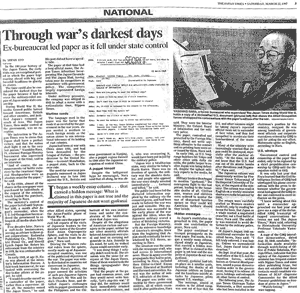 In the 100-year history of The Japan Times, the early 1940s was an exceptional period in which the paper kept roaring ahead with big and forceful headlines to glorify its stories.
 The time could also be considered the darkest days for the paper because it had to serve the military-ruled empire of Japan under state censorship.
During World War II, the media fanned public hatred toward Americans, British and other enemies, and justified Japan's conquest of much of Asia. The Japan Times, then under control of the government, was no exception.
"My instruction to The Japan Times was to stress that Japan shall have a perfect victory, and that the nation shall fight it out to the very last person," Yasuhiko Nara, 79, a former Foreign Ministry bureaucrat who supervised the paper at the time, said in an interview.
"And of course, the announcements (of battle victories) by the (wartime) Imperial Headquarters were an absolute must for the paper," he said.
In the 1930s, almost all the shares in the newspaper were purchased by individuals at the request of the ministry, which funded the purchase, according to Nara.
The ministry's control of the paper lasted until September 1945, a month after Japan's surrender, when the U.S.-led Occupation forces ordered the government to relinquish all media share holdings.
Five decades later, Nara is a well-to-do businessman, serving as adviser to three giant corporations: Kodansha Publishing Co., Tokyo Electric Power Co., and Merrill Lynch Japan Inc. Before his retirement from the ministry in 1978, he was ambassador to Canada.
In early 1943, at age 25, Nara was placed at the ministry's Information Bureau. A fast-track bureaucrat, he was tasked with overseeing the day-to-day affairs at the paper, he said.
"I would describe myself as a controller of the paper, rather than a supervisor. After all, the ministry owned The Japan Times," he said. His post did not have a specific title.
The paper at that time had a long official name, The Japan Times Advertiser Incorporating The Japan Chronicle and The Japan Mail, having taken over its competitors in accordance with government policy. The competitors largely represented foreign interests.
Under military pressure, the company was obliged in 1943 to adopt a name with a nationalistic tone, Nippon Times.
Wartime needs
The language used in the paper was the factor that made it so coveted by the government in the war years. Japan needed a medium to reach foreign minds as the nation strove to win international tolerance of its holding of vast colonies.
Japan had been at war with China since 1931, and had been demanded by the League of Nations �\ the predecessor to the United Nations �\ to revert Manchukuo, a puppet state, back to Chinese rule.
The need for overseas propaganda increased as Japan declared war in late 1941 against the U.S., Britain and other Allied states, opening the Asian-Pacific phase of World War II.
"I made sure the paper carried full reports of the visits of Japanese leaders to the member states of the Greater East Asian Coprosperity Sphere, and the visits to Japan of leaders from the region," Nara said.
Driving the Western colonial rulers from the sphere, mostly made up of Japanese-occupied countries, was one of the publicized objectives of the war. The paper was widely distributed in countries not conversant in Japanese.
Under Nara's policy, the paper covered the activities of such pro-Japanese figures as Burma's Ne Win and India's Chandra Bose, and detailed Japan's exchanges with its puppet government in the Philippines and the Chinese government in Nanjing, also a puppet regime formed in 1940 after the Japanese occupation of central China.
A puppet himself
Despite the belligerent hype he encouraged, Nara said that all along, he was abhorrent of his own instructions and under the constraints of the totalitarian state that Japan was.
Despite all the allegations of American racism and savagery in the paper, neither he nor other ministry officials believed Americans were cruel and bent on carrying out genocide in Asia. Secretly in his mind, he said, he wished Japan would surrender early.
"I was doing things I actually didn't want to do. The situation was the same for everyone at The Japan Times. None of them wanted to do the things (propaganda) they were doing.
"But the people at the paper had common sense, and they would never write honestly, 'Let's stop this war.' If they did, the military would have immediately crushed the firm out of existence, and I, who was overseeing it, would have been put in jail by the military police.
"Japan was a totalitarian state, very similar to today's North Korea. There was no freedom of speech, the military was the absolute dictator, and people who opposed the war were simply arrested immediately . . . , tortured and killed,' he said.
The public bad been fed the doctored information supplied by the military via the censored press, and had been made to believe the war was just and winnable. This manipulation was successful in the early phase of the war against the Allies, when the Japanese military scored a series of blitzkrieg victories.
But the Foreign Ministry, with its extensive knowledge of America's strengths, knew from the beginning that Japan would eventually be overwhelmed by U.S. forces, according to Nara.
The situation was the same with the newspaper staff, who had access to international news. Those in agony over the propaganda they had to print, according to Nara, included then Editor-in-Chief Kazuo Kawai. Educated at Stanford and Harvard universities, Kawai was the author of anti-U.S. editorials at the time.
The paper was under censorship by three government entities, all of which examined it after publication, Nara said. They were the Interior Ministry, the Cabinet Board of Information and the military police.
The paper, controlled and protected by the Foreign Ministry, dared not write anything offensive to the censors and no printing bans were ever issued by them, Nara said.
In early 1945, as U.S. long-range bombers hit Tokyo and other cities with daily airraids, the public began to realize Japan was being defeated, despite the upbeat military reports in the media, he said.
Military leaders then began to mention "gyokusai," the courageous fight to the last person, leading to the honorable deaths of all. Civilian men, women and children were ordered to master the use of sharpened bamboo spears so they could kill American soldiers should they invade.
Hidden message
As Japan's annihilation approached in 1945, the paper made one contribution to peace, Nara said.
The paper continued to trumpet propaganda on its front pages. But inside, it began a weekly essay column, signed simply as Japonicus, that carried a hidden message: What is claimed in this paper is not true and the majority of Japanese do not want gyokusai.
Already, gyokusai had taken place on a smaller scale, including the deaths of all Japanese soldiers on Saipan and the kamikaze suicide attacks by Japanese pilots against U S. warships.
The message, aimed at readers in the Allied camp, was sent out of fear that the U.S. and other enemies might be taking Japan's repeated official vows not to surrender at face value, and thus feel compelled to accelerate their bombardment of the mainland.
Many at the ministry were increasingly worried that Japan could be destroyed, especially after the nuclear attacks. "At the time, we did not know that the U.S. had run out of its atomic bombs after Hiroshima and Nagasaki," Nara said.
The Japonicus column was anonymously written by Professor Kenzo Takayanagi of the Imperial University of Tokyo, at the request of the ministry. The column was read in English on a weekly overseas shortwave radio broadcast by NHK.
The essays were carefully crafted so Western readers could tell, only by reading between the lines, that Japan as a whole wanted a negotiated ceasefire, not a final battle at home, Nara said. The subtlety was essential to avoid detection by the military police, he said.
Of Japan's August 1945 unconditional surrender to the Allied forces, Nara said: "I felt truly relieved, I was happy. Unless we surrendered fast, Japan faced total destruction."
On Sept. 24 of that year, the head office of the U.S.-led Occupation forces, widely known as General Headquarters, issued a press democratization order to the government, forcing it to release all press holdings and relinquish all other forms of control.
The following year, The Japan Times Chairman Tadao Matsumoto, a Diet member who had been installed in the chairman's position by the ministry, resigned. He was among hundreds of government officials and corporate executives ordered by GHQ to quit for aiding the war effort. Matsumoto spoke no English, according to Nara.
U.S. wiretaps
Government control and censorship of the paper thus ended, only to be replaced by a strict prepublication censorship by GHQ until the Occupation ended in 1952.
It was only last year that Nara learned that the Civil Intelligence Section of GHQ had wiretapped his phone conversations with the press to determine whether the government had ignored the GHQ order and continued to exert influence on the press.
"I knew nothing about this until a researcher approached me last year and gave me a copy of the declassified GHQ transcript of tapped conversations between me and The Japan Times," Nara said, referring to Hitotsubashi University Professor Taketoshi Yamamoto.
A copy of the GHQ interoffice memorandum, dated Aug. 23, 1948, concludes: "Information made available through watch-listing of Office of Public Relations, Foreign Office, indicates that this agency of the Japanese Government has frequent contact with Nippon Times and some other publishing firms, but does not establish that these contacts would constitute violations of SCAP (Supreme Commander for the Allied Powers) prohibitions on freedom of press in Japan."
"Watch-listing" meant wire-tapping.
���W���p���^�C���Y�����j�S��(�p��)�@2007/3/22(JT�n��110���N)�ʍ�����W���ɏ��������ł��B

Paper's history dates back 140-plus years to Edo Period
Through peace and war, times of tumultuous change The Japan Times has been a constant source of news and information
By Sam Ito
Staff writer
During its long history, The Japan Times has undergone business difficulties and prosperity, wartime government control, mergers and acquisitions, and journalistic fame.
The history of The Japan Times, to be exact, extends for more than 140 years, considering mergers or special ties with newspapers that were established as long ago as the feudal Edo Period.
The paper is proud of its heritage and displays its significant chronology every day in the masthead just above the editorial:
Established 1897
Incorporating The Japan Advertiser 1890-1940
The Japan Chronicle 1868-1940
The Japan Mail 1870-1918
The Japan Times 1865-1870
There have been two other papers named The Japan Times in the past. Both have been merged into the present Japan Times.
Dawn of journalism
The Japan Times, in the course of its 110-year existence, has absorbed a number of reputable English-1anguage journals, enriching and strengthening the fine traditions bequeathed by its founders. Viewed in historical perspective, The Japan Times presents a picture of a big river, with a number of tributaries flowing into its stream.
Two of the key newspapers that joined The Japan Times' family had been owned and operated by Englishmen, and one first published by an American.
The first of these three papers absorbed by The Japan Times was The Japan Mail. It was inaugurated in 1870 by Captain F. Brinkley, an Englishman who later distinguished himself by covering the Russo-Japanese War of 1904-05 for The Times of London.
The Japan Mail continued its publication until it was absorbed by The Japan Times in 1918. During its half-century run, The Japan Mail annexed the first Japan Times, the "grandfather" of the present Japan Times, founded by another Englishman in 1865 -- three years before the Meiji Restoration. When the history of the old Japan Times is taken into account, The Japan Times lineage is actually 142 years.
The Japan Times is also linked to Japan's first modern newspaper in any language, The Nagasaki Shipping List and Advertiser of 1861. A key editor of a sister newspaper to the Nagasaki paper inaugurated the Hiogo News in 1868. Hiogo News was absorbed into The Kobe Chronicle, which was incorporated with The Japan Times in 1940. The Kobe Chronicle is remembered by many as the workplace of novelist Lafcadio Hearn, who was an editorial writer in the 1890s.
Incidentally, the first modern newspaper in the Japanese language is the 1870 Yokohama Mainichi Shimbun, predecessor of Mainichi Shimbun. With Japan far behind the West in printing technology in the 19th century, expatriates were the first to publish modern newspapers in this country.
Another paper that joined The Japan Times was The Japan Advertiser. This paper was established in Yokohama in 1890. Its great progress was made, however, after it came under the proprietorship and management of B. W. Fleisher. Members of the paper's staff were all trained journalists from abroad, and their high qualifications were reflected in the excellent news service and the general vigor of the journal.
The Japan Advertiser was awarded a Special Prize by the Missouri University School of Journalism as one of the superior papers in the world. It continued its publication for 50 years, until in 1940 it was purchased by The Japan Times.
Seeking respect
Patriotism and the need to communicate with the outside world was the major reason why The Japan Times was inaugurated in 1897 as the first indigenous English-language newspaper, run by Japanese and edited under Japanese leadership.
Japan was a fledgling Asian power and had been humiliated by unequal treaties with Western colonial powers signed by the legally naive Tokugawa Shogunate, which bowed to pressure under the threat of military conquest. Treating Japan as an uncivilized nation, the terms forbade Japan from setting its own trade tariff rates and gave extraterritoriality rights -- immunity from Japanese law -- to foreign residents.
The Meiji government had initiated Westernization, including a military buildup and political, economic and legal reforms, to try to convince the West that Japan should be treated as an equal partner. The Japan Times supplemented the Westernization drive and built a bridge of communication between expatriates and the elite Japanese who understood English.
The paper's first editorial laments the language barrier at the time and the need to speak up in English: "It is a remarkable and deplorable fact that after forty years of mutual association, His Majesty's subjects and the foreign residents remain to this day virtually strangers to each other . . . .
"In the eyes of the general public abroad, Japan is like a dumb actress leaving the audience to attach her motions whatever meaning it may please them to choose . . . we persist in our assertion that Japan has not yet been adequately represented through the press, and further, that under the circumstances it is only by the Japanese themselves that their views, sentiments and aspirations can be correctly presented to the outside world. Such are the principal causes that have led to the inauguration of The Japan Times."
Zumoto, the founder
The idea of starting an English-language newspaper owned and operated by Japanese was first conceived in 1883 by Motosada Zumoto, one-time translator on the staff of The Japan Mail and later secretary to Japan's first prime minister, Hirobumi Ito. But it was not until the autumn of 1896, when the Ito Cabinet resigned, that Zumoto was really able to set about putting his long-cherished plan into practice.
Sueji Yamada, a senior friend of Zumoto hailing from the same prefecture, Tottori, was then in a position to help Zumoto, having resigned as head of a branch office of Nippon Yusen Corp.
On hearing Zumoto's plans to start an English-language paper, Yamada was so impressed that he immediately started to raise funds to finance the project. The first man whose assistance he recruited was Yukichi Fukuzawa, founder of Keio University and the Jiji Shimpo newspaper, to whom he was related by marriage.
Fukuzawa succeeded in persuading Baron Yataro Iwasaki, then governor of the Bank of Japan, to raise funds for Zumoto's paper from the Mitsui and Mitsubishi interests, the Bank of Japan, the Yokohama Specie Bank, and Nippon Yusen Corp.
Ito himself helped Zumoto in both official and private capacities. He financed, for instance, Zumoto's trip abroad to visit and study newspaper facilities in Europe and the United States. Zumoto returned from this four-month tour in January 1897 with his convictions that an English-language newspaper was badly needed in this country further strengthened by his discovery that people abroad were totally ignorant of Japanese affairs.
Thus, March 22, 1897, saw the appearance of the first issue of The Japan Times. The paper's chief executives were Yamada, president; Zumoto, managing editor; Yoshitaro Takenobu, assistant managing editor, and Miezo Nakanishi, business manager.
For the logo, the Old English type used in The Times of London was adopted with a woodblock print of Mount Fuji in the center. Also, as with the London Times and many other newspapers of the time, the front page was entirely given over to advertisements. A copy cost 5 sen (1/20 th of 1 yen), and a month's subscription cost 1 yen.
Despite the fact that its editorial staff was very short-handed -- just 10 editors, the 6-page daily carried a weather chart, lists of arrivals and departures of foreign mail, and translations of Japanese newspaper comments in addition to the usual news stories and commentaries. The headlines followed the reserved tradition of British journalism.
A year after the outbreak of the Russo-Japanese War in 1904, The Japan Times switched over from a morning paper to an evening paper to supply its readers with the latest war news. Financially speaking, however, the war did considerable damage to the paper.
Kennedy takes over
In January 1911, Zumoto became president of The Japan Times. Despite his long association with the paper, Zumoto was to hold this position for just three years, for in 1914 the management of The Japan Times was transferred to the Kokusai Tsushin Sha (International News Agency).
The foundation of this news agency had come about in this way: A Japanese business mission headed by Viscount Eiichi Shibusawa -- known today as the father of capitalism in Japan -- had been sent to the U.S. in 1910 at the invitation of chambers of commerce on the Pacific coast. During his three-month stay in the U.S., Shibusawa had come to the conclusion that it was important for Japan to have an international news agency that would do something to remedy the general ignorance of Japanese affairs prevailing in America and elsewhere. On his return to Japan, he devoted all his efforts toward the establishment of such an agency.
The result was that the Kokusai News Agency was founded in March 1914 with Count Aisuke Kabayama as its president and John Russell Kennedy as its general manager.
Although Zumoto played an important part in the founding of the news agency and probably was the originator of the idea regarding its amalgamation with The Japan Times, he was merely given a position in the Kokusai, the actual management being entrusted to Kennedy, an Irish-born journalist who had moved to the U.S., becoming the city editor at The Washington Post. In 1907, he came to Tokyo as an Associated Press correspondent. To insure smooth liaison between the news agency and the English-language papers, Kennedy also assumed the management of The Japan Times.
On July 2, 1914, the paper was reorganized into a joint-stock company capitalized at 1O,OOO yen and called The Japan Times Kabushiki Kaisha, Kennedy succeeding Zumoto as president.
The Japan Mail moved into the Times building from its Kanda offices in February 1915, merely retaining its name without issuing any paper for seven years. In 1918, The Japan Times absorbed The Japan Mail, changing its masthead to The Japan Times & Mail.
In December 1921, Kennedy resigned the presidency and the Times was then reorganized as an anonymous association under a new management. Bunshiro Hattori, chief secretary of the Tokyo Chamber of Commerce, was made president, Sometaro Sheba became managing director.
Sheba, a newspaper publisher in Hawaii, hired R. O. Matheson, a former Honolulu Advertiser managing editor, to run the newsroom. Sheba, who had bought Japan Times shares from Kennedy, later became president.
In 1923, The Japan Times introduced press campaigns to this country. In the paper, Sheba proposed the preservation of the retired but famed battleship Mikasa. Two years later, the government agreed. It was the first known successful case of the press running prolonged campaigns to gain public support to realize projects of social importance.
Political influence
Over the years, the paper received help from one prime minister -- Ito, the former boss of Zumoto -- brought down another prime minister, and helped to produce a third.
The Japan Times was instrumental in the resignation of Prime Minister Gonbei Yamamoto following the Siemens Incident of 1914, a bribery scandal involving the Japanese Imperial Navy's purchase of radio facilities from a German firm. The paper broke the news, a Reuters dispatch from London, which was used by a House of Representatives member to attack the government.
A key employee from the German firm had fled to Shanghai after stealing documents from its Tokyo office. The Japan Times sent a reporter to the Chinese city to get an exclusive interview with the employee. The story was a major scoop and after two months of widening scandal, Yamamoto resigned.
In 1948, Hitoshi Ashida, a former Japan Times president, became prime minister. Before and during World War II, Ashida, also a Diet member, was scorned by the military because he was a liberal, friendly to the U.S. This reputation and his fluency in English worked to his advantage during the postwar years when Japan was under the U.S.-led Occupation and English was a must for the prime minister. Besides English, Ashida spoke Russian, the language of the Soviet Union, which was also a victor in the war.
Famous people
Besides prime ministers, many of the best and brightest people of the country have had relations with The Japan Times.
Two of them are familiar from their portraits on bank notes. Fukuda, who helped Zumoto raise the funds to launch the paper, is pictured on the 10,000 yen note.
Inazo Nitobe, the face on the 5,000 yen bills until 2004, was a college friend of Zumoto and encouraged him to start the paper. The best-known Japanese writer in the West during his lifetime, Nitobe also helped with Japan Times lecture events for readers and later went on to become an undersecretary general at the League of Nations, the predecessor of the United Nations. Nitobe's son, Takao Nitobe, served as editor-in-chief during the early Showa period.
Kanzo Uchimura, an author and Christian evangelist, wrote editorials for the paper. As Japan emerged as victor in the Russo-Japanese War in 1905, people rioted in central Tokyo seeking to restart the war and demand reparations from Russia. The Japan Times was one of the few newspapers that printed pacifist editorials. The riots expanded and later forced the government to impose martial law.
Many Japan Times editors had liberal thoughts, having daily contacts with Western news and thinking. During Japan's imperialist expansion era, the military checked the activities of such editors, including Ashida and Keigo Baba, a managing editor. In postwar years, their liberal ideas were appreciated. Baba was chosen president of Yomiuri Shimbun and the first president of the Japan Newspaper Publishers & Editors Association.
Kiyoaki Murata, editor-in-chief until 1983, won the Vaughn-Ueda Prize, the Japanese equivalent of a Pulitzer Prize, for international reporting.
Journalists are not the only people that The Japan Times has fostered. Many who worked here later achieved fame as scholars. Such names include Yoshitaro Takenobu, a former assistant managing editor now known as the original author of Kenkyusha's New Japanese-English Dictionary.
Government control
The early 1940s was an exceptional period in which The Japan Times kept roaring ahead with big, forceful headlines to glorify its stories.
The time could also be considered the darkest days for the paper because it had to serve the military-ruled empire under state censorship.
During World War II, the media fanned public hatred toward Americans, British and other enemies, and justified Japan's conquest of much of Asia. The Japan Times, then under control of the government, was no exception.
"My instruction to The Japan Times was to stress that Japan shall have a perfect victory, and that the nation shall fight it out to the very last person," Yasuhiko Nara, a former Foreign Ministry bureaucrat who supervised the paper at the time, said in a 1987 interview with the paper.
In the 1930s, almost all the shares in the newspaper were purchased by individuals at the request of the ministry, which funded the purchase, according to Nara.
The Japan Times has lost ownership documents from the era, but the appointment of Tokichi Tanaka, a former vice foreign minister, as The Japan Times president in 1924 suggests the ministry's control of the paper began around the 1920s. It lasted until September 1945, a month after Japan's surrender, when the Occupation forces ordered the government to relinquish all media share holdings.
The paper in 1940 assumed a long official name, The Japan Times Advertiser Incorporating The Japan Chronicle and The Japan Mail, having taken over its competitors in accordance with government policy. The competitors largely represented foreign interests.
Under military pressure, The Japan Times was obliged in 1943 to adopt a name with a nationalistic tone, Nippon Times.
Wartime needs
The language used in the paper was the factor that made it so coveted by the government in the war years. Japan needed a medium to reach foreign minds as the nation strove to win international tolerance of its holding of vast colonies.
Japan had been at war with China since 1931, and had been demanded by the League of Nations to revert Manchukuo, a puppet state, back to Chinese rule.
The need for overseas propaganda increased as Japan declared war in late 1941 against the U.S., Britain and other Allied states, opening the Asian-Pacific phase of World War II.
"I made sure the paper carried full reports of the visits of Japanese leaders to the member states of the Greater East Asian Co-Prosperity Sphere, and the visits to Japan of leaders from the region," Nara said.
Driving the Western colonial rulers from the sphere, mostly made up of Japanese-occupied countries, was one of the publicized objectives of the war. The paper was widely distributed in countries not conversant in Japanese.
Under Nara's policy, the paper covered the activities of such pro-Japanese figures as Burma's Ne Win and India's Chandra Bose, and detailed Japan's exchanges with its puppet government in the Philippines and the Chinese government in Nanjing, also a puppet regime formed in 1940 after the Japanese occupation of central China.
Propaganda
Despite the belligerent hype he encouraged, Nara said that all along, he was abhorrent of his own instructions and under the constraints of the totalitarian state that Japan was.
Despite all the allegations of American racism and savagery in the paper, neither he nor other ministry officials believed Americans were cruel and bent on carrying out genocide in Asia.
"I was doing things I actually didn't want to do. The situation was the same for everyone at The Japan Times. None of them wanted to do the things (propaganda) they were doing.
"But the people at the paper had common sense, and they would never write honestly, 'Let's stop this war.' If they did, the military would have immediately crushed the firm out of existence, and I, who was overseeing it, would have been put in jail by the military police.
"Japan was a totalitarian state, very similar to today's North Korea. There was no freedom of speech, the military was the absolute dictator, and people who opposed the war were simply arrested immediately . . . , tortured and killed," he said.
The public bad been fed the doctored information supplied by the military via the censored press, and had been made to believe the war was just and winnable. This manipulation was successful in the early phase of the war against the Allies, when the Japanese military scored a series of blitzkrieg victories.
The newspaper staff, who had access to international news, were in agony over the propaganda they had to print. According to Nara, they included then Editor-in-Chief Kazuo Kawai. Educated at Stanford and Harvard universities, Kawai was the author of anti-U.S. editorials at the time.
The paper was under censorship by three government entities. They were the Interior Ministry, the Cabinet Board of Information and the military police.
In early 1945, as U.S. long-range bombers hit Tokyo and other cities with daily air raids, the public began to realize Japan was being defeated, despite the upbeat military reports in the media.
Military leaders then began to mention "gyokusai," the courageous fight to the last person, leading to the honorable deaths of all. Civilian men, women and children were ordered to master the use of sharpened bamboo spears so they could kill American soldiers should they invade.
Hidden peace message
As Japan's defeat approached in 1945, the paper made one contribution to peace.
The Japan Times continued to trumpet propaganda on its front pages. But inside, it began a weekly essay column, signed simply as Japonicus, which carried a hidden message: What is claimed in this paper is not true and the majority of Japanese do not want gyokusai.
Already, gyokusai had taken place on a smaller scale, including the deaths of all Japanese soldiers on Saipan and the kamikaze suicide attacks by Japanese pilots against U S. warships.
The message, aimed at readers in the Allied camp, was sent out of fear that the U.S. and other enemies might be taking Japan's repeated official vows not to surrender at face value, and thus feel compelled to accelerate their bombardment of the mainland.
The Japonicus column was anonymously written by Prof. Kenzo Takayanagi of the Imperial University of Tokyo at the request of the Foreign Ministry. The column was read in English on a weekly overseas shortwave radio broadcast by NHK.
The essays were carefully crafted so Western readers could tell, only by reading between the lines, that Japan as a whole wanted a negotiated ceasefire, not a final battle at home. The subtlety was essential to avoid detection by the military police.
On Sept. 24, 1945, the head office of the Occupation forces, widely known as the General Headquarters, or GHQ, issued a press democratization order to the government, forcing it to release all press holdings and relinquish all other forms of control.
The following year, Japan Times Chairman Tadao Matsumoto, a Diet member who had been installed by the Foreign Ministry, resigned. He was among hundreds of government officials and corporate executives ordered by GHQ to quit for aiding the war effort.
Government control and censorship of the paper thus ended, only to be replaced by strict censorship by GHQ until the Occupation ended in 1952. The GHQ ordered the burning of all printed copies on Oct. 12, 1945, for its translated reprint of a Jiji Shimpo editorial saying the Japanese must not treat Gen. Douglas MacArthur as a living god as they once did Emperor Showa.
Financial ups and downs
For much of The Japan Times history, publishing the paper in a foreign language has not been a profitable venture, sometimes likened to charity rather than business. It would not have lasted for over a century unless the staff placed ideals of journalism and international understanding above financial gains.
The war ended in August 1945, and the Allied Occupation forces moved in. During the Occupation and thereafter, popularization of English became phenomenal and, coupled with the increasing number of readers among the Occupation personnel, circulation swelled rapidly.
Moreover, with Japanese political circles and business interests having to make contacts with GHQ and local military governments, the use of an English-language newspaper came to be widely recognized.
Circulation continued to increase, and advertisements of foreign firms and Japanese firms dealing with foreign clients filled more and more space. It thus became possible for the paper to operate on a purely commercial basis and to become an independent paper.
Fukushima's reforms
In January 1956, the Nippon Times invited Shintaro Fukushima, a career diplomat and former director-general of the Procurement Agency, to take over its presidency. Under his leadership, the paper reverted to its original name, The Japan Times, on July 1, 1956.
The paper coined its editorial motto, "All the News Without Fear or Favor," and set out its mission in writing.
�gThe mission of The Japan Times, as Japan's one and only independent English-Language newspaper, shall be to report domestic and international news accurately, speedily, and amply to readers in Japan and overseas from an impartial standpoint. Without fear and without flattery, The Japan Times shall endeavour to build a well-informed public opinion for the sake of truth and justice, freedom and democracy, and international cooperation and world peace."
(�{���f�ڂ̓X�y�[�X�̂��߂����܂�)
Fukushima later served concurrently as Kyodo News president.
In 1951, The Student Times, a bilingual tabloid weekly, issued its first edition. It was renamed Shukan ST in 1990.
In 1957, The Japan Times Daily International Airmail Edition was launched for the benefit of readers overseas. The ultralight newspaper that was distributed outside the country with the ease of airmail was a great idea to report news in the pre-Internet years. It won a Japan Newspaper Publishers and Editors Association Award the following year.
In 1961, The Japan Times Weekly made its debut. The Japan Times Weekly International Edition, an overseas edition of the Weekly, started printing in Los Angeles for distribution overseas.
The paper introduced a cold-typesetting system in 1976 and a computerized type-setting system in 1985, one of the first Japanese papers to use computers for production.
New publisher
Toshiaki Ogasawara, the incumbent publisher and chairman, was handpicked by Fukushima to succeed him. A Princeton-educated businessman and founder of the Nifco group of firms, Ogasawara became the paper's 18th president in 1983.
Ogasawara has supported the basic principles that have become widely-accepted in today's Japan, including the promotion of the country's internationalization, boosting of relations with the U.S. and other nations, pacifism and deregulation.
In 1996, the company officially launched The Japan Times Online, part of a diversification drive. Later that year, The Japan Times opened InterFM, a foreign-language radio station that the company ran as a major shareholder until last year.
In March 2006, Yukiko Ogasawara, the elder Ogasawara's U.S.-educated daughter, assumed the presidency. Growing up biculturally, she has stressed multiple perspectives and editorial integrity.
In August last year, she inaugurated a new addition to the newspaper family, The Japan Times Junior, a bilingual weekly mainly intended for teenagers learning English.
(bio)�@Sam Ito was managing editor between April 2005 and September 2006. He is currently Education Department manager at The Japan Times, Ltd.
Reprinted with permission. March 22, 2007, The Japan Times
��Episodes of historical interest from JT's pages Tai Kawabata�@�@2017/3/22 �n��120���N���W
Earnest Satow Korekiyo Takahashi �V�[�����X�@Yosuke Matsuoka�@�֓���k�ЂȂǂ̃G�s�\�[�h
��JT�V�C���̕ϑJ
����30�N3��22���i�n�����j�@
�����Ȃ̒����C�ۑ�iImperial Meteorological Central Observatory�j�ɂ��V�C�\��

1996

1997�V�V�C���ɕύX�@20080219p20�̗�
Weathernews�Ё@
���E�R���Z�v�g�S���͈ɓ��T��

20080401p20 Kyodo News�g�p��

Bring back old weather map
JT08/4/24p14
20081115��AccuWeather.com�ɐؑց@(11/15�͔����B���L11/16���J���[)
 �@
�@
�@
�֘A�y�[�W�F�@
�W���p���^�C���Y���e�Љ��@
�G�C�v�����t�[��(�p���f�BJT�����Ȃ�)�@
�W���p���^�C���Y�n�����E���̌㎆�ʁ@
�p���V���̗��j�@�@
���j���[�X�p��@�֘A�y�[�W
���p���V���̓ǂݕ�����
�����o���̓ǂݕ��@
���{�@�p���L���̓ǂݕ�
���{�@�j���[�X�p�ꋳ�{
���T��ST ���e�E�w���y�[�W
���W���p���^�C���YWEEKLY �@
���W���p���^�C���Y�̓��e
��NHK�u�j���[�X�ʼnp��b�v�@
���g���̂Q�{(�L�ғ��P)�@
������(�L���̏�����)
���p���V���@�u��
���p���V���@���Ɗ��p��
���T���L���@
���p���L�҂ɂȂ肽���y�[�W�@
���G�C�v�����t�[���ƃW���p���^�C���Y ���������
���W���p���^�C���Y�̗��j�@
���W���p���^�C���Y�n�������ʃy�[�W�@��������փ^�C���X���b�v
�����{�̉p���V���̗��j�y�[�W �@
�����ʃf�U�C��
�@