
Tyto Robotics outlines a practical method for selecting and matching drone motors and propellers, describing how early design assumptions are used to develop an initial propulsion system model. Read more >>
Using a 25 kg quadcopter as an example, the process begins by calculating thrust requirements based on maximum take-off weight, before narrowing down suitable propeller sizes, battery configurations, and motor KV ratings. A motor-propeller matching calculator is then used to estimate theoretical and physical RPM limits, helping determine whether the selected configuration can meet the required thrust.
The methodology covers the calculation of maximum RPM, thrust, electrical power, mechanical power, current draw, and torque. Propeller tip speed is limited using a Mach 0.7 guideline to avoid compressibility losses, establishing a practical RPM ceiling based on propeller diameter.
Estimated thrust values are then used alongside assumed efficiency figures to determine electrical and mechanical power requirements, while battery voltage and motor KV are adjusted to change maximum motor speed. Torque calculations are derived from mechanical power and angular velocity to determine the torque required to drive the propeller.
Propulsion System Testing & Optimization
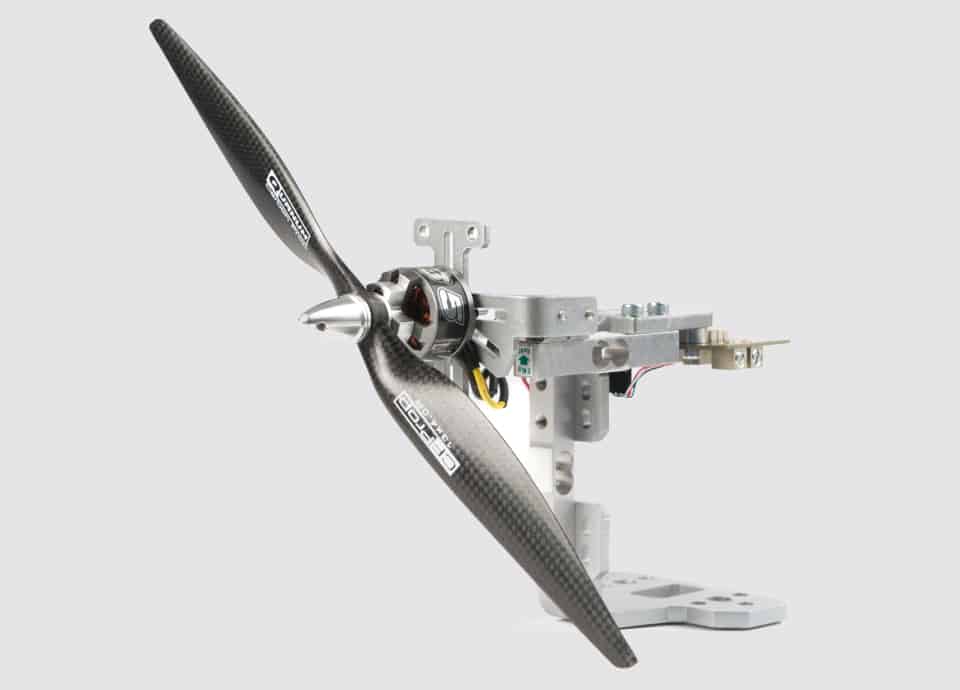
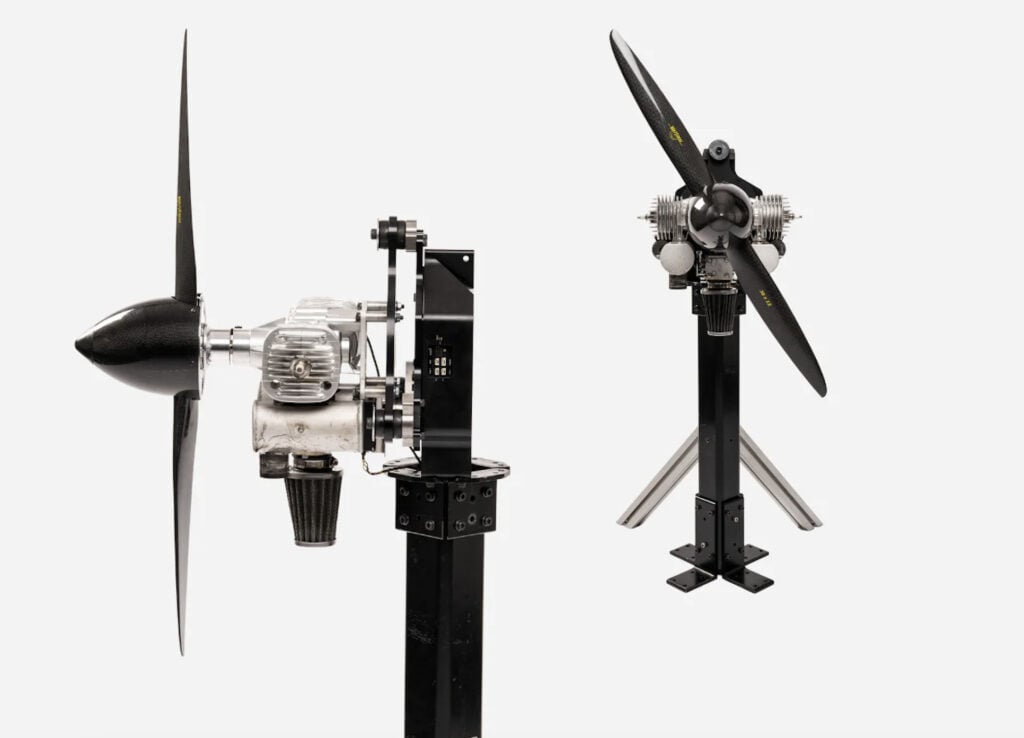
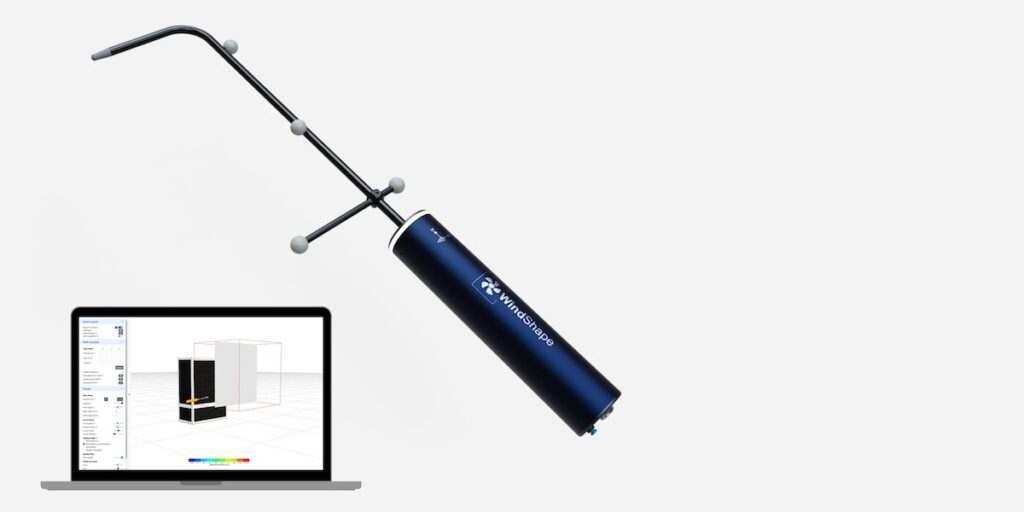
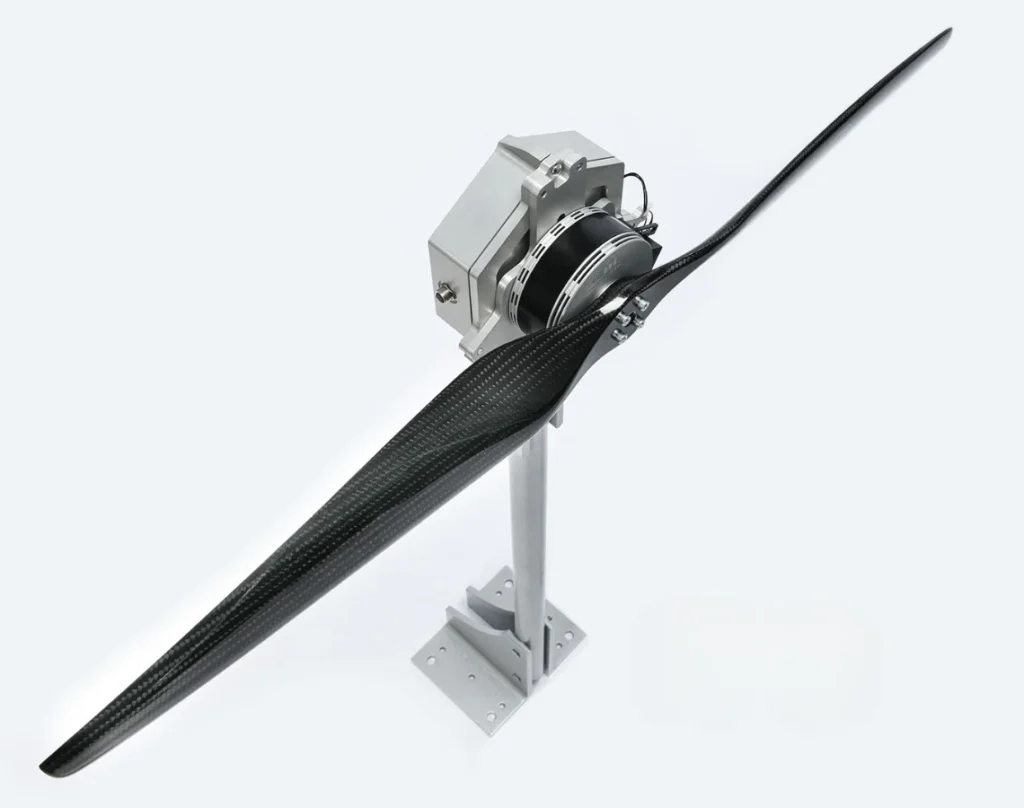
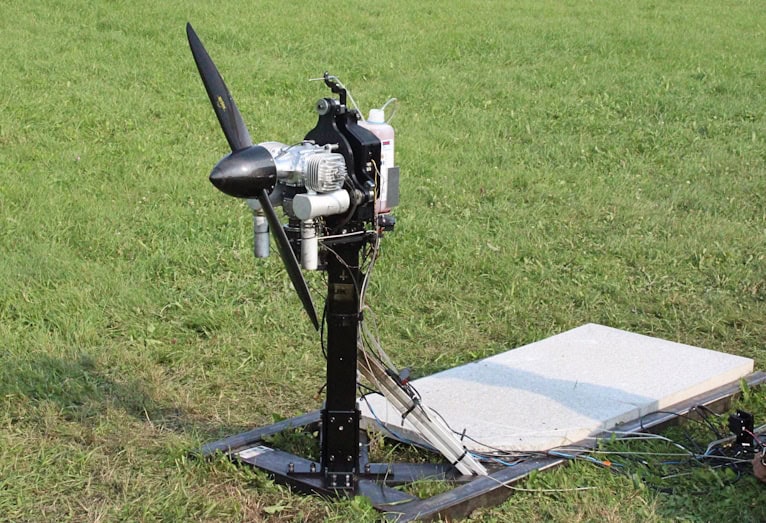
Motor and propeller efficiency curves are then compared to determine whether their peak operating efficiencies align within the same RPM range. Testing with the Flight Stand 50 and WindShaper allows theoretical calculations to be validated under static and dynamic conditions, while also enabling the generation of motor efficiency maps.
Adjustments to motor KV, battery voltage, propeller pitch, and propeller diameter alter torque requirements, rotation speed, and overall propulsion efficiency. Larger propellers increase torque requirements exponentially with diameter, while smaller propellers require higher rotation speeds to maintain thrust.
The article concludes that propulsion system design is an iterative process in which changes to one variable often require adjustments throughout the entire drone platform. Although theoretical calculations help narrow component selection, real-world propulsion testing remains necessary because performance differs under operating conditions with incoming airflow. Combining calculation tools with static and dynamic testing enables more accurate motor and propeller matching while helping reduce guesswork during drone development.
Read ‘How to Choose the Right Motor and Propeller for Your Drone’ for more information.