Books
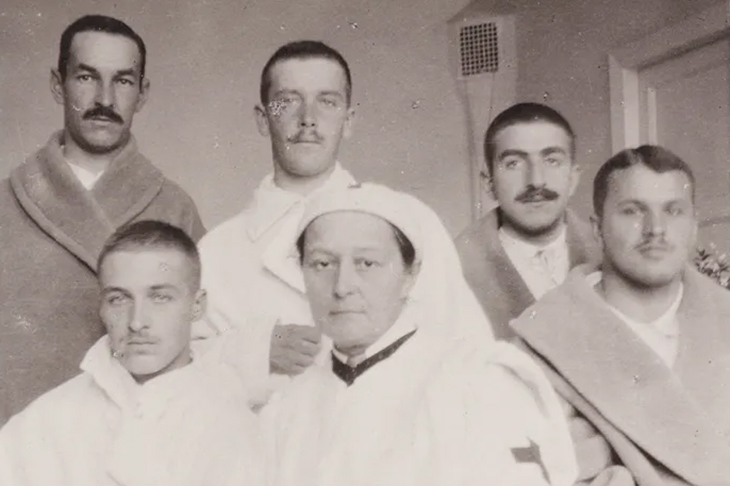
Another heroic freethinker is wiped from Russian history
Vera Gedroits, the world’s first woman professor of surgery, inevitably fell foul of Stalin, despite supporting workers’ rights and saving hundreds of lives in the Russo-Japanese war
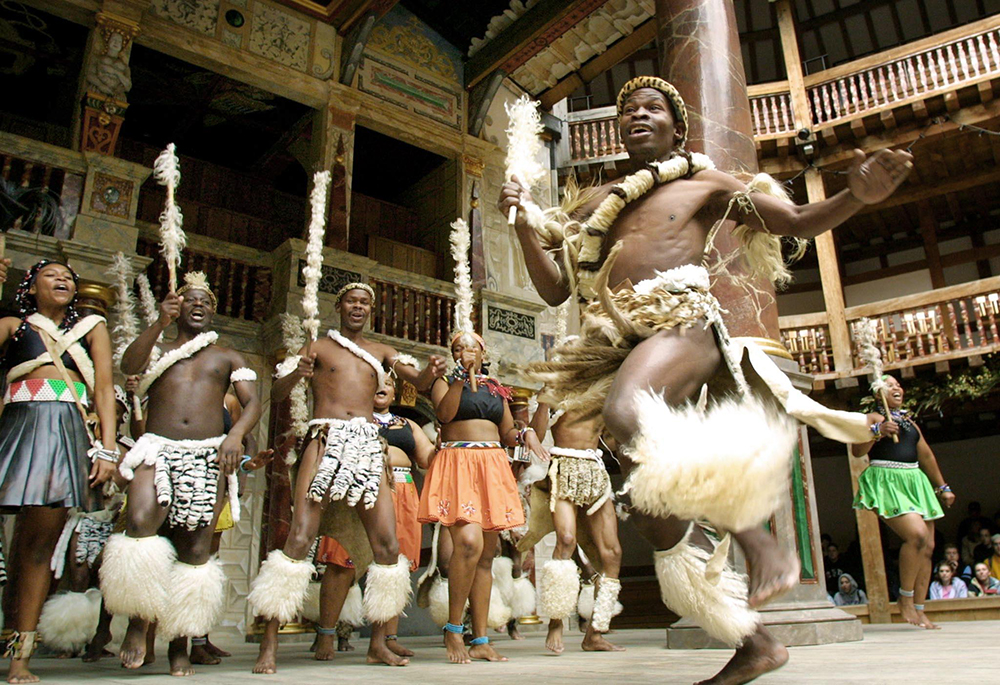
Macbeth in Swahili? There might even be improvements
In his invigorating book on Shakespeare in translation, Daniel Hahn explains how in certain languages entire Shakespearean phrases can be rolled into a single word
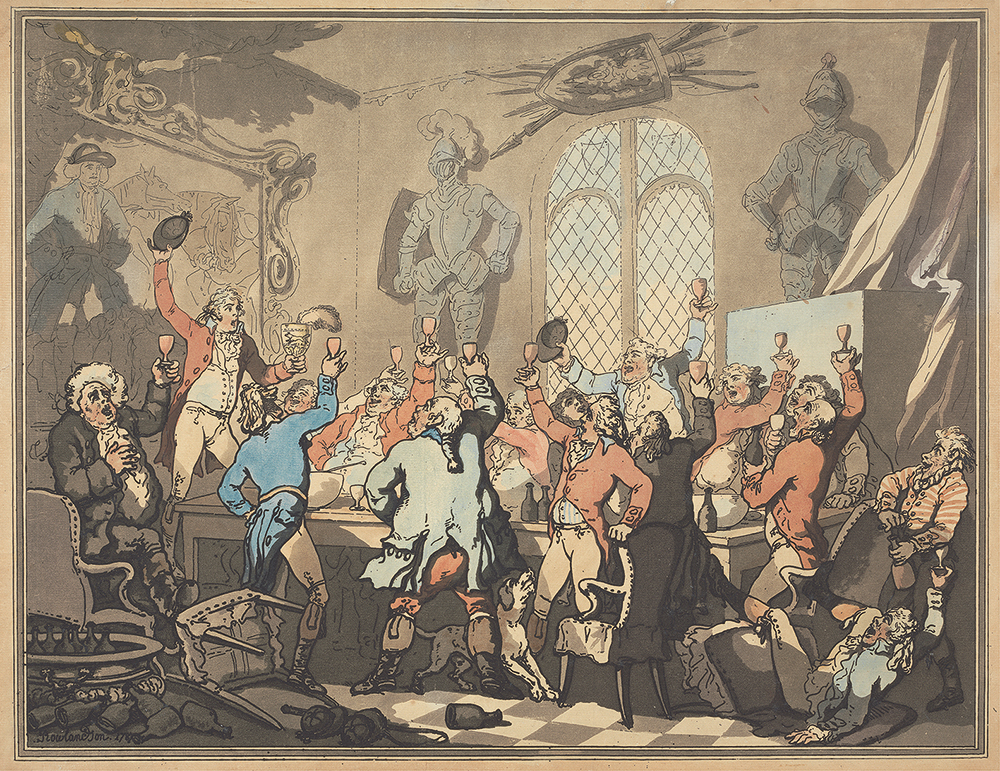
The punishing gluttony of Georgian high living
Even in the grandest country houses guests were expected to eat and drink to excess, on chairs covered in wipe-clean leather and with chamber pots handy
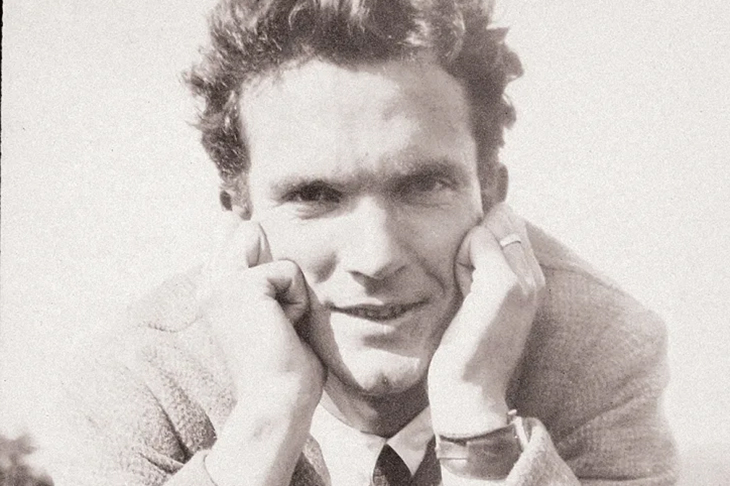
Highland noir: The Grey Coast; The Serpent; Blood Hunt, by Neil M. Gunn, reviewed
The Clearances underlie Gunn’s vision like a skull beneath the moorland’s skin in the haunting historical novels he is best remembered for
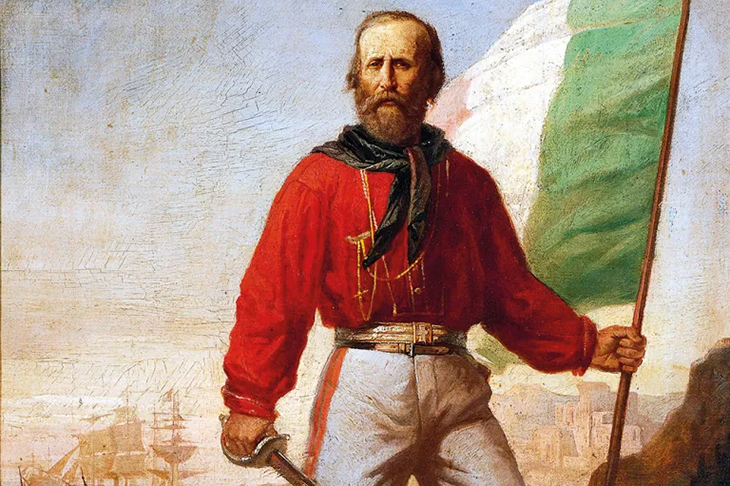
A weary trek in the steps of Garibaldi and his Redshirts
Tim Parks and his wife struggle over scrub and scree in Sicily following the march of the Thousand in May 1860
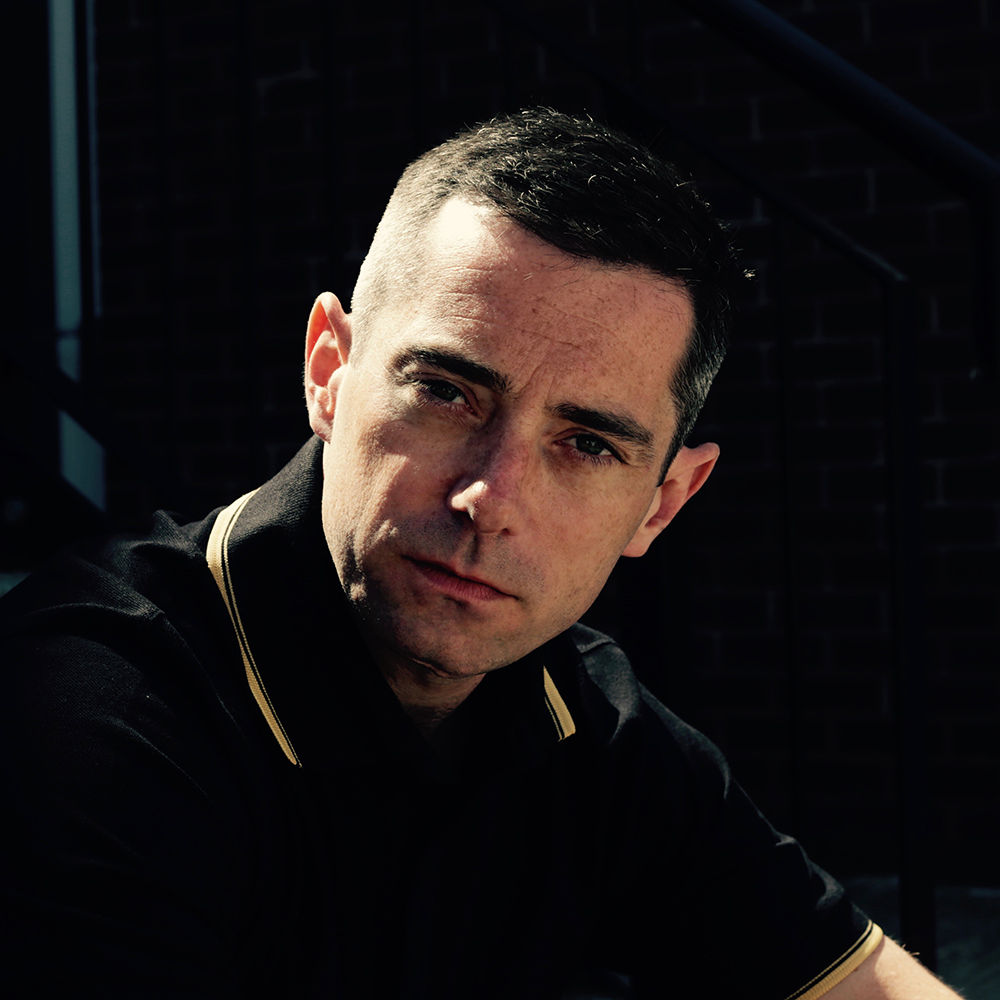
It’s grim up north: Malc’s Boy, by Shaun Wilson, reviewed
In this work of autofiction, shocking violence is meted out to a small boy by his father in Wigton - leaving one wondering how the two are getting along these days
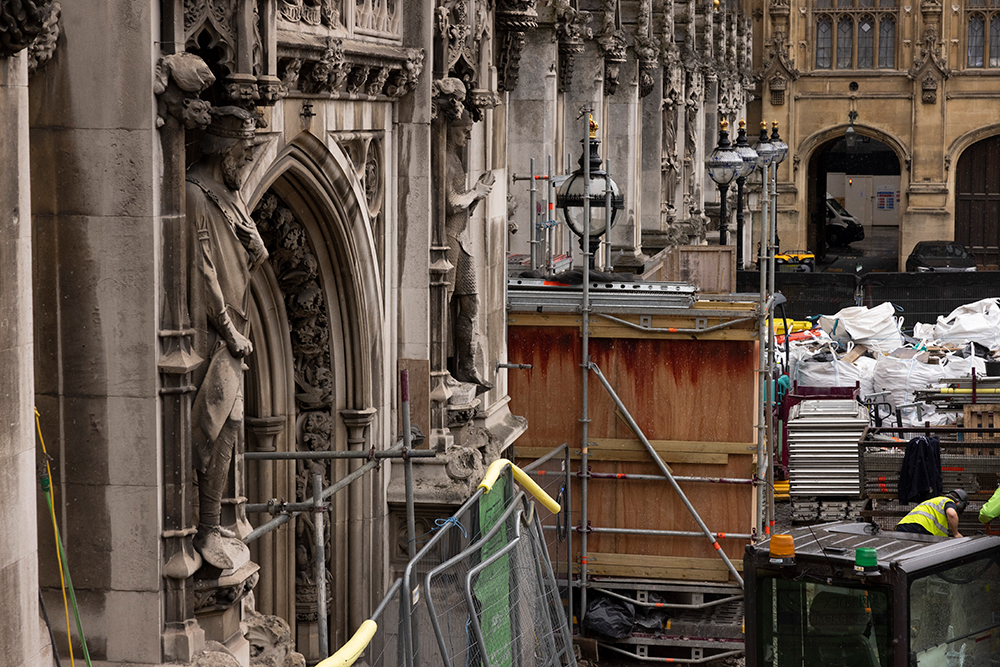
What does it say about Britain that the Palace of Westminster is crumbling?
Jan-Werner Müller explores the ways in which both politicians and the electorate are conditioned by their built democratic environment
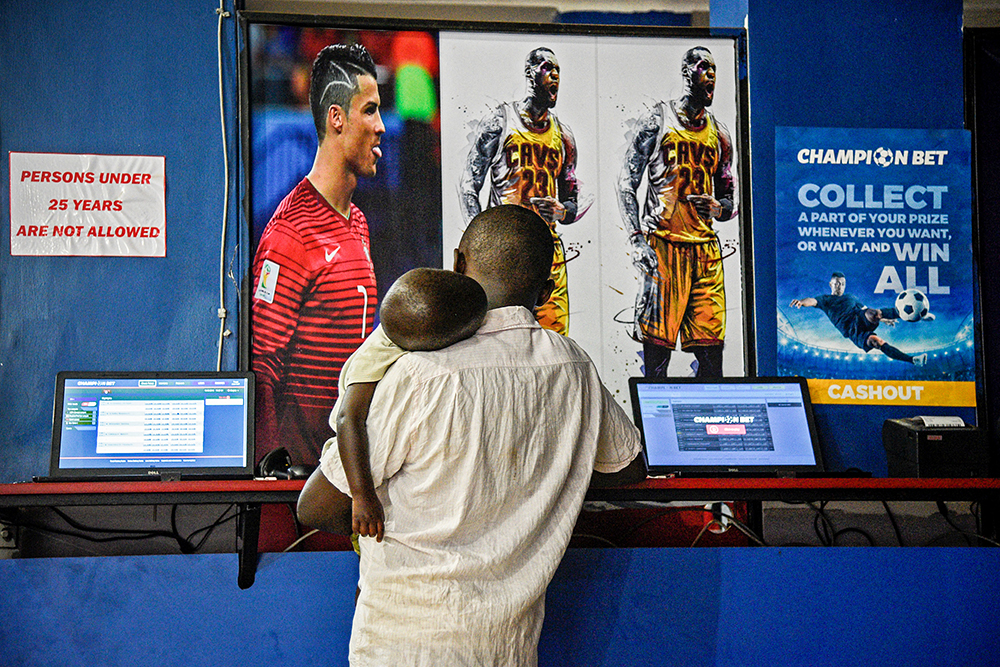
How Rupert Murdoch destroyed the innocent enjoyment of watching sport
Since the emergence of Sky Bet in 2001, the ‘casinofication’ of sport has ensured that innumerable ‘micro-events’, along with major fixtures, are now firmly in the grip of gambling
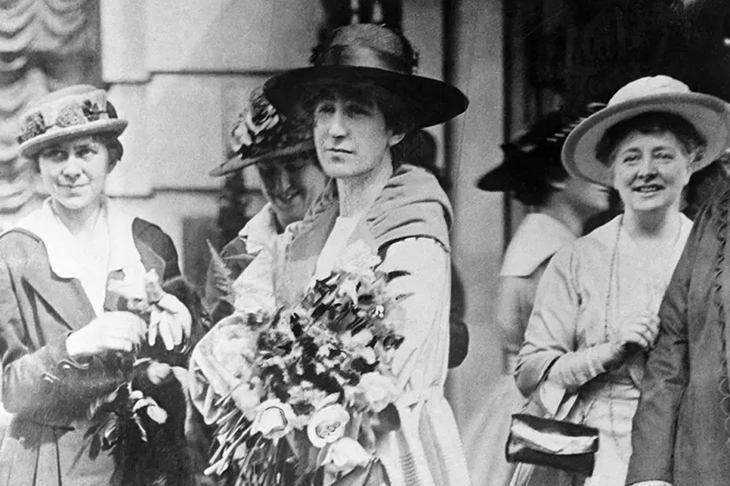
The global revolution sparked by a vegetarian schoolteacher in Helsinki
After Hilda Kakikoski and 18 other women were elected to the Finnish parliament in 1907, female politicians emerged worldwide to challenge the patriarchy
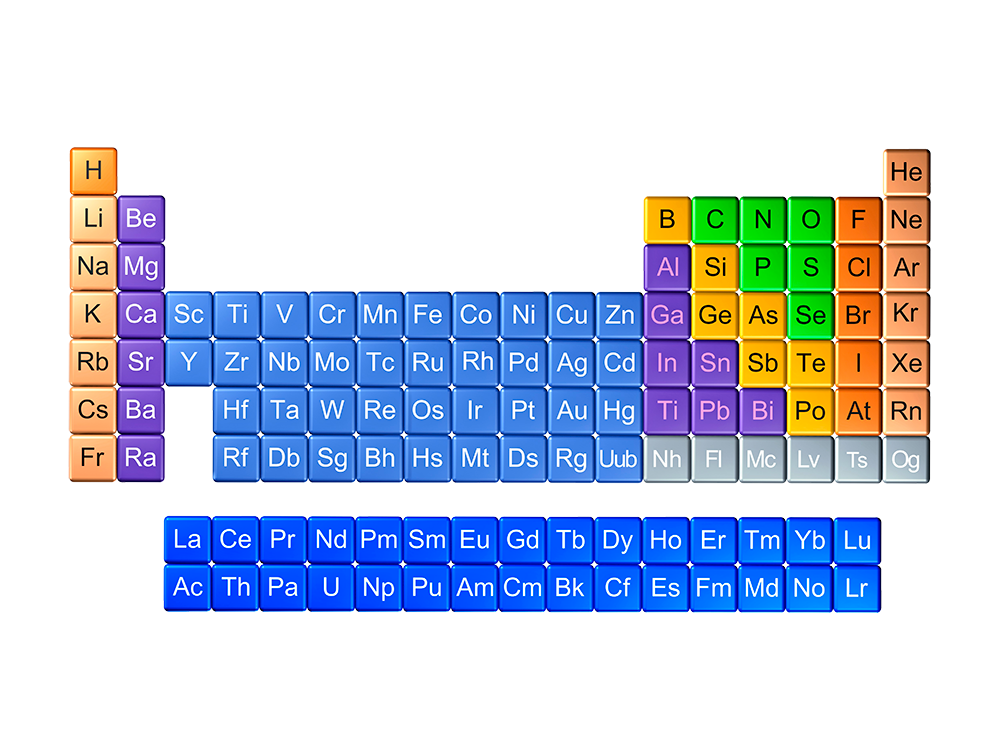
Stay within the lines to realise your full creative energy
Narrow boundaries can lead to focus and innovation, argues David Epstein, whereas total freedom can be paralysing and result, paradoxically, in conformity
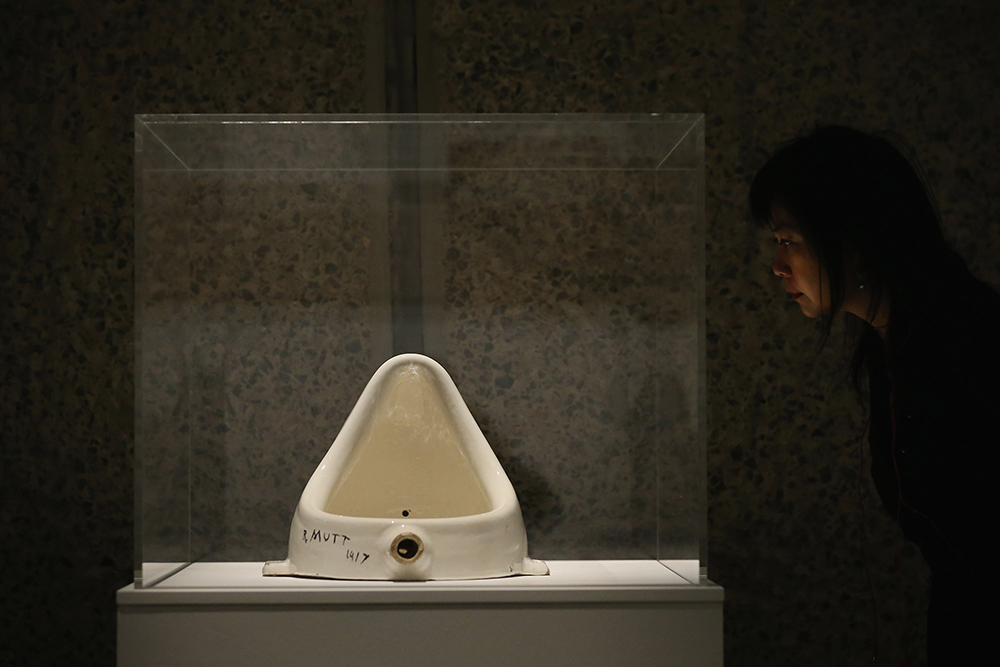
Was Marcel Duchamp’s notorious ‘Fountain’ even his own work?
The ‘readymade’ sculpture, signed R. Mutt, may have been the brainchild of Elsa von Freytag-Loringhoven, and only claimed by Duchamp after her death
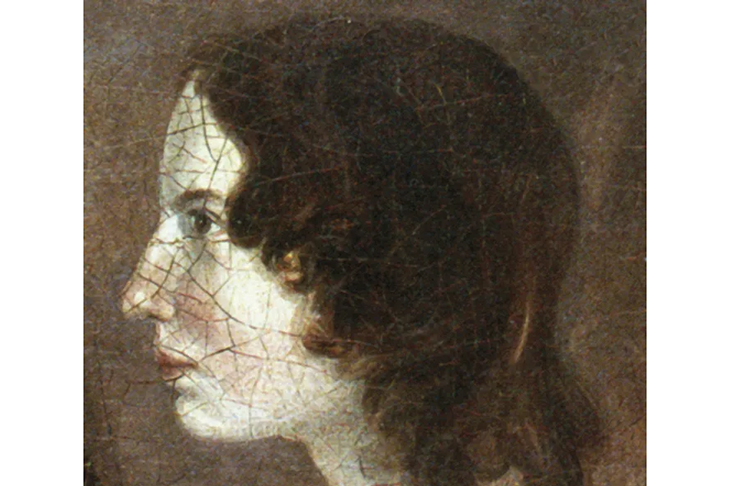
A glimpse of the extremes of Emily Brontë’s imagination
Confined spaces as well as open ones preoccupied Emily, with dungeons and graves filling her poetry as much as the unbounded landscape of the moors
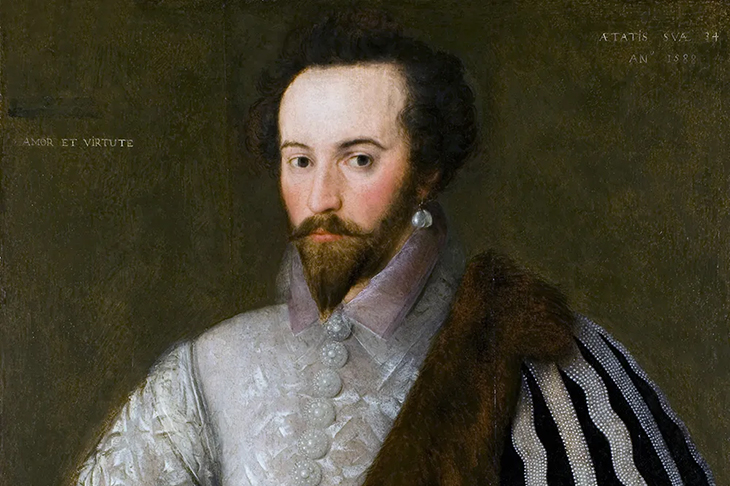
The tragedy of Sir Walter Ralegh’s impossible quest
After the accession of James I, the life of the ‘ultimate Renaissance man’ depended entirely on his discovery of a mythical ‘city of gold’
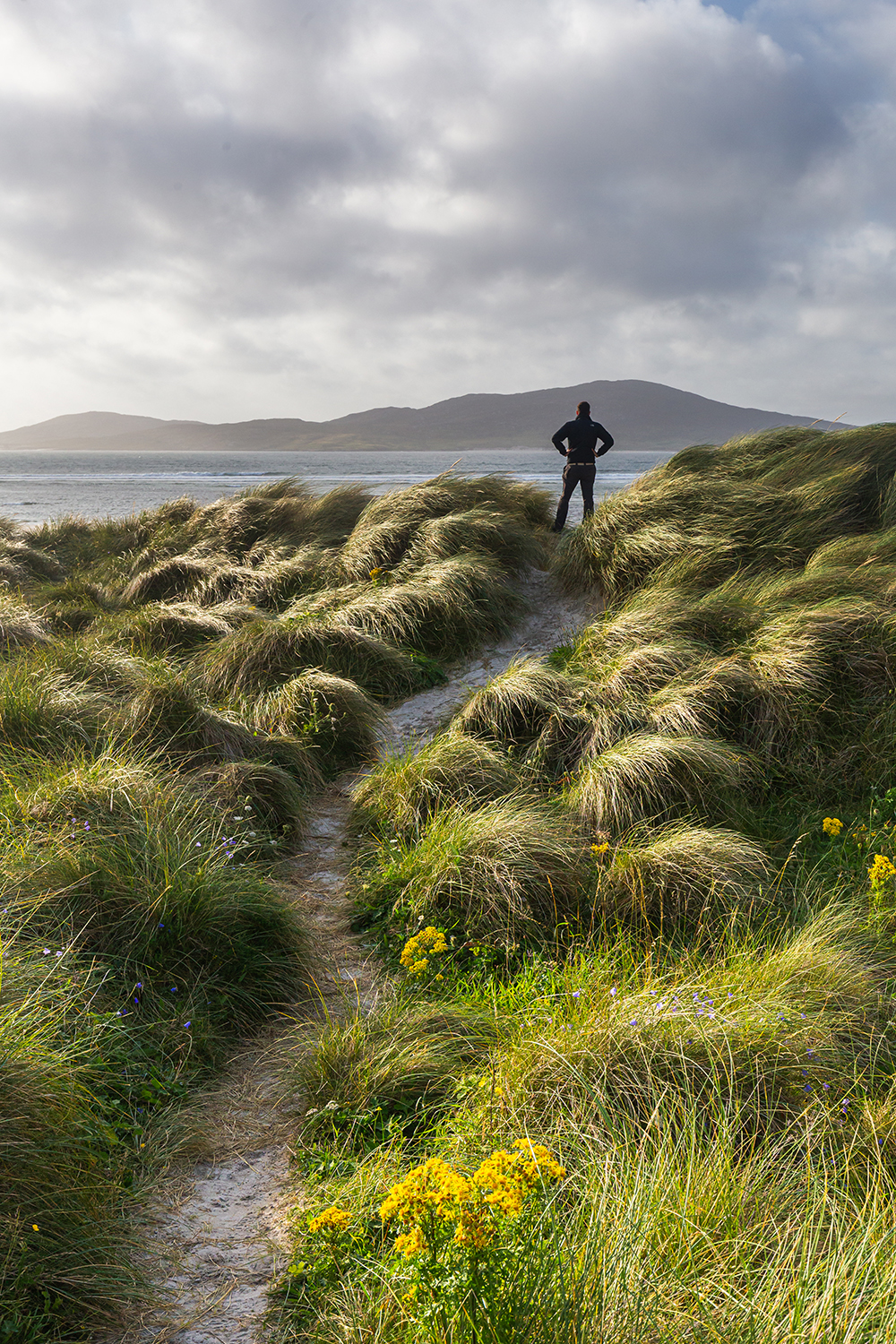
Love and loneliness in the Outer Hebrides: John of John, by Douglas Stuart, reviewed
Summoned home to his dying grandmother in Harris, a gay young man is treated with both violence and tenderness by his father, a Calvinist precentor with a guilty secret
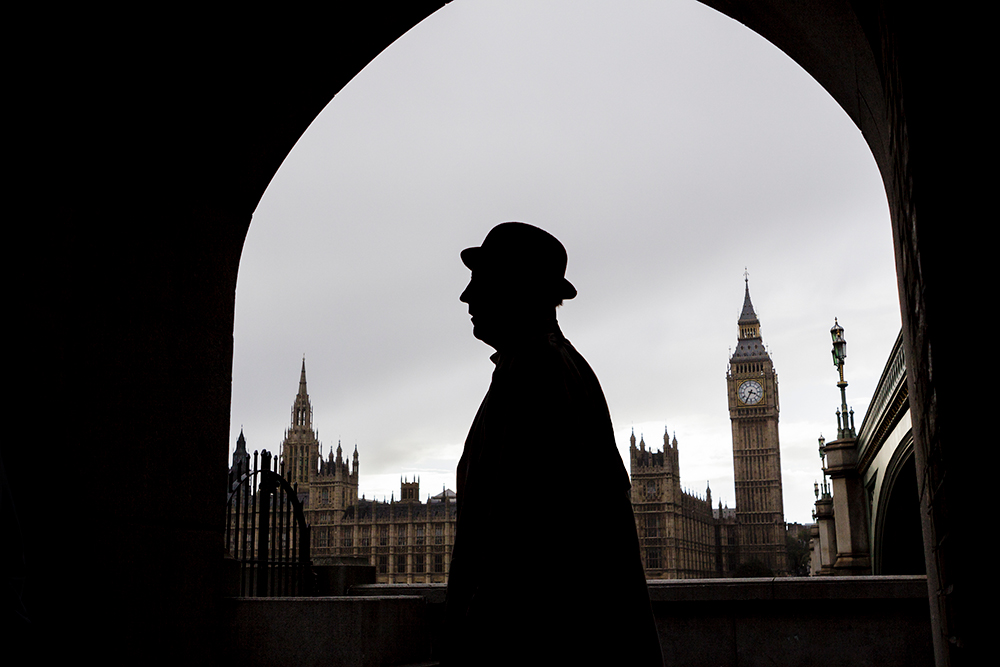
Were the lies we told to combat communism so shameful?
Part of the disinformation strategy of the IRD, a secretive postwar subsection of the Foreign Office, was to counter the blizzard of propaganda issuing from Moscow and Beijing
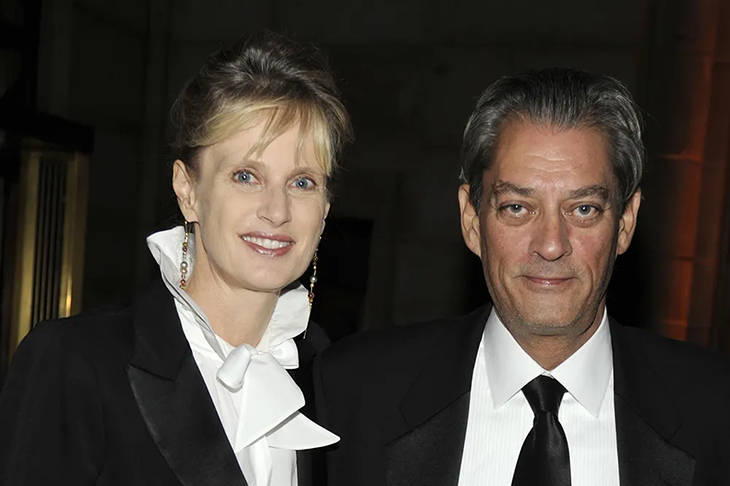
Mourning becomes Siri Hustvedt
Harbouring her grief helps keep her adored husband Paul Auster alive, says the bestselling novelist and essayist
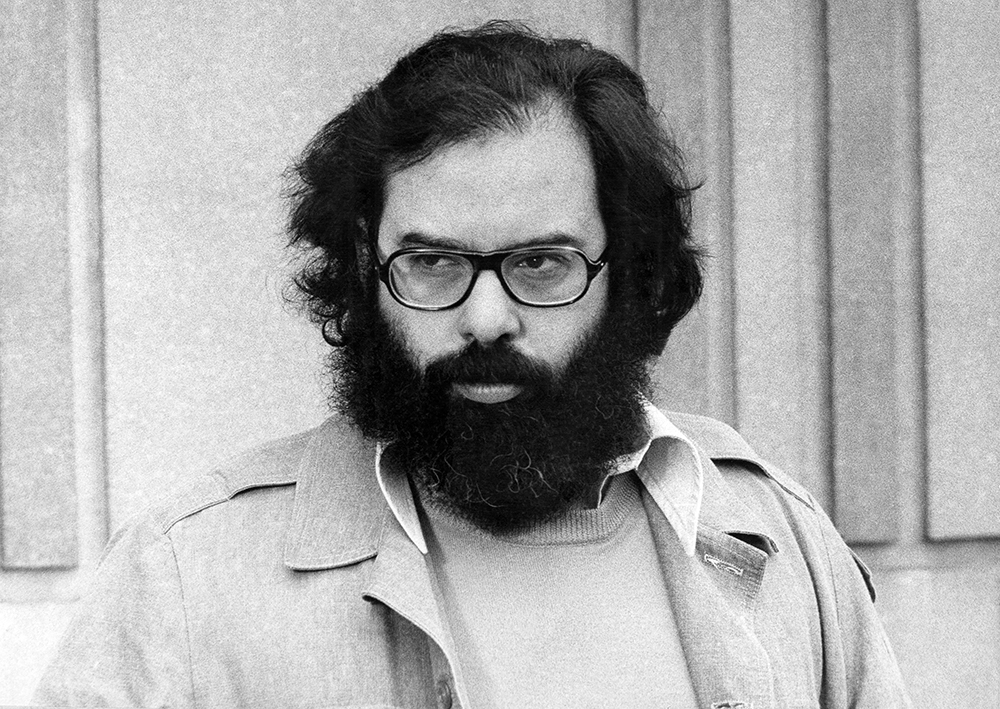
The movie brats who changed popular cinema
Paul Fischer celebrates the ‘era of the new Hollywood blockbuster’, exemplified in the films of Steven Spielberg, George Lucas and Francis Ford Coppola
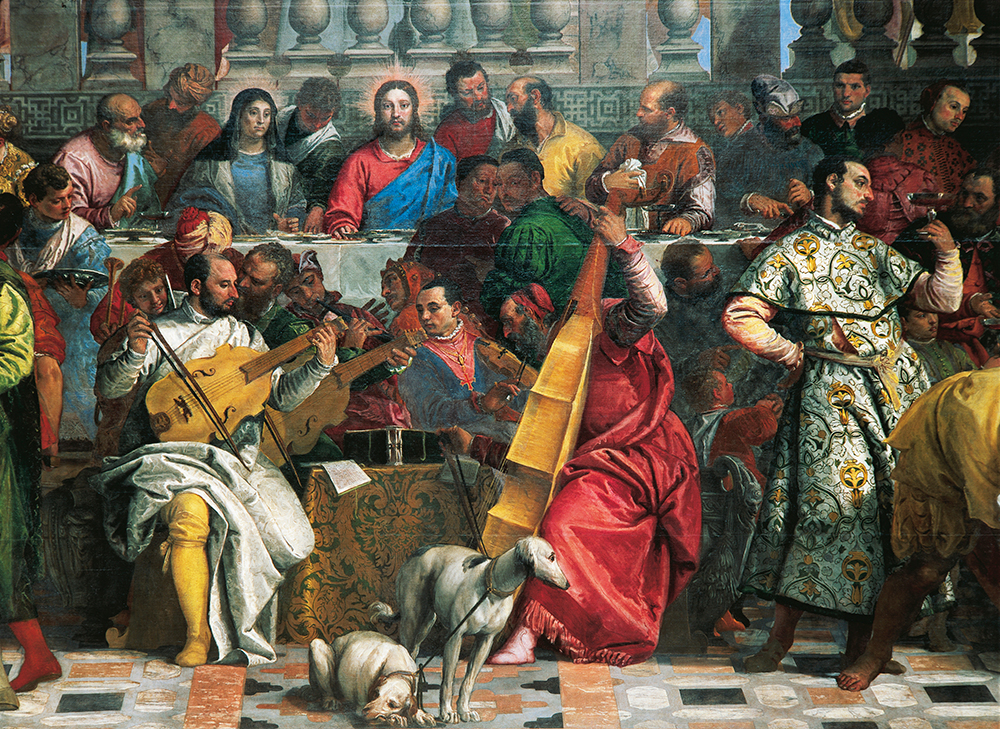
Paw prints through the ages: a stunning visual history of man’s best friend
Thomas Laqueur helps us appreciate the historic bond between humans and dogs and the subtle messages conveyed in their portrayal in art
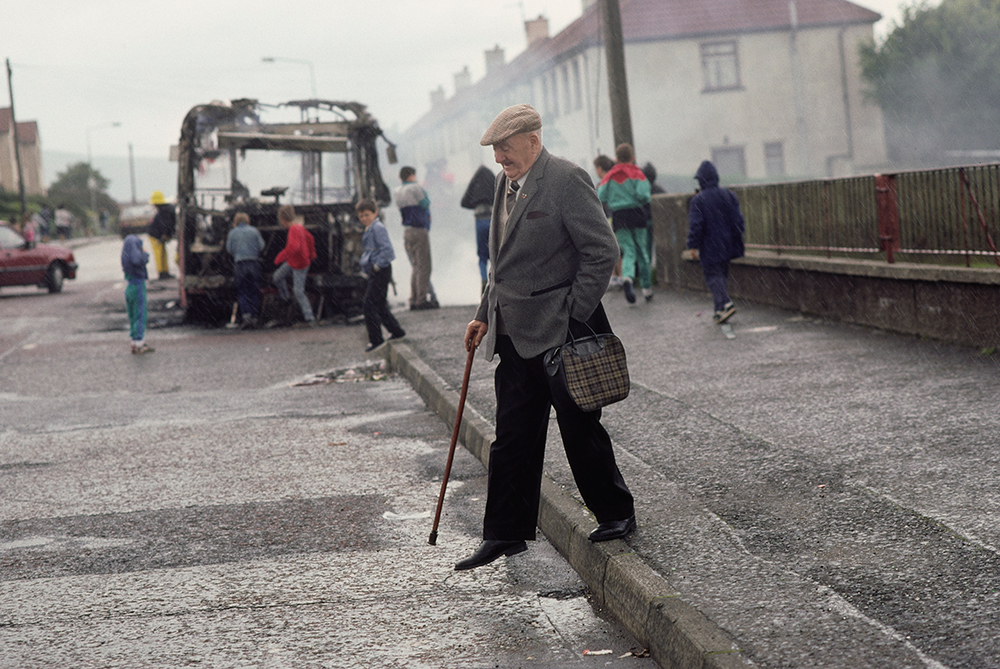
The good old bad old days: Prestige Drama, by Seamas O’Reilly, reviewed
Set in 1980s Derry, O’Reilly’s novel vividly captures the rifts and festering resentments within a close-knit community during the Troubles
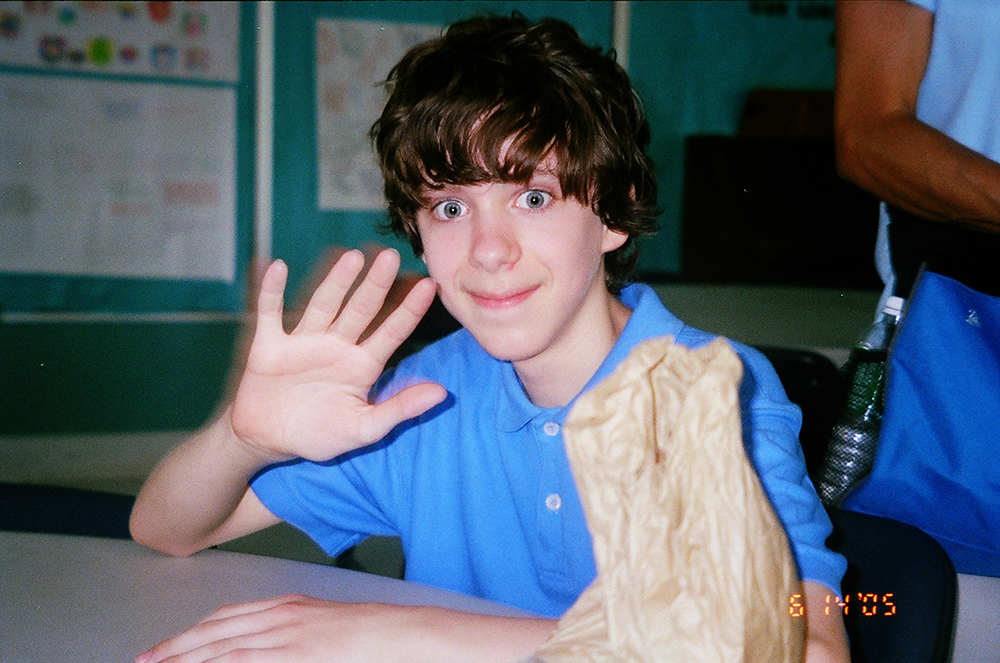
Does a propensity for crime depend on one’s DNA?
Kathryn Paige Harden’s research suggests some genetic connection – but this is not scientific determinism, and ‘real moral choices can’t be understood biologically’
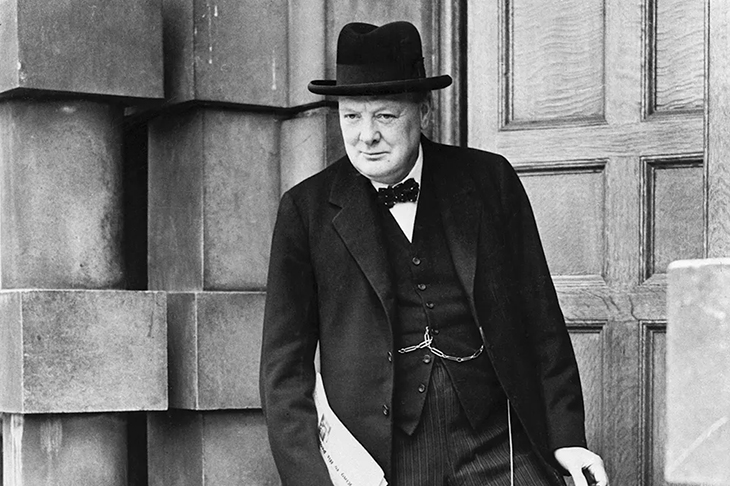
At the beginning of the second world war, Winston Churchill seemed a most unlikely hero
His early directives at the Admiralty and his handling of the Norway campaign exasperated his war cabinet colleagues and might even have ended his political career
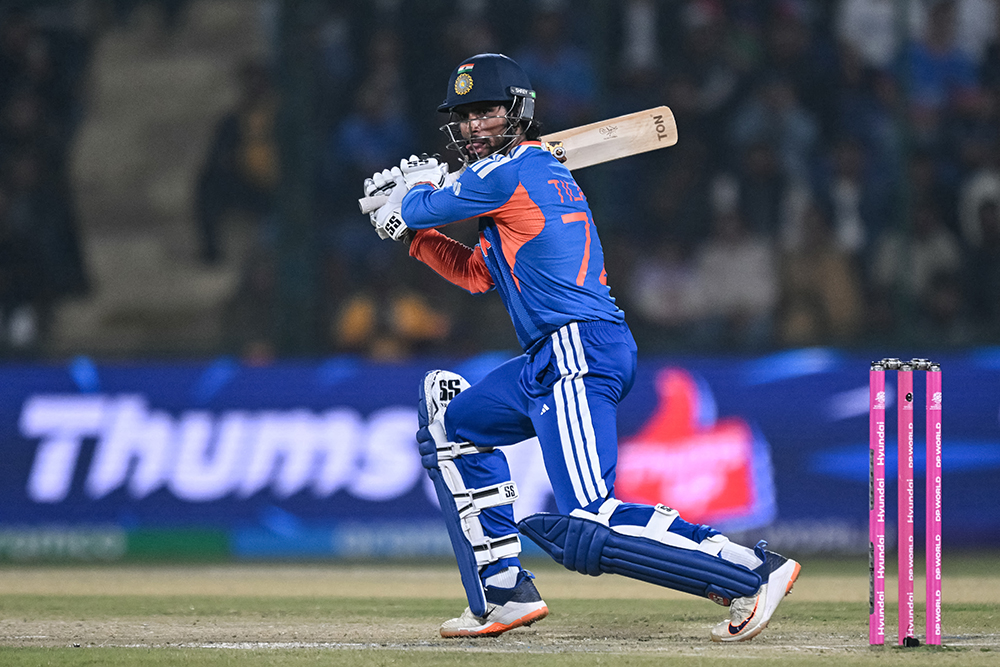
Would W.G. Grace recognise the game of cricket today?
The leisurely long-format game once so dear to the English has been transformed by television and T20 into a highly professionalised global sport that has effectively become football
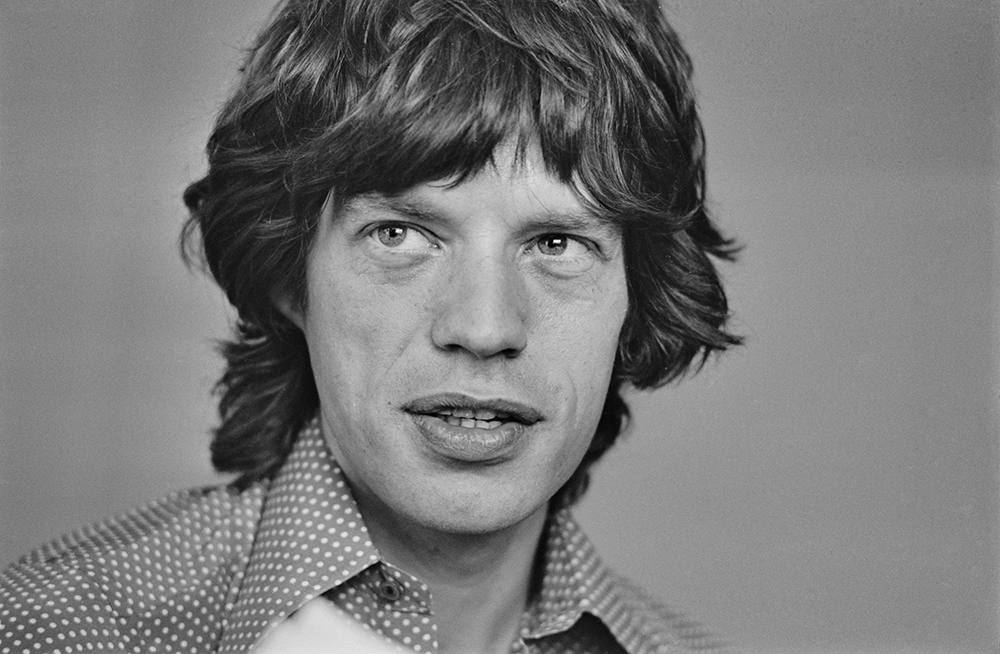
Lean and mean: Mick Jagger was always a tightwad
His parsimony included replacing chocolate biscuits with plain ones at recording sessions and paying a derisory £50 for what became known as ‘the most famous logo in the history of pop music’
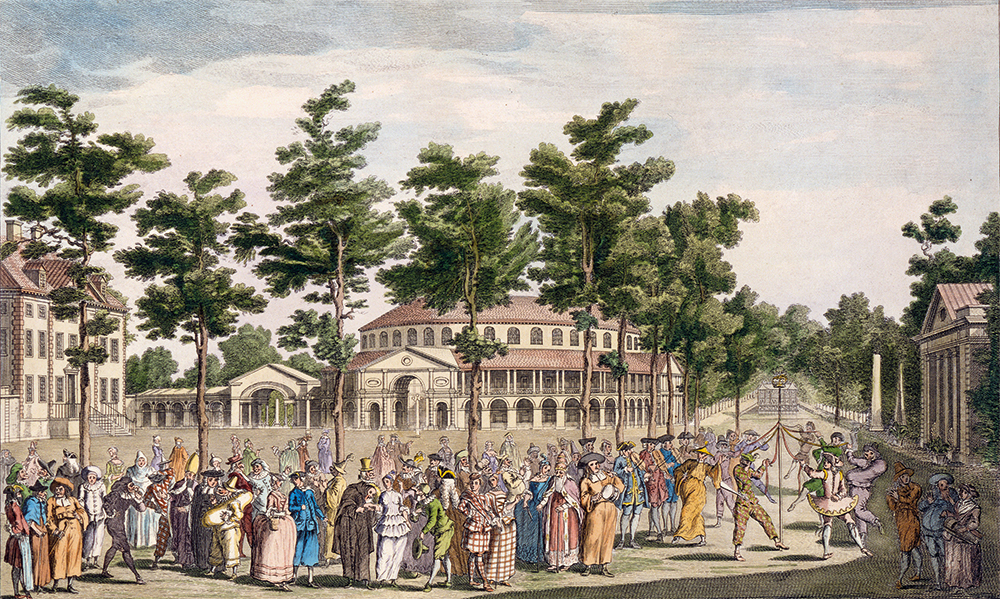
Marvels of the masked ball: dressing up in Georgian London
A craze for masquerades reached its apogee at Carlisle House in the 1770s, when vast forests were imported into the ballroom, along with fountains and festooned arches

Accelerating the ‘kill chain’ – a terrifying glimpse of future warfare
A misfit band of military personnel and Silicon Valley uber-geeks apply AI to target America’s enemies more rapidly and accurately than ever before