How to Avoid (and Handle) Poop Emergencies When You're Exercising Outdoors
From physical exertion to altitude, getting after it outside can easily trigger severe digestive issues. Experts explain how to prepare your gut and manage sudden symptoms.

Don't miss new adventures
Get all the latest delivered to your feed.
From physical exertion to altitude, getting after it outside can easily trigger severe digestive issues. Experts explain how to prepare your gut and manage sudden symptoms.
More than 150 climbers reached the top on May 21. Among the group was Rustam Nabiev, a Russian climber who is missing both legs but climbs without prosthetics. Instead, Nabiev propels himself forward with his arms.
These 13 women's running tops are the best we’ve found for keeping cool and comfortable in summer heat.
The federal government eliminated Yosemite National Park's entry reservation system for 2026, leading to gridlock, towing, and massive lines. But visitors can still make the most of a trip. Here's what to know before you visit this summer.
There was a historically huge push to the top of Everest this week, but no reported deaths amid the summit bonanza.
After a broken race ski derailed his spring plans, the 25-year-old RMI guide pivoted to the trail—shattering the unsupported, on-foot round-trip record by a massive 31 minutes.
Explore the Mile High City before or after the festival for all kinds of outdoor adventure
Citizen’s timepieces are powered by any light—day or night—and never need a battery
In a time when 90 percent of Hawai‘i’s food is imported, local leaders are reviving ancestral plants and aquaculture for a more resilient future.
In an era dominated by looksmaxxing trends, Ozempic hype, and relentless beauty standards, new research suggests that restorative experiences in nature may help people develop a healthier, more accepting relationship with their bodies.
A new accountability tool shows exactly how every member of Congress voted on national parks, forests, and wilderness areas—stripping away the political noise. Here’s how to see whether your representatives are in support of public lands.
Can a week in the jungle rewrite the rules of menopause?
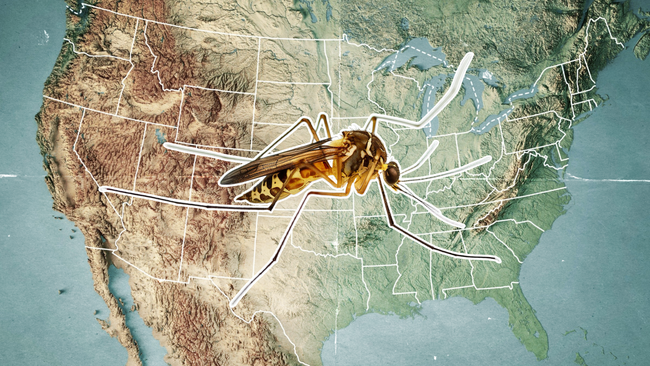
The 2026 bug boom is here. Don’t let pesky mosquitoes derail your outdoor plans this season.
The next few months are packed with interstellar action: not one but two eclipses, extended hours with the Milky Way core, and near-perfect conditions for the prolific Perseid meteor shower.
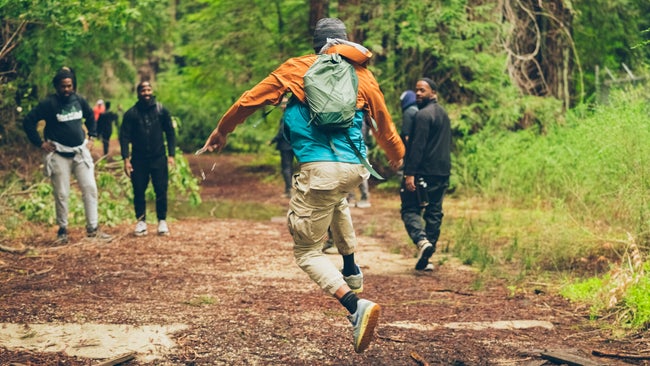
With documentaries featuring music from Jack Johnson, the Beastie Boys, and the Grateful Dead, this year’s lineup will get you primed for the festival’s live performances
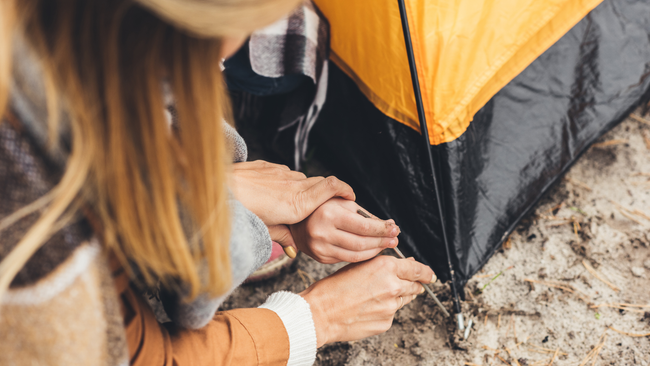
A tent is an investment. Here’s how to make it last forever.
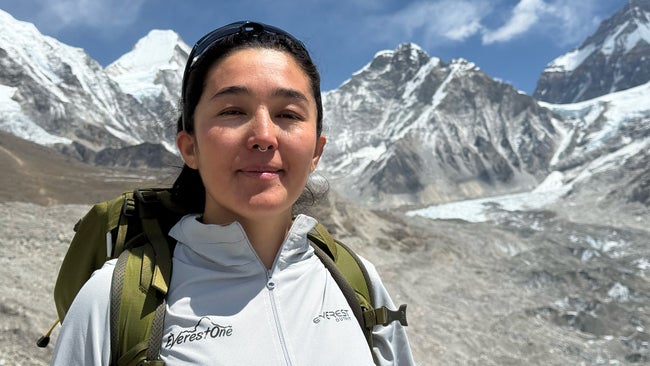
River Ahmad survived a Taliban massacre as a teenager. Now, she’s climbing Mount Everest to inspire other Afghan women to chase their dreams.
The most influential digital designer you've never heard of found an anecdote to the noise on Japan's ancient walking routes
Getting to this Lake Superior island requires ferries and seaplanes and a lot of advance planning. But with no roads and a wolf-to-human ratio that favors the wild, it’s also one of the most magical national parks you can visit.
The pontoons of our seaplane settled onto Lake Superior with a gentle, satisfying splash. With too little planning and a lot of effort, our team of three arrived on the southwestern shore of the third least-visited national park in the United States, Isle Royale. Though the other two—Gates of Arctic and American Samoa—are just as remote, this site, on the largest freshwater lake in the world, Lake Superior, is technically more accessible.
Isle Royale National Park is only open to the public from mid-April through mid-October, due to the frigid temperatures (10 to 20 degrees Fahrenheit) through the winter months. Despite the logistical challenges of getting there, if you have a solid plan, it is a national park experience unlike any other. And in a world of overtourism, Isle Royale’s barrier to entry and seasonal access is its greatest selling point.
I’m here as part of a community engagement project, sponsored by the National Park Service and the National Park Foundation. My group and I are to here to bring more attention to Isle Royale. I’ve lived in the Midwest for more than 30 years, and even I had never been there before. With my fellow travelers, Alice Jasper and Lorena Aguayo-Márquez, I plotted a short trip to scout the location, only to realize exactly why it is so hard to get to. Due to a logistical nightmare of getting there on short notice late in the summer season, we could just stay there for one day. But despite the headaches, it was worth the trek.
Isle Royale, the Most Accessible Least-Visited National Park
Isle Royale was established as our 26th national park in 1940. The ancestral home of the Ojibwe People for over 4,000 years, it is still known as Minong, or the Good Place. A prized location for fishing and hunting, it was also a site for the mining copper to make tools, ornaments, and other valued items. For millennia, Minong was part of a vast trade network across North America. But even then, the island was only accessible by canoe. Though there have been recorded cases of humans crossing the frozen lake in winter, that method is far too dangerous.
Pre-sunrise at Rock Harbor, Isle Royal National Park. (Photo: Getty)
Located on Lake Superior off the shores of Michigan, Minnesota, and Wisconsin, Isle Royale is the high point of a Midcontinent Rift. More than a billion years ago, this tectonic crest rose up as the Earth’s crust settled into place. Flowing lava formed a series of ridges and valleys that now run the length of the island from northwest to southeast. Layers of volcanic rock were scoured away with the advancement and receding of glaciers that created the lake during the last Ice Age. With an abundance of fresh water, the island features a dense boreal forest, populated by wolves, moose, foxes, snowshoe hares, and beavers. After more than 10,000 years, the topography of this region is marked with steep climbs and rugged terrain that today make it a much-desired location for backpacking.