Journal Description
Thermo
Thermo
is an international, peer-reviewed, open access journal on all aspects of thermal sciences, including key features on thermodynamics, statistical mechanics, kinetic theory and satellite areas, published quarterly online by MDPI.
- Open Access— free for readers, with article processing charges (APC) paid by authors or their institutions.
- High Visibility: indexed within ESCI (Web of Science), Scopus, EBSCO, and other databases.
- Journal Rank: JCR - Q2 (Thermodynamics)
- Rapid Publication: manuscripts are peer-reviewed and a first decision is provided to authors approximately 26.1 days after submission; acceptance to publication is undertaken in 3.5 days (median values for papers published in this journal in the second half of 2025).
- Recognition of Reviewers: APC discount vouchers, optional signed peer review, and reviewer names published annually in the journal.
- Thermo is a companion journal of Entropy.
Impact Factor:
2.3 (2024);
5-Year Impact Factor:
2.3 (2024)
Latest Articles
Performance Evaluation of Indirect Solar Fryer System for Baking Application
Thermo 2026, 6(2), 37; https://doi.org/10.3390/thermo6020037 - 21 May 2026
Abstract
This study presents an experimental performance evaluation of an oil-based indirect solar fryer system designed for injera baking. The system consists of a receiver vessel, a closed-loop delivery and return pipe network, and a 60 cm diameter aluminum baking plate with spiral grooves
[...] Read more.
This study presents an experimental performance evaluation of an oil-based indirect solar fryer system designed for injera baking. The system consists of a receiver vessel, a closed-loop delivery and return pipe network, and a 60 cm diameter aluminum baking plate with spiral grooves on its bottom surface. Heat transfer oil circulates within the closed loop to transfer thermal energy from the receiver to the baking plate. The system was experimentally investigated under controlled electrical heating conditions using input power levels of 1.0, 1.3, 1.6, 1.75, 2.0, and 2.4 kW, representing equivalent solar thermal input scenarios with varying intensity. The results confirmed the technical feasibility of the system for injera baking across all tested conditions, with performance strongly dependent on input power. At higher input levels (≥2.0 kW), faster heating and shorter baking cycles of approximately 2.5–3 min were achieved; however, increased oil temperatures and thermal instability were observed due to limited heat redistribution within the fixed low-flow circulation system. At lower input levels (≤1.3 kW), the system remained thermally stable but exhibited long initial heating times (up to approximately 85 min) and reduced operational efficiency, limiting its practical applicability. The most balanced performance was observed at intermediate input power levels of 1.6–1.75 kW, where the system achieved approximately 45–60 min initial heating time, stable temperature behavior during operation, and consistent baking cycles of about 3 min with 1 min reheating time. This range provided an optimal compromise between thermal efficiency, operational stability, and energy utilization under the present configuration. Overall, the study demonstrates that the indirect solar fryer system is a promising alternative for energy-efficient injera baking; however, performance is strongly influenced by thermal input and circulation conditions, highlighting the need for further optimization and validation under real solar operating environments.
Full article
(This article belongs to the Topic Clean Energy Technologies and Assessment, 2nd Edition)
Open AccessArticle
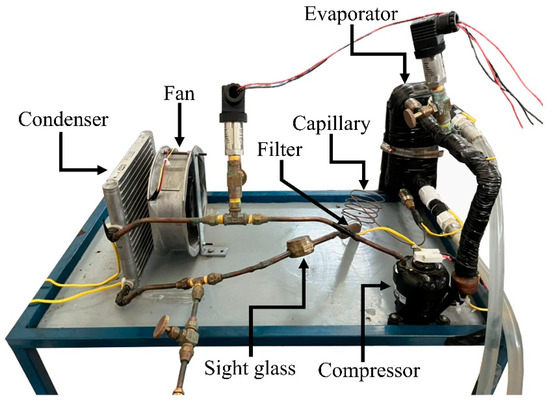
Experimental Investigation of a Miniature Refrigeration System Using R134a and a Low GWP Blend R515B
by
Juan Carlos Silva-Romero, José Luis Rodríguez-Muñoz, Francisco Noé Demesa-López, Donato Hernández-Fusilier, Vicente Pérez-García and Juan Manuel Belman-Flores
Thermo 2026, 6(2), 36; https://doi.org/10.3390/thermo6020036 - 19 May 2026
Abstract
►▼
Show Figures
Miniature vapor compression refrigeration systems are gaining increasing relevance in cutting-edge applications such as drone docking station cooling, electric vehicle battery thermal management, portable medical and diagnostic devices, compact beverage dispensers, field-mounted telecom cabinet cooling, as well as the already established fields of
[...] Read more.
Miniature vapor compression refrigeration systems are gaining increasing relevance in cutting-edge applications such as drone docking station cooling, electric vehicle battery thermal management, portable medical and diagnostic devices, compact beverage dispensers, field-mounted telecom cabinet cooling, as well as the already established fields of electronics and personal cooling. These systems offer a promising pathway to localized and mobile cooling solutions. When coupled with the implementation of alternative low-GWP refrigerants that match or even enhance system performance, the result is a more efficient, environmentally responsible, and potentially sustainable refrigeration technology. Therefore, this study experimentally evaluates the performance of R515B as a low-GWP drop-in replacement for R134a in a miniature vapor compression refrigeration system. Key parameters were analyzed to determine the most suitable operating conditions, resulting in a capillary length of 1.25 m, refrigerant charge of 110 g, compressor speed of 4500 rpm, and high condenser fan speed, under which R515B achieved a COP of 5.16 and a cooling capacity of 252.20 W, representing improvements of 38% and 6.5%, respectively, compared to R134a. These results confirm the viability of R515B as an efficient, environmentally friendly alternative for miniature small-scale vapor compression systems.
Full article

Figure 1
Open AccessArticle
Coupling Project-Based Learning with a Heat Exchanger Test Bench: Pedagogical Methodology, Design and Technical Capabilities
by
Andrés Hernández, Alanis Zeoli and Samuel Gendebien
Thermo 2026, 6(2), 35; https://doi.org/10.3390/thermo6020035 - 13 May 2026
Abstract
Bridging the gap between theoretical heat exchanger analysis and physical intuition remains a persistent challenge in engineering education, particularly when students are confronted with real-system effects such as pressure losses, measurement uncertainty, and deviations from simplified models. This work addresses this challenge through
[...] Read more.
Bridging the gap between theoretical heat exchanger analysis and physical intuition remains a persistent challenge in engineering education, particularly when students are confronted with real-system effects such as pressure losses, measurement uncertainty, and deviations from simplified models. This work addresses this challenge through the coupled development of a pedagogical framework and an experimental platform. A modular heat exchanger test bench was conceived, designed, and constructed by graduate students within a structured project-based learning environment, in which competitive and cooperative phases were combined to emulate real engineering practice. This approach positions the test bench not only as a laboratory tool, but as the outcome of an active learning process that integrates system design, instrumentation, and modeling. The resulting platform enables the comparative study of multiple heat exchanger technologies—including three water-to-water heat exchangers (plate, shell-and-tube, and double-pipe) and one air-to-water fin-and-tube heat exchanger—under parallel, counterflow, and crossflow arrangements across a wide range of operating conditions. Comprehensive instrumentation (temperature, flow rate, and pressure measurements) supports rigorous energy balance analysis, effectiveness evaluation, and hydraulic performance assessment. Beyond undergraduate experimentation, the test bench provides a framework for advanced learning objectives, including uncertainty propagation, -NTU analysis, model development, and experimental validation. The confrontation between model predictions and experimental data, including observed discrepancies, is shown to play a central role in developing critical engineering judgment. The proposed approach demonstrates how the integration of project-based learning with a reconfigurable experimental platform can create a sustainable and scalable environment for heat transfer education.
Full article
(This article belongs to the Collection Thermodynamics Education Collection: Methods and Results)
►▼
Show Figures

Figure 1
Open AccessArticle
Laminar Heat Transfer Enhancement in a Rectangular Channel Using Rectangular Wing Vortex Generators with Triangular Tips: 3D Numerical Analysis
by
Assadour Khanjian, Ibrahim S. Resen, Ali Al Shaer, Youssef Ezzeddine, Mahdi Awada, Ahmed Mohsin Alsayah, Jalal Faraj and Mahmoud Khaled
Thermo 2026, 6(2), 34; https://doi.org/10.3390/thermo6020034 - 12 May 2026
Abstract
►▼
Show Figures
Creating secondary flows that encourage fluid interchange between hot and cold regions is frequently necessary to improve convective heat transfer in compact channels. A well-known passive method for enhancing mixing and boosting thermal performance in laminar regimes is the use of vortex generators
[...] Read more.
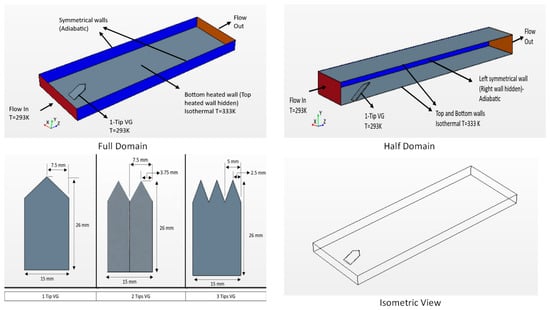
Creating secondary flows that encourage fluid interchange between hot and cold regions is frequently necessary to improve convective heat transfer in compact channels. A well-known passive method for enhancing mixing and boosting thermal performance in laminar regimes is the use of vortex generators (VGs), which create streamwise and transverse vortices. Laminar forced convection in a rectangular channel with rectangular wing vortex generators with triangular tips is investigated numerically in this work. The primary goal is to assess the impact of the number of tips per wing on pressure drop and heat transfer enhancement at a fixed angle of attack (α). This study examines a single row of rectangular wing vortex generators (VGs) with triangular tips and systematically evaluates how variations in tip number influence not only the global Nusselt number and friction factor but also the three-dimensional vortex structure distribution along the channel. This approach contrasts with many previous studies that primarily focus on global performance indices or on classical delta-type VGs. ANSYS Fluent’s finite volume method is used to solve three-dimensional stable, laminar, incompressible flow and heat transfer. Two Reynolds numbers, Re = 456 and Re = 911, are simulated for different triangular-tip configurations at a fixed angle of attack of α = 30°. To connect flow structures to heat transfer behavior, area-averaged Nusselt numbers and friction factors are calculated for each case, and vortex cores and their spatial locations are examined. The findings demonstrate that heat transfer improvement is directly and significantly impacted by the VG tip arrangement. The trade-off between heat gains and pressure losses is highlighted by the fact that some tip configurations produce stronger, more persistent vortices and higher Nusselt numbers at the expense of an increased friction factor. The conclusions are limited to laminar flow conditions at α = 30°, Reynolds numbers of 456 and 911, and the investigated one-, two-, and three-tip configurations.
Full article

Figure 1
Open AccessArticle
Experimental Study on Dynamic Thermal Response Characteristics in a Microchannel Evaporator
by
Yangfan Zhong, Zhijie Gong, Taocheng Zhao, Chengcheng Fan and Chaoqun Shen
Thermo 2026, 6(2), 33; https://doi.org/10.3390/thermo6020033 - 2 May 2026
Abstract
►▼
Show Figures
As the heat flux of electronic devices continues to increase, conventional air cooling and single-phase liquid cooling technologies are increasingly constrained by heat transfer limits and pumping power consumption. However, systematic investigations on the coupling between microchannel evaporators and the overall dynamic response
[...] Read more.
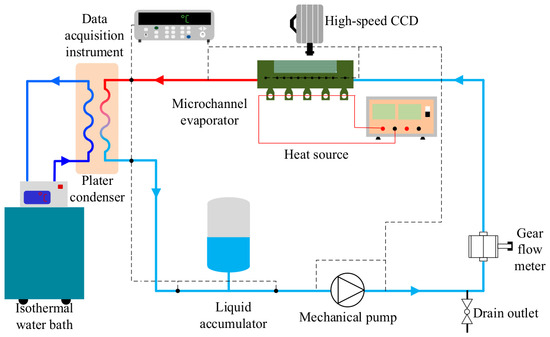
As the heat flux of electronic devices continues to increase, conventional air cooling and single-phase liquid cooling technologies are increasingly constrained by heat transfer limits and pumping power consumption. However, systematic investigations on the coupling between microchannel evaporators and the overall dynamic response of MPTL systems remain limited. To address this issue, a visualization experimental platform for the microchannel MPTL was developed, and flow boiling experiments were conducted under varying heat fluxes and circulating flow rates. Key parameters including wall temperature, fluid temperature, pressure drop, and flow patterns were measured to characterize the thermal–hydraulic behavior of the system. The results show that the wall temperature increases stepwise with increasing heat flux, reaching a critical heat flux of 814.2 W/cm2 at a mass flux of 105.6 kg/(m2·s), where heat transfer deterioration occurs. During this transition, inlet temperature oscillations with an average amplitude of 8 °C were observed due to vapor backflow. With decreasing circulating flow rate, the flow pattern evolved sequentially from single-phase flow to bubbly, slug, churn, annular, and reverse annular flow, accompanied by a shift in the dominant heat transfer mechanism from forced convection to nucleate boiling and convective evaporation. The best heat transfer performance occurred under annular flow conditions at an outlet vapor quality of 0.4–0.5. These findings provide useful guidance for the design and operation optimization of microchannel MPTL systems in high-heat-flux electronic cooling applications.
Full article

Figure 1
Open AccessReview
A Critical Review of Multi-Energy Microgrids and Urban Air Mobility
by
Yujie Yuan, Chun Sing Lai, Loi Lei Lai and Zhuoli Zhao
Thermo 2026, 6(2), 32; https://doi.org/10.3390/thermo6020032 - 2 May 2026
Abstract
This paper offers a critical review of cutting-edge research on multi-energy microgrids (MEMs), with a novel exploration of their potential role in supporting urban air mobility (UAM), specifically electric vertical takeoff and landing (eVTOL) aircraft. While extensive research has focused on improving the
[...] Read more.
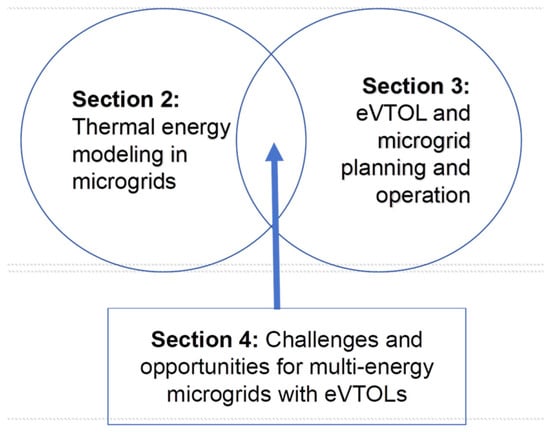
This paper offers a critical review of cutting-edge research on multi-energy microgrids (MEMs), with a novel exploration of their potential role in supporting urban air mobility (UAM), specifically electric vertical takeoff and landing (eVTOL) aircraft. While extensive research has focused on improving the economic performance and emission reductions of MEMs, particularly in the context of electric vehicle (EV) charging, there remains a significant gap in understanding how microgrids can support the decarbonization of UAM. The paper examines the opportunities and challenges of integrating microgrids with UAM operations, highlighting the need for more research to optimize energy management systems that balance renewable energy use with the growing demand for aerial transport. Thermal energy storage systems are emphasized as a critical component for addressing transportation energy needs, offering a promising solution to reduce carbon emissions while enhancing system efficiency. This review aims to provide new insights into how the coupling of microgrids and UAM can contribute to the development of economically and environmentally sustainable smart cities.
Full article
(This article belongs to the Special Issue Thermal Energy Modeling in Microgrids)
►▼
Show Figures

Figure 1
Open AccessArticle
Calorimetric, Thermogravimetric, and Theoretical Study of Norharmane, Harmane, and Harmine: Insights into the Energetics of β-Carbolines
by
Ana Ivette Delgado-Moreno, Raúl Ricardo Quiñonez-López, María de Jesús Palacios-Sánchez, Oscar Guillermo Zúñiga-González, Francisco Javier Moscoso-Sánchez, Eulogio Orozco-Guareño and Jesús Baudelio Campos-García
Thermo 2026, 6(2), 31; https://doi.org/10.3390/thermo6020031 - 30 Apr 2026
Abstract
►▼
Show Figures
The thermochemical properties of Norharmane, Harmane, and Harmine were investigated using DSC, combustion calorimetry, thermogravimetry, and G3B3 computational methods. DSC measurements enabled accurate determination of melting temperatures and fusion enthalpies. Complementary IR, NMR, and HPLC analyses performed for Harmine indicate that partial degradation
[...] Read more.
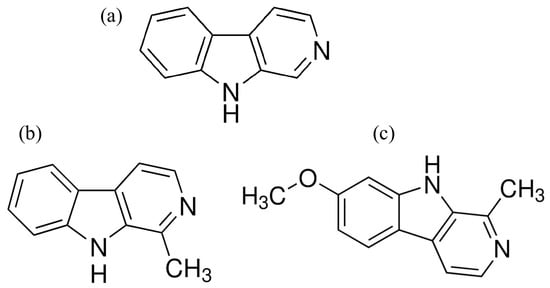
The thermochemical properties of Norharmane, Harmane, and Harmine were investigated using DSC, combustion calorimetry, thermogravimetry, and G3B3 computational methods. DSC measurements enabled accurate determination of melting temperatures and fusion enthalpies. Complementary IR, NMR, and HPLC analyses performed for Harmine indicate that partial degradation occurs during the melting process, becoming more evident at higher temperatures (above ~330 °C). The standard enthalpies of formation in the solid state were 159.6 kJ·mol−1 (Norharmane), 80.5 kJ·mol−1 (Harmane), and −47.0 kJ·mol−1 (Harmine). Using sublimation enthalpies derived from TGA, the gas-phase formation enthalpies were established as 282.7, 186.0, and 87.4 kJ·mol−1, respectively. Homodesmotic G3B3 calculations showed excellent agreement with experimental data, with absolute deviations below 1.5 kJ·mol−1. The combined results reveal a consistent thermodynamic stability trend in both phases: Harmine > Harmane > Norharmane.
Full article

Figure 1
Open AccessArticle
A Low-Order Thermodynamic Chamber Model for Multiphase Compressible Flow in a Profiled-Rotor Rotary Compressor
by
Mihaela Constantin, Antonios Detzortzis and Cătălina Dobre
Thermo 2026, 6(2), 30; https://doi.org/10.3390/thermo6020030 - 26 Apr 2026
Abstract
►▼
Show Figures
This study presents a combined numerical and experimental investigation of transient multiphase compressible flow inside a profiled-rotor rotary volumetric compressor. While most existing studies rely on high-fidelity CFD approaches, a low-order thermodynamic chamber-based model implemented in MATLAB Release 2023a is proposed to predict
[...] Read more.
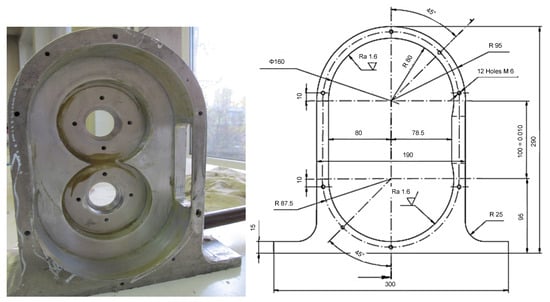
This study presents a combined numerical and experimental investigation of transient multiphase compressible flow inside a profiled-rotor rotary volumetric compressor. While most existing studies rely on high-fidelity CFD approaches, a low-order thermodynamic chamber-based model implemented in MATLAB Release 2023a is proposed to predict the temporal evolution of pressure, temperature, and vapor volume fraction during the compression cycle. The model is based on mass and energy conservation applied to variable-volume control chambers and incorporates a simplified cavitation criterion derived from local pressure relative to saturation vapor pressure. An open-loop experimental test bench was developed to measure air mass flow rate, suction and discharge pressures, temperatures, torque, and shaft power under controlled operating conditions. These measurements are used to validate the numerical predictions. The results show good agreement between measured and simulated pressure levels and global performance indicators, with deviations quantified using mean absolute percentage error values remaining below 5% over the investigated operating range. The numerical analysis further reveals the occurrence of localized low-pressure zones during the suction phase, indicating incipient cavitation or microbubble formation at specific rotor positions. The proposed modeling approach provides a computationally efficient alternative to full CFD simulations and enables rapid parametric analysis of rotor geometry and operating conditions. The cavitation formulation does not aim to resolve detailed bubble dynamics or erosion mechanisms, but rather to identify cavitation tendency based on thermodynamic pressure thresholds.
Full article

Figure 1
Open AccessArticle
A Charge Transport Closure Model for Plasma-Assisted Laminar Diffusion Flames
by
Sharif Md. Yousuf Bhuiyan, Md. Kamrul Hasan and Rajib Mahamud
Thermo 2026, 6(2), 29; https://doi.org/10.3390/thermo6020029 - 24 Apr 2026
Abstract
►▼
Show Figures
Electrohydrodynamic effects can significantly alter transport processes in reacting flows, even when the plasma is weakly ionized. However, predictive modeling of such plasma–flame interactions remains challenging due to the multiscale coupling among charge transport, fluid motion, and chemical kinetics. This study presents a
[...] Read more.
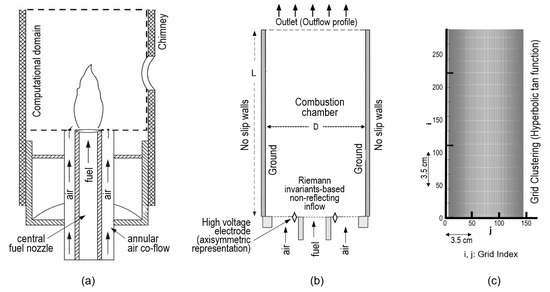
Electrohydrodynamic effects can significantly alter transport processes in reacting flows, even when the plasma is weakly ionized. However, predictive modeling of such plasma–flame interactions remains challenging due to the multiscale coupling among charge transport, fluid motion, and chemical kinetics. This study presents a charge-transport closure model to investigate electrohydrodynamic influences on laminar non-premixed flames. A two-dimensional computational framework in cylindrical coordinates is used to simulate plasma-assisted methane–air diffusion flames under weak electric-field conditions representative of practical combustion environments. To represent plasma–flow coupling in a computationally feasible yet physically consistent manner, a charge-transport formulation based on the drift–diffusion approximation is employed. The model solves transport equations for representative positive and negative charge carriers coupled with Poisson’s equation for the electric potential to obtain a self-consistent electric field. This formulation assumes a weakly ionized regime for low-temperature plasma-assisted combustion, in which neutral species dominate the mass and momentum transport, while ionization chemistry is simplified and charge transport primarily influences the flow through electrohydrodynamic body forces and Joule heating. Assuming a weak electric field, the steady flamelet model is applied, in which plasma effects primarily influence scalar transport and local thermal balance rather than inducing significant bulk ionization dynamics. The governing equations are discretized using a high-order compact finite-difference scheme that provides improved resolution of steep gradients in temperature, species concentration, and space-charge density near thin reaction zones. The canonical laminar flame model configuration was validated using the established laminar methane–air diffusion flame benchmark, and steady-state spatial profiles of key transport properties were evaluated. Two-dimensional analysis identified the discharge coupling location as an important factor. The application of discharge in the fuel-air mixing region leads to a clear restructuring of the flame. When the discharge is activated, electrohydrodynamic forcing and ion-driven momentum transfer produce a highly localized, columnar flame with sharp gradients and a confined reaction zone. Compared with the baseline case, the plasma-assisted flame localizes the OH-rich reaction zone, confines the high-temperature region into a narrow column, and enhances downstream H2O formation.
Full article

Figure 1
Open AccessArticle
Planning Waste-to-Energy-Coupled AI Data Centers Through Grade-Matched Cooling and Corridor Screening
by
Qi He, Chunyu Qu and Wenjie Zuo
Thermo 2026, 6(2), 28; https://doi.org/10.3390/thermo6020028 - 20 Apr 2026
Abstract
►▼
Show Figures
AI data-center (DC) growth is increasingly constrained by limited deliverable electricity, interconnection capacity, and cooling demand. This study develops a boundary-consistent screening framework for waste-to-energy (WtE)-coupled AI DC cooling, treating cooling as an energy service that can be supplied through grade matching rather
[...] Read more.
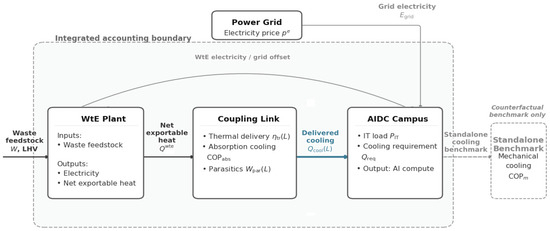
AI data-center (DC) growth is increasingly constrained by limited deliverable electricity, interconnection capacity, and cooling demand. This study develops a boundary-consistent screening framework for waste-to-energy (WtE)-coupled AI DC cooling, treating cooling as an energy service that can be supplied through grade matching rather than solely through electricity-driven mechanical chilling. The framework translates plant-side exportable heat into corridor-level planning objects by explicitly accounting for thermal attenuation, absorption-based conversion, and parasitic electricity associated with delivery and auxiliaries. Three results structure the analysis. First, a reference-case energy-service ledger shows how a representative regulated WtE plant with municipal solid-waste throughput of 1500 t/day and lower heating value of 10 MJ/kg yields ~78.1 MWth of exportable driving heat and, at a 20 km corridor, ~53.0 MWcool of delivered cooling and ~8.0 MWe of net avoided cooling electricity after parasitic debiting. Second, the coupled system is governed by operating regimes, not a single efficiency score. Under the baseline package, full thermal coverage is maintained up to ~20.9 km, the stricter quality-adjusted criterion remains positive to ~22.9 km, and the electricity–relief criterion remains positive to ~44.7 km. Third, deployment-scale translation for a 1 GW IT campus ( , m) implies a net grid relief of ~116.9–264.4 MW across scenario packages, while the required WtE footprint ranges from roughly three to 148 equivalent representative plants, or about 0.6–40 full-load-equivalent plants at a 25% displacement target. The contribution is a siting-ready planning framework that identifies when WtE-coupled cooling remains corridor-feasible, when it becomes hybrid and marginal, and when infrastructure scale rather than thermodynamic benefit becomes the binding constraint. It is intended as a screening tool for planning and comparison, not as a project-specific hydraulic or plant-cycle design.
Full article

Figure 1
Open AccessArticle
Analysis of Conductive Heat Transfer and Moisture Diffusion Through the Insulated Wall of a Refrigerated Warehouse
by
Laurențiu Mihail Constantin, Lavinia Grosu, Tiberiu Catalina, Adalia Andreea Percembli (Chelmuș), Daniel Taban, Claudia Ioniță and Alexandru Dobrovicescu
Thermo 2026, 6(2), 27; https://doi.org/10.3390/thermo6020027 - 18 Apr 2026
Abstract
This study investigates steady-state conductive heat transfer and water-vapor diffusion through the external wall of a refrigerated warehouse with a specified load-bearing wall assembly. The formal analogy between heat conduction and mass diffusion is stated and used to establish a practical calculation framework
[...] Read more.
This study investigates steady-state conductive heat transfer and water-vapor diffusion through the external wall of a refrigerated warehouse with a specified load-bearing wall assembly. The formal analogy between heat conduction and mass diffusion is stated and used to establish a practical calculation framework for estimating heat and moisture ingress through multilayer cold-store walls. Calculation routines are presented to determine the temperature field and the corresponding water-vapor saturation and partial-pressure distributions across (and within) the insulation layer, enabling the identification of regions prone to interstitial condensation. The analysis highlights the roles of (i) the vapor diffusion resistance of the vapor barrier layer, (ii) the thermal resistance of the insulation, and (iii) key outdoor boundary conditions in governing condensation risk. Increasing insulation thermal resistance reduces external heat gains; however, it may also increase the likelihood of condensation in layers close to the cold side by lowering local temperatures and saturation pressures. Among external parameters, outdoor relative humidity exerts the strongest influence on interstitial condensation risk. For the investigated wall assembly, increasing outdoor relative humidity by 50% shifts the condensation onset location within the insulation toward mid-thickness. The effects of vapor barrier diffusion resistance, insulation thermal resistance, and changes in outdoor conditions (relative humidity, temperature, and wind speed) are reported in tabulated form and illustrated through pressure–position and temperature–position profiles.
Full article
(This article belongs to the Special Issue Heat and Mass Transfer in Nanoporous Media)
►▼
Show Figures

Figure 1
Open AccessArticle
Thermal Behavior and Stability of PVC/TPU Blends Plasticized with a Bio-Based Plasticizer
by
Yitbarek Firew Minale, Ivan Gajdoš, Tamas Szabo, Annamaria Polyákné Kovács, Andrea Ádámné Major, Kálmán Marossy and Grzegorz Janowski
Thermo 2026, 6(2), 26; https://doi.org/10.3390/thermo6020026 - 8 Apr 2026
Abstract
►▼
Show Figures
Polyvinyl chloride (PVC) is widely used in engineering applications; however, its inherent thermal instability associated with dehydrochlorination limits its processing window and long-term performance. While blending with thermoplastic polyurethane (TPU) and plasticization are common strategies to improve flexibility, their combined influence on the
[...] Read more.
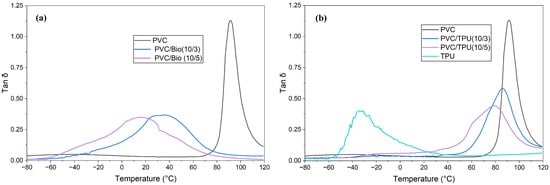
Polyvinyl chloride (PVC) is widely used in engineering applications; however, its inherent thermal instability associated with dehydrochlorination limits its processing window and long-term performance. While blending with thermoplastic polyurethane (TPU) and plasticization are common strategies to improve flexibility, their combined influence on the thermal behavior and stability of PVC, particularly when bio-based plasticizers are employed, has not been thoroughly investigated. In this study, the thermal behavior and stability of PVC/TPU blends plasticized with glycerol diacetate monolaurate, a bio-based plasticizer derived from waste cooking oil, were investigated. Dynamic mechanical analysis (DMA) and Fourier transform infrared spectroscopy (FTIR) were used to examine segmental mobility and intermolecular interactions, while scanning electron microscopy (SEM) provided insight into microstructural organization. Thermal stability was evaluated through conductivity-based dehydrochlorination measurements, complemented by thermogravimetric and derivative thermogravimetric analyses (TGA/DTG) to assess degradation behavior. The results showed that neither TPU nor the bio-plasticizer alone improved the resistance of PVC to dehydrochlorination. In contrast, ternary PVC/TPU/bio-plasticizer blends exhibited a pronounced delay in HCl evolution, accompanied by a more homogeneous phase distribution and interaction-driven modification of the molecular environment. TGA/DTG analysis indicated that this stabilization arises from altered degradation kinetics rather than a simple shift in degradation onset. Overall, the findings clarify the thermal behavior of PVC-based blends and demonstrate a sustainable formulation approach for achieving flexible and thermally balanced PVC materials while reducing reliance on potentially toxic phthalate plasticizers.
Full article

Figure 1
Open AccessArticle
Optical-Thermal Analysis of a Thermal Receiver with Second Optics for High-Temperature Gas Heating with Solar Tower System
by
Cuitlahuac Iriarte-Cornejo, Resty L. Durán, Victor M. Maytorena, Jesús F. Hinojosa and Sául F. Moreno
Thermo 2026, 6(2), 25; https://doi.org/10.3390/thermo6020025 - 7 Apr 2026
Abstract
Heating gases to high temperatures is essential for supplying energy to thermal and thermochemical processes. This study presents the optical–thermal design of a mini heliostat field coupled with a tubular solar receiver equipped with second optics, aiming to heat nitrogen to approximately 850
[...] Read more.
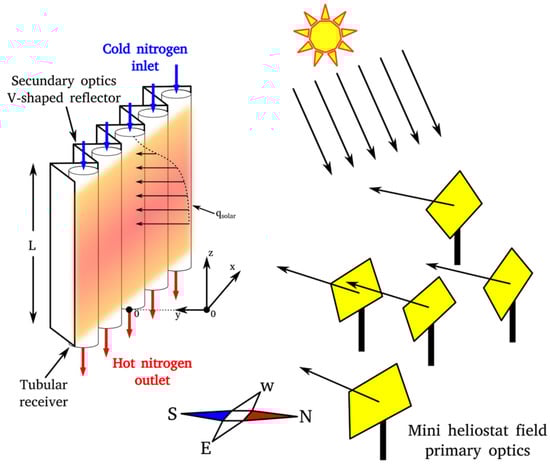
Heating gases to high temperatures is essential for supplying energy to thermal and thermochemical processes. This study presents the optical–thermal design of a mini heliostat field coupled with a tubular solar receiver equipped with second optics, aiming to heat nitrogen to approximately 850 K. The secondary optical system redistributed up to 40% of the incident solar flux from the front to the rear surface of the receiver, improving radial temperature uniformity and significantly reducing thermal gradients along the tube wall. An overall optical efficiency of 65.25% was achieved, accounting for atmospheric attenuation, shading, blocking, and the cosine effect. A coupled computational model was developed by solving the conservation equations of mass, momentum, and energy, with the spatially resolved solar flux distribution obtained via ray tracing used as a thermal boundary condition. The simulation results, validated with an empirical correlation, include solar flux contours, nitrogen temperature distributions, surface temperatures, and heat transfer coefficients. The configuration with a 12 mm vertex spacing between secondary reflectors demonstrated the best thermal performance, reducing the maximum tube surface temperature by 11% and improving radial symmetry, while maintaining nitrogen outlet temperatures near the design target of 850 K. These results confirm the suitability of the system for high-temperature applications such as solar pyrolysis using nitrogen as the heat transfer fluid to deliver the required thermal energy.
Full article
(This article belongs to the Topic Advances in Solar Heating and Cooling, 2nd Edition)
►▼
Show Figures

Figure 1
Open AccessArticle
Analyzing the Influence of Bubble Velocity on Fluid Dynamics Considering Thermal and Water Height Effects via PIV
by
Hassan Abdulmouti, Muhammed Elmnefi, Muhanad Hajjawi, Nawwal Ismael Ibrahim, Zakwan Skaf and Mazhar Azeem
Thermo 2026, 6(2), 24; https://doi.org/10.3390/thermo6020024 - 3 Apr 2026
Cited by 1
Abstract
This study experimentally investigates the dynamics of air bubble plumes in water under varying thermal and hydrodynamic conditions using a two-dimensional Particle Image Velocimetry (PIV) system. The experimental setup consists of a transparent acrylic tank equipped with a bubble generator, a controlled heating
[...] Read more.
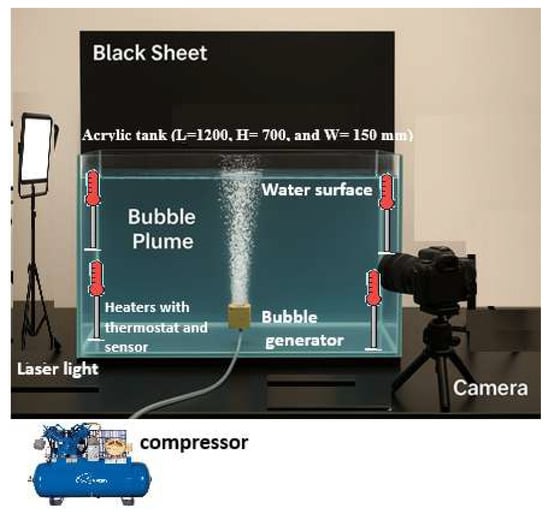
This study experimentally investigates the dynamics of air bubble plumes in water under varying thermal and hydrodynamic conditions using a two-dimensional Particle Image Velocimetry (PIV) system. The experimental setup consists of a transparent acrylic tank equipped with a bubble generator, a controlled heating system, and a synchronized PIV arrangement to capture both bubble motion and the induced liquid flow field. Experiments were conducted over a range of water temperatures (21–60 °C), air flow rates, and water depths (200–600 mm) to systematically quantify their coupled influence on bubble plume behavior. The results demonstrate that bubble rising velocity (defined here as the mean vertical, buoyancy-driven component of bubble motion measured in the fully developed plume region) increases with water temperature, gas flow rate, and water depth. For a fixed gas flow rate and water depth, increasing the water temperature from 40 °C to 60 °C resulted in an approximately twofold increase in bubble rising velocity, primarily due to reduced liquid viscosity and enhanced buoyancy forces. Bubble velocity also increased with gas flow rate and water depth, reflecting stronger momentum input and extended acceleration distances within taller water columns. PIV-resolved velocity fields further reveal that the surrounding fluid velocity increases proportionally with bubble rising velocity and temperature, confirming a strong coupling between bubble motion and plume-induced circulation. The surrounding liquid velocity reached approximately 30–60% of the corresponding bubble rising velocity, depending on operating conditions. These findings provide quantitative experimental insight into the coupled effects of thermal conditions, gas injection rate, and liquid depth on bubble–liquid interactions. The results contribute valuable validation data for multiphase flow modeling and offer practical relevance for thermal–hydraulic, chemical, and environmental engineering applications involving bubble-driven transport processes.
Full article
(This article belongs to the Special Issue Selected Papers from International Meet & Expo on Fluid Mechanics and Thermodynamics)
►▼
Show Figures

Figure 1
Open AccessArticle
An Experimental Study on the Thermal Behavior of PCM Plaster-Lined Model House Walls During a Whole Spring Season Influenced by Their Orientation
by
Mónika Ferencz, Barna Nagy, János Gyenis and Tivadar Feczkó
Thermo 2026, 6(2), 23; https://doi.org/10.3390/thermo6020023 - 26 Mar 2026
Abstract
This study investigates how an internal PCM–gypsum plaster lining modifies orientation-dependent heat transfer through lightweight model house envelopes over a full spring season. Two identical container houses (reference and PCM plastered) were monitored for 105 days under free-floating conditions, and surface temperatures of
[...] Read more.
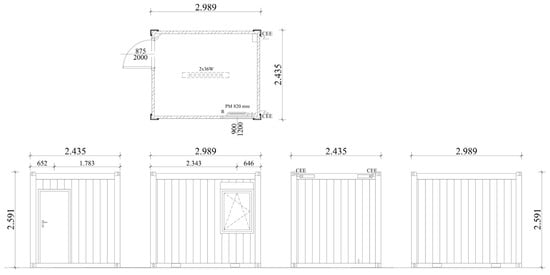
This study investigates how an internal PCM–gypsum plaster lining modifies orientation-dependent heat transfer through lightweight model house envelopes over a full spring season. Two identical container houses (reference and PCM plastered) were monitored for 105 days under free-floating conditions, and surface temperatures of all opaque elements were processed into characteristic temperature differences and corresponding heat flux densities at daily extrema. The analysis showed that wall and roof orientation strongly governed both the magnitude and variability of these characteristic heat fluxes. West-facing façades and the roof exhibited the highest values due to solar gains and radiative exchanges, while the floor and north wall remained comparatively stable. Under conditions of nearly constant mean wall temperature, the characteristic flux framework revealed that the PCM lining systematically reshaped the temporal distribution of heat transfer and reduced the effective net energy exchange between indoor space and outdoor environment, most notably on solar-exposed west and south walls and on the roof. These orientation-resolved heat flux indicators provided a physically transparent basis for deciding on which envelope surfaces PCM integration could be most advantageous and where its application could be omitted without significantly compromising thermal performance under similar climatic conditions.
Full article
(This article belongs to the Special Issue Advances in Latent Thermal Energy Storage: Materials, Modeling, and System Integration)
►▼
Show Figures

Figure 1
Open AccessArticle
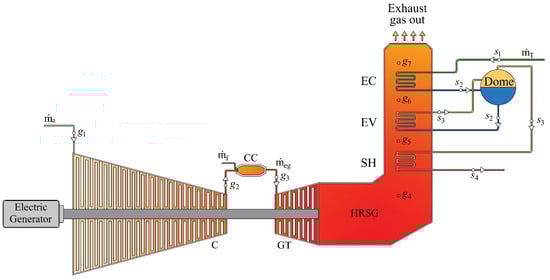
Thermodynamic Optimization of a Combined Cycle Cogeneration System for Petroleum Refinery Applications
by
Martín Salazar-Pereyra, Ladislao Eduardo Méndez-Cruz, Wenceslao Bonilla-Blancas, Raúl Lugo-Leyte, Sergio Castro-Hernández and Helen D. Lugo-Méndez
Thermo 2026, 6(1), 22; https://doi.org/10.3390/thermo6010022 - 23 Mar 2026
Abstract
Cogeneration system optimization in refineries confronts the challenge of simultaneously integrating design parameter selection and topological configuration. The literature typically addresses these aspects separately: parametric optimization with fixed topology or configuration optimization for specific nominal conditions. This work develops a comprehensive methodology integrating
[...] Read more.
Cogeneration system optimization in refineries confronts the challenge of simultaneously integrating design parameter selection and topological configuration. The literature typically addresses these aspects separately: parametric optimization with fixed topology or configuration optimization for specific nominal conditions. This work develops a comprehensive methodology integrating exhaustive parametric exploration with superstructure-based optimization through mixed-integer nonlinear programming (MINLP), applied to the Miguel Hidalgo refinery in Tula, Mexico. The systematic procedure generates superstructures considering all viable expansion and tempering routes under steam quality restrictions ( ), evaluating 84–105 combinations of generation pressure ( –140 bar) and superheater outlet temperature ( –560 °C). The analysis reveals three topologically distinct configurations identified as generating maximum power under different operating conditions and characterizes how transitions between high-performing configurations occur at discrete thermodynamic thresholds that correlate with constraint activation contradicting the conventional assumption of continuous parameter-configuration relationships. Multi-criteria evaluation positions Configuration 1 as the recommended design, generating 25% increase in electric generation, 11% improvement in utilization factor ( : ) and 20% reduction in specific fuel consumption ( : kg/kWh). The methodology is directly generalizable to other refineries through universal thermodynamic principles, with a systematic five-step procedure applicable to any multi-pressure steam demand profile. The characterization of discrete transition phenomena and the associated methodology for their thermodynamic explanation challenges the conventional assumption of continuous parameter–configuration relationships in optimization approaches, with immediate implications for the design of flexible cogeneration systems in refineries worldwide.
Full article
(This article belongs to the Special Issue Thermodynamic Analysis and Optimization of Energy Systems)
►▼
Show Figures

Figure 1
Open AccessArticle
Thermodynamic Assessment of Heat Pump Configurations for Waste Heat Integrated Carnot Batteries
by
Márcio Santos, André Sousa, Jorge André, Ricardo Mendes and José B. Ribeiro
Thermo 2026, 6(1), 21; https://doi.org/10.3390/thermo6010021 - 23 Mar 2026
Abstract
►▼
Show Figures
Carnot batteries based on the coupling of high-temperature heat pumps (HTHPs) and Organic Rankine Cycles (ORCs) emerge as promising solutions for large-scale and long-duration energy storage, enabling sector coupling and the valorization of industrial waste heat. In such systems, the charging subsystem plays
[...] Read more.
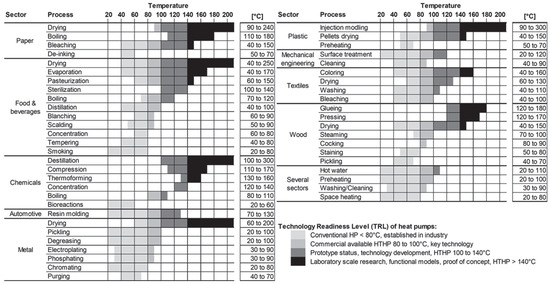
Carnot batteries based on the coupling of high-temperature heat pumps (HTHPs) and Organic Rankine Cycles (ORCs) emerge as promising solutions for large-scale and long-duration energy storage, enabling sector coupling and the valorization of industrial waste heat. In such systems, the charging subsystem plays a dominant role, as variations in heat pump performance influence the round-trip efficiency more strongly than comparable variations in the ORC. This work presents a thermodynamic assessment of Rankine-based HP–ORC Carnot batteries focusing on the influence of heat pump configuration and working fluid selection. System performance is evaluated using the heat pump coefficient of performance, volumetric heat capacity, ORC efficiency, and Carnot battery round-trip efficiency through a grid-search optimization over a wide range of storage outlet and waste heat source temperatures. The results show that single-stage configurations are optimal at low to moderate temperature lifts, while two-stage and cascade systems become advantageous at higher lifts. Among the investigated fluids, R-601 provides the highest round-trip efficiencies at elevated storage temperatures, whereas R-600 enables more compact systems due to its higher volumetric heat capacity. These findings provide design guidance for selecting heat pump configurations and working fluids in industrial waste-heat-assisted Carnot battery applications.
Full article

Figure 1
Open AccessArticle
Investigation of the Influence of Wetting Ability of the Sprayed Surface of the Heat Exchanger on the Process of Evaporative Cooling
by
Ivan Ignatkin, Nikolay Shevkun and Dmitry Skorokhodov
Thermo 2026, 6(1), 20; https://doi.org/10.3390/thermo6010020 - 20 Mar 2026
Abstract
Ensuring the required microclimate parameters is the most critical task in hot climates. In pig farms, air cooling is provided by means of steam-compression chillers or evaporative cooling, which is the simplest way to cool the air. The implementation of evaporative cooling depends
[...] Read more.
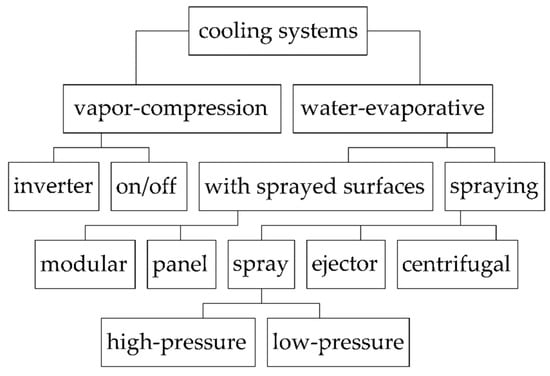
Ensuring the required microclimate parameters is the most critical task in hot climates. In pig farms, air cooling is provided by means of steam-compression chillers or evaporative cooling, which is the simplest way to cool the air. The implementation of evaporative cooling depends largely on the interaction of the media involved in this process. This paper considers the process of interaction of cooling water with the surface of a cellular polycarbonate heat exchanger. A mathematical model describing the process of wetting the sprayed surface of the heat exchanger is obtained. The authors determined the theoretical water flow rate required to provide air cooling for a given operation mode. Experimental trials of a recuperative heat recovery unit with a heat exchanger made of cellular polycarbonate equipped with a water evaporative cooling system were carried out. The authors conducted a comparative assessment to evaluate the effectiveness of evaporative cooling in a heat recovery unit equipped with a polycarbonate heat exchanger versus panel evaporative systems using wetted paper pads at pig farms in the Vladimir and Tambov regions of Russia. The panel evaporative coolers provided a temperature reduction of 11.3 °C without any splashing effect. Under the same operating conditions, the heat recovery unit achieved an inlet air temperature reduction of 10.5 °C, accompanied by splashing. When the water flow rate supplied for evaporation was reduced until the splashing ceased, the cooling temperature drop decreased to 10.1 °C, which is 11% lower, compared with the paper pads. The study revealed characteristic operating modes for the unit that ensure effective air cooling, depending on the cooling water flow rate. Since the prevailing temperature during the system’s main operating time is significantly lower than the design temperature (the absolute temperature maximum), to achieve effective cooling of the supply air without splashing or excessive water waste, the cooling circuit water should circulate at a flow rate within 40 to 63% of the maximum design value. Alternatively, an automated control system should be employed to regulate the water supply based on outdoor air temperature and humidity.
Full article
(This article belongs to the Topic Clean Energy Technologies and Assessment, 2nd Edition)

►▼
Show Figures

Figure 1
Open AccessArticle
Natural Convection Heat Transfer from an Inclined Cylinder
by
Aubrey Jaffer
Thermo 2026, 6(1), 19; https://doi.org/10.3390/thermo6010019 - 17 Mar 2026
Abstract
►▼
Show Figures
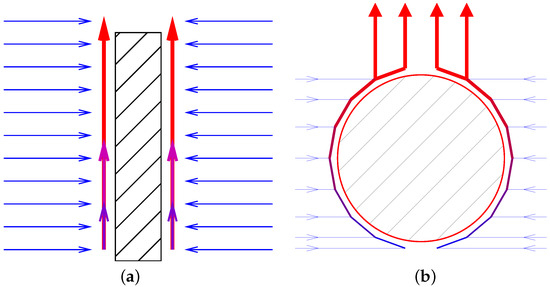
Based on Jaffer’s (2023) heat engine analysis of natural convection, this investigation mathematically derives a novel, comprehensive formula predicting the natural convective heat transfer from an inclined cylinder given its length, diameter, angle, and Rayleigh number and the fluid’s Prandtl number and thermal
[...] Read more.
Based on Jaffer’s (2023) heat engine analysis of natural convection, this investigation mathematically derives a novel, comprehensive formula predicting the natural convective heat transfer from an inclined cylinder given its length, diameter, angle, and Rayleigh number and the fluid’s Prandtl number and thermal conductivity. The present formula was tested with 93 inclined cylinder measurements having length-to-diameter ratios between 1.48 and 104 in nine data-sets from three peer-reviewed studies, yielding (data-set) root-mean-squared relative error values between 1.9% and 4.7%.
Full article

Figure 1
Open AccessArticle
Effect of Thickness on Thermo-Hydraulic Performance of a DPHE with Twisted Perforated Tapes: A Numerical Study
by
Ashraf Emad Almerane and Aizat Abas
Thermo 2026, 6(1), 18; https://doi.org/10.3390/thermo6010018 - 3 Mar 2026
Abstract
►▼
Show Figures
While twisted tape inserts are widely used for heat transfer enhancement, the specific impact of tape thickness remains under-explored. This study provides a systematic numerical investigation into the thermo-hydraulic performance of a double-pipe heat exchanger equipped with twisted perforated tape (TPT) inserts of
[...] Read more.
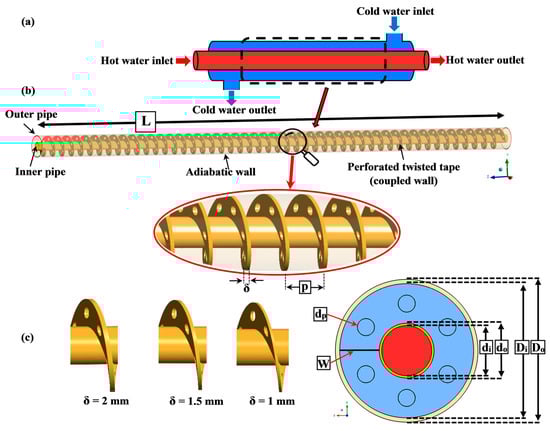
While twisted tape inserts are widely used for heat transfer enhancement, the specific impact of tape thickness remains under-explored. This study provides a systematic numerical investigation into the thermo-hydraulic performance of a double-pipe heat exchanger equipped with twisted perforated tape (TPT) inserts of varying thicknesses (1, 1.5, and 2 mm). Using a validated 3D SST k−ω model across Re = 1000–12,000, the research establishes a mechanistic distinction between flow regimes. The results indicate that the 2 mm TPT yields the highest enhancement, achieving a 78.6% increase in the average Nusselt number (Nuavg) and a 67.8% improvement in the overall heat transfer coefficient at Re = 12,000. Quantitative analysis of secondary flow intensity and turbulence kinetic energy confirms a transition from geometry-induced swirl at low Re to turbulence-driven shear at high Re. Despite a pressure drop penalty of up to 3.26 times the plain tube, the thermal performance factor remained above unity for all cases, peaking at 1.17 at Re ≈ 4000. These findings establish tape thickness as a first-order design variable for optimizing high-performance thermal systems.
Full article

Figure 1
Highly Accessed Articles
Latest Books
E-Mail Alert
News
Topics
Topic in
Applied Sciences, Clean Technol., Energies, Sustainability, Thermo, Solar, Batteries, ESA
Clean Energy Technologies and Assessment, 2nd Edition
Topic Editors: Francesco Calise, Maria Vicidomini, Rafał Figaj, Francesco Liberato CappielloDeadline: 31 December 2026
Topic in
Buildings, Energies, Solar, Sustainability, Processes, Thermo
Advances in Solar Heating and Cooling, 2nd Edition
Topic Editors: Salvatore Vasta, Uli Jakob, Sotirios Karellas, Marina BonomoloDeadline: 31 March 2027
Topic in
Aerospace, Applied Sciences, Astronautics, Energies, Machines, Sci, Thermo
Advanced Propulsion System and Thermal Management Technology
Topic Editors: Jian Liu, Yiheng TongDeadline: 31 May 2027
Conferences
Special Issues
Special Issue in
Thermo
Thermal Energy Modeling in Microgrids
Guest Editors: Chun Sing Lai, Yujie Yuan, Loi Lei Lai, Zhuoli ZhaoDeadline: 31 May 2026
Special Issue in
Thermo
Next-Generation PCM Architectures: Beyond Macro-Encapsulation
Guest Editors: Stefano Landini, M. Elena Navarro Rivero, Rebecca Ravotti, Usama PerwezDeadline: 30 June 2026
Special Issue in
Thermo
Thermodynamic Modeling and Analysis of Thermoelectric Cooling Systems
Guest Editor: Ning WangDeadline: 30 June 2026
Special Issue in
Thermo
Advances in Latent Thermal Energy Storage: Materials, Modeling, and System Integration
Guest Editors: Mateo Kirinčić, Paolo BlecichDeadline: 10 August 2026
Topical Collections
Topical Collection in
Thermo
Thermodynamics Education Collection: Methods and Results
Collection Editor: Steve Lustig