Journal Description
Journal of Composites Science
is an international, peer-reviewed, open access journal on the science and technology of composites, published monthly online by MDPI.
- Open Access— free for readers, with article processing charges (APC) paid by authors or their institutions.
- High Visibility: indexed within Scopus, ESCI (Web of Science), Inspec, CAPlus / SciFinder, and other databases.
- Journal Rank: JCR - Q2 (Materials Science, Composites) / CiteScore - Q1 (Engineering (miscellaneous))
- Rapid Publication: manuscripts are peer-reviewed and a first decision is provided to authors approximately 15.9 days after submission; acceptance to publication is undertaken in 3.9 days (median values for papers published in this journal in the second half of 2025).
- Recognition of Reviewers: reviewers who provide timely, thorough peer-review reports receive vouchers entitling them to a discount on the APC of their next publication in any MDPI journal, in appreciation of the work done.
Impact Factor:
3.7 (2024);
5-Year Impact Factor:
3.9 (2024)
Latest Articles
Multifunctional Polysaccharide Hydrogel Ameliorates Cardiac Function After Myocardial Infarction via Antioxidant, Immunomodulatory, and Pro-Angiogenic Activities
J. Compos. Sci. 2026, 10(6), 287; https://doi.org/10.3390/jcs10060287 (registering DOI) - 25 May 2026
Abstract
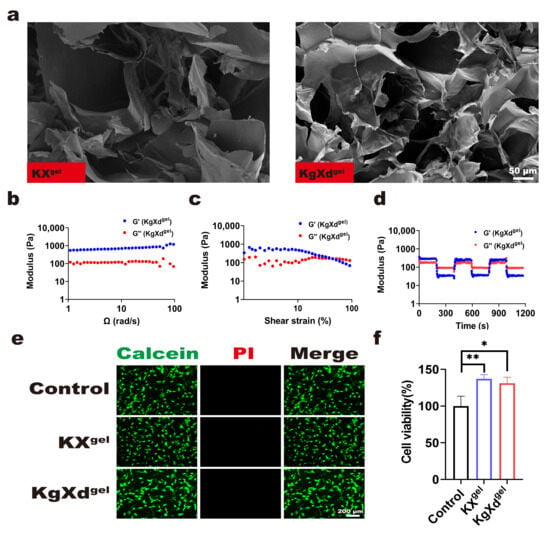
Myocardial infarction (MI) triggers excessive oxidative stress, a detrimental immune response, and insufficient angiogenesis, which collectively impede effective cardiac repair. This study developed a multifunctional composite polysaccharide hydrogel, termed KgXdgel, based on konjac glucomannan (KGM) and xanthan gum (XG) functionalized with
[...] Read more.
Myocardial infarction (MI) triggers excessive oxidative stress, a detrimental immune response, and insufficient angiogenesis, which collectively impede effective cardiac repair. This study developed a multifunctional composite polysaccharide hydrogel, termed KgXdgel, based on konjac glucomannan (KGM) and xanthan gum (XG) functionalized with gallic acid (GA) and dopamine (DA), respectively, to integrate reactive oxygen species (ROS) scavenging, macrophage polarization, and pro-angiogenic activities. In vitro assays demonstrated that the KgXdgel hydrogel exhibited excellent cytocompatibility, effectively scavenged ROS, promoted the polarization of macrophages towards the reparative M2 phenotype, and enhanced the migration and tube formation of human umbilical vein endothelial cells. In a rat MI model, treatment with KgXdgel significantly improved cardiac function (e.g., left ventricular ejection fraction, LVEF; left ventricular fractional shortening, LVFS), attenuated left ventricular dilation (LVIDs), and favorably modulated the post-infarction microenvironment. This was evidenced by the upregulation of the M2 marker CD163 and the angiogenic factor VEGF, alongside the downregulation of pro-inflammatory cytokines (e.g., IL-1β, TNF-α) and the M1 marker iNOS. These findings conclusively demonstrate that the KgXdgel hydrogel synergistically promotes cardiac repair post-MI through its integrated antioxidant, immunomodulatory, and pro-angiogenic functions, presenting a promising multi-targeted therapeutic strategy.
Full article
(This article belongs to the Special Issue Functional Composites: Fabrication, Properties and Applications)
►
Show Figures
Open AccessArticle
High β-Phase PVDF Copolymer Nanocomposite Films with Dielectric and Piezoelectric Behavior
by
Lorenzo Broggio, Giacomo Moretti, Sandra Dirè and Andrea Dorigato
J. Compos. Sci. 2026, 10(6), 286; https://doi.org/10.3390/jcs10060286 - 23 May 2026
Abstract
Polymer–ceramic piezoelectric composites are widely investigated to combine the high piezoelectric performance of ferroelectric ceramics with the flexibility and processability of electroactive polymers. However, achieving enhanced dielectric properties while preserving the intrinsic piezoelectric response of the polymer matrix remains challenging, particularly due to
[...] Read more.
Polymer–ceramic piezoelectric composites are widely investigated to combine the high piezoelectric performance of ferroelectric ceramics with the flexibility and processability of electroactive polymers. However, achieving enhanced dielectric properties while preserving the intrinsic piezoelectric response of the polymer matrix remains challenging, particularly due to dielectric mismatch between the constituent phases and interfacial effects. In this work, barium titanate (BaTiO3) loaded poly(vinylidene fluoride-trifluoroethylene) (PVDF-TrFE) nanocomposites were fabricated by solvent casting using polyvinylpyrrolidone (PVP) and polysorbate 80 (PS80) as dispersing agents, aiming to obtain polarizable materials capable of retaining high piezoelectric strain coefficient (d33) values and potentially exploiting the opposite polarity of matrix and filler through tailored poling strategies. Morphological, crystallographic, structural, thermal, thermomechanical, dielectric, and piezoelectric characterizations were performed by SEM/EDXS, XRD, FTIR, DSC, TGA, DMTA, dielectric spectroscopy, and d33 measurements. Both dispersants improved filler dispersion and film densification, increasing the crystalline fraction of the matrix, without altering the relative fraction of β-phase (up to 93%). PVP enabled moderate and stable permittivity enhancement with weak frequency dependence, whereas PS80 introduced an electrically active interfacial contribution that amplified low-frequency permittivity at high filler loadings but made the permittivity more frequency-dependent. The piezoelectric response (between −20 pC/N and −25 pC/N) remained predominantly governed by the polymer phase, suggesting limited polarization played by BaTiO3. These results underlined the critical role of interfacial electrical properties in designing stable high-performance flexible PVDF-TrFE/BaTiO3 composites.
Full article
(This article belongs to the Special Issue Feature Papers in Journal of Composites Science in 2026)
Open AccessArticle
Enhancing Mechanical and Stress–Strain Behavior of Sustainable Crumb Rubber Concrete Using Supplementary Cementitious Material-Based Surface Treatment
by
Mahmoud Abo El-Wafa, Mohamed A. Badran, Ahmed S. Eisa, Sara El Sayed and Hilal Hassan
J. Compos. Sci. 2026, 10(6), 285; https://doi.org/10.3390/jcs10060285 - 23 May 2026
Abstract
Since tires from end-of-life vehicles are not entirely biodegradable and pose a serious environmental problem, their disposal has become a significant global environmental concern. One technique to decrease these environmental issues is incorporating waste rubber to make sustainable green concrete. This study examined
[...] Read more.
Since tires from end-of-life vehicles are not entirely biodegradable and pose a serious environmental problem, their disposal has become a significant global environmental concern. One technique to decrease these environmental issues is incorporating waste rubber to make sustainable green concrete. This study examined the usage of waste supplementary cementitious materials (SCMs) such as fly ash (FA), metakaolin (MK), marble powder (MP), slag (SL), and silica fume (SF) for surface precoating of crumb rubber (CR) to improve the mechanical properties of the produced crumb rubber concrete (CRC) by strengthening the bond between CR and cement paste in the interfacial transition zone (ITZ). The CR replaced (0, 15%, and 25%) of sand by weight in the preparation of CRC mixtures. A total of eleven CRC mixes were cast to investigate the fresh properties, compressive strength, and splitting tensile strength. In addition, the compressive stress-strain curve was investigated, and peak stress, peak strain, energy absorption, toughness, and modulus of elasticity have been evaluated. The outcomes showed that precoating CR using FA, followed by MK, has the strongest effect on increasing CRC compressive performance. The 25% substitution of sand with FA-treated CR increased compressive strength after 28 days, splitting tensile strength, peak stress, toughness, and modulus of elasticity by 34.7%, 23.7%, 34.8%, 26.1%, and 25.2%, respectively, in comparison to the same percentage of untreated CR. The proposed approach demonstrates a viable pathway for integrating waste materials and SCM-based technologies to develop high-performance, sustainable cementitious composites.
Full article
(This article belongs to the Special Issue Sustainable Cementitious Composites)
Open AccessArticle
Punching Shear Behavior of Reinforced Concrete Slabs with Sustainable Cementitious Blends and Discrete Steel Fibers
by
Atared Salah Kawoosh, Ahid Zuhair Hamoodi, Mustafa Shareef Zewair and Kadhim Z. Naser
J. Compos. Sci. 2026, 10(6), 284; https://doi.org/10.3390/jcs10060284 - 23 May 2026
Abstract
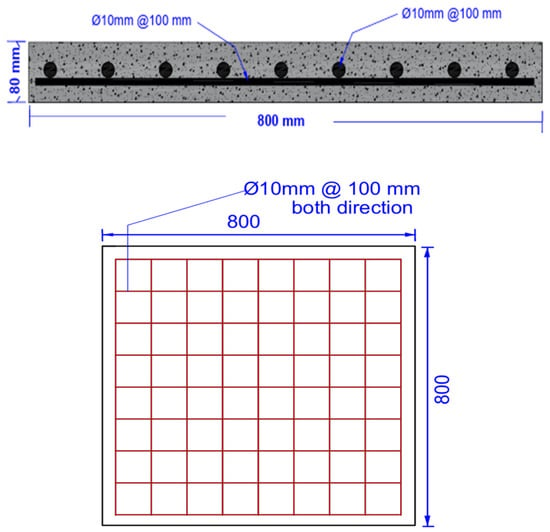
Punching shear failure in reinforced concrete RC slabs is one of the most significant and detrimental failure modes due to its sudden nature and its dependence on a complex interaction between concrete strength, the reinforcement, and the loading conditions. In recent years, there
[...] Read more.
Punching shear failure in reinforced concrete RC slabs is one of the most significant and detrimental failure modes due to its sudden nature and its dependence on a complex interaction between concrete strength, the reinforcement, and the loading conditions. In recent years, there has been increasing interest in utilizing sustainable cementitious materials and steel fibers as a way of enhancing structural performance and improving the durability of concrete. The study aims to assess the structural behavior of RC slabs utilizing a partial cement substitution with limestone powder (LP) and granulated blast-furnace slag (GBFS), with the addition of steel fibers. Twelve RC slabs were examined under uniform concentric loading to analyze cracking behavior, load–deflection relationship, stiffness variation, and ultimate punching shear strength. The results demonstrated that using limestone powder (LP) had a significant impact on the crack distribution pattern and resulted in a slight reduction in initial stiffness, with the load-bearing capacity decreasing to approximately 55.8% of the control mixture at high replacement ratios. Due to a slower hydraulic reaction than with other mixtures, increasing additional granulated blast-furnace slag resulted in a decrease in crack resistance and relative deformation. With a load-bearing capacity of approximately 92.9% of the control mixture, a tertiary mixture of limestone powder and granulated blast-furnace slag (GBFS) demonstrated a better balance in structural behavior, leading to improved crack control while maintaining a sufficient level of load-bearing capacity. The steel fibers also significantly contributed to enhanced post-cracking behavior by decreasing crack width and improving the stress redistribution mechanism within the RC slab. This led to increased punching shear resistance and enhanced energy absorption, with the ultimate load increased to 119 kN compared to the control mixture. Overall, the findings show that combining sustainable cementitious materials with steel fibers can effectively improve punching shear performance and enhance the efficiency and durability of reinforced concrete.
Full article
(This article belongs to the Special Issue Concrete Composites in Hybrid Structures)
►▼
Show Figures

Figure 1

Open AccessArticle
Influence of BFRP Strengthening Layout on the Performance of Damaged RC Beam–Column Joints
by
Erica Magagnini and Elisa Bettucci
J. Compos. Sci. 2026, 10(6), 283; https://doi.org/10.3390/jcs10060283 - 22 May 2026
Abstract
Basalt fiber-reinforced polymer (BFRP) composites are increasingly considered as a sustainable alternative to traditional FRP systems for the strengthening of reinforced concrete (RC) structures, owing to their favorable mechanical properties, durability, and lower environmental impact. This study investigates the effectiveness of externally bonded
[...] Read more.
Basalt fiber-reinforced polymer (BFRP) composites are increasingly considered as a sustainable alternative to traditional FRP systems for the strengthening of reinforced concrete (RC) structures, owing to their favorable mechanical properties, durability, and lower environmental impact. This study investigates the effectiveness of externally bonded BFRP strips for the strengthening of RC beam–column joints, with particular attention to the influence of strengthening layout on the structural response. An experimental program was carried out on full-scale RC beam–column joint specimens subjected to monotonic loading with load–unload cycles of increasing amplitude. Each specimen was first tested in its original configuration to induce controlled damage and subsequently strengthened using BFRP strips arranged according to two different layouts. This approach enabled a direct comparison between the behaviour of pre-damaged and retrofitted specimens and allowed the contribution of the BFRP reinforcement to be clearly identified. BFRP strengthening markedly improves joint performance, enhancing strength, ductility, and energy dissipation while limiting stiffness degradation. The results underline the critical role of the strengthening layout in governing the effectiveness of the composite system, as well as the influence of substrate cracking in the activation of the BFRP reinforcement.
Full article
(This article belongs to the Special Issue Selected Papers from the 4th International Conference Steel and Composites for Engineering Structures (4thICSCES))
Open AccessArticle
Enhanced Mechanical Properties of Epoxy/Microfibril Cellulose Composites via GPTMS Modification: Optimization and Microstructural Analysis
by
Harianingsih Harianingsih, Deni Fajar Fitriyana, Nur Qudus, Januar Parlaungan Siregar, Ade Mundari Wijaya, Annisa Rifathin, Zarlina Zainuddin, Fitri Ayu Radini, Raden Setyo Adji Koesoemowidodo and Hosta Ardhyananta
J. Compos. Sci. 2026, 10(6), 282; https://doi.org/10.3390/jcs10060282 - 22 May 2026
Abstract
This study investigates the effect of 3-glycidoxypropyltrimethoxysilane (GPTMS) concentration on the mechanical, interfacial, and fracture behavior of epoxy/microfibrillated cellulose (MFC) composites derived from oil palm empty fruit bunch (OPEFB). GPTMS was incorporated at 1, 3, and 5 Phr to improve compatibility between hydrophilic
[...] Read more.
This study investigates the effect of 3-glycidoxypropyltrimethoxysilane (GPTMS) concentration on the mechanical, interfacial, and fracture behavior of epoxy/microfibrillated cellulose (MFC) composites derived from oil palm empty fruit bunch (OPEFB). GPTMS was incorporated at 1, 3, and 5 Phr to improve compatibility between hydrophilic MFC and the hydrophobic epoxy matrix. Mechanical testing revealed that GPTMS concentration significantly influenced composite performance in a concentration-dependent manner, with 1 Phr GPTMS providing the most balanced reinforcement. At this concentration, tensile strength increased by 14.5% from 32.88 ± 3.61 MPa to 37.65 ± 1.42 MPa, while flexural strength improved by 5.55% from 70.24 ± 5.30 MPa to 74.14 ± 4.10 MPa compared with the unmodified composite. Tensile modulus also increased from 2.07 ± 0.06 GPa to 2.21 ± 0.16 GPa, accompanied by improved flexural modulus from 2.39 ± 0.12 GPa to 2.47 ± 0.21 GPa. SEM analysis revealed that the optimized formulation promoted more uniform MFC dispersion, improved interfacial integrity, reduced void formation, and enhanced fracture resistance through tortuous crack propagation, localized radial crack branching, and matrix tearing. In contrast, higher GPTMS concentrations (3 and 5 Phr) reduced mechanical efficiency, with flexural strength declining to 65.27 ± 5.33 MPa and 66.16 ± 4.23 MPa, respectively, due to increased fiber pull-out, interfacial heterogeneity, and more continuous crack propagation. FTIR analysis suggested possible silane-related interfacial modifications consistent with GPTMS incorporation, although these findings are interpreted as supportive rather than definitive evidence of grafting. Overall, the results demonstrate that moderate GPTMS incorporation (1 Phr) is the optimum strategy for enhancing epoxy/MFC composite performance, offering a practical pathway for developing sustainable lightweight bio-based composites with balanced strength, stiffness, and fracture resistance. This research contributes to SDG 12 (Responsible Consumption and Production) by promoting sustainable utilization of oil palm biomass waste for advanced engineering materials.
Full article
(This article belongs to the Special Issue Recent Advancements in Mechanical Properties of Composites)
Open AccessArticle
3D-Printed Gypsum–Cement–Pozzolan Composites with Crumb Rubber: Strength and Durability
by
Girts Kolendo, Aleksandrs Korjakins, Diana Bajare and Genadijs Sahmenko
J. Compos. Sci. 2026, 10(6), 281; https://doi.org/10.3390/jcs10060281 - 22 May 2026
Abstract
This research investigates the formation and behavior of sustainable crumb rubber-modified gypsum–cement–pozzolan (GCP) composites, with a view to their use in a broad concept for construction. GCP binders are gaining attention as a low-carbon replacement for Portland cement, and the addition of recycled
[...] Read more.
This research investigates the formation and behavior of sustainable crumb rubber-modified gypsum–cement–pozzolan (GCP) composites, with a view to their use in a broad concept for construction. GCP binders are gaining attention as a low-carbon replacement for Portland cement, and the addition of recycled rubber helps the achievement of circular economy goals and potentially increases durability. The present research evaluates the impact of crumb rubber (CR) on the mechanical strength, water absorption, dimensional stability, and freeze–thaw resistance of 3D-printed GCP-rubber composites. Composite blends of variable proportions of crumb rubber were prepared at constant binder ratios. Mechanical properties were defined by prism specimens (40 × 40 × 160 mm) by the flexural and compressive strengths, and deformation was determined by micrometers to measure longitudinal strain as a function of curing. Water absorption was determined prior to freeze–thaw cycling to define pore saturation. Durability was investigated using two approaches: (1) controlled freeze–thaw experiments on cube specimens, with XF1 grade performance achieved, and (2) ultrasonic pulse velocity (UPV) testing of specimens 3D-printed for assessing internal structural change after long-term frost exposure. Results showed that compressive strength decreased moderately (10–20%) with increasing rubber content from 17% up to 50%, while flexural strength improved up to 15%, showing the elastomeric action of CR. Water absorption was reduced by 5–8% in the rubber-modified blends due to the hydrophobic character of rubber. Deformation tests also confirmed minimum length variation (<0.02%) during curing. Freeze–thaw durability was enormously improved, and test specimens retained more than 95% of initial strength. UPV measurements detected only a relatively modest velocity drop (~50 m/s) after 36 days cycling with subsequent stabilization up to 200 days, demonstrating long-term internal structure with minimal progressive damage. In summary, the findings demonstrate that GCP composites with crumb rubber incorporated are printable, dimensionally stable, and capable of freeze–thaw degradation resistance. Despite a moderate loss of compressive strength, the balance of introduced durability and sustainability suggests their competence as viable materials for additive manufacturing in construction.
Full article
(This article belongs to the Special Issue Additive Manufacturing of Advanced Composites, 2nd Edition)
Open AccessReview
Polymer-Derived Silicon Oxycarbide (SiOC) and Silicon Carbonitride (SiCN) Ceramics for Advanced Electrochemical Energy Storage Applications
by
Saja Al Ajrash and Erick S. Vasquez-Guardado
J. Compos. Sci. 2026, 10(6), 280; https://doi.org/10.3390/jcs10060280 - 22 May 2026
Abstract
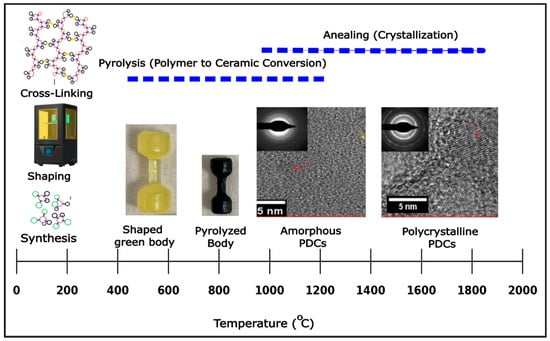
Preceramic polymers, especially silicon oxycarbide (SiOC) and silicon carbonitride (SiCN) ceramics, have gained significant attention due to their wide range of applications in many fields, particularly in energy storage devices beyond conventional lithium-ion batteries (LIBs). This review focuses on the synthesis, structural characteristics,
[...] Read more.
Preceramic polymers, especially silicon oxycarbide (SiOC) and silicon carbonitride (SiCN) ceramics, have gained significant attention due to their wide range of applications in many fields, particularly in energy storage devices beyond conventional lithium-ion batteries (LIBs). This review focuses on the synthesis, structural characteristics, and properties of SiOC and SiCN ceramics as electrodes for battery applications. Furthermore, their promising applications as electrode materials for energy storage systems are explored, along with the most recent advances in the development of such materials and their use in lithium-ion batteries (LIBs), lithium-sulfur batteries (LSBs), potassium-ion batteries (PIBs), sodium-ion batteries (SIBs), and supercapacitors. This review addresses the distinct advantages of SiOC and SiCN ceramics, including high thermal stability, mechanical robustness, and adaptable microstructures. It also examines the challenges associated with the commercialization of these ceramics, including issues related to electronic conductivity and ion transport pathways.
Full article
(This article belongs to the Section Composites Applications)
►▼
Show Figures

Figure 1
Open AccessArticle
Experimental Study on Permeability and Infusion Simulation of Automatically Placed Dry Fiber Preforms
by
Wei Du, Jun Liu, Hao Song, Minqiang Jiang, Bo Ning, Yang Yang, Weiping Liu, Keqing Han, Hui Zhang and Jianyong Yu
J. Compos. Sci. 2026, 10(5), 279; https://doi.org/10.3390/jcs10050279 - 21 May 2026
Abstract
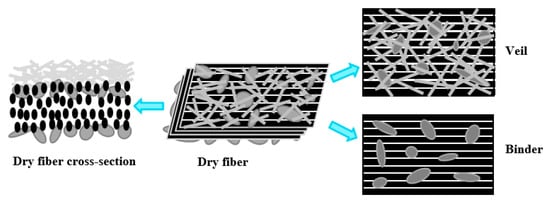
To investigate the resin infusion molding process for novel dry fiber-reinforced epoxy composite wing skin, dry fiber preforms were fabricated via an automated fiber placement (AFP) system, and the out-of-plane permeability of the preforms at different lay-up speeds was measured using the ultrasonic
[...] Read more.
To investigate the resin infusion molding process for novel dry fiber-reinforced epoxy composite wing skin, dry fiber preforms were fabricated via an automated fiber placement (AFP) system, and the out-of-plane permeability of the preforms at different lay-up speeds was measured using the ultrasonic transmission method to determine the optimal lay-up parameters. A scaled-down composite wing skin structure was modeled and meshed via numerical simulation, and different resin infusion schemes were simulated and analyzed using PAM-RTM software. The optimal infusion scheme was determined by comparing the infusion time, infusion pressure and defect formation during resin flow for different schemes, and the wing skin component was fabricated through the vacuum-assisted resin infusion (VARI) process. Results indicate that the infusion time predicted by PAM-RTM simulation is 3883 s, while the actual measured value in the VARI process is 3611 s with an error of approximately 7% within a reasonable range. Both simulation and actual wing skin fabrication exhibited no significant defects, validating the accuracy of the three-dimensional permeability measurement of dry fiber preforms as well as the reliability of the simulation results.
Full article
(This article belongs to the Special Issue Carbon Fiber Composites, 4th Edition)
►▼
Show Figures

Figure 1

Open AccessArticle
Coupled Response of Internal Pneumatic Pressurization and External Mechanical Loading in Rhombic Composite Laminates
by
Zefeng Xu, Linguo Liu, Yi Yang, Shi Liu, Xinran Guo, Tao Tao, Banghua Du, Jiaqiao Liang and Peiyu Liu
J. Compos. Sci. 2026, 10(5), 278; https://doi.org/10.3390/jcs10050278 - 20 May 2026
Abstract
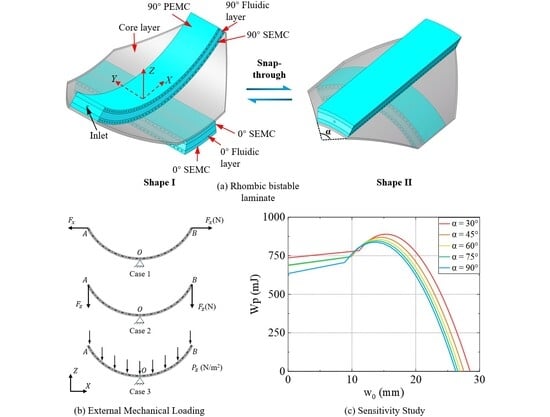
This study investigates the coupled quasi-static response and stable-state switching behavior of mechanically prestressed rhombic bistable composite laminates under internal pneumatic pressurization and external mechanical loading. A rhombic bistable composite laminate with embedded fluidic channels is proposed, where pneumatic pressurization is employed to
[...] Read more.
This study investigates the coupled quasi-static response and stable-state switching behavior of mechanically prestressed rhombic bistable composite laminates under internal pneumatic pressurization and external mechanical loading. A rhombic bistable composite laminate with embedded fluidic channels is proposed, where pneumatic pressurization is employed to reconfigure the deformation state and modulate the coupling between the laminate morphology and external actuation loads. An efficient reduced-order analytical model is developed to capture the interactions among geometric configuration, prestrain distribution, internal pressure, and external mechanical loading, enabling the rapid prediction of the deformation evolution and load–deflection response under coupled loading conditions. The main innovation of this work is integrating rhombic geometric tailoring, intrinsic pneumatic actuation, and multimode external loading into a unified analytical framework. The results demonstrate that the interior angle, prestrain distribution, and loading mode can effectively regulate equilibrium morphology, snap-through energy, and actuation efficiency. Parametric analyses reveal that the rhombic geometry introduces pronounced shear–bending coupling, providing an additional geometric degree of freedom for tailoring bistable configurations and energy barriers. In particular, a smaller interior angle generally reduces the snap-through energy barrier, whereas front-side prestrain increases the energy required for stable-state switching by enhancing the initial curvature. Comparisons among different loading modes further show that transverse point loading provides the highest energy conversion efficiency, in-plane loading requires the largest input energy, and pressure-assisted actuation exhibits intermediate efficiency. These findings provide fundamental insights and practical design guidelines for programmable morphing and load-efficient stable-state switching for rhombic composite laminates operating under coupled internal–external loading environments.
Full article
(This article belongs to the Section Composites Modelling and Characterization)
►▼
Show Figures

Graphical abstract
Open AccessArticle
Dynamic Analysis of Sandwich Plates with Auxetic Honeycomb Core and Laminated FG-CNTRC Facesheets Using a PB-2 Ritz Formulation
by
Viet-Tam Tran, Thanh-Tung Pham, Minh-Tu Tran and Hoang-Nam Nguyen
J. Compos. Sci. 2026, 10(5), 277; https://doi.org/10.3390/jcs10050277 - 20 May 2026
Abstract
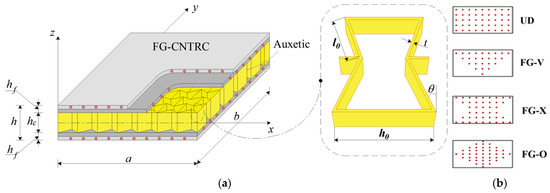
This paper analyzes the vibrational characteristics of a novel sandwich plate configuration composed of an auxetic honeycomb (AH) core and laminated functionally graded carbon nanotube-reinforced composite (FG-CNTRC) face sheets, hereafter referred to as the SD-AuCNT plate. Based on Reddy’s third-order shear deformation theory
[...] Read more.
This paper analyzes the vibrational characteristics of a novel sandwich plate configuration composed of an auxetic honeycomb (AH) core and laminated functionally graded carbon nanotube-reinforced composite (FG-CNTRC) face sheets, hereafter referred to as the SD-AuCNT plate. Based on Reddy’s third-order shear deformation theory (SDT), which accurately accounts for transverse shear effects without requiring shear correction factors, the equations of motion are derived using Hamilton’s principle and subsequently solved using a pb-2 Ritz formulation combined with the Newmark time integration scheme for dynamic response analysis. By combining an auxetic core with negative Poisson’s ratio characteristics and laminated FG-CNTRC face sheets featuring tailored CNT distribution patterns and orientations, the hybrid SD-AuCNT plate can improve structural stiffness, energy absorption, and dynamic performance; however, it has not been thoroughly investigated in the existing literature. After verifying the accuracy of the proposed computational procedure, the effects of auxetic core geometry, CNT distribution patterns, thickness ratios, and boundary conditions on the natural frequencies and transient responses of the plate are comprehensively investigated. The results provide new insights into the dynamic behavior of advanced sandwich plates and offer practical guidance for the design of high-performance lightweight structures in aerospace, marine, defense, and other engineering applications.
Full article
(This article belongs to the Section Composites Modelling and Characterization)
►▼
Show Figures

Figure 1

Open AccessArticle
Load Capacity Evaluation of ECC and GFRP Strengthened RC Beams Under Combined Bending and Shear
by
Jagadesh Kannan Selvan, Preethy Mary Arulanandam, Sherine Stanly and Madappa V. R. Sivasubramanian
J. Compos. Sci. 2026, 10(5), 276; https://doi.org/10.3390/jcs10050276 - 19 May 2026
Abstract
This study presents a mechanics based analytical framework for predicting the flexural–shear capacity of reinforced concrete (RC) beams strengthened with Engineered Cementitious Composites (ECCs) and a hybrid ECC–GFRP near surface mounted (NSM) system. Building upon previously reported experimental observations, the present work aims
[...] Read more.
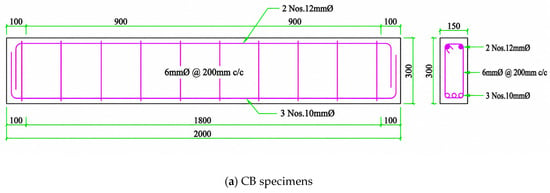
This study presents a mechanics based analytical framework for predicting the flexural–shear capacity of reinforced concrete (RC) beams strengthened with Engineered Cementitious Composites (ECCs) and a hybrid ECC–GFRP near surface mounted (NSM) system. Building upon previously reported experimental observations, the present work aims to establish rational prediction models capable of capturing the interaction between flexural and shear mechanisms in strengthened beams. The analytical approach integrates sectional analysis for flexural capacity with a modified truss analogy for shear resistance, explicitly incorporating the strain hardening tensile contribution of ECC and the tensile and confinement effects of GFRP reinforcement. An interaction based failure criterion is subsequently employed to identify the governing failure mode under combined flexural shear actions. The proposed model is validated against experimental results obtained from twenty seven beam specimens with varying flexural and shear reinforcement ratios and strengthening configurations. The predicted ultimate loads show good agreement with experimental values, with an average deviation within ±10%. The analytical framework accurately captures the transition between flexural dominated, combined flexural–shear, and diagonal tension failures observed experimentally. Results demonstrate that ECC significantly enhances ductility and shear crack control, while the hybrid ECC–GFRP system provides substantial strength enhancement with a controlled shift in failure mode. Overall, the developed analytical models offer a reliable and computationally efficient tool for predicting the flexural–shear capacity and failure behavior of ECC and hybrid ECC–GFRP-strengthened RC beams, supporting performance based design and practical strengthening applications.
Full article
(This article belongs to the Special Issue Polymer Composites and Fibers, 4th Edition)
►▼
Show Figures

Figure 1
Open AccessArticle
A Steel-Reinforced Recycled Thermoplastic Composite for Wind Turbine Towers: Experimental and Full-Scale Validation
by
Cihan Ciftci and Hasan Tolga Altikaya
J. Compos. Sci. 2026, 10(5), 275; https://doi.org/10.3390/jcs10050275 - 19 May 2026
Abstract
The increasing demand for sustainable and lightweight structural systems has motivated the development of alternative materials for wind turbine tower applications, where conventional steel structures are associated with high material consumption and environmental impact. In this study, a novel steel-reinforced recycled thermoplastic composite
[...] Read more.
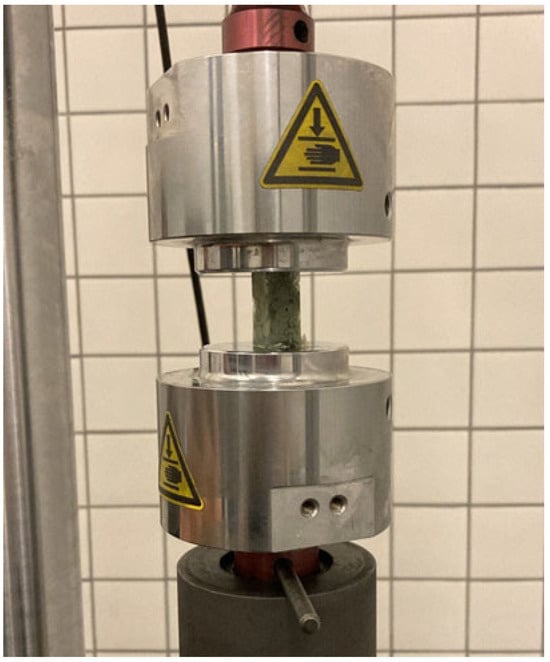
The increasing demand for sustainable and lightweight structural systems has motivated the development of alternative materials for wind turbine tower applications, where conventional steel structures are associated with high material consumption and environmental impact. In this study, a novel steel-reinforced recycled thermoplastic composite system is proposed as an alternative structural solution. To enable the design and practical application of such composite systems, the mechanical properties of the recycled thermoplastic matrix were experimentally characterized. Compression and tensile tests revealed average yield strengths of approximately 32 MPa in compression and 7.8 MPa in tension. To account for the environmental conditions encountered in field applications, the temperature-dependent mechanical behavior of the material was investigated. Since the critical mechanical response of the thermoplastic matrix in the composite system is governed by compression rather than tension, the study was limited to compression tests under elevated temperatures. The results show that the compressive yield strength decreases to approximately 31 MPa at 55 °C. An analytical model based on the transformed-section approach was also developed to predict the flexural behavior of the composite section and was validated through three-point bending tests, with an analytically predicted yield load of approximately 31.5 kN showing good agreement with experimental results. To assess structural applicability at a larger scale, a full-scale composite wind turbine tower was designed and manufactured, and its dynamic performance was evaluated through field measurements under natural wind loading conditions. The results indicate that the composite tower exhibits comparable dynamic behavior to a conventional steel tower, with a first natural frequency of approximately 3.08 Hz compared to 2.89 Hz for the steel tower, along with enhanced damping characteristics. These findings demonstrate that steel-reinforced recycled thermoplastic composites offer a promising and sustainable alternative for wind turbine tower applications, with potential for broader use in structural systems.
Full article
(This article belongs to the Section Composites Applications)
►▼
Show Figures

Figure 1
Open AccessArticle
Multifunctional Effects of Jackfruit Seed Residue on the Microstructure, Durability, and Internal Curing of Cementitious Composites
by
Patrick S. Vieira, Delma D. G. Rocha, Bruno S. Teti, Emanoel Laurertan T. França, Nathan B. Lima, Esdras C. Costa, Erika P. Marinho, Patrícia M. A. Farias and Nathalia B. D. Lima
J. Compos. Sci. 2026, 10(5), 274; https://doi.org/10.3390/jcs10050274 - 19 May 2026
Abstract
The design of sustainable composite materials requires approaches that integrate performance, durability, and circularity. In this study, jackfruit seed residue (JSR), a starch-rich agro-industrial by-product, is explored as a multifunctional biopolymeric component in cement-based rendering composites within a Safe and Sustainable by Design
[...] Read more.
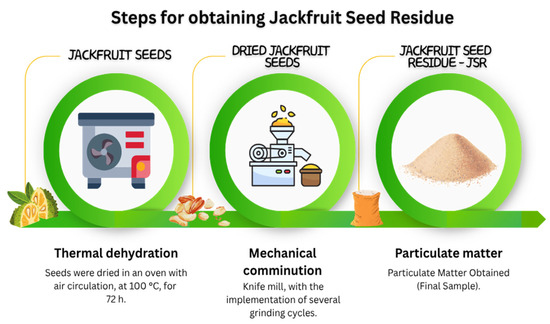
The design of sustainable composite materials requires approaches that integrate performance, durability, and circularity. In this study, jackfruit seed residue (JSR), a starch-rich agro-industrial by-product, is explored as a multifunctional biopolymeric component in cement-based rendering composites within a Safe and Sustainable by Design (SSbD) framework. Despite conventional strategies based on purified polymers or synthetic admixtures, JSR is incorporated in its unprocessed form, preserving its intrinsic chemical and structural heterogeneity and enabling complex physicochemical interactions within the composite matrix. Mortar formulations containing 0%, 3%, 5%, and 7% JSR (by binder mass) were evaluated through fresh-state, mechanical, and durability tests, combined with multiscale characterization (X-ray diffraction, Fourier transform infrared spectroscopy, scanning electron microscopy, and X-ray fluorescence). The incorporation of JSR enhanced workability and significantly reduced capillary water absorption (up to 25.83%), while maintaining mechanical performance within the typical range for rendering applications, with strength gains observed at 28 days. The observed behavior is attributed to synergistic mechanisms, including water retention, internal curing, and microfiller effects, as well as ionic contributions from the mineral fraction of the residue. Further, microstructural analysis revealed refinement of the interfacial transition zone and modification of the pore network, indicating reduced transport connectivity rather than a simple decrease in total porosity. These results demonstrate that unprocessed bio-residues can act as effective multifunctional components in cementitious composites, enabling the tuning of structure–property relationships and offering a scalable pathway toward low-impact composite materials aligned with circular economy principles.
Full article
(This article belongs to the Special Issue Sustainable Composite Construction Materials, 3rd Edition)
►▼
Show Figures

Figure 1
Open AccessArticle
Multifunctional PVDF/BaFe12O19 Composite Membranes: Filler-Controlled β-Phase Evolution, Thermal Behavior, Optical, Dielectric, and Magnetic Properties
by
Alina Rabadanova, Abdulatip Shuaibov, Asiyat Magomedova, Nariman Alikhanov, Shikhgasan Ramazanov, Akhmed Amirov, Dinara Sobola, Samer Daradkeh, Tomáš Trčka, Kamaludin Abdulvakhidov, Arseniy Khrustalev and Farid Orudzhev
J. Compos. Sci. 2026, 10(5), 273; https://doi.org/10.3390/jcs10050273 - 19 May 2026
Abstract
Multifunctional polymer–ferrite composites based on poly(vinylidene fluoride) (PVDF) and magnetic fillers are of increasing interest for applications requiring coupled electrical, dielectric, and magnetic responses. However, the relationship between magnetic filler concentration, PVDF phase composition, and the resulting multifunctional properties remains insufficiently understood. In
[...] Read more.
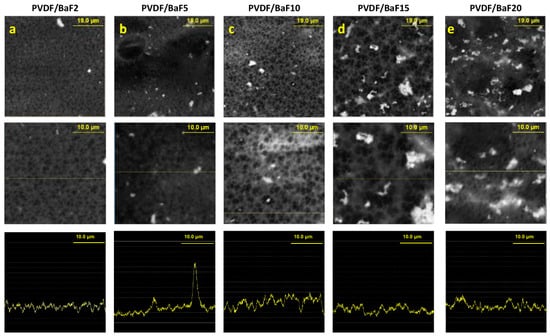
Multifunctional polymer–ferrite composites based on poly(vinylidene fluoride) (PVDF) and magnetic fillers are of increasing interest for applications requiring coupled electrical, dielectric, and magnetic responses. However, the relationship between magnetic filler concentration, PVDF phase composition, and the resulting multifunctional properties remains insufficiently understood. In this work, PVDF/BaFe12O19 (PVDF/BaF) composite membranes containing 2–20 wt.% BaF were fabricated using a combined non-solvent and thermally induced phase-inversion (NIPS–TIPS) method. Structural evolution was analyzed by X-ray diffraction and quantitative FTIR spectroscopy, thermal behavior by differential scanning calorimetry, optical properties by diffuse reflectance spectroscopy, dielectric response in the frequency range 103–106 Hz, and magnetic characteristics by vibrating sample magnetometry. At moderate filler concentrations (2–10 wt.%), BaFe12O19 nanoparticles acted as effective β-phase nucleating centers, leading to electroactive phase fractions of 97.7–99.9% and a maximum β-phase content of 86.7% for PVDF/BaF10. At higher loadings (15–20 wt.%), particle agglomeration and restricted chain mobility promoted a transition toward α-phase-dominated crystallization. Thermal analysis indicated competing nucleation and confined crystallization processes, while optical and dielectric measurements revealed nonmonotonic changes associated with interfacial interactions and Maxwell–Wagner–Sillars polarization. Magnetic measurements showed a linear increase in saturation magnetization with filler concentration and a nonmonotonic coercivity dependence with a pronounced change near the critical agglomeration concentration. These results demonstrate that the multifunctional response of PVDF/BaFe12O19 membranes is governed by the interplay between β-phase nucleation, interfacial polarization, and magnetic particle interactions, with approximately 10 wt.% ferrite providing the most balanced electrical, dielectric, and magnetic characteristics.
Full article
(This article belongs to the Section Polymer Composites)
►▼
Show Figures

Figure 1
Open AccessArticle
Analytical and Experimental Investigation on Vibration of FG Beams Under Thermal Environment
by
Chen Chen, Xiuxin Yang, Dan Yao, Chuan Zeng and Bokai Liu
J. Compos. Sci. 2026, 10(5), 272; https://doi.org/10.3390/jcs10050272 - 18 May 2026
Abstract
The free vibration of functionally graded (FG) beams under thermal environments is fundamental to understanding forced vibration, flutter, and thermal buckling in high-temperature structures. However, current research primarily focuses on theoretical modeling and numerical solutions, with limited mechanistic insights into temperature-dependent frequency variations
[...] Read more.
The free vibration of functionally graded (FG) beams under thermal environments is fundamental to understanding forced vibration, flutter, and thermal buckling in high-temperature structures. However, current research primarily focuses on theoretical modeling and numerical solutions, with limited mechanistic insights into temperature-dependent frequency variations and multi-factor effects. This study presents an analytical investigation coupled with experimental validation to characterize the vibration behavior of FG beams under thermal environments. First, governing equations for thermal vibration of FG beams are derived under uniform, linear, and nonlinear temperature fields based on the power-law assumption, the rule of mixtures, Timoshenko beam theory, and Hamilton’s principle. Subsequently, analytical expressions for natural frequencies and mode shapes are obtained using the state-space method. Then, experimental validation is performed to verify the model’s accuracy. Finally, the combined effects of temperature field, power-law index, slenderness ratio, and boundary conditions on the natural frequencies are systematically analyzed.
Full article
(This article belongs to the Special Issue Advanced Composite Materials: Design, Implementation and Characterization)
►▼
Show Figures

Figure 1
Open AccessArticle
Mechanical and Shrinkage Properties of Two-Dimensional Aligned Steel Fiber-Reinforced Micro-Expansive Concrete
by
Longbang Qing, Jinxin Meng, Qifeng Gu and Mengdi Bi
J. Compos. Sci. 2026, 10(5), 271; https://doi.org/10.3390/jcs10050271 - 17 May 2026
Abstract
In this study, the two-dimensional aligned steel fiber-reinforced micro-expansive concrete (2D) was prepared, aiming to address the inherent vulnerabilities of concrete, such as early-age shrinkage cracking and low tensile ductility. For this purpose, the steel fibers and expansive agent were utilized. Furthermore, the
[...] Read more.
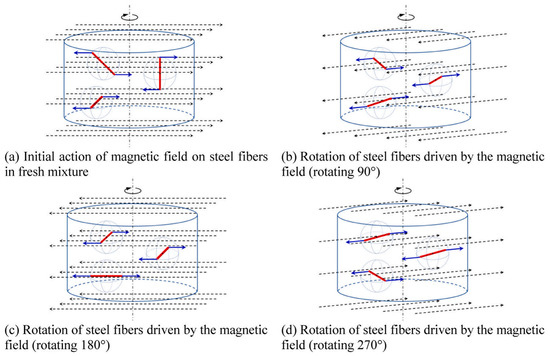
In this study, the two-dimensional aligned steel fiber-reinforced micro-expansive concrete (2D) was prepared, aiming to address the inherent vulnerabilities of concrete, such as early-age shrinkage cracking and low tensile ductility. For this purpose, the steel fibers and expansive agent were utilized. Furthermore, the planar rotating magnetic field was used to randomly distribute the steel fibers in a two-dimensional plane. In order to verify its superior mechanical and shrinkage properties, the compressive, fracture and drying shrinkage tests were carried out. The results demonstrate that the 2D alignment method enhances the fiber utilization efficiency. Compared with fiber-free groups, the compressive strength and fracture parameters of specimens incorporating steel fibers were improved. Furthermore, compared with randomly distributed steel fiber-reinforced micro-expansive concrete (RD), the 2D alignment method made the cubic compressive strength and fracture energy improve 8–14.2% and 19.4–110%, respectively. Additionally, the advantage of the fiber 2D alignment method was also reflected in the inhibition of drying shrinkage. Compared with normal concrete, the 180-day shrinkage strain of the 2D1.2 group was reduced to 200 με (only 19.5% of that of normal concrete, or 30.6% of that of micro-expansive concrete). Mechanistically, these superior performances are fundamentally governed by a coupling effect: chemical shrinkage compensation and physical alignment constraint.
Full article
(This article belongs to the Section Fiber Composites)
►▼
Show Figures

Figure 1
Open AccessArticle
MgO Nanoparticles-Functionalized Palm Leaf Biochar for Efficient and Sustainable Congo Red Removal
by
Basim Alfajri, Samah Daffalla, Hessah Alzouraiq, Salman Bin Maan, Ahmed Alfuzaya and Mohamed R. El-Aassar
J. Compos. Sci. 2026, 10(5), 270; https://doi.org/10.3390/jcs10050270 - 17 May 2026
Abstract
A major challenge in wastewater treatment lies in developing cost-effective and sustainable adsorbent materials for efficient dye removal. In this study, a novel biochar functionalized with MgO nanoparticles derived from palm leaf waste (MgO/PLB nanoparticles) was synthesized and evaluated for the removal of
[...] Read more.
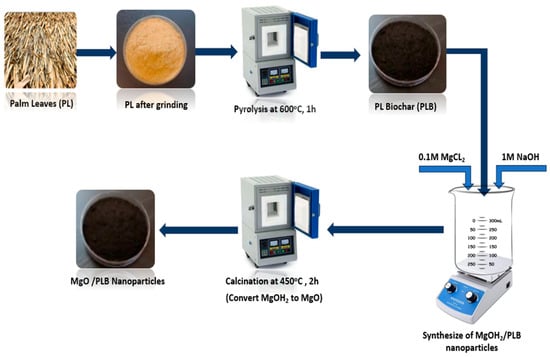
A major challenge in wastewater treatment lies in developing cost-effective and sustainable adsorbent materials for efficient dye removal. In this study, a novel biochar functionalized with MgO nanoparticles derived from palm leaf waste (MgO/PLB nanoparticles) was synthesized and evaluated for the removal of Congo red (CR) from aqueous solutions. FTIR, SEM, BET, and TGA investigations were used to thoroughly analyze the produced nanocomposite’s physicochemical properties. FTIR analysis verified the successful incorporation of MgO nanoparticles, as evidenced by the presence of characteristic Mg–O vibrations and noticeable changes in surface functional groups. SEM analysis revealed a transformation from a compact structure to a rough, particle-decorated morphology, indicating increased surface heterogeneity. BET analysis indicated the development of mesoporous structures, accompanied by a substantial increase in specific surface area from 2 to 178 m2/g. TGA results further confirmed enhanced thermal stability, indicating the formation of a structurally robust adsorbent. Batch adsorption tests showed that CR removal depends on pH, dosage, concentration, and contact time, with maximum efficiency (~99%) achieved at pH 4 using 0.03 g of adsorbent. The adsorption followed pseudo second order kinetics and was best described by the Langmuir isotherm, with a maximum capacity of 23.4 mg/g. The regenerated nanomaterial retained more than 89% of its adsorption capacity after four successive cycles, demonstrating good reusability and stability. The developed MgO/PLB nanoparticles exhibit efficient adsorption performance, combined with low-cost synthesis and the utilization of abundant agricultural waste, making it an affordable and long-lasting adsorbent for applications involving wastewater treatment.
Full article
(This article belongs to the Section Nanocomposites)
►▼
Show Figures

Figure 1
Open AccessArticle
Precise Defect Reconstruction of CPVs by Adaptive Ultrasonic Imaging
by
Jie Ding, Jinming Cao, Jiancheng Cao, Jun Zhang, Jingli Yan and Hui Ding
J. Compos. Sci. 2026, 10(5), 269; https://doi.org/10.3390/jcs10050269 - 15 May 2026
Abstract
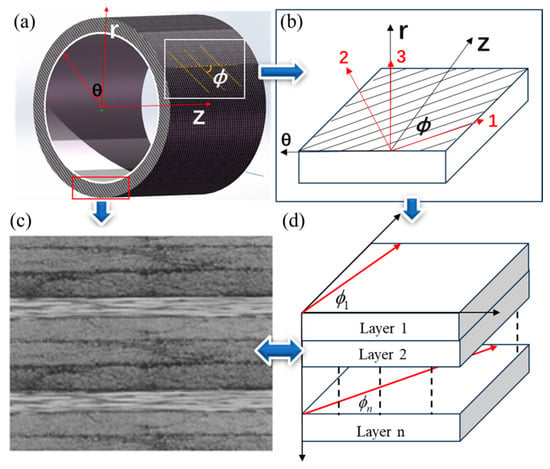
Composite hydrogen storage vessels exhibit pronounced anisotropy, multilayered winding architectures, and strong ultrasonic attenuation, which severely degrade the focusing accuracy and defect visibility of the conventional isotropic total focusing method (TFM). To address these challenges, this study proposes an enhanced TFM framework for
[...] Read more.
Composite hydrogen storage vessels exhibit pronounced anisotropy, multilayered winding architectures, and strong ultrasonic attenuation, which severely degrade the focusing accuracy and defect visibility of the conventional isotropic total focusing method (TFM). To address these challenges, this study proposes an enhanced TFM framework for defect inspection in composite hydrogen storage vessels by integrating anisotropic delay correction, Gray-code coded excitation, and coherence-weighted reconstruction. First, an anisotropic propagation delay model is established using forward ray tracing to compensate for beam deviation and focusing mismatch induced by the anisotropic winding structure. Then, Gray-code excitation and pulse compression are introduced to improve signal energy and echo detectability under high-attenuation conditions. Finally, coherence-weighted imaging is applied to suppress incoherent background noise and structural artifacts, thereby enhancing defect contrast and image readability. The proposed method is validated on hydrogen storage vessel specimens containing artificial defects, with CT results used as references. Experimental results show that, compared with conventional isotropic TFM, the proposed collaborative approach significantly improves defect imaging quality for defects of different sizes and depths. The signal-to-noise ratio is increased from 7.2, 12.8, 14.8, and 7.4 dB for isotropic TFM to 32.5, 29.9, 52.6, and 42.7 dB, respectively, for the combined anisotropic, coded-excitation, and coherence-weighted TFM. In addition, the defect depth estimation remains stable and agrees well with the CT references, yielding approximately 9.0–9.6 mm for shallow defects and 18.7–19.3 mm for deeper defects. These results demonstrate that the proposed method can effectively improve defect detectability, image contrast, and depth characterization for embedded delamination-like artificial defects in composite hydrogen storage vessels, providing a promising ultrasonic imaging strategy for thick-walled anisotropic composite pressure structures.
Full article
(This article belongs to the Section Composites Modelling and Characterization)
►▼
Show Figures

Figure 1
Open AccessArticle
Thermoresistive Characterization of Carbon Nanotube Yarn Monofilament Composites for Temperature Sensing
by
Majed Alowaid, Tannaz Tayyarian, Iriana García Guerra, Maria Alexandra Erquiaga, Nader Alhabradi, Pythagore L. Kyabutwa, Abdulrahman S. Binfaris, Shouzhong Zou, Omar Rodríguez Uicab and Jandro L. Abot
J. Compos. Sci. 2026, 10(5), 268; https://doi.org/10.3390/jcs10050268 - 14 May 2026
Abstract
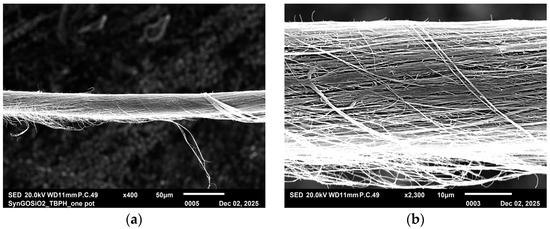
Carbon nanotube yarn (CNTY) monofilament composites were investigated for integrated temperature sensing by embedding a single CNTY in a vinyl ester resin (VER) and measuring the electrical resistance change by tapping into the thermoresistive response of the CNTY. The effect of curing condition
[...] Read more.
Carbon nanotube yarn (CNTY) monofilament composites were investigated for integrated temperature sensing by embedding a single CNTY in a vinyl ester resin (VER) and measuring the electrical resistance change by tapping into the thermoresistive response of the CNTY. The effect of curing condition on the thermoresistive response was evaluated using dwell tests and repeated heating–cooling cycles, comparing specimens cured at room temperature (RT) with those post-cured at 140 °C for 1 h. RT-cured CNTY/VER monofilament composites exhibited electrical resistance drift, with the resistance failing to return to its initial value after each thermal cycle, resulting in a residual resistance change of ~8.85%. In contrast, post-cured (PC) specimens showed a much smaller residual change (−0.08%) after cycle completion. Thermal cycling from RT (~25 °C) to 100 °C produced a nearly linear negative thermoresistive response. The average heating and cooling TCR values were −7.98 × 10⁻⁴ °C−1 and −8.32 × 10⁻⁴ °C−1 for CNTY/VER, and −7.93 × 10⁻⁴ °C−1 and −7.13 × 10⁻⁴ °C−1 for CNTY/VER-PC, respectively. The hysteresis decreased from 21.65% for RT-cured specimens to 12.49% after post-curing, accompanied by improved linearity. The influence of heating rate on TCR was also examined for both freestanding CNTYs and CNTY/VER monofilament composites. The observed response is attributed to coupled matrix–yarn effects (wetting, resin infiltration, and shrinkage) together with temperature-dependent electron transport across CNT junctions. Finally, CNTY/VER monofilament composites demonstrated the ability to estimate internal temperatures under various thermal programs.
Full article
(This article belongs to the Special Issue Feature Papers in Journal of Composites Science in 2026)
►▼
Show Figures

Figure 1
Journal Menu
► ▼ Journal Menu-
- J. Compos. Sci. Home
- Aims & Scope
- Editorial Board
- Reviewer Board
- Topical Advisory Panel
- Instructions for Authors
- Special Issues
- Topics
- Sections & Collections
- Article Processing Charge
- Indexing & Archiving
- Editor’s Choice Articles
- Most Cited & Viewed
- Journal Statistics
- Journal History
- Journal Awards
- Conferences
- Editorial Office
Journal Browser
► ▼ Journal BrowserHighly Accessed Articles
Latest Books
E-Mail Alert
News
Topics
Topic in
Alloys, Applied Mechanics, Crystals, J. Compos. Sci., Powders, Nanomaterials
Multiscale Characterization, Mechanical Behavior and Computational Simulation of Bulk Materials, Metallic Powders and/or Nanoparticles
Topic Editors: Xiangnan Pan, Qing Peng, Hui Qi, Raj DasDeadline: 30 June 2026
Topic in
Fibers, J. Compos. Sci., JMMP, Materials, Polymers, Recycling
Advanced Composites Manufacturing and Plastics Processing, 2nd Volume
Topic Editors: Patricia Krawczak, Ludwig Cardon, Frederik DesplentereDeadline: 1 September 2026
Topic in
Aerospace, Applied Sciences, Astronautics, Coatings, J. Compos. Sci., JMMP, Materials, Polymers
Advanced Materials and Manufacturing for Extreme Environments in Energy and Aerospace
Topic Editors: Richard E. Wirz, Chih-Hung (Alex) Chang, Tianyi Chen, Somayeh Pasebani, Dong Lin, Devin J. Roach, Jesse A. RodriguezDeadline: 31 October 2026
Topic in
IJMS, JFB, Macromol, Materials, J. Compos. Sci., Polymers
Recent Advances in Composite Biomaterials
Topic Editors: Diego Romano Perinelli, Florentina LupascuDeadline: 30 November 2026
Conferences
Special Issues
Special Issue in
J. Compos. Sci.
Lattice Structures
Guest Editor: Christian MittelstedtDeadline: 5 June 2026
Special Issue in
J. Compos. Sci.
Composite Thin-Walled Structures: Stability and Damage
Guest Editor: Navid KharghaniDeadline: 10 June 2026
Special Issue in
J. Compos. Sci.
Advanced Thermoelectric Composite Materials: Design, Processing, and Applications
Guest Editor: Uday M. Basheer Al-NaibDeadline: 15 June 2026
Special Issue in
J. Compos. Sci.
Advanced Fiber Composites for a Sustainable Built Environment
Guest Editors: Fatih Kantarcı, Enes EkinciDeadline: 15 June 2026
Topical Collections
Topical Collection in
J. Compos. Sci.
Editorial Board Members’ Collection Series: Fibre Composite Materials
Collection Editors: Hom Nath Dhakal, Mazeyar Parvinzadeh Gashti, Esfandiar Pakdel