Journal Description
Forensic Sciences
Forensic Sciences
is an international, peer-reviewed, open access journal on all aspects of forensic science published quarterly online by MDPI. The Portuguese Association of Forensic Sciences (APCF) is affiliated with Forensic Sciences and their members receive a discount on the article processing charges.
- Open Access— free for readers, with article processing charges (APC) paid by authors or their institutions.
- High Visibility: indexed within ESCI (Web of Science), Scopus, EBSCO, and other databases.
- Rapid Publication: manuscripts are peer-reviewed and a first decision is provided to authors approximately 22.2 days after submission; acceptance to publication is undertaken in 2.9 days (median values for papers published in this journal in the second half of 2025).
- Journal Rank: CiteScore - Q1 (Pharmacology, Toxicology and Pharmaceutics (miscellaneous))
- Recognition of Reviewers: APC discount vouchers, optional signed peer review, and reviewer names published annually in the journal.
Latest Articles
Frontal Sinus Morphology in Human Identification: Developmental Limitations—A Case Report
Forensic Sci. 2026, 6(2), 45; https://doi.org/10.3390/forensicsci6020045 - 23 May 2026
Abstract
►
Show Figures
Background/Objectives: The frontal sinus exhibits individual morphological variability that may support human identification. Its development progresses through childhood and adolescence and stabilizes in early adulthood, with age-related changes potentially affecting radiological comparisons. This study presents a forensic case report and discusses it
[...] Read more.
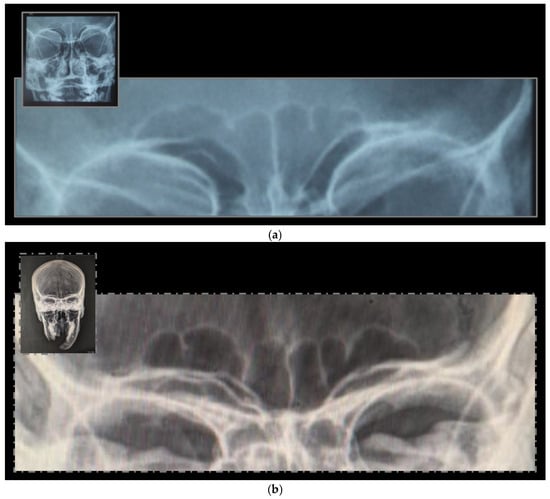
Background/Objectives: The frontal sinus exhibits individual morphological variability that may support human identification. Its development progresses through childhood and adolescence and stabilizes in early adulthood, with age-related changes potentially affecting radiological comparisons. This study presents a forensic case report and discusses it in light of the literature on frontal sinus development and forensic identification. Methods: A comparative radiological analysis was conducted using images obtained at two distinct stages of biological maturation (14 and 21 years of age). Manual delineation combined with semi-automated computational analysis was applied to assess morphological features of the frontal sinus, including contour configuration, lobulation, and dimensional parameters. Results: The intra vitam record was obtained at 14 years of age, during an active developmental phase, and the post mortem examination was obtained at 21 years, corresponding to early adulthood. Comparative analysis revealed significant morphological differences, including increased lobulation, contour complexity, and sinus expansion. These changes limited the reliability of frontal sinus morphology for identification in this case. Friction ridge examination independently established positive identification. Conclusions: This study highlights the limitations of frontal sinus analysis when applied across periods of active development and underscores the risk of misinterpretation if age-related changes are not adequately considered.
Full article
Open AccessArticle
Environmental Drivers of Blowfly Pre-Colonization Interval on Human Remains in Forensic Entomology
by
Yangseung Jeong, Lee Meadows Jantz and Yochun Jung
Forensic Sci. 2026, 6(2), 44; https://doi.org/10.3390/forensicsci6020044 - 21 May 2026
Abstract
►▼
Show Figures
Background: Accurate estimation of the pre-colonization interval (pre-CI), defined as the period between body deposition and initial insect oviposition, remains a challenge in postmortem interval estimation in forensic entomology. This study quantified the effects of environmental and contextual variables on blowfly oviposition timing
[...] Read more.
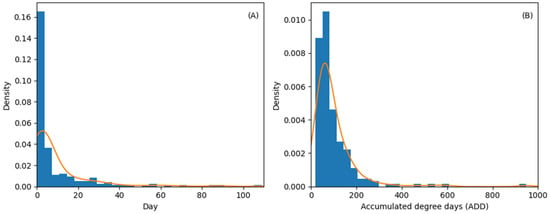
Background: Accurate estimation of the pre-colonization interval (pre-CI), defined as the period between body deposition and initial insect oviposition, remains a challenge in postmortem interval estimation in forensic entomology. This study quantified the effects of environmental and contextual variables on blowfly oviposition timing using human cadavers. Methods: Daily photographic records from 203 donated cadavers placed at the University of Tennessee Anthropology Research Facility (March 2011–July 2014) were used to document the first observed oviposition of blowflies. Multivariable general linear models evaluated the effects of monthly temperature, black plastic coverage, and pre-placement soft tissue damage on calendar days to oviposition (IOday) and accumulated degree days (IOADD). Results: Temperature was the dominant predictor, explaining substantial variation in pre-CI. Black plastic coverage significantly delayed oviposition and exhibited a temperature-dependent effect. Although soft tissue damage was associated with earlier oviposition in univariable analyses, it did not remain significant in multivariable models. Cold conditions were associated with prolonged and highly variable pre-CI. Conclusions: These findings demonstrate that temperature was the strongest predictor in this observational dataset, while contextual factors such as physical barriers modify colonization patterns. Together, they highlight the need to incorporate environmental and contextual variables into PMI estimation models and support more defensible interpretations of entomological evidence, particularly in cases involving delayed colonization or restricted insect access.
Full article

Figure 1
Open AccessArticle
“I Die for Freedom”: How an Inscribed Medallion Led to a Positive Identification of an Execution Victim of the Spanish Dictatorship
by
Eva Ronner, Nicholas Márquez-Grant, Amaya Gorostiza, Jorge Moreno Andrés, Alfonso M. Villalta Luna, Julián López García, María García Alonso, Isabel Angulo Bujanda, María García Velasco and María Benito Sánchez
Forensic Sci. 2026, 6(2), 43; https://doi.org/10.3390/forensicsci6020043 - 21 May 2026
Abstract
►▼
Show Figures
Introduction: During an excavation in 2022 of a mass grave within a cemetery in Castilla-La Mancha containing the remains of executed victims of the Spanish Civil War and Francoist dictatorship, the scientific team discovered a medallion with a name and a date inscribed
[...] Read more.
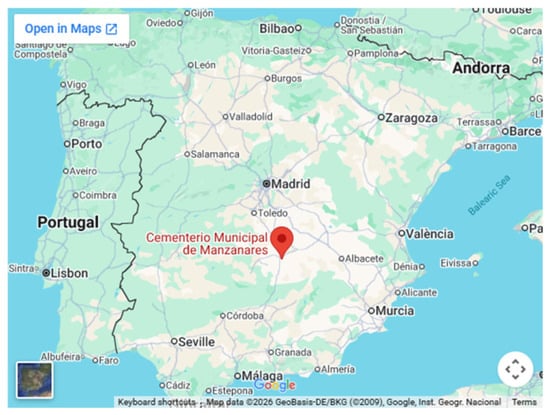
Introduction: During an excavation in 2022 of a mass grave within a cemetery in Castilla-La Mancha containing the remains of executed victims of the Spanish Civil War and Francoist dictatorship, the scientific team discovered a medallion with a name and a date inscribed on it. The medallion was associated with an individual recovered from a grave containing 12 other individuals in 5 separate stratigraphic layers. This paper aims to outline the identification process of the deceased from the skeletal remains and associated medallion. Methods: This process included archival research, gathering witness testimonies, archaeological evidence, osteological examination and DNA analysis. Results: After restoration, the medallion revealed the words “VIVA LA FIJL. VIVA LA FAI.” on one face and “MUERO POR LA LIBERTAD.” on the other. The human skeletal remains associated with the medallion showed male morphological characteristics and were estimated to be between 21 and 30 years old at the time of death, with a height between 1.64 and 1.67 m. There was skeletal evidence of ballistic trauma on the right mandible and the right scapula. Genetic analysis confirmed an mtDNA match with his maternal niece. Discussion/Conclusions: This study demonstrates the importance of a multidisciplinary approach to the identification of human remains from the Spanish Civil War and the Dictatorship which followed, and how the objects found within a mass grave can be useful in aiding a positive identification.
Full article

Figure 1
Open AccessReview
Objective Audiovestibular Assessment After Traumatic Brain Injury in Medico-Legal Contexts: A Narrative Expert Review and Practical Cross-Check Framework
by
Simona C. Ionescu, Sebastian R. Cozma, Irina S. Manoilescu, Eugen C. Ionescu and Alexandra C. Neagu
Forensic Sci. 2026, 6(2), 42; https://doi.org/10.3390/forensicsci6020042 - 21 May 2026
Abstract
Post-traumatic auditory and vestibular complaints are frequent after traumatic brain injury (TBI) and temporal bone trauma. They create particular difficulty in medico-legal practice because the evaluator must distinguish diagnosis, functional impact, plausibility of traumatic causation, and the credibility of reported deficits and/or symptoms.
[...] Read more.
Post-traumatic auditory and vestibular complaints are frequent after traumatic brain injury (TBI) and temporal bone trauma. They create particular difficulty in medico-legal practice because the evaluator must distinguish diagnosis, functional impact, plausibility of traumatic causation, and the credibility of reported deficits and/or symptoms. This manuscript is a narrative expert review, not a systematic review or a validated forensic prediction rule. It aims to synthesize clinically relevant evidence and propose a practical cross-check framework for structured audio-vestibular assessment in post-traumatic and medico-legal contexts. Pure-tone audiometry remains the functional entry point, but it should be interpreted in conjunction with speech audiometry, tympanometry, acoustic reflexes, transient-evoked and distortion-product otoacoustic emissions, auditory brainstem responses, and auditory steady-state responses. Vestibular evaluation should combine videonystagmography, video head impulse testing, cervical and ocular vestibular evoked myogenic potentials, and computerized dynamic posturography, recognizing that each method interrogates different physiological domains and frequencies. Particular emphasis is placed on the separation between clinical diagnosis, physiological localization, functional impairment, and medico-legal attribution. The article also discusses safeguards against false-positive attribution of malingering, the time course after TBI, inter-rater variability, and the role of specialist expertise in medico-legal reporting. The proposed framework does not eliminate uncertainty; rather, it is intended to make expert reasoning transparent, cautious, internally consistent, and defensible.
Full article
(This article belongs to the Special Issue New Interdisciplinary Frontiers in Forensic Sciences: Innovations, Ethical Principles and Collaborative Approaches)
Open AccessArticle
AI-Based Quantitative Handwriting and Signature Feature Analysis: Development and Validation of a Mobile Application for Forensic Document Examination—A Preliminary Study
by
Muhammet Can, Cihangir Işık and Meksel Cengiz
Forensic Sci. 2026, 6(2), 41; https://doi.org/10.3390/forensicsci6020041 - 20 May 2026
Abstract
Background/Objective: Forensic document examination (FDE) traditionally relies on subjective expert opinion. This preliminary study was designed to develop and validate a hybrid deep learning model (ResNet-50 + bidirectional long short-term memory [BiLSTM]) for quantitative handwriting and signature feature analysis, and to compare its
[...] Read more.
Background/Objective: Forensic document examination (FDE) traditionally relies on subjective expert opinion. This preliminary study was designed to develop and validate a hybrid deep learning model (ResNet-50 + bidirectional long short-term memory [BiLSTM]) for quantitative handwriting and signature feature analysis, and to compare its performance, under standardized experimental conditions, with that of three certified forensic document examiners. Methods: Handwriting and signature samples were collected from 225 individuals in a standardized setting. Fifteen quantitative handwriting features were extracted, the dataset was split into training (70%, n = 158) and testing (30%, n = 67) subsets using stratified random sampling, and ground truth for analytic categories was defined by majority consensus among the three examiners (with adjudicated review for disagreements). A hybrid architecture combining a ResNet-50 backbone and a bidirectional LSTM encoder was used. Results: The model demonstrated 93.4% accuracy, an F1-score of 0.926, and an AUC-ROC of 0.968 on the held-out test set. Under our task-specific experimental conditions, the model performed better than examiners on slant analysis (96.8% vs. 93.2%, p = 0.002), pressure profiling (94.1% vs. 91.7%, p = 0.019), and age estimation (87.4% vs. 82.1%, p = 0.011); examiners performed better on forgery detection (95.8% vs. 91.2%, p = 0.008) and signature verification (96.1% vs. 92.3%, p < 0.012). Mean processing time was reduced by 99.6% (0.8 s vs. 197 s per case). Conclusions: Within the limits of this preliminary single-centre study, the system showed performance comparable to certified examiners on several quantitative tasks and complementary strengths overall, supporting its feasibility as an adjunctive tool in a hybrid human–AI workflow. Broader, multi-centre validation and explainability work are required before any forensic deployment can be considered.
Full article
(This article belongs to the Special Issue Feature Papers in Forensic Sciences)
Open AccessArticle
Chained Lives: Veterinary Perceptions of Dog Tethering and Their Implications for Regulatory and Criminal Frameworks in Portugal
by
Ana Leonardo, Rita Files, Gonçalo da Graça Pereira and Isabel Pires
Forensic Sci. 2026, 6(2), 40; https://doi.org/10.3390/forensicsci6020040 - 17 May 2026
Abstract
Background/Objectives: Dog tethering remains a common containment practice in several regions despite increasing concerns about its implications for animal welfare. This study aimed to assess veterinary professionals’ perceptions in Portugal about the impact of dog tethering on canine health, behavior, and welfare, as
[...] Read more.
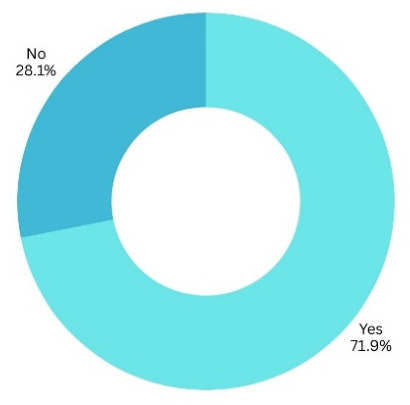
Background/Objectives: Dog tethering remains a common containment practice in several regions despite increasing concerns about its implications for animal welfare. This study aimed to assess veterinary professionals’ perceptions in Portugal about the impact of dog tethering on canine health, behavior, and welfare, as well as their views on its regulation. Methods: An anonymous, structured questionnaire was distributed online to veterinary professionals to collect data on clinical exposure to chained dogs, observed health and behavioral outcomes, and attitudes toward criminalizing the practice. Results: A total of 331 veterinarians participated, of whom 71.9% reported encountering chained dogs during their professional activities, particularly in rural areas. Most respondents perceived the tethering conditions as inadequate, particularly regarding freedom of movement and the fulfillment of behavioral needs. Frequently reported consequences included alopecia at the restraint site, poor muscle condition, physical injuries, fear-related behaviors, reduced socialization, and increased aggression. Preventing escape was identified as the primary perceived motivation for tethering. The majority of veterinarians supported some degree of criminalization, particularly when welfare impairment was evident. Conclusions: These findings reflect veterinary professionals’ perceptions of the welfare risks associated with prolonged tethering and underscore the need for integrated strategies combining regulation, education, and accessible, humane containment alternatives.
Full article
(This article belongs to the Special Issue Forensic Veterinary Medicine: Advances in Animal Forensics, Wildlife Crime and Legal Investigations)
►▼
Show Figures

Figure 1
Open AccessCase Report
Left Ventricular Free Wall Rupture After Percutaneous Coronary Intervention: A Forensic Evaluation of Sudden Death in a Bathtub—A Case Report
by
Elizabeth R. Schifris, Wilfredo Henriquez-Madrid, Darrell D. Horton and Daniel F. Gallego
Forensic Sci. 2026, 6(2), 39; https://doi.org/10.3390/forensicsci6020039 - 28 Apr 2026
Abstract
Background/Objectives: Left ventricular free wall rupture is a rare but catastrophic complication of acute myocardial infarction with extremely high mortality. Deaths occurring in water environments present unique forensic challenges requiring systematic evaluation of drowning, intoxication, trauma, and natural disease. This case report describes
[...] Read more.
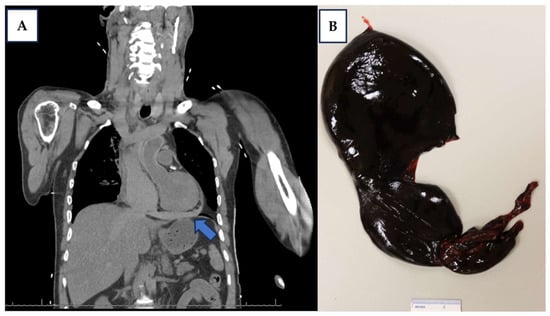
Background/Objectives: Left ventricular free wall rupture is a rare but catastrophic complication of acute myocardial infarction with extremely high mortality. Deaths occurring in water environments present unique forensic challenges requiring systematic evaluation of drowning, intoxication, trauma, and natural disease. This case report describes a fatal left ventricular free wall rupture occurring shortly after successful percutaneous coronary intervention (PCI), emphasizing the medicolegal differential diagnosis and the importance of comprehensive postmortem evaluation. Results: A 58-year-old man with non-ST-elevation myocardial infarction underwent successful PCI with three drug-eluting stents and was discharged home. Six hours later, he developed severe back pain and was found unresponsive in a bathtub. Autopsy demonstrated a 2.6 cm transmural rupture of the anterolateral left ventricular free wall with 150 mL of hemopericardium. Postmortem computed tomography (PMCT), performed as part of routine forensic evaluation, had identified hemopericardium prior to autopsy. Histology showed coagulative necrosis with neutrophilic infiltration. The rupture site was remote from stented vessels with no procedural injury. Toxicology revealed therapeutic medication levels. Pulmonary and scene findings did not support drowning as a cause of death. Conclusions: Ventricular free wall rupture remains a relevant cause of sudden death following myocardial infarction despite successful revascularization. Comprehensive forensic evaluation integrating scene investigation, macroscopic autopsy findings, histopathology, and toxicology is essential to distinguish natural disease progression from accidental or iatrogenic causes in deaths occurring in water environments. This case highlights that ventricular free wall rupture can occur shortly after apparently successful PCI and underscores the importance of comprehensive forensic evaluation in water-associated deaths.
Full article
(This article belongs to the Special Issue New Aspects of Forensic Investigation and Autopsy)
►▼
Show Figures

Figure 1
Open AccessSystematic Review
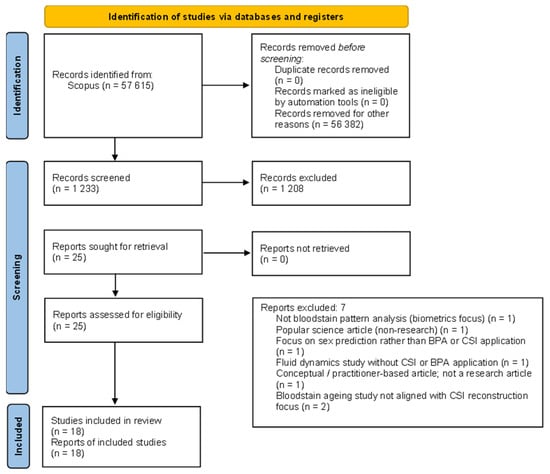
Bloodstain Pattern Analysis in Crime Scene Investigation: A Systematic Literature Review
by
Muhammad Jefri Mohd Yusof, Tharshini Chandran, Muhammad Reza Amin Reza Adnan, Eddy Saputra Rohmatul Amin, Sarah Aliah Amir Sarifudin and Nurul Ain Abu Bakar
Forensic Sci. 2026, 6(2), 38; https://doi.org/10.3390/forensicsci6020038 - 20 Apr 2026
Abstract
►▼
Show Figures
Background/Objectives: Bloodstain pattern analysis (BPA) is widely used in crime scene investigation (CSI), yet its practical application, evidential limits, and interpretive role are often discussed in fragmented or technique-focused terms. This systematic literature review examines how BPA is used in CSI, with
[...] Read more.
Background/Objectives: Bloodstain pattern analysis (BPA) is widely used in crime scene investigation (CSI), yet its practical application, evidential limits, and interpretive role are often discussed in fragmented or technique-focused terms. This systematic literature review examines how BPA is used in CSI, with emphasis on its operational functions, interpretive scope, and scientific robustness. Methods: The review followed PRISMA 2020 guidelines. A comprehensive search was conducted in Scopus using predefined Boolean strings. After screening, eligibility assessment, and manual review, 18 peer-reviewed research articles published between 1996 and 2026 were included. Data were extracted systematically and analysed using thematic synthesis. Results: The findings show that BPA is applied in CSI as an integrated evidential pathway rather than as a single analytical procedure. Its uses include bloodstain detection and documentation, geometric reconstruction through trajectory and area-of-origin analysis, differentiation of mechanisms and sources to prevent misclassification, activity-level inference based on transfer and contact phenomena, and temporal reasoning related to trace formation. The review also highlights the role of validation infrastructures, including blood substitutes, animal analogues, and computational methods, which support training, experimentation, and reproducibility under ethical and practical constraints. Across the literature, reconstruction accuracy is shown to be sensitive to documentation quality, measurement assumptions, environmental conditions, and contextual limitations. Conclusions: Overall, BPA contributes to CSI by enabling structured, context-aware interpretation of blood evidence while remaining subject to measurement assumptions, contextual influences, and cognitive factors that may affect reconstruction outcomes. Its evidential value lies not only in reconstructing events, but also in supporting transparent, testable, and defensible forensic reasoning.
Full article

Figure 1

Open AccessArticle
Sexual Violence, Judicial Seizures, and Forensic DNA Analyses: An Archive-Based Study in Milan (2016–2024)
by
Paolo Bailo, Maria Garreffa, Giuseppe Gennari, Giussy Barbara, Edgardo Somigliana, Lorenzo Franceschetti and Andrea Piccinini
Forensic Sci. 2026, 6(2), 37; https://doi.org/10.3390/forensicsci6020037 - 16 Apr 2026
Abstract
►▼
Show Figures
Background/Objectives: Forensic DNA analysis is a key investigative resource in sexual-violence casework, but its recorded use depends on how cases move through clinical, custody, judicial, and laboratory pathways. In Italy, this transition is organizationally heterogeneous and poorly documented through linkable procedural data.
[...] Read more.
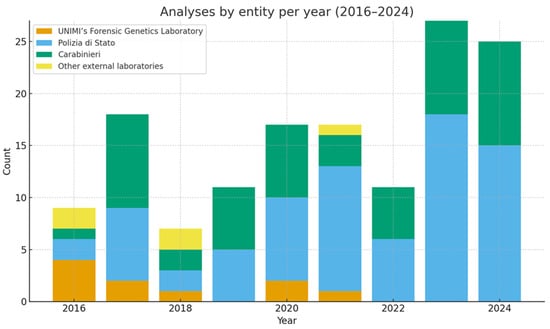
Background/Objectives: Forensic DNA analysis is a key investigative resource in sexual-violence casework, but its recorded use depends on how cases move through clinical, custody, judicial, and laboratory pathways. In Italy, this transition is organizationally heterogeneous and poorly documented through linkable procedural data. This study aimed to describe archive-based trends in archived cases, documented judicial seizures, and recorded forensic DNA analyses within a Milan-based clinical-forensic custody pathway from 2016 to 2024. Methods: A retrospective, archive-based observational study was conducted using records from the institutional UNIMI forensic custody observatory linked to the SVSeD pathway. The primary dataset included annual counts of archived sexual-violence-related cases, cases with documented judicial seizure of biological evidence, and cases with recorded forensic DNA analysis. For contextual interpretation, aggregate centre-level indicators, namely total sexual-violence cases and ex officio reports, were also reviewed as non-linkable background data. Only descriptive analyses were performed, and no causal inference was attempted. Results: Over the study period, the archive recorded 2311 cases, 102 cases with documented judicial seizure of biological evidence, and 142 cases with recorded forensic DNA analysis. The temporal series showed marked variability, including a decline in 2020, followed by recovery in subsequent years. Most recorded forensic DNA analyses were documented as being performed by the Polizia Scientifica and Carabinieri (RIS/RaCIS), whereas smaller proportions involved the university laboratory and other external laboratories. Contextual indicators showed a progressive increase in total sexual-violence cases over time, while ex officio reports did not rise proportionally. Conclusions: The findings document pathway-level attrition between archived cases, documented seizure, and recorded forensic DNA analysis, but they do not identify the exact procedural stage at which attrition occurs. The absence of standardized case-level procedural variables precludes causal attribution for non-seizure or non-analysis of biological evidence. Future evaluation of forensic DNA utilization in sexual-violence casework will require standardized tracking across clinical, custody, judicial, and laboratory stages.
Full article

Figure 1
Open AccessArticle
Survey of Cellular Autofluorescence Variation in Saliva Deposits: Implications for Estimating Time Since Deposition
by
Arianna DeCorte, Gabrielle Wolfe, M. Katherine Philpott and Christopher J. Ehrhardt
Forensic Sci. 2026, 6(2), 36; https://doi.org/10.3390/forensicsci6020036 - 9 Apr 2026
Abstract
►▼
Show Figures
Background/Objectives: The goal of this study was to characterize changes in autofluorescence of epithelial cells obtained from saliva stains that occur with time and investigate the potential for these changes to serve as time-since-deposition (TSD) signatures for this sample type. Methods: Saliva from
[...] Read more.
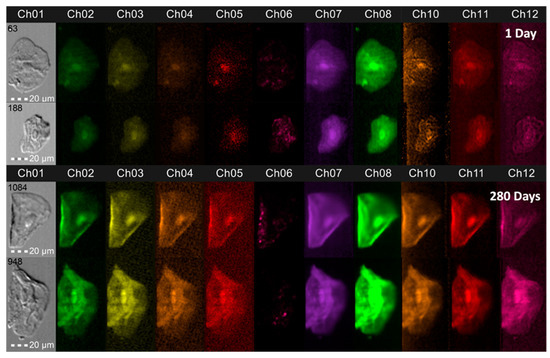
Background/Objectives: The goal of this study was to characterize changes in autofluorescence of epithelial cells obtained from saliva stains that occur with time and investigate the potential for these changes to serve as time-since-deposition (TSD) signatures for this sample type. Methods: Saliva from 50 individuals was used to create 208 deposits that were aged between one day and nine months. Autofluorescence profiles of individual cells were obtained from each sample using imaging flow cytometry (IFC) and analyzed across nine different emission channels ranging between 435 nm and 800 nm. Results: Results showed strong evidence for linear increases in autofluorescence intensity when epithelial cells from a single donor deposit were measured over time (12 of 14 donors r ≥ 0.9). When autofluorescence profiles from all 50 donors were combined into a single time series, variation in autofluorescence intensity was observed between individual deposits with the same TSD. This inter-contributor variation decreased the overall strength of the linear relationship (r = 0.83) and yielded residual errors of ~8 days for samples that were actually 1 day old and ~82 days for samples that were over 180 days old using a linear regression model. Although this approach may not currently be amenable to estimating TSD to the day with high accuracy, clear, non-overlapping differences in autofluorescence intensity were still observed between certain time intervals, e.g., saliva deposits that were aged for 1 day compared to saliva deposits that were aged for more than 120 days. Conclusions: This suggests that cellular autofluorescence signatures have the potential to be probative when hypotheses for sample deposition involve disparate time intervals or as a screening tool for identifying which samples are most likely relevant to the crime in question based on their deposition time.
Full article

Figure 1

Open AccessArticle
Sex Estimation from CT-Derived Craniofacial Measurements in Thai Adults: Comparative Performance of Discriminant Function Analysis, Support Vector Machine, and Random Forest with Forensic Case Application Examples
by
Suthat Duangchit, Woranan Kirisattayakul, Prin Twinprai, Naraporn Maikong, Nattaphon Twinprai, Jiratcha Witchathrontrakul, Thongjit Mahajanthavong, Chalermphon Pitirith, Kanokwan Lamai, Phatthiraporn Aorachon, Sararat Innoi, Nareelak Tangsrisakda, Sitthichai Iamsaard and Chanasorn Poodendaen
Forensic Sci. 2026, 6(2), 35; https://doi.org/10.3390/forensicsci6020035 - 8 Apr 2026
Abstract
►▼
Show Figures
Background/Objectives: Sex estimation from craniofacial morphology is a fundamental component of biological profile construction in forensic anthropology. Population-specific reference data for Thai individuals derived from computed tomography (CT) remain limited, and direct comparisons between discriminant function analysis (DFA) and machine learning classifiers
[...] Read more.
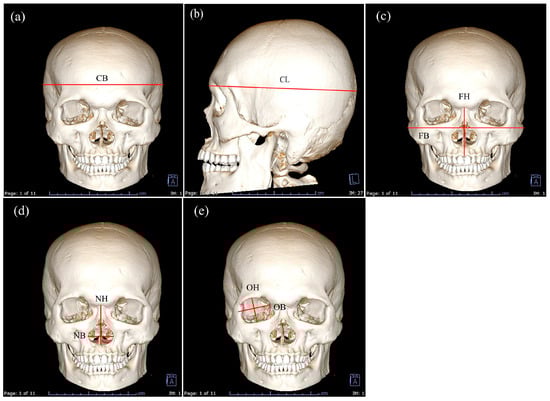
Background/Objectives: Sex estimation from craniofacial morphology is a fundamental component of biological profile construction in forensic anthropology. Population-specific reference data for Thai individuals derived from computed tomography (CT) remain limited, and direct comparisons between discriminant function analysis (DFA) and machine learning classifiers are frequently complicated by inconsistent validation protocols. This study aimed to characterize sexual dimorphism in CT-derived craniofacial measurements, compare the classification performance of DFA, support vector machine (SVM), and random forest (RF) under a unified validation protocol, and demonstrate their practical application in a forensic context. Methods: CT images from 300 Thai adults (150 males, 150 females; age range 20–90 years) were obtained from Srinagarind Hospital, Khon Kaen University. Eight linear craniofacial measurements spanning the cranial vault, facial skeleton, nasal aperture, and orbital region were obtained from each case. DFA, SVM, and RF were developed and compared under a unified leave-one-out cross-validation protocol. Classification performance was assessed using accuracy, AUC, and Matthews correlation coefficient (MCC). Results: Seven of eight measurements exhibited statistically significant sexual dimorphism, with facial breadth and nasal height demonstrating the greatest dimorphism. DFA achieved the highest classification accuracy of 85.7%, AUC of 0.924, and MCC of 0.713, incorporating five measurements into the canonical function. SVM and RF achieved comparable accuracy of 84.7% and 84.0%, respectively. All three classifiers correctly classified both forensic application cases with high confidence. Conclusions: CT-derived craniofacial measurements provide a reliable basis for sex estimation in Thai adults. The convergence of performance across all three classifiers under a unified internal validation protocol strengthens confidence in the internally validated performance estimates. The derived discriminant function equation and saved machine learning models constitute a complementary and immediately applicable toolkit for CT-based forensic sex estimation in the Thai population.
Full article

Figure 1
Open AccessArticle
The Influence of Direct Sunlight Exposure and Forensic Usability of Latent Fingerprints
by
Michal Soták, Mária Chovancová, Petra Švábová, Zuzana Kozáková and Radoslav Beňuš
Forensic Sci. 2026, 6(2), 34; https://doi.org/10.3390/forensicsci6020034 - 2 Apr 2026
Abstract
►▼
Show Figures
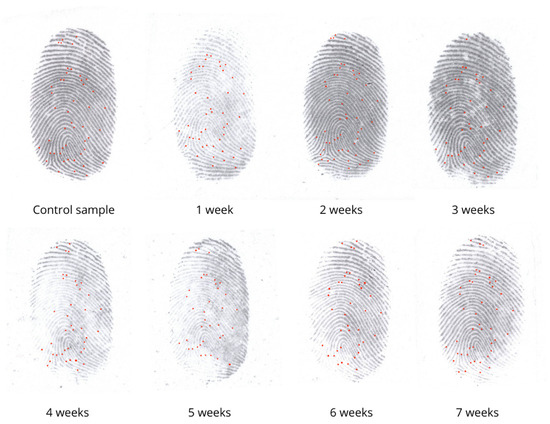
Background: Latent fingerprints are crucial forensic evidence, but their stability can be affected by environmental factors such as direct sunlight. The findings indicate that prolonged sunlight exposure may be associated with reduced fingerprint quality and forensic usability. Methods: A total of
[...] Read more.
Background: Latent fingerprints are crucial forensic evidence, but their stability can be affected by environmental factors such as direct sunlight. The findings indicate that prolonged sunlight exposure may be associated with reduced fingerprint quality and forensic usability. Methods: A total of 322 groomed latent fingerprints from one volunteer were deposited on non-porous glass and exposed to direct sunlight for 1–7 weeks. A control sample was preserved without exposure. Fingerprints were developed using magnetic powder and assessed by minutiae counts. Usability was classified according to Slovak forensic standards. Statistical analysis was conducted using the Friedman test and Durbin–Conover test. Results: Significant differences in minutiae counts were observed between the control and selected exposure intervals (weeks 1, 3, 4, 6 and 7; p < 0.05). The degradation pattern was not linear, with initial decreases followed by stabilization in later weeks. Despite statistical differences, 99.38% of fingerprints remained usable for identification, and none were classified as non-usable. Conclusions: Prolonged direct sunlight exposure did not substantially reduce the identificatory value of groomed latent fingerprints on glass. Even after several weeks, most fingerprints retained sufficient ridge detail for personal identification, supporting their evidential relevance in outdoor forensic contexts.
Full article

Figure 1

Open AccessArticle
Dentine Metabolomics for Forensic Identification: A Pilot Study of the 1H-NMR Approach to Postmortem Cancer Detection
by
Chaniswara Hengcharoen, Churdsak Jaikang, Giatgong Konguthaithip, Paknaphat Watwaraphat, Karune Verochana and Tawachai Monum
Forensic Sci. 2026, 6(2), 33; https://doi.org/10.3390/forensicsci6020033 - 26 Mar 2026
Abstract
►▼
Show Figures
Background: Reliable identification remains a cornerstone of forensic investigations, particularly when encountering degraded remains or suboptimal biological evidence. This study evaluates the potential of dentine metabolomics, utilizing proton nuclear magnetic resonance (1H-NMR) spectroscopy, to detect cancer-associated metabolic signatures in dental
[...] Read more.
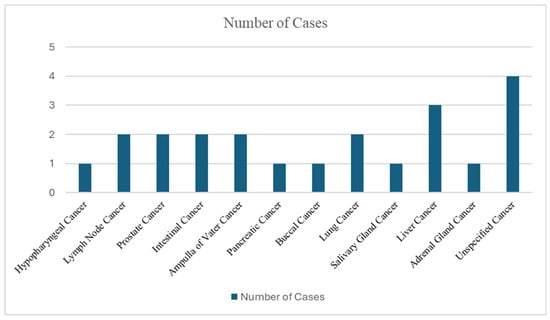
Background: Reliable identification remains a cornerstone of forensic investigations, particularly when encountering degraded remains or suboptimal biological evidence. This study evaluates the potential of dentine metabolomics, utilizing proton nuclear magnetic resonance (1H-NMR) spectroscopy, to detect cancer-associated metabolic signatures in dental tissues for forensic applications. Methods: Forty-four non-carious second molars were analyzed, comprising 22 samples from deceased individuals with a documented history of cancer and 22 age- and sex-matched controls. Metabolomic profiling was conducted using 1H-NMR spectroscopy to identify and quantify dentine metabolites. Statistical evaluation included unsupervised principal component analysis (PCA), partial least squares discriminant analysis (PLS-DA), receiver operating characteristic (ROC) curve analysis, and exploratory binary logistic regression. Results: Among the 209 identified metabolites, inosinic acid and 2-ketobutyric acid were identified as the most robust discriminative biomarkers across both multivariate and univariate frameworks. The exploration within-sample predictive model achieved a Nagelkerke R2 of 0.822 and an overall classification accuracy of 90.9%, with a specificity of 95.5% and a sensitivity of 86.4%. These key metabolites are fundamentally associated with purine metabolism and oxidative stress pathways frequently dysregulated in oncogenesis. Conclusions: This pilot study suggests that dentine may retain metabolomic information associated with cancer comorbidity under heterogeneous postmortem conditions. However, the findings remain exploratory and require validation in larger cohorts with standardized postmortem variables before practical forensic implementation.
Full article

Figure 1
Open AccessReview
Postmortem Pink Teeth in Forensic Medicine: A Scoping Review of Forensic Significance and Interpretive Limits
by
Inês Lopes Cardoso, Mariana Sá, Maria Teresa Moreira and Maria Inês Guimarães
Forensic Sci. 2026, 6(2), 32; https://doi.org/10.3390/forensicsci6020032 - 24 Mar 2026
Abstract
►▼
Show Figures
Background/Objectives: The presence of postmortem pink teeth is a phenomenon occasionally observed during forensic autopsies. This phenomenon has been typically associated with deaths involving drowning, asphyxiation, trauma, or electrocution. However, the recent literature suggests that it is nonspecific. Despite being recognized in forensic
[...] Read more.
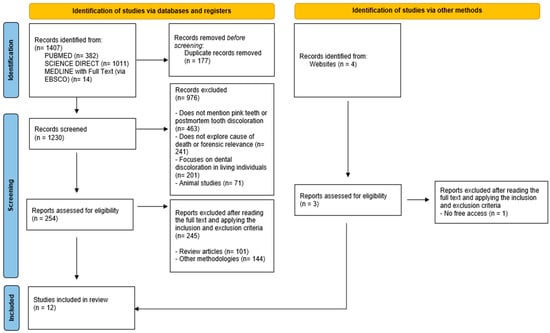
Background/Objectives: The presence of postmortem pink teeth is a phenomenon occasionally observed during forensic autopsies. This phenomenon has been typically associated with deaths involving drowning, asphyxiation, trauma, or electrocution. However, the recent literature suggests that it is nonspecific. Despite being recognized in forensic literature for decades, its pathophysiology, prevalence, and forensic relevance remain controversial. The existing evidence is scattered and primarily based on case reports, narrative reviews, or isolated observations. This scoping review aims to systematically map the available scientific evidence on the phenomenon of postmortem pink teeth and its potential role in determining the cause of death within the context of forensic medicine. Methods: This review was conducted following the Joanna Briggs Institute (JBI) methodology for scoping reviews and reported according to the PRISMA-ScR (Preferred Reporting Items for Systematic Reviews and Meta-Analyses extension for Scoping Reviews) guidelines. Results: A comprehensive search was carried out across multiple databases to identify studies addressing the occurrence, mechanisms, and forensic interpretation of pink teeth in postmortem examinations. After application of the inclusion and exclusion criteria, the search allowed for the selection of 12 publications (case reports and observational studies). Conclusions: Collected data from the selected studies allowed us to conclude that PTP is a nonspecific taphonomic artifact, lacking diagnostic value in determining the cause of death. Mapping the current evidence on pink teeth contributed to a better understanding of this phenomenon and its lack of forensic significance, promoting more informed decision-making in postmortem assessments.
Full article

Figure 1
Open AccessArticle
Determination of Common Metabolites for Methoxylated Fentanyl Analogs
by
Jillian Morgan and Candice Bridge
Forensic Sci. 2026, 6(1), 31; https://doi.org/10.3390/forensicsci6010031 - 15 Mar 2026
Abstract
►▼
Show Figures
Background/Objectives: The opioid crisis is an ongoing problem in the United States, and fentanyl analogs play a major role in the issue, as novel fentanyl analogs are constantly being developed. Substitutions and additions to the fentanyl scaffold impact the potency of the
[...] Read more.
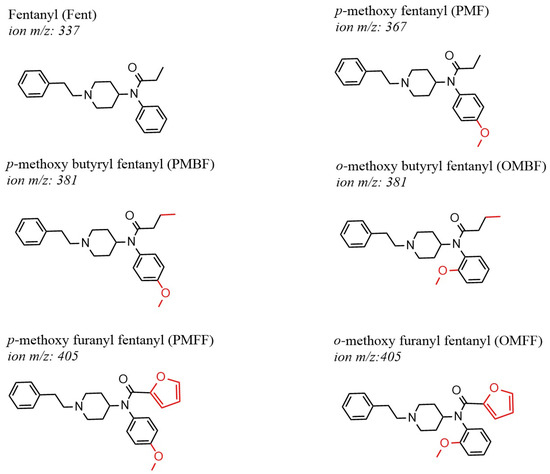
Background/Objectives: The opioid crisis is an ongoing problem in the United States, and fentanyl analogs play a major role in the issue, as novel fentanyl analogs are constantly being developed. Substitutions and additions to the fentanyl scaffold impact the potency of the substances and can sometimes influence the biotransformation of the drugs. This study aimed to determine whether one or more common metabolites could be detected among a group of five methoxylated fentanyl analogs, for the purpose of eventually providing a more rapid detection method for new and unknown fentanyl-related compounds in toxicological samples. Methods: In vitro metabolism via pooled human liver microsomes (HLMs) was performed for five methoxylated fentanyl analogs (para-methoxyfentanyl, ortho- and para-methoxy butyryl fentanyl, and ortho- and para-methoxy furanyl fentanyl) to generate metabolites. Assays were analyzed via liquid chromatography–tandem mass spectrometry. Results: Nine metabolites were detected. A common metabolite was observed between fentanyl analogs that were methoxylated at the para-position. Conclusions: Similarities between metabolites of five methoxylated fentanyl analogs were noted. It appeared that the major pathway of metabolism for methoxylated fentanyl analogs is largely consistent, regardless of the location of the methoxy substituent so long as the piperidine nitrogen is unobstructed and is available for N-dealkylation. This research provides valuable insight to potentially find new ways for toxicologists to identify novel methoxylated fentanyl analogs in biological matrices.
Full article

Figure 1
Open AccessArticle
Calcaneal Spurs in Thai Skeletons: High Prevalence and Population-Specific Patterns for Forensic Identification
by
Phatthiraporn Aorachon, Tarinee Sawatpanich, Suthat Duangchit, Chanasorn Poodendaen and Sitthichai Iamsaard
Forensic Sci. 2026, 6(1), 30; https://doi.org/10.3390/forensicsci6010030 - 9 Mar 2026
Abstract
►▼
Show Figures
Background/Objectives: Calcaneal spurs are pathological bone formations at entheseal attachment sites with clinical implications but limited forensic anthropological applications. While entheseal changes have been proposed as age estimation markers in forensic contexts, empirical validation remains insufficient, particularly for Southeast Asian populations. This study
[...] Read more.
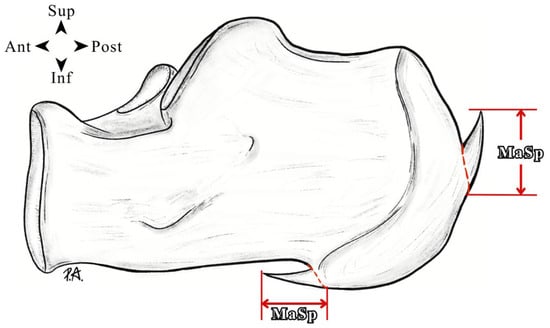
Background/Objectives: Calcaneal spurs are pathological bone formations at entheseal attachment sites with clinical implications but limited forensic anthropological applications. While entheseal changes have been proposed as age estimation markers in forensic contexts, empirical validation remains insufficient, particularly for Southeast Asian populations. This study evaluated calcaneal spur utility for forensic age estimation in Thai skeletal remains while establishing population-specific osteological reference data for forensic individuation. Materials and Methods: The 3516 dry calcanei from 1758 Northeastern Thai skeletons (1031 males, 727 females; age 22–106 years) were examined. Spurs were classified by anatomical location as dorsal (D-type), plantar (P-type), or combined plantar–dorsal (P–D type). The morphometric measurements were performed bilaterally. Age-associated patterns were analyzed across four age cohorts (≤40, 41–50, 51–60, ≥61 years), and Random Forest machine learning classification tested forensic age estimation capacity using 10-fold cross-validation. Results: Overall prevalence reached 67.63% with distinctive P–D type predominance. While age-stratified prevalence increased from 24.56% (≤40 years) to 74.77% (≥61 years), Random Forest modeling explicitly demonstrated overall classification accuracy of 62.5%. Compared between sexes, the maximum length of calcaneal spurs was significantly longer in males. Dimensional analyses revealed weak age correlations and substantial inter-individual morphological variation precluded reliable age prediction. Interestingly, the unique P–D type distribution pattern (77.5% among spur-bearing individuals) may serve as an auxiliary marker for Thai population affinity assessment in forensic contexts. Conclusions: This study established the first comprehensive Thai-specific osteological reference for calcaneal spurs, revealing distinctive plantar–dorsal type predominance valuable for forensic population affinity assessment and provided population-specific baseline data for forensic individuation.
Full article

Figure 1
Open AccessSystematic Review
The Spectrum of Choice: A Review of European Abortion Legal Frameworks from a Medicolegal Perspective
by
Francesco Orsini, Luigi Cipolloni, Paola Frati, Giovanni Pollice, Chiara Fabrello and Stefania De Simone
Forensic Sci. 2026, 6(1), 29; https://doi.org/10.3390/forensicsci6010029 - 9 Mar 2026
Abstract
Background/Objectives: Abortion legislation represents a complex intersection of medical practice, ethical considerations, and legal frameworks that demonstrate significant legal heterogeneity across Europe. This study undertakes a comprehensive comparative assessment of the statutory schemes governing abortion across the European continent, examining gestational limits,
[...] Read more.
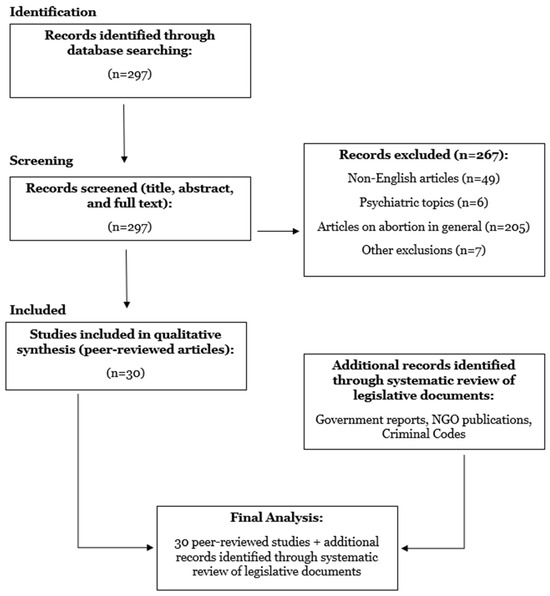
Background/Objectives: Abortion legislation represents a complex intersection of medical practice, ethical considerations, and legal frameworks that demonstrate significant legal heterogeneity across Europe. This study undertakes a comprehensive comparative assessment of the statutory schemes governing abortion across the European continent, examining gestational limits, exceptional circumstances, and regulatory requirements. Methods: A comparative legal analysis was conducted across 31 European jurisdictions. Primary legislative instruments were identified and authenticated through official governmental sources, parliamentary databases, and legal repositories to ensure analysis of current consolidated legislation. Data extraction focused on gestational limits, exceptional circumstances, procedural requirements, and constitutional provisions to categorize jurisdictions into regulatory models. Additionally, a structured literature search was performed in PubMed and Scopus (2015–2025) using the keywords “abortion,” “law,” and “Europe.” From 297 screened records, 30 articles were selected to contextualize legislative evolution and scholarly discourse. Results: The comparative analysis identified substantial heterogeneity in European abortion legislation, revealing four distinct regulatory models. Most jurisdictions establish a legal limit for elective abortion of approximately 12 weeks of gestation, with variations ranging from 10 weeks to 24 weeks. Exceptions to gestational limits are widely recognized for maternal life-threatening conditions, severe fetal anomalies and pregnancies resulting from sexual violence. Conclusions: European abortion legislation reflects persistent regulatory pluralism rather than convergence toward a unified model. While commonality exists regarding early gestational limits for elective abortion, significant variation remains in exceptional circumstances, procedural requirements, and underlying regulatory philosophies. This heterogeneity impacts healthcare provision, cross-border reproductive care, and medico-legal practice. The identified regulatory models illustrate diverse balances between reproductive autonomy and state interests. Future research should examine the practical consequences of these diverse schemes on health outcomes and cross-border patient mobility.
Full article
(This article belongs to the Special Issue Feature Papers in Forensic Sciences)
►▼
Show Figures

Figure 1
Open AccessReview
Applicability of Dental Ground Sections in Forensic Science
by
Larisa Adela Udriştioiu and Mihai Andrei
Forensic Sci. 2026, 6(1), 28; https://doi.org/10.3390/forensicsci6010028 - 6 Mar 2026
Abstract
►▼
Show Figures
Dental hard tissues, through their remarkable resistance to degradation, represent one of the most durable biological materials available for postmortem investigation. The preparation of undecalcified or ground sections allows microscopic visualization of enamel, dentin and cementum structures, which can preserve chronological, physiological, or
[...] Read more.
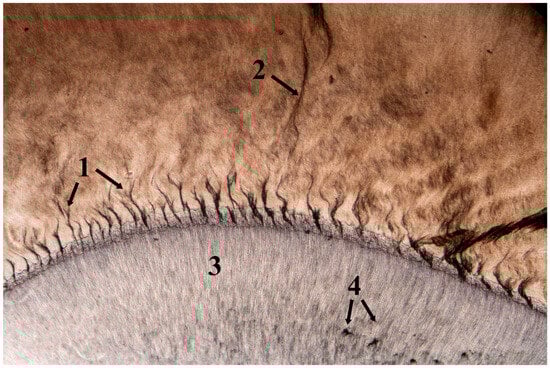
Dental hard tissues, through their remarkable resistance to degradation, represent one of the most durable biological materials available for postmortem investigation. The preparation of undecalcified or ground sections allows microscopic visualization of enamel, dentin and cementum structures, which can preserve chronological, physiological, or environmental information. This review provides a comprehensive overview of the forensic applications of dental hard tissue ground sections, focusing on methodological principles, interpretive potential and practical constraints. The literature in forensic odontology highlights their relevance for age estimation through tooth cementum annulation, identification of neonatal and accentuated stress lines, and the assessment of thermal or chemical alterations. While these methods have proven scientific validity in anthropology and histology, their forensic implementation remains limited by heterogeneity in protocols and interpretative subjectivity. Standardization of preparation techniques, digital imaging, and integration with complementary analyses such as micro-CT or SEM could enhance the reliability and medico-legal relevance of this classical but underused approach.
Full article

Figure 1
Open AccessReview
Snake Bite Management and Medico-Legal Considerations: An Italian Case and a Narrative Review with International Comparison
by
Lina De Paola, Damiano Marchesini, Monica La Greca, Flavia Sciuttini, Anna Claudia Caruso, Gabriele Napoletano, Bruno Cirillo and Enrico Marinelli
Forensic Sci. 2026, 6(1), 27; https://doi.org/10.3390/forensicsci6010027 - 5 Mar 2026
Abstract
Background/Objectives: Viper envenomation in Italy is uncommon but carries significant clinical and forensic implications: an average of 257 bites per year are estimated, with only one fatality. This epidemiological context necessitates careful consideration of the standard of care and professional liability The article
[...] Read more.
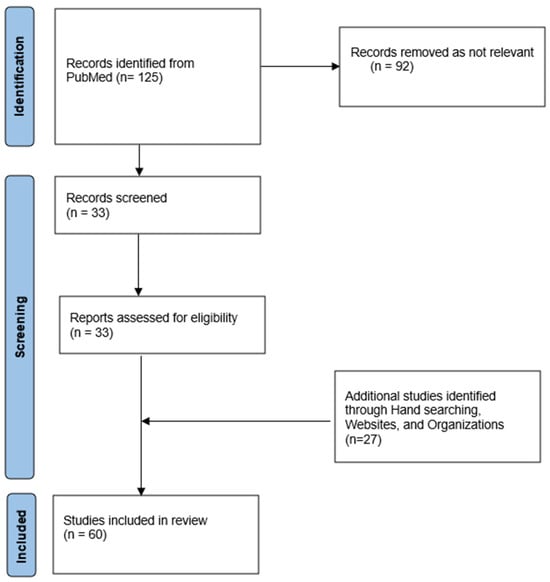
Background/Objectives: Viper envenomation in Italy is uncommon but carries significant clinical and forensic implications: an average of 257 bites per year are estimated, with only one fatality. This epidemiological context necessitates careful consideration of the standard of care and professional liability The article aims to outline the clinical and medico-legal dimensions of viper bites within both national and international contexts. Methods: We report the case of a 40-year-old woman bitten by a viper in an urban environment. At the initial emergency department visit the presentation was classified as Grade 0 (“dry bite”) according to Boels and, after 21 h, was discharged in good condition. Three days later, she returned with worsening symptoms and CT imaging revealed intrafascial and subcutaneous edema. The subsequent onset of complications prompted a criminal malpractice investigation. Therefore, we performed a PubMed search which yielded 125 records; after applying eligibility criteria, 33 articles were included, supplemented by manual reference checking for a total of 60 sources reviewed. Results: Comparison with the Australian model suggests the need for more standardized care pathways in Italy, while accounting for local toxicological and epidemiological specificities. Conclusions: This case and the accompanying literature analysis highlight that, even in low-incidence settings, structured patient communication, multidisciplinary management, collaboration with Poison Control Centers, and adherence to good clinical practice are crucial for patient safety and for mitigating medico-legal risk.
Full article
(This article belongs to the Special Issue New Interdisciplinary Frontiers in Forensic Sciences: Innovations, Ethical Principles and Collaborative Approaches)
►▼
Show Figures

Figure 1
Open AccessReview
Gender-Based Violence and Femicide: A Comparative Analysis of the Evolution of International and Italian Legislation to Identify Appropriate Clinical and Judicial Management of Victims of Abuse—The “Pink Code” Pathway and Its Medico-Legal Implications
by
Federica Spadazzi, Dalila Tripi, Miriam Ottaviani, Paola Frati, Mauro Arcangeli and Gianpietro Volonnino
Forensic Sci. 2026, 6(1), 26; https://doi.org/10.3390/forensicsci6010026 - 5 Mar 2026
Abstract
Introduction: Gender-based violence and femicide represent the most extreme manifestation of a deep-rooted cultural distortion embedded within patriarchal social structures. In this study, adopting a comparative and multidisciplinary approach, we analyzed the evolution of international legislation and the major historical milestones in the
[...] Read more.
Introduction: Gender-based violence and femicide represent the most extreme manifestation of a deep-rooted cultural distortion embedded within patriarchal social structures. In this study, adopting a comparative and multidisciplinary approach, we analyzed the evolution of international legislation and the major historical milestones in the protection of women’s rights and the prevention of gender-based violence at both the global and Italian levels. Specific protocols such as the “Pink code” were examined, with particular attention to medico-legal implications and the clinical management of victims, highlighting how violence against women continues to be fuelled by stereotypes, discrimination, and unequal power relations. Materials and Methods: Gender-based violence and femicide were examined from both national and international perspectives. A total of 73 scientific articles in English and 28 legal sources were selected from an initial pool of 918 publications, through a narrative review with a structured search strategy of international and Italian legislation and scientific literature. Electronic databases (PubMed and Google Scholar) were searched for the period 2000–2025. Only original observational studies, medico-legal analyses, epidemiological reports, and forensic case series were included. Cases primarily related to pregnancy, migration, infanticide, suicide, or substance abuse were excluded to reduce heterogeneity and focus on violence rooted in gender-based power asymmetries. Results: The legislative analysis shows a progressive strengthening of protection mechanisms, particularly between 2012 and 2023, following the ratification of the Istanbul Convention, the increase in intimate partner violence, and the COVID-19 pandemic. In Italy, the repeal of discriminatory norms and the introduction of specific legislative measures have led to increased attention toward prevention, protection, and prosecution of gender-based violence. Protocols such as the ‘Pink Code’, an Italian hospital-based multidisciplinary pathway activated mainly in emergency departments for the early identification, clinical care, medico-legal documentation, and judicial protection of victims of gender-based violence, have improved multidisciplinary management of victims within healthcare and judicial settings, although significant challenges remain regarding the full enforcement of legislation and the effective protection of women. The analysis focuses on female victims, in accordance with the Italian legal definition of gender-based violence, while other forms of gender-related violence were considered beyond the scope of this review. Conclusions: Despite substantial legal advances, combating gender-based violence clearly requires an integrated approach that combines prevention, assistance, and prosecution. Strengthening collaboration among institutions, healthcare services, and the judicial system—consistent with international recommendations—is essential to ensure an effective and rights-based response to victims. Overcoming the cultural and social barriers that perpetuate violence remains a fundamental priority, alongside promoting genuine gender equality.
Full article
(This article belongs to the Special Issue Feature Papers in Forensic Sciences)
►▼
Show Figures

Figure 1
Highly Accessed Articles
Latest Books
E-Mail Alert
News
Topics
Topic in
Geosciences, Heritage, Remote Sensing, Sensors, Forensic Sciences
Ground Penetrating Radar (GPR) Techniques and Applications, 2nd Edition
Topic Editors: Pier Matteo Barone, Alastair Ruffell, Vincenzo SapiaDeadline: 30 November 2026
Conferences
Special Issues
Special Issue in
Forensic Sciences
New Interdisciplinary Frontiers in Forensic Sciences: Innovations, Ethical Principles and Collaborative Approaches
Guest Editors: Lina De Paola, Enrico Marinelli, Gabriele NapoletanoDeadline: 24 August 2026
Special Issue in
Forensic Sciences
New Aspects of Forensic Investigation and Autopsy
Guest Editor: Sara SabloneDeadline: 28 October 2026
Special Issue in
Forensic Sciences
Forensic Anthropology and Human Biological Variation: 2nd Edition
Guest Editor: Radoslav BeňušDeadline: 30 December 2026
Special Issue in
Forensic Sciences
Challenges and Future Trends of Forensic Toxicology
Guest Editor: Pietro ZuccarelloDeadline: 30 December 2026