
Journal Description
AI
AI
is an international, peer-reviewed, open access journal on artificial intelligence (AI), including broad aspects of cognition and reasoning, perception and planning, machine learning, intelligent robotics, and applications of AI, published monthly online by MDPI.
- Open Access— free for readers, with article processing charges (APC) paid by authors or their institutions.
- High Visibility: indexed within ESCI (Web of Science), Scopus, EBSCO, and other databases.
- Journal Rank: JCR - Q1 (Computer Science, Interdisciplinary Applications) / CiteScore - Q2 (Artificial Intelligence)
- Rapid Publication: manuscripts are peer-reviewed and a first decision is provided to authors approximately 19.2 days after submission; acceptance to publication is undertaken in 3.9 days (median values for papers published in this journal in the second half of 2025).
- Recognition of Reviewers: APC discount vouchers, optional signed peer review, and reviewer names published annually in the journal.
- Journal Cluster of Artificial Intelligence: AI, AI in Medicine, Algorithms, BDCC, MAKE, MTI, Stats, Virtual Worlds and Computers.
Impact Factor:
5.0 (2024);
5-Year Impact Factor:
4.6 (2024)
Latest Articles
From Automation to Collaboration: Mapping AI–Human Interaction in Organizations Through Bibliometric Analysis
AI 2026, 7(6), 189; https://doi.org/10.3390/ai7060189 - 25 May 2026
Abstract
Artificial intelligence (AI) increasingly permeates organizational work, yet research on AI–human collaboration remains fragmented and lacks a unified structure. This study provides a comprehensive bibliometric mapping of AI–human collaboration by examining its intellectual foundations and emerging research fronts across multiple disciplines. Using document
[...] Read more.
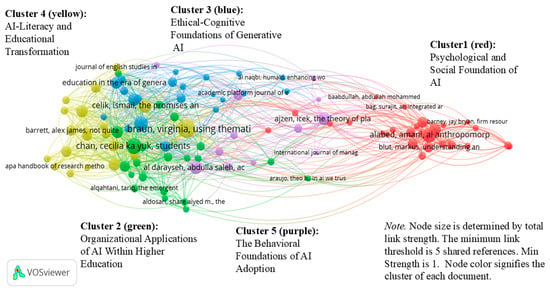
Artificial intelligence (AI) increasingly permeates organizational work, yet research on AI–human collaboration remains fragmented and lacks a unified structure. This study provides a comprehensive bibliometric mapping of AI–human collaboration by examining its intellectual foundations and emerging research fronts across multiple disciplines. Using document co-citation and bibliographic coupling analysis, the study examines how research on AI–human collaboration has evolved and where it is heading. Data were collected from the Scopus database. A total of 2178 primary documents and 15,078 secondary documents were retrieved and analyzed using VOSviewer (1.6.20) software to visualize the thematic interconnectedness. Results from document co-citation revealed five significant research clusters underlying AI–human collaboration research, including psychological and social foundations of AI; organizational applications of AI in higher education; ethical–cognitive foundations of generative AI; AI literacy and educational transformation; and behavioral foundations of AI adoption. The bibliometric coupling results identified four active research fronts: AI governance, ethics, and humanization; AI–customer relationship management (CRM) adoption, capabilities, and organizational performance; anthropomorphic AI and consumer emotional response; and AI conversational agents and consumer experience dynamics. These findings suggest a thematic shift from technology-centered automation toward collaborative and human-centered integration. The study contributes theoretically by synthesizing insights across organizational behavior, psychology, and information systems to clarify the intellectual structure of this emerging domain. It also outlines implications for leaders designing AI-enabled workplaces that prioritize collaboration, ethical alignment, and adaptive capacity.
Full article
(This article belongs to the Special Issue Human-Computer Interaction and Human-Centered AI)
►
Show Figures
Open AccessArticle
DS2 Attention: Dual-Stream Segmented Information Propagating Linear Attention for Vision Transformers
by
Rigel Mahmood, Sarosh Patel and Khaled Elleithy
AI 2026, 7(6), 188; https://doi.org/10.3390/ai7060188 - 24 May 2026
Abstract
While Vision Transformers (ViTs) have achieved state-of-the-art (SOTA) results in visual recognition, their scalability remains fundamentally constrained by the quadratic complexity of global self-attention. To address this, we present a linear complexity attention design employing dual-stream information propagation to enhance representational efficiency and
[...] Read more.
While Vision Transformers (ViTs) have achieved state-of-the-art (SOTA) results in visual recognition, their scalability remains fundamentally constrained by the quadratic complexity of global self-attention. To address this, we present a linear complexity attention design employing dual-stream information propagation to enhance representational efficiency and structured feature aggregation. Our proposed attention acts as a versatile replacement for standard attention in various SOTA designs, such as Tokens-to-Token (T2T) and FasterViT. In our design, half of the attention heads perform left-to-right segmented information propagation in a Perceiver-style manner, while the remaining half of the heads perform right-to-left propagation. This bidirectional structured attention enables efficient long-range dependency modeling without the overhead of full global attention. To improve classification performance, we introduce a segment-level classification strategy in which each segment is associated with a summary token. The final prediction is produced via cross-attention between image tokens and these summary tokens, enabling hierarchical semantic comprehension. Extensive experiments demonstrate that the proposed attention design achieves on average 0.3% higher accuracy on the ImageNet-1K dataset, while offering improved information flow and higher efficiency across SOTA Vision Transformer designs.
Full article
Open AccessReview
An Overview of Machine Learning and Deep Learning Methods for Style Classification in Paintings
by
Dimitra G. Papadopoulou and Panagiotis D. Michailidis
AI 2026, 7(6), 187; https://doi.org/10.3390/ai7060187 - 23 May 2026
Abstract
The purpose of this review is to present an overview of artificial intelligence methods for classifying paintings into the artistic movement to which they belong. To achieve this goal, a literature review of research articles from the 2014–2024 period was carried out. The
[...] Read more.
The purpose of this review is to present an overview of artificial intelligence methods for classifying paintings into the artistic movement to which they belong. To achieve this goal, a literature review of research articles from the 2014–2024 period was carried out. The search for scientific articles was carried out in the Scopus database. The initial search yielded 492 publications and after successive stages of screening and full-text evaluation, 39 articles were finally selected for detailed analysis. The review presents (a) the datasets used in the works, (b) the range of artistic movements examined and (c) the computational methods from machine learning to deep neural networks and transfer learning. Methodological issues are highlighted, such as class imbalance of the samples, dataset bias and the limitations of commonly used evaluation metrics. The general finding is that a variety of methodologies were applied, with an increasing use of deep learning and transfer learning models, which in many cases are reported as effective within specific datasets and experimental protocols. Finally, the review offers a taxonomy of methodologies and maps trends and research gaps in research on painting style classification over the last decade, while at the same time making suggestions for future research.
Full article
Open AccessArticle
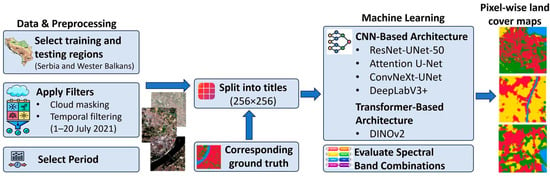
Spectral Input Selection and Architectural Design for Robust Multispectral Land Cover Semantic Segmentation from Sentinel-2 Imagery
by
Jelena Mitić, Velibor Ilić, Uroš Durlević and Milan Mitić
AI 2026, 7(6), 186; https://doi.org/10.3390/ai7060186 - 23 May 2026
Abstract
►▼
Show Figures
Background/Objectives: Accurate land cover mapping from multispectral Sentinel-2 imagery is fundamental for environmental monitoring, efficient natural resource management, and spatial planning. While deep learning has become the dominant approach for semantic segmentation, the combined impact of spectral input selection and network
[...] Read more.
Background/Objectives: Accurate land cover mapping from multispectral Sentinel-2 imagery is fundamental for environmental monitoring, efficient natural resource management, and spatial planning. While deep learning has become the dominant approach for semantic segmentation, the combined impact of spectral input selection and network architecture on cross-regional robustness remains insufficiently explored. This study systematically investigates multispectral land cover segmentation in Serbia and evaluates its transferability to Western Balkan regions using a structured experimental framework. Methods: A comprehensive band-combination ablation analysis (3–10 spectral bands and index-only inputs) was first conducted using Attention U-Net, followed by a comparative evaluation of representative convolutional and transformer-based architectures, including ResNet-UNet-50, ConvNeXt-UNet, DeepLabV3+ (ResNet-50), and DINOv2-S/14. Model performance is evaluated on an internal Serbian test split (Test SR), an external Serbian dataset (Ext SR), and a cross-regional Balkan dataset (Ext WB). Results: The results demonstrate that compact multispectral configurations (6–9 bands) provide the most stable performance, achieving mIoU values of approximately 0.72–0.74 under in-domain evaluation and remaining robust under external testing. The inclusion of near-infrared and shortwave infrared bands proved critical for effective land cover discrimination, whereas increasing spectral dimensionality beyond this range did not yield systematic improvements in external robustness. Notably, the magnitude of performance degradation under pronounced geographic domain shift exceeds the performance differences observed between architectures under in-domain conditions, indicating that distribution shift exerts a stronger influence on segmentation accuracy than model choice alone. Class-wise analysis revealed agricultural areas as the most domain-sensitive category, while Shapley-based explainability analysis provides additional insight into class-specific spectral dependencies and their role in generalization behavior. Conclusions: Although transformer-based models demonstrated competitive robustness, attention-enhanced convolutional architectures achieved comparable stability across evaluation scenarios. Overall, the findings emphasize the importance of balanced spectral design, class-aware robustness analysis, and explicit out-of-domain evaluation for developing transferable land cover segmentation models in remote sensing applications.
Full article

Figure 1
Open AccessArticle
PS-MADDPG-BGMPOA: Co-Channel Interference Avoidance for LEO Beam-Hopping Satellite Systems via Multi-Parameter Optimization of Beam Geometry
by
Yanjun Song, Jianan Hou, Lidong Zhu and Yi Zheng
AI 2026, 7(6), 185; https://doi.org/10.3390/ai7060185 - 22 May 2026
Abstract
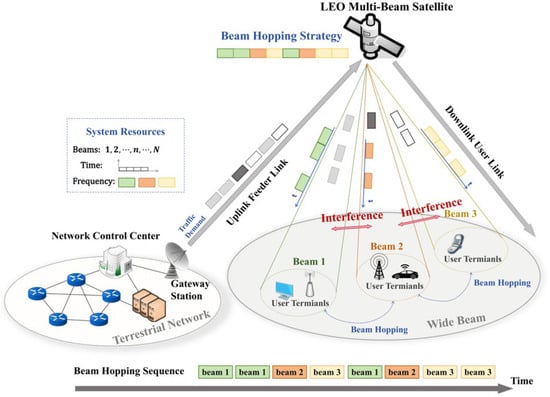
In Low Earth Orbit Beam-Hopping Satellite Systems (L-BHSS), co-channel interference among beams severely degrades communication quality. To address the inter-beam co-channel interference avoidance problem, this paper proposes a Parameter-Sharing Multi-Agent Deep Deterministic Policy Gradient-Based Beam Geometry Multi-Parameter Optimization Algorithm (PS-MADDPG-BGMPOA) for the joint
[...] Read more.
In Low Earth Orbit Beam-Hopping Satellite Systems (L-BHSS), co-channel interference among beams severely degrades communication quality. To address the inter-beam co-channel interference avoidance problem, this paper proposes a Parameter-Sharing Multi-Agent Deep Deterministic Policy Gradient-Based Beam Geometry Multi-Parameter Optimization Algorithm (PS-MADDPG-BGMPOA) for the joint optimization of satellite beam geometric parameters. The effects of free-space path loss, atmospheric impairments, and Rician fading are comprehensively considered, and a beam geometric multi-parameter optimization model is formulated with the objective of maximizing the long-term Signal-to-Interference-plus-Noise Ratio (SINR), incorporating beamwidth, beam center offset from the satellite nadir direction angle, inter-beam separation angle, and beam activation states. To tackle the resulting high-dimensional mixed action space, the proposed algorithm employs parameter sharing and grouped decision-making, which alleviates the dimensionality explosion problem and decouples the network scale from the number of beams, enabling efficient cooperative optimization with reduced training complexity. Simulation results show that, under various channel conditions and beam configurations, the proposed method effectively enhances communication quality and spectral efficiency while exhibiting superior real-time performance and stability.
Full article
(This article belongs to the Special Issue AI in the Cloud: Innovative Applications and Practices Across Multiple Fields)
►▼
Show Figures

Figure 1

Open AccessArticle
Stressor-Specific Anomaly Detection System in Group-Housed Growing Pigs Through Combined Computer Vision-Machine Learning Framework: A Pilot Study
by
Eddiemar B. Lagua, Hong-Seok Mun, Md Sharifuzzaman, Md Kamrul Hasan, Ahsan Mehtab, Jin-Gu Kang, Hae-Rang Park, Young-Hwa Kim and Chul-Ju Yang
AI 2026, 7(6), 184; https://doi.org/10.3390/ai7060184 - 22 May 2026
Abstract
►▼
Show Figures
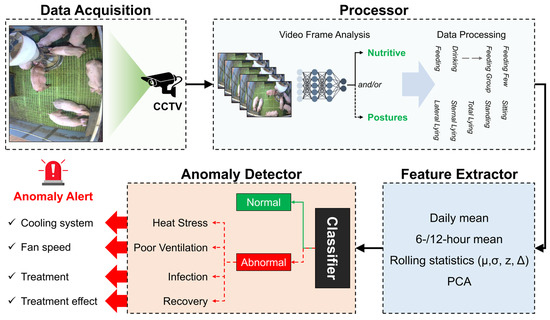
This study proposed a multi-class anomaly detection framework for group-housed pigs by integrating computer vision and machine learning. Nine classification algorithms were trained to identify five pig conditions—normal, heat stress, poor ventilation, infection, and recovery—using 10 combinations of feeding, drinking, and posture variables.
[...] Read more.
This study proposed a multi-class anomaly detection framework for group-housed pigs by integrating computer vision and machine learning. Nine classification algorithms were trained to identify five pig conditions—normal, heat stress, poor ventilation, infection, and recovery—using 10 combinations of feeding, drinking, and posture variables. The analysis revealed distinct behavioral patterns across stress conditions. Linear Discriminant Analysis (LDA) using all feeding and drinking variables achieved strong performance, with precision, recall, F1-score, and accuracy of 96.2% (95% confidence interval: 89.5–100%), 96.0% (91.5–100%), 96.0% (89.8–100%), and 96.0% (91.6–100%), respectively, and an AUC of 98.7% (88.2–95.5%). However, Random Forest and XGBoost trained on feeding and drinking variables achieved perfect classification on unseen data. With the present dataset, results indicate that feeding and drinking behaviors alone are sufficient for robust anomaly detection when paired with appropriate classifiers. Overall, this pilot study demonstrated that stressor-specific anomaly detection based on behavioral data is feasible and offers a practical, scalable approach for early stress detection, improved health and welfare monitoring, and more efficient precision livestock management. Future studies should utilize larger and more diverse datasets to further validate and strengthen the generalizability of the proposed framework.
Full article

Figure 1
Open AccessArticle
Beyond Glycemic Control: Precision Medicine in Type 2 Diabetes Using Multi-Output Explainable Artificial Intelligence for Personalized SGLT2 and DPP-4 Therapy Selection
by
Anusha Ihalapathirana, Piia Lavikainen, Pekka Siirtola, Satu Tamminen, Gunjan Chandra, Tiina Laatikainen, Janne Martikainen and Juha Röning
AI 2026, 7(6), 183; https://doi.org/10.3390/ai7060183 - 22 May 2026
Abstract
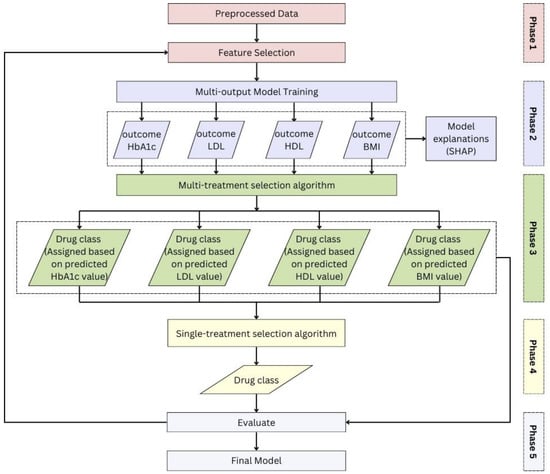
Traditional treatment strategies for Type 2 diabetes (T2D) adopt a “one-size-fits-all” approach, limiting individual effectiveness. This study presents an explainable, data-driven framework for multi-treatment and single-treatment selection of SGLT2 inhibitors (SGLT2-i) and DPP-4 inhibitors (DPP4-i) based on patient-specific health characteristics. Our approach evaluates
[...] Read more.
Traditional treatment strategies for Type 2 diabetes (T2D) adopt a “one-size-fits-all” approach, limiting individual effectiveness. This study presents an explainable, data-driven framework for multi-treatment and single-treatment selection of SGLT2 inhibitors (SGLT2-i) and DPP-4 inhibitors (DPP4-i) based on patient-specific health characteristics. Our approach evaluates treatment effectiveness across four outcomes—glycosylated hemoglobin (HbA1c), low-density lipoprotein (LDL) cholesterol, high-density lipoprotein (HDL) cholesterol, and body mass index (BMI)—to enable individualized treatment recommendations. The multi-treatment model, based on multi-output regression, achieved an R2 score of 0.44 and an RMSE of 5.58, identifying benefit subgroups for SGLT2-i and DPP4-i across all outcomes. Integrated with SHapley Additive exPlanations (SHAP) analysis, the model offers insights into the factors influencing treatment effects. The single-treatment selection algorithm achieved an accuracy of 0.47 and an F1 score of 0.46, showing a higher average treatment effect with SGLT2-i on all outcomes, notably in the reduction in HbA1c, LDL, and BMI and a modest increase in HDL. While DPP4-i demonstrated beneficial effects on HbA1c, LDL, and HDL, it was associated with an increase in BMI. These findings highlight the benefits of a multi-faceted, patient-centered precision medicine approach for T2D management, enabling treatment strategies that address individual health needs beyond HbA1c.
Full article
(This article belongs to the Special Issue Digital Health: AI-Driven Personalized Healthcare and Applications)
►▼
Show Figures

Figure 1

Open AccessArticle
AEConvNeXt: An Attention-Enhanced ConvNeXt Framework for Imbalanced Photovoltaic Fault Classification with Explainable Feature Analysis
by
Ehtisham Lodhi and Lin Qiu
AI 2026, 7(6), 182; https://doi.org/10.3390/ai7060182 - 22 May 2026
Abstract
Background: Solar energy provides a sustainable and environmentally friendly alternative to fossil fuels, and photovoltaic (PV) systems are increasingly deployed worldwide. However, their operational reliability is often compromised by various fault conditions, which reduce power output and shorten system lifespan. Although automated image-based
[...] Read more.
Background: Solar energy provides a sustainable and environmentally friendly alternative to fossil fuels, and photovoltaic (PV) systems are increasingly deployed worldwide. However, their operational reliability is often compromised by various fault conditions, which reduce power output and shorten system lifespan. Although automated image-based deep learning methods have shown promise for PV fault classification, their performance is often limited by severe class imbalance and subtle, low-contrast defect patterns. This study aims to address these challenges by proposing an improved deep learning framework for robust PV fault classification. Method: An attention-enhanced convolutional neural network framework, termed AEConvNeXt, is proposed for PV fault classification. The model is built on a ConvNeXt-Tiny backbone and incorporates a dropout-regularized Convolutional Block Attention Module (CBAM) to enhance localized feature refinement. To further improve learning under imbalanced data conditions, a hybrid loss function combining Cross-Entropy Loss and Focal Loss is employed. Results: Experimental evaluations demonstrate that AEConvNeXt achieves an overall accuracy of 94.37% and a macro F1-score of 94.43%, outperforming the strongest baseline model, ResNet-50, by more than 3%. Grad-CAM visualizations further confirm that the model effectively focuses on fault-relevant regions, improving interpretability. The proposed framework also shows consistent and robust performance across all six PV fault categories under varying conditions. Conclusions: The proposed AEConvNeXt framework provides an accurate and explainable solution for real-time PV fault detection, effectively addressing class imbalance and improving minority fault recognition.
Full article
(This article belongs to the Topic AI and Data-Driven Advancements in Industry 4.0, 2nd Edition)
Open AccessArticle
Comparison of Foundation Models MedSAM and DINOv3 with the nnU-Net Framework for Bone Metastasis Segmentation in Computed Tomography Scans
by
Kaspars Sudars, Edgars Edelmers, Arturs Nikulins, Viktorija Cīrule, Matīss Šņukuts, Madara Ratniece, Roberts Šamanskis, Klinta Luīze Sprūdža and Maija Radziņa
AI 2026, 7(6), 181; https://doi.org/10.3390/ai7060181 - 22 May 2026
Abstract
This study compares three methods for 2D bone metastasis segmentation on computed tomography slices-the self-configuring nnU-Net pipeline, a fine-tuned DINOv3 foundation model, and a prompt-free MedSAM foundation model adaptation-to assess their suitability for clinical-grade lesion delineation. Methods: A dataset of 2D CT slices
[...] Read more.
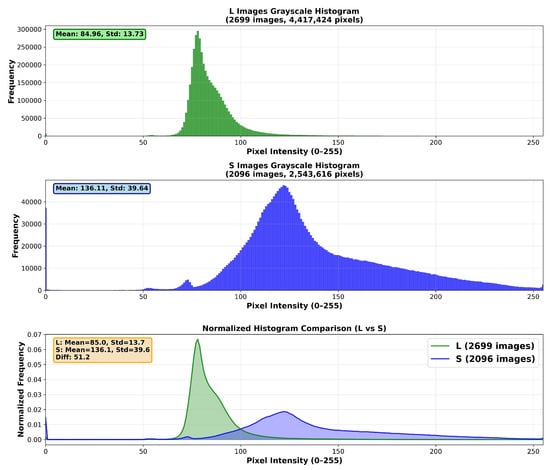
This study compares three methods for 2D bone metastasis segmentation on computed tomography slices-the self-configuring nnU-Net pipeline, a fine-tuned DINOv3 foundation model, and a prompt-free MedSAM foundation model adaptation-to assess their suitability for clinical-grade lesion delineation. Methods: A dataset of 2D CT slices from 88 patients (11,006 image–label pairs) was annotated by experts. The three models were trained and evaluated under comparable conditions, using model-specific native input resolutions and training schedules. Performance was evaluated using the Dice similarity coefficient (DSC) and Normalized Hausdorff distance (NHD) on a held-out test set, with a separate cohort of previously unseen patients. On a held-out test set, the MedSAM, DINOv3, and nnU-Net models achieved the following Dice scores: 0.6280, 0.4480, and 0.6849, respectively. Additionally, on a held-out test set, the MedSAM, DINOv3, and nnU-Net models achieved the following normalized Hausdorff distances: 0.1008, 0.1019, and 0.0473, respectively. In conclusion, the nnU-Net framework provides robust segmentation performance and serves as a strong baseline for 2D slice-wise bone metastasis delineation even with limited annotated data.
Full article
(This article belongs to the Section Medical & Healthcare AI)
►▼
Show Figures

Figure 1

Open AccessArticle
A Comparative Study of Quantum Feature Maps and Quantum Classifiers for Heart Disease Prediction
by
Muhammad Minoar Hossain, Md. Hasibul Hassan Himal and Arslan Munir
AI 2026, 7(5), 180; https://doi.org/10.3390/ai7050180 - 21 May 2026
Abstract
►▼
Show Figures
This research introduces a quantum machine learning (QML) approach for predicting heart disease (HD). The method combines preprocessing of data with quantum feature map (QFM) and quantum classification techniques. In the method, clinical data of HD are preprocessed, and then features are optimized
[...] Read more.
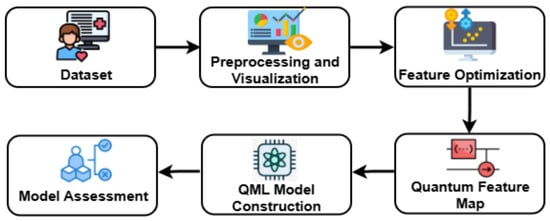
This research introduces a quantum machine learning (QML) approach for predicting heart disease (HD). The method combines preprocessing of data with quantum feature map (QFM) and quantum classification techniques. In the method, clinical data of HD are preprocessed, and then features are optimized using principal component analysis (PCA). After that, the resulting features are encoded into quantum states with five different QFM methods, namely angle encoding (AE), amplitude encoding (AmE), basis encoding (BE), Pauli encoding (PE), and ZZ feature map (ZZFM). Finally, four quantum classifiers, such as quantum support vector machine (QSVM), quantum k-nearest neighbor (QKNN), quantum random forest (QRF), and variational quantum circuit (VQC), are evaluated to predict the HD from the encoded states. Experimental results show that QSVM with AE achieved the best performance, with an overall accuracy of 90.26%, specificity of 83.42%, sensitivity of 92.16%, precision of 88.89%, F1-score of 89.68%, and kappa value of 0.7608. These results are superior to those from classical state-of-the-art methods. This research finding suggests QML methods can capture complex nonlinear relationships in clinical data effectively and thus improve diagnostic reliability.
Full article

Figure 1
Open AccessSystematic Review
Generative AI-Driven Intrusion Detection Systems for the Industrial Internet of Things: A Systematic Review
by
Mohammed Houache, Djallel Eddine Boubiche, Homero Toral-Cruz, Rafael Martínez-Peláez and Rafael Sanchez-Lara
AI 2026, 7(5), 179; https://doi.org/10.3390/ai7050179 - 21 May 2026
Abstract
►▼
Show Figures
The Industrial Internet of Things (IIoT) is central to modern industrial automation, yet its growing connectivity exposes critical systems to evolving cyber threats. Traditional intrusion detection methods struggle in IIoT environments due to class imbalance and limited adaptability to zero-day attacks. This systematic
[...] Read more.
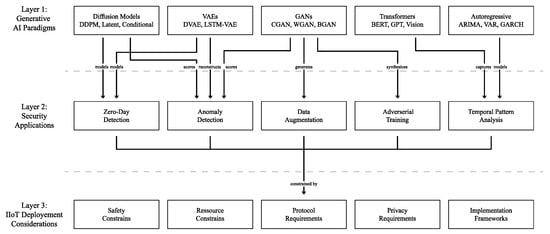
The Industrial Internet of Things (IIoT) is central to modern industrial automation, yet its growing connectivity exposes critical systems to evolving cyber threats. Traditional intrusion detection methods struggle in IIoT environments due to class imbalance and limited adaptability to zero-day attacks. This systematic review evaluates generative AI techniques for IIoT intrusion detection and identifies deployment requirements for industrial environments. We searched five databases (IEEE Xplore, ACM Digital Library, Springer, ScienceDirect, and arXiv) for studies published between January 2019 and December 2025, applying predefined inclusion criteria. Following a systematic selection process (identification plus three progressive screening stages) across 342 records, 42 primary studies were included for systematic synthesis. We examined four GenAI paradigms—Generative Adversarial Networks, Transformers, Diffusion Models, and Variational Autoencoders—analyzing nine state-of-the-art frameworks through comparative performance analysis. Hybrid Transformer architectures (e.g., Transformer-GAN-AE) achieve the most consistent detection performance, while diffusion-based models (e.g., Diff-IDS) provide computational advantages for edge deployments. However, substantial variability in evaluation methodologies and limited reporting of statistical rigor indicate important gaps in current research practices. These findings inform the development of GenAI-driven strategies tailored to industrial infrastructure constraints and highlight key directions for advancing IIoT cybersecurity.
Full article

Figure 1
Open AccessArticle
Design and Implementation of a Three-Layer Backpropagation Neural Network for Multi-Output Regression in Citizen-Science Impact Assessment
by
Luigi Ceccaroni, Lyle Visa and Iain Visa
AI 2026, 7(5), 178; https://doi.org/10.3390/ai7050178 - 21 May 2026
Abstract
►▼
Show Figures
Measuring the impact of citizen-science projects is hard because inputs are heterogeneous, mostly categorical, and sparse. We present Alquimics, a compact supervised neural network trained on one-hot project descriptors to predict impacts across five domains (Environment, Economy, Governance, Science, and Society). Each project
[...] Read more.
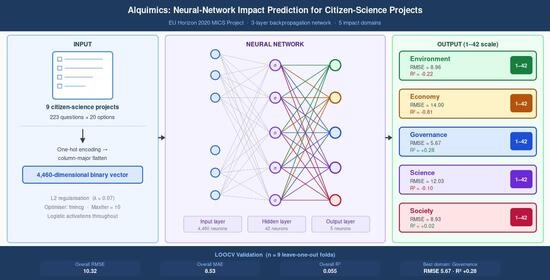
Measuring the impact of citizen-science projects is hard because inputs are heterogeneous, mostly categorical, and sparse. We present Alquimics, a compact supervised neural network trained on one-hot project descriptors to predict impacts across five domains (Environment, Economy, Governance, Science, and Society). Each project is encoded as a binary vector of length 4460 (223 questions × 20 options, flattened). The network employs a 4460–42–5 topology with logistic activations throughout; labels consist of five continuous targets in [0, 1] obtained by scaling expert domain scores in [1, 42]. We implement L2-regularised training in Octave using fmincg with MaxIter = 10 and lambda = 0.07. Leave-one-out cross-validation (LOOCV) over nine projects yields an overall RMSE = 10 and R2 = 0.06 on the 1–42 scale, with Governance being the most predictable domain (RMSE = 6, R2 = 0.3). We document the entire data pipeline, objective, and implementation, provide a minimal reproducible script, and discuss limitations arising from the small dataset (n = 9 projects). This establishes a transparent baseline that complements rule-based scoring and can be expanded as more labelled projects become available.
Full article

Graphical abstract
Open AccessArticle
A Novel Hybrid Stacking Ensemble Classifier for the LegUp Robot Used in Lower Limb Rehabilitation
by
Anca-Elena Iordan, Florin Covaciu, Calin Vaida, Iuliu Nadas, Alexandru Banica, Bogdan Gherman, Ionut Ulinici, Jose Machado, Paul Tucan and Doina Pisla
AI 2026, 7(5), 177; https://doi.org/10.3390/ai7050177 - 21 May 2026
Abstract
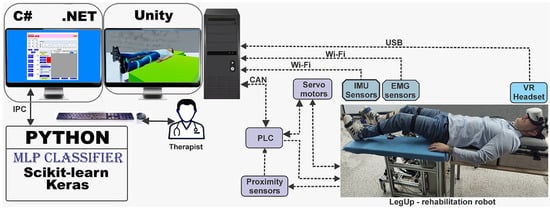
Robust exercise recognition is essential for robot-assisted lower-limb rehabilitation, where misclassifications of sensor-derived movements can degrade therapy execution and supervision. This study proposes a novel hybrid weighted stacking ensemble to increase the efficiency of the intelligent module of the LegUp parallel robotic system
[...] Read more.
Robust exercise recognition is essential for robot-assisted lower-limb rehabilitation, where misclassifications of sensor-derived movements can degrade therapy execution and supervision. This study proposes a novel hybrid weighted stacking ensemble to increase the efficiency of the intelligent module of the LegUp parallel robotic system for lower limb rehabilitation. The approach combines a Residual Multilayer Perceptron (ResMLP) and an optimized Kernel Extreme Learning Machine (KELM), where model hyperparameters are tuned using Optuna and the base-model probability outputs are fused through optimized weighting and a meta-learner. Experiments were conducted on a five-class dataset built from nine IMU orientation features acquired from three sensors placed on the healthy limb. Four meta-learners were evaluated (Logistic Regression, Random Forest, Gradient Boosting, and AdaBoost), with AdaBoost providing the best overall performance. To further assess the robustness and generalization capability of the proposed approach, a 5-fold cross-validation procedure was performed for the ResMLP, KELM, and the hybrid ensemble models. The proposed stacking hybrid ensemble consistently surpassed the performance of the strongest individual classifiers as well as the original LegUp Multilayer Perceptron model. These results indicate that combining residual learning with kernel-based classification in a weighted stacking framework yields a stable and high-performing solution for multi-class rehabilitation exercise recognition.
Full article
(This article belongs to the Section Medical & Healthcare AI)
►▼
Show Figures

Figure 1
Open AccessReview
Agentic and Generative AI for Autonomous Energy Systems: Reference Architecture, Open Challenges, and Research Agenda
by
Nikolay Hinov
AI 2026, 7(5), 176; https://doi.org/10.3390/ai7050176 - 20 May 2026
Abstract
Modern power systems are undergoing a structural transformation driven by the rapid integration of renewable energy sources, distributed energy resources, electrification, and increasing operational uncertainty. These developments expose the limitations of traditional centralized energy management and rule-based automation in highly distributed, data-intensive, and
[...] Read more.
Modern power systems are undergoing a structural transformation driven by the rapid integration of renewable energy sources, distributed energy resources, electrification, and increasing operational uncertainty. These developments expose the limitations of traditional centralized energy management and rule-based automation in highly distributed, data-intensive, and dynamically coupled energy infrastructures. In response, recent advances in artificial intelligence offer new opportunities for improving prediction, coordination, and adaptive control. This paper develops a reference architecture for Autonomous Energy Systems based on the integration of generative AI, agentic AI, digital twins, and distributed cyber–physical energy infrastructures. Rather than treating forecasting, control, simulation, and market coordination as separate research tracks, the paper organizes them within a common architectural perspective. Generative AI is positioned as a source of scenario intelligence, synthetic data generation, and uncertainty-aware forecasting, while agentic AI is framed as a bounded decision layer for perception, reasoning, planning, and coordinated action under operational constraints. The paper further clarifies the distinction between agentic AI, conventional multi-agent systems, and multi-agent reinforcement learning in energy applications. Representative application domains are discussed, including self-healing power grids, autonomous energy markets, and digital twin training environments. Major open challenges are identified in relation to scalability, physical consistency, safety verification, sim-to-real transfer, cybersecurity, interoperability with legacy infrastructures, and governance. The paper concludes by outlining a research agenda for the staged and safe development of increasingly autonomous energy systems.
Full article
(This article belongs to the Special Issue Generative AI Applications for Power Systems)
Open AccessArticle
Adoption of Artificial Intelligence in Organizational Coaching Processes
by
Yanis Faquir, Arnaldo Santos and Henrique S. Mamede
AI 2026, 7(5), 175; https://doi.org/10.3390/ai7050175 - 19 May 2026
Abstract
Artificial intelligence (AI) is transforming how organizations develop human potential, offering scalable and data-driven support for coaching and capability building. This study proposes and validates a conceptual framework for integrating AI into organizational coaching processes to enhance competence development and strategic alignment. AI-supported
[...] Read more.
Artificial intelligence (AI) is transforming how organizations develop human potential, offering scalable and data-driven support for coaching and capability building. This study proposes and validates a conceptual framework for integrating AI into organizational coaching processes to enhance competence development and strategic alignment. AI-supported coaching in this research is treated as an emerging organizational technology whose potential organizational value depends less on model capability and more on governance design, decision rights, and auditable evaluation outputs. Following a mixed-methods, multi-phase design, the research combined a Systematic Literature Review (SLR) with the construction of a layered design architecture in which OSCAR serves as the primary coaching-process scaffold, complemented by KSA for competency specification, Situational Leadership for adaptive guidance, and KPIs for monitoring and governance. The framework structures AI-supported coaching across 10 interrelated phases, from contextual anchoring to review and measurement, while preserving iterative re-entry to earlier phases whenever review evidence, contextual change, or insufficient progress makes adjustment necessary. Prototyping demonstrated feasibility and coherence across models, while the focus group provided qualitative expert feedback on the framework’s clarity, governance needs, and perceived usefulness for competence development. At this stage, however, the KPI structures generated by the framework and the descriptive comparison across AI tools should be interpreted as prototype-level outputs rather than as empirically validated performance measures or evidence of added value over baseline approaches. Because the evaluation relied on two fictional prototyping scenarios and a small expert-oriented focus group (n = 6), the findings should be interpreted as evidence of prototype demonstration and qualitative refinement rather than of real-world effectiveness or organizational impact. The study also does not include a control group or comparison with traditional human coaching, so the added value of the AI-supported framework over alternative coaching arrangements remains a question for future empirical testing. Findings suggest that AI can usefully support organizational coaching by personalizing dialogue, structuring reflection, and generating auditable development artefacts, provided ethical safeguards and human oversight remain integral. The research contributes a preliminarily validated, ethics-informed, and governance-aware framework for AI adoption in organizational coaching and offers practical insights for embedding AI-enabled development in learning organizations.
Full article
Open AccessReview
Human Evaluation of Large Language Models: A Review and Protocol Selection Framework
by
Tad T. Brunyé
AI 2026, 7(5), 174; https://doi.org/10.3390/ai7050174 - 19 May 2026
Abstract
Evaluating large language models (LLMs) critically depends on human judgment. This article reviews and develops a conceptual framework for human-centered LLM evaluation, synthesizing research across evaluation methodology, psychometrics, cognitive science, and domain-specific applications. Four primary challenges are identified that limit current human evaluation
[...] Read more.
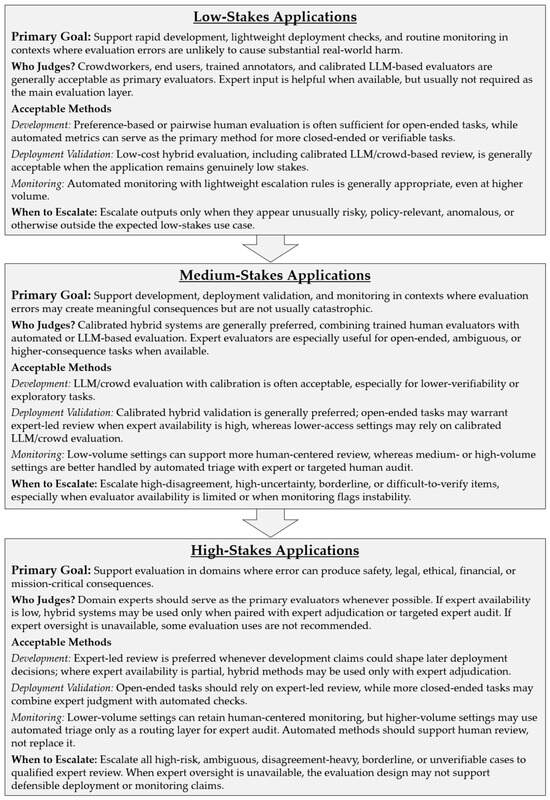
Evaluating large language models (LLMs) critically depends on human judgment. This article reviews and develops a conceptual framework for human-centered LLM evaluation, synthesizing research across evaluation methodology, psychometrics, cognitive science, and domain-specific applications. Four primary challenges are identified that limit current human evaluation practice: imperfect gold standards, evaluator fatigue and overload, shared and unique bias structures across humans and LLM judges, and the routine omission of uncertainty and dispersion estimates. To address these gaps, the STEP-V design framework is proposed: Stakes, Task-type, Evaluator availability, Purpose, and Volume, for selecting human and/or automated LLM evaluation methods under real-world constraints. An evaluator failure mode taxonomy is also proposed that analyzes human and LLM judges within a common error framework, clarifying where hybrid pipelines can compensate for weaknesses and where they might compound them. The framework motivates a more rigorous science of LLM evaluation, one that treats human judgment as a necessary but fallible measurement requiring explicit design, calibration, and uncertainty quantification.
Full article
(This article belongs to the Special Issue LLMs and AI Agents in Biomedical and Health Sciences)
►▼
Show Figures

Figure 1

Open AccessArticle
Automation of the Control Process of the Research and Flexible Production Areas of the Technopark
by
José Ramón Trillo, Javanshir Mammadov, Yusif Huseynov, Matanat Ahmadova and Aysel Eminova
AI 2026, 7(5), 173; https://doi.org/10.3390/ai7050173 - 19 May 2026
Abstract
►▼
Show Figures
In the context of rapid technological evolution and increasing market uncertainty, technoparks have emerged as critical ecosystems for bridging scientific research and high-tech industrial production; however, their effectiveness is often constrained by limited flexibility, fragmented control mechanisms, and delayed decision-making processes. Motivated by
[...] Read more.
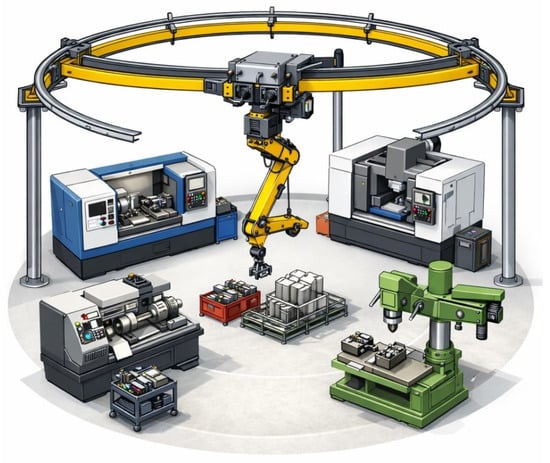
In the context of rapid technological evolution and increasing market uncertainty, technoparks have emerged as critical ecosystems for bridging scientific research and high-tech industrial production; however, their effectiveness is often constrained by limited flexibility, fragmented control mechanisms, and delayed decision-making processes. Motivated by these challenges, this article investigates the automation of control processes in research-driven and flexible manufacturing environments within technopark infrastructures, positioning automation as a strategic lever for enhancing operational adaptability and innovation throughput. The study conceptualizes control process automation as a multi-stage framework encompassing data acquisition, processing, intelligent analysis, and real-time decision execution and examines the role of enabling technologies such as artificial intelligence, the Internet of Things (IoT), and cyber-physical systems in supporting this paradigm. The analysis demonstrates that the integration of these technologies significantly improves production flexibility, resource optimization, and responsiveness to dynamic conditions, while simultaneously accelerating the transformation of scientific and research outputs into measurable economic value. By combining theoretical foundations with illustrative practical applications, the article substantiates the effectiveness of automated control systems and highlights their strategic relevance for increasing the competitiveness of technoparks, fostering sustainable technological innovation, and shaping resilient long-term development strategies.
Full article

Figure 1
Open AccessArticle
Multi-View Industrial Image Super-Resolution via Hierarchical Multi-Scale Data Fusion
by
Wenqin Zhao, Carman Ka Man Lee, Da Li and Benny Chi Fai Cheung
AI 2026, 7(5), 172; https://doi.org/10.3390/ai7050172 - 16 May 2026
Abstract
Machine vision plays a pivotal role in precision engineering for high-precision measurement that relies on high-resolution images. The highly reflective nature of metal surfaces and the need for high-quality images pose significant challenges in image processing. Although existing research has made significant progress
[...] Read more.
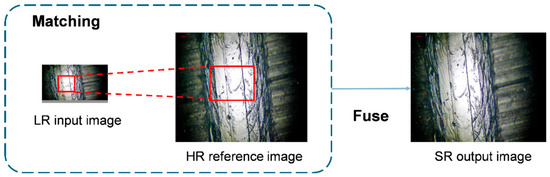
Machine vision plays a pivotal role in precision engineering for high-precision measurement that relies on high-resolution images. The highly reflective nature of metal surfaces and the need for high-quality images pose significant challenges in image processing. Although existing research has made significant progress in enhancing the resolution of natural images, super-resolution methods specifically tailored for multi-view metal images remain unexplored areas. To fill this gap, this paper focuses on developing a deep learning-based super-resolution algorithm, focusing on detail recovery on under multi-view metal images. The proposed super-resolution model utilizes a hybrid-resolution input that combines light field super-resolution at the image level and reference-based super-resolution at the feature level, demonstrating the effectiveness for achieving a large-scale multi-view metal image super-resolution. An experiment using a public metal object image dataset is conducted, and a comparison has been carried out with Bicubic, LFhybridSR and ERVSR. The proposed method demonstrates superior SSIM and achieves average PSNR improvements of 4.45 dB and 1.18 dB on synthetic data and real-world data. The results demonstrate that the method can improve the resolution and detail representation of metal images in terms of PSNR/SSIM and address the problem of super-resolution in multi-view metal images. Furthermore, applying the proposed SR method as preprocessing reduces the absolute relative error in depth estimation from approximately 0.5 to 0.1.
Full article
(This article belongs to the Topic AI and Data-Driven Advancements in Industry 4.0, 2nd Edition)
►▼
Show Figures

Figure 1

Open AccessArticle
Feedback-Aware Inference for Iterative Multi-Sample Text Generation
by
Andreea Dutulescu, Stefan Ruseti, Mihai Dascalu and Danielle S. McNamara
AI 2026, 7(5), 171; https://doi.org/10.3390/ai7050171 - 15 May 2026
Abstract
Generating multiple text sequences and refining them through feedback is essential for improving the quality of outputs in many NLP tasks. While Large Language Models can leverage iterative feedback during inference, smaller models often lack this capability due to limited capacity and the
[...] Read more.
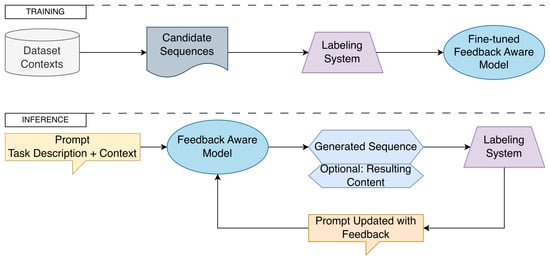
Generating multiple text sequences and refining them through feedback is essential for improving the quality of outputs in many NLP tasks. While Large Language Models can leverage iterative feedback during inference, smaller models often lack this capability due to limited capacity and the absence of suitable training paradigms. In this paper, we propose a novel Feedback-Aware Inference approach that enables iterative sequence generation with integration of feedback signals. Our method allows models to generate multiple sequences, incorporate feedback from previous iterations, and refine outputs accordingly. This approach dynamically adjusts to different quality metrics, making it adaptable to various contexts and objectives. We evaluate our approach on two distinct tasks: Answer Selection for Question Generation and Keyword Generation, arguing for its generalizability and effectiveness. Results show that our method outperforms strong baselines, maintaining high performance across iterations and achieving superior results even with smaller, open-source models.
Full article
(This article belongs to the Special Issue Advances in Artificial Intelligence and Emerging Machine Learning Applications)
►▼
Show Figures

Figure 1

Open AccessArticle
Probing Emergent World Representations in Go Life-and-Death Problems
by
Zhikai Yang, Zhigang Meng and Zhiqiang Wen
AI 2026, 7(5), 170; https://doi.org/10.3390/ai7050170 - 14 May 2026
Abstract
Large language models (LLMs) have demonstrated remarkable capabilities in learning complex tasks purely from sequential data. To explore whether such models can internalize strategic world representations, We investigate whether generative transformer models can learn structured world representations from sequential data. Using the domain
[...] Read more.
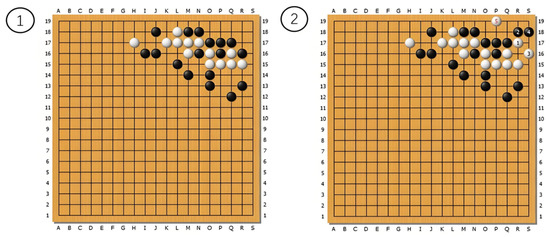
Large language models (LLMs) have demonstrated remarkable capabilities in learning complex tasks purely from sequential data. To explore whether such models can internalize strategic world representations, We investigate whether generative transformer models can learn structured world representations from sequential data. Using the domain of Go life-and-death problems as a controlled micro-world, we train a GPT-style generative model to predict moves from serialized board states. Focusing on localized life-and-death (tsumego) scenarios, we train the model to predict valid next moves from serialized board states without providing any explicit Go rules or strategic supervision. Probing the model’s internal activations reveals structured representations aligned with liberties, eyes, and tactical group status. To interpret these representations, we introduce the Multi-Aspect World Probe (MAWP), a modular probing framework that disentangles tactical concepts into orthogonal dimensions. We further apply interventional techniques to manipulate internal representations and causally evaluate their impact on model predictions. Our results show that the proposed model achieves 94.7% accuracy in sequence correctness and 92.1% in outcome validity on life-and-death tasks. This work extends interpretability research into spatially structured domains and offers tools for understanding decision-making in sequence models.
Full article
(This article belongs to the Topic Generative AI and Interdisciplinary Applications)
►▼
Show Figures

Figure 1

Highly Accessed Articles
Latest Books
E-Mail Alert
News
Topics
Topic in
AI, Applied Sciences, Computers, Energies, Mathematics, Processes
Advances and Application in Intelligent Oil and Gas Field Development Technology
Topic Editors: Liming Zhang, Yin ZhangDeadline: 31 May 2026
Topic in
AI, Algorithms, Modelling, Applied Sciences
Advancements in Coupling Simulation and Artificial Intelligence: Methods, Applications, and Future Directions
Topic Editors: Greg Zacharewicz, Nicolas Daclin, Vittorio Solina, Diana Maria Torres RicaurteDeadline: 30 June 2026
Topic in
AI, Computers, Education Sciences, Societies, Future Internet, Technologies
AI Trends in Teacher and Student Training
Topic Editors: José Fernández-Cerero, Marta Montenegro-RuedaDeadline: 11 July 2026
Topic in
Sensors, Electronics, Technologies, AI, Entropy, Quantum Reports, BDCC
Responsible Classic/Quantum AI Technologies for Industrial Applications
Topic Editors: Youyang Qu, Khandakar Ahmed, Zhiyi TianDeadline: 31 July 2026
Conferences
Special Issues
Special Issue in
AI
Machine Learning in Action: Practical Applications and Emerging Trends
Guest Editors: Alberto José Alvarellos González, Daniel Carreres-PrietoDeadline: 31 May 2026
Special Issue in
AI
Artificial Intelligence in the Integration of Information Systems: Current Trends and Future Opportunities
Guest Editors: Mohammad Arifuzzaman, Tran Duc Le, Yida Bao, Ammar MuthannaDeadline: 5 June 2026
Special Issue in
AI
The Future of Robotics: AI Algorithms, Ethics, and Real-World Applications
Guest Editors: Ergina Kavallieratou, Nikolaos Vasilopoulos, Paraskevas DiamantatosDeadline: 15 June 2026