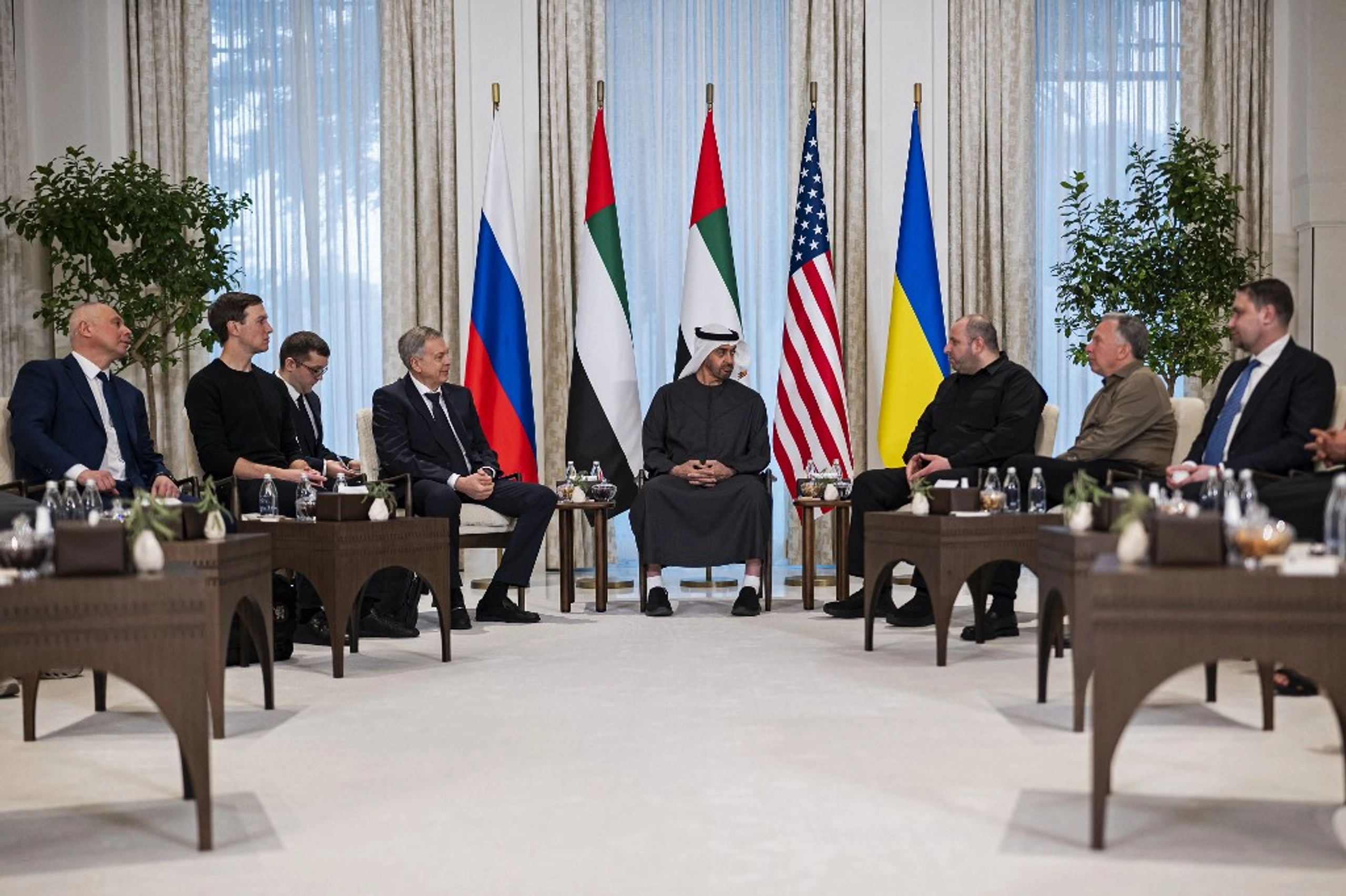
Negotiators from Ukraine, Russia and the United States are due to sit down in Abu Dhabi on Wednesday for another high-stakes attempt to chart an end to Europe’s deadliest war since World War II – talks already overshadowed by a fresh wave of Russian missile and drone attacks.
The meetings, scheduled to run through Wednesday and Thursday, come after months of stalled diplomacy and amid intensifying fighting on the ground nearly four years after Russia launched its full-scale invasion of Ukraine in February 2022.
JOIN US ON TELEGRAM
Follow our coverage of the war on the @Kyivpost_official.
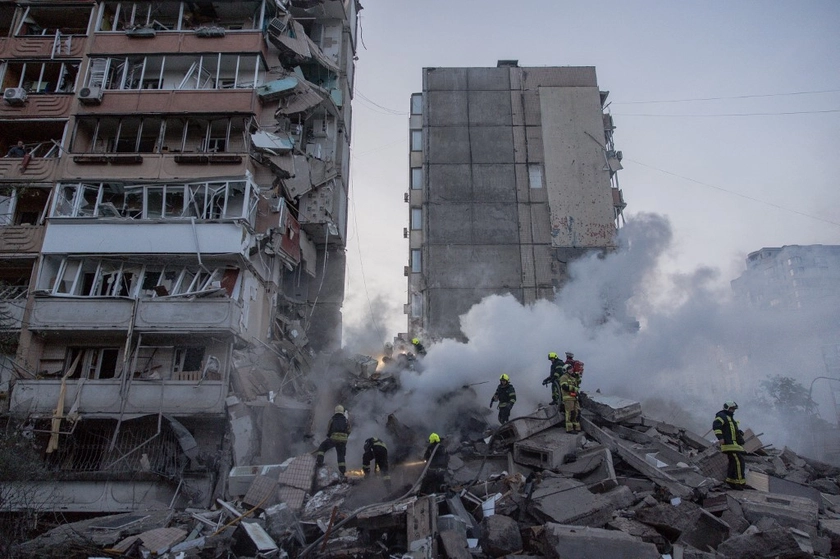
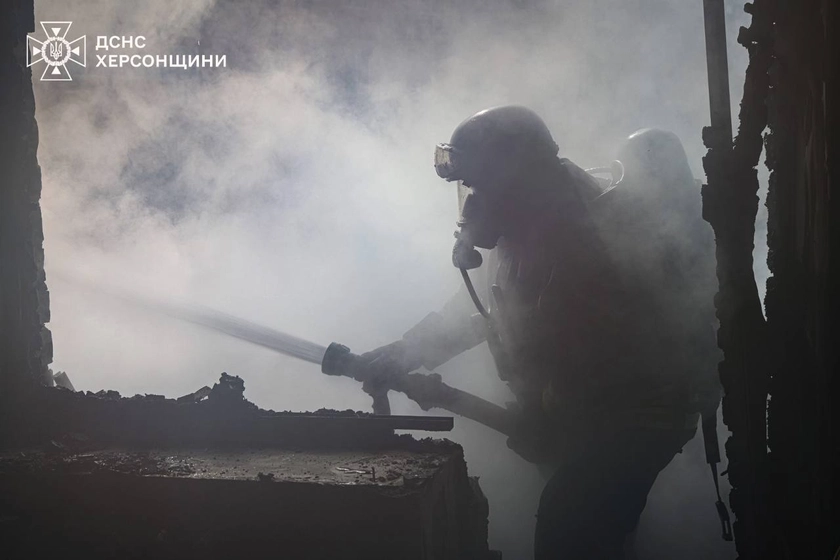
Just one day before the talks, Russia unleashed a massive barrage on Ukraine’s energy infrastructure, knocking out electricity and heating across large swaths of the country as temperatures plunged well below freezing. In Kyiv, hundreds of thousands were left without power or heat.
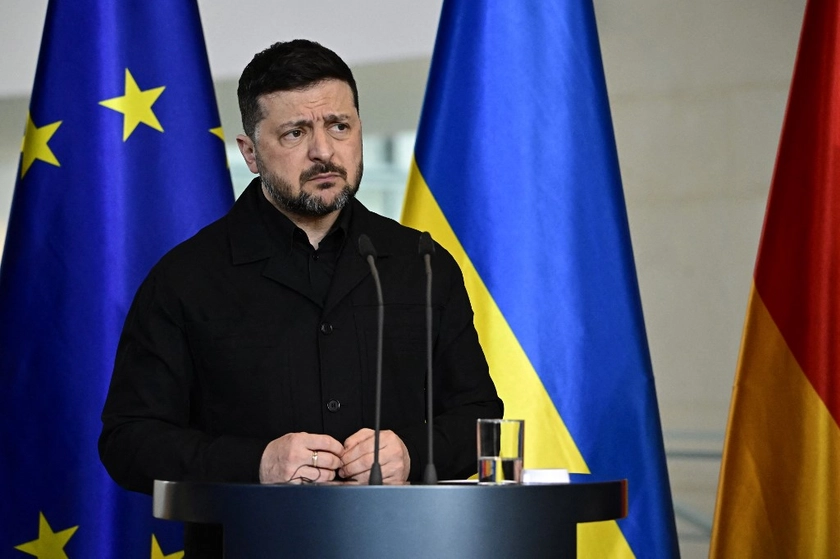
“Each such Russian strike confirms that attitudes in Moscow have not changed,” President Volodymyr Zelensky said Tuesday. “They continue to bet on war and the destruction of Ukraine, and they do not take diplomacy seriously.”
Zelensky said Ukraine would “adjust” its negotiating approach in response, without giving details.
Territory at the heart of the dispute
Following the first direct Ukraine-Russia contacts under a US-led peace plan in Abu Dhabi on Jan. 23-24, Zelensky said that a key sticking point is the “fundamental difference” in how Ukraine and Russia envision ending the war.
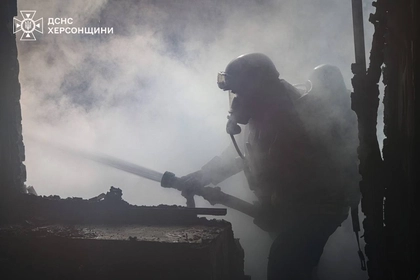
Russian Artillery Strike Kills Civilian in Central Kherson
While Ukraine seeks a solution that preserves its territories, Russia’s proposals demand strict concessions that Kyiv calls unacceptable.
Moscow is demanding that Ukraine withdraw its forces from large parts of the eastern Donbas – including heavily fortified cities sitting atop major industrial and natural resources – and wants international recognition of territories seized since 2022 as Russian.
Kyiv has flatly rejected those terms, proposing instead to freeze the war roughly along the current front line and warning that any unilateral pullback would only invite future aggression.
Russia currently occupies about 20% of Ukraine’s territory and has threatened to seize the remainder of the Donetsk region if talks collapse. Ukraine still controls roughly one-fifth of Donetsk, including dense urban areas reinforced over years of fighting.
Moscow also claims the Luhansk, Kherson and Zaporizhzhia regions in full, despite only partially occupying them, and holds pockets of territory in several other eastern regions.
Heavyweight negotiators
Ukraine’s delegation will be led by National Security Council Secretary Rustem Umerov, while Russia is sending Igor Kostyukov, head of its military intelligence agency and a career naval officer sanctioned by the West for his role in the invasion.
At previous rounds of talks in Abu Dhabi, the US delegation was led by US President Donald Trump’s envoy Steve Witkoff.
The current round was postponed from last weekend due to what the Kremlin described as scheduling issues among the three sides.
Little faith at home
Opinion polls show a majority of Ukrainians oppose any deal that hands territory to Russia in exchange for peace, viewing such concessions as both unjust and dangerous.
The poll by the Kyiv International Institute of Sociology (KIIS) showed that 52% of respondents categorically reject transferring Ukraine’s Donetsk and Luhansk regions to Russia in exchange for security guarantees, while 40% said they would consider such a trade-off.
Ukrainians broadly believe that conceding territory would not make the country safer, KIIS Executive Director Anton Hrushetsky said, noting that the front line in the east has remained largely stable for months despite Moscow’s demands for control over roughly 20% of Ukraine’s territory and population.
You can also highlight the text and press Ctrl + Enter

OPINION: Myth That Has Lasted Too Long