

 Follow us
 Share link
 Submit benchmark
Our latest CPU news and articles
AMD preparing to release the AMD Ryzen 7 9700X3D as new entry to high-end gaming |

A fresh benchmark entry attributed to the unannounced Ryzen 7 9700X3D has surfaced on PassMark, signaling that AMD may be preparing a new mid range gaming processor built on Zen 5 with 3D V Cache. If accurate, this part would follow the proven formula of a single 8 core CCD with a large vertically stacked L3 cache, aiming to reduce memory traffic and elevate frame rates in cache sensitive games at 1080p and 1440p. While specifications and pricing remain unconfirmed, an X3D variant of the Ryzen 7 9700X would target the same enthusiast segment that embraced the Ryzen 7 7800X3D, trading some frequency headroom for substantially higher effective cache capacity. As always with early database sightings, treat the results as provisional until AMD provides formal details, but the timing aligns with a methodical refresh of the AM5 gaming stack.
Published on 2025-11-06 |
Continue reading
|
AMD confirms security flaw in Zen 5 CPUs with RDSEED random number generator |

AMD has confirmed that Zen 5s RDSEED random number generator is failing, causing it to generate potentially predictable cryptography keys for attackers to exploit. Mitigations for the security flaw are launching throughout the next few months for consumer and datacenter versions of AMDs Ryzen 9000 series CPUs.
Published on 2025-11-04 |
Continue reading
|
Intel Core Ultra 5 225F as a budget friendly option in Intels Arrow Lake lineup |

Intels Arrow Lake CPUs havent lived up to the expectations of PCMR fans, but theres a great deal going on with the Core Ultra 5 225F, which could very well position the CPU as a strong budget contender. When it comes to getting the best CPU options out there, Intels Core Ultra Arrow Lake lineup has not done too well, except for maybe SKUs like the Core Ultra 9 285K, since they are intended towards flagship-level performance.
Published on 2025-11-03 |
Continue reading
|
AMD confirms openSIL Support for Zen 6 “Medusa” and EPYC “Venice” CPUs |

AMD has confirmed its commitment to openSIL "Open Firmware" for new Zen 6 Ryzen CPUs & 6. Gen AMD EPYC CPUs. The project was first announced in 2023 and was going to be used for both client and server offerings. At OCP Summit 2025, AMD once again reaffirmed its commitment to openSIL and detailed its plans for future Zen 6 CPUs.
Published on 2025-10-30 |
Continue reading
|
Intel Microcode 0x129 Update increases the voltage and cpu temperature on my i5-13600K! |

I would like to share my experiences with the latest Intel microcode update (0x129) with you. After updating to the latest BIOS version of my mainboard, not only was the latest microcode active, but the BIOS now has an Intel Baseline Profile, which sets or limits certain voltage and power supply settings in the BIOS. I compare the results with the older microcode 0x104, which still can also be set in the new BIOS.
Published on 2024-09-09 |
Continue reading
|
How to check if your Intel 13/14 gen cpu is affected by instability problems |

Maybe you have heard of problems with Intels Raptor Lake CPUs (13/14 Gen Intel Core i) that have degradation problems due to high voltage and therefore can crash in some situations like gaming. We show you an easy way to check if your cpu is affected by using Intels own Processor Diagnostic Tool.
Published on 2024-08-02 |
Continue reading
|
Why the new AMD Ryzen 7000 processors for the AM5 socket are currently not a good deal |
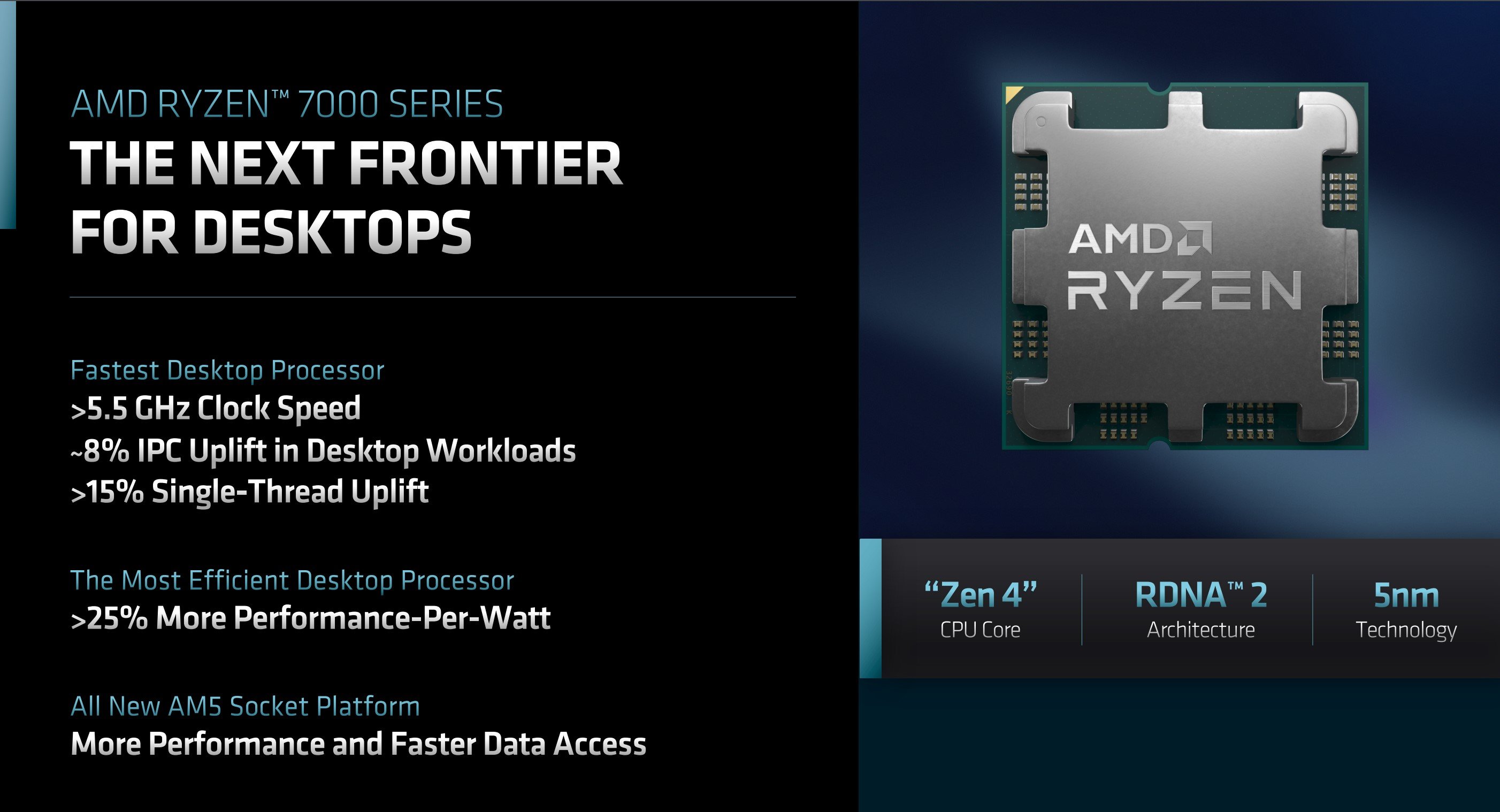
At the end of September 2022, the time had come: AMD presented its latest desktop processors called AMD Ryzen 7000. Initially, 4 processors with 6 to 16 CPU cores were released.
Published on 2022-10-11 |
Continue reading
The new socket AM5 (LGA 1718) is used for the first time, which is intended to replace the very durable socket AM4 introduced in 2017 as AMDs mainstream platform. This includes (depending on the chipset) PCIe 5.0 support as well as the exclusive use of DDR5 memory on all AM5 mainboards. Officially, DDR5-5200 is the maximum, but with AMDs EXPO Technology which is similar to Intel's XMP 3.0, AMD now also has a solution for easy overclocking of the main memory. AMD itself names DDR5-6000 as the sweet spot for the new AMD Ryzen 7000 processors. |
MediaTek Dimensity 9000+ vs Apple A16 and Snapdragon 8+ Gen 1 |
With the Dimensity 9000+, Mediatek presents the latest of its smartphone chips. The successor to the Mediatek Dimensity 9000 achieves higher CPU and GPU clock frequencies thanks to better binning. The CPU clock of the prime core (A core) increases from 3.0 to 3.2 GHz. And the ARM Mali-G710 MP10 GPU can now clock at 0.9 GHz (previously 0.85 GHz).
Published on 2022-09-22 |
Continue reading
Both are a good improvement over the Dimensity 9000 in theory but the increase in performance should not usually be noticeable in practice. In the end, the overall performance of the Mediatek Dimensity 9000+ is impressive: Qualcomm Snapdragon 8+ Gen 1 is beaten in Geekbench 5 in both the single-core and multi-core benchmarks. |
The evolution of AMD Ryzen processors |
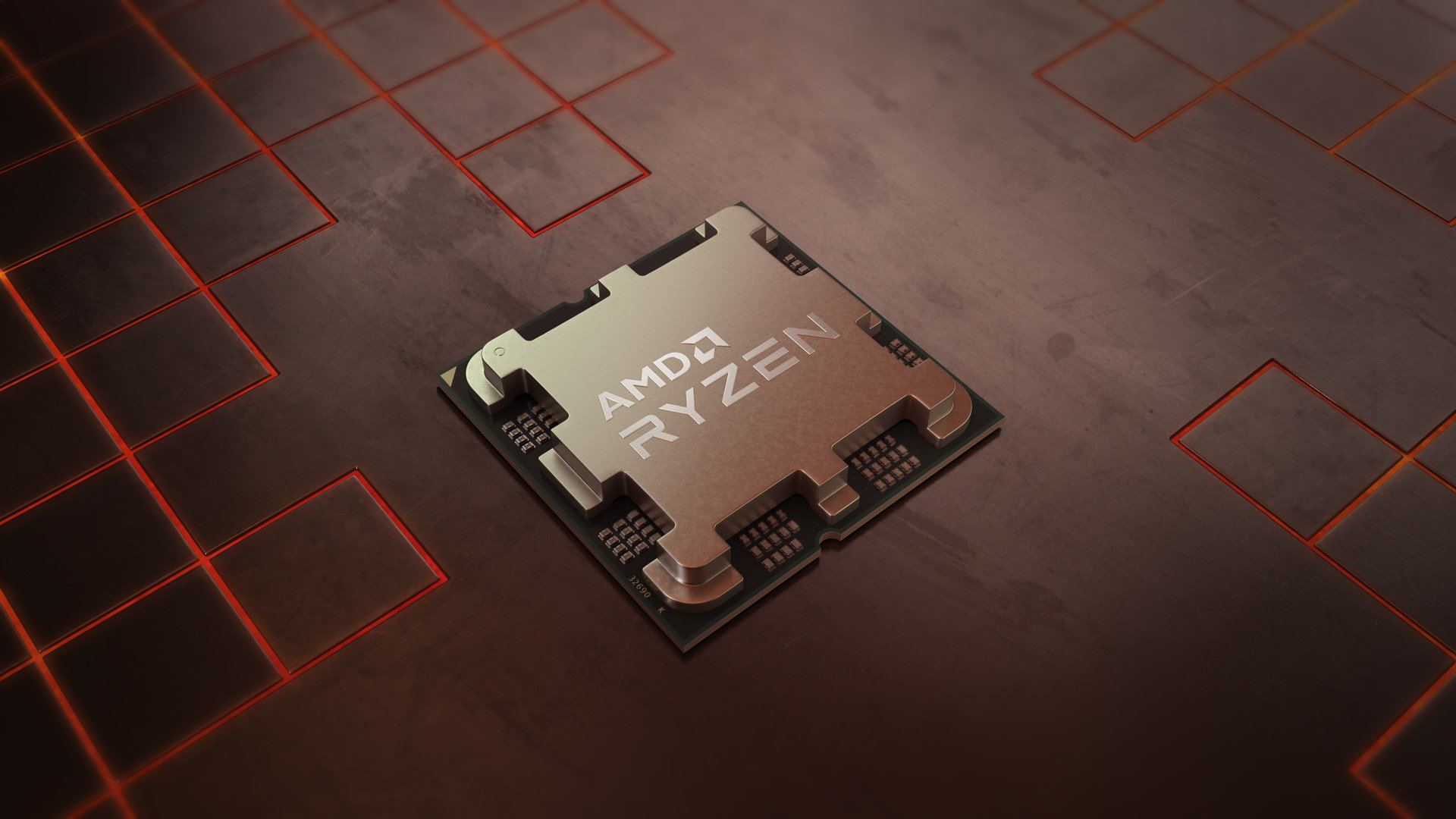
The AMD Ryzen processors are designed for the mid to high-end range and are grouped into the Ryzen 3, Ryzen 5, Ryzen 7 and Ryzen 9 classes. AMD follows the market leader Intel, which groups its Core i series (Intel Core i3, Core i5, Core i7 and Core i9) identically.
Published on 2022-09-06 |
Continue reading
The AMD Ryzen processors were first introduced by AMD in Q1 2017. They are the successor to the not particularly successful AMD Bulldozer processors. The latter were manufactured using an outdated manufacturing process and could not keep up with the competing products from Intel. AMD lost a large portion of its desktop processor market share during this period. |
AMD Ryzen 7000 and Intel Core i 13 Gen at almost 6 GHz clock speed |
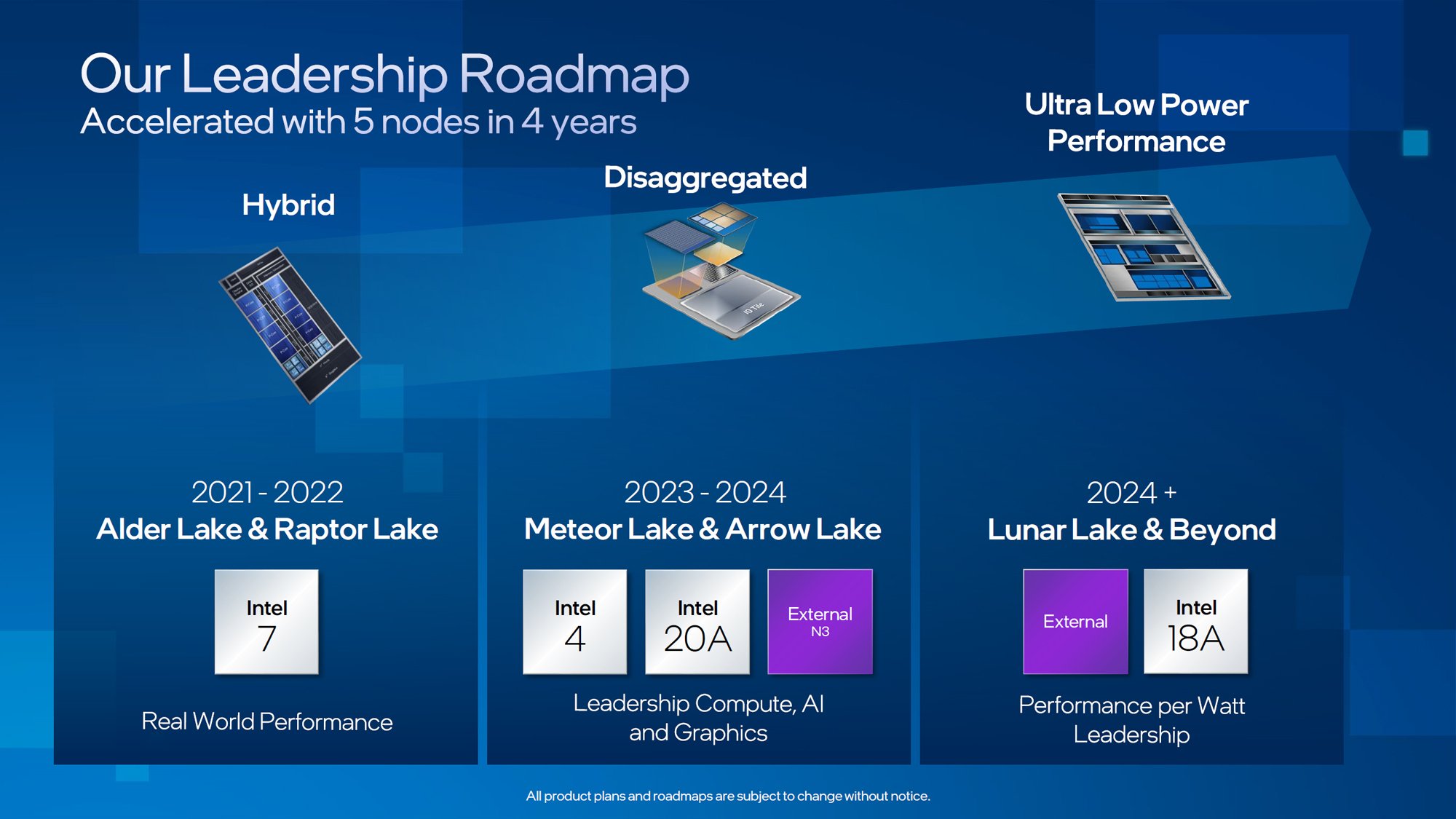
In September, both AMD and Intel are introducing their new mainstream desktop processors. It doesn't seem to have been as close as this year for a long time, leaked benchmarks of the new top models from AMD and Intel point to a head-to-head race.
Published on 2022-08-29 |
Continue reading
This year even the 6 GHz clock limit is almost within reach. With a good cooler and some overclocking it should be possible to reach the 6 GHz limit. But even in series production, the manufacturers try to realize the highest possible clock frequency, at least on one core. |
back to index