Cars made by McLaren Automotive have only one purpose: of incorporating as much Formula 1 technology into a road car as possible. Established in 1989 that company hasn't been very productive but the few models that they came up with made automotive history.
In keeping with their inte... SHOW MORE
In keeping with their inte... SHOW MORE
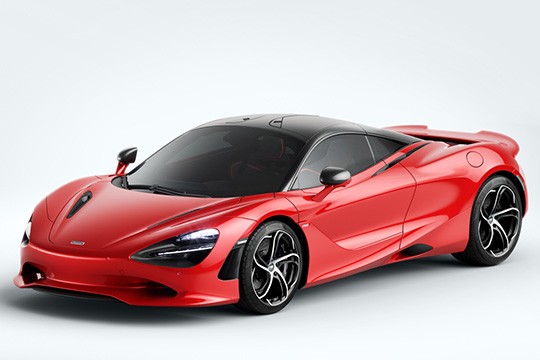
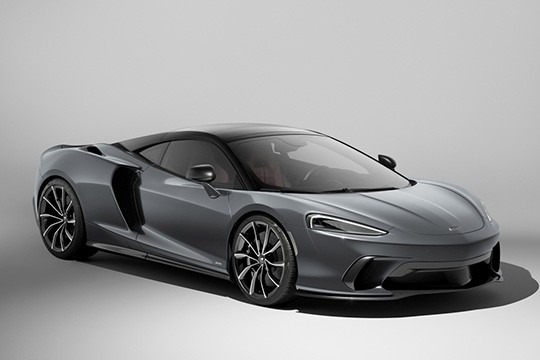
MCLAREN Artura
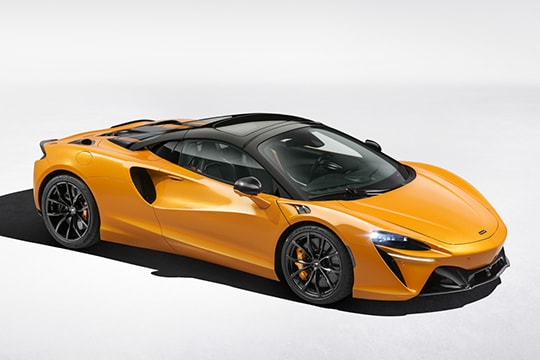
2 Generations (2021 - Present)
Body style: Coupes
Engines: Hybrid Gasoline · Plug-in Hybrid
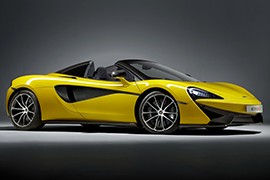
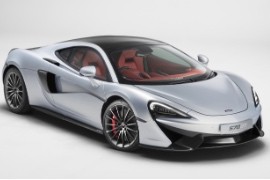
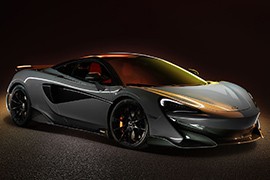
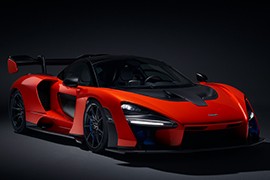
MCLAREN history
Cars made by McLaren Automotive have only one purpose: of incorporating as much Formula 1 technology into a road car as possible. Established in 1989 that company hasn't been very productive but the few models that they came up with made automotive history.
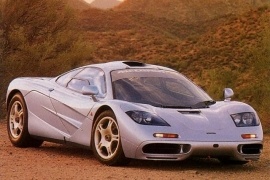
In keeping with their intentions, their first car was named the McLaren F1. It was dubbed a supercar by analysts and people who actually drove, and not just because it has a one million dollar plus plus tag. This three seat coupe had a V12, 6064 cc engine built by BMW. Only 100 models were made between 1992 and 1997.
It held the title of the fastest production car for many year, with an unofficial top speed of 241,35 mph (that's 391 km/h for those of you used to the metric system). Now, the title has been lost to the Bugatti Veyron and the SSC Ultimate Aero TT. Keep in mind that while these two cars were turbocharged, the F1 was naturally aspired.
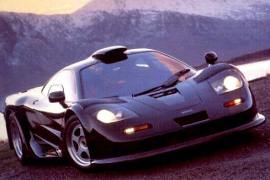
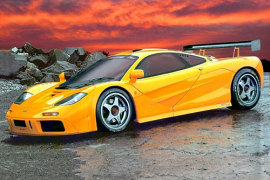
There were several models made of the F1, the GT, the GTR with variants 64 F1, 5 LM, 3 GT, 9 GTR95, 9 GTR96 and 10 GTR97. All that experience was put to the test again in 1998 when McLaren developed the world's first tandem Formula 1 car, the West McLaren Mercedes MP4/98T. This allowed another fortunate person sitting directly behind the driver to experience the thrills of riding in a Formula 1 race car.
Designed just like a normal Formula 1 car, this model had all the safety features that F.I.A. requires and then some. Built out of a carbon fiber monocoque, the MP4/98T has a 3.0 litre V10 Mercedes-Benz engine.
In 1999 an even more exotic car was scheduled to appear under the McLaren marque. Codename P7, this was a joint project with DaimlerChrysler, the main shareholder for the McLaren Group, and the company that also supplies the Mclaren's F1 team with engines. It was called the Mercedes-Benz SLR McLaren, and by all accounts, it was going to be another supercar.
Powered by a 5.5 liter suprecharged V8 engine which put out 626 bhp, the SLR accelerated from 0 to 60 in 3.8 seconds and up to 100 mph in just 6.3. The first SLR came off the assembly line in 2005. In 2006 the SLR 722 edition came out with more powerful engine and in 2007 the Convertible hit the streets. In April 2007 it was announced that the SLR would be discontinued for the coupe version and in 2009 for the convertible version.
As well as these highly successful models, the partnership between McLaren and Mercedes was supposed to bring some other projects that never saw the light of day: the P8, a car that was supposed to compete with Ferrari F430, Bentley Continental GT and Aston Martin DB9, the P9, a smaller supercar with a midsize engine and the P10 which was going to replace the SLR.
But you shouldn't fret to much if you think the SLR is outdated, reports are coming in that McLaren is currently developing a new car, codename P11, which is going to be a replacement for the F1, with a rumored speed of 390 km/h.
In keeping with their intentions, their first car was named the McLaren F1. It was dubbed a supercar by analysts and people who actually drove, and not just because it has a one million dollar plus plus tag. This three seat coupe had a V12, 6064 cc engine built by BMW. Only 100 models were made between 1992 and 1997.
It held the title of the fastest production car for many year, with an unofficial top speed of 241,35 mph (that's 391 km/h for those of you used to the metric system). Now, the title has been lost to the Bugatti Veyron and the SSC Ultimate Aero TT. Keep in mind that while these two cars were turbocharged, the F1 was naturally aspired.
There were several models made of the F1, the GT, the GTR with variants 64 F1, 5 LM, 3 GT, 9 GTR95, 9 GTR96 and 10 GTR97. All that experience was put to the test again in 1998 when McLaren developed the world's first tandem Formula 1 car, the West McLaren Mercedes MP4/98T. This allowed another fortunate person sitting directly behind the driver to experience the thrills of riding in a Formula 1 race car.
Designed just like a normal Formula 1 car, this model had all the safety features that F.I.A. requires and then some. Built out of a carbon fiber monocoque, the MP4/98T has a 3.0 litre V10 Mercedes-Benz engine.
In 1999 an even more exotic car was scheduled to appear under the McLaren marque. Codename P7, this was a joint project with DaimlerChrysler, the main shareholder for the McLaren Group, and the company that also supplies the Mclaren's F1 team with engines. It was called the Mercedes-Benz SLR McLaren, and by all accounts, it was going to be another supercar.
Powered by a 5.5 liter suprecharged V8 engine which put out 626 bhp, the SLR accelerated from 0 to 60 in 3.8 seconds and up to 100 mph in just 6.3. The first SLR came off the assembly line in 2005. In 2006 the SLR 722 edition came out with more powerful engine and in 2007 the Convertible hit the streets. In April 2007 it was announced that the SLR would be discontinued for the coupe version and in 2009 for the convertible version.
As well as these highly successful models, the partnership between McLaren and Mercedes was supposed to bring some other projects that never saw the light of day: the P8, a car that was supposed to compete with Ferrari F430, Bentley Continental GT and Aston Martin DB9, the P9, a smaller supercar with a midsize engine and the P10 which was going to replace the SLR.
But you shouldn't fret to much if you think the SLR is outdated, reports are coming in that McLaren is currently developing a new car, codename P11, which is going to be a replacement for the F1, with a rumored speed of 390 km/h.
Latest MCLAREN News

This McLaren Costs Less Than a New Porsche 911 Carrera
16 May 2026, 14:00 UTC · By: Cristian Gnaticov
Dealer Buys Used McLaren 750S Spider, Drives 50 Miles, Sells for $115,090 Below Sticker
13 May 2026, 12:20 UTC · By: Cristian Gnaticov
One Special McLaren 750S Spider Coming Right Up
9 May 2026, 01:40 UTC · By: Cristian Gnaticov
McLaren Launches Golf Venture, Introduces the Series 1 and Series 3 Irons for Your Golf Bag
30 Apr 2026, 06:50 UTC · By: Aurel Niculescu
CEO Bought a $2 Million McLaren Elva, the Supercar Ended Up With a Salvage Title
28 Feb 2026, 10:58 UTC · By: Elena Luchian
Rendering: 2028 McLaren Solomon Looks Like a Hybrid Supercar Ready to Fight Testarossa and Revuelto
28 Feb 2026, 23:00 UTC · By: Aurel Niculescu
This McLaren W1 Is 1,000 Times Cheaper Than the Real Deal, but There Is a Tiny Catch
24 Feb 2026, 22:04 UTC · By: Elena Luchian
This McLaren Just Sold for 'Vette Money, Jealous?
5 Feb 2026, 17:00 UTC · By: Cristian Gnaticov
McLaren Artura MCL39 Champion Edition Rocks Myan Orange, 10 Stars, but No Power Bump
3 Feb 2026, 13:08 UTC · By: Elena Luchian