Daihatsu appeared one century ago but the brand name itself was not used on any vehicles till 1951 when the 1907 founded Hatsudoki Seizo company changed its name to Daihatsu Motor Co. Constructor of small cars, Daihatsu first released low-priced small engined three wheelers before launching its rang... SHOW MORE
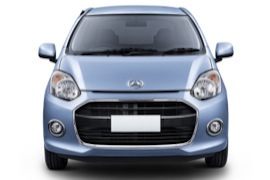
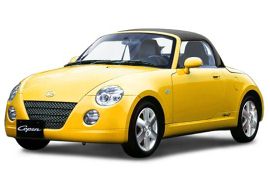

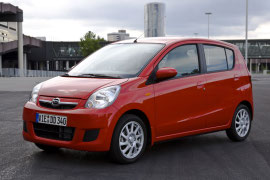
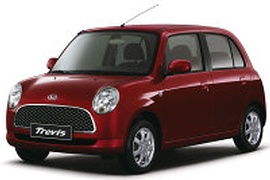
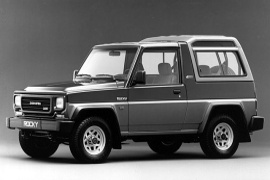
DAIHATSU history
Daihatsu appeared one century ago but the brand name itself was not used on any vehicles till 1951 when the 1907 founded Hatsudoki Seizo company changed its name to Daihatsu Motor Co. Constructor of small cars, Daihatsu first released low-priced small engined three wheelers before launching its range of four wheelers in 1958. Although Daihatsu car sizes may spark laughter, they are the result of a cleverly positioned brand.
The small capacity cars it markets have reigned over the small auto Asian category, with the Domino and Charade models being among the most successful. Daihatsu was the first Japanese producer to reach western markets, mainly the UK, through its 1966 Compagno model.
Most of the early and present Daihatsu model range is comprised of three cylinder engine powered vehicles as well as a minuscule very fuel-efficient diesel engine with a below 1000 cc displacement.
Although Daihatsu is nautical miles away from making any sports cars, it id develop a 993 cc turbocharged variant of its Charade model.
Despite the roller-skate-for-giant-scaly-monsters look, Daihatsus have proven quite useful in the Oriental hyper crowded metropoleis. Models like the 3 wheeled Midget are a common sight in older martial arts movies set in the Far East.
Strangely as it may seem, Daihatsu has also involved in off-roader production, the first 4 wheel drive model released having been the Taft, a car propelled by either a 1.0 liter gasoline engine or a 2.5 diesel. Its SUV range was later completed by the rather commercial-utility Fourtrak model in 1985 and the 1990 released Sportrak. Inspite its considerable efforts, Daihatsu could not compete against the small SUV range of other producers such as Honda or Toyota.
Changes in Japanese taxes and regulations regarding K-class cars have also allowed Daihatsu to increase the size of its vehicles while still complying to the performance and dimensions compliances. The merger with the Toyota Motor Corporation has provided an excellent route for reaching distant markets like South America and Australia.
Although Daihatsu has registered poor sales in Australia, it has successfully counterbalanced its revenue decrease through the subsidiaries held in Chile and Venezuela and by signing profitable supply agreements with other car producers, such as Perodua, the second largest in Malayasia.
The small capacity cars it markets have reigned over the small auto Asian category, with the Domino and Charade models being among the most successful. Daihatsu was the first Japanese producer to reach western markets, mainly the UK, through its 1966 Compagno model.
Most of the early and present Daihatsu model range is comprised of three cylinder engine powered vehicles as well as a minuscule very fuel-efficient diesel engine with a below 1000 cc displacement.
Although Daihatsu is nautical miles away from making any sports cars, it id develop a 993 cc turbocharged variant of its Charade model.
Despite the roller-skate-for-giant-scaly-monsters look, Daihatsus have proven quite useful in the Oriental hyper crowded metropoleis. Models like the 3 wheeled Midget are a common sight in older martial arts movies set in the Far East.
Strangely as it may seem, Daihatsu has also involved in off-roader production, the first 4 wheel drive model released having been the Taft, a car propelled by either a 1.0 liter gasoline engine or a 2.5 diesel. Its SUV range was later completed by the rather commercial-utility Fourtrak model in 1985 and the 1990 released Sportrak. Inspite its considerable efforts, Daihatsu could not compete against the small SUV range of other producers such as Honda or Toyota.
Changes in Japanese taxes and regulations regarding K-class cars have also allowed Daihatsu to increase the size of its vehicles while still complying to the performance and dimensions compliances. The merger with the Toyota Motor Corporation has provided an excellent route for reaching distant markets like South America and Australia.
Although Daihatsu has registered poor sales in Australia, it has successfully counterbalanced its revenue decrease through the subsidiaries held in Chile and Venezuela and by signing profitable supply agreements with other car producers, such as Perodua, the second largest in Malayasia.
Latest DAIHATSU News

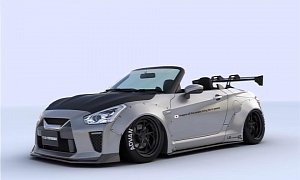
Kei Car Visits Japanese Tuning School, This Is Liberty Walk’s Take on the Daihatsu Copen
29 Apr 2026, 18:32 UTC · By: Cristian Gnaticov
Daihatsu Brings Fleet of Visionary Car Concepts to Japan Mobility Show 2023
26 Oct 2023, 12:46 UTC · By: Ancuta Iosub
Daihatsu Wants To Blow Away 2022 Tokyo Auto Salon With a Camper Based on the Atrai Kei Car
28 Dec 2021, 10:09 UTC · By: Cristian Agatie
Adorable Tricked Out Daihatsu Mini-Truck Is All Show, No Go
12 Dec 2021, 20:53 UTC · By: Benny Kirk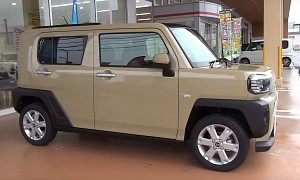
2020 Daihatsu Taft Goes on Sale in Japan, Is Both Adorable and Rugged
11 Jul 2020, 18:44 UTC · By: Mihnea Radu
The Most Amazing Nurburgring Save Is a Rollover Nightmare
31 Aug 2018, 19:34 UTC · By: Andrei Tutu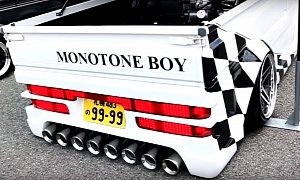
Tiny Japanese Truck Thinks It Needs Eight Exhausts
12 Aug 2018, 13:00 UTC · By: Mihnea Radu
2018 Daihatsu Terios Teased As 2018 Toyota Rush Leaks Online
18 Nov 2017, 12:22 UTC · By: Mircea Panait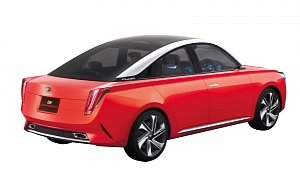
Daihatsu DN Compagno Is a Bubble Retro Sedan from Japan
11 Oct 2017, 18:50 UTC · By: Mihnea Radu