Objectives The incidence of cancers, especially stomach, colorectal, and esophageal cancers, is increasing in the Iranian elderly population. At present, family members often identify the needs of cancer patients and provide their main...
moreObjectives The incidence of cancers, especially stomach, colorectal, and esophageal cancers, is increasing in the Iranian elderly population. At present, family members often identify the needs of cancer patients and provide their main care. Therefore, the present study determines the relationship between caregiver burden and quality of life in the caregivers of elderly patients with digestive system cancers referred to selected hospitals in Tehran City, Iran, in 2023. Methods & Materials This was a descriptive-analytical study. In this article, the relationship between caregiver burden and quality of life was investigated in 270 caregivers of elderly patients with digestive system cancers referred to selected hospitals in Tehran City, Iran, in 2023. Sampling was done using a cluster sampling method, and the time limit was from March to December 2023. In this research, personal and social profile questionnaires, Zarit care burden questionnaire, and cancer caregiver quality of life index were used. The data were analyzed using the SPSS software, version 22, along with statistical tests. Descriptive statistics, one-sample t test, and univariate linear regression were used, and P<0.05 was considered significant in all stages. Results The average score of caregiver burden among those caring for elderly patients with gastrointestinal cancer was 30.63±14.10, indicating the average care burden in the caregivers of elderly patients with gastrointestinal cancer(P<0.001) The average score of quality of life in the caregivers of elderly patients with gastrointestinal cancer was 70.39±18.12, reflecting a low quality of life score (P<0.001). A significant negative relationship was observed between caregiver's care burden and caregiver's quality of life (P<0.001), meaning that as caregiver burden increases, quality of life decreases. Caregiver burden accounted for 30% of the variation in quality of life. Caregiver burden was significantly associated with increasing average age (P=0.04), number of children (P=0.03), duration of care (P=0.002), retired caregivers (P=0.03), and living with others (P=0.03). On the other hand, the average social support increases (P=0.002), and this increase has been significant. Quality of life scores significantly declined among older caregivers (P=0.001), had more children (P=0.001), were retired (P=0.04), lived with a spouse (P=0.01), had low to moderate social support (P=0.001), or had chronic conditions such as depression, arthritis, diabetes, asthma, or angina pectoris (P=0.003). Conclusion Caregiving burden can play an effective role in reducing the quality of life of caregivers of the elderly with gastrointestinal cancer, and by reducing the caregiving pressure, we can observe an increase in the quality of life of caregivers of the elderly.




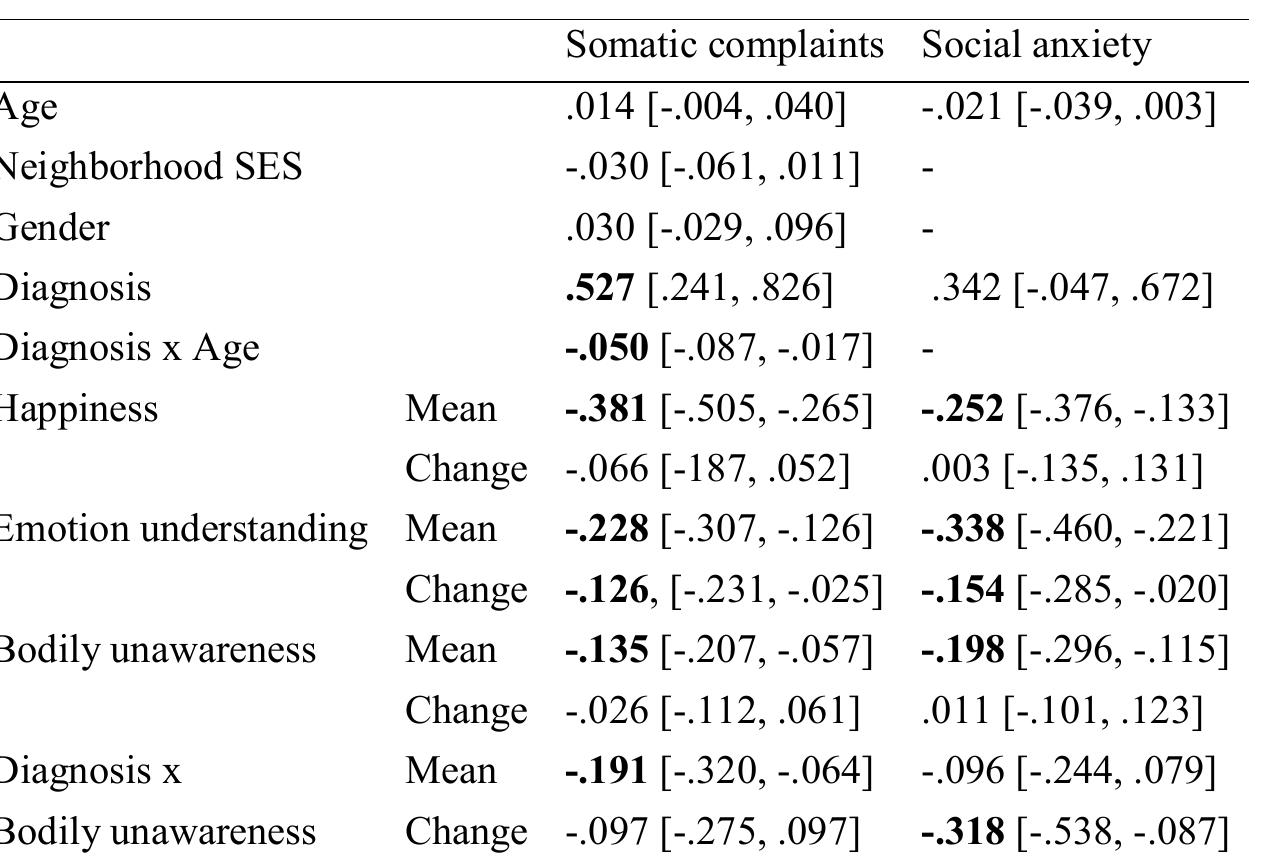
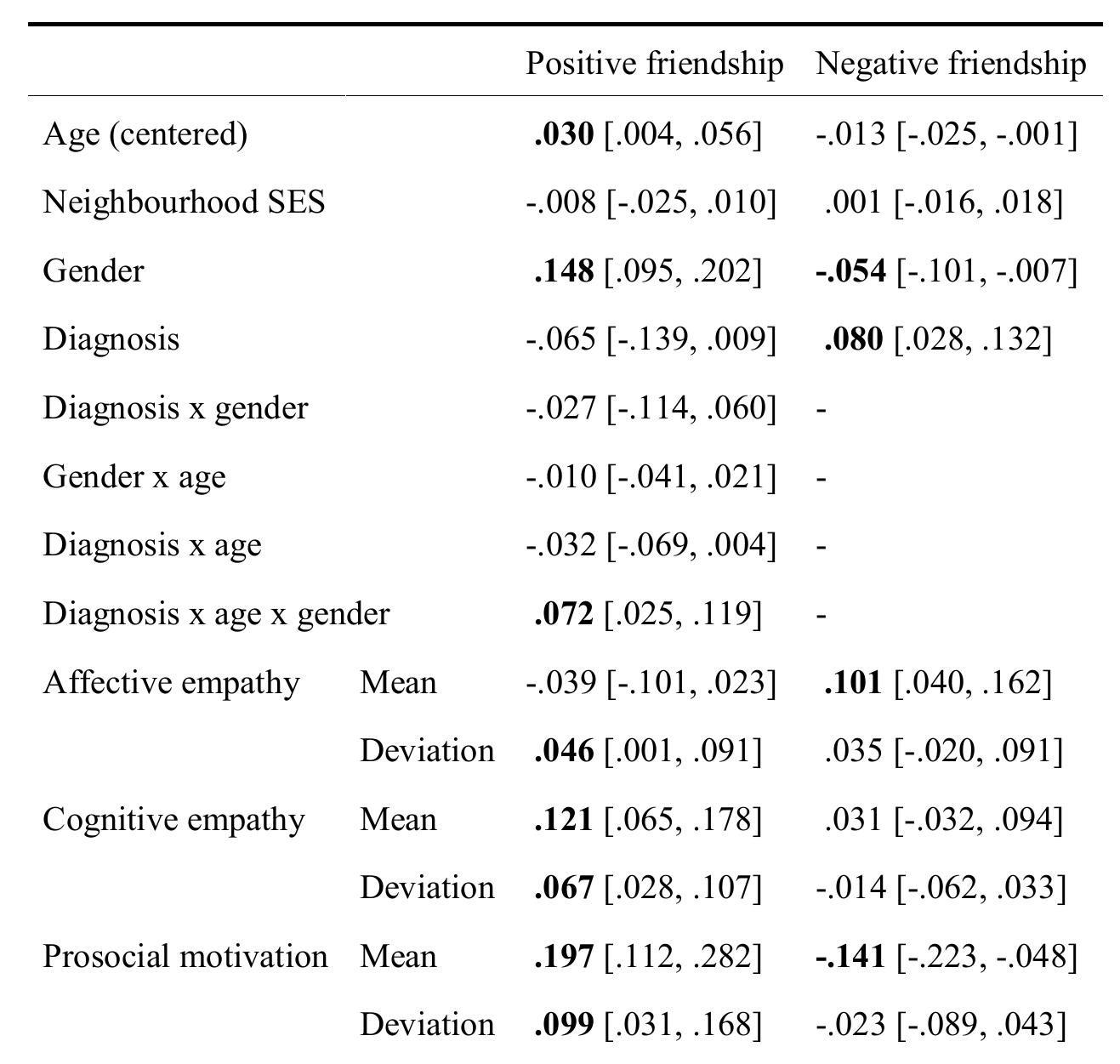
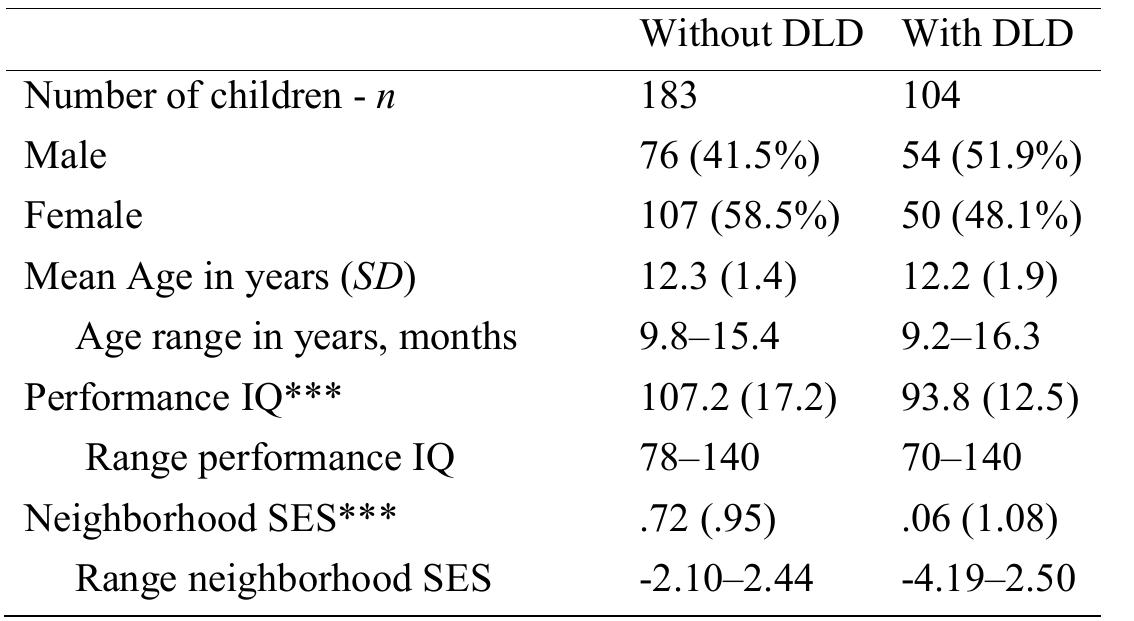


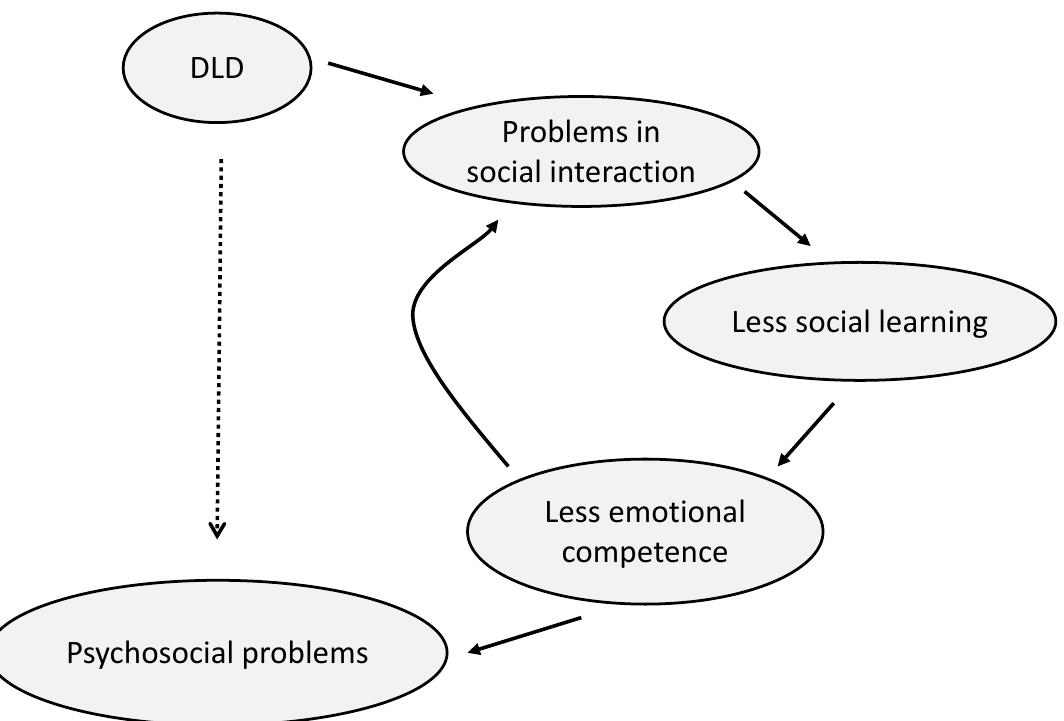

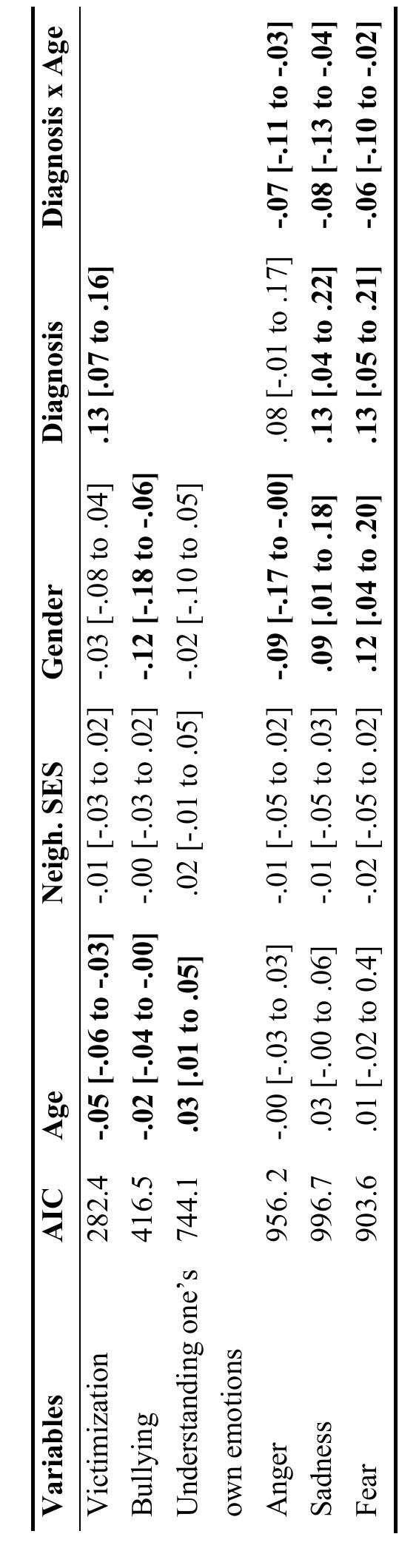
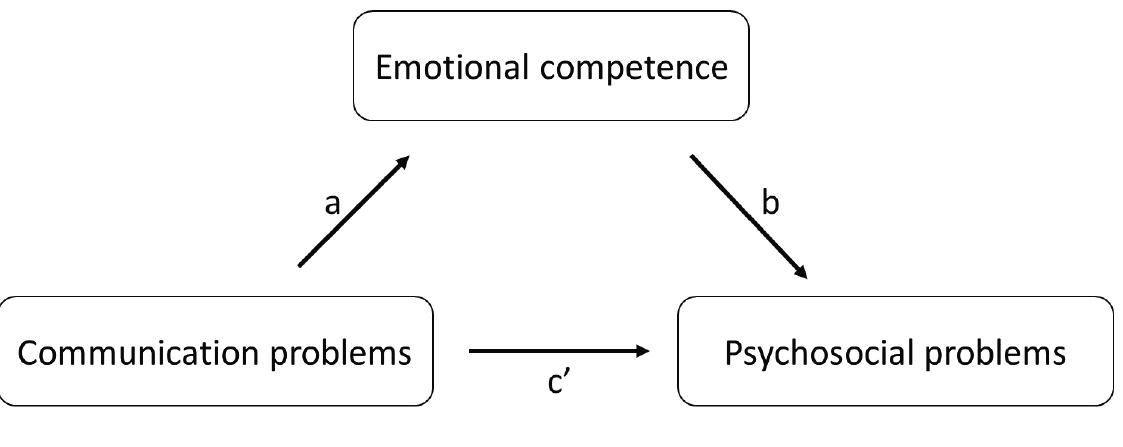
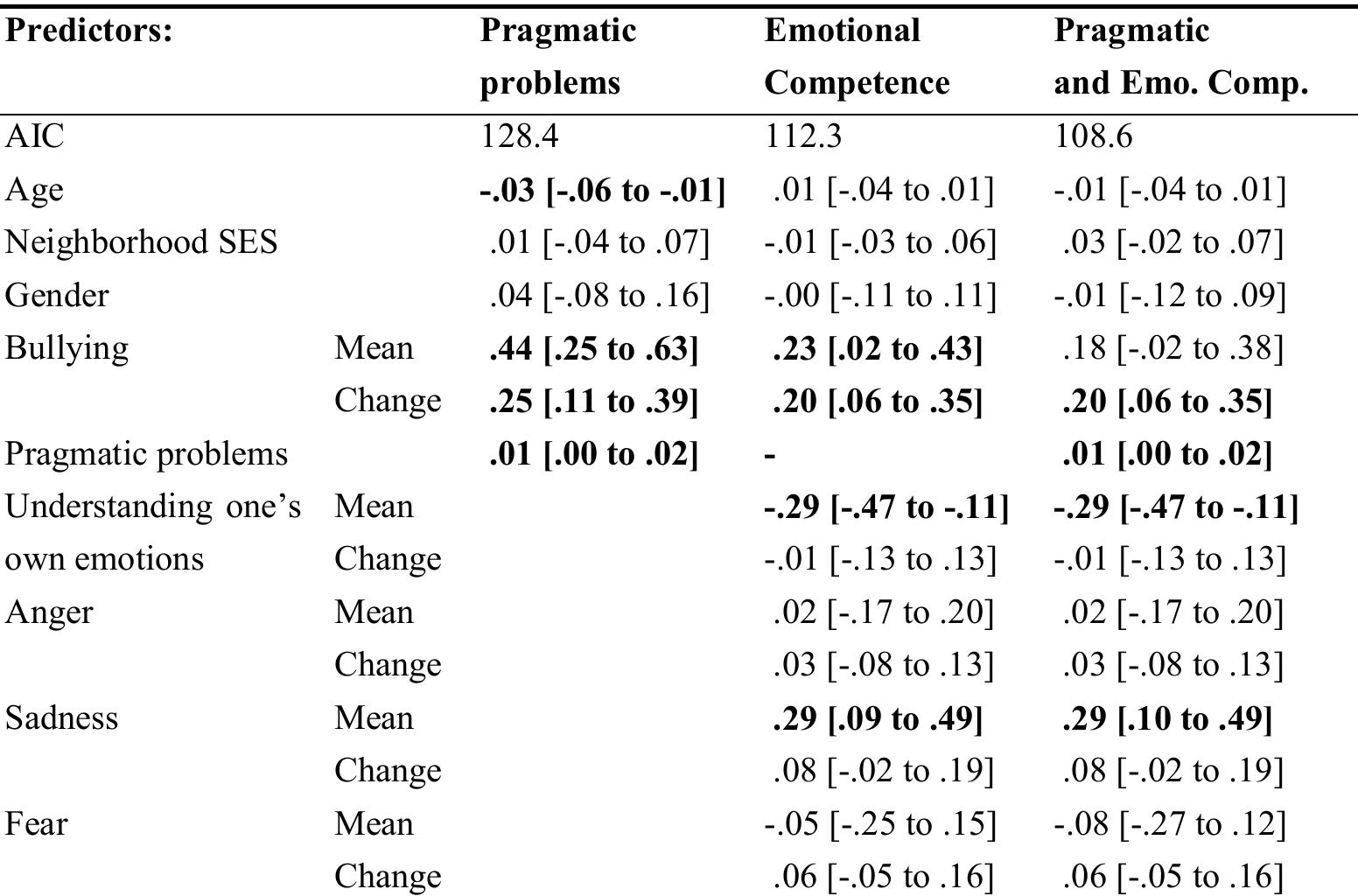
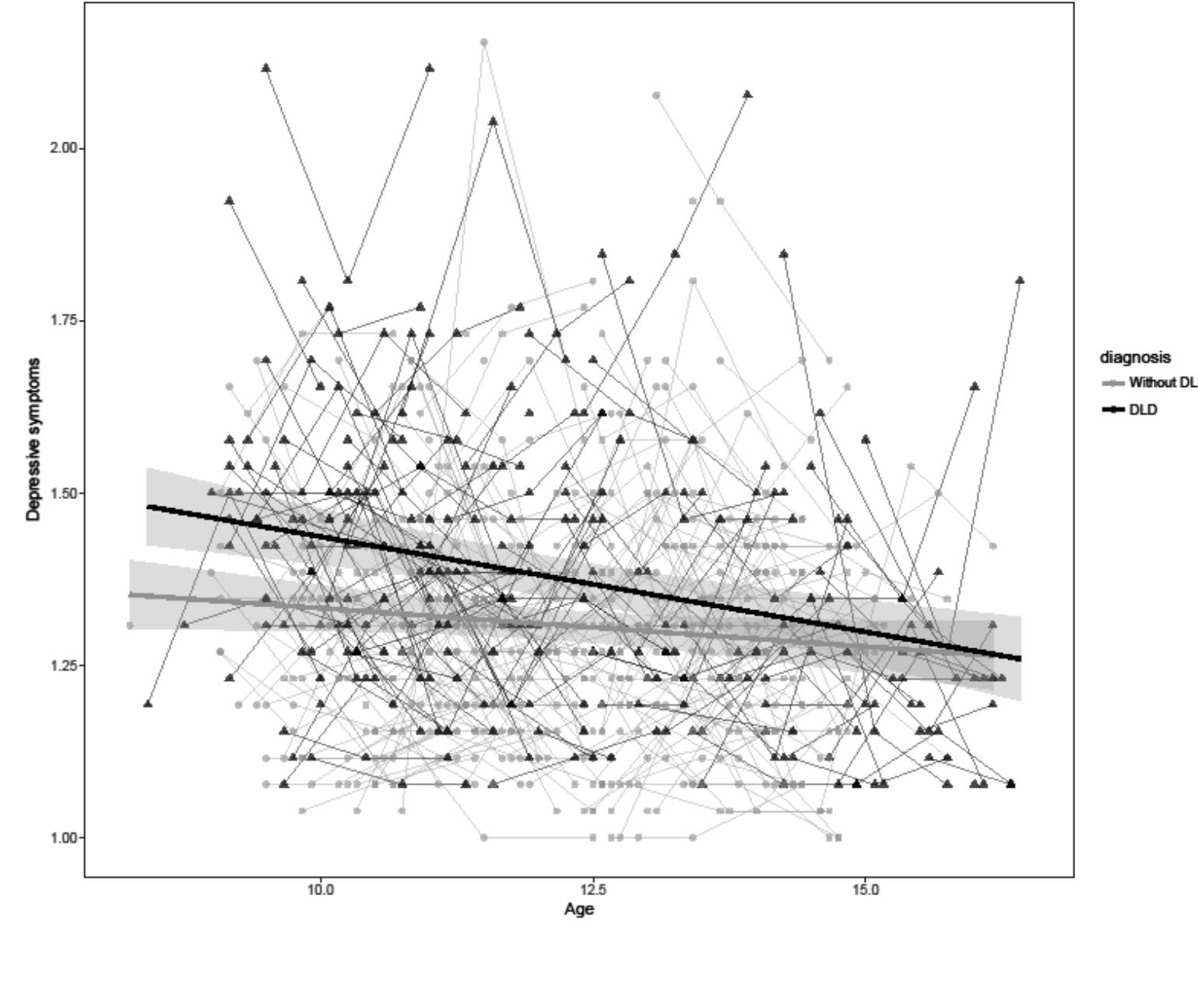
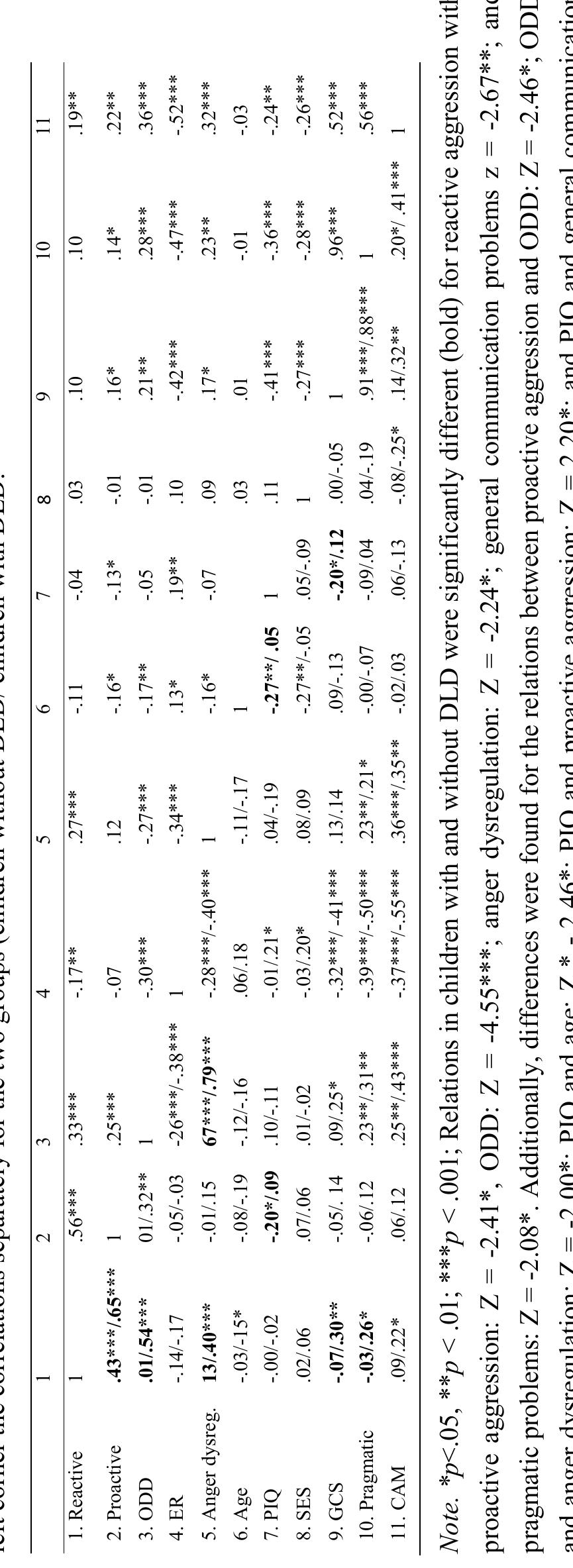

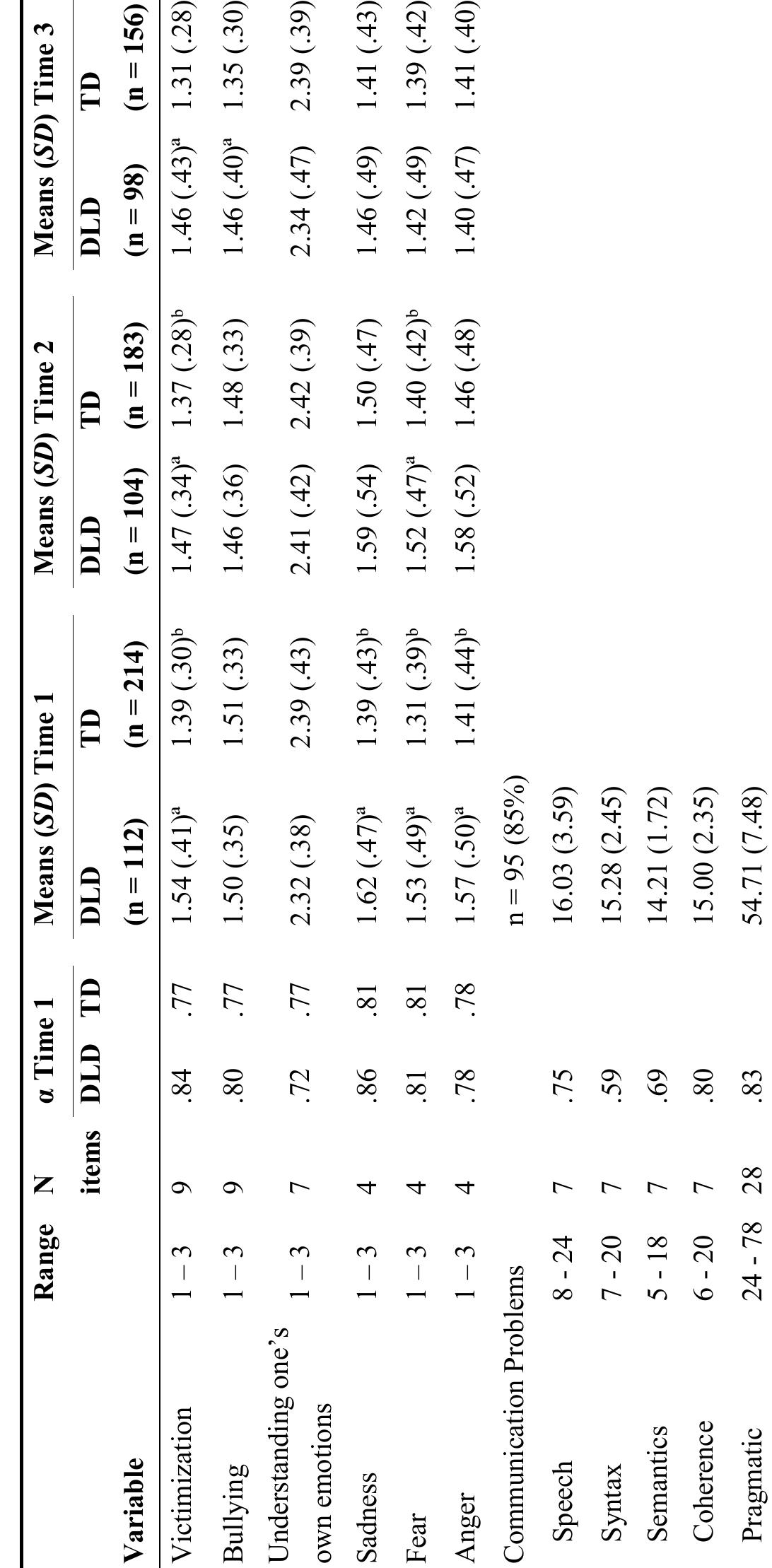
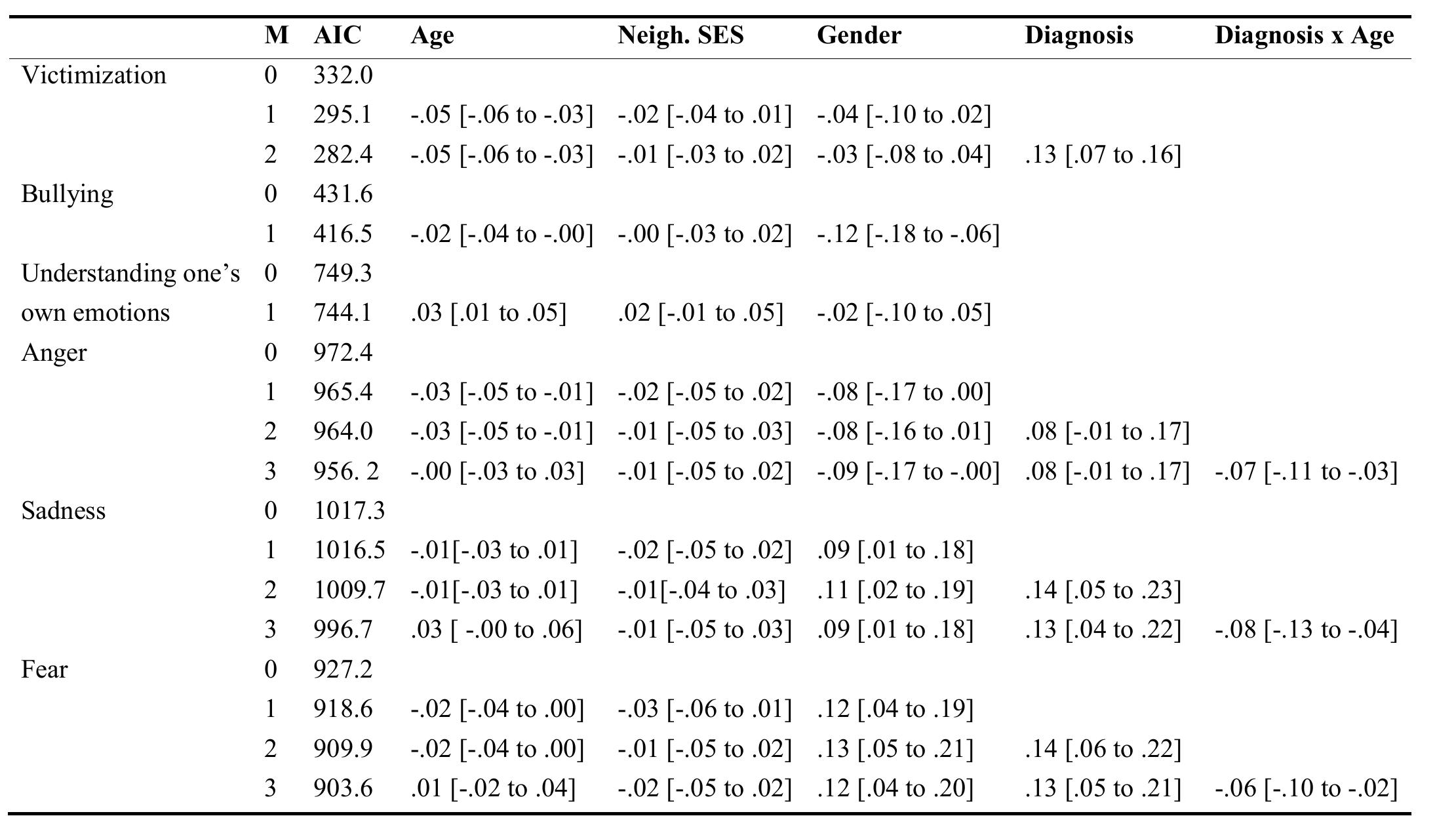
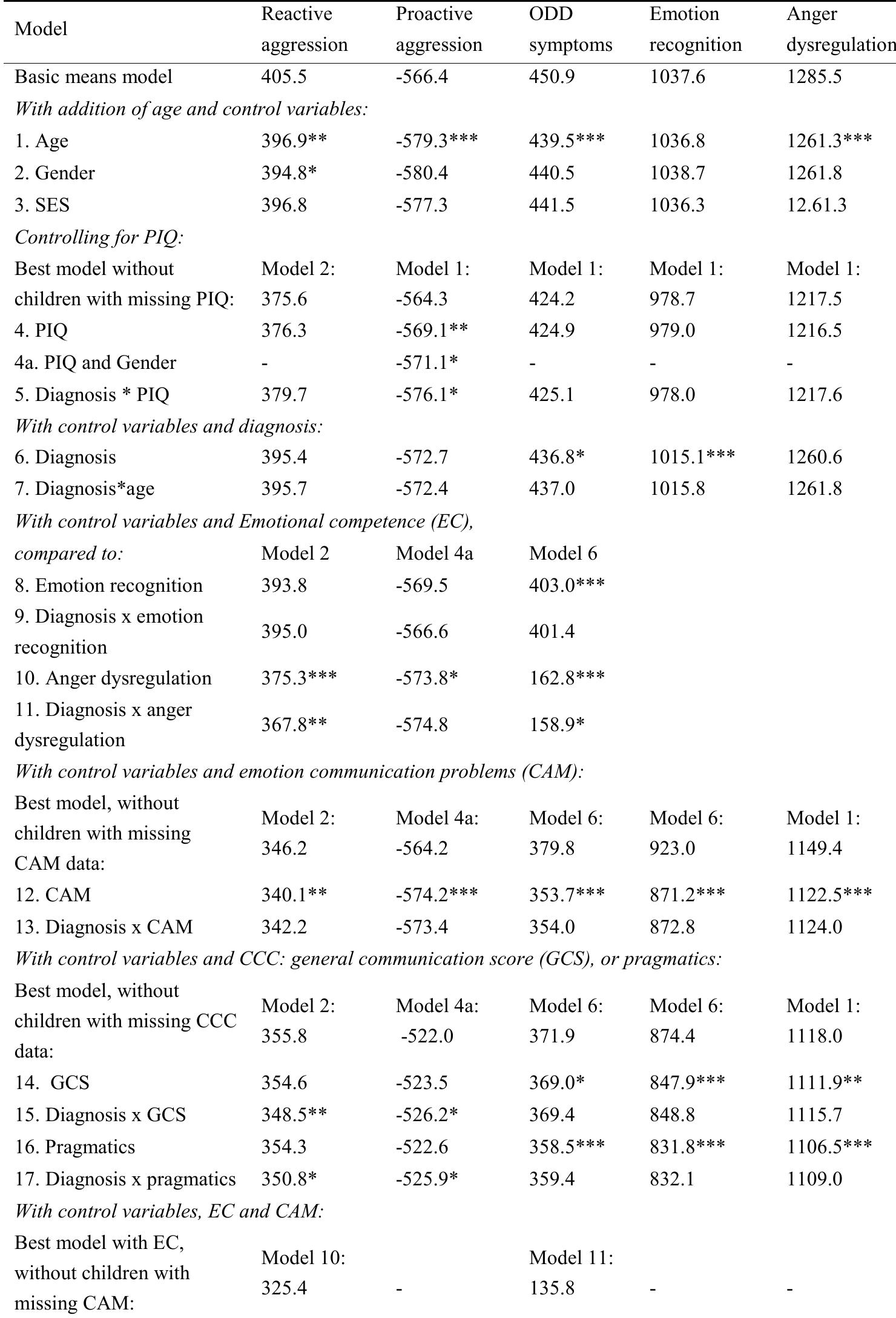
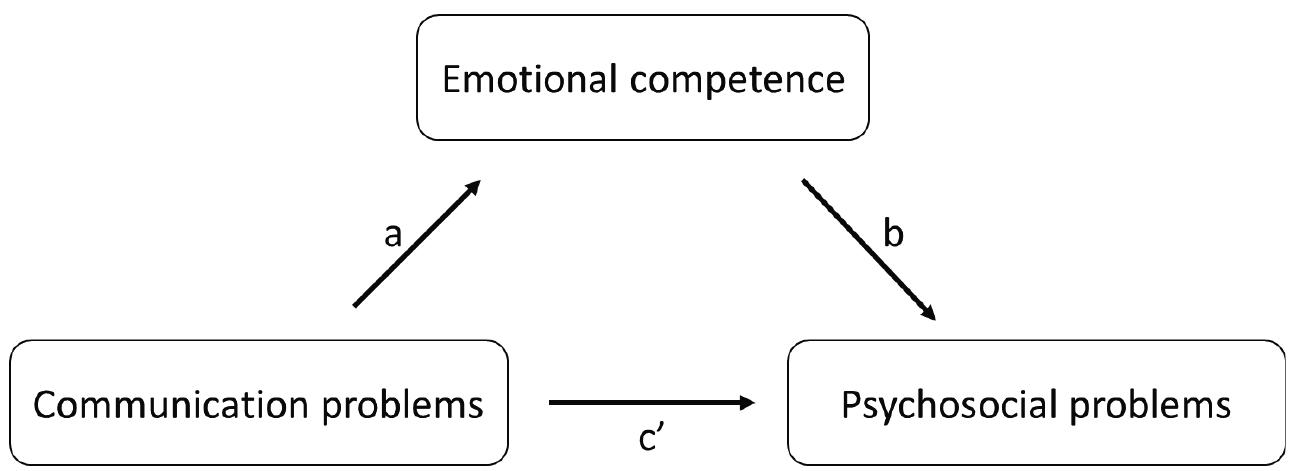


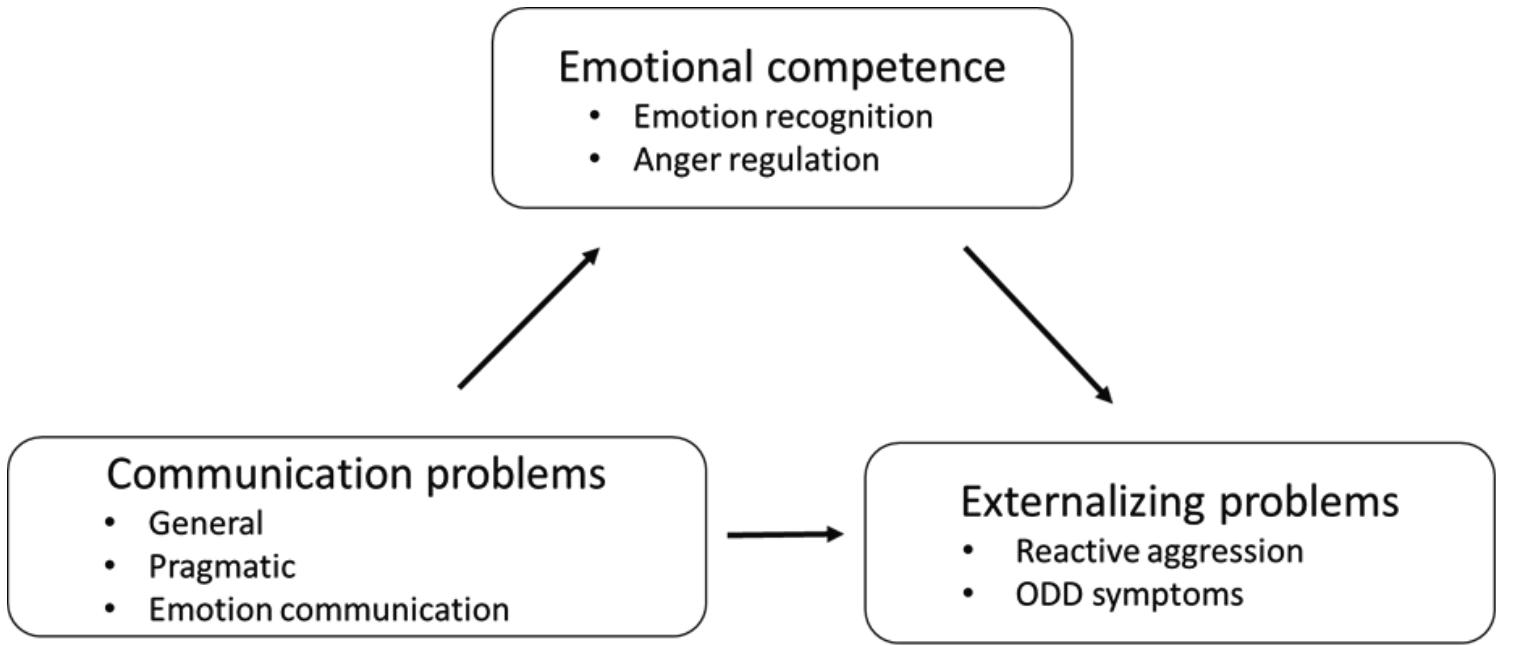
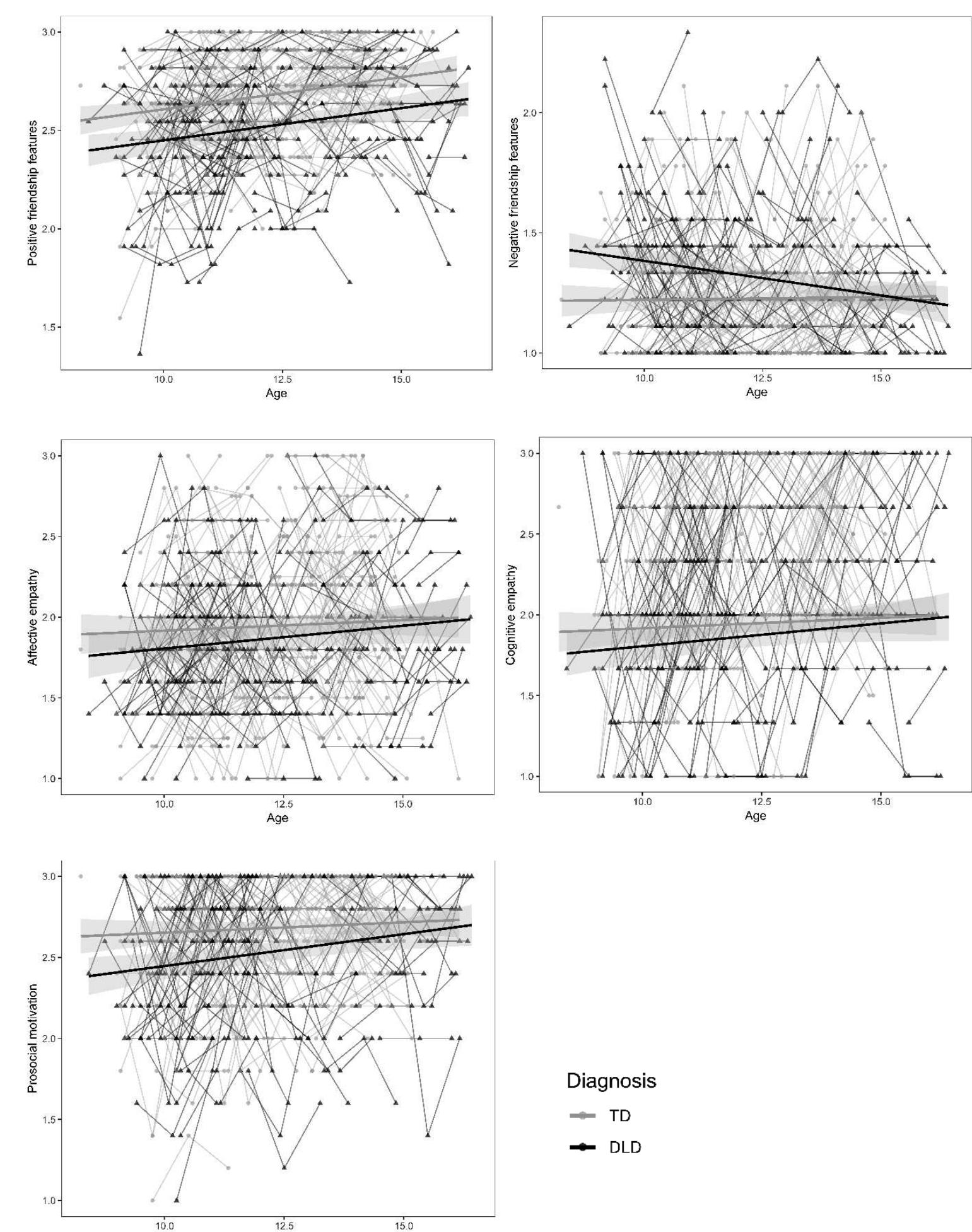
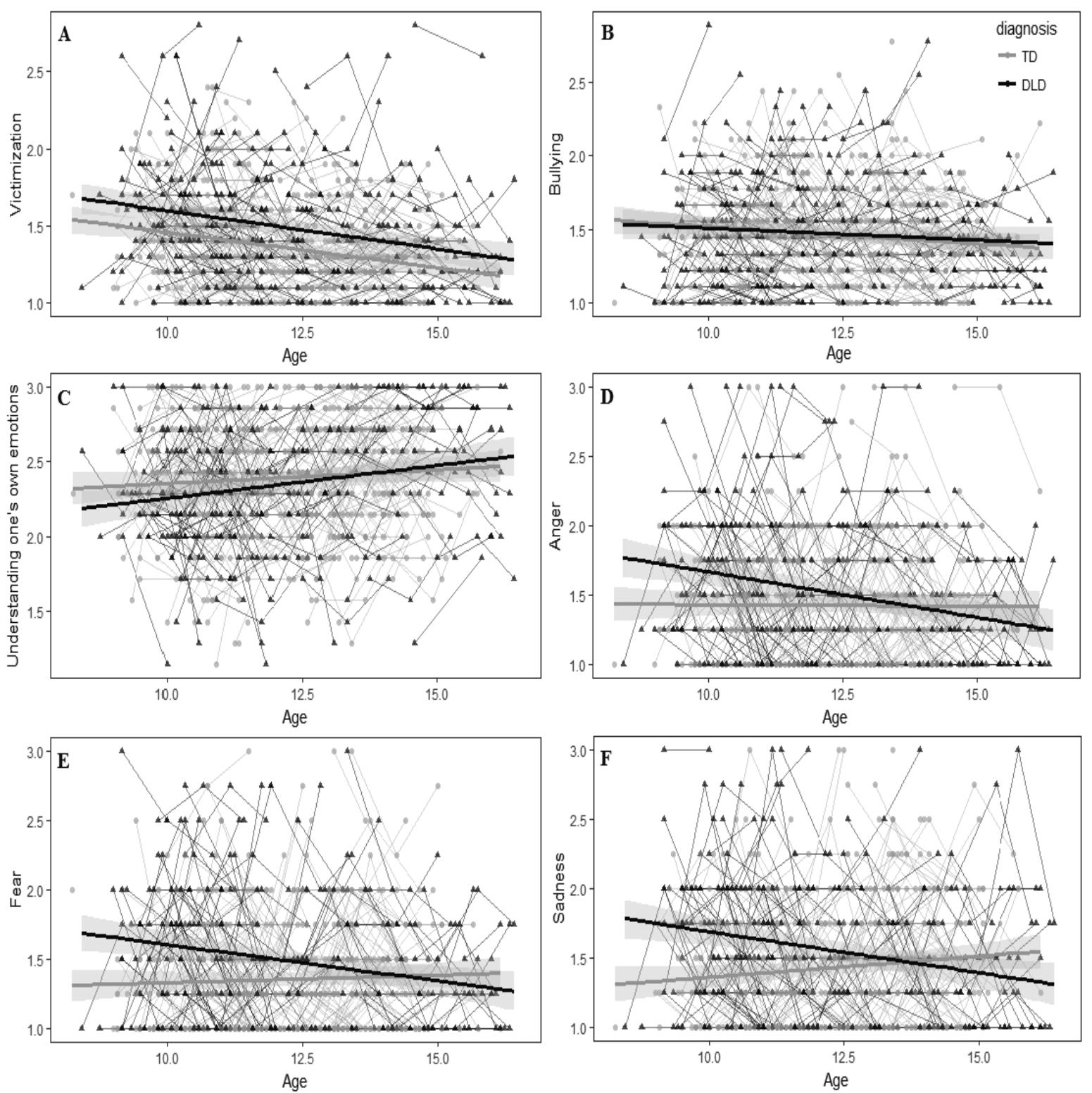
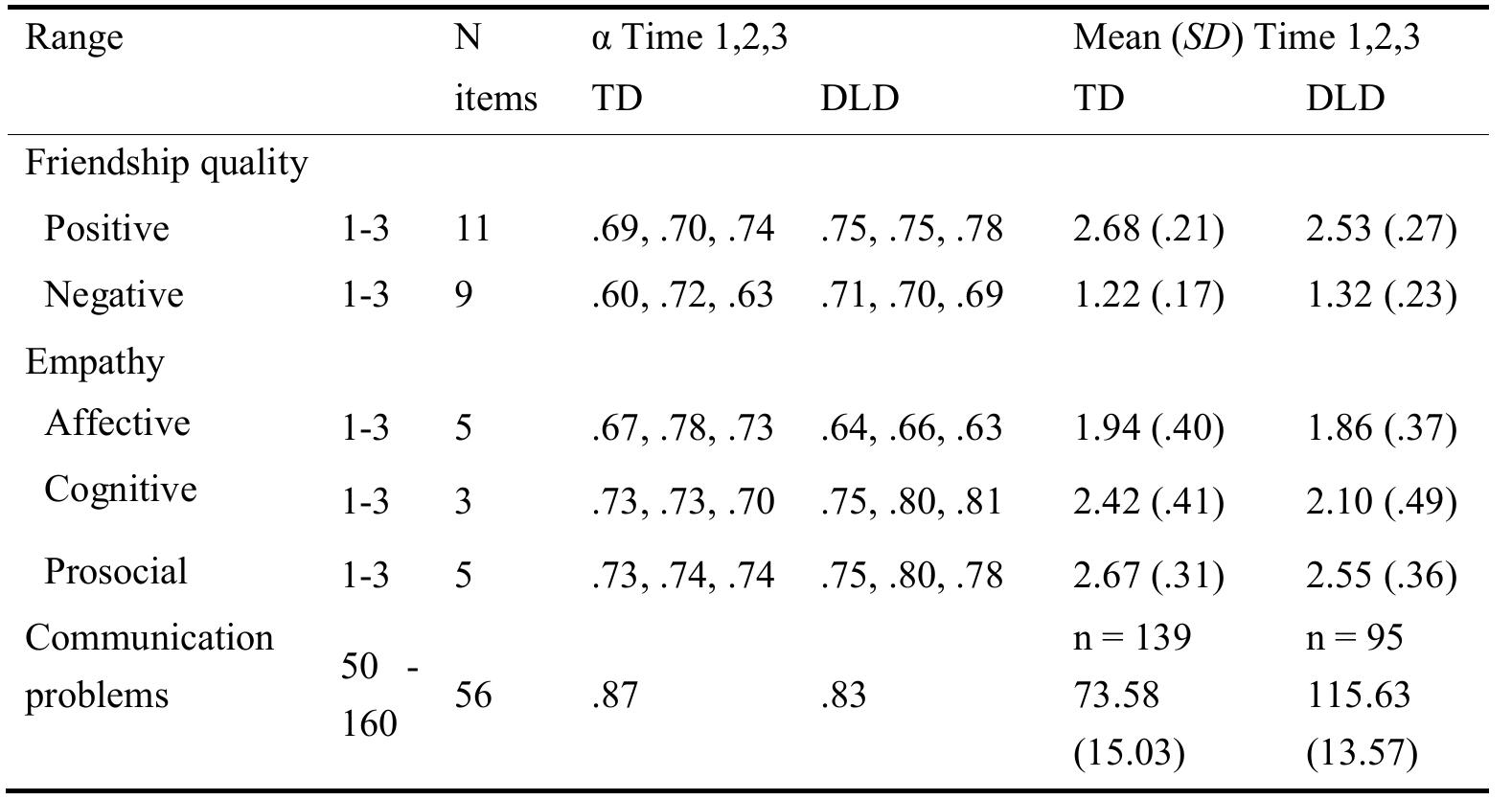
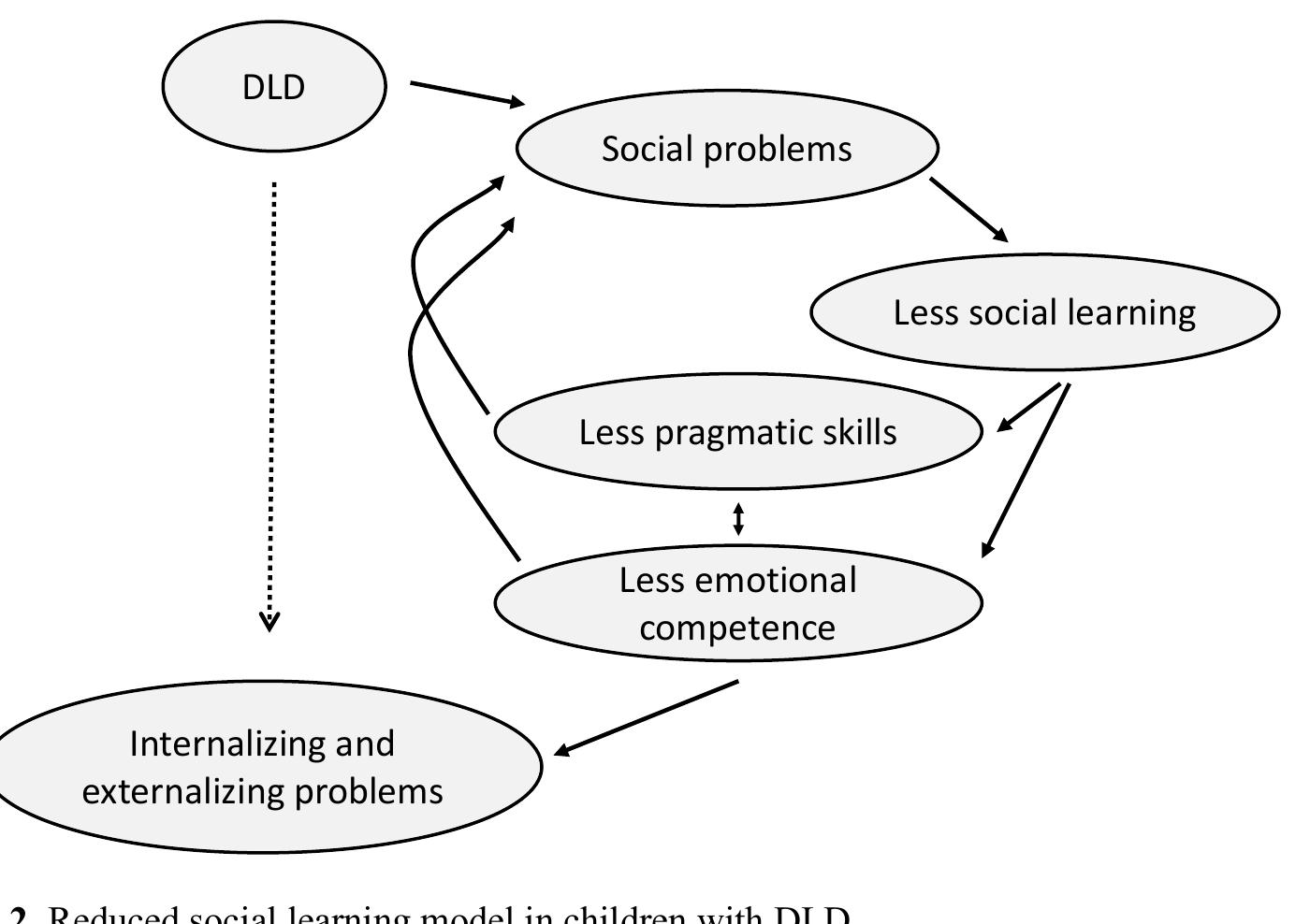
![Note. Significant regression weights are bold. anger dysregulation predicting reactive externalizing problems Mediating role of emotional competence in the relation of communication problems and externalizing problems The third aim was to examine whether the relations between externalizing problems and communication problems were mediated by children’s emotional competence (Figure 1). First, we examined the direct path of communication problems to externalizing problems. We reran the best fitting models as described above excluding children with missing data on the CCC or CAM. Then the severity of communication problems (general [structural language and pragmatic scales combined], or pragmatic and emotion communication), as well as the interaction effects with diagnosis, were added to the model. 2 ¥ Sa: 1! wees oe ae ee eee peas cq: The third aim was to examine whether the relations between externalizing problems and iigher levels of reactive aggression, but not proactive aggression. Growth in emotional](https://figures.academia-assets.com/120329946/table_034.jpg)
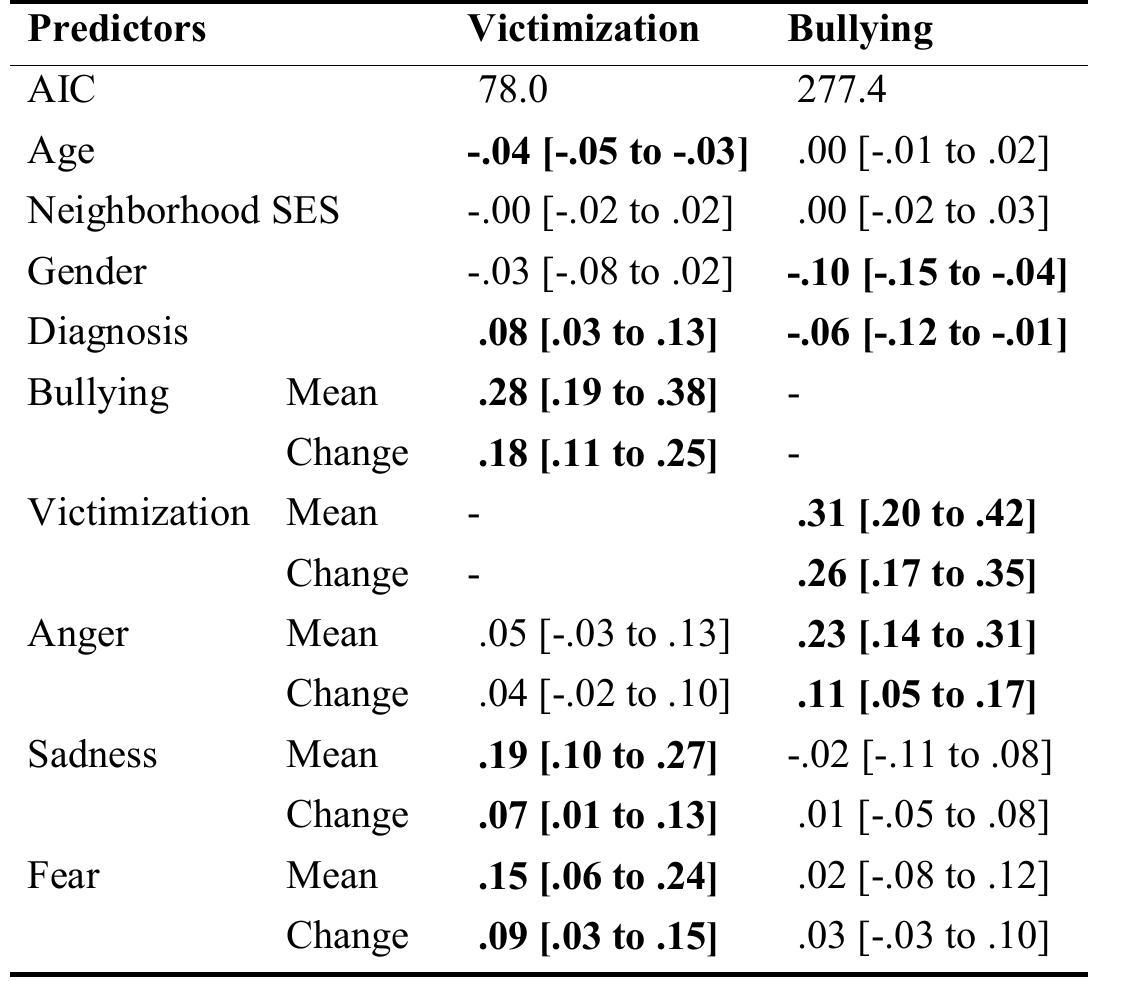
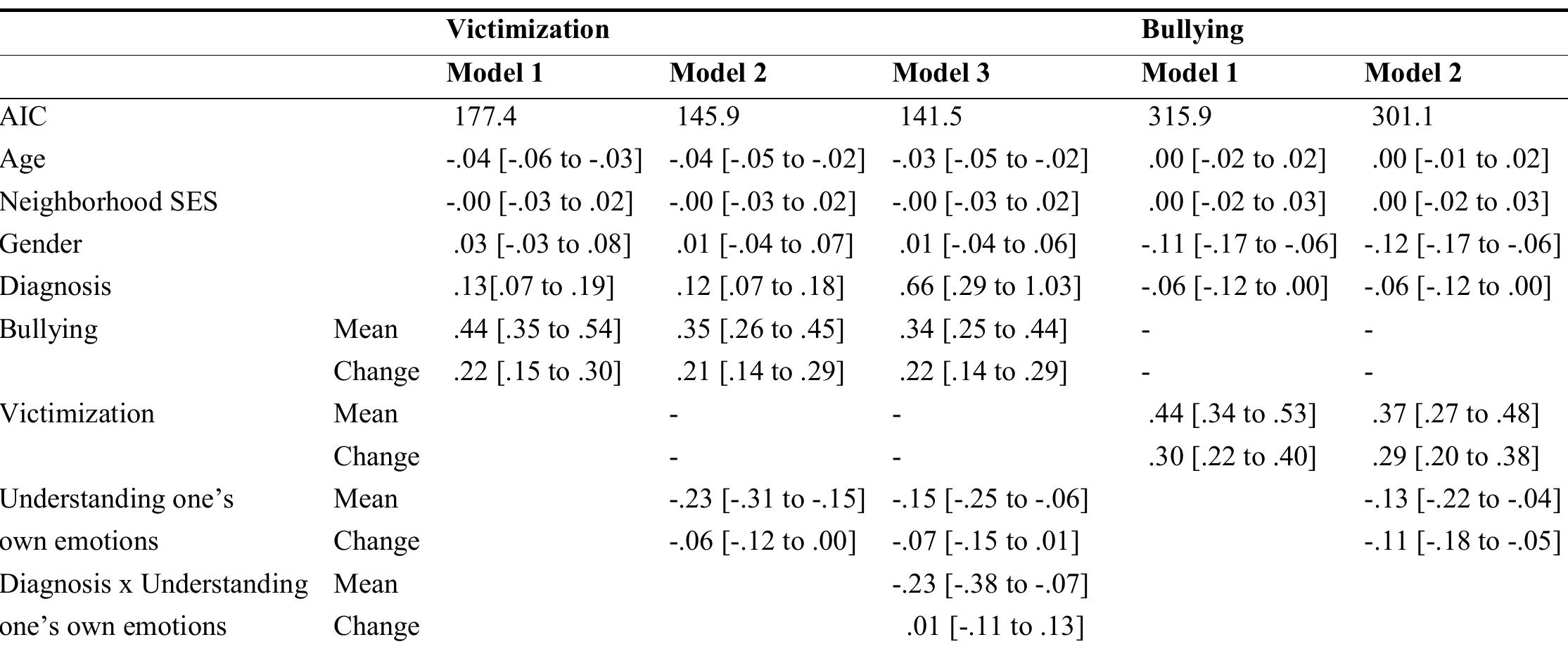
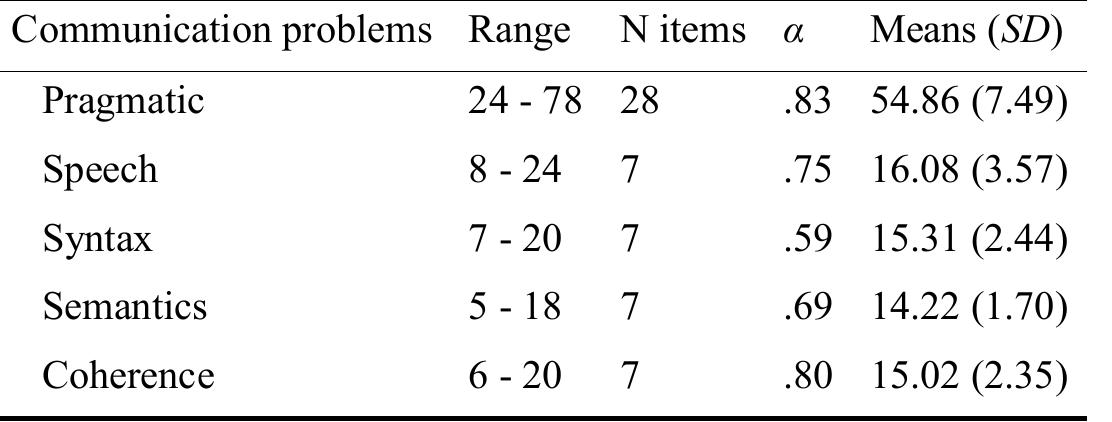
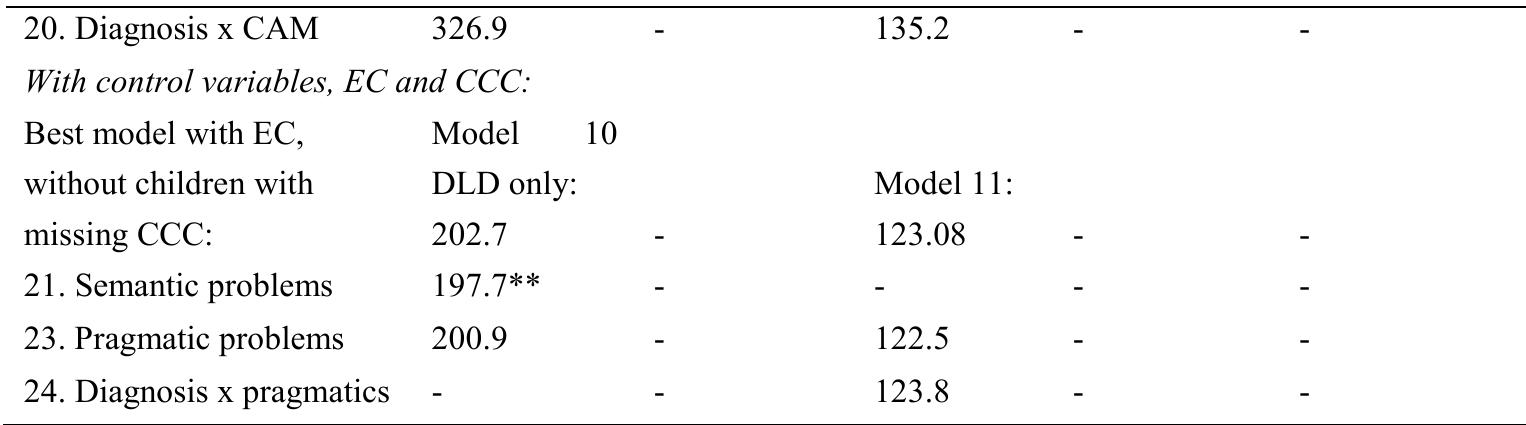
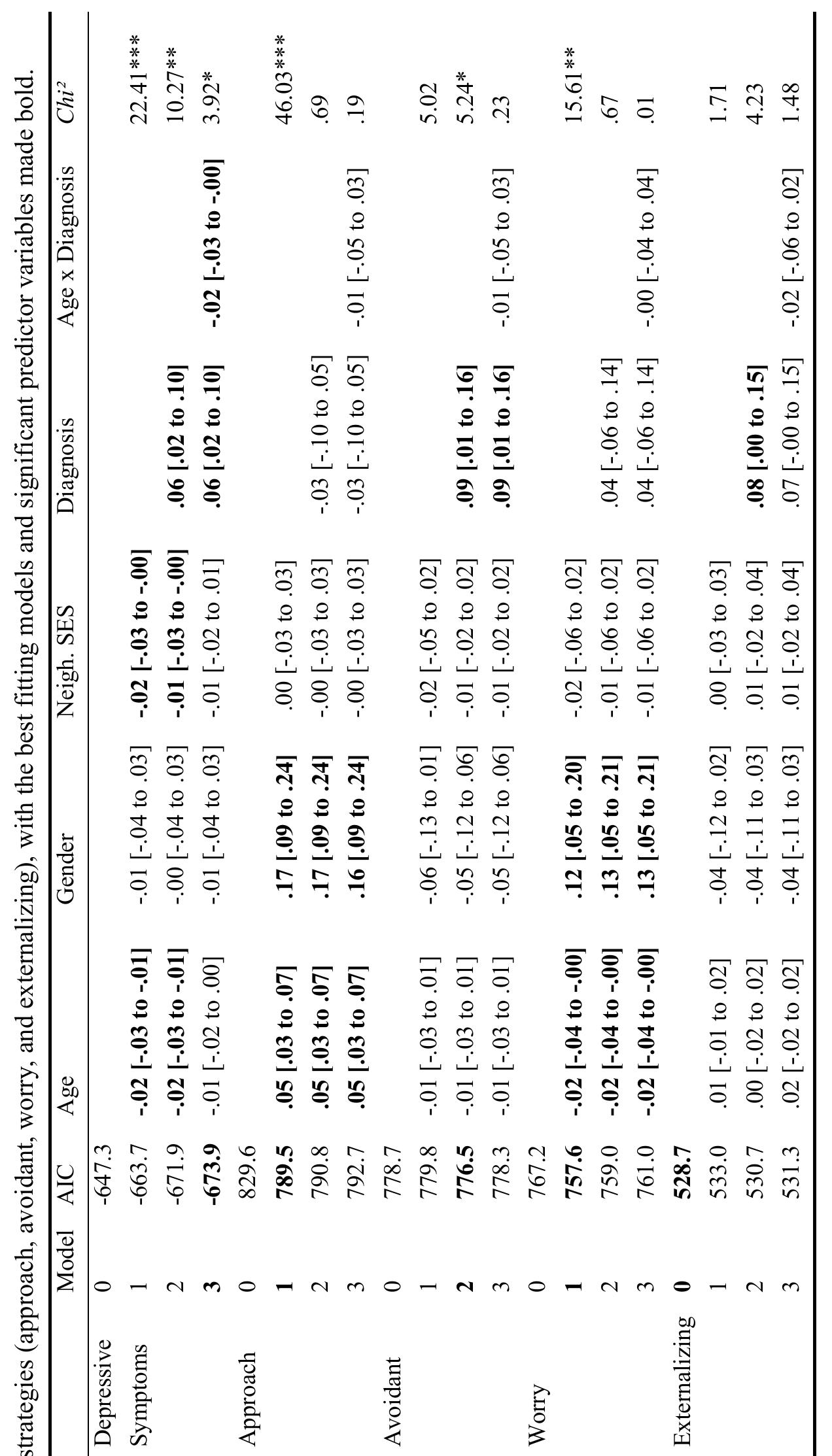
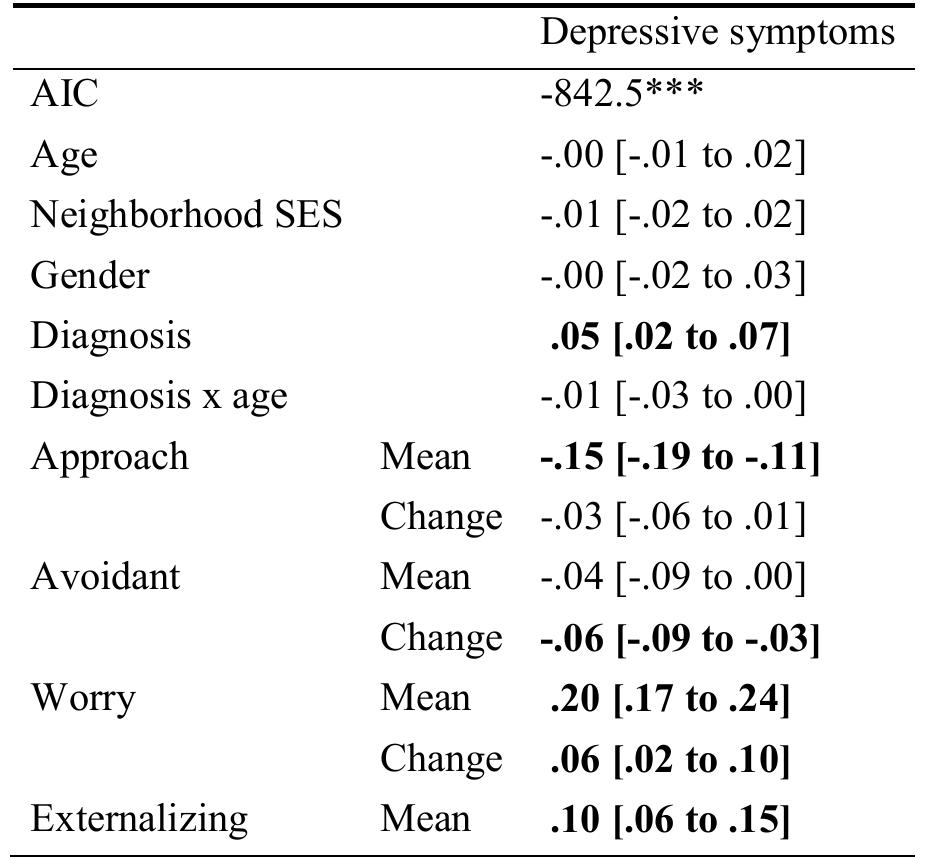
![externalizing strategies, with significant predictors made bold. Approach and avoidant strategies of children with DLD were also not related to any of the CCC-2 scales. However, semantic problems were related to higher levels of worry (AJC without: 290.7, and with semantic problems: 285.0**; B = .07, 95% CI [.02 to .13]) and externalizing strategies (AJC without: 205.8, and with semantic problems: 201.6**, B = .05, 95% CI [.01 to .10]). Finally, more pragmatic problems contributed to the prediction of more externalizing strategies in children with DLD (4/C without: 205.8, and with pragmatic problems: 200.0**; B= .01 95% CT[.00 to .02]).](https://figures.academia-assets.com/120329946/table_030.jpg)