When a free-listing task is used to elicit verbal concepts from a given semantic domain, it provides two indicators of the salience of each word for that linguistic community. These are the proportion of the subjects who include a word in... more
In this paper we compare five Finno-Ugric languages – Estonian, Finnish, Hungarian, Udmurt and Komi-Zyrian – and the Estonian Sign Language (unclassified) in different aspects: established basic colour terms, the proportion of basic... more
The present article analyses the use of the adjective roseus, 'pink, rose', throughout the history of the Latin language. Taking as the starting point Berlin and Kay's Basic Colour Terms framework, along with dictionary definitions, first... more
The colour category PURPLE is strangely heterogeneous, potentially due to the use of different cognates. We asked French speakers from Algeria, France, and Switzerland (n = 274) to produce up to three free associations with violet (basic... more
Вихрова Анастасия Юрьевна, кандидат филологических наук, ведущий научный сотрудник (Московский государственный университет имени М. В. Ломоносова) При оформлении обложки использована фотография с изображением алтаря божеств земли и злаков... more
This paper presents a flexible system for describing colours which links everyday language to colour order systems. The structure, based on that of the Natural Colour System (NCS) 1 , has reference points which are defined and named. The... more
La présente contribution propose un inventaire des termes de couleur en langue tupuri, leur classification, ainsi qu'une analyse des stratégies utilisées pour exprimer leurs nuances. Malgré les recherches antérieures menées sur le tupuri,... more
Although the interest of literature in word combinations has significantly increased over the last decades, the full classification of their types and comprehensive collection of their forms is far from complete and flawless. This paper... more
Eesti keel ja liivi keel on omavahel lähedases suguluses: nad mõlemad kuuluvad läänemeresoome keelte lõunarühma. Lisaks eesti ühiskeelele on siinmail kõneldud ka eri murdeid ning murrakuid, nende seas Saarde murrakut. Saarde murraku... more
The nature and variability of lexical semantic categories remains an enduring topic of controversy and debate. The Evolution of Semantic Systems (EoSS) project sought to address such issues by collecting naming data from 50 Indo-European... more
[Presentation given at XVII. Fachtagung der Indogermanischen Gesellschaft "The Speakers of Indo-European and their World – 150 years of Indo-European studies in Basel", Basel (9.-12. 9. 2024)] Reconstruction of colour terms for... more
This thesis explores the basic colour categories in Galician, a minority language spoken in the northwest of the Iberian Peninsula that has been increasingly impacted by diglossic language contact with Spanish over the last century. This... more
Eine Präsentation für die Bamberger Kinder-Uni im Mai 2009
This paper is discussing Chhiah which denotes dark red in Taiwanese Southern Min. Chhiah, which is pronounced Chi in Standard Chinese, is also one of the basic color terms (BCT) in Old Chinese. However it refers red, not dark red. Chi was... more
Annotatsioon. Lüüdi keel on üks vähem uuritud ja dokumenteeritud ning samal ajal üks ohustatumaid läänemeresoome keeli. Artikkel esitab ülevaate 2012. aastal kesklüüdi alal toimunud Tartu Ülikooli keeleteadlaste välitööde tulemustest ning... more
This article explores the linguistic representations and perceptions of the words queer and kväär within the Estonian LGBT community. The study delves into the evolution of LGBT vocabulary in Estonian, focusing on how kväär, the... more
The present study investigated Italian basic color terms (BCTs). It is an extension of our previous work that explored Italian basic color categories (BCCs) using a constrained colornaming method, with 11 Italian BCTs allowed, including... more
Discrimination and matching within and between hues measured by reaction times: Some implications for categorical perception and levels of information processing.
In this paper we compare five Finno-Ugric languages – Estonian, Finnish, Hungarian, Udmurt and Komi-Zyrian – and the Estonian Sign Language (unclassified) in different aspects: established basic colour terms, the proportion of basic... more
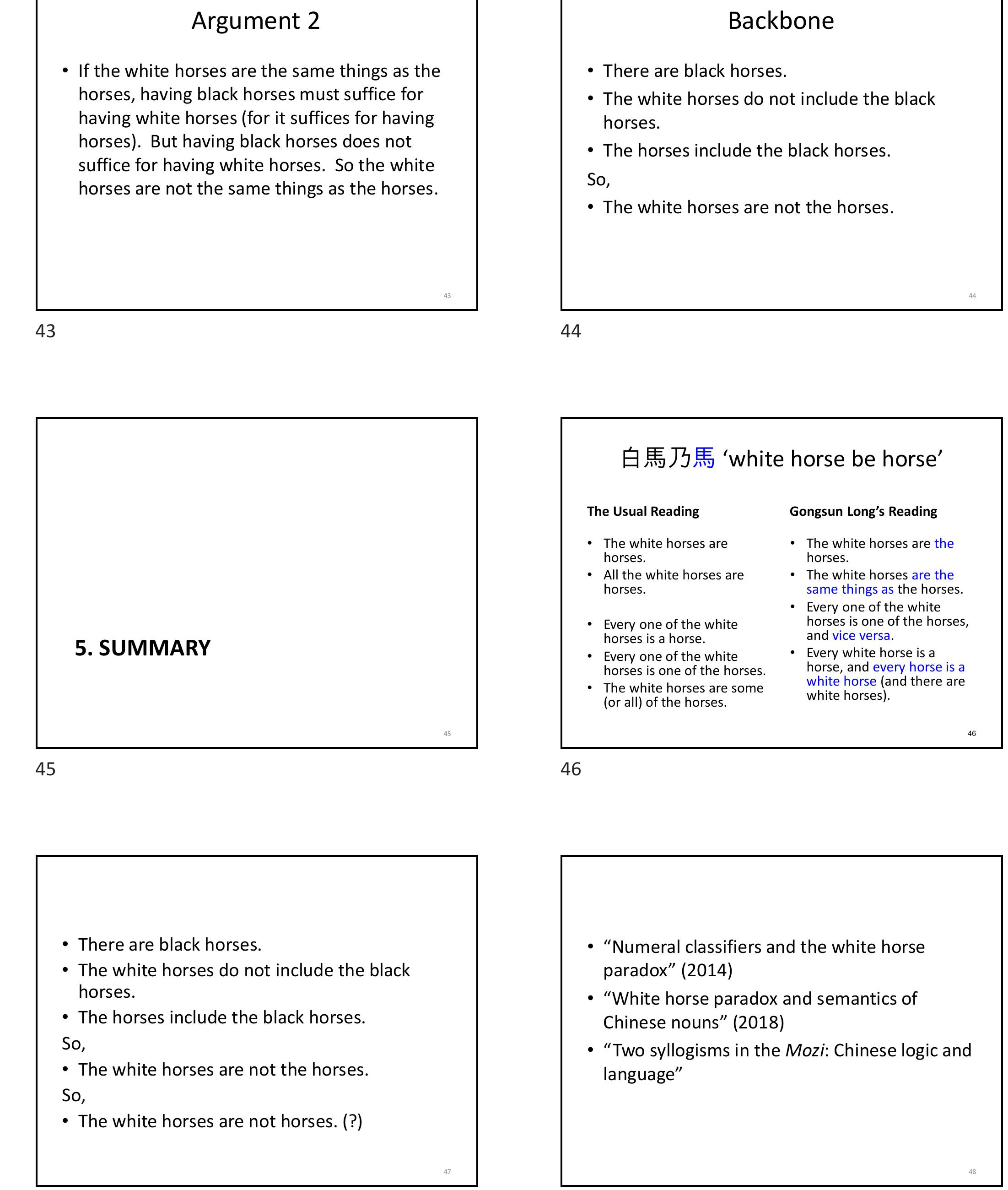
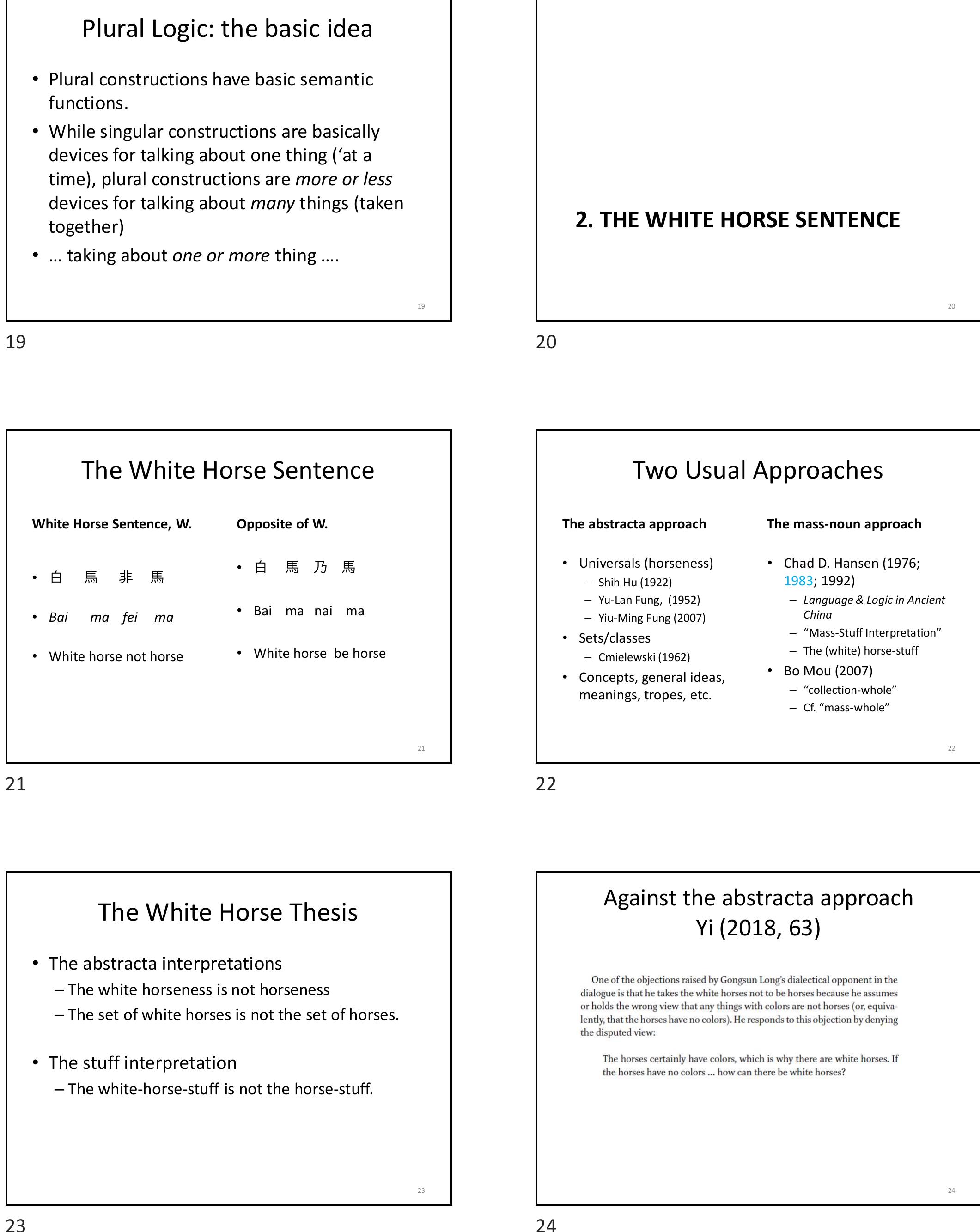
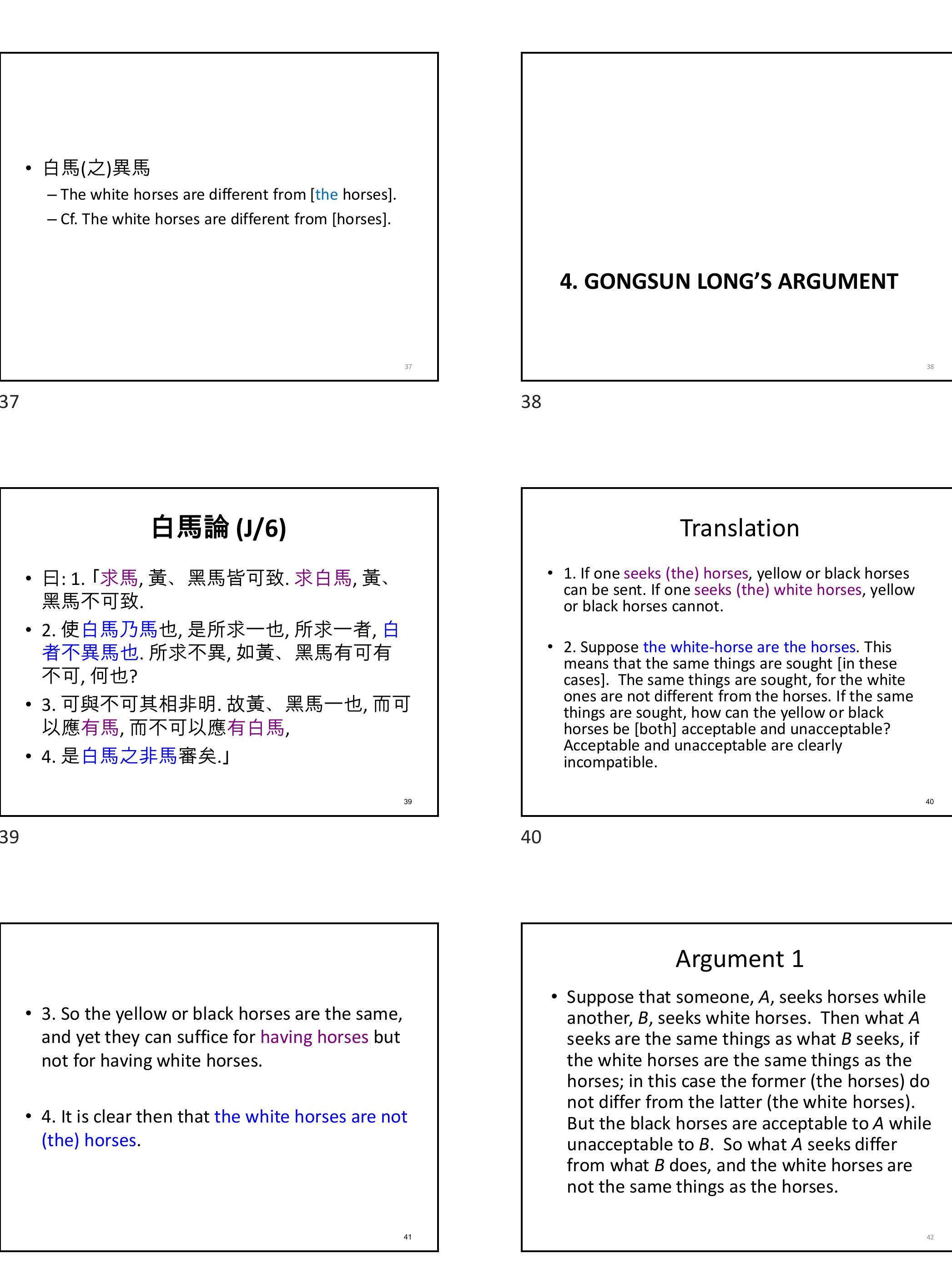
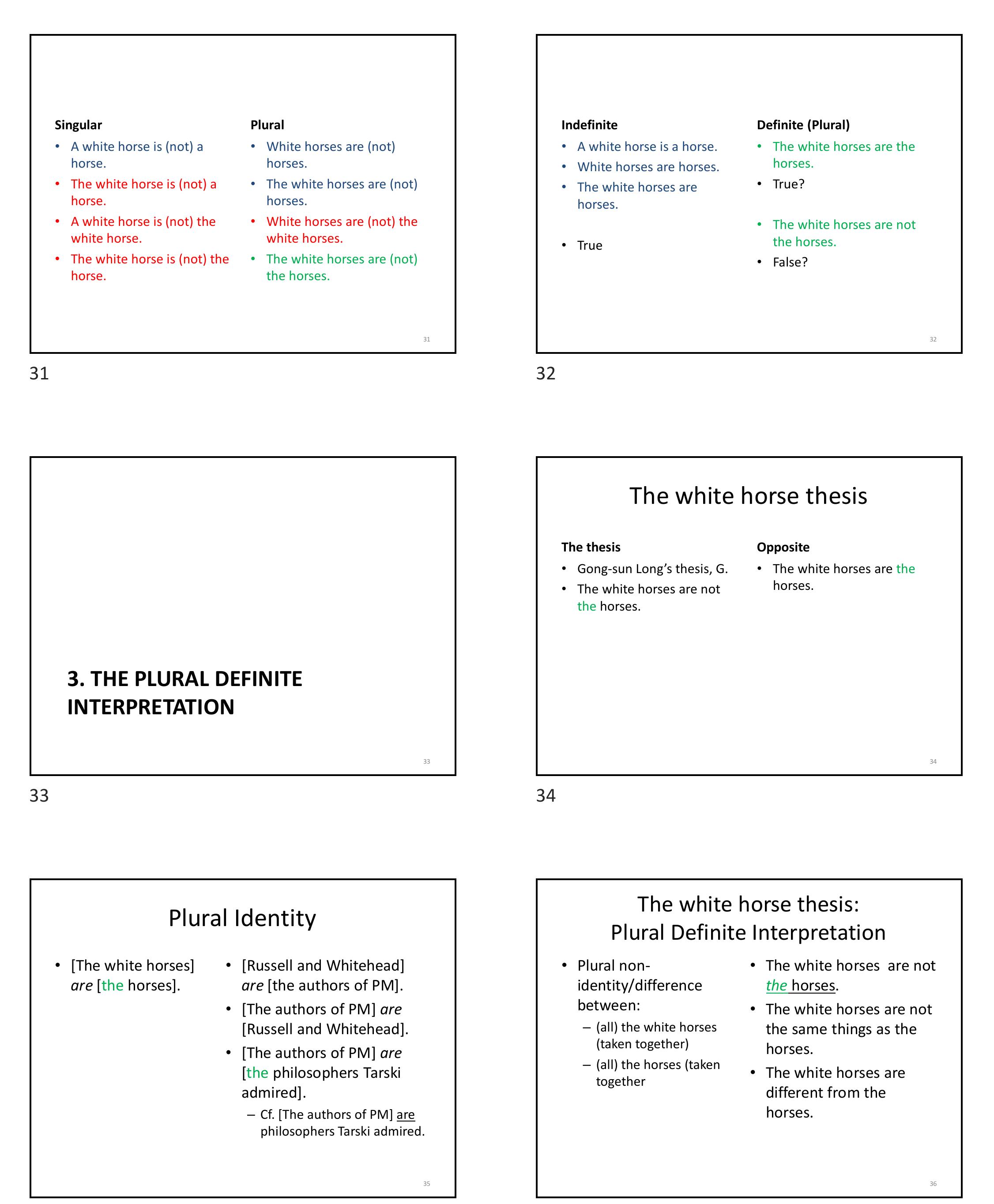
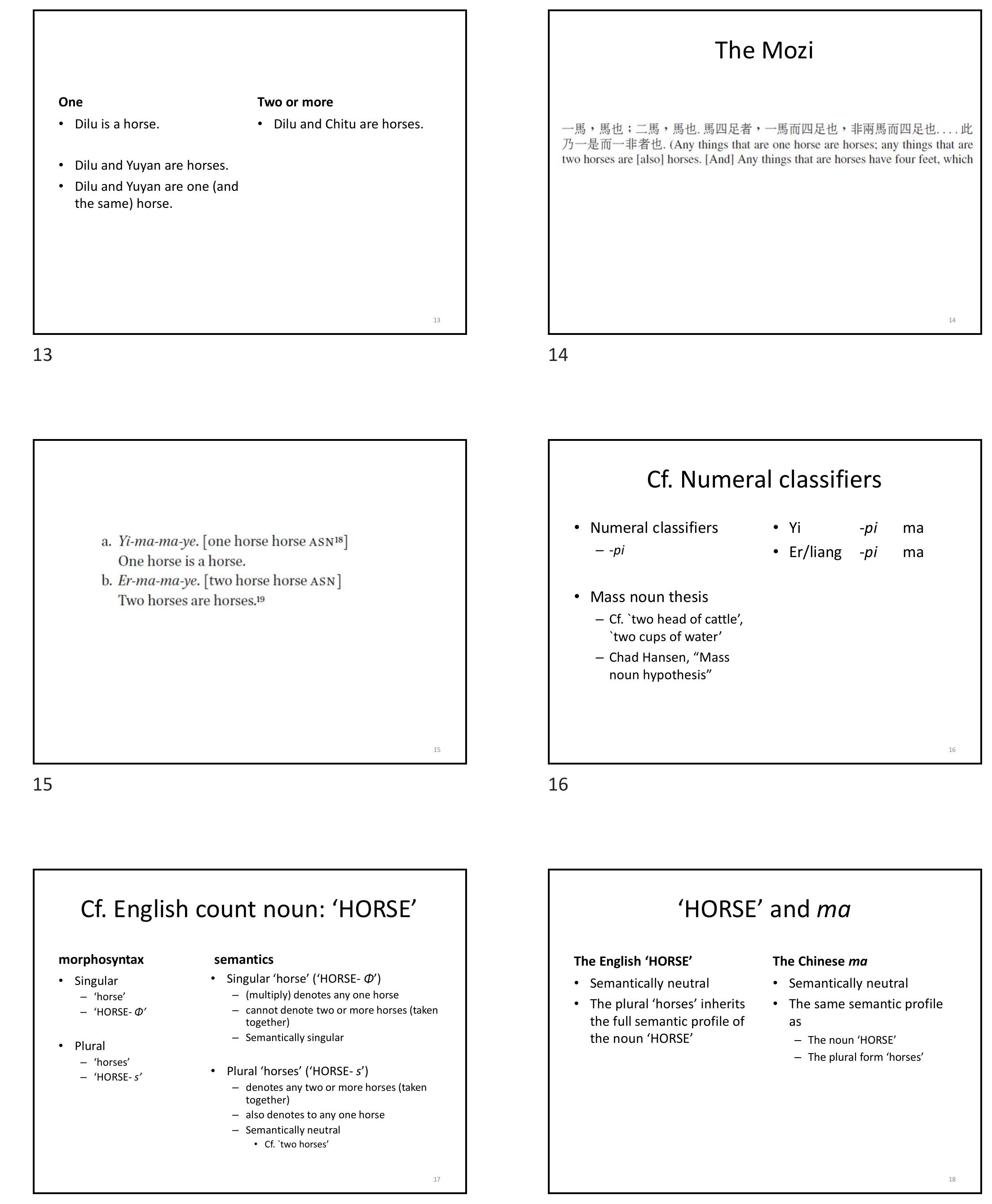
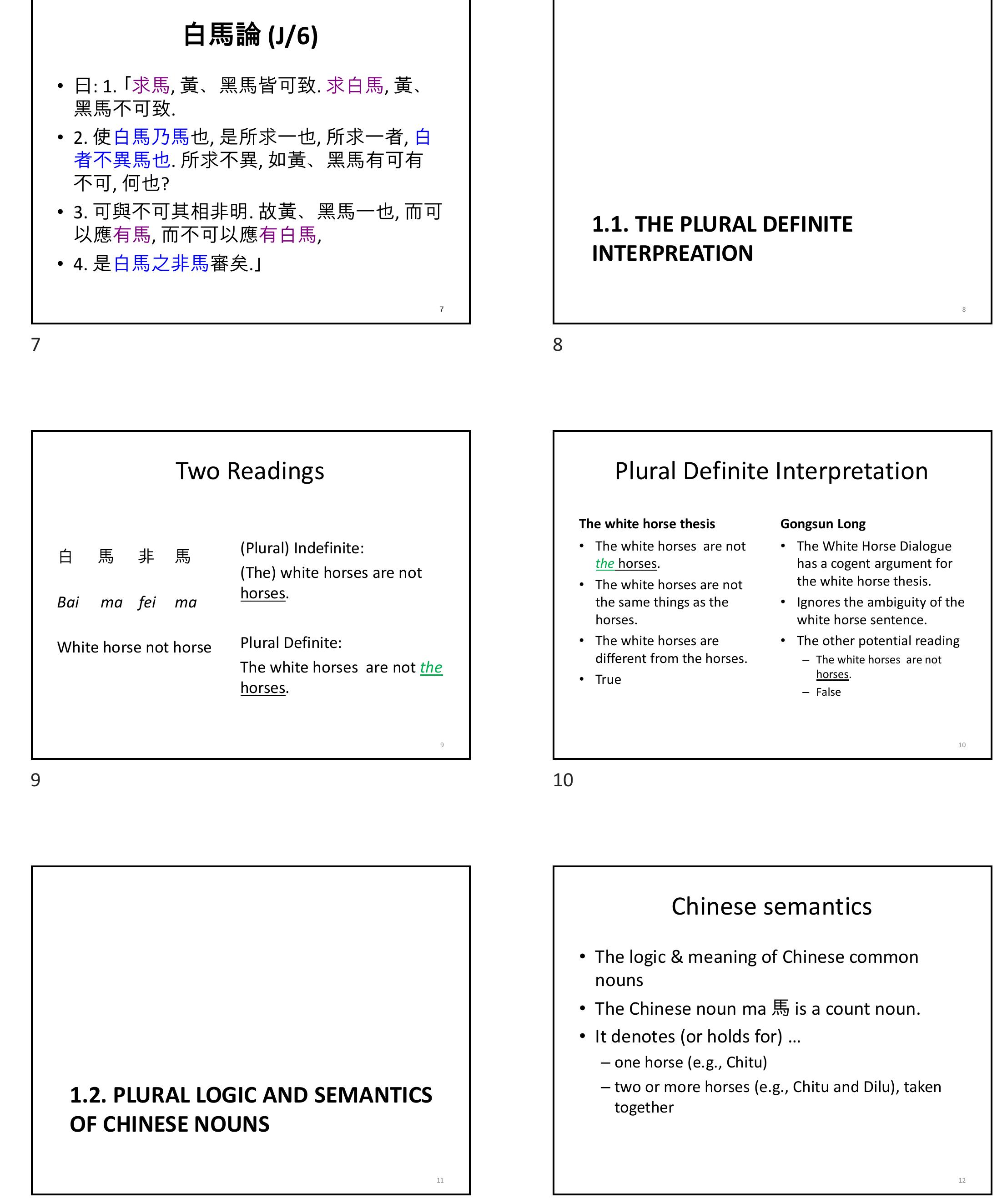
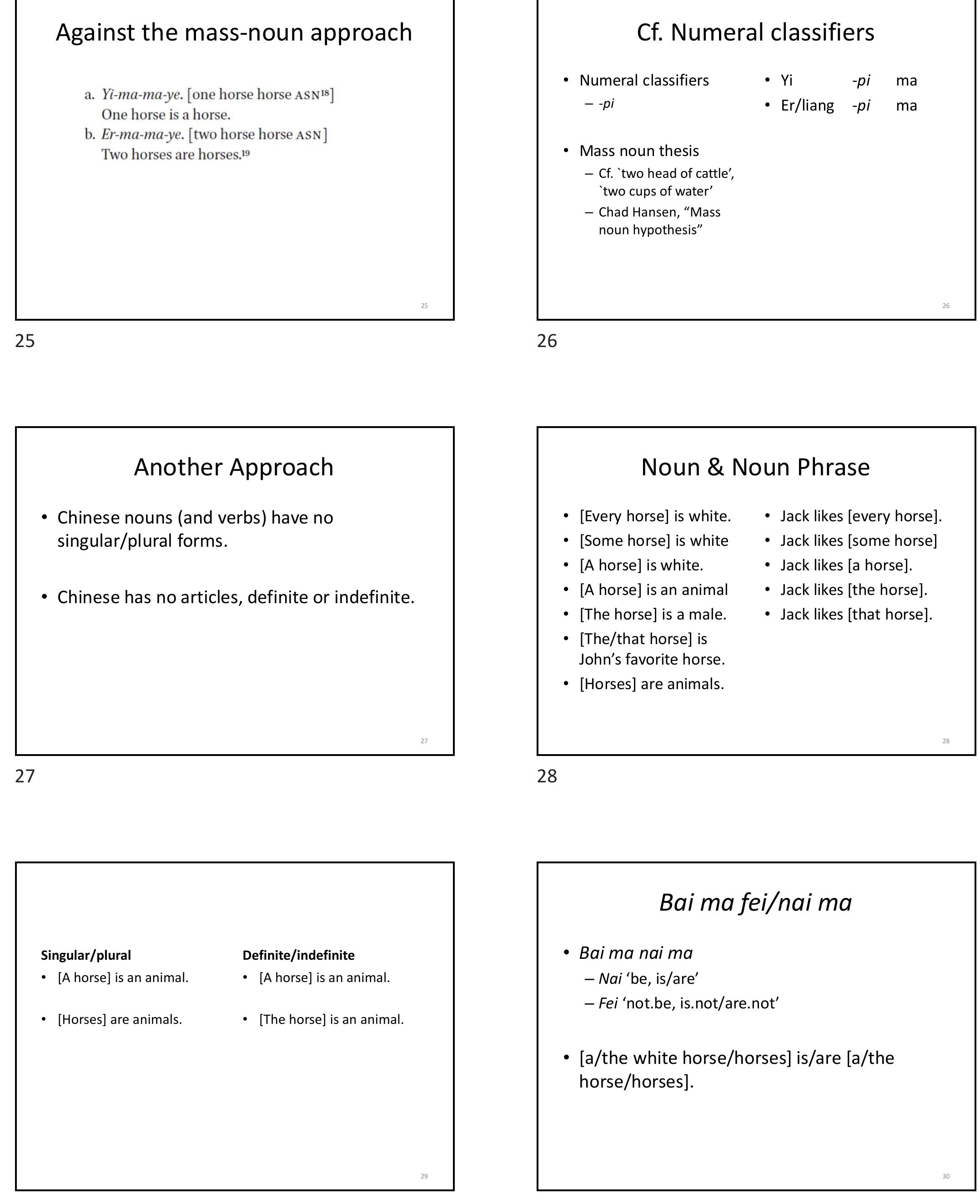
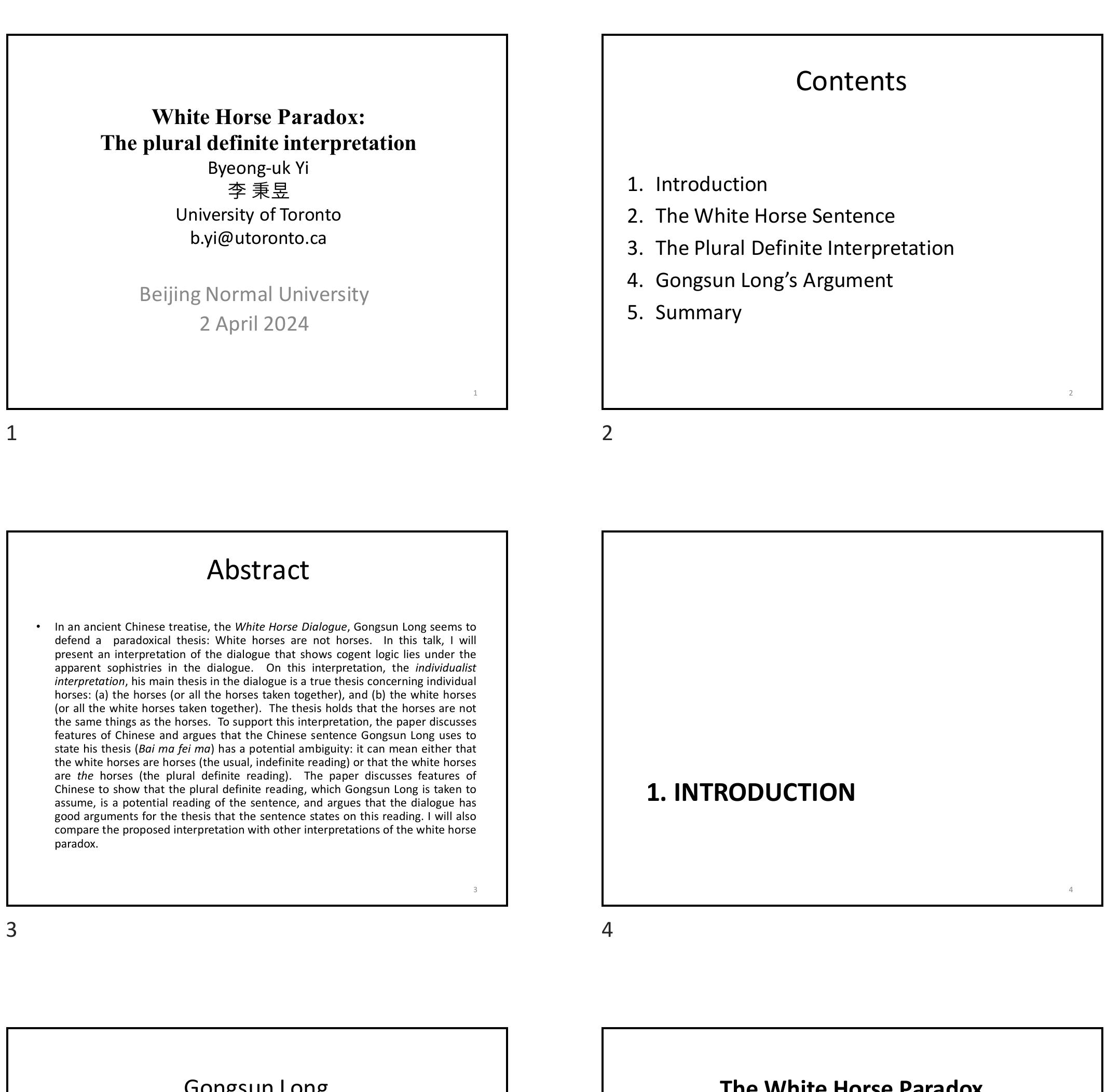
Presentation file for a talk on the white horse paradox
Tallinna ülikool Ülevaade. Artiklis võrreldakse empiirilise uurimuse käigus kogutud eesti ja saksa värviomadussõnu ja tuuakse esile, millised on vaadeldavates keeltes kasutatud värviomadussõnade morfoloogilised ja semantilised... more
The purpose of the article is the analysis of German and Polish idioms inclu ding names of colours as the structural elements in the morphosyntactic and semantic as pect, concerning the symbolism of names of colours in the idioms of both... more
This article is part of a series of studies that the authors have dedicated to the history of Italian colour terminology. §1. highlights some of the theses of Berlin & Kay (1969) and other scholars, with particular reference to the... more
Brent Berlin and Paul Kay, in their seminal work "Basic color terms" (1969), supposed that there are exceptionally 12 (instead of 11) basic colour terms in Hungarian. They argued that there are two basic terms-piros and vörös-for the red... more
Icelandic phonotactics and phonology require the short vowels /ʌ/ and /ə/ in English loanwords be represented by the phoneme /oe/. The words fuck and fucking, which began appearing in Icelandic aro ...
The process of the Reformation in Iceland in its narrow sense is framed by the publication of the New Testament in 1540 and the whole Bible in 1584. It is sometimes believed that Icelandic language would have changed more than what it... more
Este trabajo pretende relacionar dos debates emparentados sobre cómo la lógica y el lenguaje influyen sobre el pensamiento. Existe un eje de discusión en relación a si hay una pluralidad de lógicas o un único sistema lógico como criterio... more
Heli laanekask annotatsioon. artiklis antakse ülevaade Tartu ülikooli eesti keele lektori Johann samuel Friedrich Boubrigi süntaksiloengutest 1829. aasta kevadsemestril. loengute sisu kirjeldatakse säilinud loengukäsikirja ning mitmete... more
Bibliografische Information der Deutschen Nationalbibliothek Die Deutsche Nationalbibliothek verzeichnet diese Publikation in der Deutschen Nationalbibliografie; detaillierte bibliografische Daten sind im Internet über http://dnb.dnb.de... more
The purpose of this research was to study the consistency between the company logos of the same industry. In this study the different industries were examined and the goal was to find recurring shapes, colors or fonts that were used... more
Ноздрев в «Мертвых душах» Н. В. Гоголя хвастался своими необычными лошадьми – голубой или розовой шерсти. Насколько фантастичны такие животные? Водились ли они в России? В статье разбирается вопрос о так называемых голубых лошадях.... more
Using surface colours as stimuli, the present research was aimed at the two following goals: (1) To determine the chromatic angles related to categorical effects type B-B (Bezold-Brücke). (2) To determine the colourimetric characteristics... more
määral ja vajaduse järgi on kasutatud veel mitmeid muid allikaid. Ülevaadete ulatus, rõhuasetus ja seega ka ülesehitus on üksjagu erinevad. Turunen käsitleb keelerühma tervikuna, kohati algkeelest lähtudes, käsitlemata iga punkti juures... more
In the present study we explored Russian colour naming in a web-based psycholinguistic experiment (http://www.colournaming.com). Colour singletons representing the Munsell Color Solid (N=600 in total) were presented on a computer monitor... more
In this paper we compare fi ve Finno-Ugric languages-Estonian, Finnish, Hungarian, Udmurt and Komi-Zyrian-and the Estonian Sign Language (unclassifi ed) in different aspects: established basic colour terms, the proportion of basic colour... more
The colour category PURPLE is strangely heterogeneous, potentially due to the use of different cognates. We asked French speakers from Algeria, France, and Switzerland (n = 274) to produce up to three free associations with violet (basic... more