Rhythm Doctor game design thread! #7thbeatdev
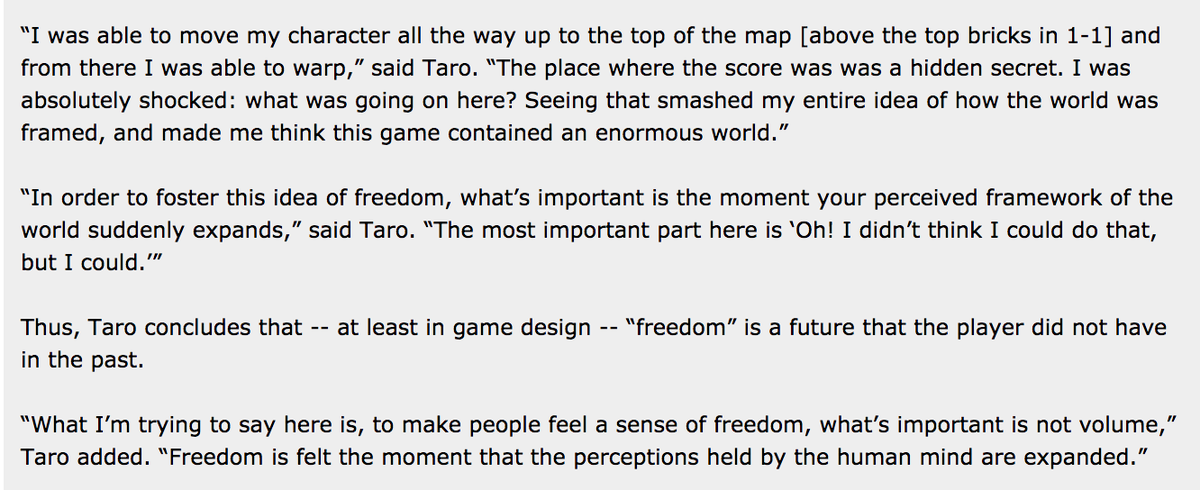
This quote from Yoko Taro has been a guiding principle for me for a lot of the game design of our games since I read it.
Specifically about the idea of how to do effective surprises in game design
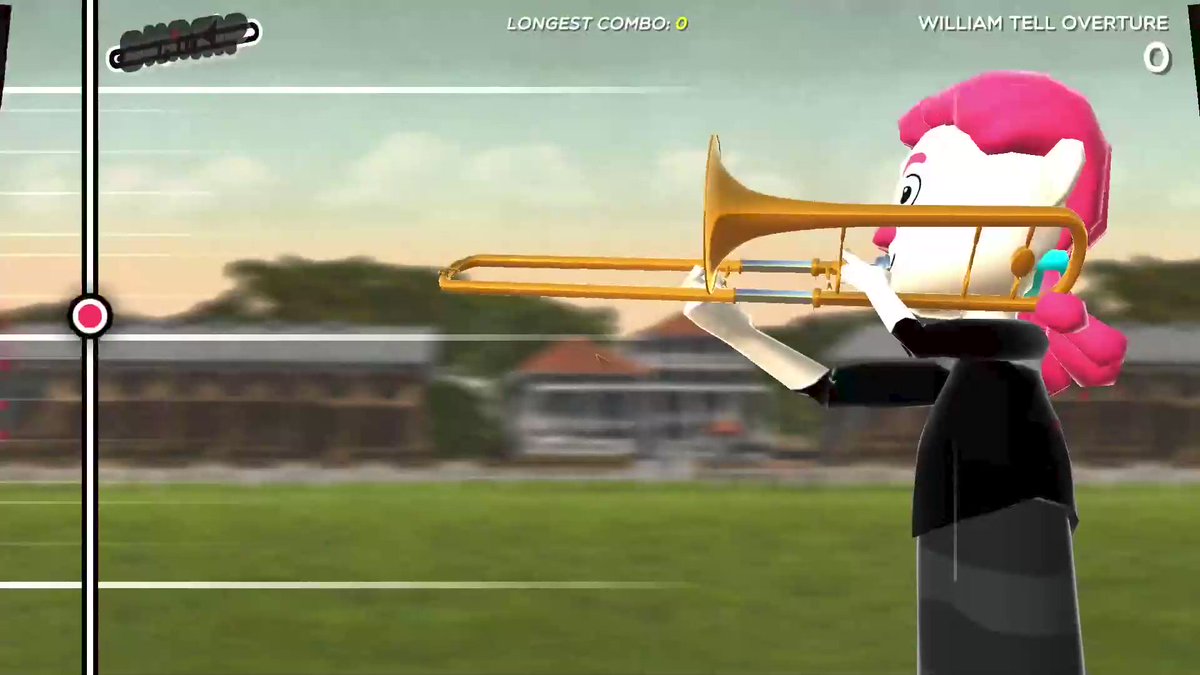
Trombone Champ makes a few design decisions that other rhythm games wouldn't do, some to help it be funnier! It's fascinating to me so I wanted to list them out: #7thbeatdev
The Taiwanese bubble tea franchise KOI is named that because KOI looks like the character 豆 rotated 90 degrees, which means beans. Thanks to my good friends for explaining this to me, it enriched my life
1. Use of majority public domain songs. Normally rhythm games, especially indie ones, would focus on an original OST to help carve out its niche. But here, the humour is letting you make a bad trombone cover of a song *you already know*
The world's first trombone rhythm game is instantly a GOTY contender. And no, I'm not kidding. Turn up the volume and hear Beethoven like you've never heard it before. trib.al/pFwvN8z
That's because its goal is to let you feel like you're a competent musician. It's the total opposite of what Trombone Champ wants you to feel. Here there is zero quantization, so you get all the human mistakes that make it funny. Even playing a major scale can be hilarious:
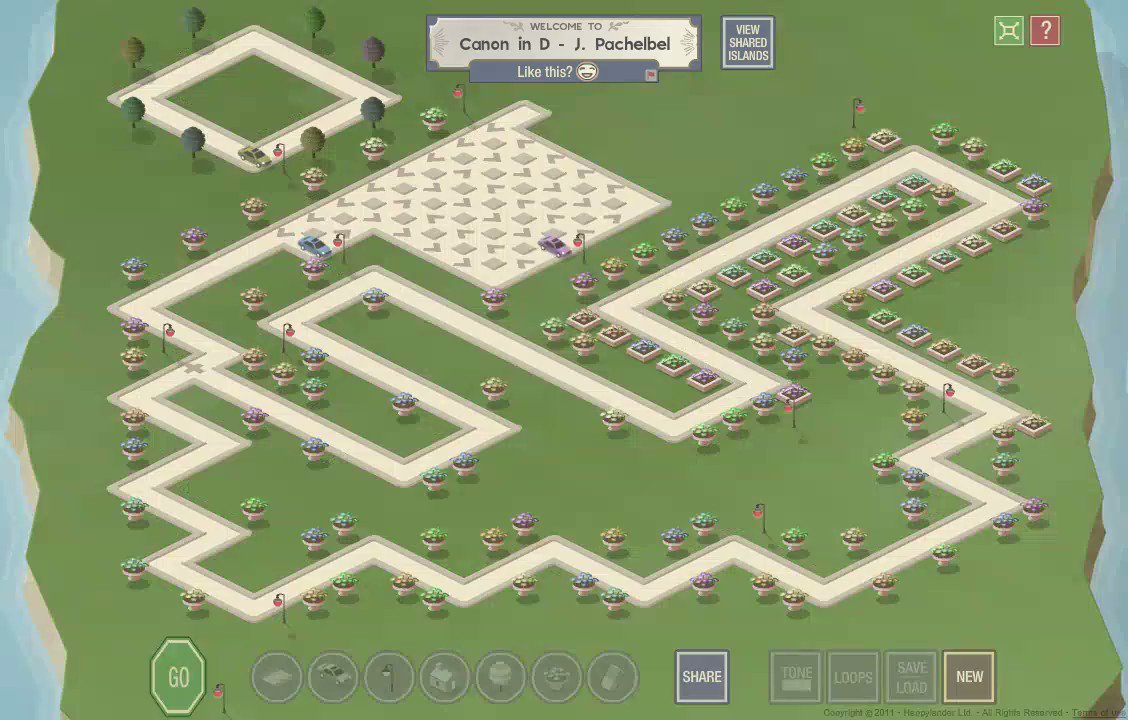
Canon in D is a 'canon' because it has two identical melody lines, offset from each other. Here's a representation using two cars on the same musical road (with the top-left car just providing a repeating bass), showing there's no tricks. isleoftune.com#7thbeattheory
Trombone Champ gets a bunch of laughs from having the most grandiose songs, like anthems and 2001: A Space Odyssey, because they accentuate this contrast between how it should sound, and how you're playing it.
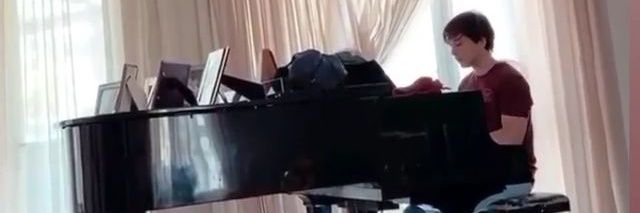
Similar to why this type of video is funny: because you know how its supposed to go, so the contrast of what you hear in your head and what you actually hear makes you laugh