
by SUE WARFIELD, President, American Specialty Toy Retailing Association (Astra)
For many years, licensed products were viewed as mass-market items with greater emphasis on packaging than on play value. A few licenses — such as Sesame Street and Disney — were exceptions. For many independent retailers, the conversation began to change after the breakout success of Disney’s Frozen in 2013. Stores that tested select merchandise tied to the film often saw brisk sell-through, which helped ease long-held hesitation around licensing and opened the door to products that could complement a carefully curated specialty assortment.
What draws us to licensed products when we know they often cost more than similar, non-licensed items? The reasons are both similar and different for children and adults.
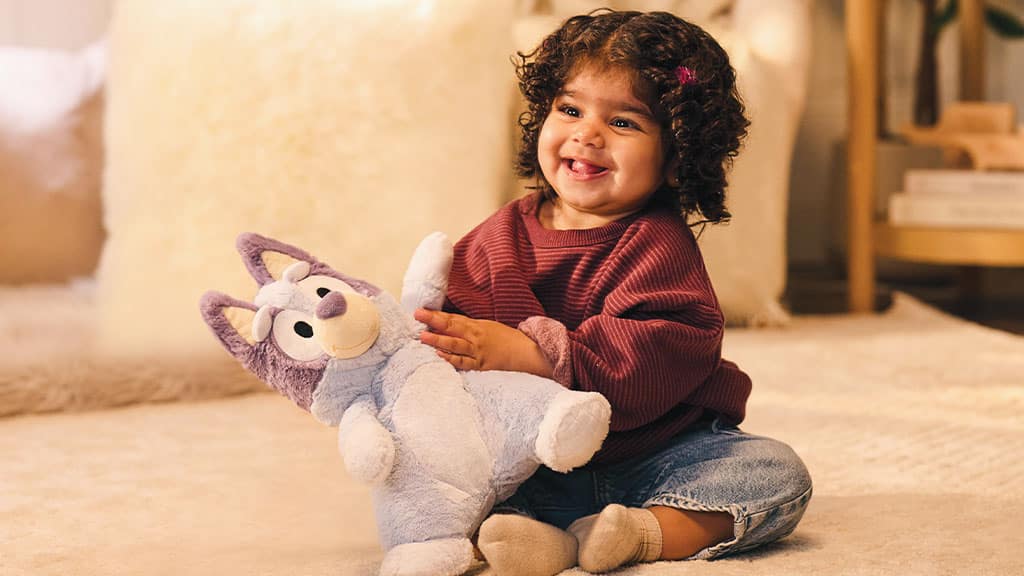
For kids, recognition is powerful. When they see a familiar character from a movie, book, TV show, or YouTube channel, they immediately connect with the product. Playing with known characters allows them to step into the story, extend it through imagination, and create their own endings. Familiar licenses also help children connect — shared characters can spark conversations, cooperative play, and friendships. In my own experience watching children — including my grandchildren — they often engage longer with products tied to characters they know and love.
Adults connect in similar ways. Licensed products can spark joy, nostalgia, and shared experiences. Many adults also collect licensed items or keep a small figure or character from childhood on their desk, which serves as a simple reminder to stay grounded and even helps relieve some stress. My husband once wore his Superman T-shirt while we were out getting ice cream. A young child in line ahead of us was wearing the same shirt. They noticed each other, smiled, high-fived, and struck up a conversation — it was a simple yet profoundly memorable moment of connection.
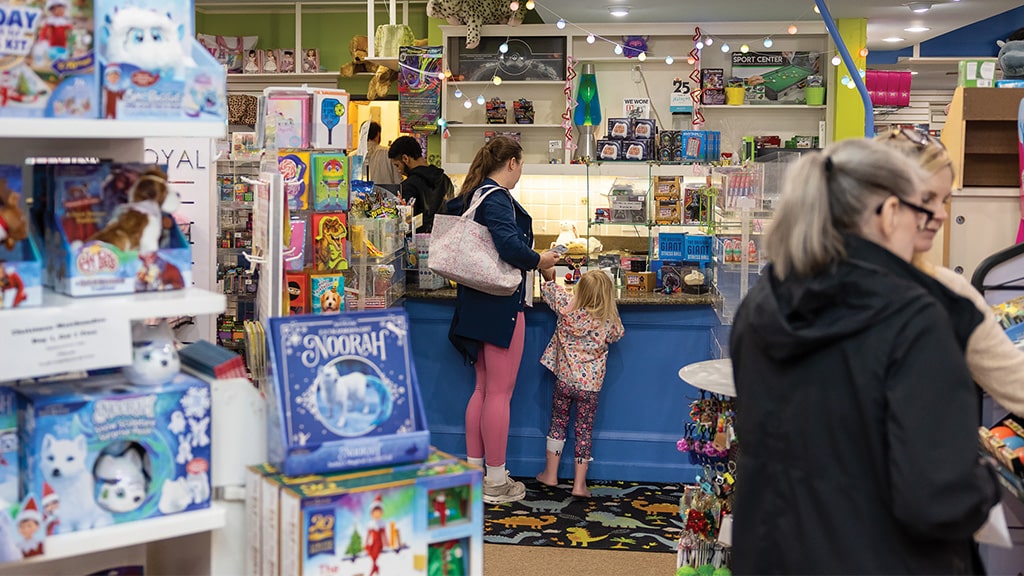
Many licenses are now cross-generational. My sons loved Transformers, and my daughter loved Strawberry Shortcake. Seeing those brands on store shelves brings back warm memories — and the temptation to buy one again.
Just as specialty retailers carefully curate all their products, licensed items deserve the same thoughtful consideration. Some licensed products are excellent, while others are not — just like products in any other toy category. Rather than dismissing licensed goods as something solely for the majors, the goal is to choose products that inspire play, creativity, and connection — ones that keep the families we serve smiling.
Stay on the Pulse of Play!
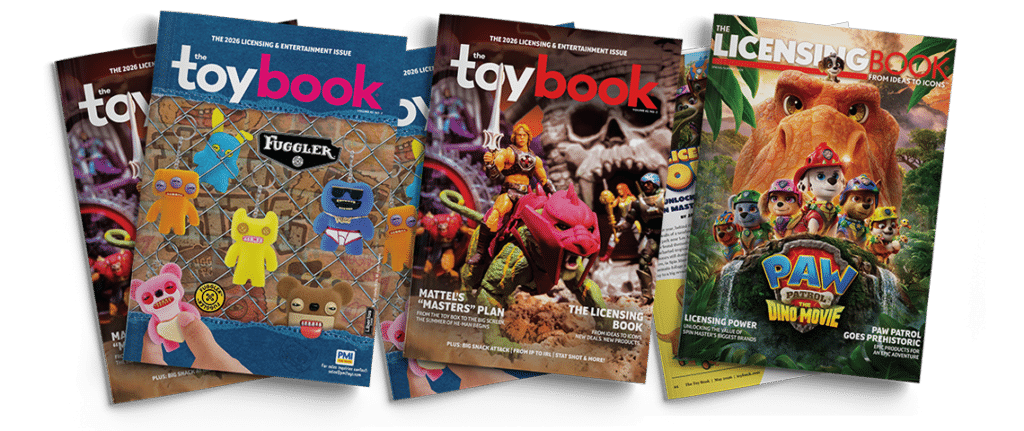
A version of this feature first appeared in The Toy Book‘s 2026 Licensing & Entertainment Issue, featuring The Licensing Book. Read the full issue here!
Want The Toy Book delivered straight to your desk? Subscribe today and get seven big issues a year — packed with the stories, trends, and insights that keep you on the #pulseofplay.