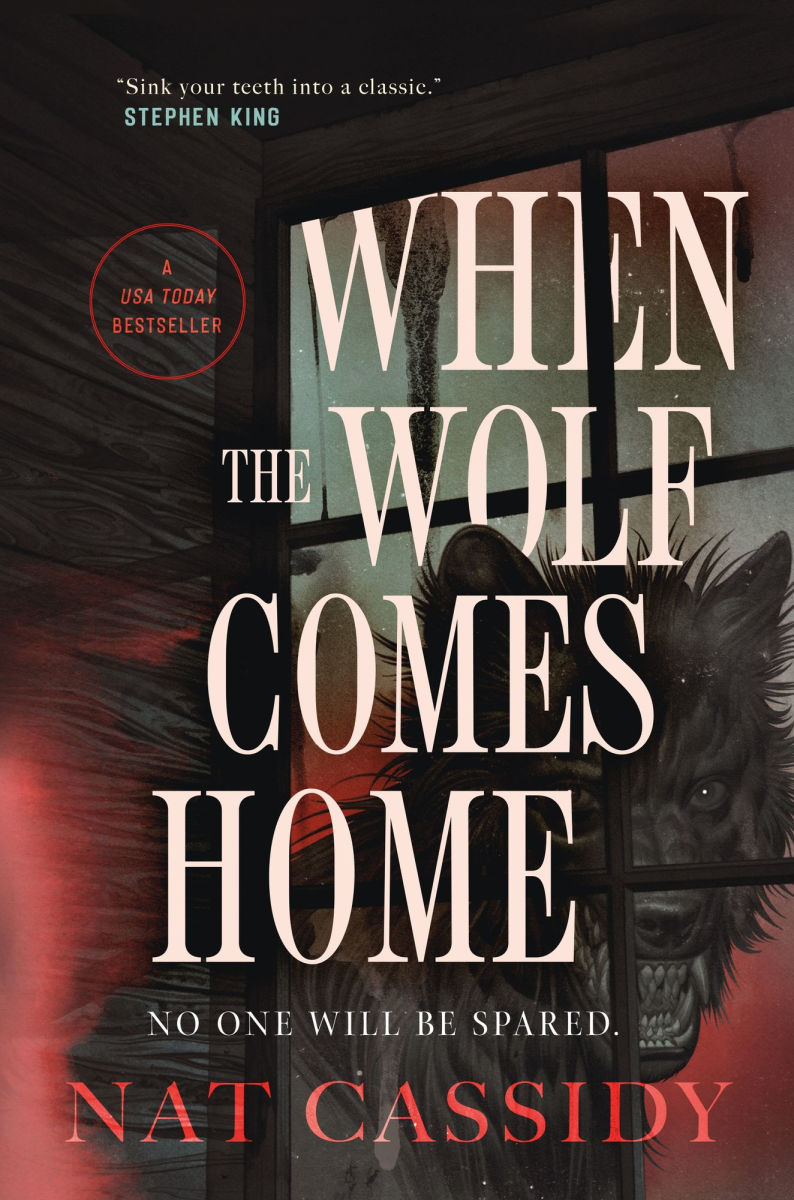
A journalist recovering from the death of her husband is sent to a small town to investigate the claim that A HORSE GAVE BIRTH TO A HUMAN BABY.

I strongly dislike reading about normal human pregnancy and birth, but I love stories about bizarre births. I also love folk horror. So a story about a small town where a horse gives birth to a human baby sounded like just my jam.

Sadly, I really disliked this book. In fact the more I think about it, the more I dislike it.

My main beef with it is that very little of interest happens until about the last ten pages. The parts about the horse-human birth are cool! Ten pages of cool. Would've been a good short story.

There are eleven or twelve POV characters, but only one is actually necessary (the journalist) and only one is at all interesting (the teenage boy who is raising and claims to be the father of the horse baby). The rest are townspeople whose POVs don't add anything to the story, plus "The Horses," which ought to be interesting but wasn't because half of it was explaining what humans thought about the horses. I don't care what humans think about horses! When I'm in supposed horse POV, I want to be immersed in HORSE POV!

The setting is incredibly vague. I couldn't figure out if it was even in America or England until it mentioned the opioid crisis.

Aggravated spoilers. Read more... )

The premise is better than the book and the cover is also better than the book. I was in it for the horse baby but that's only about 10% of the book.


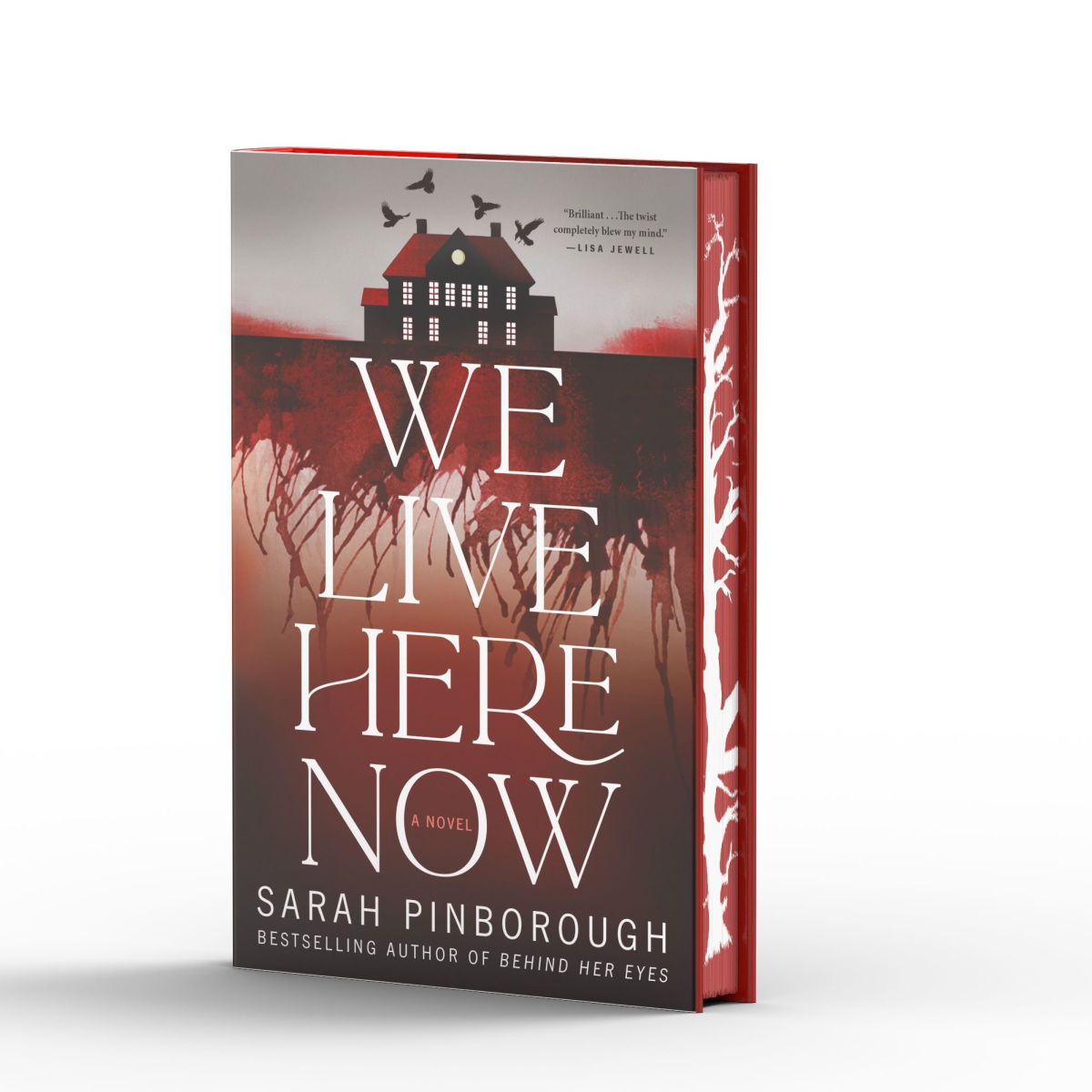
By the author of We Used to Live Here.

Macy is a depressed young woman caring for her kleptomaniac younger sister after their father died in a car crash. She's desperately poor and more or less unemployable, due to her resting bitch face and bad employment history which includes stuff like throwing sodas on mean customers.

She answers a Craigslist ad to be the caretaker of a home with a bizarre set of rules covering when certain lights must be turned on or off, what to do if she sees a rabbit, etc. When she breaks a rule, she has to open a sealed envelope or get a creepy phone call, both of which contain further instructions. Each broken rule causes the overall situation to escalate, and supposedly causes bad consequences for her personally though the latter mostly doesn't happen. Things escalate quickly as she breaks rule after rule because, as it turns out, she's apparently incapable of doing anything right. No wonder she can't keep a job!

The entire structure of the book feels like OCD, and Macy acquires a sort of magically-inflicted OCD as well. So it's all a metaphor for mental illness/grief. But the whole thing feels mechanical - it's set up a bit like a video game and Macy, who is kind of a sad sack, feels like she's just there to be put through it. She breaks the first rule the first day, quickly followed by every other rule. Her complete and total incompetence made me lose all interest in her. It would have helped if she'd been on top of the rules for a while, rather than instantly failing - especially since the random elderly woman who preceded her seemed to have succeeded for three months. Macy couldn't manage for one hour!

Literally nothing is explained. I don't mind some ambiguity or Things Man Cannot Know, but in this case, it felt like the author was just throwing cool stuff at a wall with nothing behind it. (What happened to Caleb, the son of the previous caretaker? Why did the rules work? Were they arbitrary, or was there some weird logic to them? What caused people to get stuck in time loops? Were people getting stuck in time loops? Were the blue-eyed people ghosts or something else? Who was making the phone calls, how were they getting through, and how did they know what to say? Why was the house so important? What was up with parallel realities? What was the entity?)

I also would have liked it to be more ambiguous, at least for a while, whether any of the magical elements were real or just believed to be real. And it would have been nice if Macy was slowly sucked into belief by means of doing the rituals, rather than having a magical switch in her head flipped to suddenly make her believe.

The book was engrossing while I was reading it, but ultimately unsatisfying. It felt both flat and overly slick. I wonder if We Used to Live Here is better, or more of the same.

Content notes: The entire book is one big OCD trigger. There is threatened/implied harm to rabbits, but though one wild rabbit is found dead of unknown causes, the rabbits we meet end up fine.


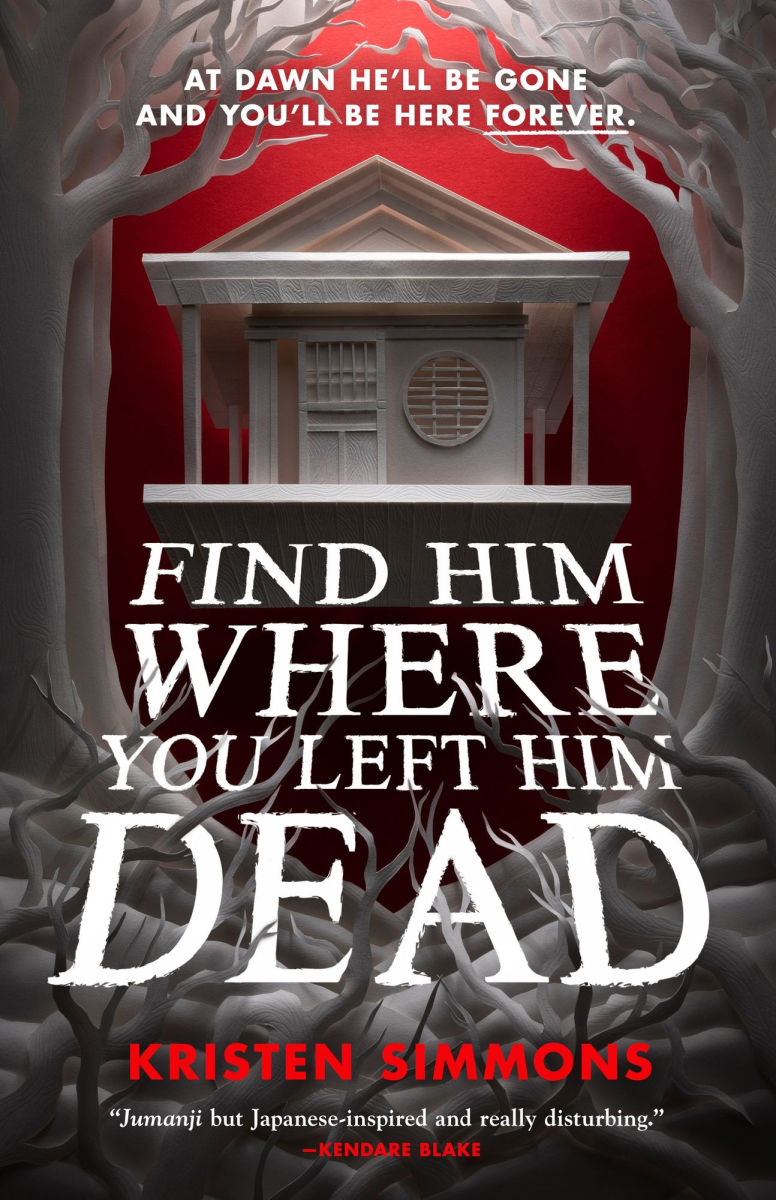
This impressively weird dark fantasy/timeslip novel has three storylines. One follows Lee, a white American college student in the modern day. He too is impressively weird. He can tell when people are lying, he can hear other people's heartbeats, he sees bloodstains that no one else does, and he's addicted to over the counter sedatives like Benadryl to muffle his perceptions which are normally painfully acute. He's also very emo and obsessed with death. For a while I was convinced that he was a vampire.

When we meet Lee, he's fled to Kagoshima, Japan, where his father is living with his latest Japanese girlfriend in a historic samurai house. (Lee's mother disappeared in Cambodia under mysterious circumstances long enough ago to be legally dead; the official story is that she was taken by human traffickers.) The reason Lee fled is that he murdered his college roommate for reasons he can't recall, and also can't recall where he hid the body!

The second main storyline follows Sen, a girl Lee's age from a samurai family a hundred years ago, after the samurai were essentially outlawed. Her father took part in a failed rebellion in which everyone else was killed, and has fled with his family to the same house Lee is living in now. Her father, a traumatized abusive asshole, is plotting another rebellion, and so has very reluctantly agreed to let her study the sword as her brothers are too young. Sen is extremely devoted to the idea of dying nobly to impress her father.

The third storyline, which only gets a couple of interspersed chapters, is a retelling of the legend of Urashima Taro, a Japanese fairytale about a fisherman who rescues a turtle who is actually a princess, and visits her castle under the sea.

Sen and Lee both begin to see each other, initially believing the other is a ghost. The book really picks up once they start talking to each other. Lee thinks that since Sen is dead in his time, maybe she can help put him in touch with his dead mother. Sen is reluctantly willing to oblige once she repeatedly fails to kill the creepy foreign ghost, mostly because he's someone her own age who will talk to her. Their relationship is intensely romantic but not sexual, or possibly extremely intensely platonic. But the more Lee presses Sen to try to contact his mother, and the more involved Lee gets with the idea of saving Sen from her rapidly approaching glorious death in battle, the more weird and surreal things get.

Japanese Gothic was a working title that stuck, and the book is indeed extremely gothic. I enjoyed how unabashedly overheated, strange, and surreal it was. It feels like Baker had a great time writing it. There's a number of mysteries and I figured out some in advance, but I never, not in a million years, would have figured out how they all fit together. In fact, almost everything does fit together quite neatly by the end. That aspect and others reminded me a bit of Catriona Ward.

I really enjoyed this book. It's Baker's second novel. Her first is Bat-Eater and Other Names for Cora Zhang, which I am excited to read.

Content notes: Gore. Inventive methods of child abuse (very reminiscent of Catriona Ward). Cruelty to animals (wild hares) (ditto).


A beautifully written, atmospheric riff on Pet Sematary, among other things, in which the women of a Korean-American family living in a small, mostly white town have the power to resurrect the dead. They only use it on small animals, primarily to resurrect their beloved pet rat Milkis every time he dies of old age, which is about every three years. (If the author hasn’t kept pet rats, I will eat my hat.) Theoretically they could resurrect humans, but family lore says it’s a very, very bad idea. Despite extreme temptation, the two teenage sisters do not try to resurrect their mom when she dies in a car crash. But when the older sister, Mirae, drowns in the river, her younger sister Soojin can’t resist…

This isn’t the kind of story that’s built around surprises – we know from the beginning that sometimes dead is better, and the whole idea of forbidden resurrection is about refusing to accept the fact of death, so that also must come into play—but rather about the journey. The book has a water-drenched, hothouse atmosphere, all claustrophobic relationships and emotions too intense to bear. It’s a bit spooky but mostly an exploration of grief and love via creepy magic. I thought it was great, but rat lovers should heed the note below. (Which is too bad because the pet rat character is great.)

Content notes: The same pet rat repeatedly dies of old age and is resurrected, a process which involves some physical mutilation of the corpse. This part didn’t bother me but the rat does also die one painful and violent death, which did. There is also a flashback story to earlier generations involving a chicken that gets repeatedly killed in a cruel way. Lots of body horror. The story is centrally about grief.


This novel has one of the most off-the-wall premises I've come across. In a near-future world much like our own, women who get pregnant also conceive a "fetal mother." When they give birth to their baby, they also deliver the fetal mother, then fall into a coma-like sleep. The fetal mother rapidly grows into an identical clone of the original mother, then EATS HER. This process is called rebirth. The new mother has the original mother's memories and personality, but is also endowed with superpowers for the first five years of her child's life: she needs almost no sleep, has super strength and fast reflexes, is filled with energy, and finds all child care and domestic tasks endlessly fascinating and enjoyable. In short, the new mother is the woman that mothers are supposed to be.

The main character, Vivi, is terrified of rebirth, and sees it as death. This view is very stigmatized, but might be more widespread than society lets on. She's reluctant to get pregnant because of it. When she finally does, something goes wrong with her rebirth. She didn't get new mother powers. Instead she slogs along, depressed and alienated, trying to care for her infant while she's still physically impaired from the pregnancy and actually needs sleep. She and her husband end up breaking up over this, and Vivi moves to Australia to live with her uncle, who runs a hobbling business.

Remember I mentioned this is near-future? The world has actually decided to do something about climate change, and so drastically regulated energy consumption. Hobbling is altering old machines to make them low emitters. The low-emissions world is less lavish: planes are rarely used, long-distance calls are brief, and only the very rich have unlimited internet. It's an interesting take on a world whose future seems much brighter than ours, but whose present is more similar to our recent past.

Vivi and her family are Indonesian-Chinese, and their cultures (including Australian) play into the book much as the near-future setting does: it's pervasive and interesting and very specific, which makes a nice grounded base for the incredibly weird rebirth stuff.

But Won't I Miss Me is a weird, fascinating, ambitious book with a weird, fascinating, ambitious premise. Great social commentary and issues of identity. I didn't quite love the ending - it felt like it needed either more setup or more payoff - but the book is still excellent and very original.


Camille is a tradwife influencer, living in near-total isolation from all humans but her awful and mostly absent husband Graham and her nosy neighbor Renee. She directs her own life like it's a perfect Instagram post, constantly obsessing over the perfect shade of beige and how her followers will react if she disagrees with a more successful tradwife influencer's insistence on a folic acid-free diet. The best way to get followers is to get pregnant, and she and Graham haven't managed that yet. But there's something lurking in the dark, deep well near the dark, deep woods that might be able to solve that problem for her.

The first quarter or so of this book is so repetitive and anvillicious that I might have DNF'd it if I hadn't been reading it for the horror book club. However, it picks up once Camille has sex with the creature in the well. (Camille tells herself it's an angel but can't stop calling it "the creature;" its actual nature is pleasingly ambiguous.) Her extremely weird pregnancy and increasingly desperate efforts to conceal its weirdnesses from Graham, Renee, and her online followers had me glued to the pages, and once her baby is born, I went from being entertained to actively loving the story. I don't want to give away too much about the baby, but I think it's the first time I have ever gotten deeply attached to a fictional baby. Of course, it helps that the baby isn't quite human...

The story is predictable but in a good way once you're past the interminable first quarter; you can't wait for certain things to happen. It gets increasingly batshit and darkly, gleefully funny as it goes along. It's a good female rage book, and has some quality monsterfucking scenes. Despite the rough start I really enjoyed this.

Read more... )

Content notes: Very gory.

Incidentally, there are at least three novels called Trad Wife or Tradwife released this year. One by Sarah Langan is coming out in September.


This spooky ghost story has a central pairing that I feel like I may have requested as an original work: Widow/Female Fake Psychic/Ghost of a Female Bog Body.

My Darling Dreadful Thing is set in the Netherlands in the 1950s, which is a selling point all by itself as I love unusual settings. Roos is a young woman whose abusive fake psychic mother forces her to participate in her fake seances. But though Roos does not communicate with the spirits sought by the desperate, grieving customers, she actually does have a spirit companion, a bog body whom Roos has bound to her and named Ruth.

Roos is delighted when Agnes, a biracial (Indonesian/Dutch) widow, takes her as a companion and spirits her away to her neglected Gothic mansion in the middle of nowhere. The mansion is otherwise occupied only by Agnes's sister-in-law, Willamine, who is dying of tuberculosis, and has a marvellously bizarre Gothic history. Roos falls hard in love with Agnes, with whom she has a surprising amount in common.

But this whole story is being told in retrospect, as a series of interviews Roos is having with a psychiatrist who is trying to determine whether she's mentally fit to stand trial for murder. Something very bad happened at the mansion...

Read more... )

Very enjoyable, very gothic, very atmospheric. I'm excited to read van Veen's other two books. I looked her up to see if she's actually from the Netherlands (yes) and learned that she's one of a set of non-identical triplet sisters! I don't think I've ever read a book by a triplet before.


Gyre explores the tunnels of an alien world in a mechanical suit, her only connection to the outside world the voice of Em, her handler who she’s never met, who may or may not have her welfare in mind, and who definitely has boundary issues.

Gyre has less experience caving than she claimed, and caving is extremely difficult. There are sandworm-like creatures called Tunnelers that will kill multiple parties of cavers for unknown reasons, so cavers go in alone, unable to take off their suit for weeks on end, with their handler as their only link with the outside world. Em can literally take control of Gyre’s suit/body, can inject her with drugs, etc - and not only has little compunction about doing so, but won't tell Gyre what the actual purpose of the mission is.

Spoilers! Read more... )

This is a type of story I don’t see very often, in which there’s one main science fiction element – in this case, the mechanical caving suit – which is explored in depth and is essential to the story, and it’s also set on a (very lightly sketched-in) other planet. Generally the “one science fiction element” stories are set on Earth. Apart from the Tunnelers, this novel actually could take place on an Earth where the suit exists.

The Luminous Dead, like The Starving Saints, has a small cast of sapphic women and takes place almost entirely in the same claustrophobic space; if it was on TV, we’d call it a bottle episode. I normally like that sort of thing but unlike The Starving Saints, it outstays its welcome. It has about a novella’s worth of story, and while it’s very atmospheric and any given portion is well-written and interesting, considered alone, as a whole it’s very repetitive and over-long. I would mostly recommend it if you like complicated lesbians with bad boundaries.


Excellent dark fantasy about three women trapped in a medieval castle under siege. It reminded me a bit of Tanith Lee - it's very lush and decadent in parts - and a bit of The Everlasting. Fantastic female characters with really interesting relationships. The language is not strictly medieval-accurate but a lot of the characters' mindsets are, which is fun.

All I knew going in was that it was medieval, female-centric, and involved cannibalism. This gave me a completely wrong impression, which was that it was a sort of female-centric medieval Lord of the Flies in which everyone turns on each other under pressure and starts killing and eating each other. This is very nearly the opposite of what it's actually about, though there is some survival-oriented eating of the already-dead.

The three main characters are Phosyne, an ex-nun and mad alchemist with some very unusual pets that even she has no idea what they are; Ser Voyne, a female knight whose rigid loyalty gets tested to hell and back; and Treila, a noblewoman fallen on hard times and desperate to escape. The three of them have deliciously complicated relationships with each other, fully of shifting boundaries, loyalties, trust, sexuality, and love.

At the start, everyone is absolutely desperate. They've been trapped in the castle under siege for six months, the last food will run out in two weeks, and help does not seem to be on the way. Treila is catching rats and plotting her escape via a secret tunnel, but some mysterious connection to Ser Voyne is keeping her from making a break for it. Phosyne has previously enacted a "miracle" to purify the water, and the king is pressuring her to miraculously produce food; unfortunately, she has no idea how she did the first miracle, let alone how to conjure food out of nothing. Ser Voyne, who wants to charge out and fight, has been assigned to stand over Phosyne and make her do a miracle.

And then everything changes.

The setting is a somewhat alternate medieval Europe; it's hard to tell exactly how alternate because we're very tightly in the POV of the three main characters, and we only know what they're directly observing or thinking about. The religion we see focuses on the Constant Lady and her saints. She might be some version of the Virgin Mary, but though the language around her is Christian-derived, there doesn't seem to be a Jesus analogue. The nuns (no priests are ever mentioned) keep bees and give a kind of Communion with honey. Some of them are alchemists and engineers. There is a female knight who is treated differently than the male knights by the king and there's only one of her, but it's not clear whether this is specific to their relationship or whether women are usually not allowed to be knights or whether they are allowed but it's unusual.

This level of uncertainty about the background doesn't feel like the author didn't bother to think it out, but rather adds to the overall themes of the book, which heavily focus on how different people experience/perceive things differently. It also adds to the claustrophobic feeling: everyone is trapped in a very small space and additionally limited by what they can perceive. The magic in the book does have some level of rules, but is generally not well understood or beyond human comprehension. There's a pervasive sense of living in a world that isn't or cannot be understood, but which can only be survived by achieving some level of comprehension.

And that's all you should know before you start. The actual premise doesn't happen until about a fourth of the way into the book, and while it's spoiled in all descriptions I didn't know it and really enjoyed finding out.

Spoilers for the premise. Read more... )

Spoilers for later in the book: Read more... )

Probably the last third could have been trimmed a bit, but overall this book is fantastic. I was impressed enough that I bought all of Starling's other books for my shop. I previously only had The Luminous Dead, which I'm reading now.

Content notes: Cannibalism. Physical injury/mutilation. Mind control. A dubcon kiss. Extremely vivid descriptions of the physical sensations of hunger and starvation. Phosyne's pets do NOT die!

Feel free to put spoilers for the whole book in comments.


Five high school friends go on a camping trip and find a mysterious staircase in the woods. One of them climbs it and vanishes. Twenty years later, the staircase reappears, and they go to face it again.

I loved this premise and the cover. The staircase leading nowhere is spooky and beautiful, a weird melding of nature and civilization, so I was hoping for something that matched that vibe, like Annihilation or Revelator.

That was absolutely not what I got. The Staicase in the Woods is the misbegotten mutant child of It, King Sorrow, and Tumblr-speak. Every single character is insufferable. The teenagers are boring, and the adults are all the worst people you meet at parties. There are four men and one woman/nonbinary person, and she/they reads exactly like what MAGA thinks liberal women/trans people are like -- AuHD, blue hair, Tumblr-speak, angry, preachy, kinky sex etc. She/they says "My pronouns are she/them," then is only ever referred to as she and a woman. The staircase itself is barely in the story, where it leads is a letdown, and the ending combines the worst elements of being dumb and unresolved.

I got partway in and then skimmed because I was curious about the staircase and the vanished kid.

Angry spoilers for the whole book.

Read more... )


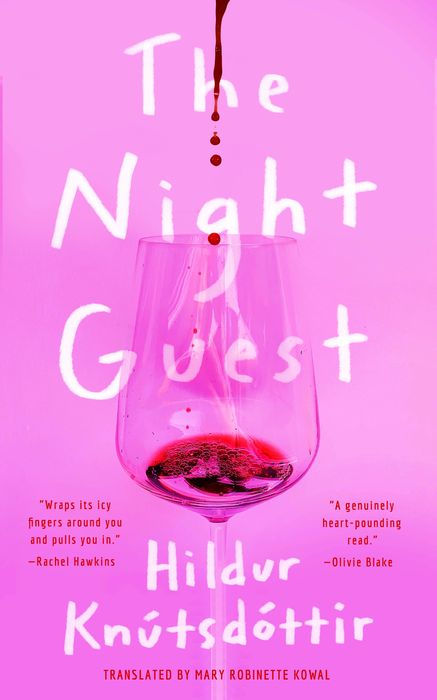
An Icelandic horror novella translated by Mary Robinette Kowal! I had no idea she's fluent in Icelandic.

Iðunn experiences unexplained fatigue and injuries when she wakes up, but is gaslit by doctors and offered idiotic remedies by co-workers. (Very relatable!) Meanwhile, she's being semi-stalked by her ex-boyfriend/co-worker, her parents refuse to accept that she's a vegetarian and keep serving her chicken, and the only living beings she actually likes are the neighborhood cats that she's allergic to.

After what feels like an extremely long time, it finally occurs to her that she might be sleepwalking, and some time after that, it finally occurs to her to video herself as she sleeps. At that point some genuinely scary/creepy/unsettling things happen, and I was very gripped by the story and its central mystery.

Is Iðunn going out at night and committing all the acts she's normally too beaten down or scared to do while sleepwalking or dissociating? Is she having a psychotic break? Is she a vampire? Is she possessed? Does it have something to do with a traumatic past event that's revealed about a third of the way in?

Other than the last question, I have no idea! The ending was so confusing that I have no idea what it was meant to convey, and it did not provide any answers to basically anything. I'm also not sure what all the thematic/political elements about the oppression of women had to do with anything, because they didn't clearly relate to anything that actually happened.

Spoilers!

Read more... )

This was a miss for me. But I was impressed by the very fluent and natural-sounding translation.

Content note: A very large number of cats are murdered. Can horror writers please knock it off with the dead cats? At this point it would count as a shocking twist if the cat doesn't die.


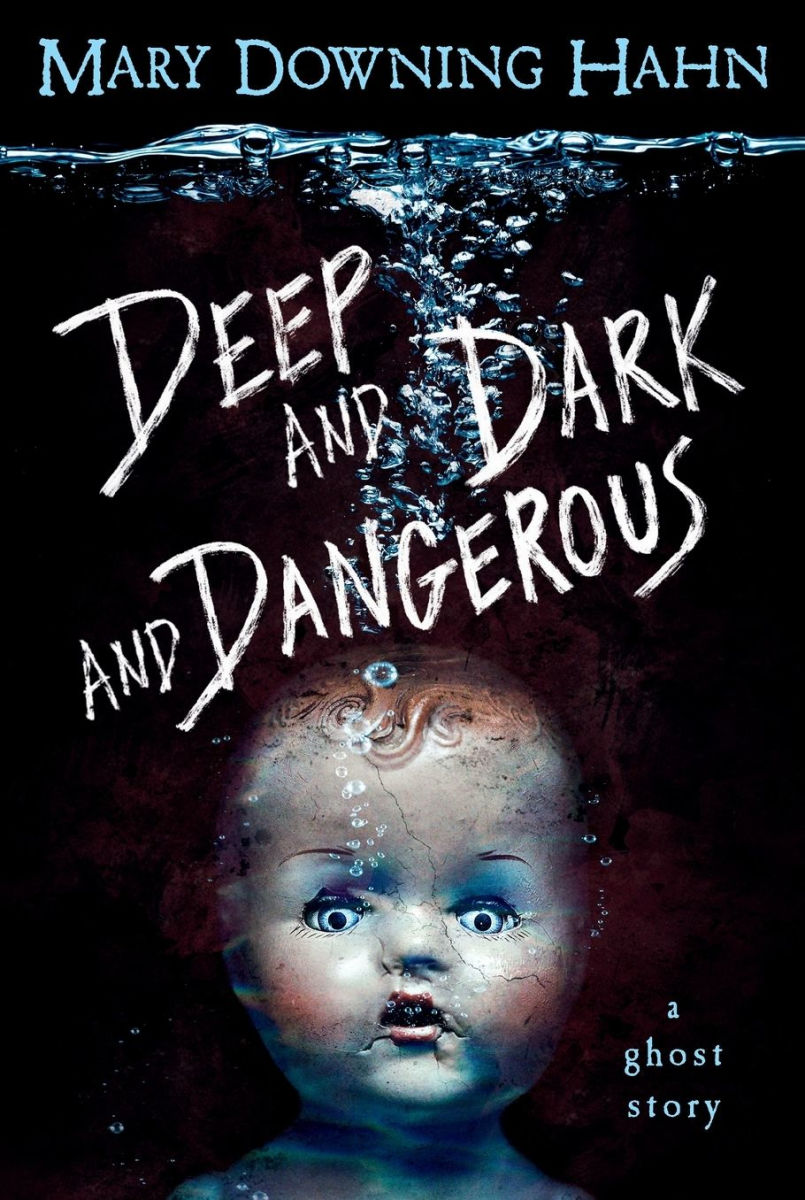
Thirteen-year-old Ali gets a chance to spend the summer with her aunt Dulcie and five-year-old cousin Emma at the family's long-abandoned lakefront property - over the strong objections of Ali's mother, who hates the lake. Ali is delighted to babysit Emma and get out from under her mom's over-protective thumb. But why do both her mother and Dulcie act so weird about the lake and their past there? Who's the mysterious girl who was ripped out of old family photos? And what's up with Sissy, the strange girl who hangs out at the lake and encourages Emma to behave badly and blame it on Ali?

Sissy's real identity won't come as a surprise to any readers over the age of 10, but there are some genuinely chilling moments and Hahn's trademark realistic family dynamics and exploration of guilty secrets and how parents' childhood trauma gets passed down to their children. I actually got stressed out reading about Ali trying to protect Emma while Dulcie blames Ali for all the weird stuff going on and accuses Ali of refusing to take responsibility for anything. (In fact, Dulcie and Ali's mom are the ones who are failing to take responsibility and projecting it on the kids.)

A good solid middle-grade ghost story with unusually complex family dynamics.


This book is very hard to describe without spoilers, so I'll just cover the setup. Aspiring actress/current waitress Jess is having a bad night that gets much worse when she finds a scared little boy who's run away from his father. Things get extremely strange from there. This book is a wild ride.

I read it in a single sitting, so it's very propulsive. It's also very dark/bleak, despite some absurdist humor arising from the premise. I enjoyed it a lot while I read it, but it's now months later and it hasn't quite stuck with me the way some other books have. Nestlings is still my favorite of his.

Content notes: Child abuse/harm is central to the story. So is an accidental needle-stick with a possibly contaminated needle.

Spoilers! Also contains some light spoilers for Stephen King's Firestarter.

Read more... )


A YA novel about five friends who once played a spooky game that only four of them survived. Four years later, their friendship now broken, the ghost of their dead friend returns to drag them into a gameworld based on Japanese folklore. They must play again, for higher stakes, or else.

I like Japanese folklore, "years ago our group of friends did something bad that's now come back to haunt us," and deathworlds/gameworlds. This book sometimes hit the spot for me but more often didn't; it feels like the bones of a good book that needed a couple more drafts. The main issue, I think, is pacing. It's very fast-paced once it hits the gameworld, to the point where it feels like it's rushing from one scenario to the next, without having time to breathe. This also affects character. The characters are there, but they're a bit shallow because of the go-go-go pacing.

The best parts are a really excellent twist I did not at all see coming, and the scene where they all have to play truth or dare with younger versions of themselves at the ages they were when they first played the game. That part digs into character and relationships, not to mention the feeling of that game itself, in a really satisfying way. If the whole book worked on that level, it would have been much better.

There's a sequel that doesn't sound like it goes anywhere interesting.


This novel appears to be a well-written and enjoyable but conventional haunted house story; it turns out to have a twist on that theme which I've never encountered before. I very much enjoyed discovering that for myself, so if you think you might too, don't read the spoilers.

A young couple, Emily and Freddie, move from London to Larkin Lodge, an old house in Dartmoor, while Emily's recovering from a serious accident. After she fell off a cliff, her heart stopped and one leg was permanently damaged. Doctors warned her and Freddie that she might suffer from post-sepsis mental complications, so when she starts perceiving weird things involving Larkin Lodge, both she and Freddie think it's probably her, not the house. Emily and Freddie's marriage is not the greatest, but is that something that was previously going on, or is it cracking under stress, or is the house having a bad effect on them?

Emily and Freddie are not the best people, but that really works for the story. I thought it was a lot of fun.

Spoilers! Read more... )

Content notes: Not even slightly gory or gross. Mention of a miscarriage (off-page, not described). Some violence, not graphic. No on-page animal harm, but the body of a dead raven is found.


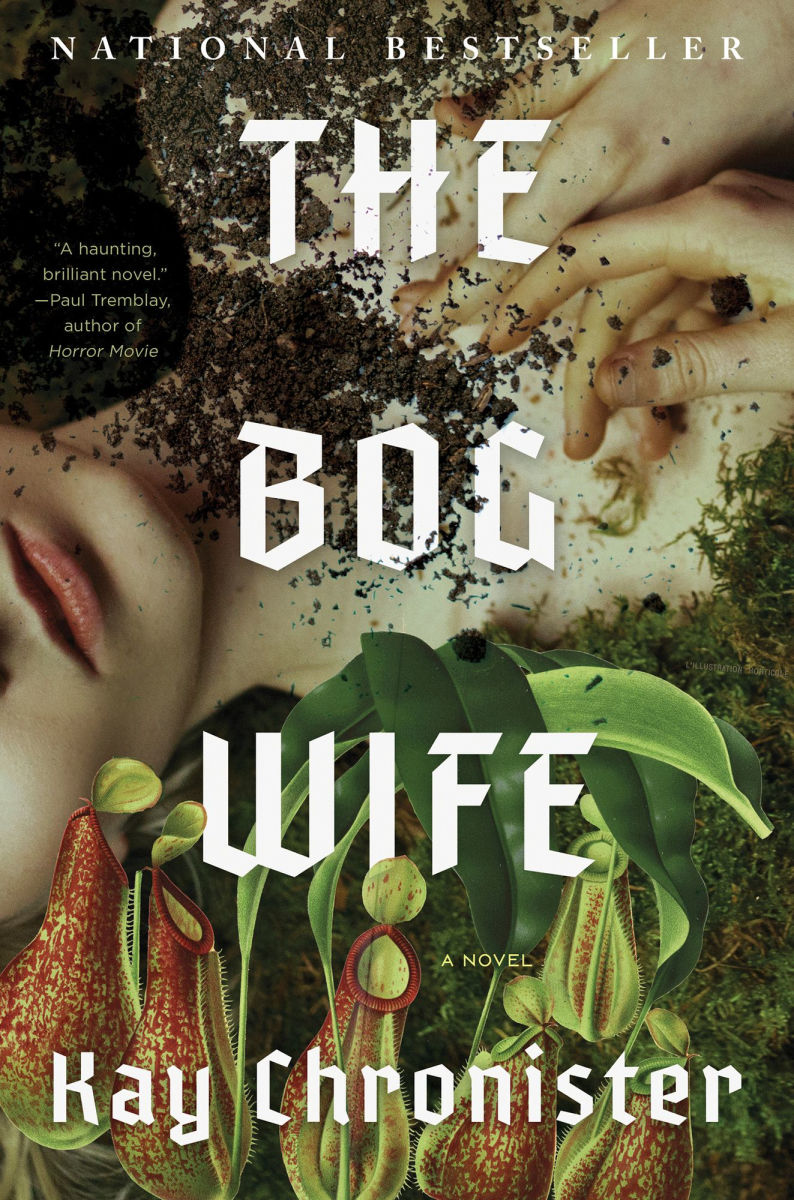
The Haddesley family has an ancient tradition: when the patriarch dies, the oldest son summons a wife from the bog. Now living in Appalachia, the current patriarch is dying and a new bog wife must be summoned soon, but their covenant with the bog may be going wrong: one daughter fled years ago to live in the modern world, the last bog wife vanished under mysterious circumstances, the bog is drying up, and something very bad has happened to the oldest son...

Isn't that an amazing premise? The actual book absolutely lives up to it, but not in the way that I expected.

It was marketed as horror, and was the inaugural book of the Paper & Clay horror book club. But my very first question to the club was "Do you think this book is horror?"

The club's consensus was no, or not exactly; it definitely has strong folk horror elements, but overall we found it hard to categorize by genre. I am currently cross-shelving it in literary fiction. We all loved it though, and it was a great book to discuss in a book club; very thought-provoking.

One of the aspects I enjoyed was how unpredictable it was. The plot both did and didn't go in directions I expected, partly because the pacing was also unpredictable: events didn't happen at the pace or in the order I expected from the premise. If the book sounds interesting to you, I recommend not spoiling yourself.

The family is a basically a small family cult, living in depressing squalor under the rule of the patriarch. It's basically anti-cottagecore, where being close to nature in modern America may mean deluding yourself that you're living an ancient tradition of natural life where you're not even close to being self-sustaining, but also missing all the advantages of modern life like medical treatment and hot water. I found all this incredibly relatable and validating, as I grew up in similar circumstances though with the reason of religion rather than an ancient covenant with the bog.

The family has been psychologically twisted by their circumstances, so they're all pretty weird and also don't get along. I didn't like them for large stretches, but I did care a lot about them all by the end, and was very invested in their fates. (Except the patriarch. He can go fuck himself.)

It's beautifully written, incredibly atmospheric, and very well-characterized. The atmosphere is very oppressive and claustrophobic, but if you're up for the journey, it will take you somewhere very worthwhile. The book club discussion of the ending was completely split on its emotional implications (not on the actual events, those are clear): we were equally divided between thinking it was mostly hopeful/uplifing with bittersweet elements, mostly sad with some hopeful elements, and perfectly bittersweet.

SPOILERS!

Read more... )
Recent DNFs (Did Not Finish)

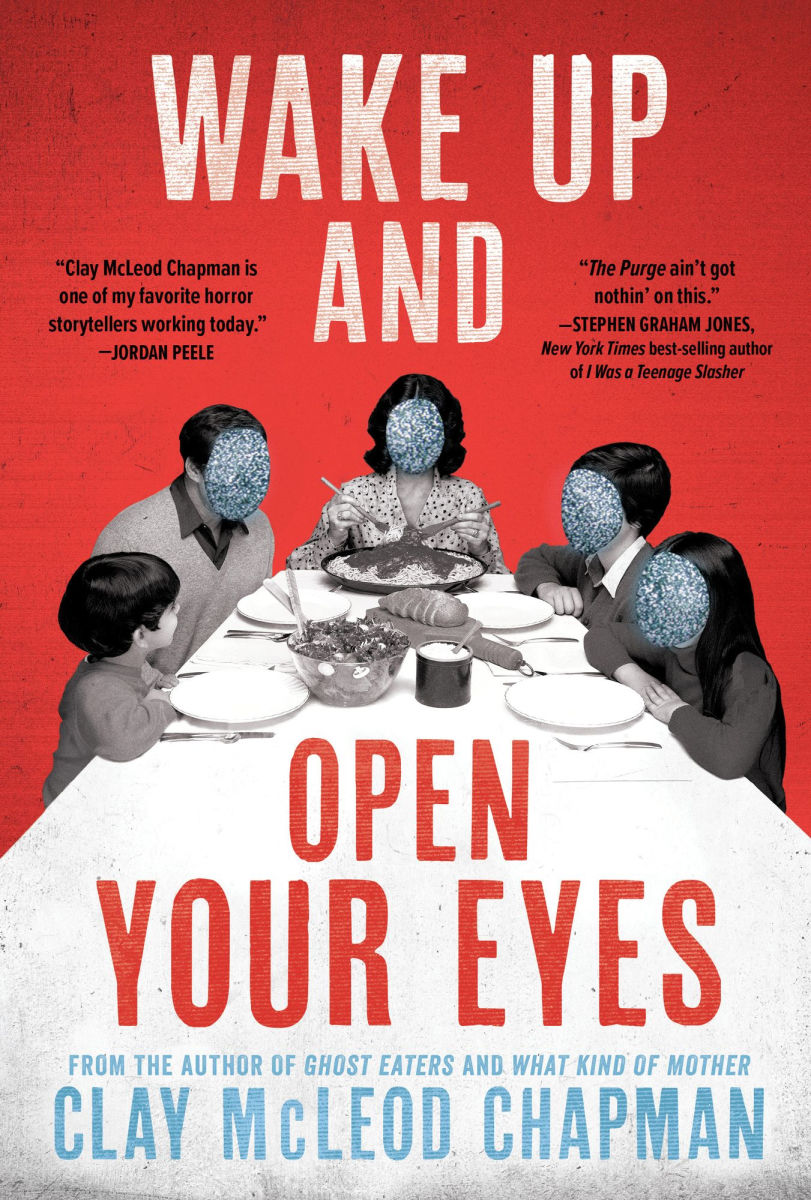
Wake Up and Open Your Eyes, by Clay McLeod Chapman


A horror novel about - I think - how a Q-Anon analogue turns people into literal zombies. I couldn't get into this book. I don't think it was bad, it just wasn't my thing. I didn't vibe with the prose style at all.

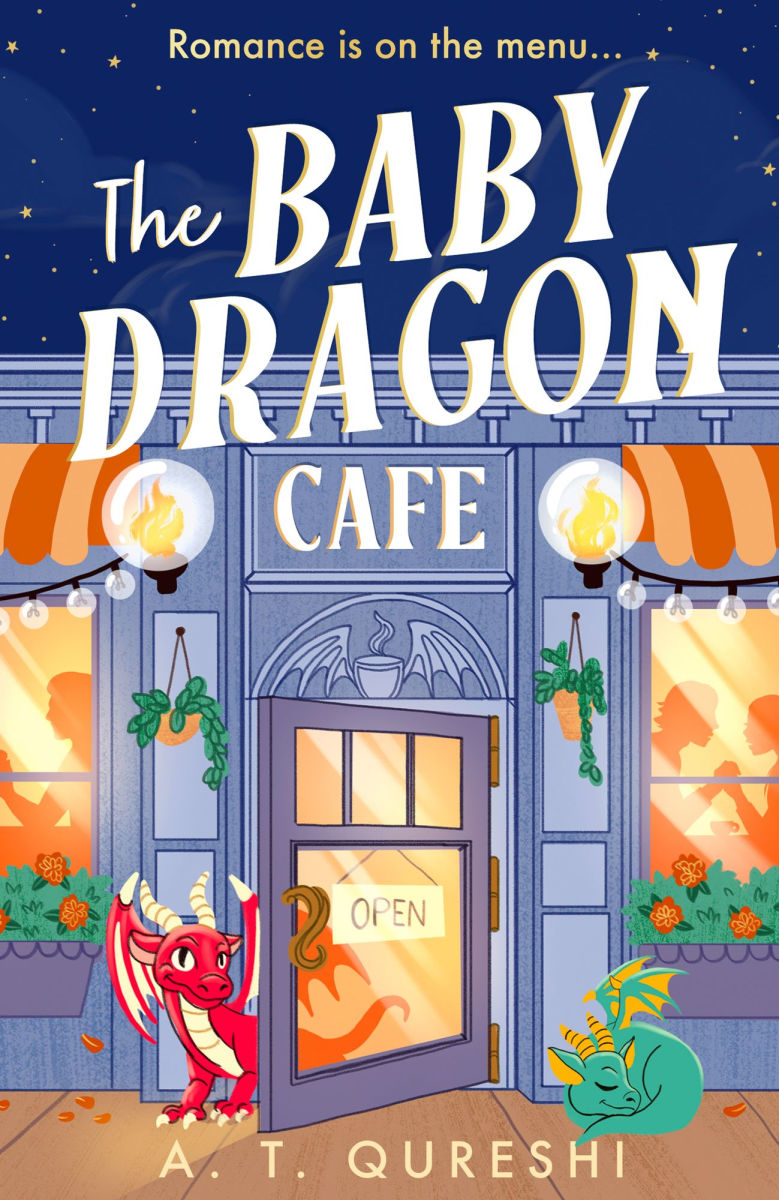
The Baby Dragon Cafe, by A. T. Qureshi


A woman opens a cafe that's also a baby dragon rescue. I adored the idea of this book, not to mention the extremely charming cover, but the execution left a lot to be desired. It was just plain dull. I dragged myself through two chapters, both of which felt eternal, then gave up. Too bad! I really wanted to like it, because the idea is delightful.

In the Path of Destruction: Eyewitness Chronicles of Mount St. Helens, by Richard Waitt


This ought to have been exactly my jam, except for the author's absolutely bizarre prose style, which is a combination of Pittman shorthand and Chuck Tingle's Twitter minus the sense of humor, with an allergy to articles and very strange syntax. I literally had no idea what some of his sentences meant. This weirdness extends to direct quotes from multiple people, making me suspect how direct they are. And yes, this was traditionally published.

Here are some quotes, none of which make more sense in context:

It contrasts the chance jungle violence with lava flows off Kilauea - so Hollywood but predictable.

"The state's closure seems yours. Have I missed something?"

[And here's a bunch of Tinglers.]

Heart attack took Eddie in 1975.

These years since wife Eddie died Truman's fire has cooled.

Since wife Eddie died, Rob is the closest he has to a friend.

Since wife Eddie died, Truman has been a bleak recluse, the winters especially lonely.
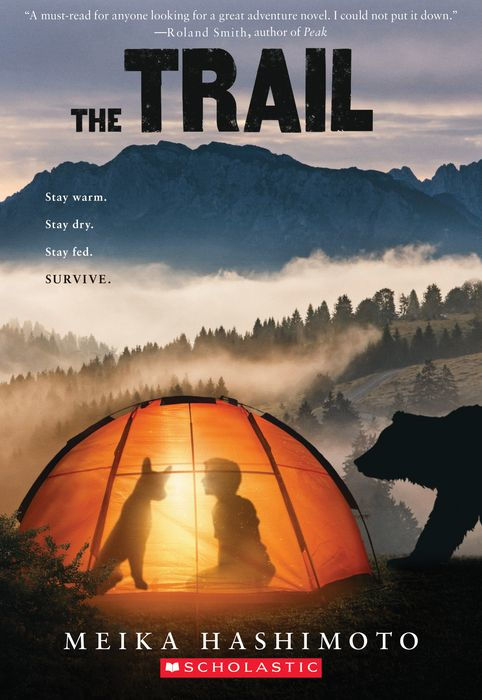
The Trail, by Meika Hashimoto


After a tragedy, 13-year-old Toby runs away to hike the Appalachian trail solo. This is a nice solid middle-grade novel with plenty of adventure and a satisfying conclusion. The revelation of exactly what happened to Toby's best friend made me giggle inappropriately because I visualized it with the sound effect "BONK." Read more... )

Content notes: Tragic death of friend, attempted suicide (Toby rescues the guy), dog abuse (Toby rescues the dog).


The Glamour, by Christopher Priest


Beautifully written literary novel, probably but not definitely fantasy, about people who can become invisible to the point where they cannot be perceived - ever - by anyone who can't also become invisible. Or maybe that's just a lie, or a shared delusion, or a metaphor; the ending is possibly the least resolved one ever written, very deliberately so. I enjoyed reading it while I was reading it, but the whole thing feels like a magician's trick. It may be relevant that Priest also wrote The Prestige.

Content notes: extremely graphic rape scene that seems to be written as a technical exercise in writing a rape scene where the man having consensual sex with the woman has no idea she's simultaneously being raped by a man he can't perceive. Kudos on the execution, ugh to the content.


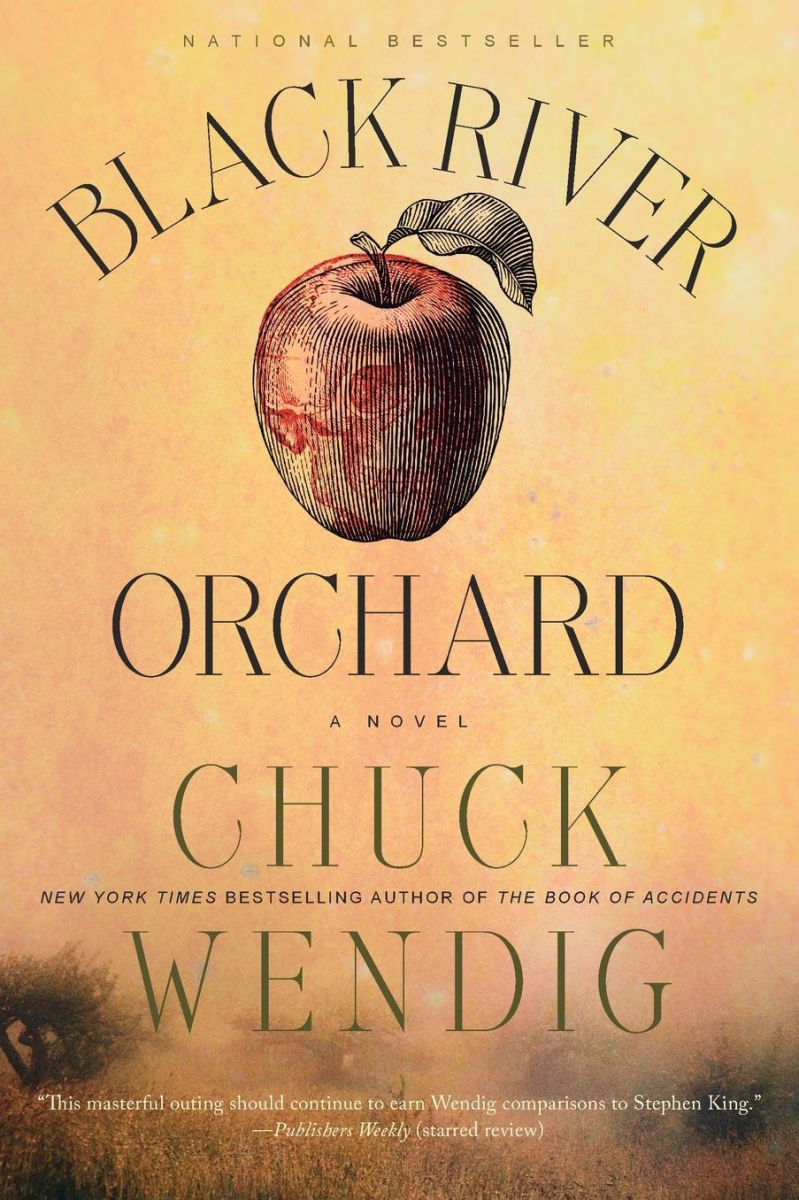
Black River Orchard, by Chuck Wendig


Extremely enjoyable horror novel about evil apples. Likable good guys, awful villains, a good premise, excellent apple-related body horror, fun apple lore, and a whole lot of really good descriptions of what it feels like to bite into an apple, plus an unexpected amount of queer/ace rep.

Content notes: horror-typical violence, control-style relationship abuse.


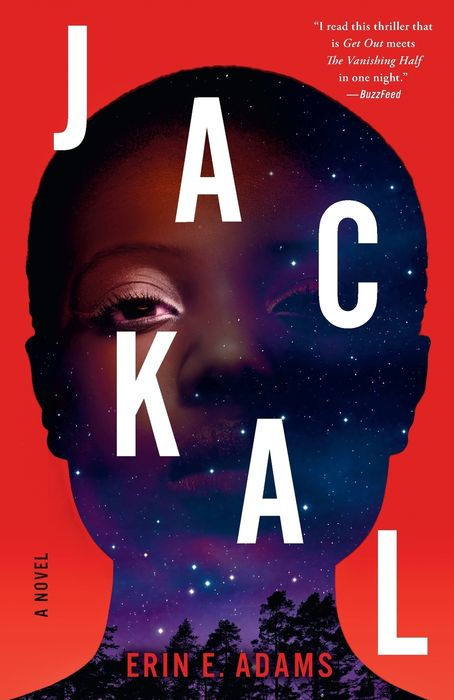
Interesting, unusual debut novel about a town where Black girls go missing. Liz, who was from one of the few Black families living on the white side of town, returns reluctantly for her white best friend's wedding. Liz is incredibly abrasive and judgmental, especially early on, but you can see how she got that way. Unsurprisingly, she gets involved in a search for another missing Black girl - this time, one she's very close to. You don't find out until almost the climax whether the book is a mainstream thriller about a serial killer or a novel of supernatural horror.

Read more... )

Overall I liked this. The middle drags a bit but it's such an ambitious, weird story. I'd definitely be interested to read more from Adams.


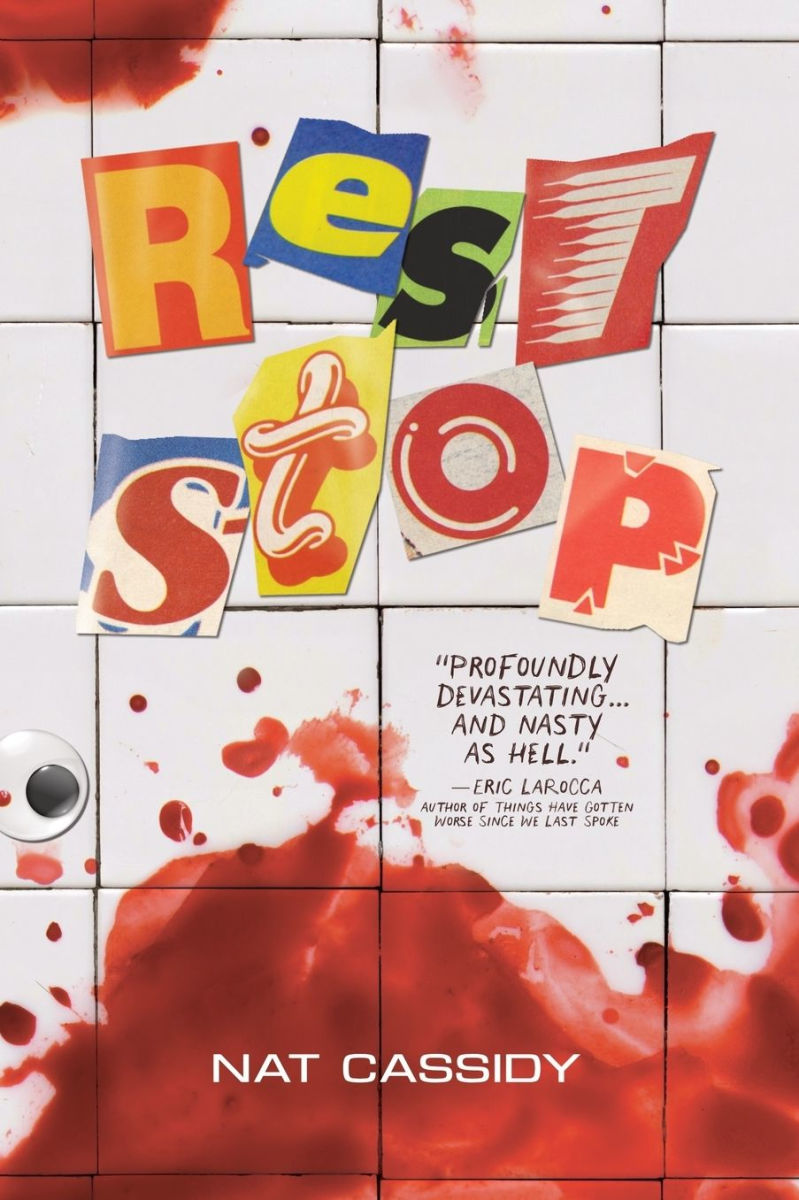
A musician driving to visit his dying grandmother stops at a gas station in the middle of the night, and makes the unwise decision to use its restroom. Next thing he knows, he's trapped inside it by someone who's come up with a lot of inventive ways to fuck with someone inside a locked room, from the outside of the room.

This was a very mixed bag.

A+ for the parts that are "I'm trapped in a gas station bathroom by a psycho:" it feels just like a nightmare, and is riveting.

B+ for Abe being Jewish, and how his bad relationship with his awful grandmother, a genocide survivor, comes into play in the story. I like that it's there but it could have gone deeper.

D for the irrelevant, annoying flashback storyline about Abe crushing on a woman who ends up dating another guy in the band.

D for story logic. Major elements of the story are just nonsensical.

Read more... )

C- for the ending. Read more... )

I very rarely say this, but this was a novella that should have been a novelette. The last chapter and the entire annoying subplot with the woman he failed to ask out should have been cut.

Also, I cannot believe I'm suggesting adding anti-Semitism, but an anti-Semitic psycho would have been really thematically on-point.

This was a lot of fun to read in paperback because of excellent graphic design elements.

Content warnings: Extreme gore, insects/spiders/snakes, insect/spider/snake harm, generational trauma.
.

Syndicate

RSS Atom

Most Popular Tags

Powered by Dreamwidth Studios

Style Credit

Expand Cut Tags

No cut tags