Becoming Palestinian
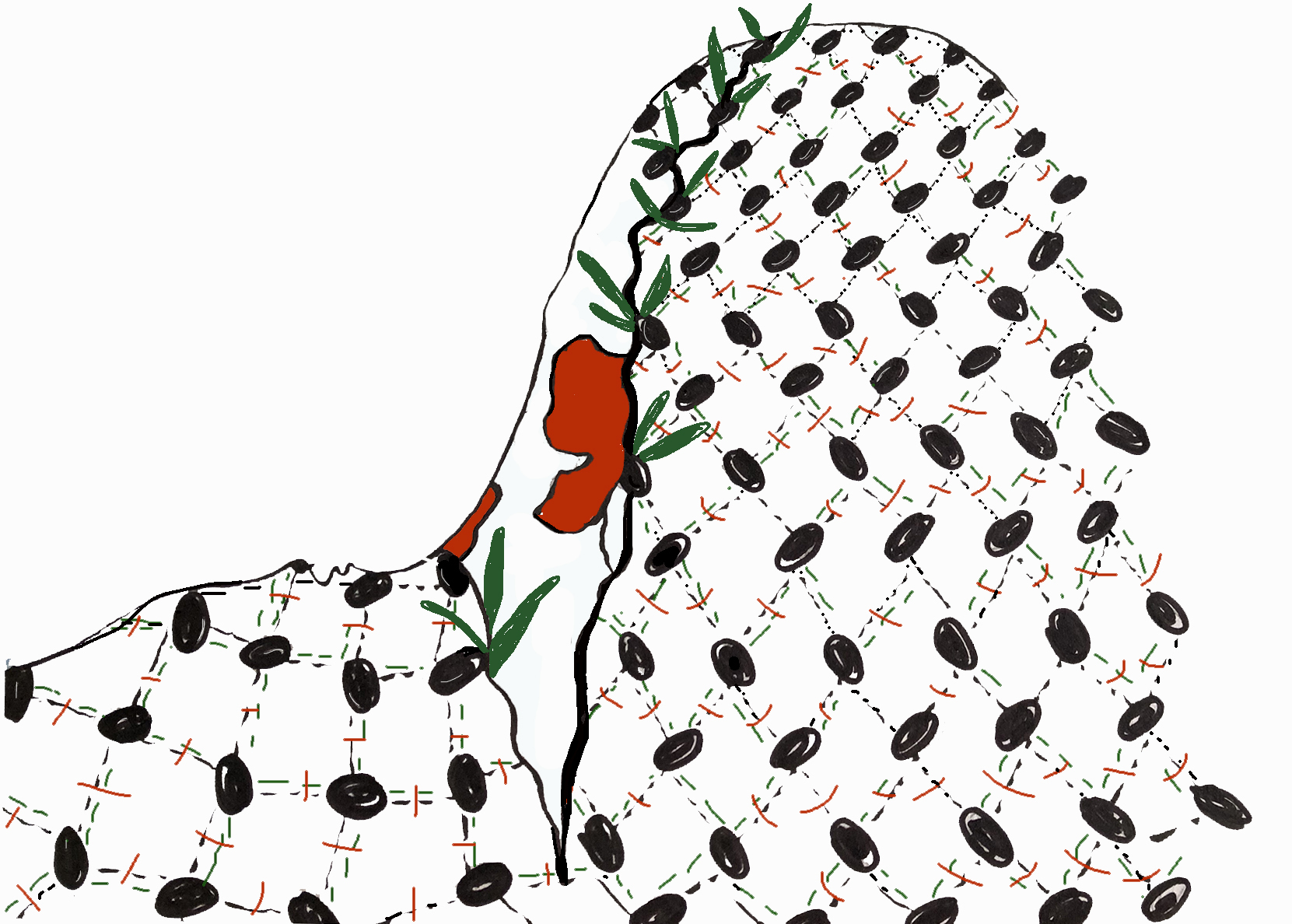
Image by Dasha Chernysheva. During the last assembly of the Arts Collaboratory network, the grave situation in the Palestinian territory resulting from the violent escalation of a long-lived extermination policy, was one of the cross-cutting themes. The absence of representatives from Al Ma'mal and Riwaq - Centre for Architectural Conservation, the two organizations in the network that operate from the Palestinian territory, made it imperative to reflect on this issue. Understanding the power and responsibility that cultural work demands from us, we dedicated a session given by the Palestinian architect, artist and cultural manager, Yazan Khalili, to learn from the history that contextualizes the series of violent events that the Palestinian people face today at the hands of the state of Israel and to understand the different positions and edges of the mass large-scale aggression. Left on the table from this session were powerful concepts such as understanding the sharing of knowledge as an action of solidarity; but above all the responsibility we have to speak, to make known the stories of what happens in Palestinian territory and make visible the series of injustices that happen with the encouragement and culpability of the world powers, to the detriment of human rights and therefore of life on this planet. In an attempt to answer what more we can do from our own practices, contexts and networks, the initiative to create this special edition of More of Us arose to explicitly express our solidarity with Palestine. With the conviction that solidarity arises from everyday practice, from what we sometimes think of as small, overcoming not always knowing what can be done and even the fear of doing or saying something, we hold on to the power of symbolic acts, of the force that is ignited when we read each other, listen to each other and generate conversations and share knowledge. In the words of Yazan Khalili, "to become Palestinian" is to become human beings and for this it is necessary to activate processes that allow us to know, to understand, to act and to take a position.

Paula Piedra in conversation with Zuhra Sasa Illustrations by Viviana Zúñiga Ramírez, Translation revised by M. Paola Malavasi L. At 5:00 p.m. on Monday, December 4, 2023, Zuhra opened the door to her apartment in Los Yoses, San José (Costa Rica). While she finished talking to a student via video call, Jengibre and Cúrcuma, a … Za’atar and oil
by: Paula Piedra
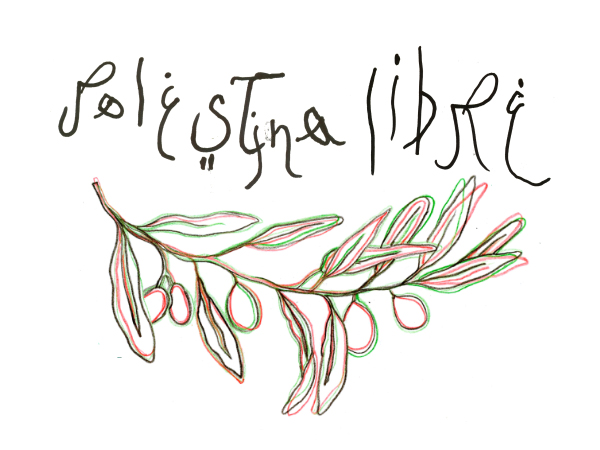
Image: Crater Invertido Arts Collaboratory is an ecosystem of diverse cultural spaces and arts practitioners, anchored in different territories around the world, including Palestine. We the undersigned, include some of the members from the Arts Collaboratory network and ecosystem, and friends of the network. We share the struggle, in solidarity and with empathy, for a … ⭕ We do not remain silent about genocide: 🇵🇸 Open letter from Arts Collaboratory ecosystem in Support of Palestinians

Due to various personal and work-related reasons, we have decided to put the More of Us editorial project on hold. Therefore, this is the last issue we will publish for now. We recognize that we do not have enough time and energy to continue with this effort, which has tended to be more burdensome for all the people involved and has led us to abandon the collective work at different times.
With the intention of reflecting on the process, and by way of closure, we had the following conversation to think together about this process and the reasons that have led us to make this decision.
We greatly appreciate the dedication and patience of all the people who in one way or another have contributed to build this platform for thinking about the South: writers, photographers, translators and artists. Especially to those who have performed administrative and maintenance tasks. We hope that we will be able to coincide in other dialogues.

Fear of violence has always been part of our daily lives. For some, rebellion is the best way to make their voices heard. For others, it is a torment. They become victims of situations they didn’t create. Fear creates endurance, and endurance leads to rebellion. In times like these, rebellion always has two sides: it serves the oppressor and victimizes the oppressed. But when the oppressed rebel, another story begins!
by: Feza Kayungu

Coal mines at Deucha Pachami in West Bengal, interrupts the ecosystem, manifesting unsettling velocities of economy, disinheritance, and toxicity. This work examines these ruptures as polyaxial densities to realise how intensities of collectivity and resistance activate forcelines of peripheralized epistemes and transformations of power.
by: Ritaban Ghosh

The use of medicinal and nutritional plants has persisted as a mechanism of cultural resistance and food sovereignty at the margins of agribusiness and transnational pharmaceuticals in Mexico. Through drawing, Dulce Chacón explores inherited family knowledge, botanical records, and field observation to insist on how important it is to recognize and value the plant biocultural diversity in the country. While learning and sharing knowledge about these plants, the artist reflects on what of this knowledge can be revealed and what is better kept silent.

The First Andean Ceremonial Race in Unity for Water (Primera Carrera Ceremonial Andina en Unión por el Agua) was held in August 2011. It brought together more than fifty representatives of different native, Afro-descendant, peasant, and urban South Americans. This was the starting point for the foundation of the Willka Yaku Ancestral Council for the preservation of the millenary memory of the Colombian Andean Massif, the mountains and mother lakes of the Latin American territory.
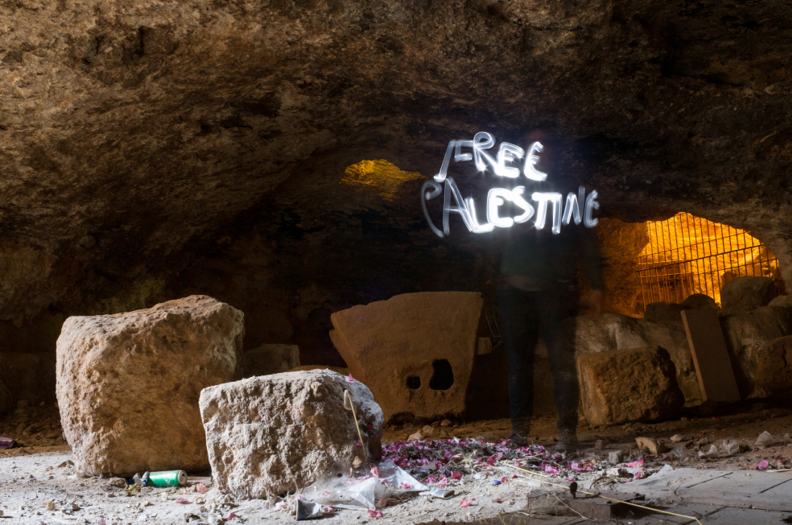
In 2018, when the Arts Collaboratory Ecosystem held its general assembly in Palestine, Lebanon and Jordan, a group of us from the network were guided by the generosity of our Palestinian family. During a series of tours and encounters, we heard their stories, memories and experiences. One of the activities carried out, a walk through Jerusalem, still resonates with me years later for its ability and sensitivity to show the diverse narratives that coexist in that small territory.
by: Jahwar
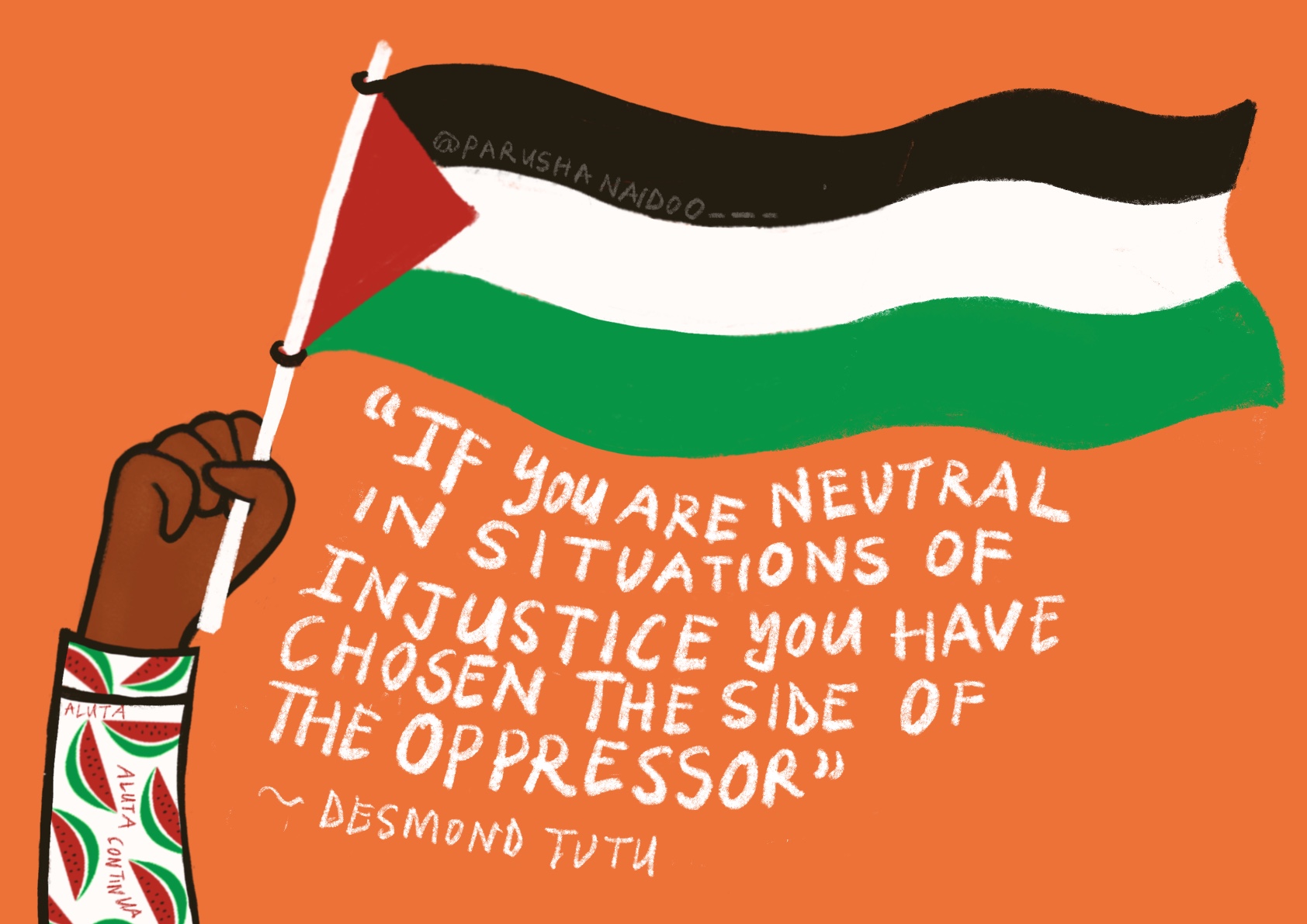
These pro-Palestinian illustrations curated by Mr Makonga were created by South African artists as part of the country’s ongoing protests to ‘hold Israel accountable‘. The artists have lent their skills and voices towards the message of solidarity, which in turn has helped push the South African public’s firm stance against the atrocities witnessed in the … South Africa to Palestine
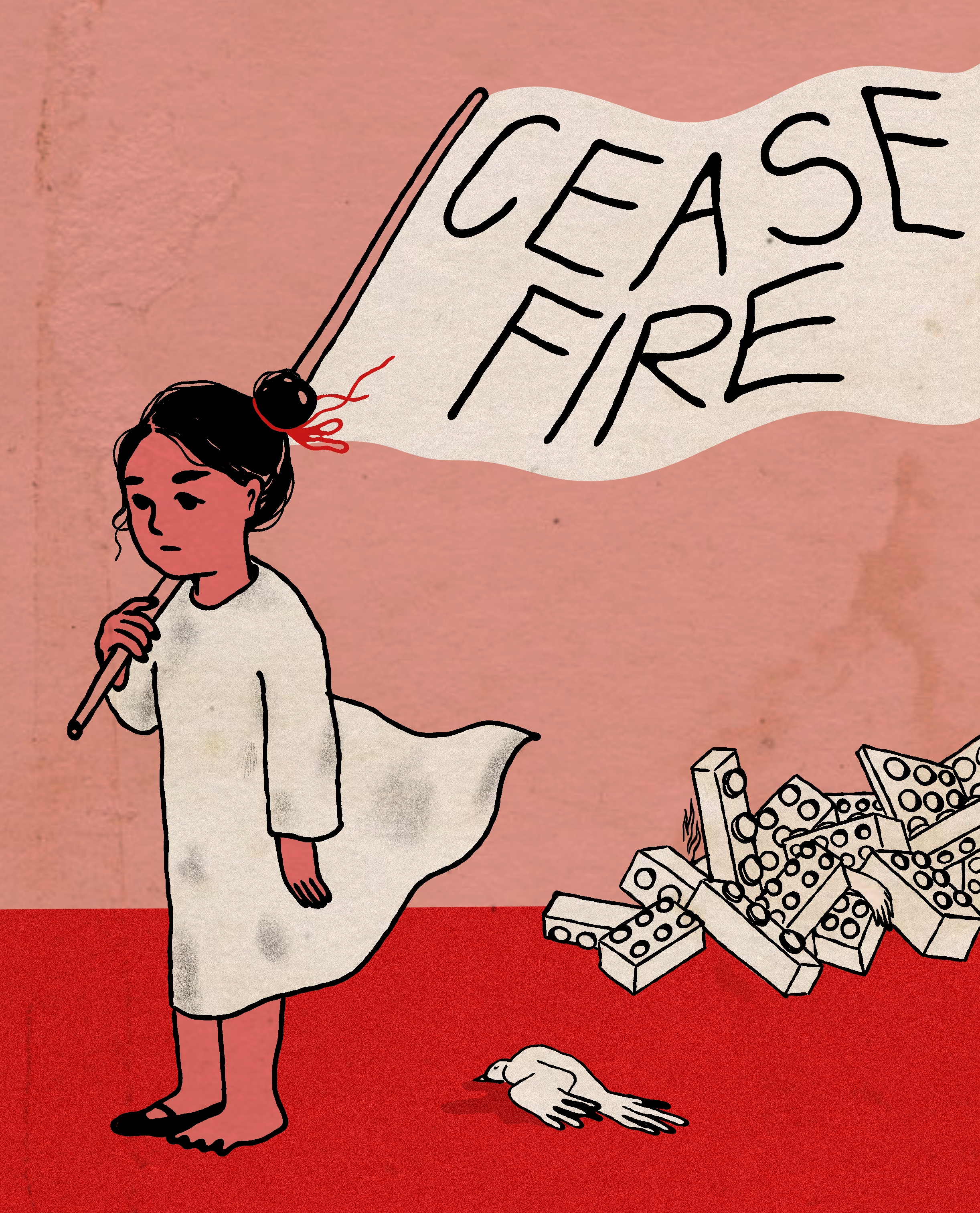
Gudskul Ekosistem houses a multitude of practitioners and collectives with differing practices and artistic mediums. Marishka Soekarna @drawmama, Wiratama @wirtams, and Sumantri Gelar @smtglr working through comical visual elements and playful aesthetics, employ satire to critique the political and social dynamics at play in the Palestinian context, and calling for an end to the violence … Contributions from Gudskul Ekosistem
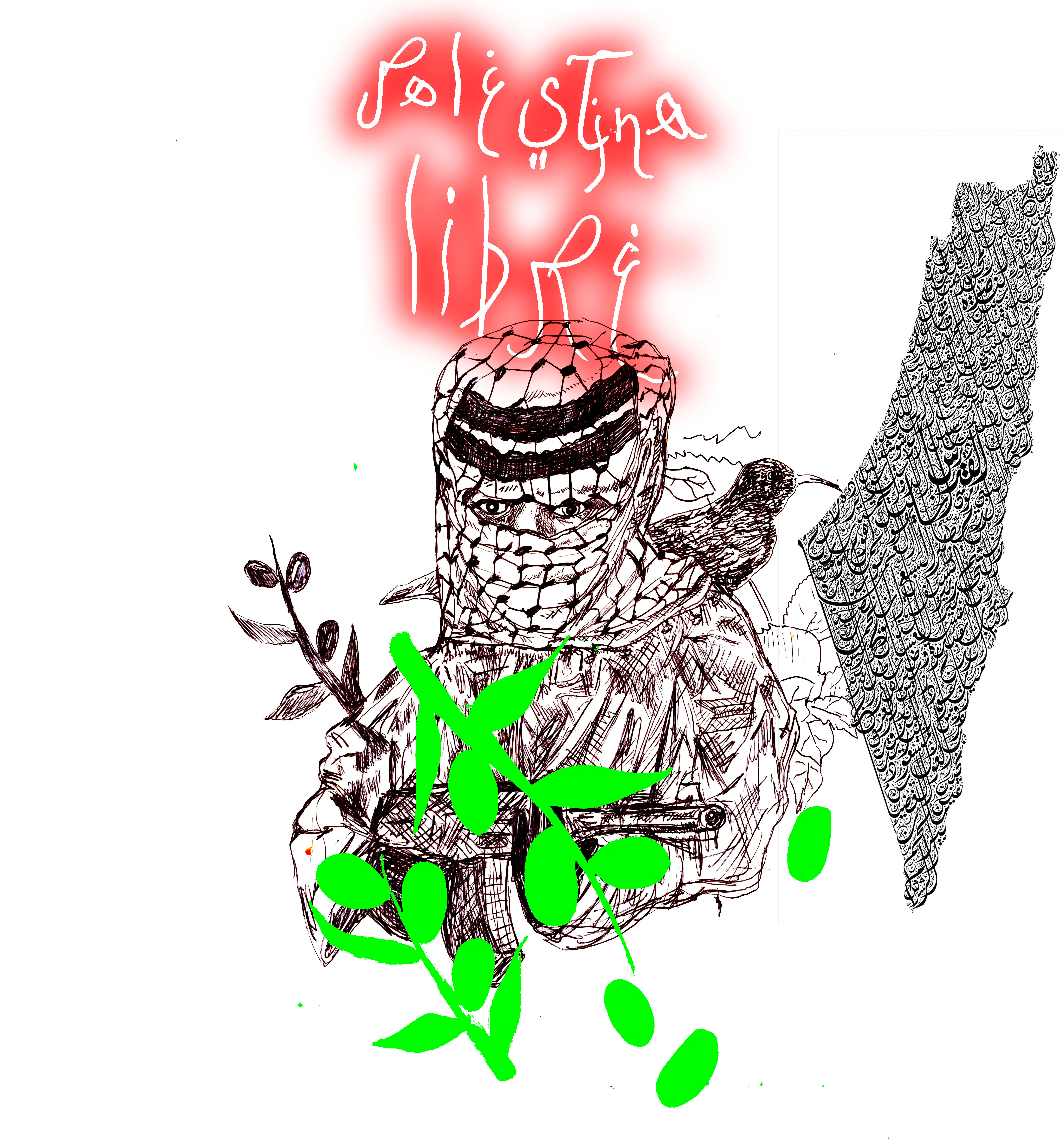
While all this is going on
I am sure that
we will be able
to be more human