21.12°C Kathmandu
Nepal steps up Ebola surveillance as WHO declares public health emergency
Over 970 Nepali peacekeepers are in the virus-hit Democratic Republic of Congo, including in Bunia and Fataki in Ituri Province, the epicentre of the outbreak.
Over 970 Nepali peacekeepers are in the virus-hit Democratic Republic of Congo, including in Bunia and Fataki in Ituri Province, the epicentre of the outbreak.

The National Disaster Risk Reduction and Management Authority maintains records of almost all disasters, but has no data on wild mushroom poisoning, which is not legally classified as a disaster.
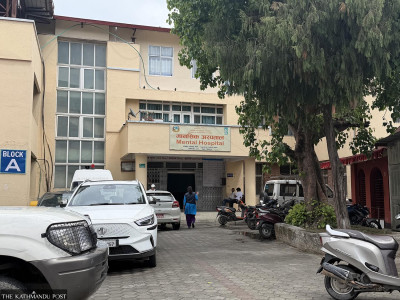
Officials complain of shortages of beds, manpower and funding are limiting care capacity.

Patients, medics and officials question the quality of drugs supplied under government health programmes citing weaknesses in procurement and testing.

The World Health Organisation (WHO) has recommended a 42-day quarantine for all passengers from the boat from Sunday.

The UN health body said that the hantavirus cluster is linked to the same vessel, which had passengers and crew from around 23 countries, including Indians.
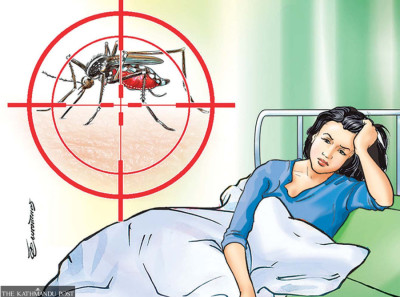
As many as 66 districts report dengue cases before the start of monsoon. Experts term it concerning.
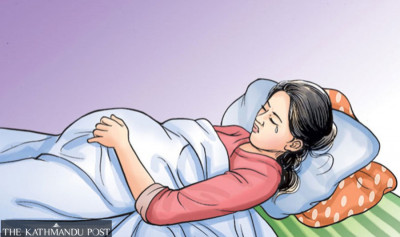
Seventy women from 56 districts died of maternity-related complications in eight months.
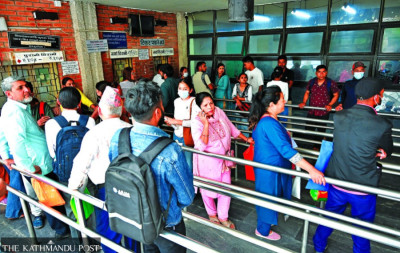
Patients from remote areas say staying in Kathmandu for days to see doctors at state hospitals makes treatment more expensive than private treatment.
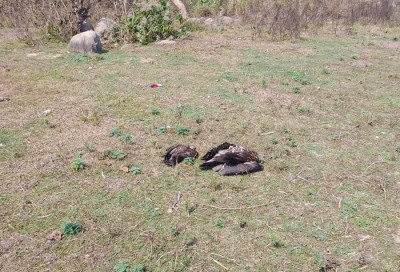
Nimesulide, aceclofenac and ketoprofen will be phased out over six months, during which existing stocks can still be sold.

The Nepal Medical Council found the clinic was not registered, and the procedure was compromised.
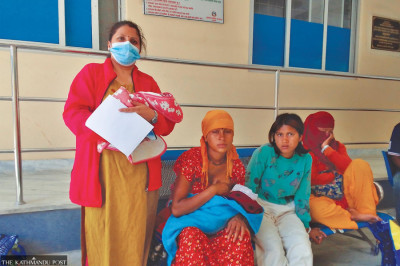
Experts warn of serious setbacks from budget cuts to crucial public health programmes, which could threaten years of Nepal’s healthcare gains.

Women continue to die from abortion-related complications over two decades after the procedure was legalised. Experts say over-the-counter abortion kits are fuelling unsafe practices.

Health Secretary Wes Streeting said the approval of the bill was a historic moment for the nation’s health.
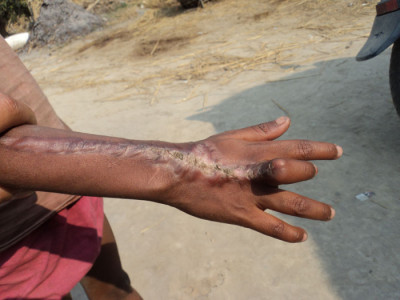
Rising temperatures believed to be pushing venomous snakes from the plains into the hills and mountain regions.
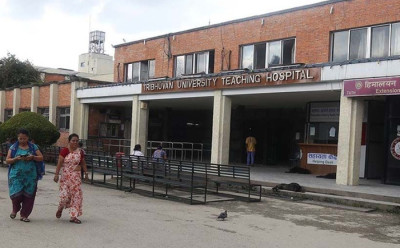
State-run hospitals are providing only partial services. Major hospitals like Teaching Hospital, Manmohan Cardiothoracic Vascular & Transplant Centre, and several medical colleges have completely halted services for months.
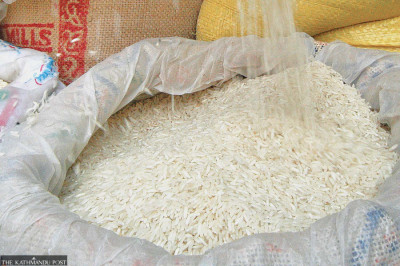
Basmati rice shows higher contamination levels as banned pesticides continue to circulate, pointing to weak monitoring.
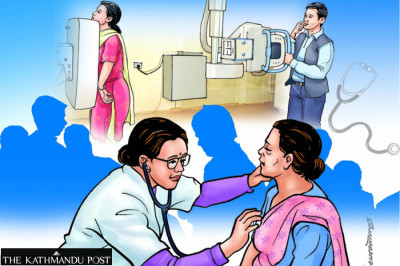
A nationwide screening of non-communicable diseases conducted in February-March shows around nine percent of the population in the age group is diabetic, and over three percent have renal diseases.

Two Indian doctors apologise for planning the camp without prior approval from Nepal Medical Council.

The pause in pre-monsoon conditions in recent days, rising temperatures, forest fire incidents, and stubble burning in Tarai are responsible.