Passeridae
The Key to Scientific Names
Legend Overview
Passeridae Old World Sparrows
Version: 1.0 — Published March 4, 2020
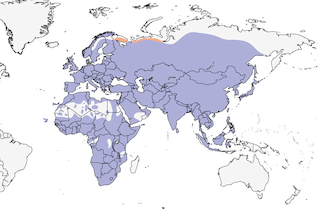
- Year-round
- Breeding
- Non-breeding
Full content is available exclusively to Birds of the World subscribers. Sign in Learn more
Introduction
Although these plain-clothed, sturdy little birds eat a diet rich in seeds, they supplement it with insects, especially during the breeding season. Indeed, their chicks subsist almost exclusively on invertebrates for the first few months of their lives. Still, passerids have special modifications of the palate and tongue with which they husk the many seeds they ingest. Granivory enables them to endure in some of the most extreme desert and alpine environments in the world. It is therefore perhaps no accident that the House Sparrow Passer domesticus, via human introductions, has spread and thrived over almost all of Earth’s land surface or that it has been one of the best-adapted commensals of humans for millennia.
General Habitat
Diet and Foraging
Breeding
Conservation Status
Systematics History
Conservation Status
| Least Concern |
95.3%
|
|---|---|
| Near Threatened |
0%
|
| Vulnerable |
4.7%
|
| Endangered |
0%
|
| Critically Endangered |
0%
|
| Extinct in the Wild |
0%
|
| Extinct |
0%
|
| Not Evaluated |
0%
|
| Data Deficient |
0%
|
| Unknown |
0%
|
Data provided by IUCN (2025) Red List. More information