Transport of ricin from endosomes to the Golgi apparatus occurs, in contrast to the transport of the mannose 6-phosphate receptor, by a Rab9-independent process. To characterize the pathway of ricin transport to the Golgi apparatus, we investigated whether it was regulated by calcium. As shown here, our data indicate that calcium is selectively involved in the regulation of ricin transport to the Golgi apparatus. Thapsigargin, which inhibits calcium transport into the ER, and the calcium ionophore A23187 both increased the transport of ricin to the Golgi apparatus by a factor of 20. By contrast, transport of the mannose 6-phosphate receptor to the Golgi apparatus was unaffected. Ricin and mannose 6-phosphate receptor transport were measured by quantifying the sulfation of modified forms of ricin and the mannose 6-phosphate receptor. The increased transport of ricin was reduced by wortmannin and LY294002, suggesting that phosphoinositide 3-kinase might be involved in transport of ricin to the Golgi apparatus. Together, these findings indicate that the different pathways to the Golgi apparatus utilized by ricin and the mannose 6-phosphate receptor are regulated by different mechanisms.

JCS fast-track option

Have a paper that has been reviewed elsewhere? JCS is pleased to consider such manuscripts for fast-tracked decision making. Send us your manuscript together with the full set of reviews and decision letters, and we will make an initial decision within one week.
Call for papers - Cell Biology of the Nucleus
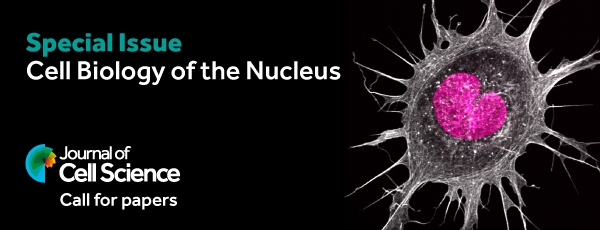
We invite you to submit your latest research to our upcoming special issue: Cell Biology of the Nucleus. This issue will be guest edited by Abby Buchwalter (University of California, San Francisco, USA), working alongside Academic Editor Megan King (Yale University, USA). The extended deadline for submitting articles is 5 January 2026.
Register for our 2026 Imaging Cell Dynamics meeting
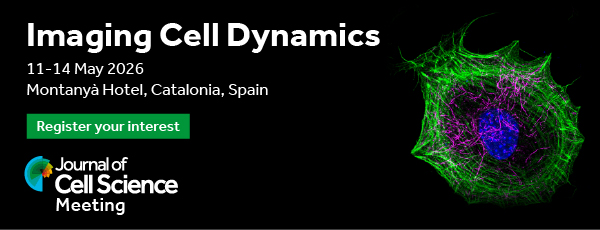
Following the success of our 2023 Imaging Cell Dynamics meeting, we are delighted to announce that we’ll be hosting a second meeting on this topic in 2026. This meeting will provide a unique opportunity to bring together experts working at the interface between cell biology and imaging. Register here for more information and updates.
Design principles of ciliary signalling
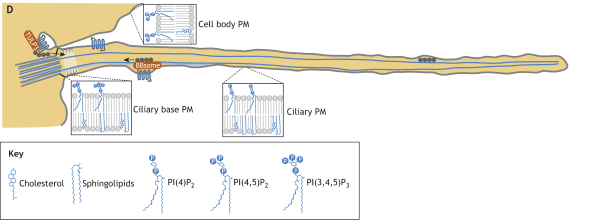
Carolyn M. Ott and Jennifer Lippincott-Schwartz discuss why the unique composition and geometry of cilia enables highly tunable, sensitive, robust and evolvable responses to environmental signals.
Primary cilia signalling at a glance
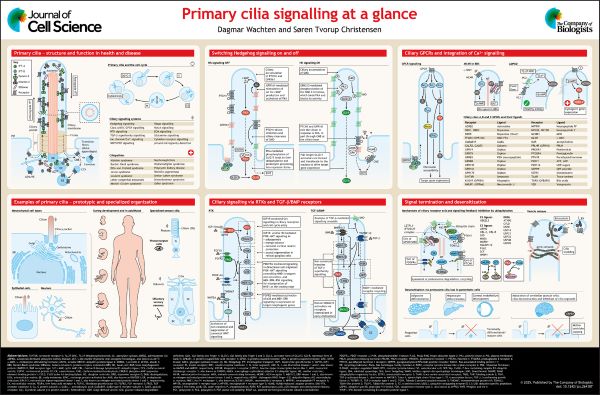
Dagmar Wachten and Søren Tvorup Christensen explore the primary cilium as a master regulator of cellular communication, integrating diverse signalling pathways to guide development and maintain homeostasis. Its dysfunction triggers over 30 disorders, offering new mechanistic insights and therapeutic opportunities.
Social media