CremePuffz

1.5M ratings
277k ratings

See, that’s what the app is perfect for.

Sounds perfect Wahhhh, I don’t wanna
fixyourwritinghabits

Anonymous asked:

do you have any advice on character design?

fallout-lou-begas answered:

watch The Sopranos

fallout-lou-begas

i actually wanted to elaborate on this and say that i think it’s a really bad habit of a lot of artists, influenced by current media casting practices, to unconsciously or consciously make every single character they create super pretty, like everyone is just hot in that very boring, homogenous way, and this also comes as a result of people using actors and celebrities as character references or faceclaims and AI facial generation programs like Artbreeder being trained on people who are generally very pretty-looking. it results in alienating, uncanny worlds and drawings completely devoid of people who just look like regular people. it results worlds populated by mannequins fresh off the CW. I feel like whether a character is attractive or not should actually matter, be part of their character, because that kind of thing absolutely affects the way you move through the world and the way the world treats you.

so i wanted to throw in some suggestions that, whenever I’m trying to find a character reference or otherwise draw very interesting-looking yet regular-looking people, which i usually have to do for bit characters in @ikroah​ or something, I tend to look for references in the following places. these are far from the only reliable way to get inspiration, this is just a non-exhaustive list of places i’ve looked before for visual inspiration when needing to create a character, whether starring characters or background ones:

  • pre-2000s television (The Sopranos and Twin Peaks especially having incredible character design)
  • extras in comedy sketch shows
  • esports players
  • real photos (not staged stock photos) of line cooks
  • 70s baseball players
  • athletes from more obscure olympic sports like the javelin toss or greco-roman wrestling, especially if you’re looking for a specific body type
  • ska, jazz, and blues musicians
  • firefighters
  • improv troupes
  • for teenagers, searching “high school english class project” on youtube and sorting by Upload Date
  • state senators, small-town mayors, and generally obscure local government positions like comptroller or treasurer (yes i know politicians can be bad sometimes but smaller elections especially don’t really depend on looks)
  • people who walk by your window (if you live in a city like I do)

and again these are just, in my opinion, deep and easy wells to dive in if you want to get a good idea of what regular people look like. these suggestions aren’t the limits on where you can possibly find inspiration for character design

roganaut

Fellini’s movies have remarkably interesting and unique looking actors

fallout-lou-begas

Yes!!! There’s an entire book called Fellini’s Faces that’s nothing but portraits of his actors that’s phenomenal for this kind of thing, though it’s fairly rare to get a hold of today.

image
sartorialadventure

(Since I know a lot of writers/artists follow me for costume/character design ideas!)

fixyourwritinghabits
genderkoolaid

hey boy don't kill yourself. green's dictionary of slang is available online and allows you to explore 500 years of english vulgarity. you can search by part of speech, source, time period, etymology, and usage. there's a whole category for gay slang. they even have specific citations listed so you can see the exact context for yourself. boy did you know that in 1927 "to kneel at the altar" was slang for "to sodomize"

genderkoolaid

some other hits:

  • Princess: an effeminate and relatively youthful male homosexual or lesbian (1931-4)
  • Daffodil: effeminate young man (1925)
  • To throw a fuck into: to have sex with (1919)
  • Top sergeant: a masculine lesbian (1939) [‘she takes command of the girls’ privates’]
  • Lily: penis (1919)
  • Wolf: sexually aggressive man (1847); a homosexual top (1918)
  • Soul kiss: a deep kiss, involving putting one’s tongue into one’s partner’s mouth (1907)
  • Tom: a lesbian (1909); [in 'old tom'] prostitute catering to lesbians (1966)
  • Church mouse: a male homosexual who frequents crowded churches in order to fondle any potential sex partners. (1941)
  • Discover one's gender: to accept or acknowledge one’s homosexuality (1941) / Lose one's gender: To return to living as a heterosexual
  • Minty: a masculine lesbian (1941)

Also a lot of early 20th century vulgarity is recorded in Letter from My Father, which is a collection of letters published by a man who's dad was, in short, a major slut and human disaster who wrote about his sex life for his son. It's insane. You can find copies of it online & it's a wild fucking read (literally!) and I think a really interesting look at the life of a person who goes against our stereotypes of what people in the past were "supposed" to be like.

Anyways feel free to add y'all's favs to this post. & if you use this for gay historical fanfic please share with the class

genderkoolaid

#OH THIS IS EXTREMELY EXTREMELY HELPFUL#writing#resources#saving for later#maybe i should move my 1920s story from '25 to '27 because..... bro..........

note for writers: these are dated to the first time they were recorded, not necessarily to their first use. I imagine for many of these, they came about naturally through spoken language before they were written down anywhere. This is especially true of more underground slang because it's probably being recorded (in ways we still have) the least. So if you wanna use a term but it's a little off date-wise, give yourself some wiggle room.

also gonna take this moment to highlight two more i found recently:

  • Best boy: a sweetheart, a boyfriend, a husband. (1893) [w the obvious equivalent term 'best girl']
  • Honeydripper or honeydrips: a sexual partner (1917)

Like. Honeydripper?????? That's so horny I can't stop thinking about it. We need to bring THAT back

the-transgenda-agenda

fixyourwritinghabits
intheheatherbright

Costume. Chitons.

killerchickadee

Wait, wait…. Is that seriously it? How their clothes go?

fabledquill

that genuinely is it

itwashotwestayedinthewater

yeah hey whats up bout to put some fucking giant sheets on my body

childrentalking

lets bring back sheetwares

ardatli

When you’re carding, spinning and weaving everything from scratch, using the big squares exactly as they come off the loom must seem like a fucking brilliant idea. 90% (or more) of pre-14th century clothing is made purely on squares (and sometimes triangles cut from squares). 

annathecrow

How did they get the fabric so fine it draped like that? Was that something medieval europe forgot? Or do I just have a completely misguided image of historical clothing?

ardatli

Medieval Europe also had incredibly fine weaves, though the ancient world tended to have them beat. Linen was found in Egypt woven with a fineness that we’re still trying to replicate, and there was a kind of cotton woven in India called ‘woven wind’ that was supposedly still translucent at eight layers, and wool shawls so fine that the entire thing could be drawn through a wedding ring

The way they could get away with pinking and slashing doublets in the 16th century was partially because the fabrics were so tightly woven that you could simply cut a line on the bias and nothing would fray. 

Modern fabric machining sucks ass in terms of giving us any kind of quality like the kind human beings produced prior to the Industrial Revolution. 

spazzbot

*yells about textile history*

lark-in-ink

somtimes I get SO MAD about modern fabric sucking i stg

fixyourwritinghabits
sapphixxx

Whenever I see someone refer to “Victorian era-” for places outside the UK I’m tempted to start saying shit like “Han Dynasty era Rome”, “Soviet era Australia” etc

the-queen-of-fire-and-ice

This is an issue that really bothers me as a historian, so I curated this little list that, as far as I am aware, are the accurate names and dates for the different aesthetic movements/time periods in different countries

Dates: roughly 1837-1901 (The Reign of Queen Victoria)

Victorian Era (UK, Canada, Australia (British Empire))

Antebellum (America 1830-1864)/ Reconstruction (1865-1877)/ “The Guilded Age” (1877-1901)

Isabelino (Spain 1833-1868) /Alfonsino (1874-1885)

La Belle Epoque “The Golden Age” (France)

National Romatiska (Sweden 1880-1920)

Meiji Period (Japan)

Xianfang (China 1831-1861)/Tongzhi (1861-1875)/Guangxu (1875-1908)

Era Witorianska (Poland)

Tanzimat (Ottoman Empire)

Qajar (Iran)

fixyourwritinghabits

Honestly I wish we would start doing this, at the very least in a tongue and cheek way, because it’s very easy to have a disjointed idea of history rather than remembering it all happened at the same time.

fixyourwritinghabits
leave-her-a-tome

image

(source)

There are so many ways to make moodboards, bookcovers, and icons without infringing copyright! As artists, authors, and other creatives, we need to be especially careful not to use someone else’s work and pass it off as our own. 

Please add on if you know any more sites for free images <3

kmparker616

Thanks for the information!!

mayflowers07

I will reblog this everytime i see it

floraone

Ok so while we’re at this, I just checked out Unsplash, and it’s an AMAZING site for free images?

cryoverkiltmilk

Reblogging because useful and because f*ck P**terest

fixyourwritinghabits
em-dash-press-deactivated202410

How Authors Write Fictional Wars

Some of our favorite novels include wars. They might stretch over a trilogy or build within a single book. Writing one might seem staggering, but it just takes a different planning approach. Use these tips to write a fictional war for your next story and make your readers feel like it really happened.

Foundational Factors to Consider

1. Your Opposing Sides

Wars always have at least two opposing sides. Start there and develop them before deciding if you need a third or fourth side involved. Cover details like:

  • What does each side want?
  • What would each side settle for?
  • What is each side’s worst-case scenario?
  • What is each side’s hard no? (What wouldn’t they sacrifice or do to win their cause?)

2. Who Supports the Opposing Sides and Why

As a war progresses, each side loses resources. They start running out of money, soldiers, and whatever public support they had when they started the war due to citizens losing their loved ones or sacrificing for the cause.

Your protagonist and antagonist will need to ask for help eventually. Who would support them and why?

There are numerous reasons why someone might pick one side of a war over another. Politics and economics are often the first things leaders consider. The morality behind each side is another factor.

Consider the American Revolution. Many historians believe America would have lost without France sending money, troops, food, and supplies. Why would France support a budding nation over Great Britain? People argue it was because the French:

  • Wanted to humiliate the British king
  • Wanted to hurt their British military rival by partnering with America
  • Wanted to weaken the British kingdom by ending the colonial taxes they benefited from
  • Wanted to gain power on a global standing by overcoming Great Britain and rising as America’s first ally

These reasons are great examples of what your novel could include. Another country, kingdom, or group could rise in sudden support for your protagonist or antagonist, ultimately throwing chaos into the determined path of war for better or worse.

3. The War’s Terrain

People can break into battle almost anywhere, depending on your fictional world. Your characters could fight:

  • On land
  • On sea
  • In space
  • In the air
  • Underground
  • Online

Some terrain also comes with other considerations. If your war happens on an ocean, will storms and hurricanes affect battles or the ultimate outcome? How will the soldiers and leaders on both sides deal with the weather?

Note these possibilities as you plan your novel. You can add them in as background or crucial plot devices once you have a skeletal structure in place for your story.

Need help remembering everything you’ve imagined? Try making a map and keeping it wherever you write.

4. What Would Make Each Side More or Less Powerful

There’s always something that could give one side an advantage over the other. It’s often in an unexpected way, although you could make the advantage a goal. The bad guys might feel confident in their ability to win, but they have a secret mission to develop a new weapon just to give them a greater advantage.

Other factors to consider would be one side or another doing something like:

  • Discovering or enacting a magic system
  • Eliminating a crucial resource their enemy depends on
  • Removing funding that makes their enemy able to fight by befriending or overcoming their enemy’s financial backers
  • Changing the positive or negative public perception of the other side’s reason for fighting to change national morale
  • Doing something that makes one side’s leaders more or less moral (which could change public perception, the soldiers’ vigor, the leadership’s advisory team together, etc.)

6. What Kinds of Conflict You’ll Write

There are two types of basic conflict you’ll likely write when navigating a fictional war. You may not need both if your story is shorter, but adding both makes the plot more realistic.

First, there’s external conflict. You’ll have at least two opposing sides on some kind of battlefield, sneaking around on spy missions, planning surprise attacks, etc.

Secondly, there’s internal conflict. Soldiers might start fighting amongst each other, people in leadership positions could lose trust in each other, citizens might turn on their country’s cause for one reason or another, etc.

7. What Weaponry Your Characters Will Use

The weapons used in your war depend on numerous factors. It will draw from the genre you’re writing, the time period your story takes place, the advancements made in each civilization’s weaponry prior to the war, and any advancements made while the war goes on.

Examples of these could be:

  • Guns
  • Swords
  • Bows
  • Bombs
  • Drones
  • Armed ships
  • Armed space ships

You should also consider if one side’s weaponry is more likely to change during the course of the war. That’s more plausible if your story or characters change locations where regional cultures use different weapons. Also if the war spans years, people will naturally develop new weaponry during that time.

If you want extra details to daydream about, think about which weapons will become outdated during your story. Some will prove less useful due to complicated usage or cleaning. They also may not work, like if your science fiction characters follow their enemy underwater, but their laser guns require a dry atmosphere to function.

Include Emotional Plot Arcs

Writing always involves some kind of emotional work that results in a plot arc. It keeps the reader engaged by evoking their core feelings. That’s what makes a novel different from a textbook (in a very basic sense).

Work on details like these to find what emotions will be most present and relevant to your story:

  • Your overall theme
  • Your characters and what they experience
  • The action your characters will go through
  • How the above action will change your characters by affecting their loved ones
  • What your characters’ goals mean to them emotionally
  • If your characters’ will undergo things that change their perception of their world, leaders, country, or themselves

You don’t need all of these things to have an emotional plot arc, but they’re relatable human elements that can drive your plot right into your readers’ hearts.

Avoid Some War Story Tropes

Tropes have a bad reputation that I don’t think is entirely deserved. People recognize them as overdone stereotypes, but sometimes they’re useful.

When you’re writing a war, you’re going to have necessary tropes like:

What they undergo and who they become is how you make them fresh concepts for your readers.

Some tropes aren’t helpful because they’re what readers expect from every story. If you give them what they expect, your story isn’t as engaging (unless you get the occasional reader who exclusively reads war novels and never tires of overdone tropes).

Keep these in mind as things to avoid, unless you have an ingenious way to make them a brand-new experience:

  • One soldier dying in another’s arms
  • A character dying by going out “in a blaze of glory”
  • Characters using guns in ways that are obviously wrong (i.e., firing more bullets than the gun-type/model holds)
  • Getting military rank incorrect (if your characters exist in a real-world, already existing military structure)
  • Injury-proof characters (even your protagonist will eventually encounter some physical harm, whether it’s illness in bad weather or getting shot on a battlefield)

You can check out this great resource to discover more tropes to avoid/consider as you draft your plot outline. 

-----

If it feels like writing a war over the course of a book or a series is challenging, you’re not alone. There’s a lot to consider to make it have an engaging flow.

Keep notes on things like these to develop your story as much as possible before starting your first draft. You can always go back and add or edit things out as needed while developing it. Writers do this all the time—you don’t need to get any manuscript perfect on your first try.

fixyourwritinghabits
insipid-drivel

Horses: Since There Seems To Be A Knowledge Gap

I'm going to go ahead and preface this with: I comment pretty regularly on clips and photos featuring horses and horseback riding, often answering questions or providing explanations for how or why certain things are done. I was a stable hand and barrel racer growing up, and during my 11 year tenure on tumblr, Professional Horse Commentary is a very niche, yet very necessary, subject that needs filling. Here are some of the literary and creative gaps I've noticed in well meaning (and very good!) creators trying to portray horses and riding realistically that... well, most of you don't seem to even be aware of, because you wouldn't know unless you worked with horses directly!

Some Of The Most Common Horse + Riding Mistakes I See:

-Anybody can ride any horse if you hold on tight enough/have ridden once before.

Nope. No, no, no, no, aaaaaaaand, no. Horseback riding has, historically, been treated as a life skill taught from surprisingly young ages. It wasn't unusual in the pre-vehicular eras to start teaching children as young as 4 to begin to ride, because horses don't come with airbags, and every horse is different. For most adults, it can take months or years of regular lessons to learn to ride well in the saddle, and that's just riding; not working or practicing a sport.

Furthermore, horses often reject riders they don't know. Unless a horse has been trained like a teaching horse, which is taught to tolerate riders of all skill and experience levels, it will take extreme issue with having some random person try to climb on their back. Royalty, nobility, and the knighted classes are commonly associated with the "having a favorite special horse" trope, because it's true! Just like you can have a particularly special bond with a pet or service animal that verges on parental, the same can apply with horses. Happy horses love their owners/riders, and will straight-up do their best to murder anyone that tries to ride them without permission.

-Horses are stupid/have no personality.

There isn't a more dangerous assumption to make than assuming a horse is stupid. Every horse has a unique personality, with traits that can be consistent between breeds (again, like cat and dog breeds often have distinct behavior traits associated with them), but those traits manifest differently from animal to animal.

My mother had an Arabian horse, Zipper, that hated being kicked as a signal to gallop. One day, her mom and stepdad had a particularly unpleasant visitor; an older gentleman that insisted on riding Zipper, but refused to listen to my mother's warnings never to kick him. "Kicking" constitutes hitting the horse's side(s) with your heels, whether you have spurs on or not. Most horses only need a gentle squeeze to know what you want them to do.

Anyway, Zipper made eye-contact with my mom, asking for permission. He understood what she meant when she nodded at him. He proceeded to give this asshole of a rider road rash on the side of the paddock fence and sent him to the emergency room. He wouldn't have done it if he didn't have the permission from the rider he respected, and was intelligent enough to ask, "mind if I teach this guy a lesson?" with his eyes, and understand, "Go for it, buddy," from my mom in return.

-Riding bareback is possible to do if you hold onto the horse's mane really tight.

Riding a horse bareback (with no saddle, stirrups, or traditional harness around the horse's head) is unbelievably difficult to learn, particularly have testicles and value keeping them. Even professional riders and equestrians find ourselves relying on tack (the stuff you put on a horse to ride it) to stay stable on our horses, even if we've been riding that particular horse for years and have a very positive, trusting relationship.

Horses sweat like people do. The more they run, the more their hair saturates with sweat and makes staying seated on them slippery. Hell, an overworked horse can sweat so heavily that the saddle slips off its back. It's also essential to brush and bathe a horse before it's ridden in order to keep it healthier, so their hair is often quite slick from either being very clean or very damp. In order to ride like that, you have to develop the ability to synchronize your entire body's rhythm's with the rhythm of the horse's body beneath you, and quite literally move as one. Without stirrups, most people can't do it, and some people can never master bareback riding no matter how many years they spend trying to learn.

-You can be distracted and make casual conversation while a horse is standing untethered in the middle of a barn or field.

At every barn I've ever worked at, it's been standard practice with every single horse, regardless of age or temperament, to secure their heads while they're being tacked up or tacked down. The secures for doing this are simple ropes with clips that are designed to attach to the horse's halter (the headwear for a horse that isn't being ridden; they have no bit that goes in the horse's mouth, and no reins for a rider to hold) on metal O rings on either side of the horse's head. This is not distressing to the horse, because we give them plenty of slack to turn their heads and look around comfortably.

The problem with trying to tack up an unrestrained horse while chatting with fellow stable hands or riders is that horses know when you're distracted! And they often try to get away with stuff when they know you're not looking! In a barn, a horse often knows where the food is stored, and will often try to tiptoe off to sneak into the feed room.

Horses that get into the feed room are often at a high risk of dying. While extremely intelligent, they don't have the ability to throw up, and they don't have the ability to tell that their stomach is full and should stop eating. Allowing a horse into a feed/grain room WILL allow it to eat itself to death.

Other common woes stable hands and riders deal with when trying to handle a horse with an unrestrained head is getting bitten! Horses express affection between members of their own herd, and those they consider friends and family, through nibbling and surprisingly rough biting. It's not called "horseplay" for nothing, because during my years working with horses out in the pasture, it wasn't uncommon at all for me to find individuals with bloody bite marks on their withers (that high part on the middle of the back of their shoulders most people instinctively reach for when they try to get up), and on their backsides. I've been love-bitten by horses before, and while flattering, they hurt like hell on fleshy human skin.

So, for the safety of the horse, and everybody else, always make a show of somehow controlling the animal's head when hands-on and on the ground with them.

-Big Horse = War Horse

Startlingly, the opposite is usually the case! Draft and carriage horses, like Percherons and Friesians, were never meant to be used in warfare. Draft horses are usually bred to be extremely even-tempered, hard to spook, and trustworthy around small children and animals. Historically, they're the tractors of the farm if you could afford to upgrade from oxen, and were never built to be fast or agile in a battlefield situation.

More importantly, just because a horse is imposing and huge doesn't make it a good candidate for carrying heavy weights. A real thing that I had to be part of enforcing when I worked at a teaching ranch was a weight limit. Yeah, it felt shitty to tell people they couldn't ride because we didn't have any horses strong enough to carry them due to their weight, but it's a matter of the animal's safety. A big/tall/chonky horse is more likely to be built to pull heavy loads, but not carry them flat on their spines. Horses' muscular power is predominantly in their ability to run and pull things, and too heavy a rider can literally break a horse's spine and force us to euthanize it.

Some of the best war horses out there are from the "hot blood" family. Hot blooded horses are often from dry, hot, arid climates, are very small and slight (such as Arabian horses), and are notoriously fickle and flighty. They're also a lot more likely to paw/bite/kick when spooked, and have even sometimes been historically trained to fight alongside their rider if their rider is dismounted in combat; kicking and rearing to keep other soldiers at a distance.

-Any horse can be ridden if it likes you enough.

Just like it can take a lifetime to learn to ride easily, it can take a lifetime of training for a horse to comfortably take to being ridden or taking part in a job, like pulling a carriage. Much like service animals, horses are typically trained from extremely young ages to be reared into the job that's given to them, and an adult horse with no experience carrying a rider is going to be just as scared as a rider who's never actually ridden a horse.

Just as well, the process of tacking up a horse isn't always the most comfortable experience for the horse. To keep the saddle centered on the horse's back when moving at rough or fast paces, it's essential to tighten the belly strap (cinch) of the saddle as tightly as possible around the horse's belly. For the horse, it's like wearing a tight corset, chafes, and even leaves indents in their skin afterward that they love having rinsed with water and scratched. Some horses will learn to inflate their bellies while you're tightening the cinch so you can't get it as tight as it needs to be, and then exhale when they think you're done tightening it.

When you're working with a horse wearing a bridle, especially one with a bit, it can be a shocking sensory experience to a horse that's never used a bit before. While they lack a set of teeth naturally, so the bit doesn't actually hurt them, imagine having a metal rod shoved in your mouth horizontally! Unless you understand why it's important for the person you care about not dying, you'd be pretty pissed about having to keep it in there!

-Horseback riding isn't exercise.

If you're not using every muscle in your body to ride with, you're not doing it right.

Riding requires every ounce of muscle control you have in your entire body - although this doesn't mean it wasn't realistic for people with fat bodies to stay their weight while also being avid riders; it doesn't mean the muscles aren't there. To stay on the horse, you need to learn how it feels when it moves at different gaits (walk, trot, canter, gallop), how to instruct it to switch leads (dominant legs; essential for precise turning and ease of communication between you and the horse), and not falling off. While good riders look like they're barely moving at all, that's only because they're good riders. They know how to move so seamlessly with the horse, feeling their movements like their own, that they can compensate with their legs and waists to not bounce out of the saddle altogether or slide off to one side. I guarantee if you ride a horse longer than 30 minutes for the first time, your legs alone will barely work and feel like rubber.

-Horses aren't affectionate.

Horses are extraordinarily affectionate toward the right people. As prey animals, they're usually wary of people they don't know, or have only recently met. They also - again, like service animals - have a "work mode" and a "casual mode" depending upon what they're doing at the time. Horses will give kisses like puppies, wiggle their upper lips on your hair/arms to groom you, lean into neck-hugs, and even cuddle in their pasture or stall if it's time to nap and you join them by leaning against their sides. If they see you coming up from afar and are excited to see you, they'll whinny and squeal while galloping to meet you at the gate. They'll deliberately swat you with their tails to tease you, and will often follow you around the pasture if they're allowed to regardless of what you're up to.

-Riding crops are cruel.

Only cruel people use riding crops to hurt their horses. Spurs? I personally object to, because any horse that knows you well doesn't need something sharp jabbing them in the side for emphasis when you're trying to tell them where you want them to go. Crops? Are genuinely harmless tools used for signalling a horse.

I mean, think about it. Why would crops be inherently cruel instruments if you need to trust a horse not to be afraid of you and throw you off when you're riding it?

Crops are best used just to lightly tap on the left or right flank of the horse, and aren't universally used with all forms of riding. You'll mainly see crops used with English riding, and they're just tools for communicating with the horse without needing to speak.

-There's only one way to ride a horse.

Not. At. All. At most teaching ranches, you'll get two options: Western, or English, because they tend to be the most popular for shows and also the most common to find equipment for. English riding uses a thinner, smaller saddle, narrower stirrups, and much thinner bridles. I, personally, didn't like English style riding because I never felt very stable in such a thin saddle with such small stirrups, and didn't start learning until my mid teens. English style riding tends to focus more on your posture and deportment in the saddle, and your ability to show off your stability and apparent immovability on the horse. It was generally just a bit too stiff and formal for me.

Western style riding utilizes heavier bridles, bigger saddles (with the iconic horn on the front), and broader stirrups. Like its name may suggest, Western riding is more about figuring out how to be steady in the saddle while going fast and being mobile with your upper body. Western style riding is generally the style preferred for working-type shows, such as horseback archery, gunning, barrel racing, and even rodeo riding.

-Wealthy horse owners have no relationship with their horses.

This is loosely untrue, but I've seen cases where it is. Basically, horses need to feel like they're working for someone that matters to them in order to behave well with a rider and not get impatient or bored. While it's common for people to board horses at off-property ranches (boarding ranches) for cost and space purposes, it's been historically the truth that having help is usually necessary with horses at some point. What matters is who spends the most time with the animal treating it like a living being, rather than a mode of transport or a tool. There's no harm in stable hands handling the daily upkeep; hay bales and water buckets are heavy, and we're there to profit off the labor you don't want or have the time to do. You get up early to go to work; we get up early to look after your horses. Good owners/boarders visit often and spend as much of their spare time as they can with spending quality work and playtime with their horses. Otherwise, the horses look to the stable hands for emotional support and care.

So, maybe you're writing a knight that doesn't really care much for looking after his horse, but his squire is really dedicated to keeping up with it? There's a better chance of the horse having a more affectionate relationship with the squire thanks to the time the squire spends on looking after it, while the horse is more likely to tolerate the knight that owns it as being a source of discipline if it misbehaves. That doesn't mean the knight is its favorite person. When it comes to horses, their love must be earned, and you can only earn it by spending time with them hands-on.

-Horses can graze anywhere without concern.

This is a mistake that results in a lot of premature deaths! A big part of the cost of owning a horse - even before you buy one - is having the property that will be its pasture assessed for poisonous plants, and having those plants removed from being within the animal's reach. This is an essential part of farm upkeep every year, because horses really can't tell what's toxic and what isn't. One of the reasons it's essential to secure a horse when you aren't riding it is to ensure it only has a very limited range to graze on, and it's your responsibility as the owner/rider to know how to identify dangerous plants and keep your horses away from them.

There's probably more. AMA in my askbox if you have any questions, but that's all for now. Happy writing.

fixyourwritinghabits

how to find literally any post on a blog in seconds (on desktop)

goatsandgangsters

there are so many posts about ~tumblr is so broken, you can’t find any post on your own blog, it’s impossible, bluhrblub~

I am here to tell you otherwise! it is in fact INCREDIBLY easy to find a post on a blog if you’re on desktop/browser and you know what you’re doing:

  • url.tumblr.com/tagged/croissant will bring up EVERY post on the blog tagged with the specific and exact phrase #croissant. every single post, every single time. in chronological order starting with the most recent post. note: it will not find #croissants or that time you made the typo #croidnssants. for a tag with multiple words, it’s just /tagged/my-croissant and it will show you everything with the exact phrase #my croissant
  • url.tumblr.com/tagged/croissant/chrono will bring up EVERY post on the blog tagged with the exact phrase #croissant, but it will show them in reverse order with the oldest first 
  • url.tumblr.com/search/croissant isn’t as perfect at finding everything, but it’s generally loads better than the search on mobile. it will find a good array of posts that have the word croissant in them somewhere. could be in the body of the post (op captioned it “look at my croissant”) or in the tags (#man I want a croissant). it won’t necessarily find EVERYTHING like /tagged/ does, but I find it’s still more reliable than search on mobile. you can sometimes even find posts by a specific user by searching their url. also, unlike whatever random assortment tumblr mobile pulls up, it will still show them in a more logically chronological order
  • url.tumblr.com/day/2020/11/05 will show you every post on the blog from november 5th, 2020, in case you’re taking a break from croissants to look for destiel election memes 
  • url.tumblr.com/archive/ is search paradise. easily go to a particular month and see all posts as thumbnails! search by post type! search by tags but as thumbnails now
  • url.tumblr.com/archive/filter-by/audio will show you every audio post on your blog (you can also filter by other post types). sometimes a little imperfect if you’re looking for a video when the op embedded the video in a text post instead of posting as a video post, etc
  • url.tumblr.com/archive/tagged/croissant will show you EVERY post on the blog tagged with the specific and exact phrase #croissant, but it will show you them in the archive thumbnail view divided by months. very useful if you’re looking for a specific picture of a croissant that was reblogged 6 months ago and want to be able to scan for it quickly 
  • url.tumblr.com/archive/filter-by/audio/tagged/croissant will show you every audio post tagged with the specific phrase #croissant (you can also filter by photo or text instead, because I don’t know why you have audio posts tagged croissant) 

the tag system on desktop tumblr is GENUINELY amazing for searching within a specific blog! 

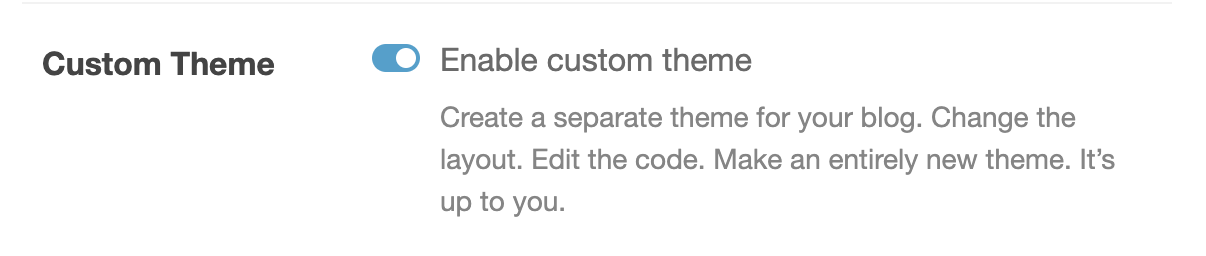
caveat: this assumes a person HAS a desktop theme (or “custom theme”) enabled. a “custom theme” is url.tumblr.com, as opposed to tumblr.com/url. I’ve heard you have to opt-into the former now, when it used to be the default, so not everyone HAS a custom theme where you can use all those neat url tricks. 

image

if the person doesn’t have a “custom theme” enabled, you’re beholden to the search bar. still, I’ve found the search bar on tumblr.com/url is WAY more reliable than search on mobile. for starters, it tends to bring posts up in a sensible order, instead of dredging up random posts from 2013 before anything else

if you’re on mobile, I’m sorry. godspeed and good luck finding anything. (my one tip is that if you’re able to click ON a tag rather than go through the search bar, you’ll have better luck. if your mutual has recently reblogged a post tagged #croissant, you can click #croissant and it’ll bring up everything tagged #croissant just like /tagged/croissant. but if there’s no readily available tag to click on, you have to rely on the mobile search bar and its weird bizarre whims) 

mylittleredgirl

the archive/tagged trick is a lifesaver!!

a caveat on op’s caveat is that if your blog/the blog you want to search is older than [whenever they forced everybody into the tumblr.com/user change], most of these tricks will still work whether or not they have enabled “custom theme.”

tumblr works it’s just a closely guarded secret

fixyourwritinghabits
bitchesgetriches
apatosaurus

This is a long read, but worth it. Some takeaways:

-Don’t use “buy now pay later.” The fine print isn’t what it seems.

-The fine print on medical financing, store credit cards, and contactless payment is also not what it seems.

-Payday loans are still predatory, even when offered by your employer

-Rewards programs are an income stream for the companies that run them. The points systems are manipulated so that the house always wins. They depend on people leaving money in rewards accounts and not in interest-bearing traditional bank accounts.

-Electronic payment apps like VenMo are not banks. You don’t earn interest. Your money is not protected.

-Your financial information is not private if your money is not kept in a regulated bank.

-None of this is regulated by the FDIC. Your money is not protected if it is held by a non-bank doing banking business. Our economy is not protected from the collapse of financial institutions that are not banks.

-The Biden administration was making progress in increasing accountability for non-banks operating as predatory financial services providers. The current administration is reversing those protections to favor corporations.

mierac

Oh boy.

 A third of younger Americans hold their savings on nonbank tech platforms like Venmo

PEOPLE! DO NOT LEAVE YOUR MONEY IN VENMO OR APPLE PAY OR ANY OF THIS SHIT. FOR THE LOVE OF GOD GO FIND A REAL BANK OR A CREDIT UNION.

If Venmo were to close tomorrow all your money would vanish. There's no insurance or guarantee on any of these things. I know banks aren't great but legit banks will have the "FDIC insured" logo on their doors and websites, which means if my bank goes under tomorrow I still get my money back. Also I guarantee you there is a credit union somewhere in your town, go find it.

You can leave some money in Venmo or Apple pay or whatever, but NOT ALL OF IT for the love of God.

jenniferdub

image

FYI this is what the logo looks like and Apple Cash is FDIC insured.

idroolinmysleep

No, it's misleading. Go to Green Dot's T&Cs, search for "FDIC," and you'll come across this:

your funds are insured up to $250,000 by the FDIC in the event Green Dot Bank fails

In the event Green Dot Bank fails. Meaning the only time your money is protected is if Green Dot goes under. Not if Apple goes under (unlikely, granted). Or if Apple changes its terms (entirely possible). Or if you got scammed. Or if Apple freezes your account because they think you're the one scamming. Or any of the other countless mishaps your money could suffer. Green Dot is insured, but Apple Cash is not.

This is the disclaimer (highlighted) you see before you set up Apple Cash:

image
heywriters

I really need my followers, especially younger ones, to read this.

And DO NOT get store credit cards, they are money sucks and difficult to cancel.

julevanwilde

As someone who's worked in the industry for a decade now, here's a quick rundown (US specific,) of what your schools and parents didn't teach you:

  1. For the love of god get an account at a federally insured institution. Look for FDIC (banks) or NCUA (credit unions) insured and regulated financial institution. They are legally required to have this status publicly available and accessible so it's not hard to find.
  2. The FDIC and/or NCUA will insure your accounts up to $250,000 PER AUTHORIZED SIGNER and per account type. These are factors to max your coverage to even higher than $250k but the key point is that if something happens to your bank or accounts there, that first $250k of your money is secured anyway.
  3. Banks are for profit. Credit Unions are exactly what it sounds like: unions. They are not for profit and member owned.
  4. Bigger institutions have more money and resources at their disposal; they have the fancier apps, 24/7 phone banking and more locations. But watch out! They are no different than any other large corporation you've heard of when it comes to ethics. Smaller institutions have more limitations, and lesser size is not an indicator of morality, but it's something to consider when choosing where to keep your money.
  5. These institutions, regardless of what kind you choose, will offer interest bearing accounts. Money Market Savings and Time Accounts (also called Certificates of Deposit,) are popular choices to put the money you already have to work for you. You can earn money just for having your money in an interest bearing account type.
  6. All financial institutions charge fees of one sort or another. They are offering products and services, after all. Nothing is free! They will also disclose options to avoid paying those fees, usually based around meeting specific criteria such as minimum balances or direct deposits.

Take this information and do your own research so that you can make an informed decision. Now you know what to look for! Don't be taken advantage of!