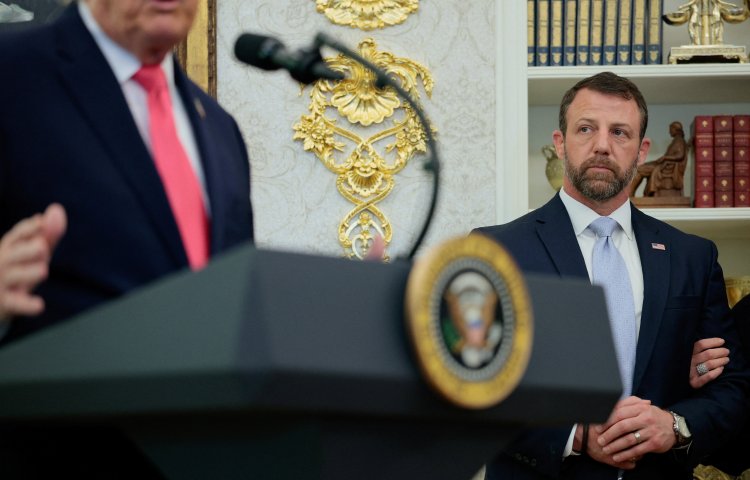
How the Trump administration is using immigration authorities to restrict speech
During President Donald Trump’s second term, immigration authorities under the Department of Homeland Security (DHS) have increasingly used their powers to curb independent and critical reporting. Here are four things you need to know about how immigration agencies have participated in restricting press freedom in the United States: See CPJ’s first-ever travel advisory for journalists entering and…
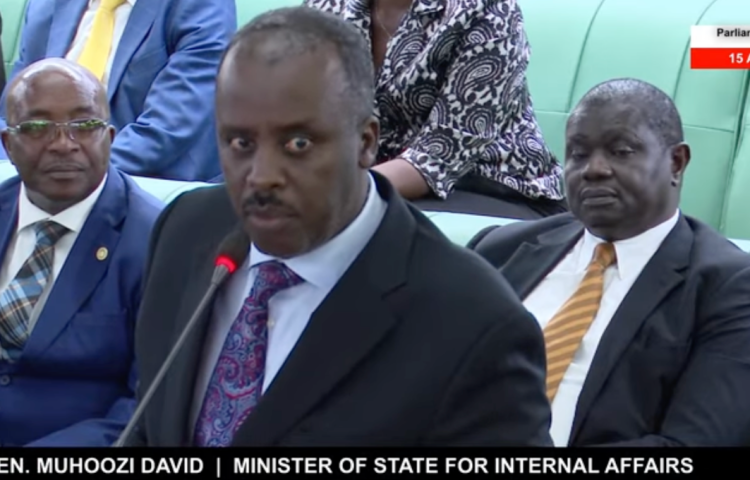
Ugandan journalists face up to 20 years in jail under draconian foreign agents bill
New York, April 24, 2026—Uganda is set to pass a foreign agents bill, whose sweeping provisions could be used to imprison journalists critically reporting on economics, foreign policy, or elections for up to 20 years, limit foreign media funding to about $100,000, and subject newsrooms to intrusive state oversight. The Protection of Sovereignty Bill says…
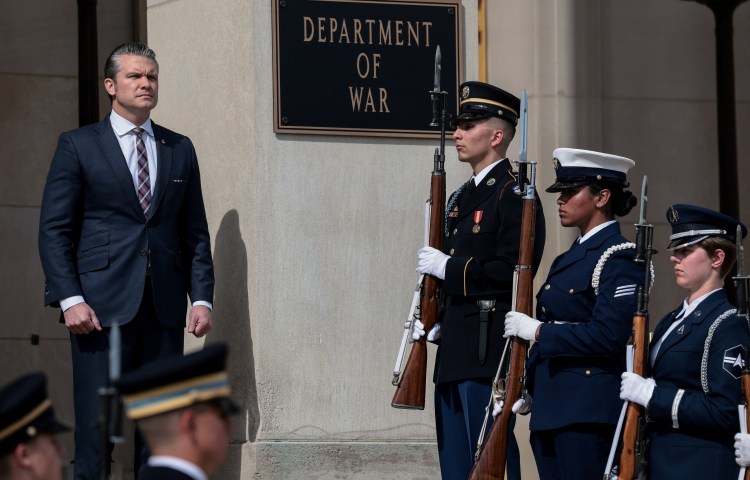
How the Pentagon is trying to control the narrative
The Defense Department oversees the country’s armed forces and commands a nearly $1 trillion budget in 2026. A departure from longstanding norms and Constitutionally guaranteed media access at the Pentagon carries significant implications for press freedom in the United States as well as for public understanding of the impact of U.S. military spending and actions. Here are five things you need to…

Sudan’s 3 years of war, impunity, and the silencing of the press
New York, April 15 — As Sudan’s war marks its third anniversary, on April 15, 2026, fighting between the Sudanese Armed Forces (SAF) and the Rapid Support Forces (RSF) has turned the country into one of the world’s most dangerous and deadliest environments for the press, where reporting the truth comes with the constant risk…
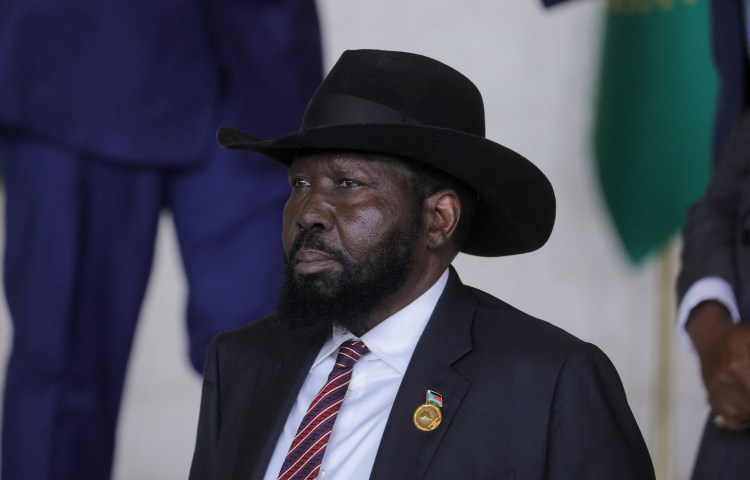
South Sudan’s new cybercrime law ramps up threat of jail for journalists
Kampala, April 9, 2026—The Committee to Protect Journalists calls on authorities in South Sudan to urgently reform its new cybercrimes law, which punishes defamation with up to five years in prison, criminalizes speech on overbroad grounds, and fails to protect whistleblowers and public interest reporting. While government officials maintain the law is intended to address…
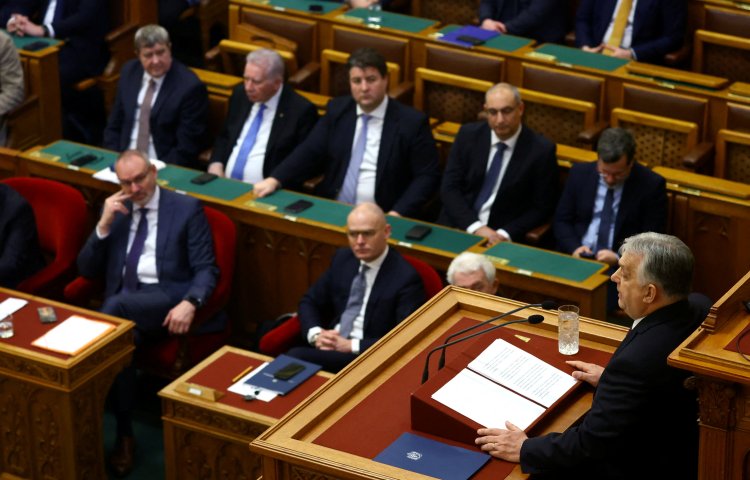
Hungarian elections: CPJ calls on all candidates to commit to 10 key steps to restore press freedom
Berlin, April 8, 2026—Ahead of Hungary’s parliamentary elections on April 12, the Committee to Protect Journalists is calling on all political parties to commit to restoring press freedom, starting with 10 priority issues. Hungary’s media landscape has declined severely in the last 16 years under the government of Prime Minister Viktor Orbán. His ruling Fidesz party…

How US media consolidation endangers press freedom
The Federal Communications Commission (FCC) is a government agency that regulates communications by radio, television, wire, satellite, and cable in the United States. Although the agency is supposed to be independent of the executive branch, recent actions by the FCC and comments by its chairman, Brendan Carr, represent a worrying politicization of the agency. In…
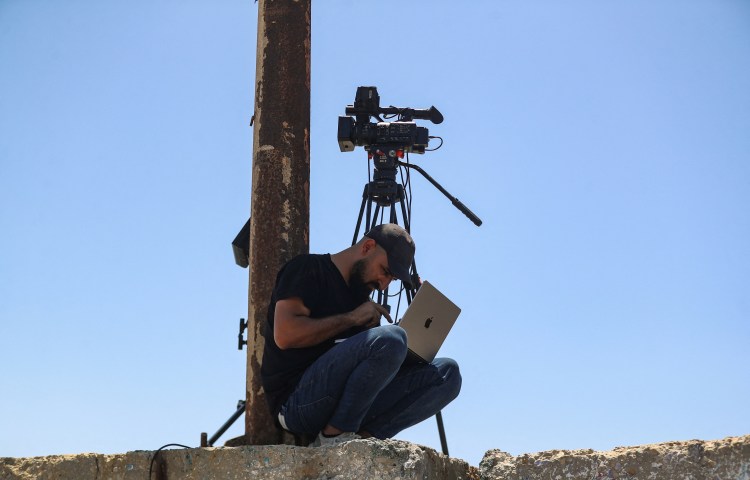
How Middle East journalists report during internet blackouts
Washington D.C., April 2, 2026—Iran is now in the grip of the longest internet blackout in its history, a near-total shutdown that has stretched more than 30 days and reduced connectivity to almost zero. Imposed amid war and unrest, the sweeping, government-imposed blackout has effectively sealed off the country, cutting journalists’ access to sources and…
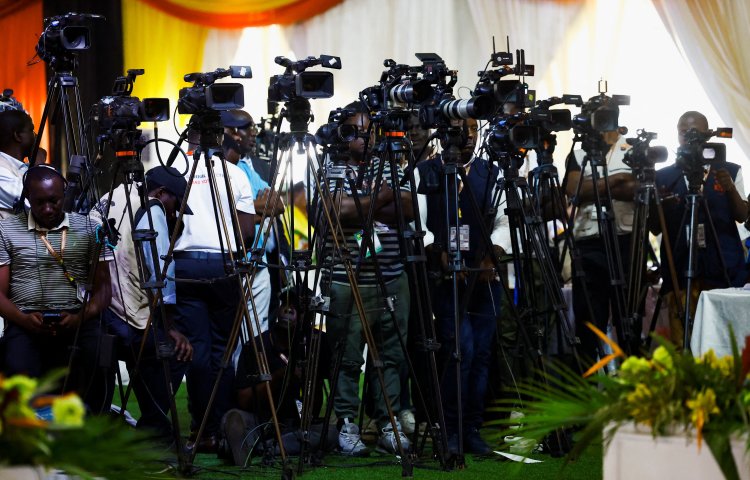
Uganda declares criminal defamation unconstitutional, strikes down cybercrime law
Kampala, March 19, 2026—The Committee to Protect Journalists welcomes Tuesday’s ruling by the Constitutional Court of Uganda to declare criminal defamation unconstitutional, the latest African court to abolish the crime in recent years. In a consolidated judgment, in response to three petitions filed by rights groups in 2022, the court also nullified the Computer Misuse…
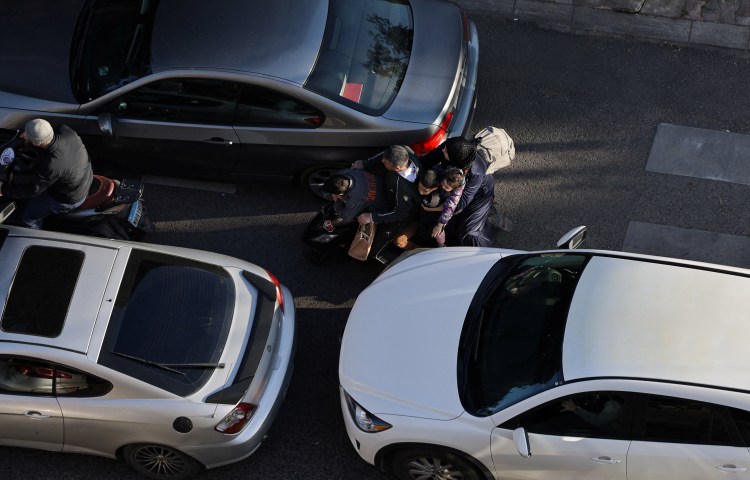
‘I’m displaced too’: Lebanese journalists cover war after fleeing home
Beirut, March 18, 2026—In early March, as the Iran war spread across the Middle East and Israeli strikes rained down on Lebanon, many journalists covering the country’s growing displacement crisis found themselves living it. For freelance video journalist Hadil Iskandar, who has worked for German broadcaster Deutsche Welle and pan-Arab outlet Daraj Media, it was…