357 vs. 44: The Big Magnum Revolver Round Debate
The 357 Magnum and the 44 Magnum ammo are two of the most iconic rounds in American history.
Developed for similar reasons by the same individual, it's no wonder why these rounds have many similarities. But they aren't without important differences – foremost among them being their power.
Here's everything you need to know about the 44 Magnum and the 357 Magnum to choose the better cartridge for your situation.
44 vs. 357: How Different Are They?
Elmer Keith created the 357 Mag, and played a crucial role during development of the 44 Magnum ammo. He would regard the latter as his greater success. Like its predecessor, the 44 proved itself effective for hunting medium game with a revolver or lever-action rifle. The wider, longer cartridge just so happens to be far more powerful – over twice as powerful, depending on which two loads are being compared.
Before we continue, we must bring the 357 SIG to your attention.
The 357 SIG is not loaded with a true .357" bullet. It instead has a .355" (9mm) bullet seated in a necked-down 10mm casing (giving it the same bottleneck case common to so many rifle bullets). Despite having similar names, the 357 Mag and 357 SIG are nothing alike and must not be mistaken for one another.
Cartridge Specs
These are two long handgun cartridges.
The 357 Mag has an overall length of 1.59", with 1.29" of that being its case. Its neck and base diameters are 0.379". Its bullet diameter is a true .357".
The parent case of the 357 Mag is the 38 Special. You can safely fire 38 Special ammo in a 357 Mag firearm for this reason. The opposite, however, isn't true. *DO NOT* attempt to fire 357 in a 38.
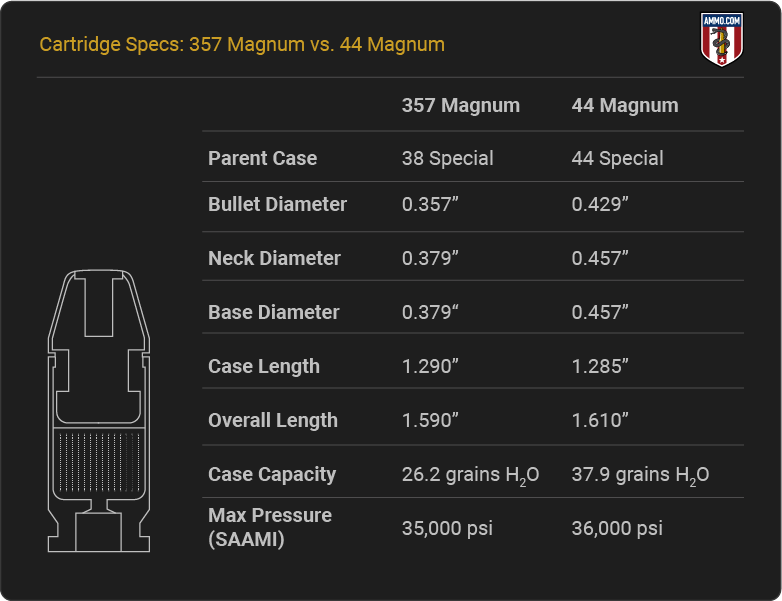
The 44 Magnum ammo also has a straight-walled case: 1.285" long. With bullet, the round measures an impressive 1.610" long. Neck and base diameters are .457". The bullet diameter is 0.429".
The 44 Special is the parent case for the 44 Magnum. The same logic as before also applies to these rounds: weaker 44 Spl ammunition is safe for a larger 44 Mag revolver, but a smaller 44 Special revolver cannot handle stronger 44 Mag ammo.
44 vs. 357 Recoil
Neither of these cartridges is known for their lack of recoil. When "Magnum" is the name, you can assume it'll treat you to a healthy kick (with some exceptions, foremost being the 22 Magnum which isn't fiesty).
Four factors determine how much recoil a cartridge generates on ignition: muzzle velocity, propellant weight, bullet weight, and firearm weight.
The 44 Magnum ammo often has higher muzzle velocity, more propellant, and a heavier bullet than 357 Mag. These factors grant the 44 Mag significantly stronger recoil, even though revolvers chambered for it are typically heavier.
The 44 Mag generates roughly 18.5 foot-pounds (ft-lbs) of recoil. The 357 Mag's average 11.5 ft-lbs of recoil isn't small (for context, the smaller .45 ACP has only around 4.5 ft lbs of recoil). Even so, it's recoil is dwarfed by that of the 44 Magnum – a cartridge with so much kick that most consider it impractical for defense against two-legged (i.e. non-ursine) threats.
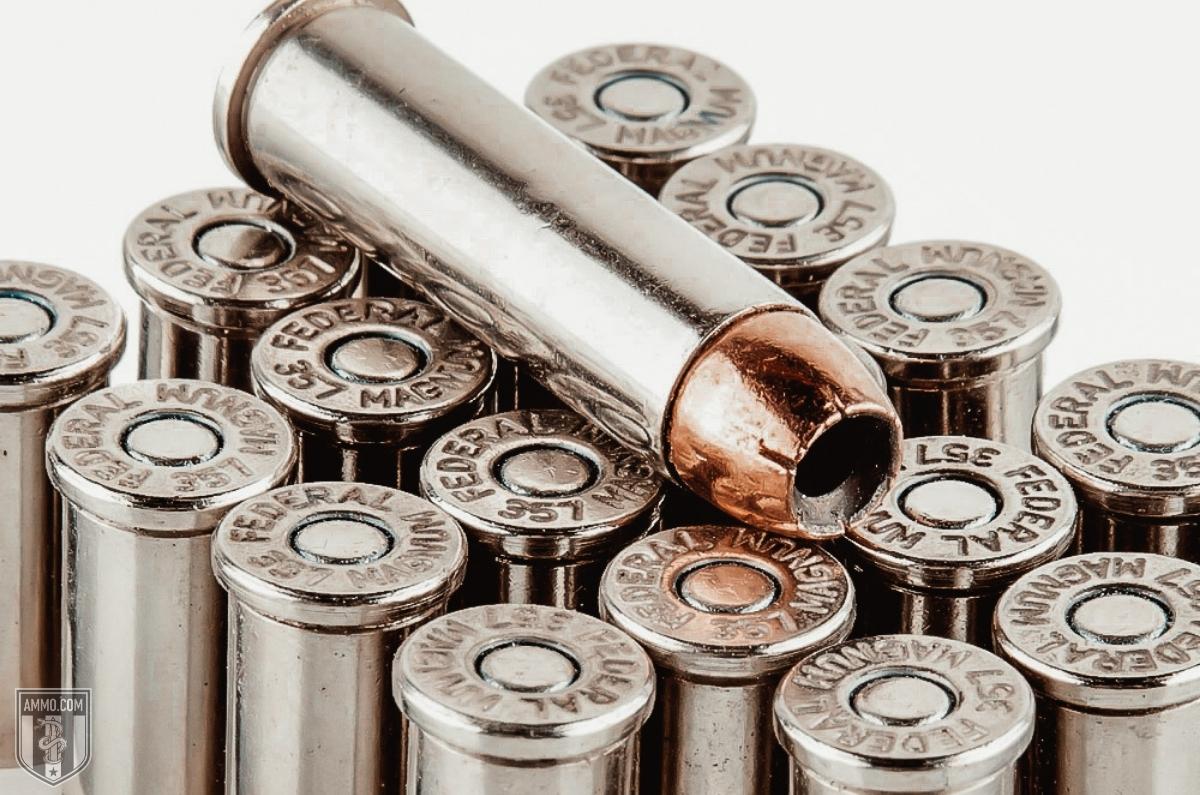
Now we can see why these guns are often so much heavier than others. The added weight helps make handling them more manageable.
The winner of the recoil section is the 357 Mag. Its recoil isn't gentle by any means. The 44 Mag just happens to kick harder.
Trajectory
These wheel gun cartridges weren't designed for long-range shooting. Their trajectories past 50 yards are pretty unimpressive.
The 44 Mag's trajectory is slightly flater: the natural product of its heavier, faster-flying bullet. But at the end of the day, the difference just isn't big enough to declare the larger round's trajectory "better."
357 Mag vs. 44 Mag Accuracy
The accuracy of a round depends on the bullet type, shooter, barrel length, and firearm.
For instance, my grandfather can outshoot me using his Ruger 357 Mag revolver. But when we switch to his 1911, I can outshoot him. Ultimately, no one round is more "accurate" than another. It depends on too many variables – including "Who's shooting the cartridge?" – to say so with any real certainty.
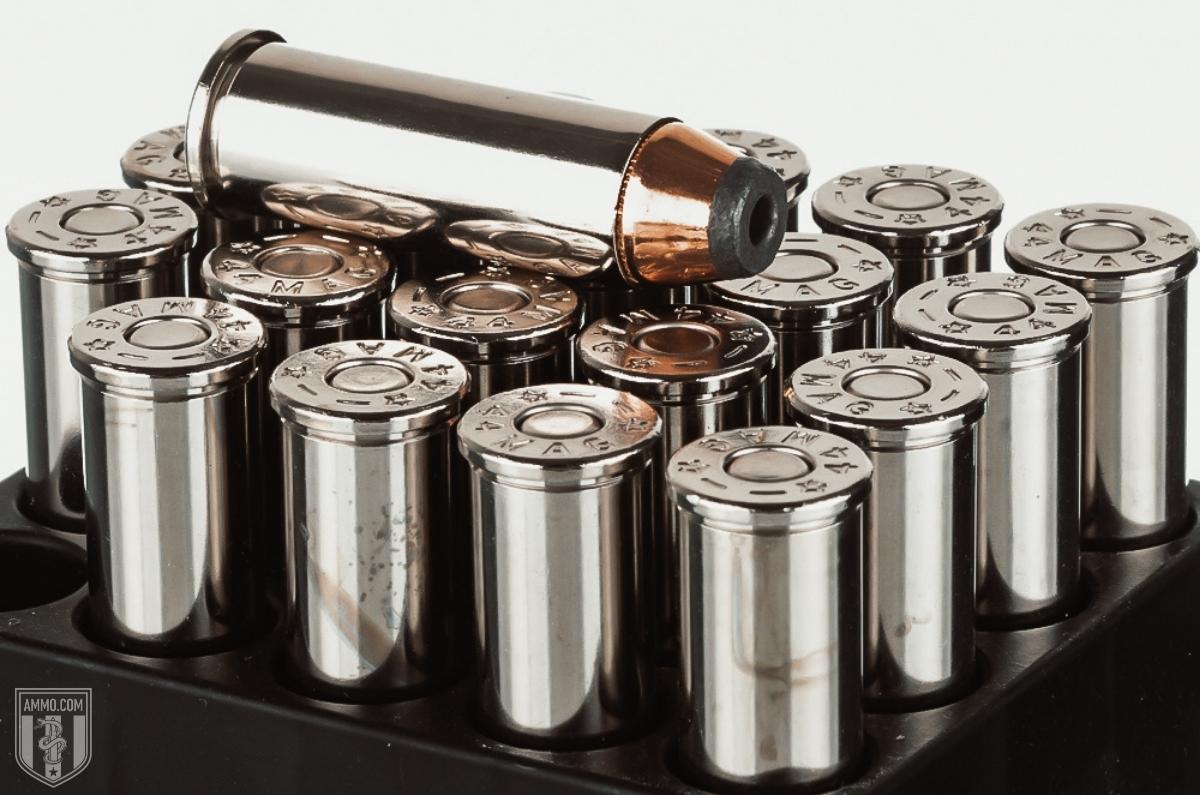
With that in mind, most people will report greater accuracy out of the 357 Magnum. Why? It's lighter recoil, which prevents the shooter from flinching in anticipation of ignition and facilitates faster accurate follow-up shots.
357 vs. 44 Stopping Power
Ask anyone who carries a 357 or 44 Mag why they do it. Odds are their answer will includes the phrase "stopping power."
If you ask them what this means, they wan't give you a scientific definition. they'll probably answer something along the lines of "bigger cartridge equals bigger injury to threat; bigger injury threat equals better outcome for me."
But with today's ammunition technologies, bigger isn't always better. Smaller yet highly effective bullets for defense exist. Furthermore, shot placement counts for a lot. A good hit with a 22 LR will prove more effective than a miss with a 44 Mag.
In a high-pressure situation where your life is on the line, a well-placed shot is not as easy to do as it is on the range. That's why most people opt for the larger round: compensation for suboptimal shot placement.
The 44 Magnum and 357 Magnum were designed to hit much harder than their respective parent cartridges, which they do.
The 44 Magnum ammo's bigger bullet will punch a wider hole into its target. It will also hit it a lot harder. Sure, the 44 Mag carries a higher risk of over-penetration, which can jeopardize innocent bystanders, but it boasts substantially greater stopping power than its shorter, weaker competitor all the same.
Hunting With the 44 Mag vs. 357 Mag
The 44 Magnum ammo was conceived as a hunting round. Since its introduction to the civilian market, it's exceeded those expectations.
The 44 Mag is the primary choice for big game hunters who use a revolver, as it can ethically take down any big game animal in North America. Many use a 44 Mag as a backup gun for self-defense against brown bears. It's also been known to take down elephants, water buffalo, and other African big game. In fewer words: It's a capable hunting cartridge.
But at the end of the day, the 44 Mag is still a handgun round. It's useless to the average shooter at ranges past 50 yards.
Although the 357 Magnum *could* ethically harvest any big game species in North America, it's vastly less preferred than the 44 Mag. There's a simple reason why. It's weaker! Sure, it has lower recoil, but all other things being equal it's just not as versatile a solution to hunting as the 44 Mag.
357 Magnum vs. 44 Magnum for Self-Defense
The 357 Magnum was created long after its parent cartridge, the 38 Special, was determined to be too weak for combat. It was intended to give law enforcement officers an advantage over bootleggers – a type of crook that was often shielded by vehicle doors.
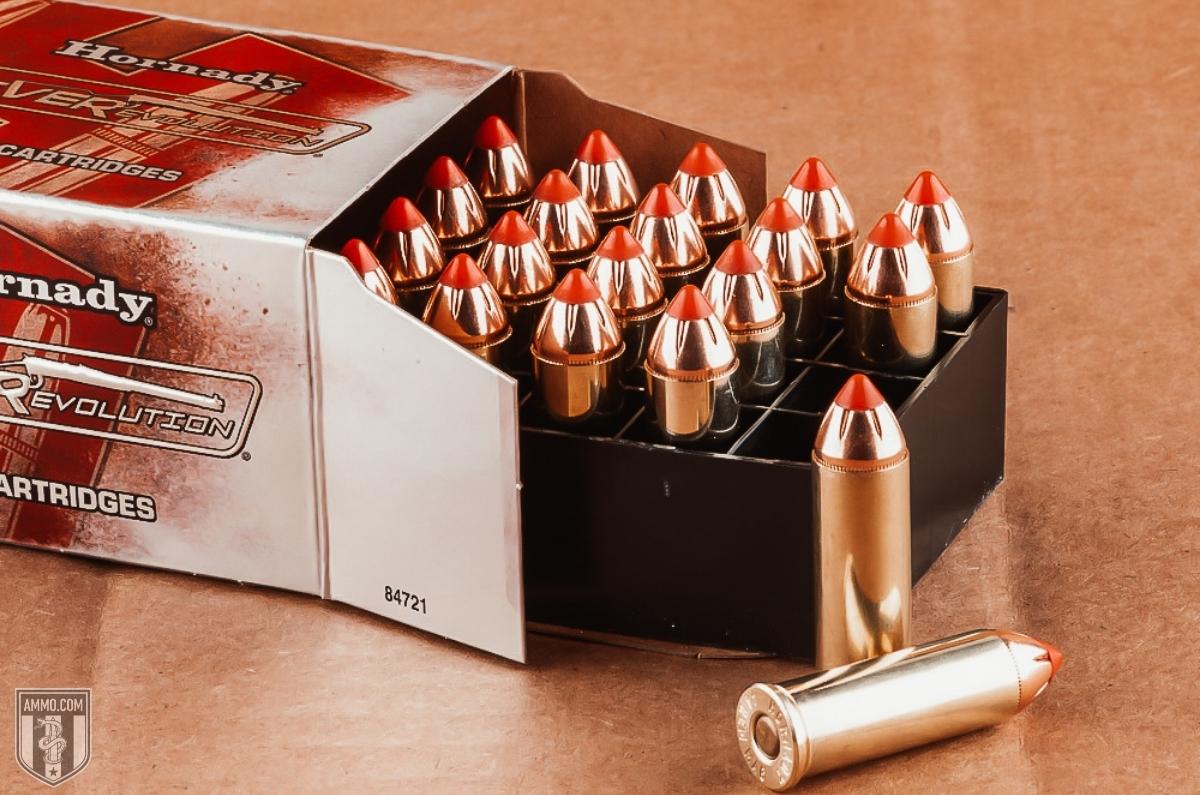
The 357 Mag proved itself an excellent self-defense round over the years. Countless people carry it for self-defense to this day
The 44 Magnum ammo was intended only for hunting; not as a tool for defense (against human threats, at least). Most would agree that the 44 Mag's ferocious recoil makes it too unreliable during a self-defnse scenario. I, however, would argue that neither round is optimal for personal protection.
The first reason is over-penetration. Such powerful rounds' bullets are quite likely to pass clean through the threat. If innocent bystanders happen to be positioned direcly behind the threat ... well, I wouldn't care to say what could happen.
Another reason I don't recommend these cartridges for concealed carry is that they require a largeer firearms – and those are more difficult to conceal.
I also don't care for these rounds' high recoil, which leads to greater muzzle flip: i.e. the force that jerks sights off target on ignition, which complicates accurate, rapid fire. Throw in the fact that 357 and 44 Mag revolvers typically have a maximum capacity of six shots, and you can see why I'm even less enthused about carrying one for defense.
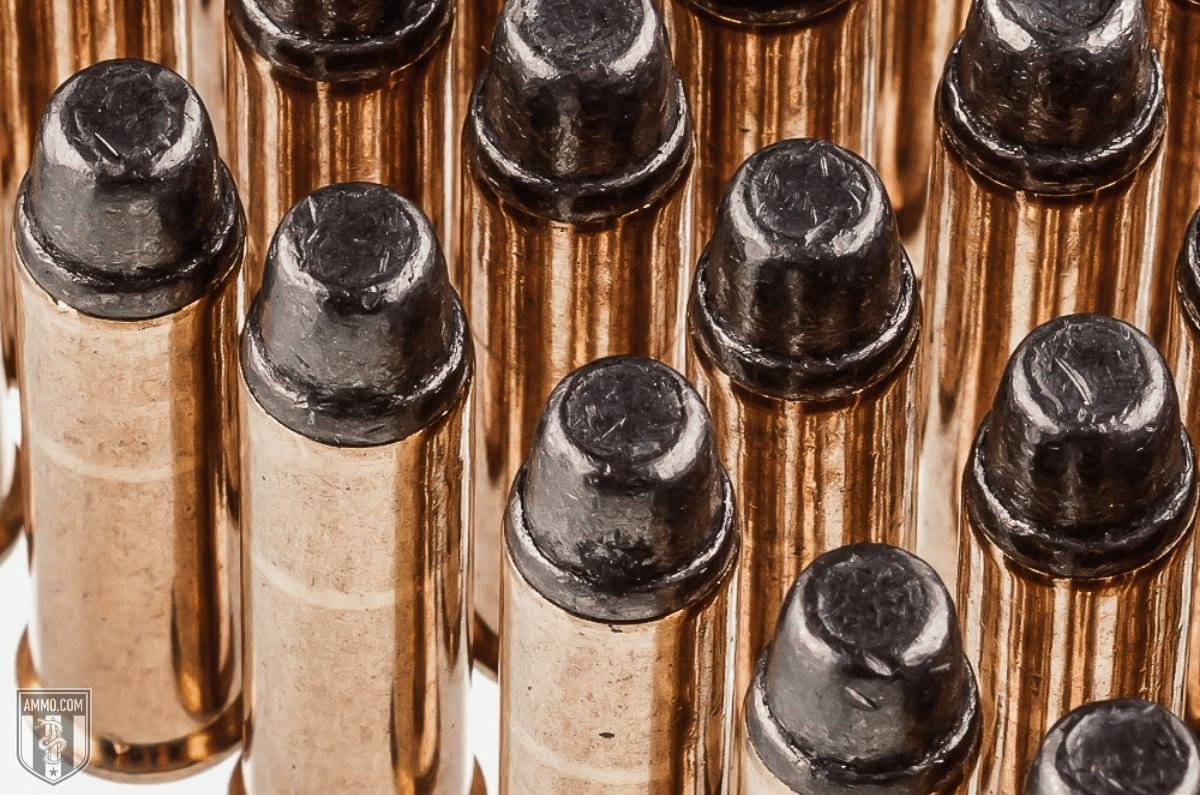
I'd recommend .45 ACP or 9mm over either the 357 or 44 for concealed carry. I recommend a 20 or 12 Gauge shotgun for home defense. While I'm at it.
This category is a tie.
357 Mag vs. 44 Mag Ammo Cost & Availability
Because both rounds are well established, major manufacturers such as Remington, Hornady, and Federal make both. Neither is cheap: about $1.40 per round at the time of writing.
Speaking of prices, check out our Remington 357 Magnum ammo and Fiocchi 357 Magnum ammo pages for additional ammo options!
These rounds sit in a middle ground when it comes to popularity. They're too niche for ammo manufacturers to justify producing them in 9mm quantities. At the same time, they're popular enough that many people want to buy them. Because of that, it can be difficult to find 357 or 44 at times.
This is another tie between the 44 and 357 Mag. Ammo cost and availability are virtually the same.
44 Magnum vs. 357 Magnum Gun Availability & Cost
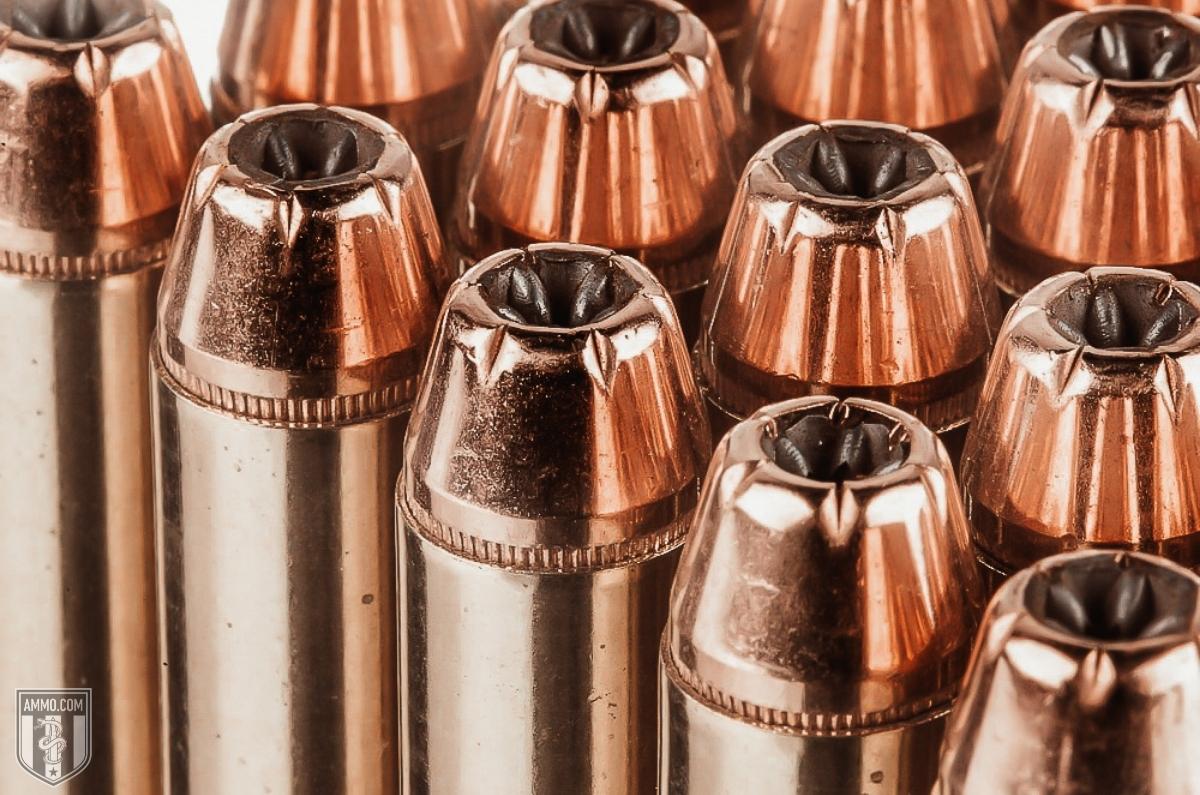
Since the 357 Magnum has been around for over 80 years, many manufacturers like Ruger, Smith & Wesson, and Colt offer quality guns chambered for it. A reliable snub-nosed revolver will cost you about $1,000 (at the time of writing).
44 Magnum ammo firearms are just as abundant and similarly priced. A Ruger Redhawk chambered for either round costs around $1,400.
Henry, Marlin, Winchester, and Rossi all make lever guns chambered for 44 Mag and 357 Mag. Depending on the brand you purchase, be prepared to spend $500-$1,500.
Firearms chambered for either round are abundant. This category is therefore a tie.
357 vs. 44 Magnum Ballistics
Here are a few ballistic charts to illustrate the differences between these two rounds' performance.
357 Ballistics
Note: This information comes from ammo manufacturers. Actual ballistics obtained with your firearm can vary considerably from advertised ballistics. Also, ballistics can vary from lot to lot with the same brand and type load.
| Bullet | Length (in) | G1 BC | Velocity (fps) | Energy (ft-lbs) | Elevation (in) | |||||||||||||||
|---|---|---|---|---|---|---|---|---|---|---|---|---|---|---|---|---|---|---|---|---|
| 0yds | 20yds | 40yds | 60yds | 80yds | 100yds | 0yds | 20yds | 40yds | 60yds | 80yds | 100yds | 0yds | 20yds | 40yds | 60yds | 80yds | 100yds | |||
| 125gr SJHP | Unspecified | 0.127 | 1450 | 1360 | 1279 | 1208 | 1146 | 1093 | 584 | 514 | 454 | 405 | 364 | 332 | -0.15 | 0.3 | 0.0 | -1.2 | -3.3 | -6.4 |
| 158gr JHP | Unspecified | 0.148 | 1235 | 1177 | 1128 | 1085 | 1048 | 1016 | 535 | 486 | 446 | 413 | 385 | 362 | -0.15 | 0.4 | 0.0 | -1.5 | -4.2 | -8.2 |
| 180gr JHP | 4-V | 0.215 | 1080 | 1054 | 1031 | 1010 | 991 | 973 | 466 | 444 | 425 | 408 | 393 | 378 | -0.15 | 0.5 | 0.0 | -1.9 | -5.1 | -9.7 |
44 Ballistics
Note: This information comes from ammo manufacturers. Actual ballistics obtained with your firearm can vary considerably from advertised ballistics. Also, ballistics can vary from lot to lot with the same brand and type load.
| Bullet | Length (in) | G1 BC | Velocity (fps) | Energy (ft-lbs) | Elevation (in) | |||||||||||||||
|---|---|---|---|---|---|---|---|---|---|---|---|---|---|---|---|---|---|---|---|---|
| 0yds | 20yds | 40yds | 60yds | 80yds | 100yds | 0yds | 20yds | 40yds | 60yds | 80yds | 100yds | 0yds | 20yds | 40yds | 60yds | 80yds | 100yds | |||
| 180gr JSP | Unspecified | 0.125 | 1610 | 1508 | 1413 | 1326 | 1248 | 1179 | 1036 | 909 | 798 | 703 | 622 | 556 | -0.15 | 0.2 | 0.0 | -0.9 | -2.6 | -5.3 |
| 210gr JHP | Unspecified | 0.138 | 1250 | 1187 | 1132 | 1086 | 1046 | 1012 | 729 | 657 | 598 | 550 | 511 | 478 | -0.15 | 0.4 | 0.0 | -1.5 | -4.2 | -8.1 |
| 240gr JHP | 4-V | 0.174 | 1230 | 1181 | 1138 | 1100 | 1066 | 1037 | 806 | 743 | 690 | 645 | 606 | 573 | -0.15 | 0.4 | 0.0 | -1.5 | -4.1 | -8.0 |
.357 Development
The .357 Magnum was the first magnum handgun cartridge. It was developed in 1935 by Elmer Keith as an improved replacement for the .38 Special, to be used in the fight against bootleggers and gangsters wearing ballistic vests.
The first ".357 Registered Magnum" revolver ever made was given to FBI Director J. Edgar Hoover. The .357 immediately became a favorite among law enforcement officers, and many citizens prefer it for personal protection to this day.
The .357 Mag held the title of "The World's Most Powerful Handgun Cartridge" for 20 years after its release. The U.S. military used it from World War II through Vietnam. For years, .357 revolvers stayed on the hips of police officers, security guards, and U.S. special forces.
Decades after revolvers were replaced by semi-automatic pistols, short-barreled .357 Mags still provide backup to those who protect and serve.
.44 Development
Elmer Keith also helped develop the .44 Magnum cartridge. He wanted to create something better for handgun hunting; a high-pressure load that pushed a heavier bullet to a higher velocity than existing rounds of the 1950s could manage. The 44 Mag owes part of its lever-action legacy to cartridges like the 44-40 Win ammo, which first proved that a single round could serve reliably in both revolvers and rifles decades earlier.
He worked alongside Smith & Wesson and Remington to introduce the Model 29 and its novel .44 caliber ammo in 1955.
Since then, the 44 Mag has proven itself a viable handgun hunting round, and remains the preferred choice for protection for many hunters entering bear country.
Parting Shots
If you're hunting big game or defending yourself against bears, the .44 Mag is tough to beat. The .357 Mag's lighter recoil and indisputably sufficient (albeit still weaker) stopping power make it the better choice for self-defense. If you're weighing the 357 against a semi-auto option, our 357 Magnum vs. 45 ACP comparison is worth a read. Speaking of the 44 Magnum's capabilities, you might also be interested in how it compares to another classic revolver cartridge - our comprehensive 45 Long Colt vs 44 Magnum comparison examines two legendary rounds side by side. Ultimately, both rounds have established their places in the shooting world and don't appear to be fading out of history anytime soon.

-
Magtech 44 Magnum Ammo - 50 Rounds of 240 Grain SJSP Ammunition
 $39.99
51 In stock now
-
Sellier and Bellot 44 Magnum Ammo - 50 Rounds of 240 Grain SP Ammunition
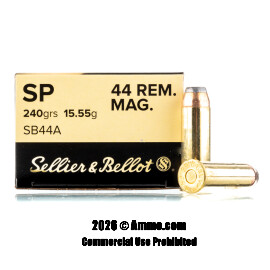 $39.99
43 In stock now
-
Magtech 44 Magnum Ammo - 1000 Rounds of 240 Grain SJSP Ammunition
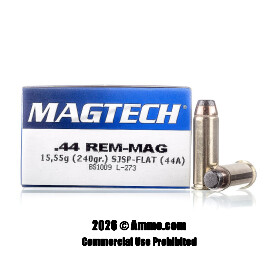 $749.99
14 In stock now
-
PMC 357 Magnum Ammo - 50 Rounds of 158 Grain JSP Ammunition
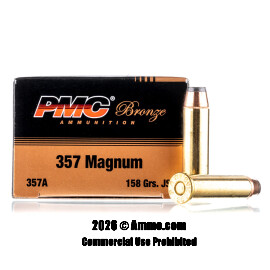 $27.99
57 In stock now
-
PMC 357 Magnum Ammo - 1000 Rounds of 158 Grain JSP Ammunition
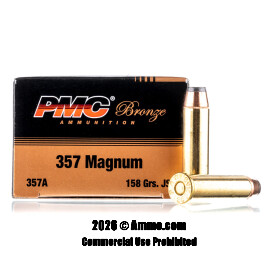 $544.99
71 In stock now
-
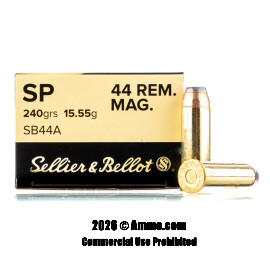
Sellier and Bellot 44 Magnum Ammo - 600 Rounds of 240 Grain SP Ammunition
 $429.99
26 In stock now
-
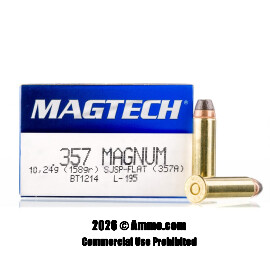
Magtech 357 Magnum Ammo - 1000 Rounds of 158 Grain SJSP Ammunition
 $539.99
18 In stock now
-
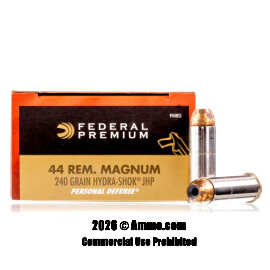
Federal 44 Magnum Ammo - 20 Rounds of 240 Grain JHP Ammunition
 $43.99
7 In stock now
-
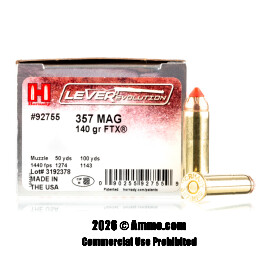
Hornady 357 Magnum Ammo - 250 Rounds of 140 Grain FTX Ammunition
 $299.99
2 In stock now
-
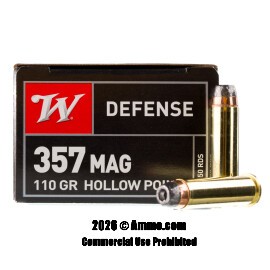
Winchester 357 Magnum Ammo - 500 Rounds of 110 Grain JHP Ammunition
 $324.99
62 In stock now
-
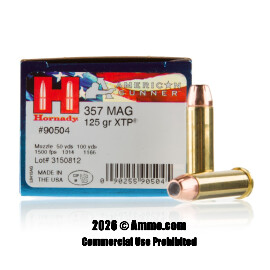
Hornady American Gunner 357 Magnum Ammo - 250 Rounds of 125 Grain XTP JHP Ammunition
 $218.99
2 In stock now
Ammo Comparisons
- .308 vs 5.56
- 6.5 Creedmoor vs .308
- .300 Blackout vs .308
- .300 Win Mag vs .308
- .243 vs .308
- .308 vs .30-06
- 7mm-08 vs .308
- .270 vs .308
- 7.62x39 vs .308
- .223 vs .308
- .338 Lapua vs .308
- .380 ACP vs 9mm
- .223 vs 5.56
- .300 Blackout vs 5.56
- 9mm vs 45 ACP
- 9mm vs 40 S&W
- .357 SIG vs 9mm
- 10mm vs 9mm
- 9mm vs 9mm Luger
- .243 vs .270
- .300 Win Mag vs .30-06
- .270 vs .30-06
- .40 vs .45
- 38 Special vs 357
- 9mm vs 40 vs 45
- 5.56 vs 7.62x39
- 338 Lapua vs .30-06
- .30-30 vs .30-06
- 300 PRC vs 338 Lapua
- .30-06 vs 7mm
- 300 Win Mag vs 338 Lapua
- 300 PRC vs 300 Win Mag
- 300 WSM vs 300 Win Mag
- 338 Win Mag vs 338 Lapua
- 12 Gauge vs 20 Gauge
- 10mm vs 357 Mag
- .30-30 vs 7.62x39
- 224 Valkyrie vs 22-250
- 17 HMR vs 22 Mag
- 7.62x39 vs .300 Blackout
- 45 ACP vs 45 Auto
- 45-70 vs 30-30
- 300 Blackout vs 223
- 357 Magnum vs 9mm
- 350 Legend vs 300 Blackout
- 224 Valkyrie vs 223
- 45 ACP vs 38 Super
- 6.5 Grendel vs .308
- 17 HMR vs 22 LR
- 10 Gauge vs 12 Gauge
- 22-250 vs 223
- 45 Colt vs 45 ACP
- 350 Legend vs 30-30
- 5.7x28 vs 223
- 5.7 vs 9mm
- 5.56 vs 5.7
- 22 vs 9mm
- Buckshot vs Birdshot
- 450 Bushmaster vs 308
- 450 Bushmaster vs 223
- Buckshot vs Slug
- 6.5 Grendel vs 5.56 vs 223
- 6mm ARC vs 6.5 Grendel
- 44 vs 45
- 458 SOCOM vs 5.56
- 357 vs 44
- 32 ACP vs 380
- 300 Win Mag vs 338 Win Mag vs 338 Lapua Mag
- 450 Bushmaster vs 458 SOCOM vs 50 Beowulf
- 6mm Creedmoor vs 6.5 Creedmoor
- TMJ vs FMJ
- 44 Special Vs 44 Magnum
- 45 90 vs 45 70
- 6.8 Western vs 6.8 SPC
- 50 Beowulf vs 50 BMG
- 26 Nosler vs 6.5 PRC
- 28 Gauge vs 410
- 6.8 SPC vs 5.56
- 6.8 SPC vs 6.5 Grendel
- 6.8 Western vs 7mm Rem Mag vs .28 Nosler
- 6.8 Western vs 6.5 Creedmoor
- 22 Hornet vs 223
- 6.8 Western vs 6.5 PRC
- .410 vs 12 Gauge
- .410 vs 20 Gauge
- 22 LR vs 22 Mag
- 6mm ARC vs 243
- 7mm-08 vs 270
- 243 vs 6.5 Creedmoor
- Nickel vs Brass Casing
- 204 Ruger vs 223
- 50 Beowulf vs 5.56
- 260 Remington vs 6.5 Creedmoor
- 6mm Remington vs 243
- 28 Nosler vs 300 PRC
- 50 Beowulf vs 50 AE
- 22 Nosler vs 22-250
- 450 Marlin vs 45-70
- 300 Win Mag vs 300 Norma
- 458 SOCOM vs 300 Blackout
- 38-55 vs 45-70
- 22 Hornet vs 22 LR
- 300 Norma vs 338 Lapua
- 338 Lapua vs 50 BMG
- 28 Nosler vs 300 Win Mag
- 28 Nosler vs 6.5 Creedmoor
- 204 vs 22-250
- 458 SOCOM vs 45 70
- 44 40 vs 45 70
- 6.8 SPC vs 6.5 Creedmoor
- 450 Bushmaster vs 30-06
- 7mm Rem Mag vs 300 Win Mag
- 30 Carbine vs 223
- 25-06 vs 30-06
- 26 Nosler vs 28 Nosler
- 16ga vs 12ga
- 30 06 vs 7.62 x54R
- 9mm Makarov vs 9mm Luger
- 350 Legend vs 223
- 30 Carbine vs 5.56
- 6.5x55 vs 6.5 Creedmoor
- 6.5 Creedmoor vs 270
- M193 vs M855
- 450 Bushmaster vs 458 SOCOM
- 6.5 Grendel vs 6.5 Creedmoor
- 350 Legend vs 5.56
- .277 Fury vs 6.8 SPC
- 277 Fury vs 300 Win Mag
- 10mm vs .45 ACP
- 277 Fury vs 223
- 6.8 SPC vs 300 Blackout
- 6.5 PRC vs 6.5 Creedmoor
- 277 Fury vs 308
- 277 Fury vs 6.5 Creedmoor
- 350 Legend vs 450 Bushmaster
- 277 Fury Vs 5.56 NATO
- 10mm vs 40S&W
- 32 ACP vs 9mm
- 32 Special vs 9mm
- 8.6 Blackout vs 300 Blackout
- 30 Super Carry vs. 9mm
- 5.56 vs 9mm
- .50 Action Express vs 9mm
- 7.62x25 vs. 9mm
- 10mm vs 44 Magnum
- 300 Blackout vs 300 Win Mag
- 6.5 Grendel vs 300 Blackout
- 460 Rowland vs 10mm
- 300 RUM vs 300 PRC
- 300 Norma vs 300 PRC
- 45 GAP vs 45 ACP
- 7mm PRC vs 300 Win Mag
- 300 PRC vs 6.5 Creedmoor
- 300 PRC vs 308
- 357 SIG vs 357 Mag
- 7.62x39 vs 7.62x51
- 243 Win vs 223 Rem
- 30 Nosler vs 300 PRC
- 6.5 Creedmoor vs. 30-06 Springfield
- 450 S&W vs. 44 Magnum
- 6.5 Creedmoor vs. 300 Win Mag
- 454 Cassull vs. 45-70 Govt
- 454 Cassull vs. 44 Mag
- 7.62x54r vs. 308 Winchester
- 22 ARC vs. 223 Rem
- Subsonic vs. Supersonic Ammo
- Hornady Critical Defense vs. Critical Duty
- 45 Colt vs. 45 Long Colt
- 25 ACP vs. 22 LR
- 45 Long Colt vs. 44 Magnum
- 38 Special vs. 38 S&W
- 44 Special vs. 357 Magnum
- 5.45 vs. 5.56
- 38 Special vs. 380 ACP
- 30-06 vs. 5.56
- 6mm ARC vs. 5.56 NATO
- 38 Super vs. 9mm
- 22 ARC vs. 6mm ARC
- 408 CheyTac vs. 50 BMG
- 44 Special vs. 45 ACP
- 380 ACP vs. 45 ACP
- 22 LR vs. 223 Rem
- 6.5 Creedmoor vs. 223 Rem
- 25 ACP vs. 9mm
- 357 Magnum vs. 45 ACP
- 28 Gauge vs. 20 Gauge