Archaeology
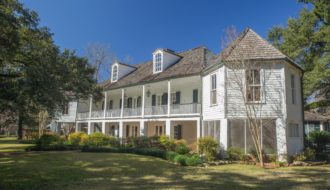
Marie Thérèse Coincoin
Coincoin, a formerly enslaved woman freed in colonial Natchitoches, is an icon of American slavery and Louisiana’s Creole culture.
Coincoin, a formerly enslaved woman freed in colonial Natchitoches, is an icon of American slavery and Louisiana’s Creole culture.
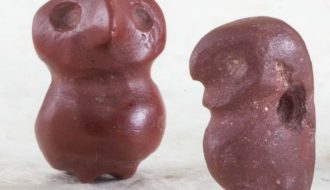
This entry covers prehistoric Poverty Point culture during the Late Archaic period, 2000–800 BCE.
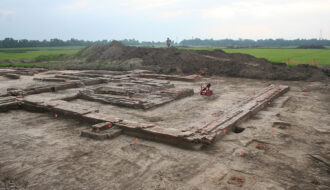
Archaeologists at sites across Louisiana help fill in the written record through physical excavations of the past.
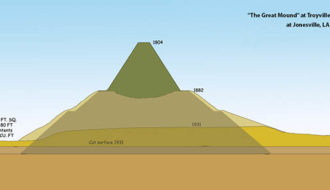
Dating to the Late Woodland Period, from 400 to 700 CE, the Troyville Culture is named for an archaeological site in Catahoula Parish.
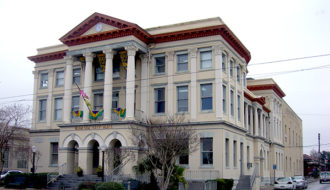
The Gretna City Hall building is conventional in its Beaux-Arts forms, but, squeezed onto its narrow site, it is a compact composition with a vertical emphasis.
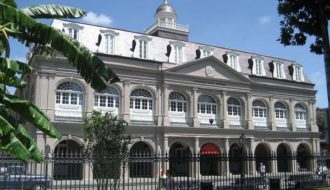
Along with the Cabildo and St. Louis Cathedral, the Presbytere figures as a major component in New Orleans' Jackson Square.
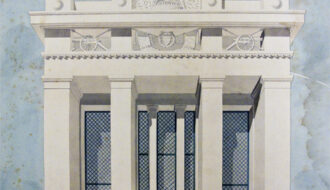
Louisiana architects Charles Dakin and James Dakin designed the Old State Capitol building in Baton Rouge, as well as the St. Charles Hotel in New Orleans, among other projects.
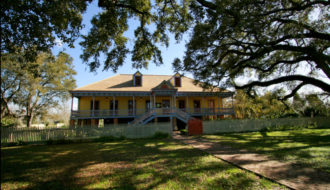
Laura Lacoul Gore, the namesake of Laura Plantation, left a memoir that proved to be an important resource for the restoration of the house.
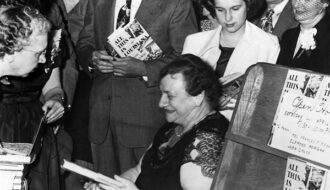
Photographer Elemore Morgan, Sr., made an important visual record of mid-twentieth-century folkways, rural life, indigenous architecture, and landscapes in Louisiana.
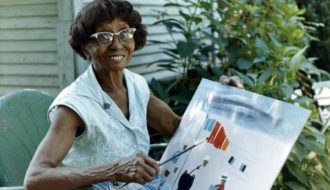
Clementine Hunter was an Afro-Creole artist who is best known for her paintings depicting scenes from African-American life on the southern plantation in the late-nineteenth and early-twentieth centuries.
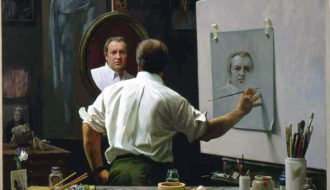
Artist and teacher Auseklis founded the New Orleans Academy of Fine Arts in 1978.
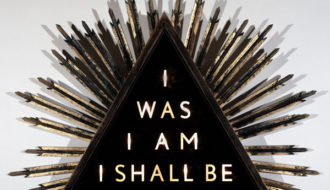
Largely self-taught and working primarily in wood sculptures, Skylar Fein graphically combines pop-culture icons and revolutionary texts into artwork with embedded political critiques.
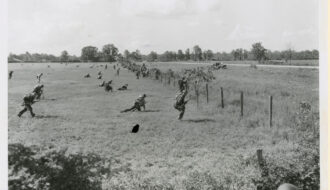
During World War II, central Louisiana became the site of training maneuvers to prepare the United States Army to engage in Germany’s new blitzkrieg-style warfare.
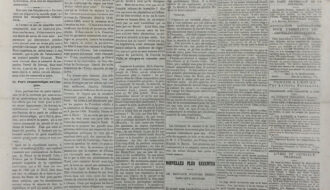
A radical civil rights advocate during the Civil War and Reconstruction, Jean Baptiste Roudanez helped found two historic Black newspapers.
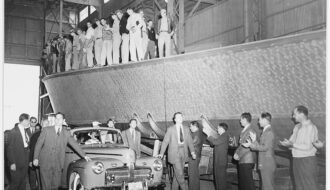
The United States’ entry into World War II spurred Louisiana’s recovery from the economic doldrums of the Great Depression.
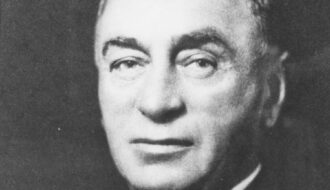
Samuel Zemurray was key to creating a global banana industry that generated great wealth, often at the expense of Latin American laborers, democracy, and economic development.

Located along the Mississippi River in southeast Louisiana, Cancer Alley is home to the highest concentration of heavy industry in the United States, with residents reporting high rates of cancer, heart disease, respiratory illnesses, and autoimmune disease.
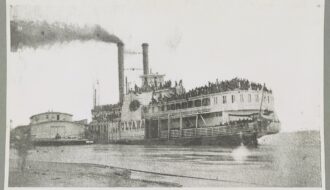
On June 9, 1865, the SS Kentucky capsized in the Red River south of Shreveport, marking the second deadliest inland maritime disaster in US history.
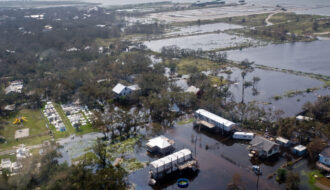
Hurricane Gustav was the first major storm to test New Orleans’s rehabbed defenses after Hurricane Katrina.
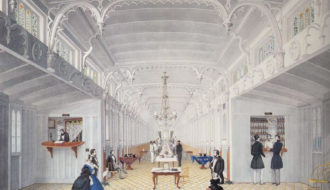
On February 27, 1859, the Steamboat Princess exploded on the Mississippi River killing between 70 and 200 passengers and crew.
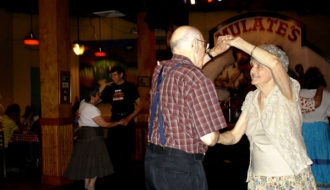
Cajun dance halls–salles de danse– are live music venues where dancing, courtship, and community building transpire.
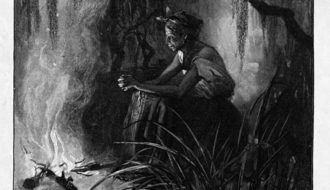
Voudou, a synthesis of African religious and magical beliefs with Roman Catholicism, emerged in New Orleans in the 1700s and survives in active congregations today.
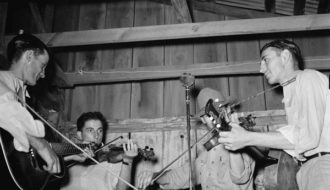
Cajun folklife is a field of study that describes, catalogs, and deciphers meaning within the vernacular culture of Acadian refugees who settled in Louisiana.
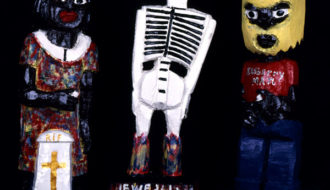
Self-taught artist Herbert Singleton created dramatic scenes of the rough New Orleans environment into which he was born, using found objects such as salvaged doors, driftwood, and discarded furniture.
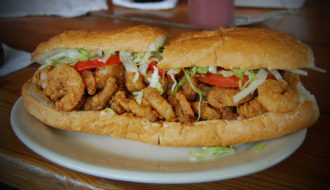
The so-called poor boy (po-boy) sandwich originated from the Martin Brothers' French Market Restaurant and Coffee Stand in New Orleans during the 1929 streetcar strike.
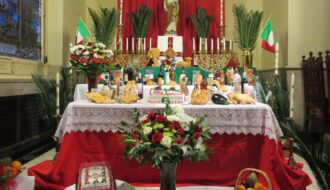
Catholic Louisianans of Sicilian descent erect altars laden with fresh produce, baked goods, and other foods to honor Saint Joseph.
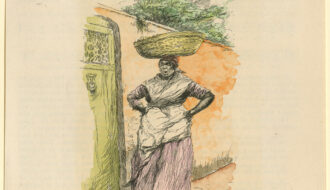
Fried rice cakes known as calas were once ubiquitous among New Orleans street vendors.
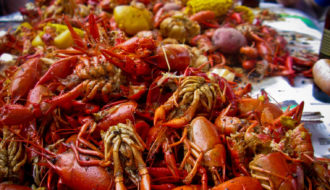
Crawfish boils are a springtime ritual in Louisiana.
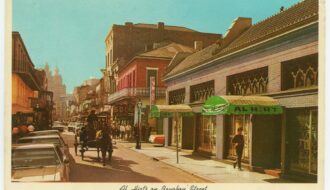
The origins of the notorious adult playground
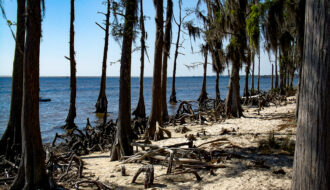
The Fontainebleau State Park bears the name of Bernard de Marigny's sugar plantation, which formerly occupied this site and was itself named after the estate of the French king Francois I.
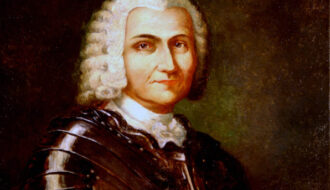
The Natchitoches settlement, founded in 1714, is the oldest in the Louisiana Territory.
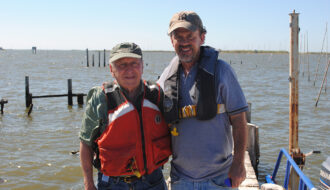
Woody Gagliano sounded the alarm on Louisiana’s coastal land loss crisis and worked with his colleagues for decades to remedy the problem.
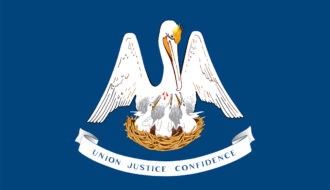
Luis Unzaga was the third Spanish governor of Louisiana, serving from 1769 until 1777.
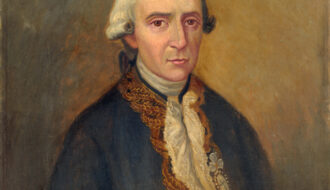
Explorer, astronomer, and administrator Antonio de Ulloa was the first Spanish governor of Louisiana, serving from 1766 to 1768.
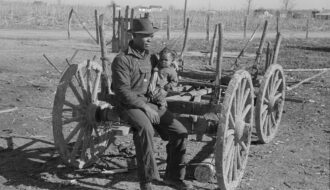
An interracial organization formed at the height of the Great Depression, the Louisiana Farmers’ Union sought to provide assistance to Louisiana farmers.
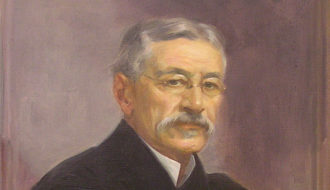
Frank Adair Monroe served as the chief justice of the Louisiana Supreme Court from 1914 to 1922.
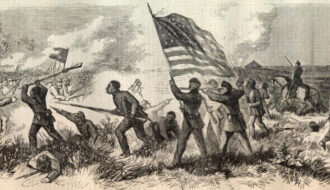
At Milliken’s Bend the majority of Union forces were formerly enslaved men whose valor was heralded to increase military recruitment among free African Americans.
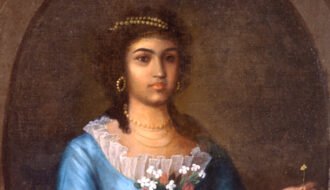
Women constituted a valuable asset in colonial Louisiana.
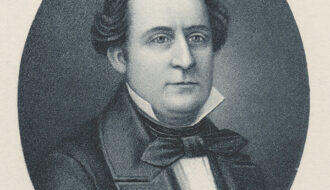
Democrat Robert Wickliffe, who served as the governor of Louisiana from 1856 until 1860, oversaw the state in the increasingly tumultuous years before the Civil War.
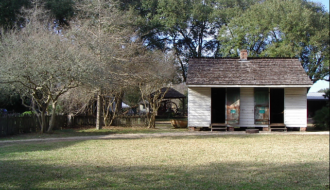
The LSU Rural Life Museum is an outdoor complex of southern rural vernacular buildings located in Baton Rouge.
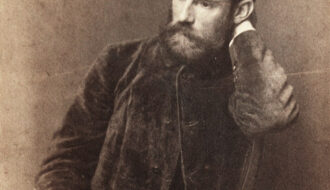
The writings of George Washington Cable explored the Creole culture and generated national attention.
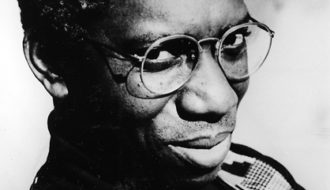
With more than ten published volumes of poetry, Yusef Komunyakaa is a widely celebrated and anthologized poet.
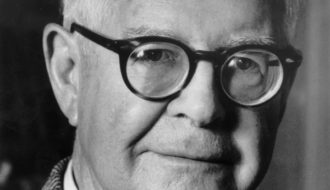
Cleanth Brooks, one of the foremost American literary critics of the twentieth century, spent fifteen years as a professor in the English Department at Louisiana State University (LSU).
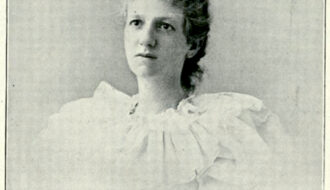
Local color fiction was a literature genre popular with American readers between 1870 and 1900.
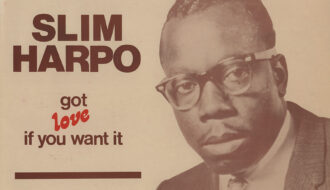
J. D. Miller’s recording studios in Crowley are best known for recording South Louisiana musical genres but the studio leaves a mixed legacy, having produced a series of racist songs in the 1960s.
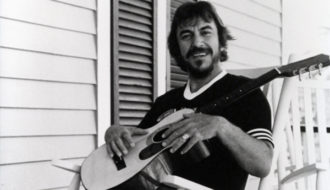
Bobby Charles made enduring contributions to the overlapping genres of rhythm and blues, rock and roll, and swamp pop, as both a recording artist and a songwriter.
Born in England, Ken Colyer was nonetheless a catalytic figure in the Traditional New Orleans Jazz Revivial which began in the late 1940s.
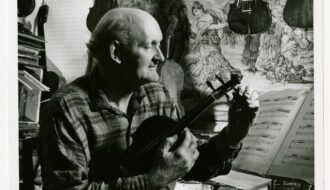
Bill Russell was one of the most prominent figures in the study and documentation of traditional New Orleans jazz.
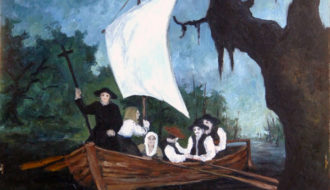
Cajuns are the descendants of Acadian exiles from what are now the maritime provinces of Canada–Nova Scotia, New Brunswick, and Prince Edward Island–who migrated to southern Louisiana.
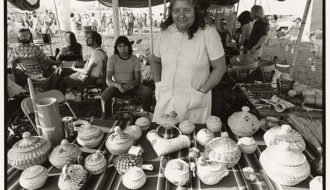
The Coushatta Tribe of Louisiana is the largest of four federally recognized tribal governments in Louisiana.
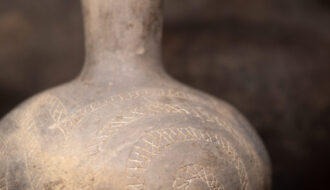
The Tunica-Biloxi Tribe is one of only four American Indian groups in Louisiana recognized by the federal government.
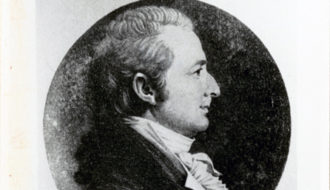
While Louisiana began as a French colony and its dominant culture remained Creole French well into the nineteenth century, Anglo-Americans began to form a significant minority in region the late colonial period.
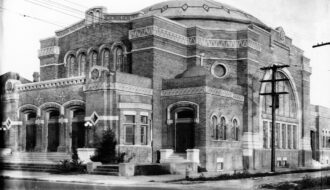
Jewish people have greatly contributed to Louisiana’s culture and economy as philanthropists, civic and educational leaders, business owners, and art patrons.
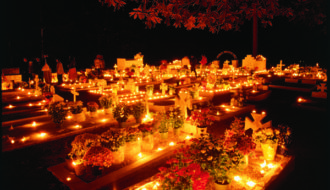
All Saints Day or All Hallows Day is a Catholic tradition honoring the saints and also deceased family members each November 1.
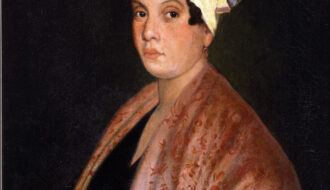
Marie Laveau was a free woman of color born in the French Quarter of New Orleans. Laveau assumed the leadership role of a multiracial religious community for which she gave consultations and held ceremonies. During her time, she was known as "The Priestess of the Voudous"; among many other colorful titles.
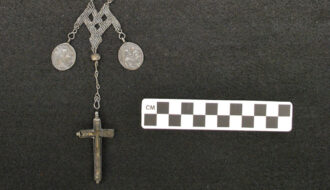
Thousands of New Orleans’s eighteenth-century residents are interred at the site of the St. Peter Street Cemetery in the French Quarter.
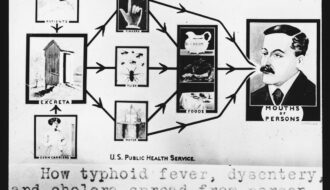
During the nineteenth century, cholera epidemics caused tens of thousands of deaths throughout the state of Louisiana.
The United States’ entry into World War II spurred Louisiana’s recovery from the economic doldrums of the Great Depression.
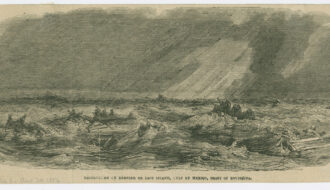
Louisiana hurricanes have played an essential role in the state’s history from colonization through the present and are as memorable as the places and people they impact.
Woody Gagliano sounded the alarm on Louisiana’s coastal land loss crisis and worked with his colleagues for decades to remedy the problem.
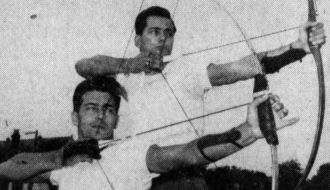
Roland Hymel was an archery champion at Loyola University who also won a contest to name the New Orleans Saints football franchise.
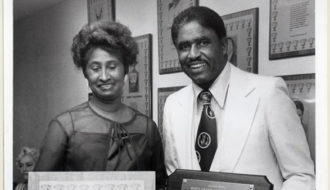
Tyler was the first African American woman to win an Olympic medal.
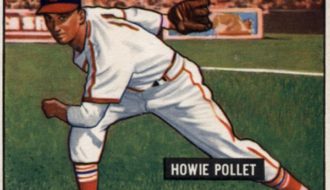
Howie Pollet was one of three left-handed pitchers from the same New Orleans block to make it to baseball's major leagues.
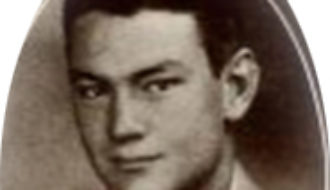
Rolland Romero was the youngest member of the 1932 US Olympic team and the world-record holder in his event at the 1936 Olympics in Berlin, Germany.
One-Year Subscription (4 issues) : $25.00
Two-Year Subscription (8 issues) : $40.00