Lal: 12 definitions
Introduction:
Lal means something in Hinduism, Sanskrit, the history of ancient India, Hindi. If you want to know the exact meaning, history, etymology or English translation of this term then check out the descriptions on this page. Add your comment or reference to a book if you want to contribute to this summary article.
Images (photo gallery)
India history and geography
Lal refers to a traditional Nepalese unit of weight and measurement, mentioned in the appendix of the translation of the Vanshavali or Bansawali (“history and genealogical accounts of Nepal”).
Weights used in weighing gold.
10 rattis or lals = 1 masa.
10 masas = 1 tola.
Weights used in weighing silver.
8 rattis or lals = 1 masa.
12 masas = 1 tola.
Weights used in weighing metal utensils.
4½ tolas = 1 kanwa.
4 kanwas = 1 tukni or pao.
4 tuknis = 1 ser.
3 sers = 1 dharni = 5 pounds avoirdupois.
Dry measure.
2 manas = 1 kurwa.
4 kurwas = 1 pathi = 8 pounds avoirdupois.
20 pathis = 1 muri.
Liquid measure.
4 diyas = 1 chauthai.
2 chauthais = 1 adh tukni.
2 adh tuknis = 1 tukni.
4 tuknis = 1 kurwa = 1 ser.
4 kurwas = 1 pathi.
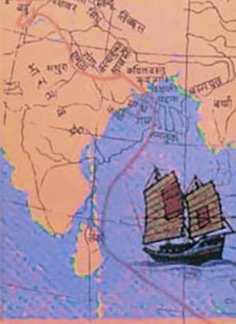
The history of India traces the identification of countries, villages, towns and other regions of India, as well as mythology, zoology, royal dynasties, rulers, tribes, local festivities and traditions and regional languages. Ancient India enjoyed religious freedom and encourages the path of Dharma, a concept common to Buddhism, Hinduism, and Jainism.
Languages of India and abroad
Sanskrit dictionary
Lal (लल्).—I. 1 U. (lalati-te) To play, move about, sport, dally, frolic; पनसफलानीव वानरा ललन्ति (panasaphalānīva vānarā lalanti) Mṛcchakaṭika 8.8; गजकलभा इव बन्धुला ललामः (gajakalabhā iva bandhulā lalāmaḥ) 4.28; ललदजगरघोरकोटराणाम् (laladajagaraghorakoṭarāṇām) Mālatīmādhava (Bombay) 5.15; युधि ललितमनायुधेन तेन (yudhi lalitamanāyudhena tena) Avimāraka 6.9. -II. 1 U. or Caus. (lālayati-te, lalita)
1) To cause to sport or play, caress, fondle, coax, dandle; लालने बहवो दोषास्ताडने बहवो गुणाः । तस्मात्पुत्रं च शिष्यं च ताडयेन्न तु लालयेत् (lālane bahavo doṣāstāḍane bahavo guṇāḥ | tasmātputraṃ ca śiṣyaṃ ca tāḍayenna tu lālayet) || Suhhāṣ.; Kumārasambhava 5.15.
2) To desire. -III. 1 U. (lalayati-te)
1) To fondle; परगृहललिताः परान्नपुष्टाः (paragṛhalalitāḥ parānnapuṣṭāḥ) Mṛcchakaṭika 4.28.
2) To loll the tongue.
3) To desire.
Lal (लल्).—r. 1st cl. (lalati-te) 1. To sport, to dally. 2. To loll, as the tongue, &c.: see laḍa, of which it is considered as a various reading only. r. 10th cl. (lālayati-te) 1. To desire, to wish for, to seek to obtain. 2. To sport, to wanton. 3. To lay. 4. To fondle. (lalayati-te) 1. To desire. 2. To loll the tongue.
Lal (लल्).—and † laḍ LaḌ, i. 1, [Parasmaipada.] (in epic poetry, [Ātmanepada.], [Rāmāyaṇa] 1, 9, 19). 1. To sport, Mahābhārata 3, 1741. 2. To dally, [Rāmāyaṇa] 1, 9, 19. Ptcple. of the pf. pass. lalita. 1. Dallying, wanton, [Meghadūta, (ed. Gildemeister.)] 65. 2. Beautiful, [Uttara Rāmacarita, 2. ed. Calc., 1862.] 14, 6. 3. Wished. n. 1. Beauty, [Rāmāyaṇa] 1, 9, 16. 2. Love of pleasure, love, [Vikramorvaśī, (ed. Bollensen.)] [distich] 32. 3. Softness and delicacy of motion, [Uttara Rāmacarita, 2. ed. Calc., 1862.] 14, 6. 4. ºtam, adv. Sweetly, [Devīmāhātmya, (ed. Poley.)] 10, 27. Comp. Durlalita, i. e. dus- (cf. [Causal.] A.), I. adj. spoiled, [Vikramorvaśī, (ed. Bollensen.)] [distich] 27; wayward, [Śākuntala, (ed. Böhtlingk.)] 103, 4. n. 1. ill habit, [Harivaṃśa, (ed. Calc.)] 8539 (with ati-, excessive). 2. disfavour, [Prabodhacandrodaya, (ed. Brockhaus.)] 90, 15. Su-, adj. 1. sporting. 2. pleased, very delicate, [Hitopadeśa] 37, 4, M.M. 3. very beautiful, [Ṛtusaṃhāra] 1, 28; [Bhartṛhari, (ed. Bohlen.)] 3, 28. ºtam, adv. delightedly, easily. [Causal.], and i. 10, [Parasmaipada.] A. lalaya, † laḍaya, 1. To exhilarate, [Rāmāyaṇa] 2, 43. 5. 2. To nurse, to foster, to attend, [Rāmāyaṇa] 2, 47, 6; [Pañcatantra] 87, 11. B. lālaya, 1. To cherish, [Pañcatantra] i. [distich] 397. 2. To spoil, Böhtl. Ind. Spr. 2664. i. 10, [Ātmanepada.] † lāḍaya, To desire. lālita, 1. Desired. 2. Cherished tenderly, [Pañcatantra] iii. [distich] 126. 3. Loved, [Rājataraṅgiṇī] 5, 6. 4. Coaxed, [Pañcatantra] 87, 11 (or n. Joy; ºtena, Joyfully ?). 5. Seduced; cf. 2. laḍ.
— With the prep. upa upa, [Causal.] lālaya, 1. To court, [Mālavikāgnimitra, (ed. Tullberg.)] 29, 1. 2. To fondle, [Śākuntala, (ed. Böhtlingk.)] 104, 5.
Lal (लल्).—lalani (lalate) [participle] lalita (q.v.) sport, dally, play, coruscate. [Causative] lālayati cause to sport etc., caress, fondle, cherish, love. (ā play, sport*). upa & sam [Causative] = [Simple] [Causative]
Lal (लल्):—(cf. √laḍ) [class] 1. [Parasmaipada] ([Dhātupāṭha ix, 77]) lalati (mc. also te), to play, sport, dally, frolic, behave loosely or freely, [Mahābhārata; Kāvya literature] etc.;
—to loll or wag the tongue (See below) :—[Causal] lālayati, te ([Passive voice] lālyate), to cause to sport or dally, caress, fondle, foster, cherish, [ib.];
—to wave, flourish, [Harivaṃśa];
—to favour, [Sāhitya-darpaṇa];
— ([Ātmanepada]) to desire, [Dhātupāṭha] (cf. under √laḍ).
Lal (लल्):—lalati 1. a. To sport; to loll. (ka, ṅa) lālayate 10. d. To desire. to seek, to obtain; to sport.
Lal (लल्):—, lalati (īpsāyām) [DHĀTUP. 9, 77] (vgl. laḍ vilāse [76]) und lalate; tändeln, scherzen, spielen, sich frei gehen lassen: gāyantī ca lalantī ca [Mahābhārata 1, 3208.] yathāsukhaṃ yathotsāhaṃ lalantu tvayi putravat [13, 3029.] (kadā) abhyupaiṣyati dharmajñaḥ sa vatsa iva māṃ lalan [Rāmāyaṇa Gorresio 2, 42, 15.] gajakalabhā iva lalāmaḥ [Mṛcchakaṭikā 70, 20.] laladbhujākārabṛhattaraṃga (loladbhu [Śiśupālavadha 3, 72]) [Sāhityadarpana 68, 4.] lalasva mayi viśrabdhā hṛṣṭamājñāpayasva ca . matprasādāllalantyāśca lalantu tava bāndhavāḥ .. [Rāmāyaṇa 5, 22, 24.] lalamānā varāṅganāḥ [?1, 9, 18 (19 SCHL.). Mahābhārata 1, 3364.] śiśuryathā pituraṅke susukhaṃ vartate naga . tathā tavāṅke lalitaṃ śailarāja mayā prabho .. [3, 1741.] — lalita adj. und subst. s. besonders. — caus. lālayati (tändeln lassen) liebkosen, zärtlich sein gegen Jmd, schmeicheln, hätscheln, verwöhnen, hegen und pflegen, лелѣять (laḍ, lāḍayati upasevāyām [DHĀTUP. 32, 7.] lal, lalayati, lālayate īpsāyām [33, 14]); mit acc. [Mahābhārata 7, 525. 1261.] [Rāmāyaṇa 2, 43, 15.] yo naḥ sadā lālayati pitā putrānivaurasān [47, 6.] [Spr. 2003.] tasmātputraṃ ca śiṣyaṃ ca tāḍayenna tu lālayet [2664. fg.] [Varāhamihira’s Bṛhajjātaka 17, 10.] [Chandomañjarī 59.] [Bhāgavatapurāṇa 4, 8, 9. 28, 9. 6, 1, 23] (lālayāna). [14, 38. 10, 7, 18.] lālayeḥ svajanānbhogai ratnaiśca svayamarjitaiḥ [Harivaṃśa 9063.] lālyamānaṃ janairevam [Bhāgavatapurāṇa 4, 9, 53.] [Śatruṃjayamāhātmya 14, 133.] lalayitvā wohl fehlerhaft für lāla [Pañcatantra 229, 22.] lālitaḥ satataṃ gṛhe [Mahābhārata.2,1797. 2409.5,3136.7,2503. 4340. 12,387. 5563. 14,1840.] [Harivaṃśa 4797.] [Rāmāyaṇa.2,77,14] [?(84,12 Gorresio). Rāmāyaṇa Gorresio.1,17,6.2,62,8. 14. 80,8. 107,12.4,15,33. 21,34.5,1,61. KĀM. NĪTIS.3,39. Spr. 150. 1098. 1530. 2666. 4030. 5123. Rājataraṅgiṇī.2,8.5,341.6,77. Bhāgavatapurāṇa.4,9,60. 26,20. 10,45,4. Mārkāṇḍeyapurāṇa 109,29. Oxforder Handschriften 188,a,5. Pañcatantra 87,11. 188,19.] araṇyabījāñjalidānalālitā hariṇāḥ [Kumārasaṃbhava 5, 15.] idaṃ śarīraṃ pitṛbhyāṃ lālitaṃ bālye [Kathāsaritsāgara 97, 46.] keśasaṃbhogalālitāḥ pārijātasya mañjaryaḥ [Sāhityadarpana 315, 16.] putrasya mukhaṃ lālayantī so v. a. streichelnd [Bhāgavatapurāṇa 10, 7, 36.] ramālālitapādapallava [15, 19.] kaumodakīṃ lālayan (vielleicht spielen lassend so v. a. schwingend) [Harivaṃśa 8511.] rolambalālitasuradruma geliebkost d. i. zärtlich umschwärmt [PAÑCAR. 3, 5, 8.] kapardikāṃ nadīṃ divyajalakallolalālitām von den Wellen geliebkost [Śatruṃjayamāhātmya 1, 52.] anukūladaivalālito vatsarājagṛhapraveśaḥ so v. a. begünstigt [Sāhityadarpana 130, 7. 140, 7.] — upā caus. hätscheln; s. upālālya . — ud s. ullāla . — caus. liebkosen: ullalayitvā (!) [Pañcatantra ed. BÜHL. II, 40, 22.] jumping up [BÜHLER.] — upa caus. lālayati liebkosen, zärtlich sein gegen Jmd (acc.) [Śākuntala 104, 5.] [Mālavikāgnimitra 29, 1.] [Bhāgavatapurāṇa 5, 4, 4. 8, 10.] upalālita [3, 33, 19. 10, 5, 27. 15, 46.] yairvastramālyābharaṇānulepanaiḥ śvabhojanaṃ (= śarīraṃ) svātmatayopalālitam [3, 14, 27.] karakamalakuḍmalopalālitacaraṇāravindayugala [6, 16, 25.] — Vgl. upalālana . — sam caus. lālayati dass. [Bhāgavatapurāṇa 3, 24, 24. 28, 23. 10, 13, 23.]
--- OR ---
Lal (लल्):—mit anu caus. Jmd in gute Laune versetzen: kuśikasutavaconulālita [Rāmāyaṇa ed. Bomb. 1, 22, 24.]
Lal (लल्):—, lalati , te (metrisch) tändeln , scherzen , spielen , sich frei gehen lassen [Indische sprüche 7711.] lalita n. impers. Vgl. lalita. — Caus. —
1) lālayati — a) ( tändeln lassen ) liebkosen , zärtlich sein gegen Jmd. streicheln , schmeicheln , hätscheln , hegen und pflegen [Jayadeva's Prasannarāghava 49,8.] [Kād. (1872) 196,9.] Metrisch auch Med. — b) schwingen. — c) begünstigen. —
2) lālayate ( īpsāyām). —
3) lalayati — a) [Pañcatantra 229,22] fehlerhaft für lālayati. — b) īpsāyām. — Mit anu Caus. ( lālayati) Jmd in eine gute Laune versetzen. — Mit upā Caus. hätscheln in upālālya. — Mit ud in ullāla. — Caus. ullalayati —
1) in Aufregung versetzen [Naiṣadhacarita 4,106.] —
2) aufspringen. ullalayitvā(!) [Pañcatantra .ed.Bomb.4,40,22.] — Mit upa Caus. ( lālayati) liebkosen , zärtlich sein gegen Jmd , hegen und pflegen ; mit Acc. [Kād. (1872) 113,28.] — Mit vi Caus. vilālayati s.u. lālay. — Mit sam Caus. ( saṃlālayati) liebkosen , zärtlich sein gegen Jmd , hegen und pflegen mit Acc.
Sanskrit, also spelled संस्कृतम् (saṃskṛtam), is an ancient language of India commonly seen as the grandmother of the Indo-European language family (even English!). Closely allied with Prakrit and Pali, Sanskrit is more exhaustive in both grammar and terms and has the most extensive collection of literature in the world, greatly surpassing its sister-languages Greek and Latin.
Hindi dictionary
Lal in Hindi refers in English to:—(a) red, ruddy; angry, infuriated; communist (as —[cina]); (nm) beloved/dear child/boy/son; beloved person; a kind of small bird; ruby; —[amgara/bhabhuka] extremely red, red hot; red hot due to anger, terribly infuriated; —[camdana] red sandalwood; —[pagadi] the police (man); —[pari] wine, liquor; —[pani] wine, liquor; ~[phita] red tape; •[shahi] red-tapism; —[bujhakkada] village wisecare, an ignorant fool who thinks very highly of himself and feels competent to answer any question; •[bujhihai aura na bujhai koya] the ass waggeth his ears; —[mirca] chilly; —[shakkara] unrefined/crude sugar; —[sagara] red sea; —[sena] communist army; —[amkhem dikhana/nikalana] to look angrily, to frown; -[pila hona] to be black in the face, to be purple with passion; to fret and fume, to be red hot with rage..—lal (लाल) is alternatively transliterated as Lāla.
...
Kannada-English dictionary
Lāl (ಲಾಲ್):—
1) [noun] the colour of the human blood or any of its varying shades.
2) [noun] a variety of bird having brown feathers and red breast.
Kannada is a Dravidian language (as opposed to the Indo-European language family) mainly spoken in the southwestern region of India.
Nepali dictionary
Lal is another spelling for लल [lala].—interj. 1. the word uttered in acceptance; 'Yes, yes'; 'Okay, okay';
Nepali is the primary language of the Nepalese people counting almost 20 million native speakers. The country of Nepal is situated in the Himalaya mountain range to the north of India.
See also (Relevant definitions)
Starts with (+29): Laal-baijani, Lal anchu, Lal babusi, Lal bela, Lal berenda, Lal bishalyakarani, Lal champa, Lal chandan, Lal chandan lakadi, Lal chita, Lal chitra, Lal dalan champa, Lal ephilzara, Lal erand, Lal geri, Lal golainchi, Lal gunja, Lal kachnar, Lal kaner, Lal karal.
Full-text (+353): Lal-sag, Lalana, Ullal, Lala, Upalal, Laal-ambaari, Ullala, Lalantika, Laal-baijani, Alakka, Lal-ambari, Lal-indrayan, Lal-bherenda, Laltigade, Lal-guma, Lala-saga, Lal-shapla, Lal-beli, Lala-baijani, Lal-kamal.
Relevant text
Search found 153 books and stories containing Lal, Laal, Lāl; (plurals include: Lals, Laals, Lāls). You can also click to the full overview containing English textual excerpts. Below are direct links for the most relevant articles:
Lord Jhulelal: An Analytical Study (by Thakkar Harish Gopalji)
Part 2 - Lord Jhulelal's teachings to Ruler Mirkshah < [Chapter 4 - Analysis]
Part 5.6 - The Sindh Story < [Chapter 2 - Literature Review]
Part 8 - Historic temples in Pakistan < [Chapter 2 - Literature Review]
The theme of Marital Disintegration in Ruth Prawer < [October – December, 1994]
Phulwanti < [January – March, 2008]
Lal Bahadur Shastri < [April 1966]
Tirumantiram by Tirumular (English translation)
Verse 2960: They are Inseparable in God < [Tantra Nine (onpatam tantiram) (verses 2649-3047)]
Verse 1386: Aim Sakti is Seated in Navel Center < [Tantra Four (nankam tantiram) (verses 884-1418)]
Verse 444: He Dwells in My Thoughts < [Tantra Two (irantam tantiram) (verses 337-548)]
World Journal of Pharmaceutical Research
Medicinal properties and toxicity of rakta chitrak (Plumbago rosea) < [2022: Volume 11, May issue 5]
Role of complement in activation of macrophages < [2020: Volume 9, November issue 14]
Review of ayurvedic drugs: Mahakashaya in Charak Sutrasthana. < [2021: Volume 10, September issue 11]
History of Nepal (the Bansawali) (by Munshi Shew Shunker Singh)
Srila Gurudeva (The Supreme Treasure) (by Swami Bhaktivedanta Madhava Maharaja)
At the Guest House < [Chapter 2.5 - Their Intimacy Could Not Have Been Greater]