

Genome-edited stem cells support safer targeted therapy in blood cancers
A transplant of genome-edited stem cells designed to protect healthy donor cells from cancer therapy has shown promise in patients with aggressive blood cancers...


A transplant of genome-edited stem cells designed to protect healthy donor cells from cancer therapy has shown promise in patients with aggressive blood cancers...

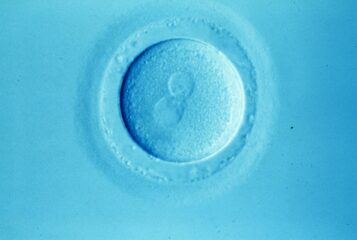
Endocrine disorder 'polycystic ovary syndrome' has been renamed 'polyendocrine metabolic ovarian syndrome' to better reflect the clinical features of the condition...
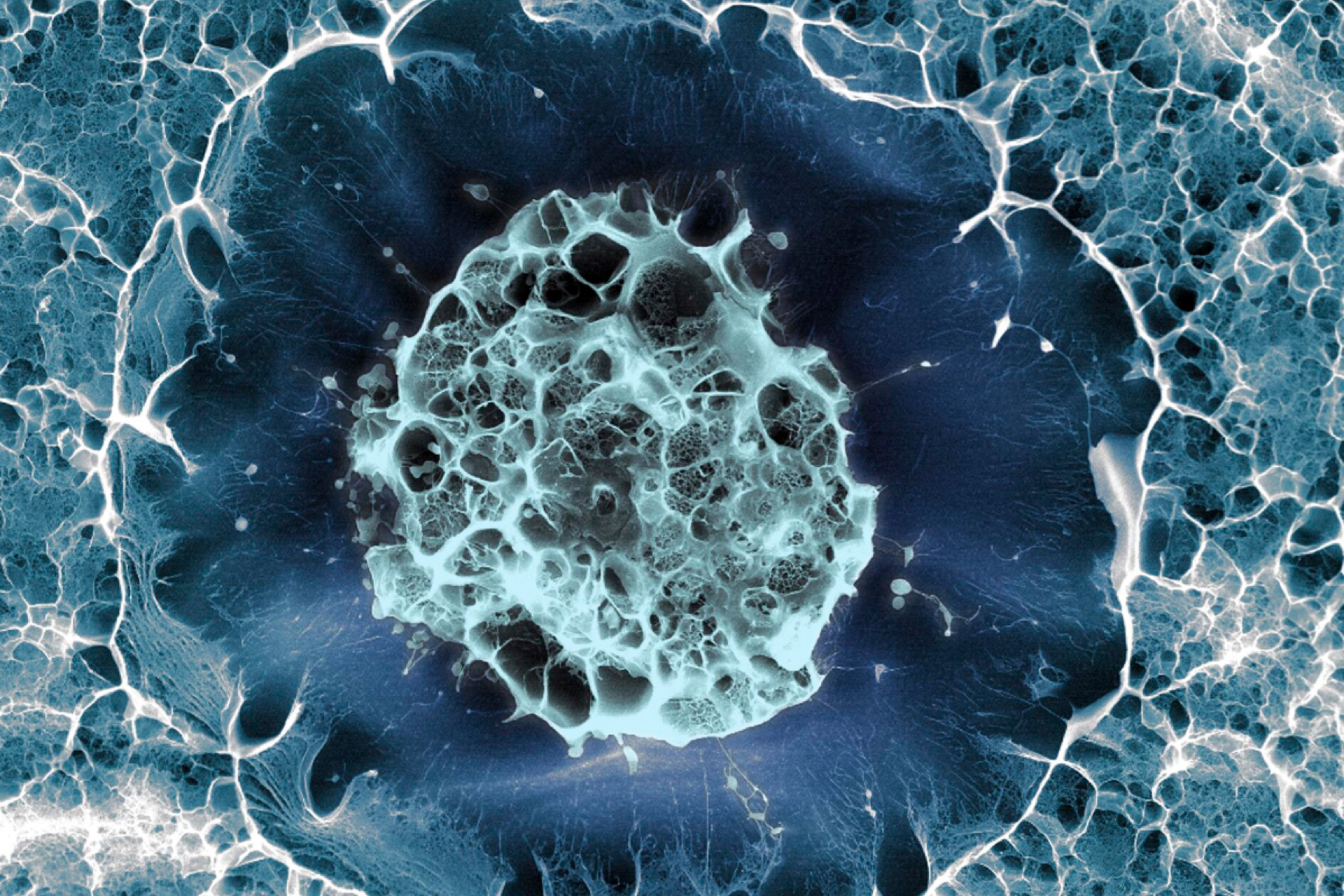
A simplified stem-cell-based embryo model of the early human embryo has revealed a key mechanism required for blastocyst cavity formation...

The Medicines and Healthcare products Regulatory Agency has opened a UK-wide consultation on proposed changes to the legal definition of gene therapy medicinal products...
The High Court of England and Wales approved the Marquess of Bath's son, who was born via surrogacy, as a potential beneficiary of the family trusts...
Having seen The Surrogate Mother by Freida McFadden appear on bestseller lists recently, Jen Willows decided to read it, commenting that while the premise draws on familiar psychological thriller tropes, the execution often struggles to maintain plausibility as the story develops...

Dr Beatrice Costa explores Lancaster University's public lecture Sex, Science and Stem Cells, examining how advances in stem cell research, IVG and embryo models are reshaping the future of human reproduction and raising important ethical and policy questions...
Dr Jeremy Koenig, host of the DNA of Things podcast, speaks with Professor Insoo Hyun about how bioethics plays out in the real world, where the most logical argument doesn't always win...
This Queer Family Podcast episode on lesbian IVF journeys, highlights both the emotional intensity of assisted reproduction and the broader social and ethical questions it raises...

What if personalised medicine – designed to be more precise – actually ends up being less fair, asks Dr Tsveti Stoilova...


Latest Comment
All CommentThe case for adaptive governance in emerging biotechnology
by Professor Emma Cave
Professor Emma Cave explores how adaptive governance and regulatory sandboxing could help the UK support emerging biotechnologies while maintaining public trust and effective oversight…
Something missing in 'Broody Men'
by Dr Robin Hadley
Dr Robin Hadley reflects on the cultural assumptions surrounding male childlessness and the often-overlooked desire for fatherhood among men. Drawing on his research into 'male broodiness,' he argues that men's reproductive lives remain under-examined in policy and public discourse...
PET Podcast: Male Infertility – Today's Insights, Tomorrow's Treatments
by Sarah Norcross
Bringing you PET events as a podcast. The 48th episode of the PET podcast features researchers and practitioners at the forefront of tackling male infertility – Kevin McEleny, Professor Joris Veltman, Professor Rod Mitchell and Professor Sarah Martins da Silva...
DNA testing and donor conception: New leaflets to support informed choices
by Professor Lucy Frith
Lucy Frith, professor of bioethics and health research at the University of Manchester and lead of the ConnecteDNA project, discusses the new information leaflets they have produced designed to help donors, donor-conceived people and families navigate the growing impact of online DNA testing on donor conception...
What Is the Impact of Fertility Treatment on the Health of Resulting Children?
by Miruna Dragulin
The most recent event from PET brought together researchers and clinicians to explore what assisted reproduction means for the short- and long-term health of the children born as a consequence...