
Apple has agreed to a roughly $250 million settlement in what lawyers describe as one of the largest false‑advertising cases tied to artificial intelligence, raising fresh questions about how tech giants market cutting‑edge features to consumers.
The agreement resolves a U.S. class action lawsuit alleging that Apple misled customers about the capabilities of its Apple Intelligence software—particularly a more advanced version of Siri—upon the launch of the iPhone 16 and certain iPhone 15 models.
While Apple denies any wrongdoing, the case is likely to have far‑reaching implications for how AI features are advertised across the industry.


What Is the Apple iPhone Settlement? What the Lawsuit Alleged
The original complaint—Landsheft v. Apple Inc., filed in the U.S. District Court for the Northern District of California—argued that Apple’s marketing cultivated a clear and reasonable consumer expectation that advanced AI capabilities would be available at launch.
The lawsuit was filed in March 2025, after Apple acknowledged that key Siri upgrades would not meet original timelines.
According to court filings and legal statements, Apple promoted a “pervasive marketing campaign across all media platforms to promote its latest iPhone 16 model, spotlighting what it branded as the groundbreaking 'Apple Intelligence' suite of features, including significant AI-driven enhancements to Siri,” which was capable of understanding personal context and performing complex tasks across apps.
However, plaintiffs alleged these features “offered a significantly limited or entirely absent version of Apple Intelligence” when the devices shipped, with some capabilities delayed until at least 2026.
Lawyers further claimed that Apple advertised technologies that “did not exist” in a bid to compete in the intensifying AI race against rivals.
Who Is Eligible for the Settlement?
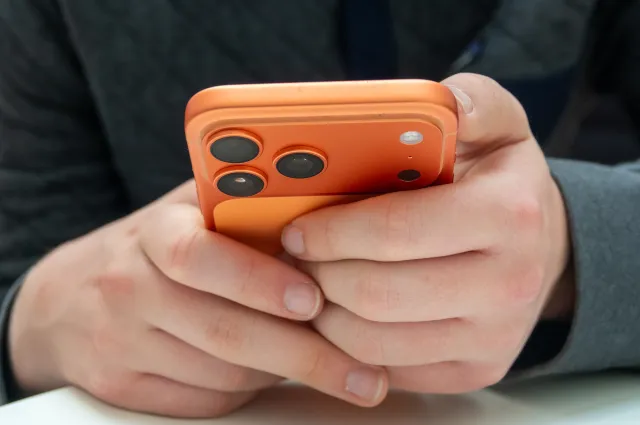
Under the proposed settlement, eligible consumers are U.S. buyers of iPhone 16 models and select iPhone 15 Pro devices purchased between June 10, 2024, and March 29, 2025. According to MacRumors, the estimated payout is a minimum of about $25 per device, up to $95, depending on the volume of claims submitted.
Is There a Deadline to File?
No filing deadline has been set yet, but in total, TNW reported that around 36 million devices could qualify, meaning millions of consumers may be eligible for compensation.
Before they can apply for compensation, however, claimants will need proof of purchase and device information, and they must wait for official instructions once a judge grants preliminary approval of the settlement.
FTC Scrutiny of AI Claims
The case arrives amid increasing regulatory attention on AI.
In 2024 guidance, the U.S. Federal Trade Commission (FTC) warned AI companies that there is “no AI exemption” from consumer protection laws, including rules against deceptive marketing.
- Firms must honor claims made in advertising and terms of service
- Misrepresentations about capabilities or data use can trigger enforcement
- Companies may even be forced to delete AI models built on improperly obtained data
The FTC has also highlighted the risk that AI companies may over‑promise while relying on vast amounts of user data, creating both privacy and consumer‑protection concerns.
A Landmark Moment for AI Advertising
Although Apple maintains it acted in good faith, the settlement marks a defining moment in the emerging legal framework around AI marketing.
As billions of dollars flow into AI, the case could set a precedent: Promoting future capabilities as present‑day features may carry significant legal and financial consequences.
For consumers, it offers both compensation and a warning sign about the promises behind the next generation of technology.