Tag Archives: IRGC

Iran attacks vessels in Hormuz, avoids concrete stance on ceasefire extension

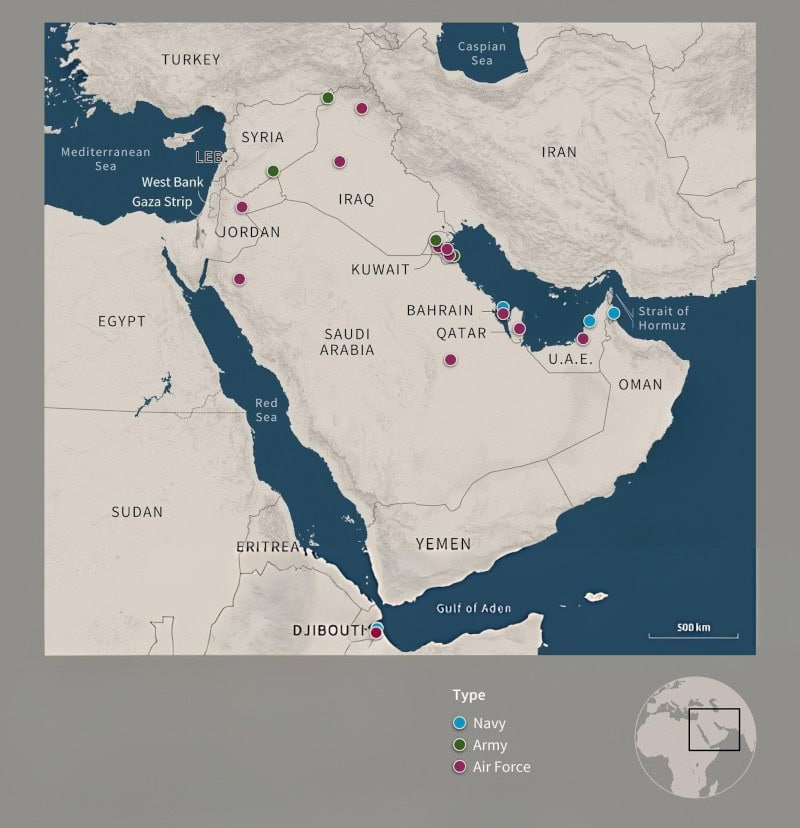
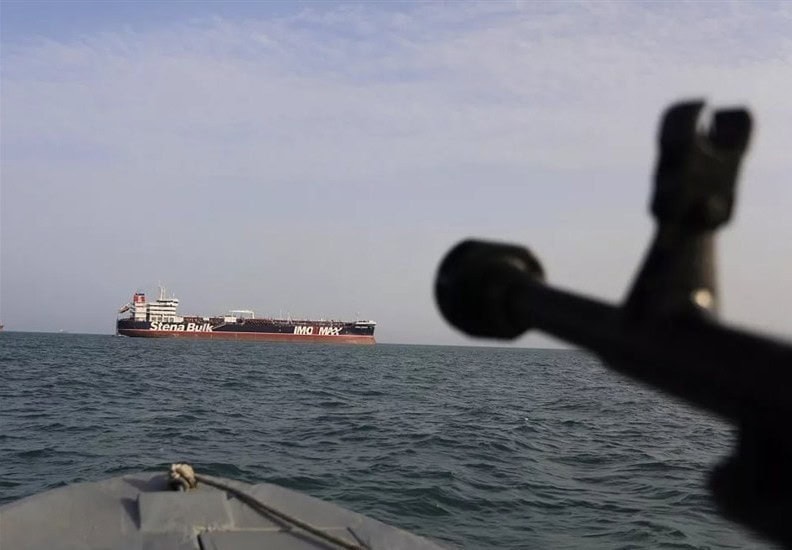
Tehran has refused to take an official position after US President Donald Trump’s announcement of an extension of the US ceasefire with Iran, while conditioning further negotiations on the lifting of the US naval blockade. Iran’s Islamic Revolutionary Guard Corps also threatened regional oil and digital infrastructure and attacked ships in the Strait of Hormuz.
Iran intensifies recruitment, repression amid reports of thousands of security deaths, Washington weighs ground operations

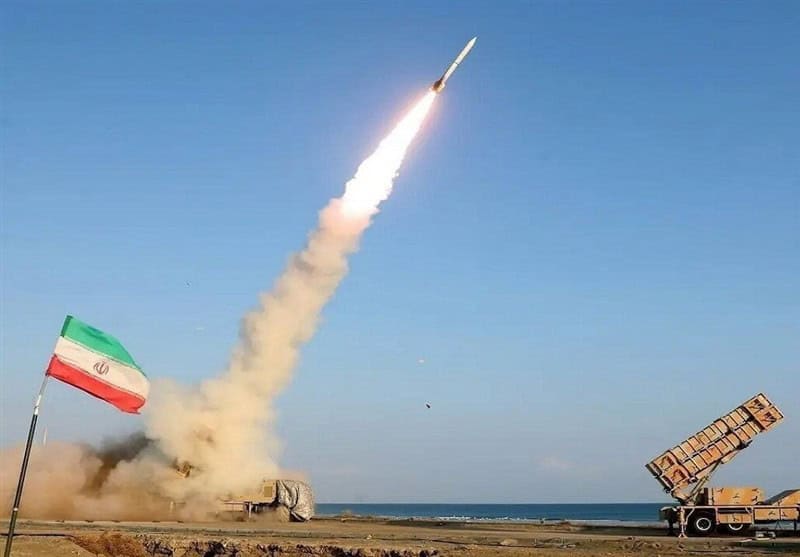
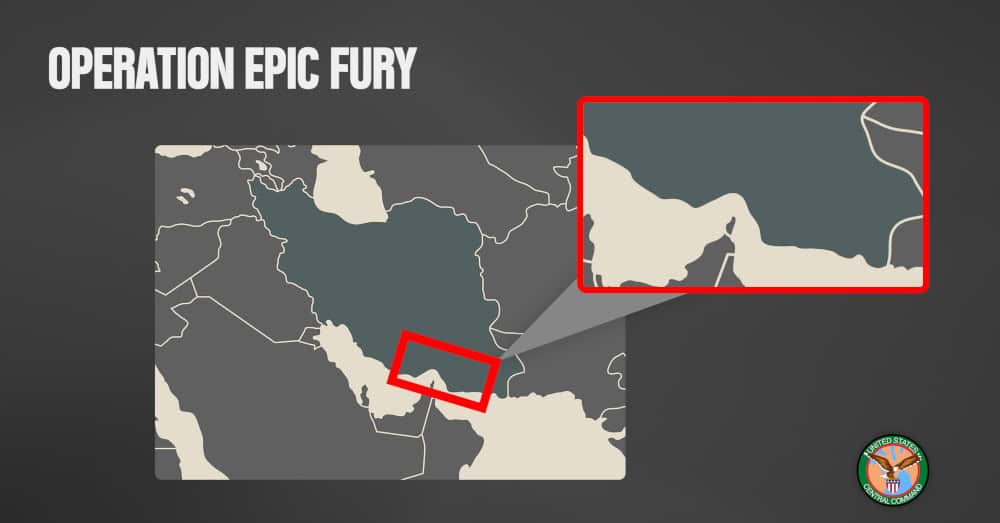
Washington is considering ground operations as joint US-Israeli strikes impact Iran’s military and internal security forces, reportedly causing thousands of casualties. Simultaneously, Tehran has increased security recruitment efforts, deployed foreign proxy militias, and escalated executions and arrests of Iranian citizens while issuing threats over “sharing images or footage with foreign actors.”


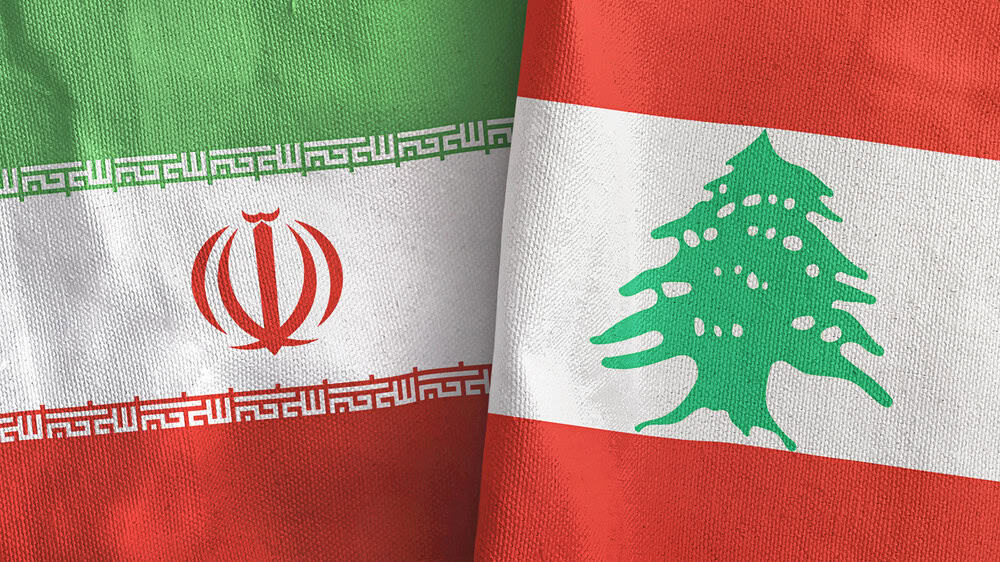
Lebanon Iran flags

Lebanon declares Iranian ambassador-designate ‘persona non grata’ before Iranian missile explodes over Lebanese airspace

An Iranian ballistic missile exploded in Lebanese airspace shortly after Lebanese Foreign Minister Youssef Raggi declared Tehran’s ambassador-designate in the country “persona non grata.” Official silence, coupled with Lebanese reporting that the missile was targeting an American asset in Lebanon, led to speculation that Iran considered Raggi’s move significant and was retaliating for it. However, subsequent reporting and a Lebanese Armed Forces investigation revealed that the missile’s target was outside Lebanon.


US and Israel strike more military targets, plus Iran’s leadership, repression units, and energy sites (March 17-18 updates)

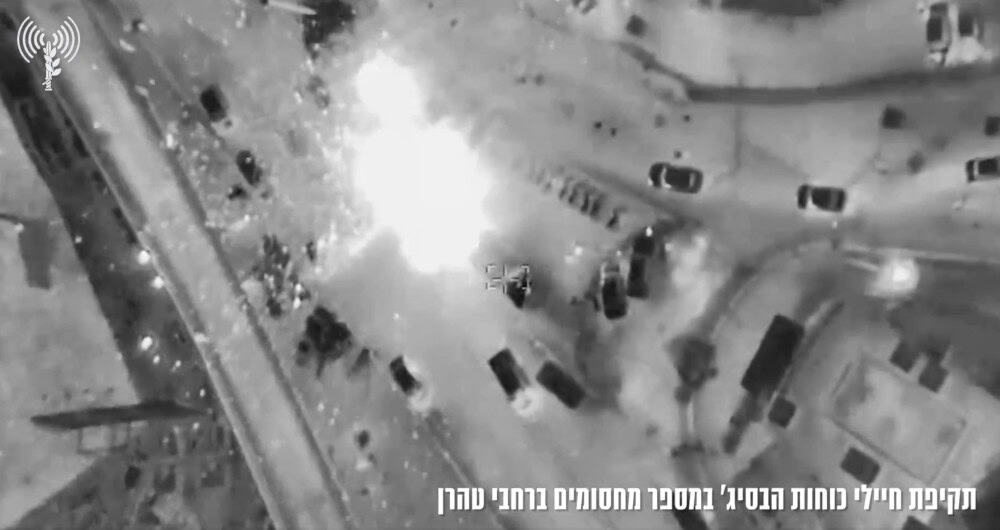
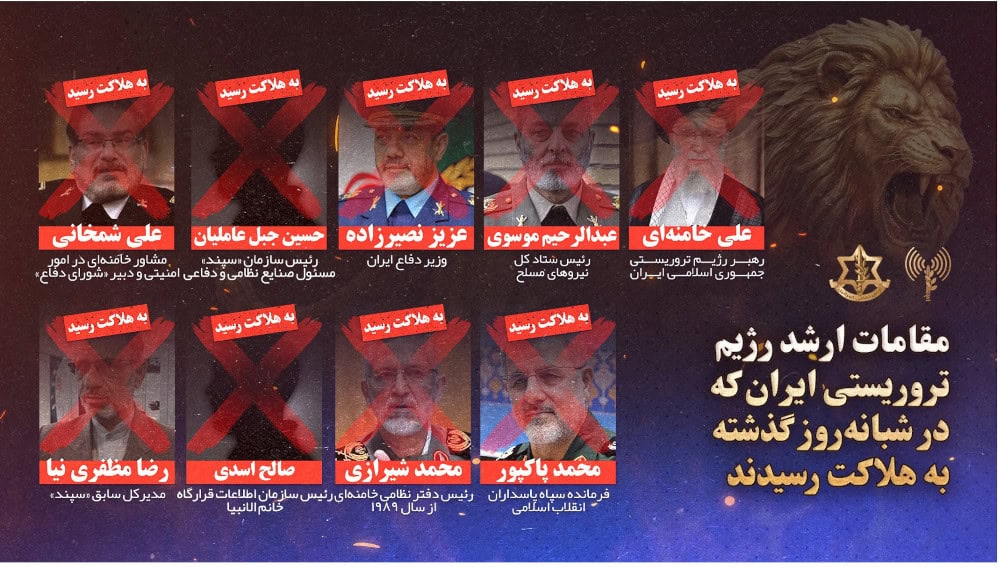
US and Israeli operations have continued to degrade Iran’s military capabilities while increasingly targeting the regime’s internal security apparatus. Strikes on Basij internal security and police units, alongside assassinations and reported morale issues, may be beginning to affect the regime’s ability to sustain repression efforts as US and Israeli attacks also expanded to targeting energy infrastructure.


Israel shifts to hyperlocal targeting in Iran as regime military power degrades (March 11-13 updates)

The Iran conflict has entered a new phase after US–Israeli strikes have destroyed key military infrastructure, killed thousands of regime personnel, and degraded Iran’s missile and drone launch rates. Israel has shifted toward hyperlocal targeting of repression units and regime figures inside Tehran, often aided by intelligence from Iranians on the ground. Simultaneously, the Tehran regime has publicly projected stability after Mojtaba Khamenei’s elevation to supreme leader, despite Khamenei’s continued absence from public view and some signs of internal strain.


Israel intensifies strikes on repression sites, expands outreach to Iranians as regime repression deepens (March 8-10 updates)

The joint US–Israeli campaign is striking Iran’s military and internal security infrastructure across the country while continuing to eliminate senior regime figures. Amid the pressure, the regime installed a new supreme leader, expanded regional attacks while denying responsibility, and intensified repression, as Israel increased outreach to the Iranian public.


Map of Cyprus with Akrotiri

Cypriot, Lebanese officials blame Hezbollah for drone attacks on UK base in Cyprus; IRGC responsibility also possible

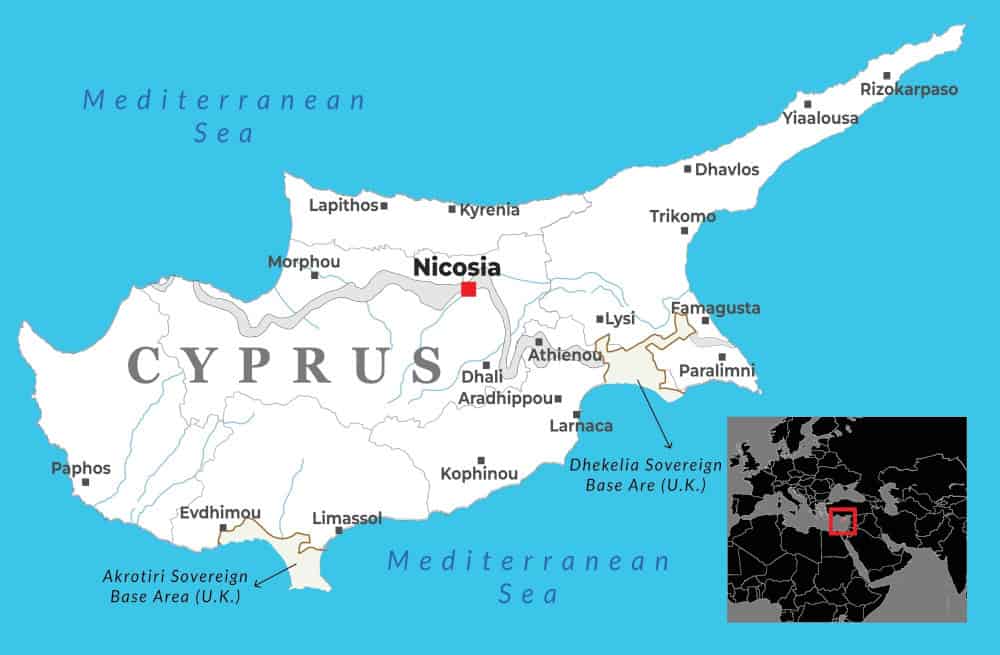
On March 1, a loitering munition struck the Royal Air Force (RAF) base in Akrotiri. Cypriot officials, followed by their Lebanese counterparts, accused Hezbollah of responsibility. The group’s leadership has threatened to target Cyprus in the past if it facilitated a war effort against the interests of the Iran-led Axis of Resistance. However, Iranian Islamic Revolutionary Guard Corps (IRGC) agents operating from Lebanon could have also carried out the attack.


US-Israeli campaign hits Iranian regime’s military and repression apparatus, regime forms leadership council (March 1 updates)

The joint US and Israeli operation entered its second day, with American forces targeting command-and-control centers, Islamic Revolutionary Guard Corps (IRGC) headquarters, air defense systems, ballistic missile sites, and Iran’s naval forces. In parallel, Israeli strikes concentrated on targets in Tehran, including key pillars of the regime’s repression apparatus, as well as ballistic missile sites and launchers. Iranian retaliatory attacks killed three US service members and nine Israeli civilians.


Iranian regime escalates hostilities with US, hardens negotiating position

Iran has ramped up military provocations against US forces as nuclear negotiations loom, with regime officials sending mixed signals on uranium enrichment while refusing to discuss missile programs or terror proxies. Internal regime sources reveal the leadership’s growing fear that a US strike could trigger mass uprisings. Despite killing over 36,000 protesters, according to some estimates, scattered demonstrations continue across Iran, with one official saying that “the wall of fear has collapsed.”


Iranian Baluch separatist factions establish Popular Fighters Front coalition

Iranian Baluch separatist factions have formed a new coalition known as the Popular Fighters Front (JMM), presenting themselves as a unified movement against the Islamic Republic of Iran. The coalition’s manifesto outlines its constituent groups, including PADA Baluch, Harakat-e Nasr, Jaish al Adl, the Mohammad Rasulullah network, and independent fighters, and frames its mission as defending the “dignity, culture, and political identity” of the Baluch people while appealing to broader Iranian opposition forces. JMM has already claimed responsibility for a December 2025 attack in Zahedan that left four of Iran’s Islamic Revolutionary Guard Corps personnel dead.


Analysis: Iran’s Al Mustafa University is a terror front

In 2020, the US Treasury Department sanctioned Al Mustafa International University, followed by Canada’s Foreign Ministry designating the organization in 2022. Ostensibly an international Islamic school, Al Mustafa is a front for Iranian terrorism and propaganda with a proven track record of involvement in terror plots, including a recent IRGC scheme to assassinate Israel’s ambassador to Mexico.


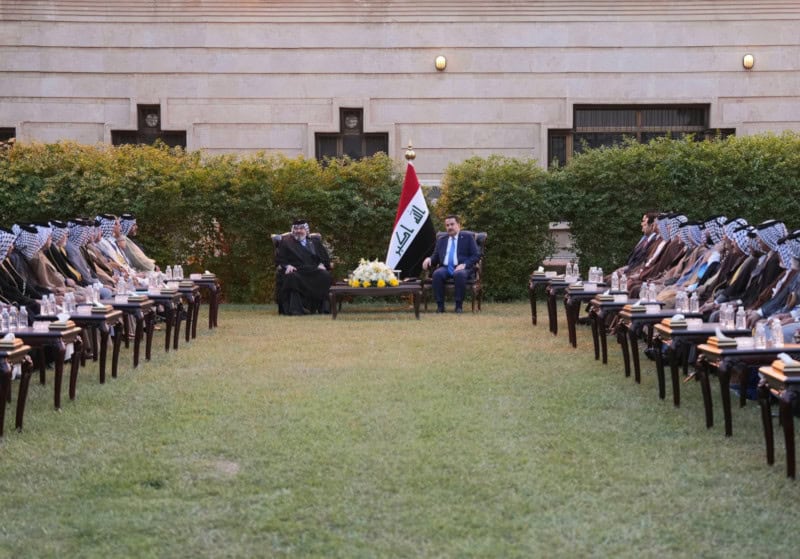
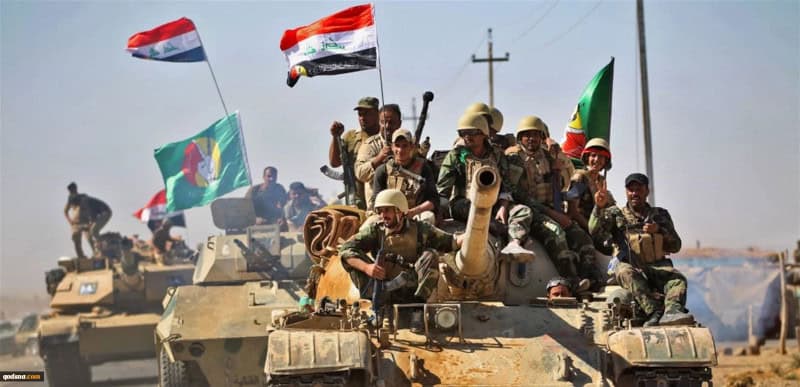
Iranian-backed Iraqi militias in spotlight after Secretary of State Rubio’s call with Prime Minister Sudani

US Secretary of State Marco Rubio spoke with Iraqi Prime Minister Shia al Sudani on October 21, discussing the “urgency in disarming Iran-backed militias that undermine Iraq’s sovereignty.” Sudani told the US to “avoid unilateral decisions in Iraq.” The call followed increased US sanctions on Iranian-backed militias in Iraq and individuals linked to them. Separately, Iraq’s National Security Advisor Qasim al Araji visited Iran and met with the head of the Islamic Revolutionary Guard Corps (IRGC), while IRGC-Qods Force Commander Esmail Qaani visited Iraq to discuss upcoming elections with Shiite political parties.


Israel intensifies outreach to Iranians as Tehran anticipates another war

As Tehran continues to ready for a potential conflict, Israel has ramped up direct appeals to the Iranian public, offering water technology, urging protests, and hinting at a regime collapse. The Israeli campaign has drawn sharp backlash from Iranian leaders, while both sides maintain a shadow war marked by likely sabotage and public military preparations.


US, UK, EU allies condemn Iranian terror plots

Tehran’s aggressive global terrorism, intelligence, and repression operations are drawing sharper Western scrutiny. The US, the UK, and 12 allies condemned Tehran’s plots abroad, which it often outsources to criminal gangs. European states are investigating regime-linked mosques, while Iran passed a law to track expatriates under the guise of outreach.


Mysterious wave of explosions, sudden IRGC death disrupt post-ceasefire calm in Iran

Israel and Iran indirectly agreed to a ceasefire on June 24, yet a wave of explosions and the mysterious death of an IRGC general over the past week have disturbed the relative calm in Iran. The regime has attributed every explosive incident to “gas leaks,” despite contradictory evidence. Israel has remained silent on these events but likely maintains intelligence superiority and the capacity to conduct operations in Iran.


Treasury targets Houthi oil revenue, building on US sanctions against the group

In late June, the US Treasury Department sanctioned the largest group of Houthi-connected entities, individuals, and vessels so far. The action targets oil importations and sales, which are a key revenue source for the Yemeni terrorist group. It is the latest move to limit the Houthis’ finances since the Trump administration re-designated them as a Foreign Terrorist Organization (FTO) on March 4.


Analysis: Iran is severely weakened but remains a regional threat 

In testimony to the Senate Armed Service Committee, incoming CENTCOM Commander Vice Admiral Charles B. Cooper II highlighted the nuclear, conventional, and asymmetrical threats posed by the Iranian regime. While Israel and the US focused their short campaign primarily on Iran’s nuclear program and ballistic missiles, large elements of Iran’s conventional assets survived unscathed.


Trump announces ceasefire, Israel strikes Iranian regime’s repression apparatus (June 23 updates)

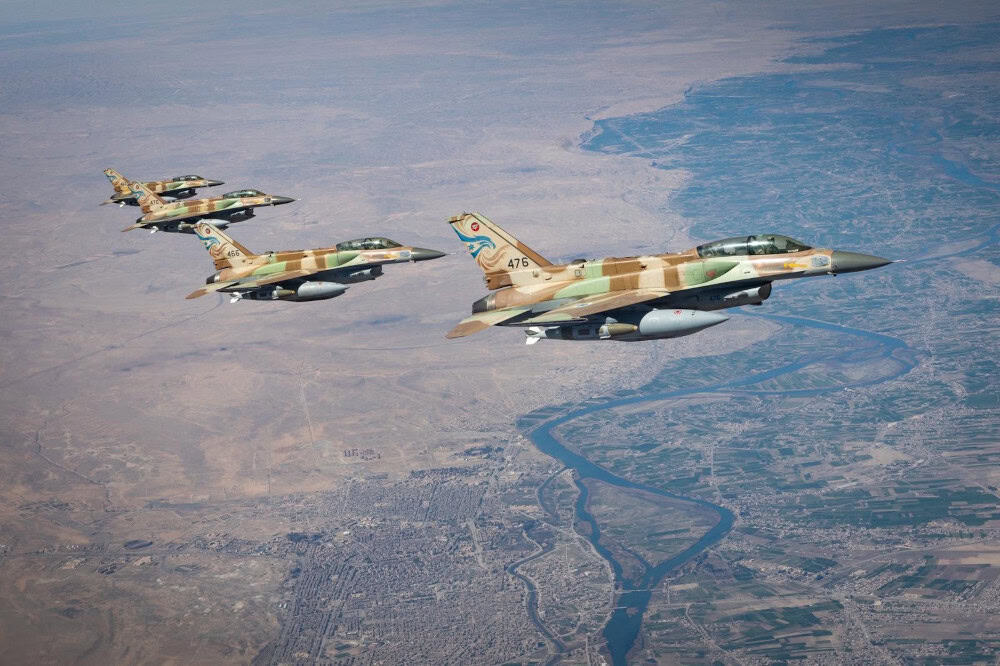
After nearly two weeks of high-intensity conflict, US President Donald Trump announced on June 23 that Israel and Iran had reached a ceasefire agreement. The announcement followed a flurry of kinetic activity: Iran launched missiles at the US Al Udeid Air Base in Qatar in response to American strikes on its nuclear infrastructure, while Israel escalated its air campaign against Iran, targeting missile systems and the regime’s core repression institutions.


Israel targets IRGC officials, nuclear scientist, and missile bases in Iran (June 22–21 updates)

Over the past 72 hours, Israel has intensified its air campaign across Iran, striking missile and drone infrastructure in Esfahan, Bushehr, Ahvaz, Yazd, and Qom. Targets included the Imam Hossein missile base in Yazd, IRGC drone and air defense facilities, and the Shahid Mostafa Khomeini military base. Senior IRGC and IRGC-Qods Force commanders tied to weapons transfers, regional proxy coordination, and nuclear development were killed. Despite Tehran’s calls for retaliation, Hezbollah, Hamas, and other allied militias have mostly stayed out of the fight so far.


Iran flag with nuclear symbol

Israel reportedly eliminates nuclear scientist, expands messaging campaign (June 20 updates)

Israel expanded its campaign against Iran with strikes on Islamic Revolutionary Guard Corps (IRGC) sites, missile infrastructure, and nuclear-linked facilities, reportedly killing a nuclear scientist in Tehran. The Israel Defense Forces (IDF) framed the attacks as targeting the Iranian regime’s repression and appealing to public discontent. Talks between Iran and EU officials on June 20 brought no breakthrough, as Tehran ruled out abandoning uranium enrichment.