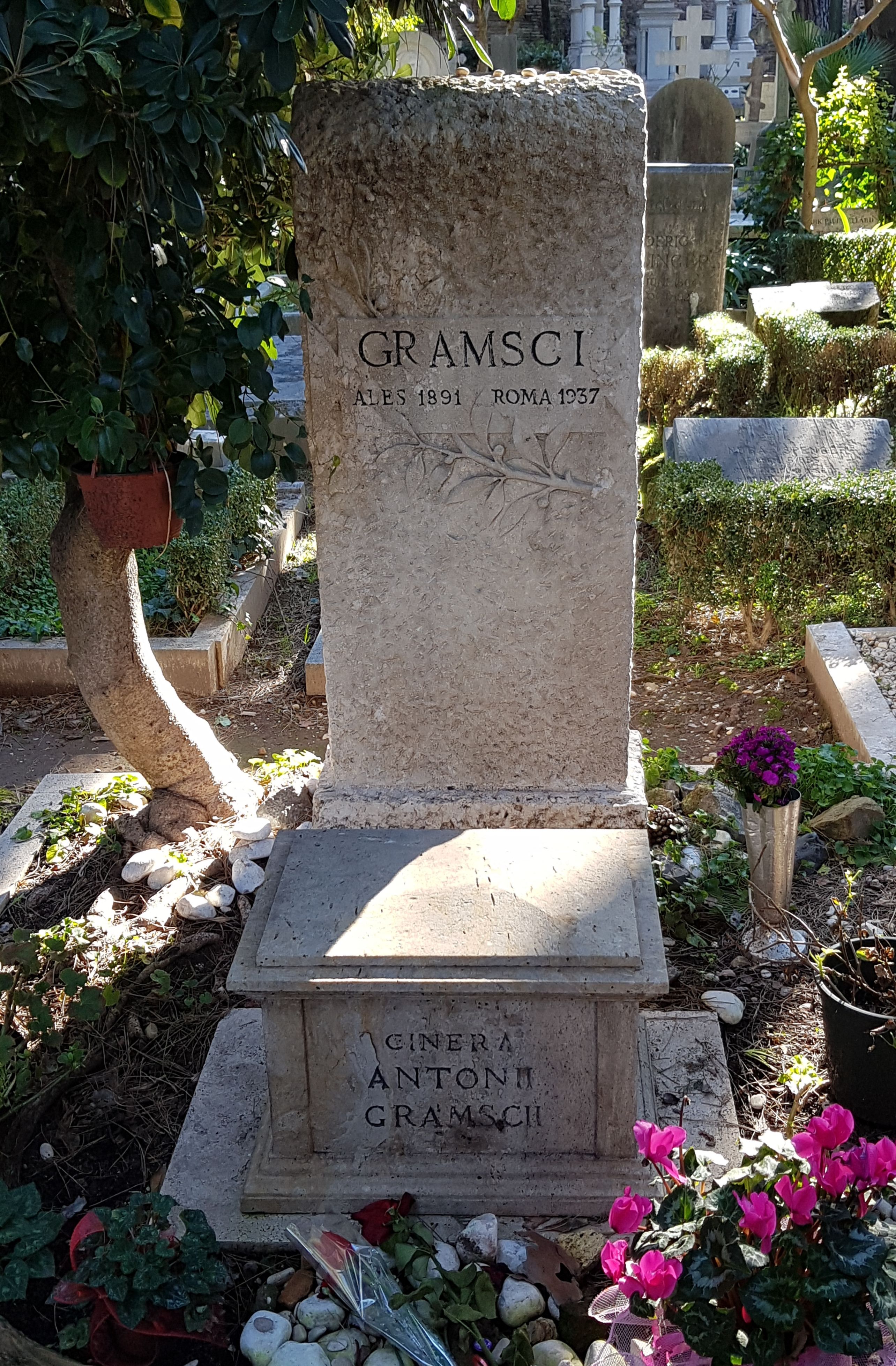
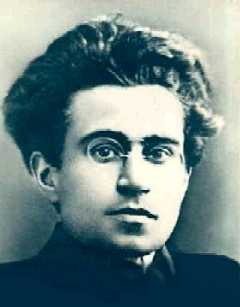
Author. He gained recognition as an Italian writer, politician and theorist of Marxism. He is credited with being a founding member and one-time leader of the Italian Communist Party. He was a critic of Italian dictator Benito Mussolini and fascism. He was born in Ales, some sources say on January 23rd, and died in Rome. While attending the University of Turin on a scholarship, Gramsci joined the Italian Socialist Party (PSI) in late 1913. He began his career as a journalist in L'Avanti, and later was the founder of "L'Ordine Nuovo" in 1919. In 1921, he and Amadeo Bordiga organized the Communist Party of Italy (Partito Comunista d'Italia). In 1924 Gramsci was elected as a deputy for the Veneto. He started organizing the launch of the official newspaper of the party, called "L'Unità" (Unity). In 1926, Stalin's maneuvers inside the Bolshevik party moved Gramsci to write a letter to the Comintern, in which he deplored the opposition. His letter was not delivered as Togliatti, the representative of the party in Moscow, decided not to deliver the it. On November 8, 1926 the fascist police arrested Gramsci, despite his parliamentary immunity, and brought him to the prison of Regina Coeli. In 1934 his health deteriorated severely and he gained conditional freedom. Three years later, he died from a cerebral hemorrhage. His works was compiled in "Political Writings" and "Prison Notebooks."
Author. He gained recognition as an Italian writer, politician and theorist of Marxism. He is credited with being a founding member and one-time leader of the Italian Communist Party. He was a critic of Italian dictator Benito Mussolini and fascism. He was born in Ales, some sources say on January 23rd, and died in Rome. While attending the University of Turin on a scholarship, Gramsci joined the Italian Socialist Party (PSI) in late 1913. He began his career as a journalist in L'Avanti, and later was the founder of "L'Ordine Nuovo" in 1919. In 1921, he and Amadeo Bordiga organized the Communist Party of Italy (Partito Comunista d'Italia). In 1924 Gramsci was elected as a deputy for the Veneto. He started organizing the launch of the official newspaper of the party, called "L'Unità" (Unity). In 1926, Stalin's maneuvers inside the Bolshevik party moved Gramsci to write a letter to the Comintern, in which he deplored the opposition. His letter was not delivered as Togliatti, the representative of the party in Moscow, decided not to deliver the it. On November 8, 1926 the fascist police arrested Gramsci, despite his parliamentary immunity, and brought him to the prison of Regina Coeli. In 1934 his health deteriorated severely and he gained conditional freedom. Three years later, he died from a cerebral hemorrhage. His works was compiled in "Political Writings" and "Prison Notebooks."
Bio by: José L Bernabé Tronchoni