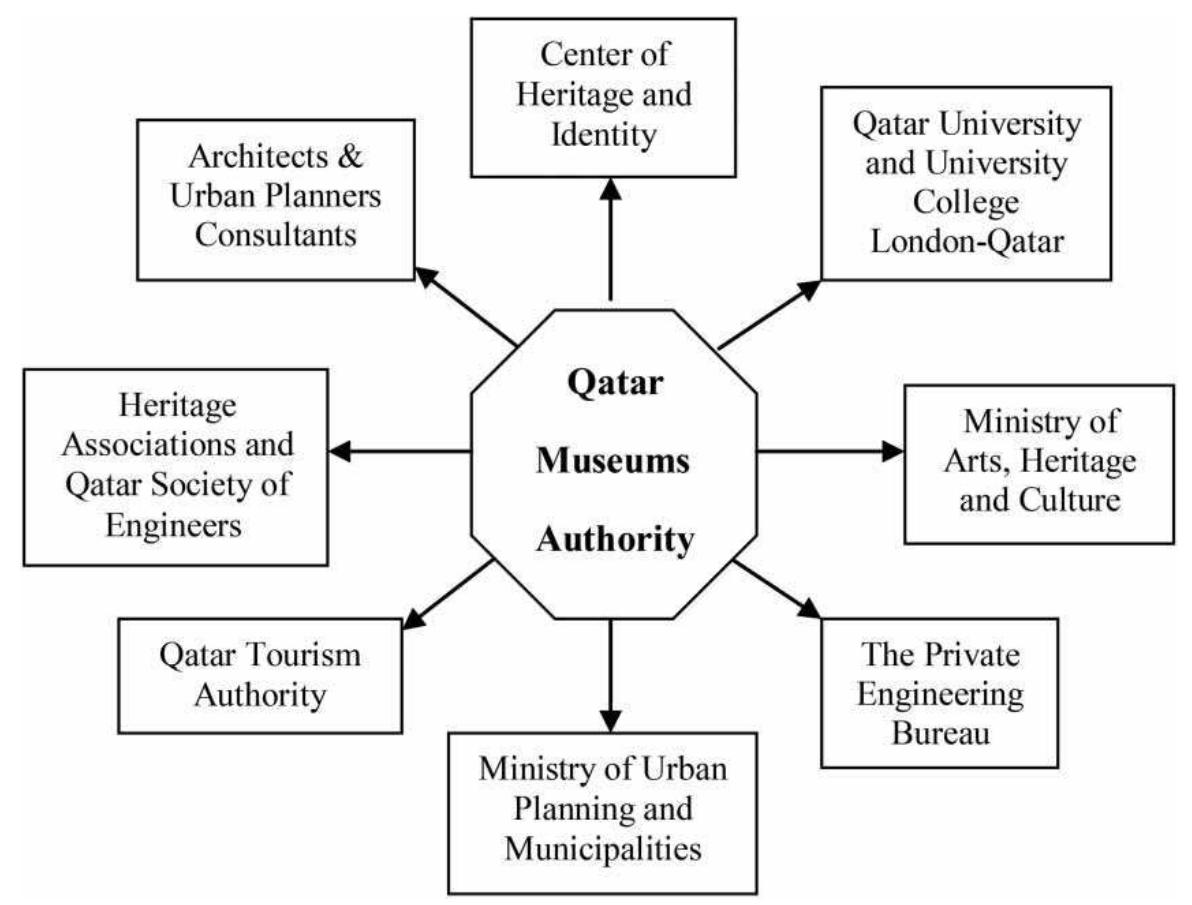
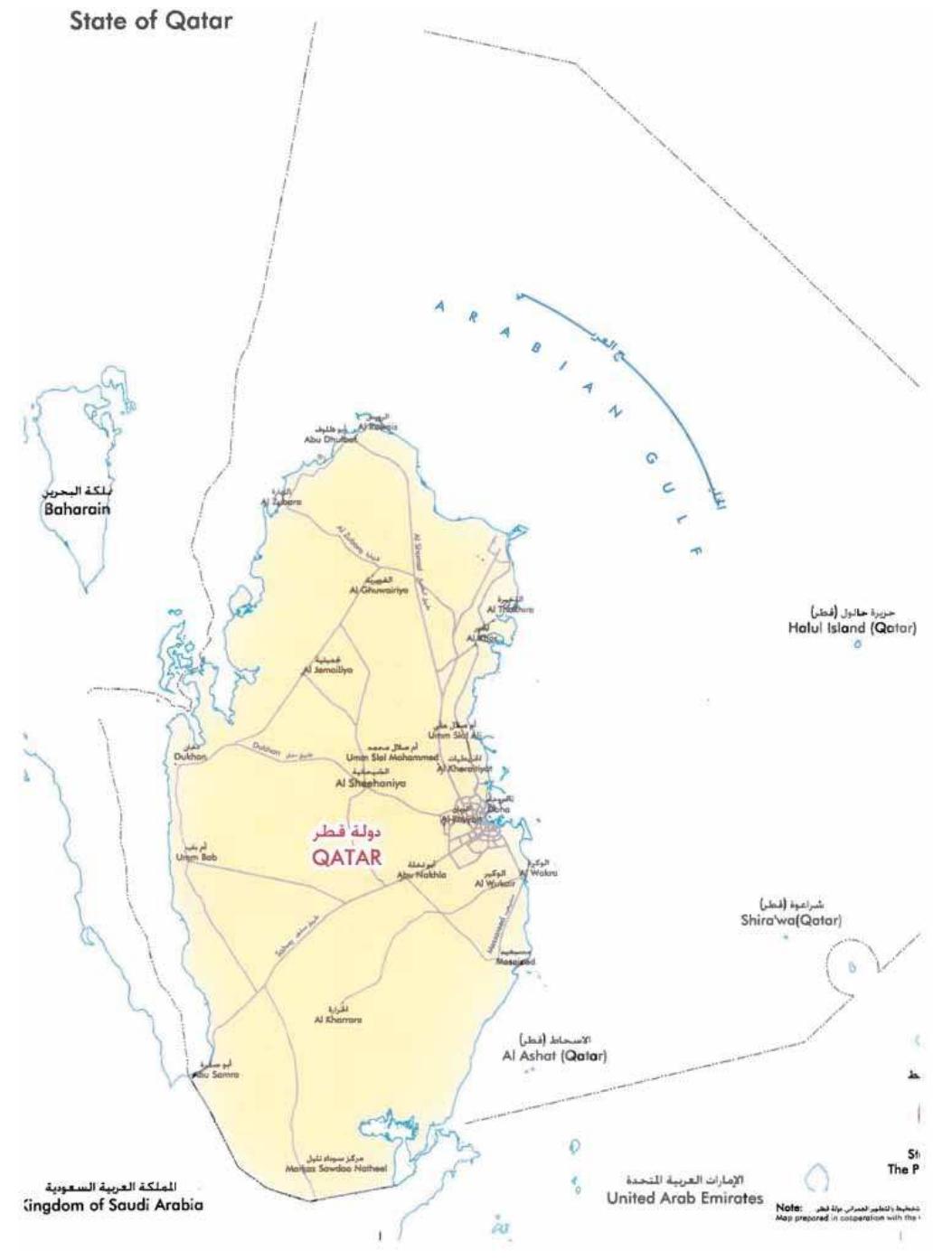
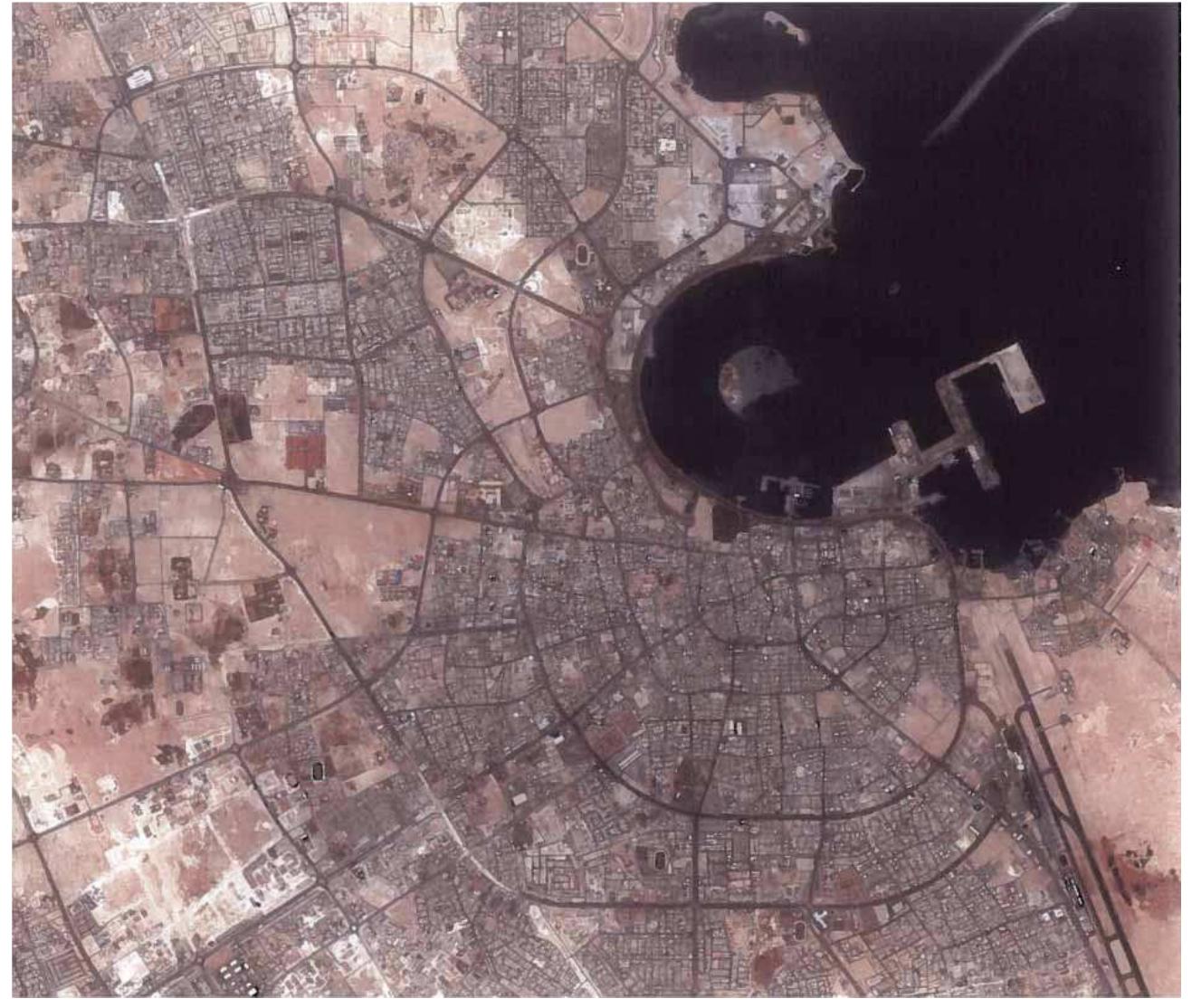
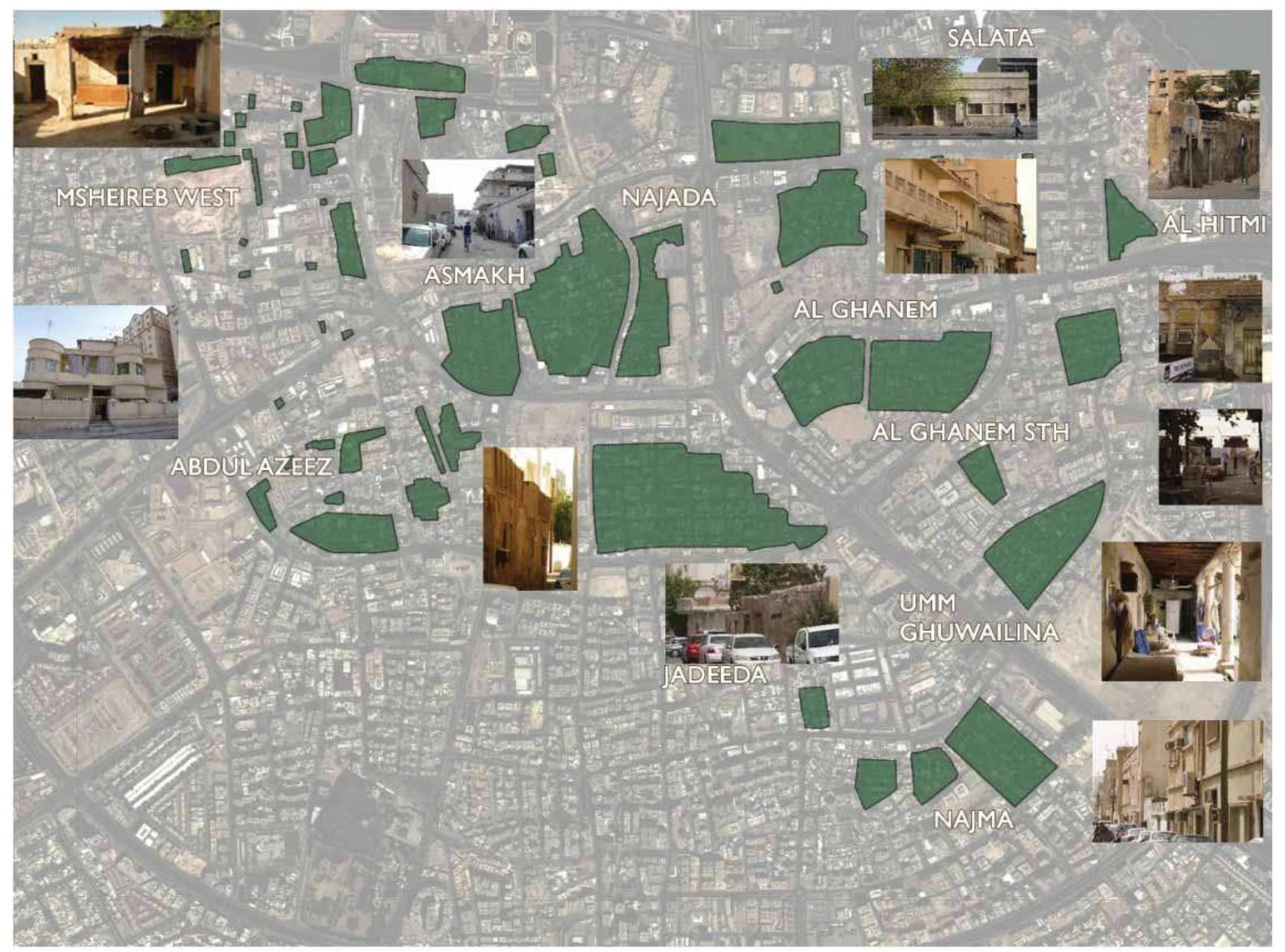
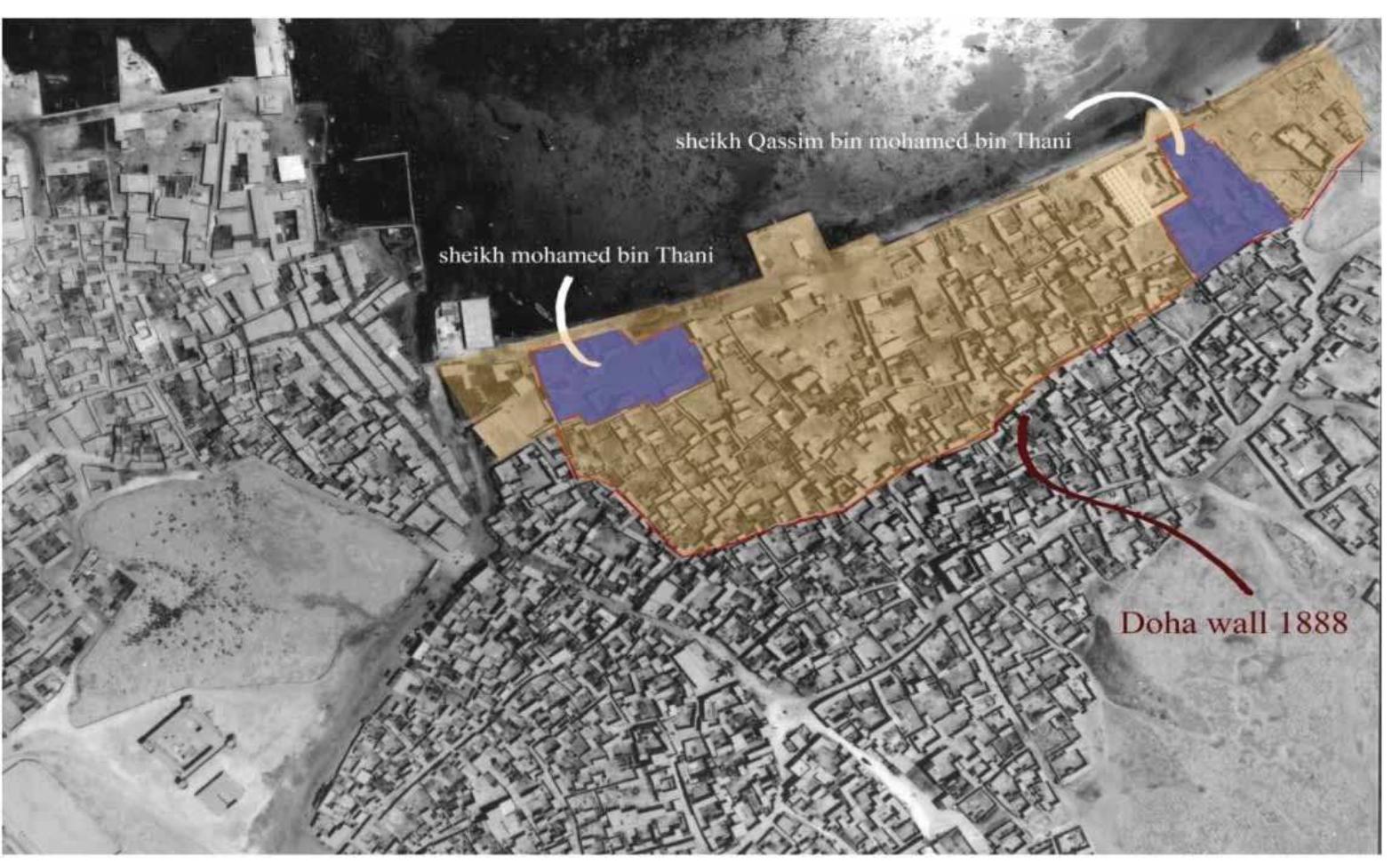
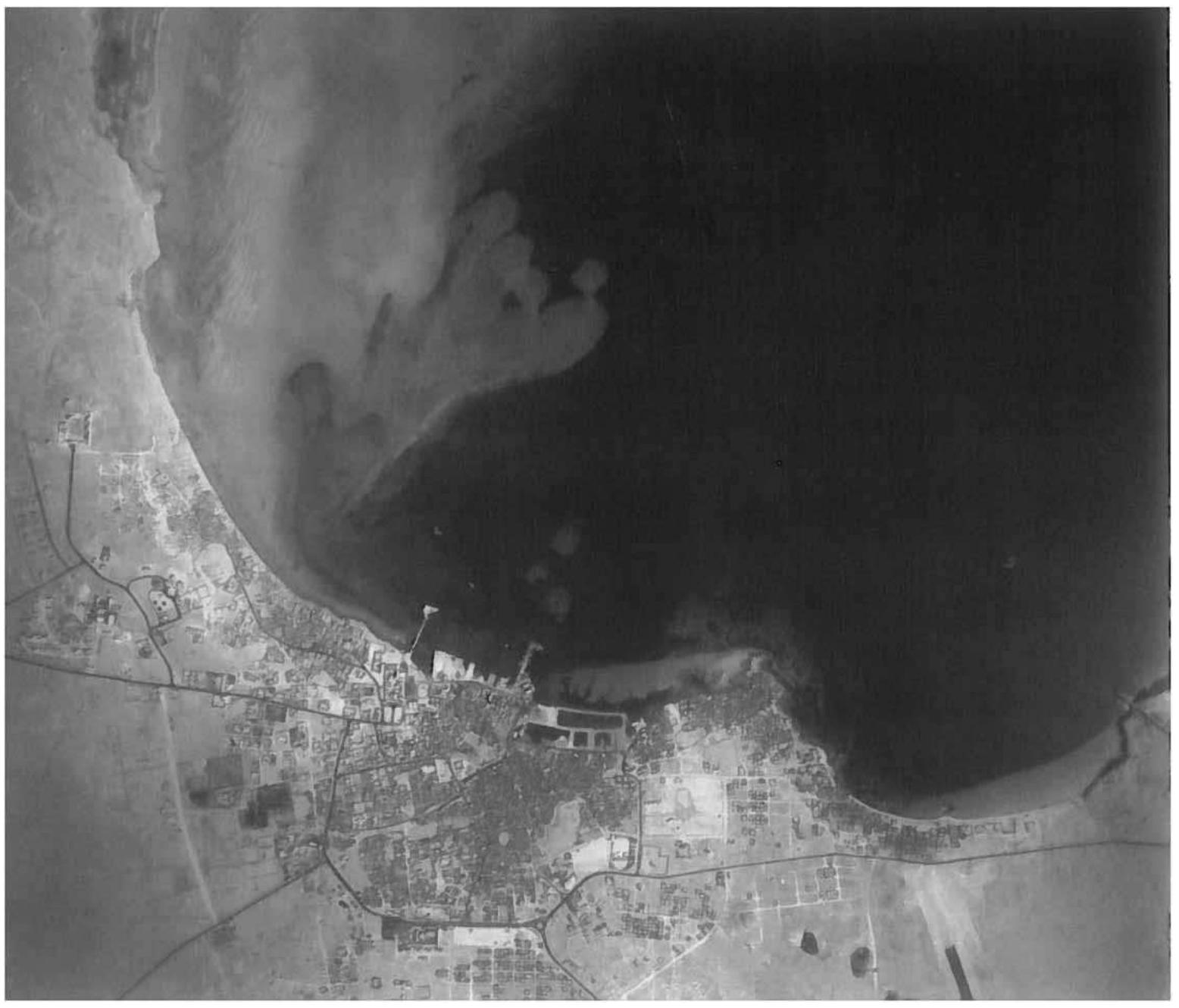
Figure 12. Proposal for a Management Heritage framework.
subdirectory_arrow_right Figure source:
Abstract: In the face of rapid economic development, population growth, people's increasing needs and their changing lifestyles, most historic centres in the Arab world have experienced problems. Located in a central position in the growing urban areas, these historic districts have to function as city centres. Previously, they kept the medina alive and they participated in the economic growth of the city; however, today this is not generally the case, as many of these centres have been erased, replaced by modern shopping malls and hypermarkets. Despite the fact that the trend for building modern skyscrapers is still popular, it is possible to counterbalance this drift by preserving the few remaining historic areas. We believe that one way of rediscovering the cultural identity of Doha is to go back to its initial roots and try to sustain them in harmony with the present and future trends of the city. Fareej (district) Al Asmakh, a model of Qatari heritage in the heart of Doha, presents an urgent case for urban conservation. Fareej Al Asmakh should be recognized as a valuable resource for future development. It is a reflection of Qatar's cultural identity in the heart of Doha, and thus should be sustained in the face of the proliferation of alien high-rise developments around and adjacent to it. This research focuses on the role of Fareej Al Asmakh and other districts in reviving and injecting new life into the heart of Doha. In other words, the question is: can urban conservation be an adequate strategy to revive and sustain Fareej Al Asmakh, thus strengthening the city's cultural identity while participating in its growth and development?
... Read more Related topics:
Architecture Conservation Related Papers Abstract: After gaining independence in the 1950s and 1960s, many countries in the Arab world witnessed a staggering rapid urban growth. The Islamic urban centres, which formed the central parts of these cities, witnessed continuous pressures of redevelopment and destruction. A large number of these centres with rich urban and architectural values were often demolished and replaced by high-rise buildings. Following the period of development and rapid urbanization, people started to realize that their cities have lost their identity and character in the mainstream of the globalization trends. The historic centres and urban cores, which escaped complete demolition, have survived as isolated pockets in the middle of hybrid environments. This dilemma raises important questions: is this surviving Islamic urban heritage blight or blessing? Is it 'blight' and obstacle that prevents the present cities from growing and prospering, or is it an asset that can form a major catalyst to promote these cities while maintaining strong roots with their past? Therefore, what will be the future of our Islamic urban centres? Will they be demolished to pave way for more ambitious growth or will they be conserved and sustained for present and future generations? Will the historic city, the heart of urban life and the main protector of the present cities' identities, survive and continue to be places for living within the emerging global environments of today and tomorrow? Despite the globalization trends that are wiping local cultures and traditions, it is possible to counterbalance this drift by preserving the few remaining patches of these historic cities. This article believes that one way of developing the present Arab city is to look at this urban heritage as 'blessing' and try to conserve it. In this context, this article discusses the following question: How can Islamic urban heritage be a setting of an appropriate urban regeneration of the Arab city today and in the future? In order to discuss this issue, examples of the Casbah of Algiers in Algeria and the Medina of Tunis in Tunisia are presented.
... Read more
Abstract: If you would like to write for this, or any other Emerald publication, then please use our Emerald for Authors service information about how to choose which publication to write for and submission guidelines are available for all. Please visit www.emeraldinsight.com/authors for more information. About Emerald www.emeraldinsight.com Emerald is a global publisher linking research and practice to the benefit of society. The company manages a portfolio of more than 290 journals and over 2,350 books and book series volumes, as well as providing an extensive range of online products and additional customer resources and services. Emerald is both COUNTER 4 and TRANSFER compliant. The organization is a partner of the Committee on Publication Ethics (COPE) and also works with Portico and the LOCKSS initiative for digital archive preservation. Abstract Purpose-Urban theorists argue that in the post-Second World War period cities faced the increasing development of homogeneous and soullessness urban spaces. This led to the formulation of urban design's theories for addressing issues of space and place, as a means of correction to the built environment of modern cities. The purpose of this paper is to investigate the significance and authenticity of placemaking for Msheireb, which is the regenerated historic district of Doha in Qatar. Design/methodology/approach-Oral and visual data are collected via: interviews with urban planners and consultants from Msheireb Properties and the Ministry of Municipality and Environment; walk-through studies; site visits and observations about the spatial form of buildings, streets and open spaces; on-site interviews; and a survey conducted during the walk-through studies. Findings-The findings reveal that the urban regeneration of the historic district-envisioned through a socio-spatial process (public realm) based on conservation (built heritage) and modernization (contemporary architectural language)-contribute to defining the authenticity of placemaking (space and character) of the renewed historic district of Msheireb. Practical implications-The insights provided through this research study contribute to the development of a framework for conceiving urban conservation projects in Qatar, which aim to preserve heritage value and revitalize deteriorating districts, to encourage the current trend for decentralization toward the creation of lively and vibrant urban district quarters by promoting a rediscovery of community life and cultural values. Originality/value-The identified key factors have made the research original and unique.
... Read more
Abstract: The accuracy of the Content should not be relied upon and should be independently verified with primary sources of information. Taylor and Francis shall not be liable for any losses, actions, claims, proceedings, demands, costs, expenses, damages, and other liabilities whatsoever or howsoever caused arising directly or indirectly in connection with, in relation to or arising out of the use of the Content. This article may be used for research, teaching, and private study purposes. Any substantial or systematic reproduction, redistribution, reselling, loan, sub-licensing, systematic supply, or distribution in any form to anyone is expressly forbidden.
... Read more
Abstract: Regional and local changes in Iraq have led to an accelerated dynamic of comprehensive development without the preservation of local heritage, which caused the loss of many traditional buildings, changing their urban fabric, the emergence of contradictory architectural styles, and others without a clear and specific identity, causing visual deformation. The research problem was identified from the goals and principles of urban design that concerned with the conservation, restoration, and continuity of heritage context, activates their role in sustainable development programs and as a response to changes and radical shifts in spatial structures of city centers, and the social and economic changes, as; "the lack of clear indicators for the restoration of local heritage and its role in achieving spatial development". The paper will present an analytical study of international and Arabic leading experiences, in the processes of preserving and restoring local heritage, as an important policy in the development and sustainability of places, and try to assess the local experience, according to the indicators derived from them, conduct recommendations for developing the methodologies and policies of restoring local heritage, that suit with the identity and privacy of historical and heritage contexts.
... Read more