The Rise and Fall of the Army Medical Museum and Library
2006, Washington History
Abstract
AI
AI
The paper discusses the history and evolution of the Army Medical Museum and Library, established during the Civil War as a response to the urgent medical needs of the Union Army. It outlines the museum's dual roles in research and public education, highlighting significant developments, challenges it faced, and its contributions to medical science. The text also covers the transition from a collection of curiosities to a comprehensive medical repository, its impact on military medicine, and the lasting legacy it leaves in the field of healthcare.
Key takeaways
AI
AI
- The Army Medical Museum, founded in 1862, aimed to research and exhibit military medical practices.
- John Shaw Billings transformed the museum into a national institution and expanded its collections significantly.
- By 1888, the museum housed over 15,000 specimens and became a public attraction, drawing 40,000 visitors annually.
- World War I shifted the museum's focus towards pathology, diminishing its role in traditional medical education.
- In 1988, the museum was renamed the National Museum of Health and Medicine, reflecting its evolving mission.
References (39)
- See Robert Goler and M. Rhode, "from Indi- vidual Trauma to National Policy: Tracking the Uses of Civil Wa_r Veteran Medical Records," in David Gerber, ed., Disabled Veterans in History (Ann Arbor: University of Michigan Press, 2000), 163-84.
- John Shaw Billings, "Who Founded the National Medical Library?1' Medical Record 17 (1880) 1 reprinted in Frank Bradway Rogers, Selected Papers of John Shaw Billings, Medical Library Association, 1965, 115.
- John Hill Brinton, "Address to Army Medical School, Mar. 13, 1896," Journal of the American Medical Association 26 (1896)1 599-605.
- See John I-lill Brinton, Personal Memoirs of John H. Brinton, Civil War Surgeon, 1861-1865 (Carbon- dale: Southern Illinois University Press), 1996, 180-81.
- Brinton, Memoirs, 181.
- Ibid, 190-91.
- Woodward to Tyson, Mar. 10, 1876, OHA 15, Curatorial Records: Letter Books of the Curators, 1863-1910, Otis l-listorical Archives, National Museu1n of l-lealth and Medicine, Armed Forces lnsti- tute of Pathology, Washington, DC. Hereafter cited as correspondents and "OHA. 11
- Otis to Cook, Mar. 24, 1866, OHA.
- Daniel S. Lamb 1 "A History of the United States Army Medical Museum 1862 to 1917, Compiled from the Official Records," unpub. typescript, 20. 14. Henry, Institute, 23-25.
- Wyndham Davis Miles, A History of the National Library of Medicine: The Nation's Tremury of Medical Knowledge (Bethesda: U.S. Department of Health and Hu1nan Services, 1982), 143.
- Otis to Dr. William Forwood, Jan. 4, 1867, OHA. 17. Louis Bagger, <(The Army lvledical Museum in
- Washington" Appleton's Journal JX, 206, (Mar. I, 1873)1 294-97.
- Mary Cletnmer Ames 1 Ten Years in Washington: Life and Scenes in the National Capital as a Woman Sees Them (Hartford, er, A.D. Worthington & Co, 1874), 477. 19. Lamb, "History," 43-44i Parker to Otis, Apr. 30, 1874, OHA.
- S. Weir Mitchell (as Anonymous) 1 ''The Case of George Dedlow," Atlantic Monthly 181105 (July 1866): 1-11. For a n1odern interpretation of Mitchell's work, see Robert Goler 1 "Loss and the Persistence of Memory: 'The Case of George Dedlow' and Disabled Civil War Veterans,u Literature and Medicine 23:1 (Spring 2004)1160-83.
- J.J. Woodward, "The Army Medical Museum at
- Washington," Lippincott's l\ifagazine, Mar. 1871, 233-42. 22. Miles, History, 32, 34.
- Henry, Institute, 75; Miles, History, 171.
- Henry, Institute, 73-79; Miles, History, 144-47. 25. Miles, History, 150. 26. Ibid., 165.
- Henry, Institute, 81-83.
- Lamb, "l--Iistory," 93-95.
- Miles, History, 16-167.
- Billings to E.C. Carter, Nov, 19, 1886, OHA.
- Lamb, "History," 96-101.
- Medical News, Sept. 18, 1886, quoted in Lan1b, "History," 88-89.
- Billings to Louis A. LaGarde, May 21, 1885, OHA. 34. Billings, Memoirs, 311. 35. Ibid., 314. 36. Ibid. 37. Ibid., 315.
- Billings to Surgeon General John Moore, Aug.JO, 1889, OHA.
- See Julie K. Brown, Making Culture Visible, Pho• tography and Its Display at Industrial Fairs, International Exhibitions and Institutional Exhibitions in the United States 1847-1900 (Harwood Academic Press, 2001).
- Louis A. LaGarde, Gunshot Injuries: How They are Infl.icted, Their Complications and Treatment (New York, William Wood, 1914).
- McCaw to Surgeon GeneraPs Office, Nov. 21, 1913, quoted in Henry, Institute, 150-51.
- Henry, Institute, 167-69.
- Surgeon General's Office of the U.S. Army, The Medical Department of the United States Army in the World War, 15 vols. (Washington' O.P.0., 1921-29).
- Henry, Institute, 241-43.
- Henry, Institute, 264.
- J.E. Ash, "The Army Medical Museum in This War," Southern Medical Journal 37,5 (May 1944), 261-66.
- 7. Armed Forces Institute of Pathology Annual Report 1947, 22
- Samuel Kime, "John Q Public, Glass, Plastic, and Our Specimens," AFIP Letter XII' 31 (July 31, 1956), Medical Museum News page.
- On visitors and attendance, see Randi Korn &
- Associates) National Museum of Health and Medicine Vis- itor Survey, April 2000. On exhibiting hu1nan remains, see Lenore Barbian and Lisa Berndt, "When Your Insides Are Out: Museum Visitor Perceptions of Dis- plays of Human Anatomy/' Human Remains: Conservation, Retrieval and Analysis: Proceedings of a Conference Held in Williamsburg, VA, Nov. 7-11, 1999, ed. Emily Williams (BAR International Series 934, 2001).
- Megan Edwards) uRoad Trip Washington, D.C.~On Beyond the Smithsonian: the National Museutn of Health and Medicine" Roadtrip Amer- ica.coll'. (Nov. 14)) http://www.roadtripamerica.com/ places/National-Museum-of-Healrh-and-Medicine.htm
FAQs
AI
What key findings emerged about the Army Medical Museum's evolution?
The museum transformed from a Civil War reference collection to a national pathology institute, reflecting changes in medical practices and societal interest over 140 years.
How did John Shaw Billings influence the Army Medical Museum's development?
Billings expanded the museum's collections significantly, increasing holdings from 22,000 specimens in 1880 to 15,000 by 1888, emphasizing pathology and anthropology.
What does the collection of Civil War artifacts reveal about medical history?
The museum's specimens illustrate medical practices before the introduction of aseptic techniques, showcasing the impact of antibiotics and germ theory in later medicine.
What methodological challenges did the museum face during its early years?
Early context implementation relied on minimal specimen labeling and non-narrative exhibits, resulting in a challenge for comprehensive understanding of the medical artifacts.
How did public perception of the museum change over time?
Visitor interest peaked post-Civil War with over 40,000 visitors in 1881, but shifted towards pathology post-World War I, diminishing public engagement as focus narrowed.
Michael Rhode


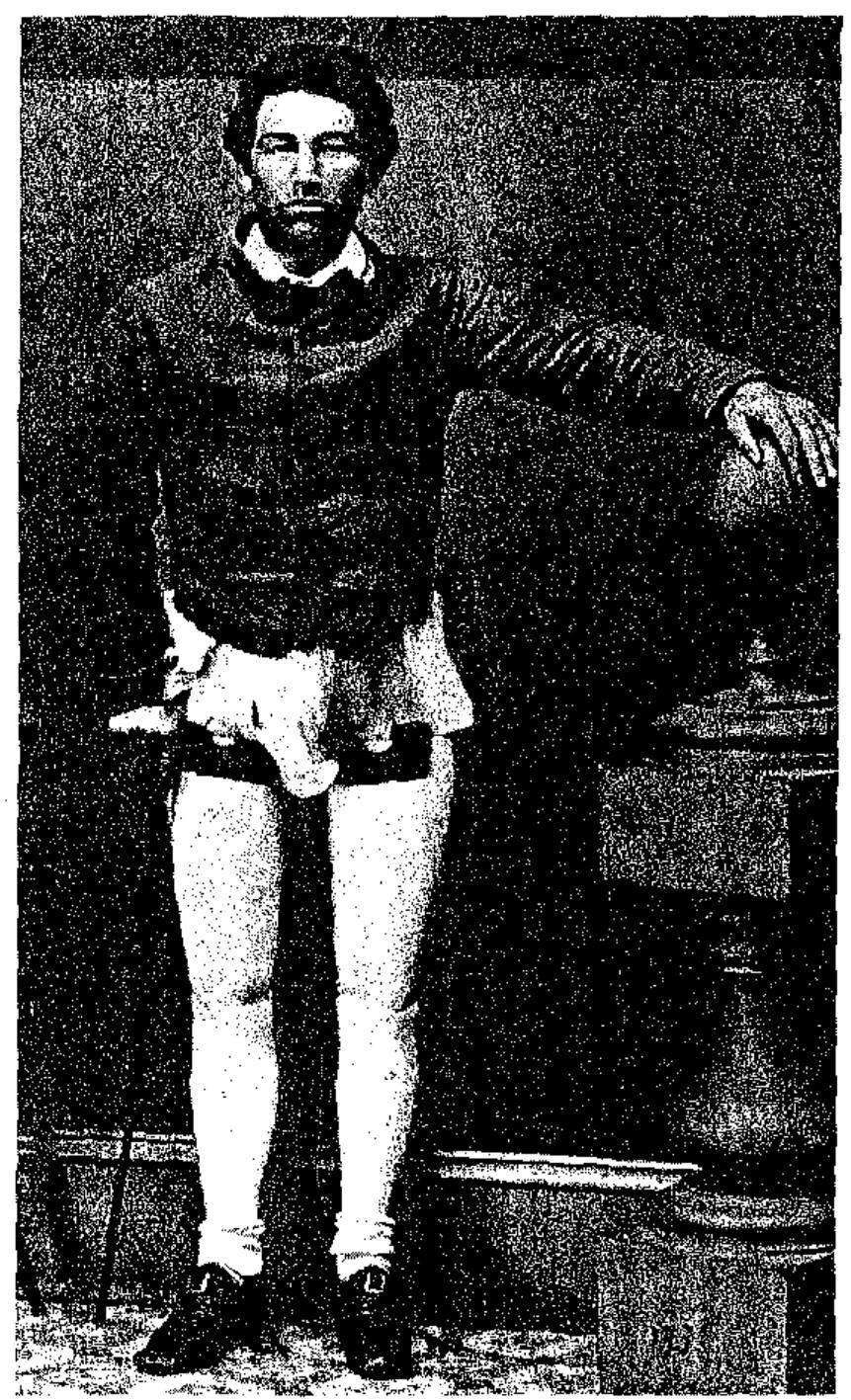
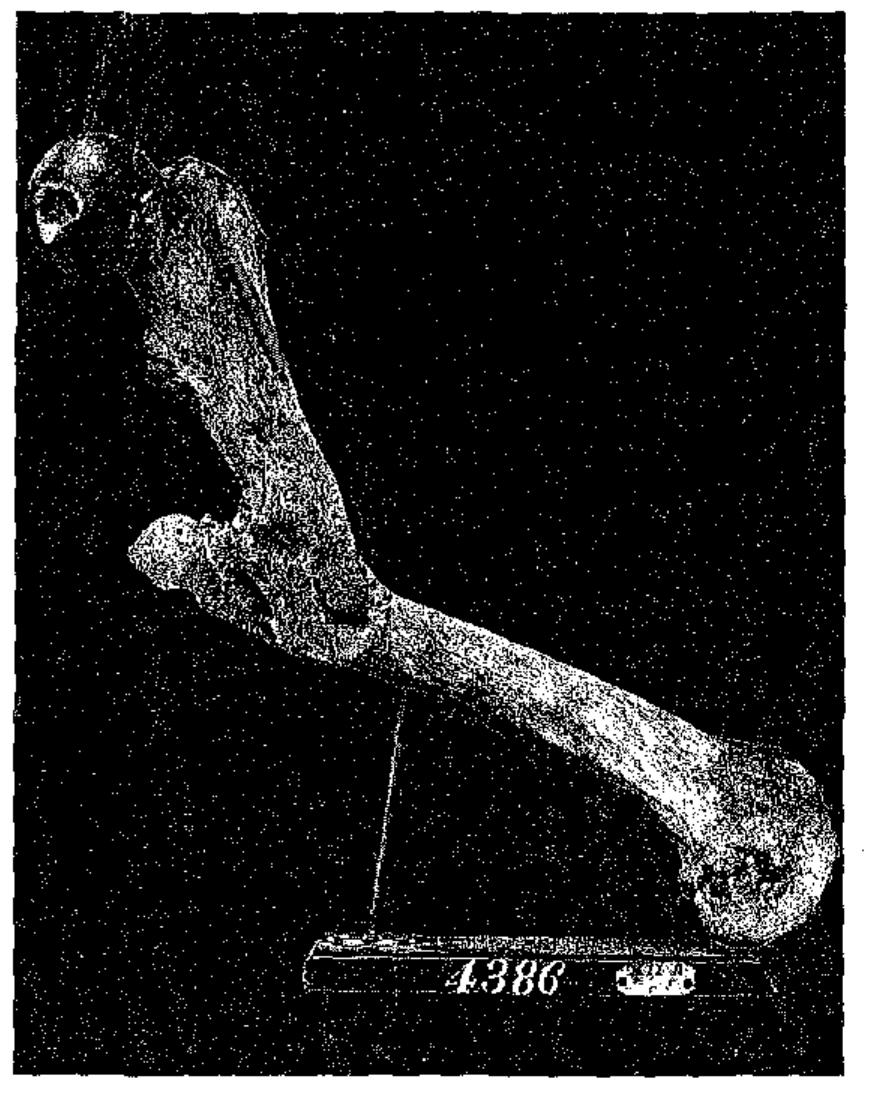
![cine,” opined guidebook author Mary Clemmer Ames in 1874, “but to the unscientific mind, espe- cially to one still aching with the memories of war, it must remain a museum of horrors. ... No! the Museum is a very interesting, but can never be a popular place to visit.”!® In spite, or because, of Ames’s concerns, by 1874, the number of visitors sometimes reached more than 2,600 per month, even the museum was only open from 10 am to 3 pm on weekdays, and on Saturday from 10 am to 2 pm.!° As early as 1866, the museum was well- known enough to be mentioned in Atlantic Monthly. In Dr. S. Weir Mitchell’s fictional story, “The Case of George Dedlow,” the hero, who lost both legs due to the war, was contacted by spirits during a séance. The spirits proved to be his amputated limbs, preserved in the Medical Museum: “A strange sense of wonder filled [Ded- low], and, to the amazement of every one, I arose, and, staggering a little, walked across the room on limbs invisible to them or me. Jt was no wonder | bluish tinge, the blanched skeletons and grin- ning skulls—the same moon that saw, in many a case, the death-blow given, or the bullet pierce. The thought is not a comforting one, and those fancies would not be calculated, at such a time, to inspire courage. But in broad daylight, with the sun shining outside, and brightening up, with its tinge of life and activ- ity, the tessellated floor, with the noise and traffic of the street outside, and the hum and murmur of numerous clerks and attendants inside, even those of timid proclivities do not then hesitate to inspect closely and with curios- ity the objects which, twelve hours later, when the building is dark and deserted, they would scarce care to approach.!?](https://figures.academia-assets.com/38336705/figure_004.jpg)
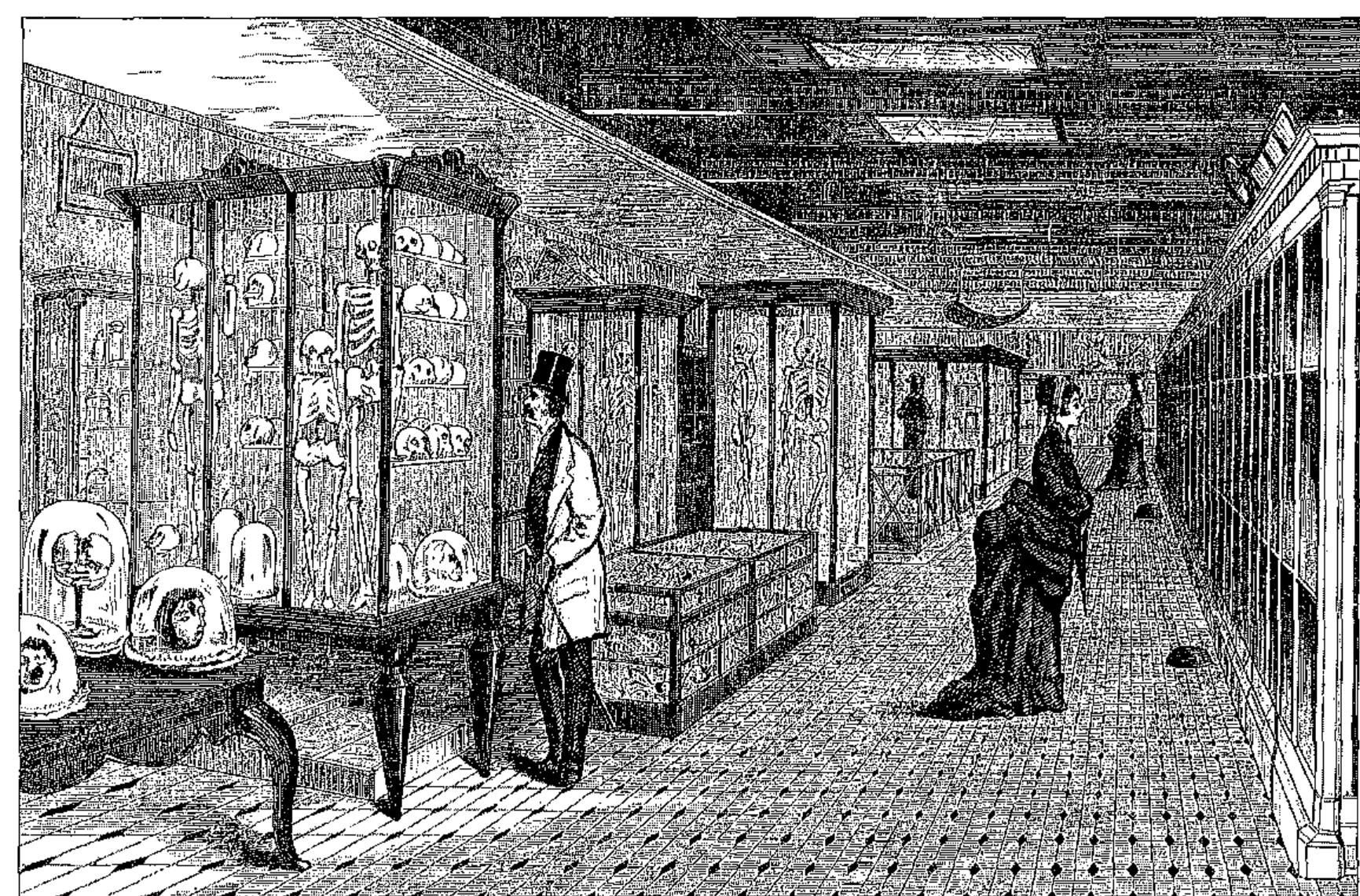
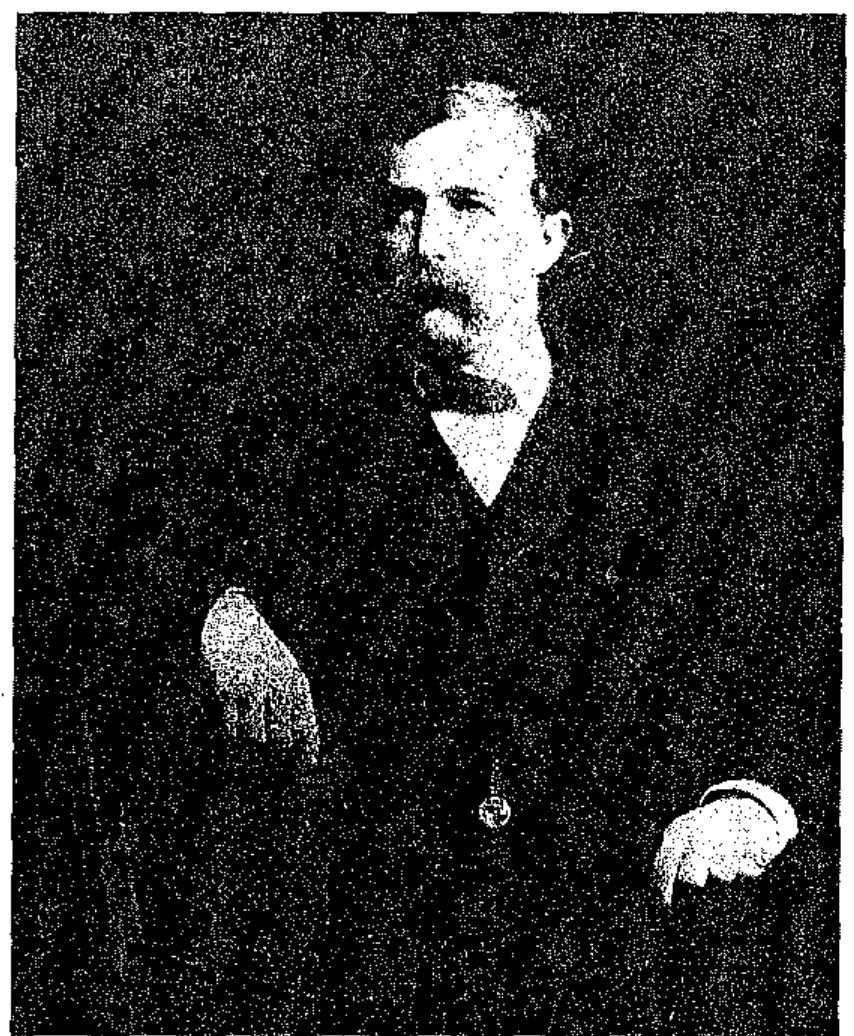
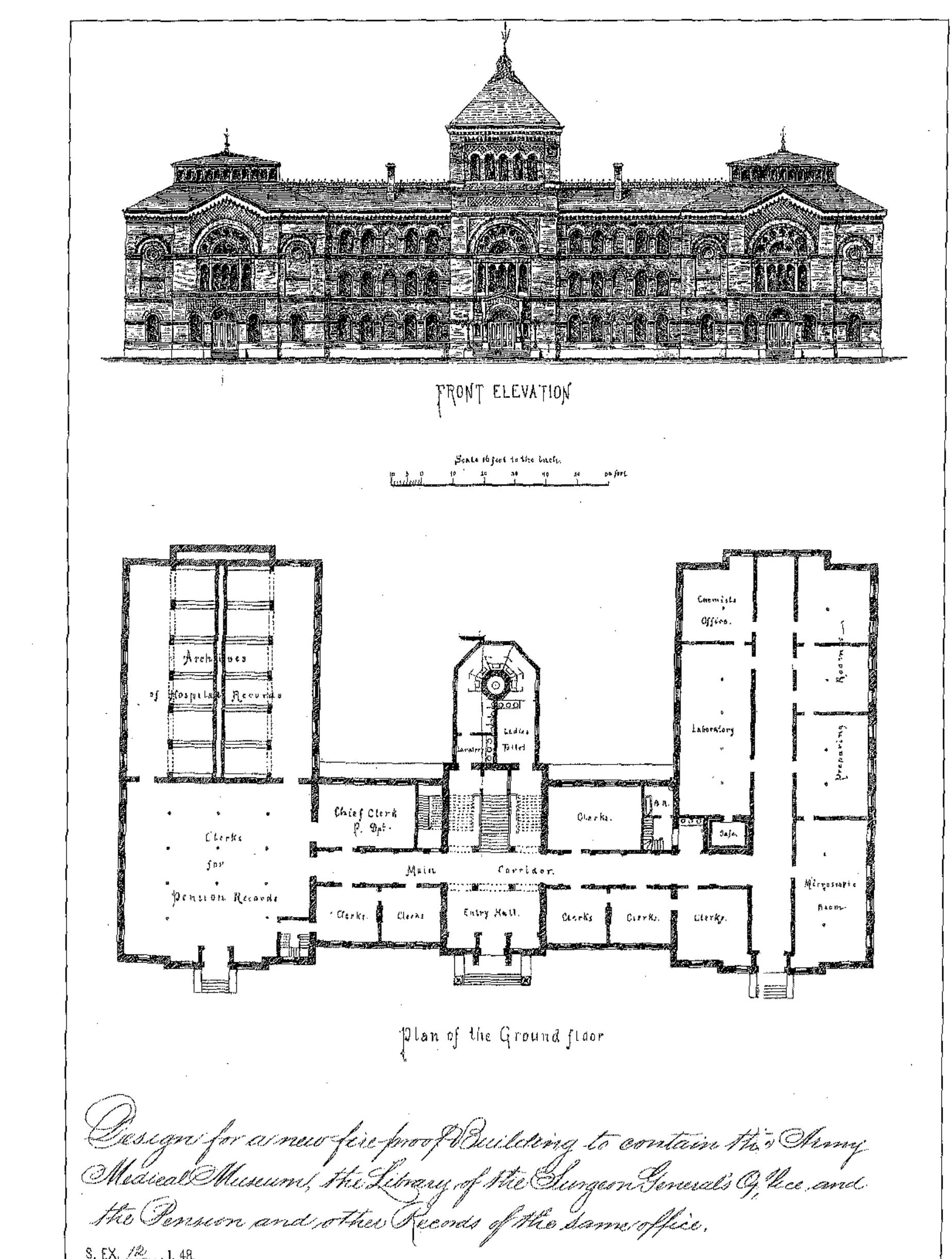
![The exhibit space and gallery, filled with specimens. direction by collecting and exhibiting the mate- rial culture of medicine. Billings focused on human anatomy and embryology, pathology, numismatics, ethnography and physical anthro- pology, comparative anatomy, specimen preparation, and the development of the micro- scope. At the same time he illustrated the work of the Army Medical Department. Towards the end of his tenure, he collected medical instruments and military artifacts, including equipment and supplies, especially those of foreign armies. These new collections were an attempt to build a national medical museum with a broad encyclo- pedic reach.*? Museum staff, especially Dr. William Gray, provided pathological diagnoses for Army physicians—setting the stage for the even- tual transformation of the Army Medical Museum into the Army Institute of Pathology and later, the Armed Forces Institute of Pathology. sonian enabled the organizations to work even more closely together. The new space also enabled Billings to aggressively expand the collections. In addition to illustrating “the effects, both immedi- ate and remote, of wounds and of the disease that prevailed in the Army,” he looked specifically to obtain “specimens to illustrate the methods of work of the best anatomists, physiologists and pathologists of Europe.”2° He had the surgeon general issue to Army doctors an extensive wish list with 24 categories including “abnormities [sic]” and “deformities,”*! Billings developed the museum’s comparative and human anatomy col- lections along with its anthropological ones, but also moved the museum in a more “historical”](https://figures.academia-assets.com/38336705/figure_010.jpg)