







580 California St., Suite 400
San Francisco, CA, 94104

967
views

AI generated
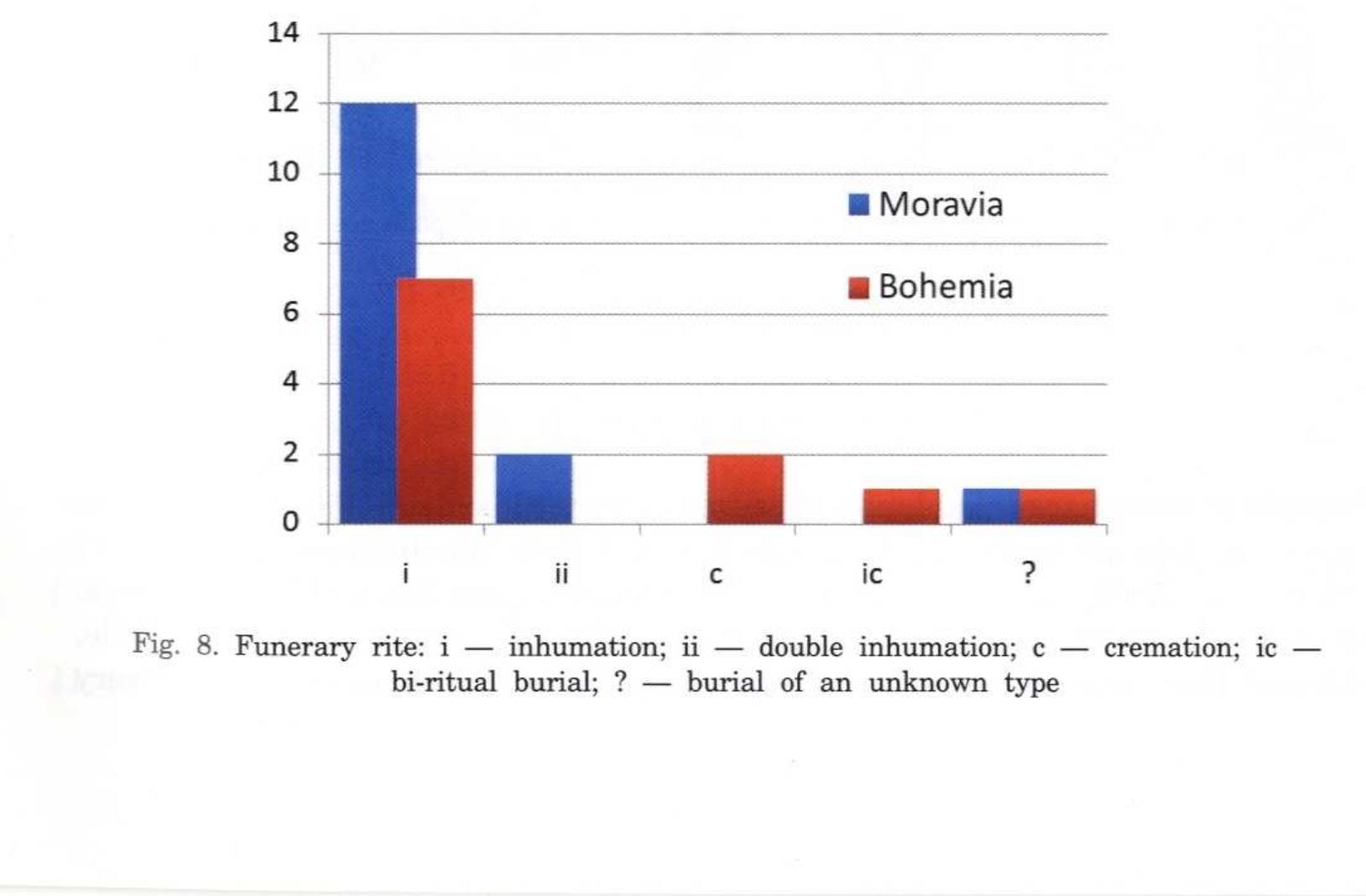
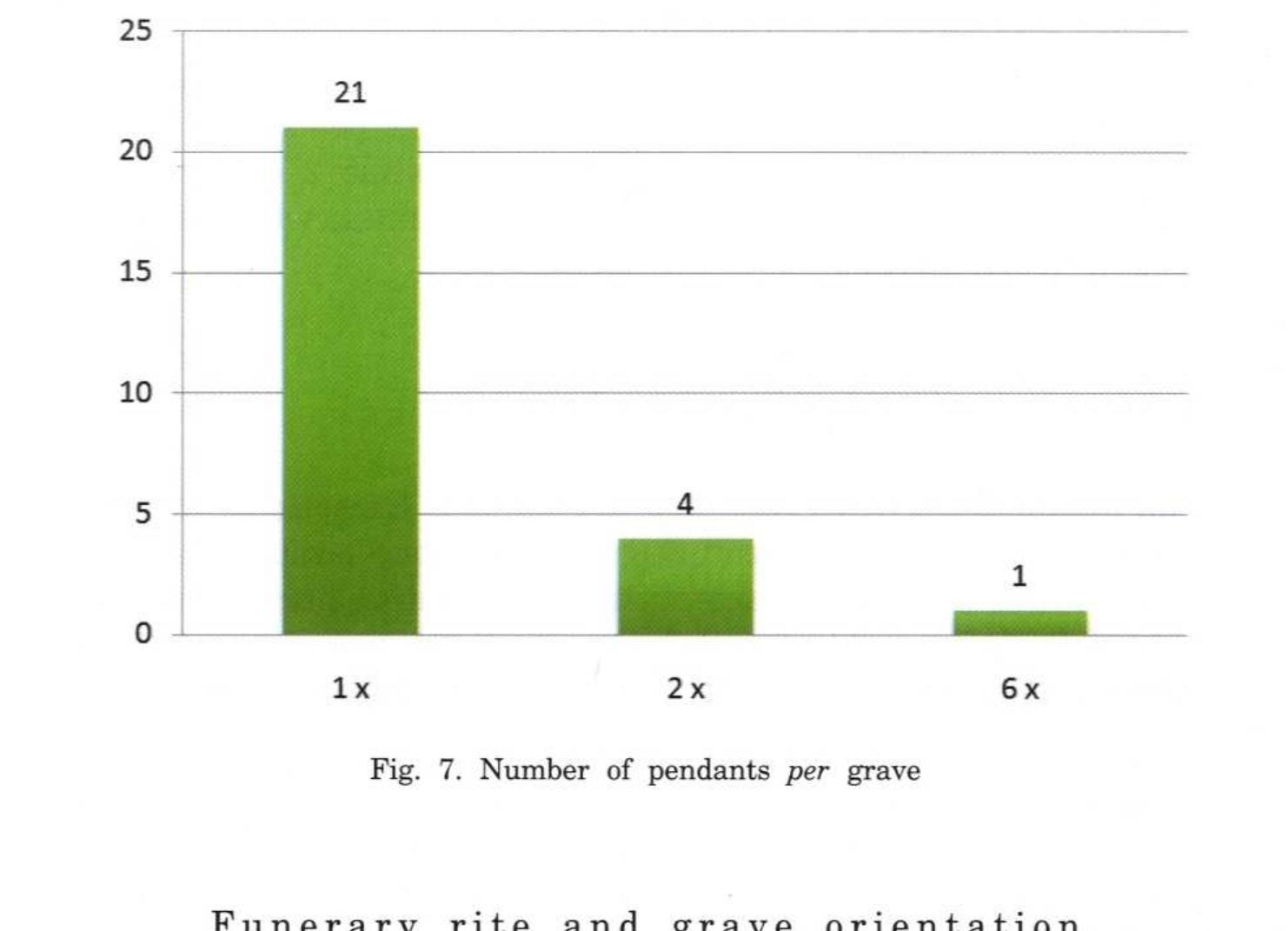
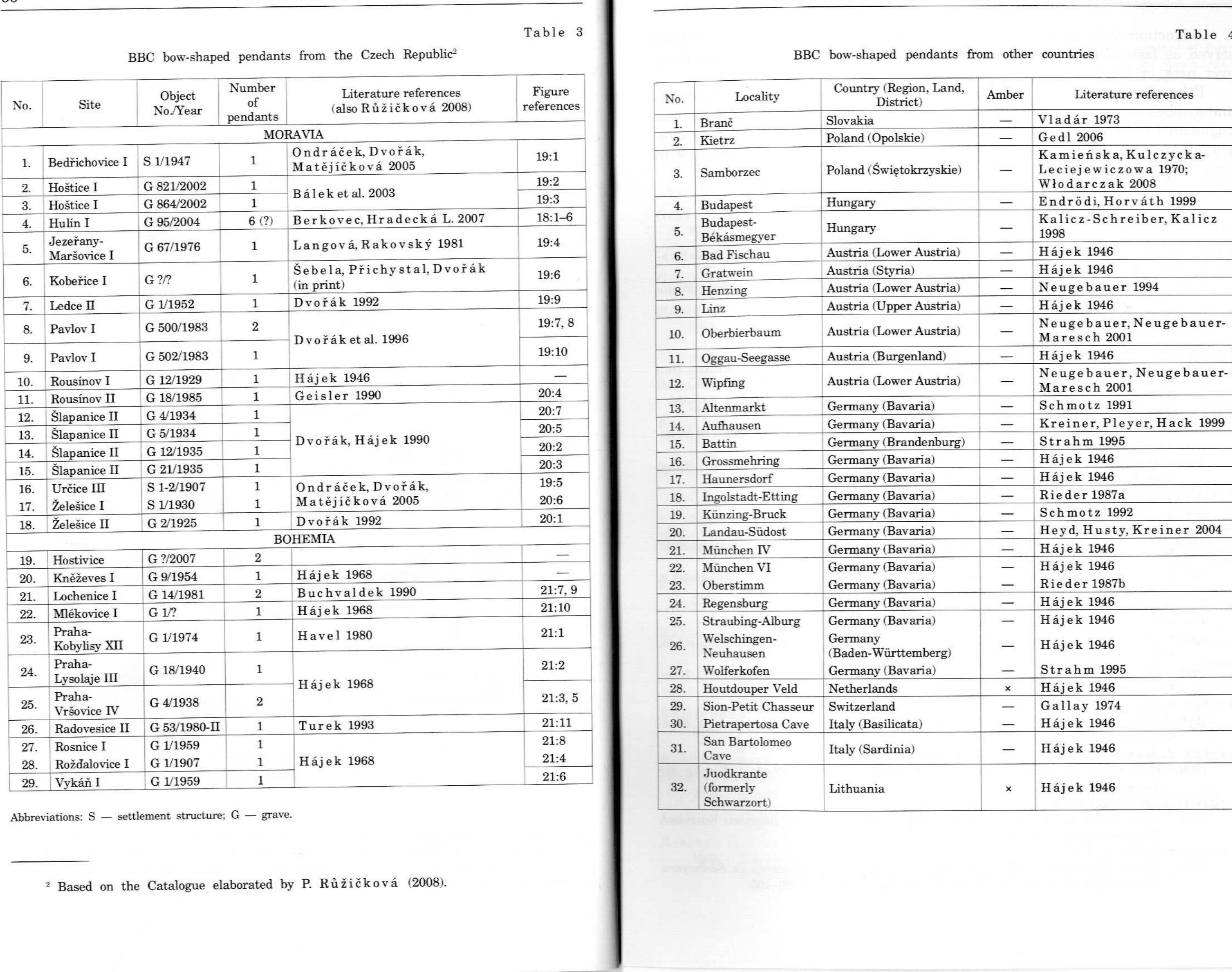
The study indicates that 37 pendants from the Czech Republic, primarily found in male burials, suggest their role as status symbols or garb fasteners, with 14 graves oriented south to north, commonly associating them with gendered cultural practices.
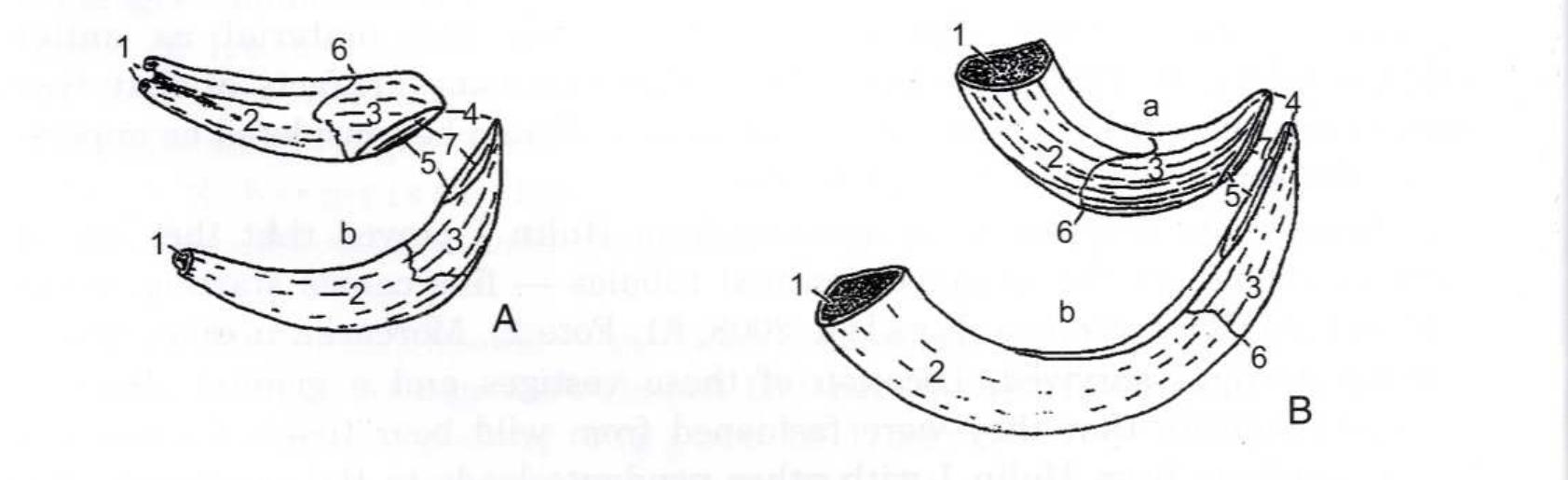
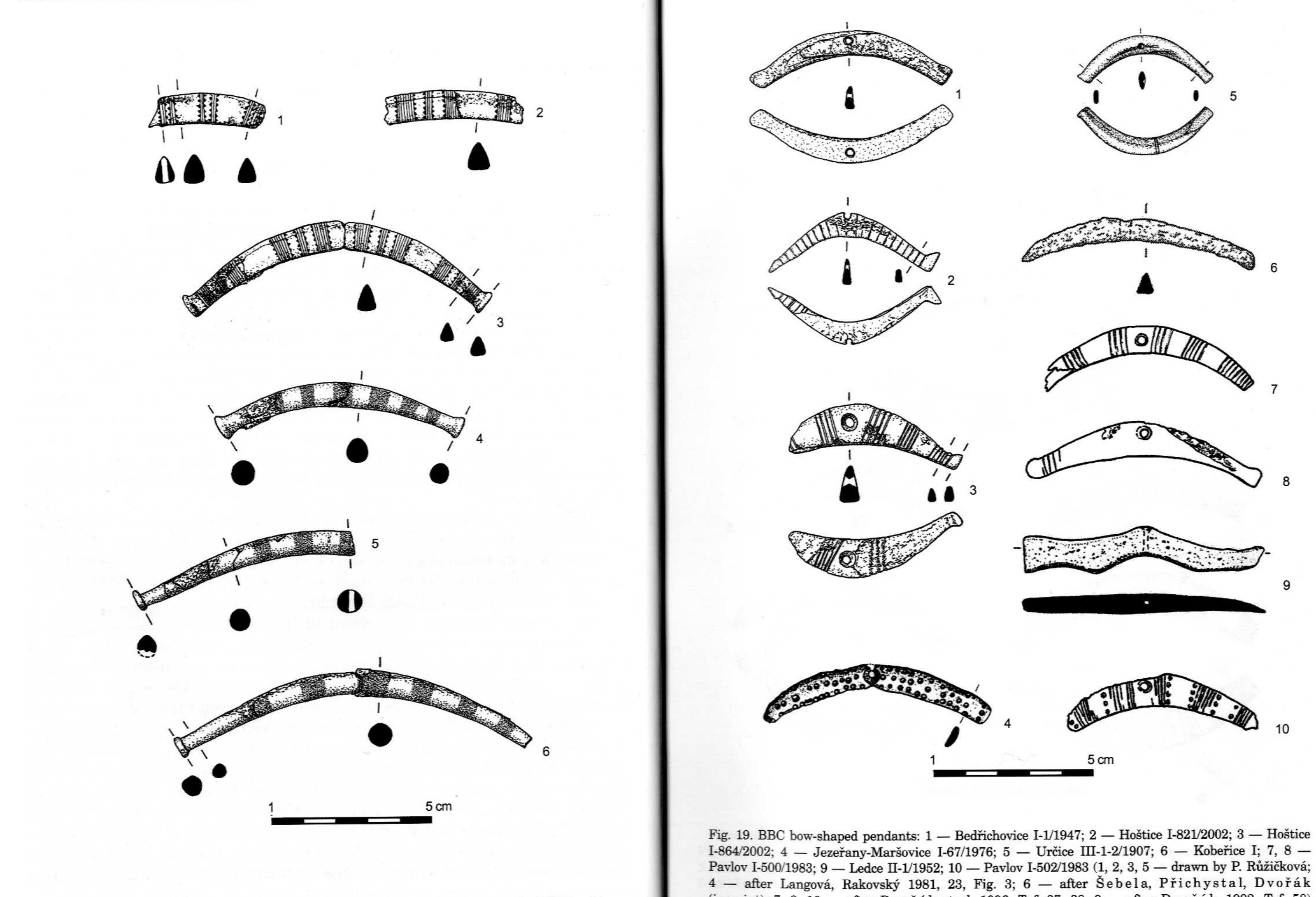
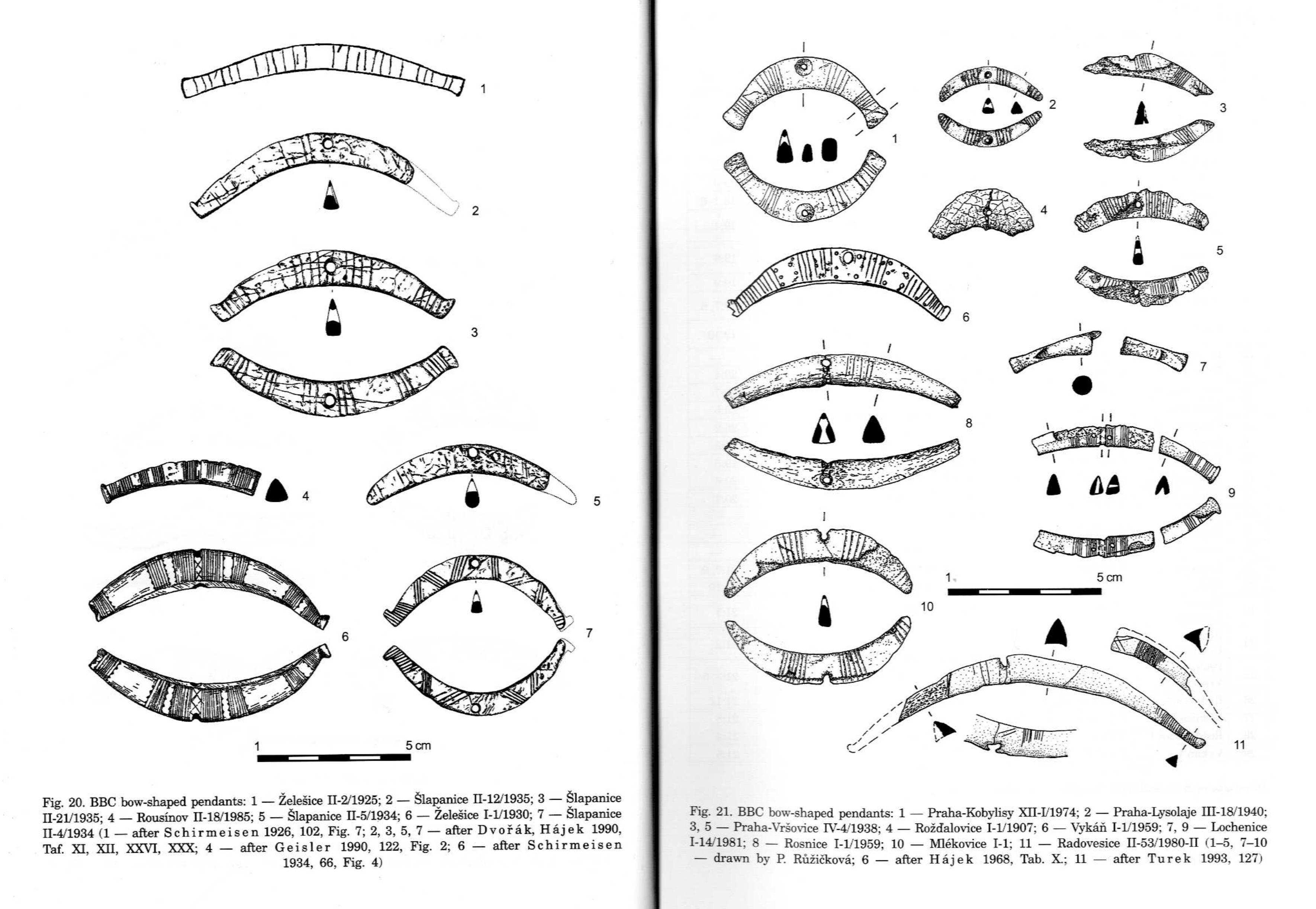
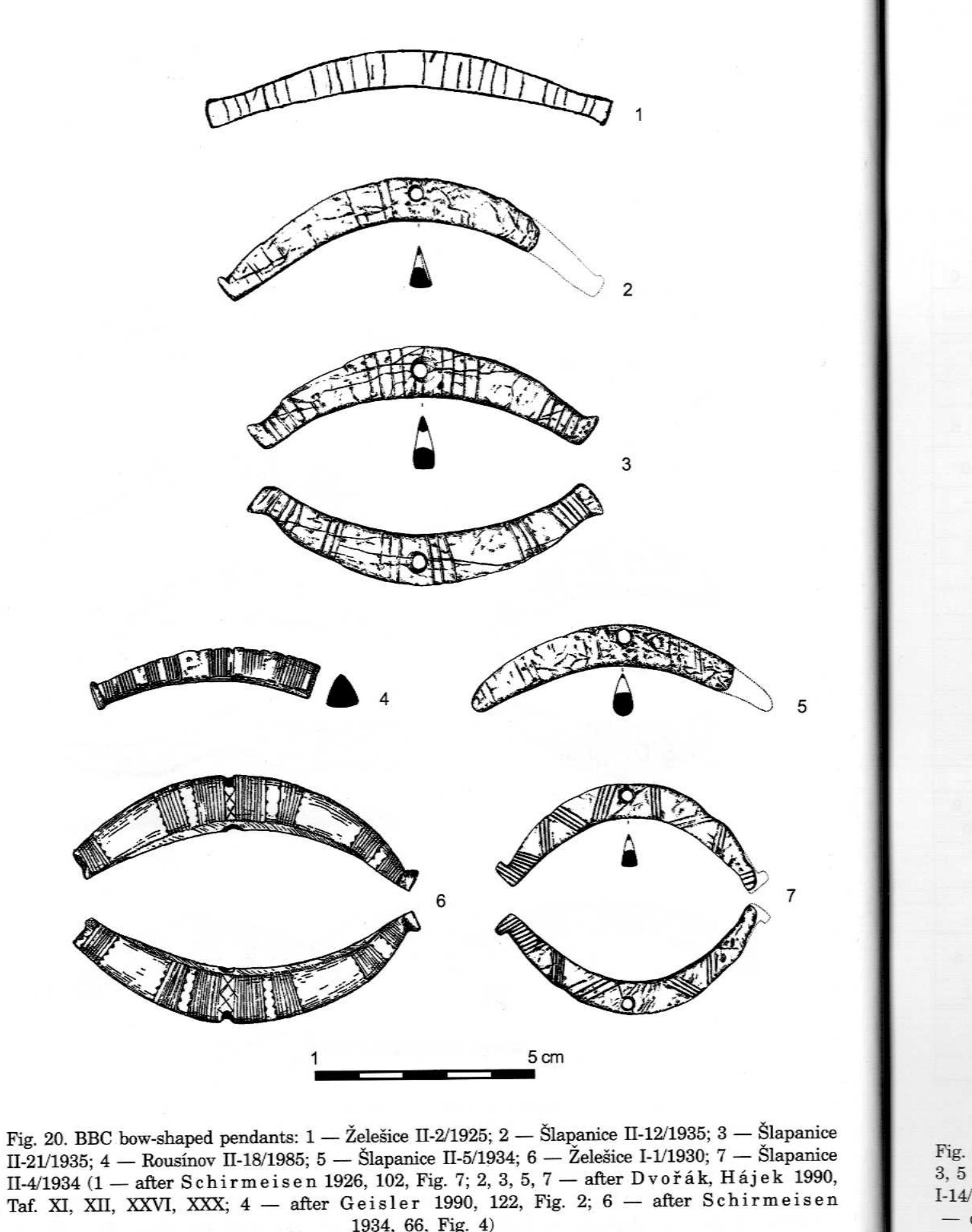
Bow-shaped pendants were predominantly made from wild boar tusks, showing ornamentation such as groups of parallel lines and hanging triangles, with a notable example being the artifact from grave 502/1983 at Pavlov I covered in dotted ornamentation.
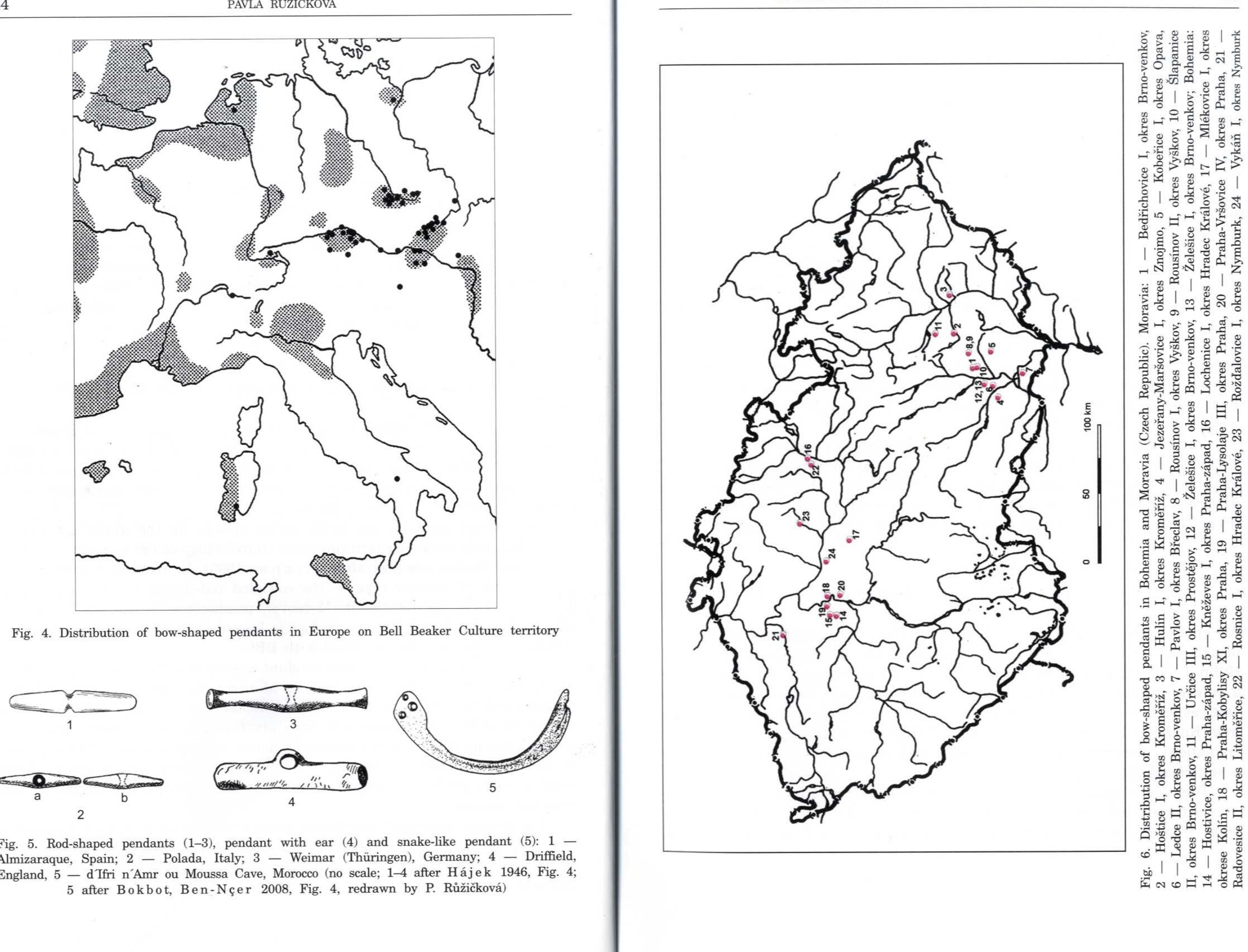
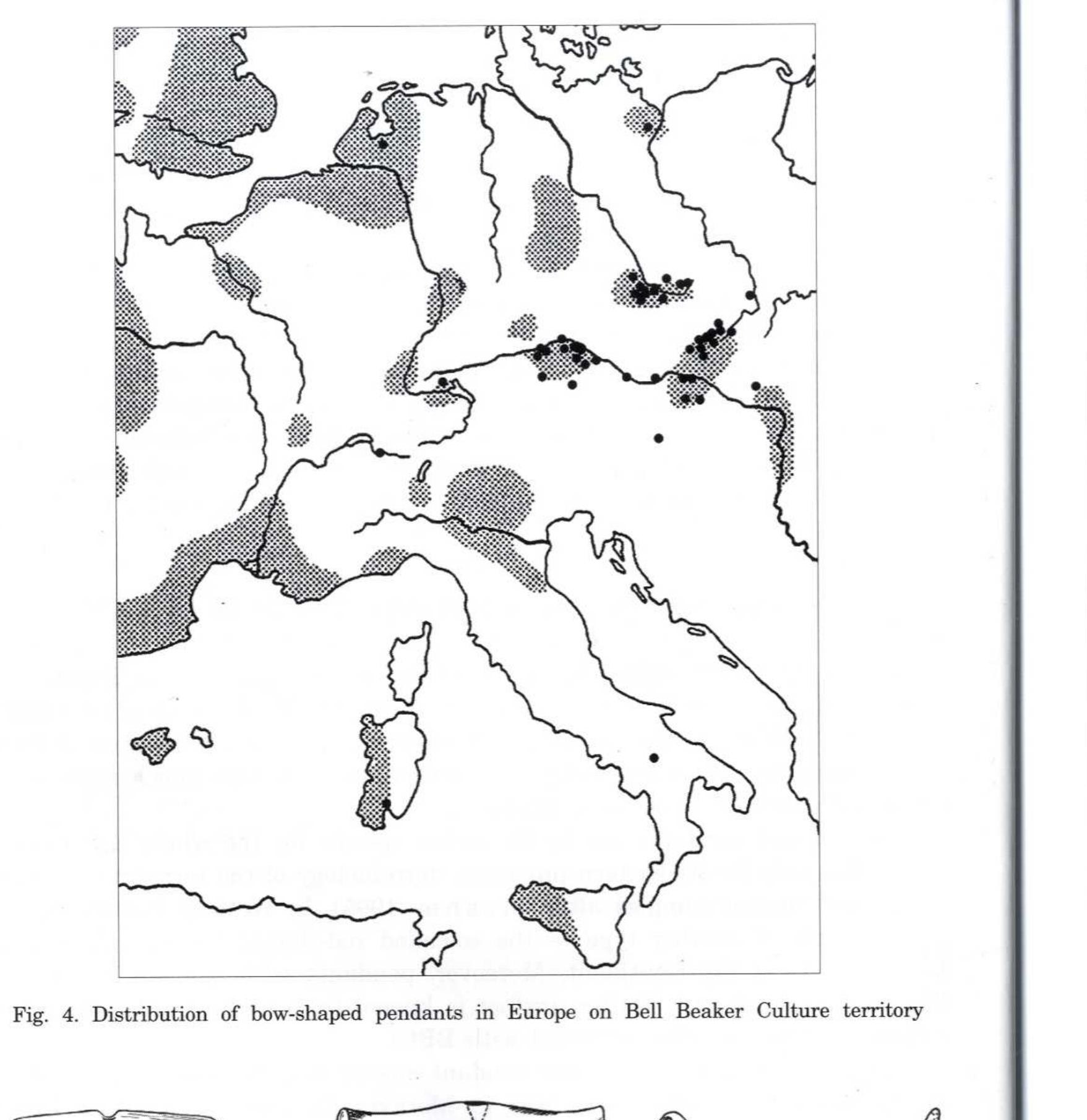
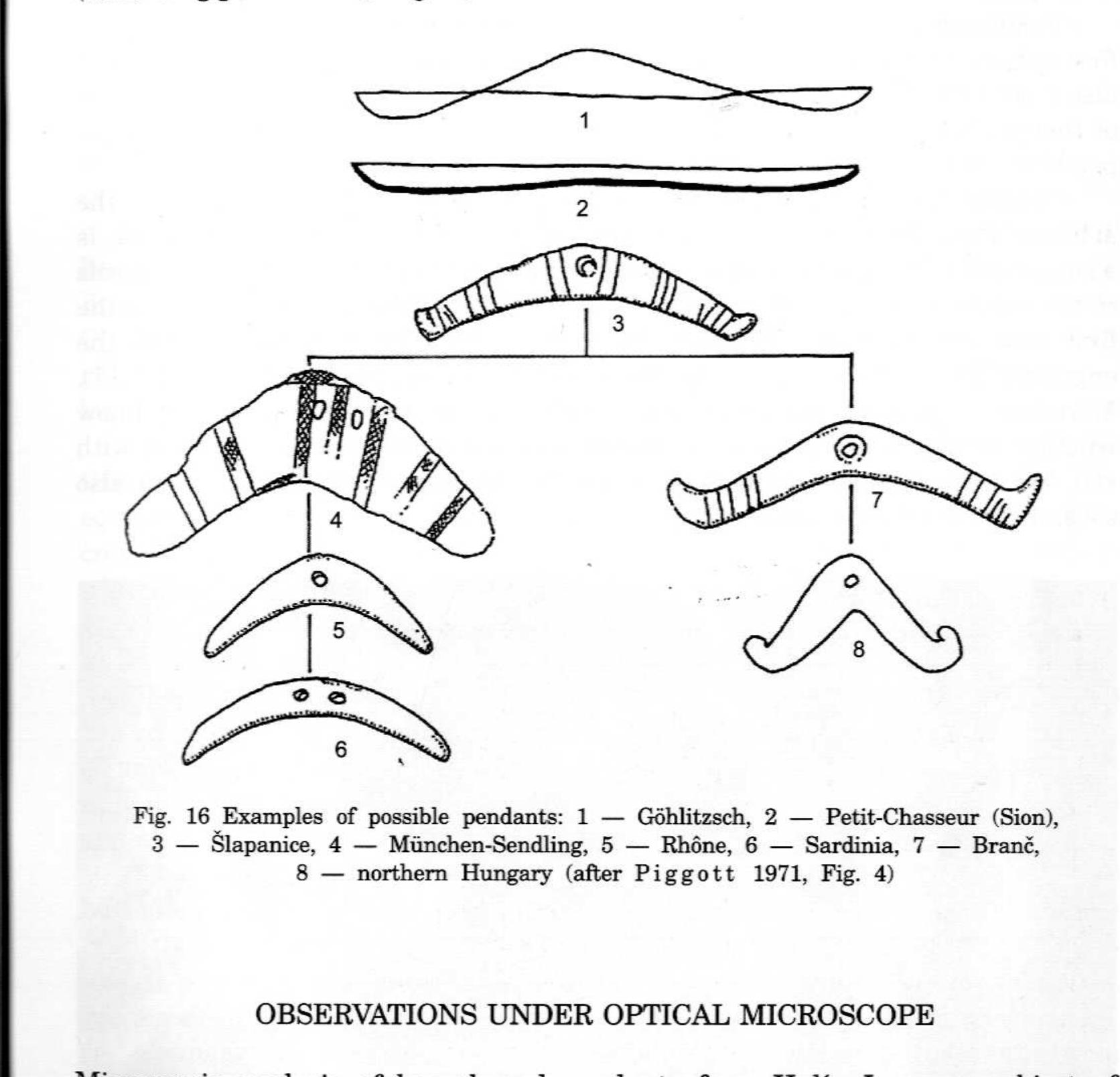
The paper identifies that bow-shaped pendants are concentrated in the eastern provinces of the Bell Beaker culture with 55 localities noted, predominantly in Moravia and Bohemia, contrasting with rod-shaped forms observed in western territories.
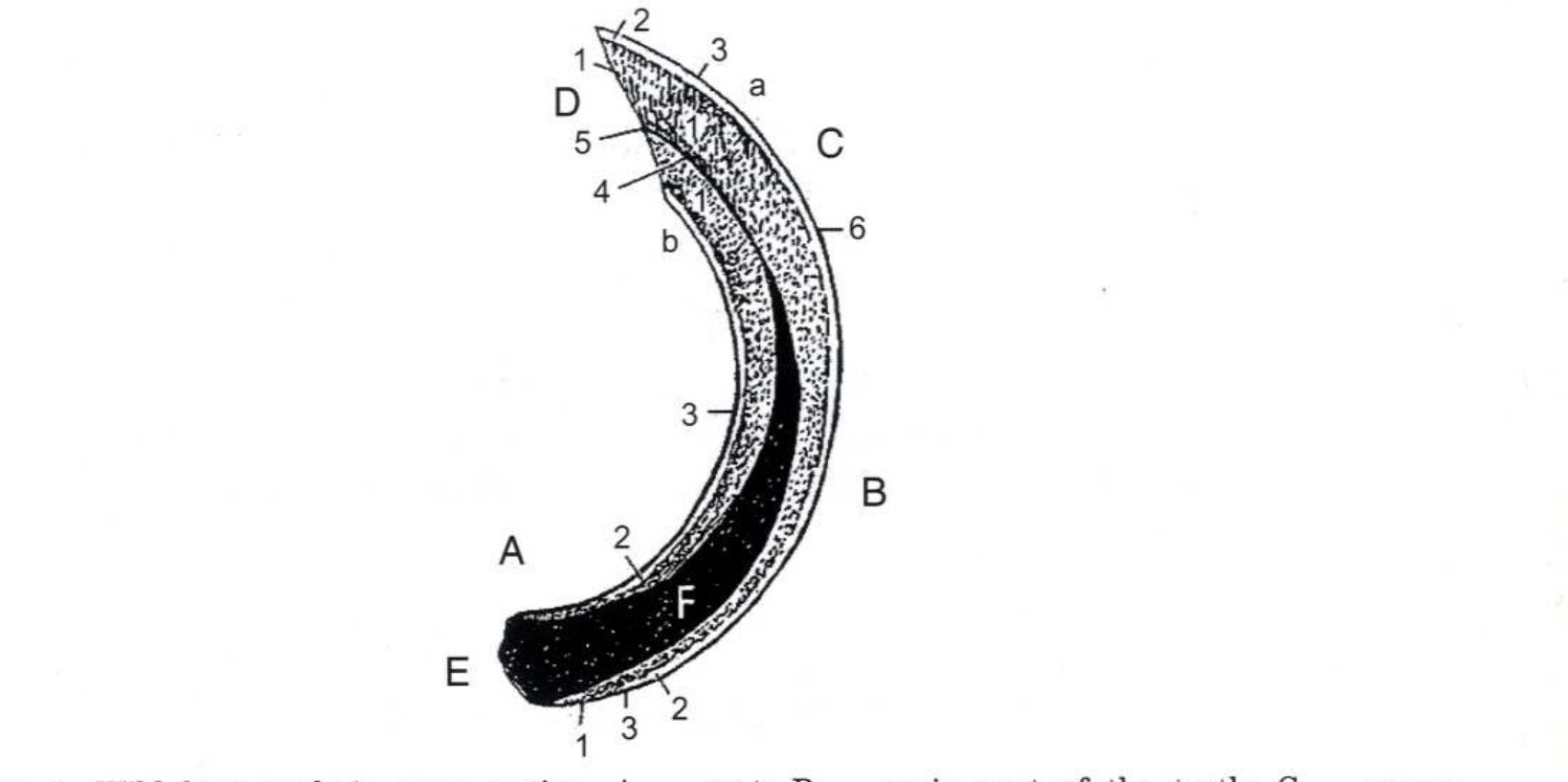
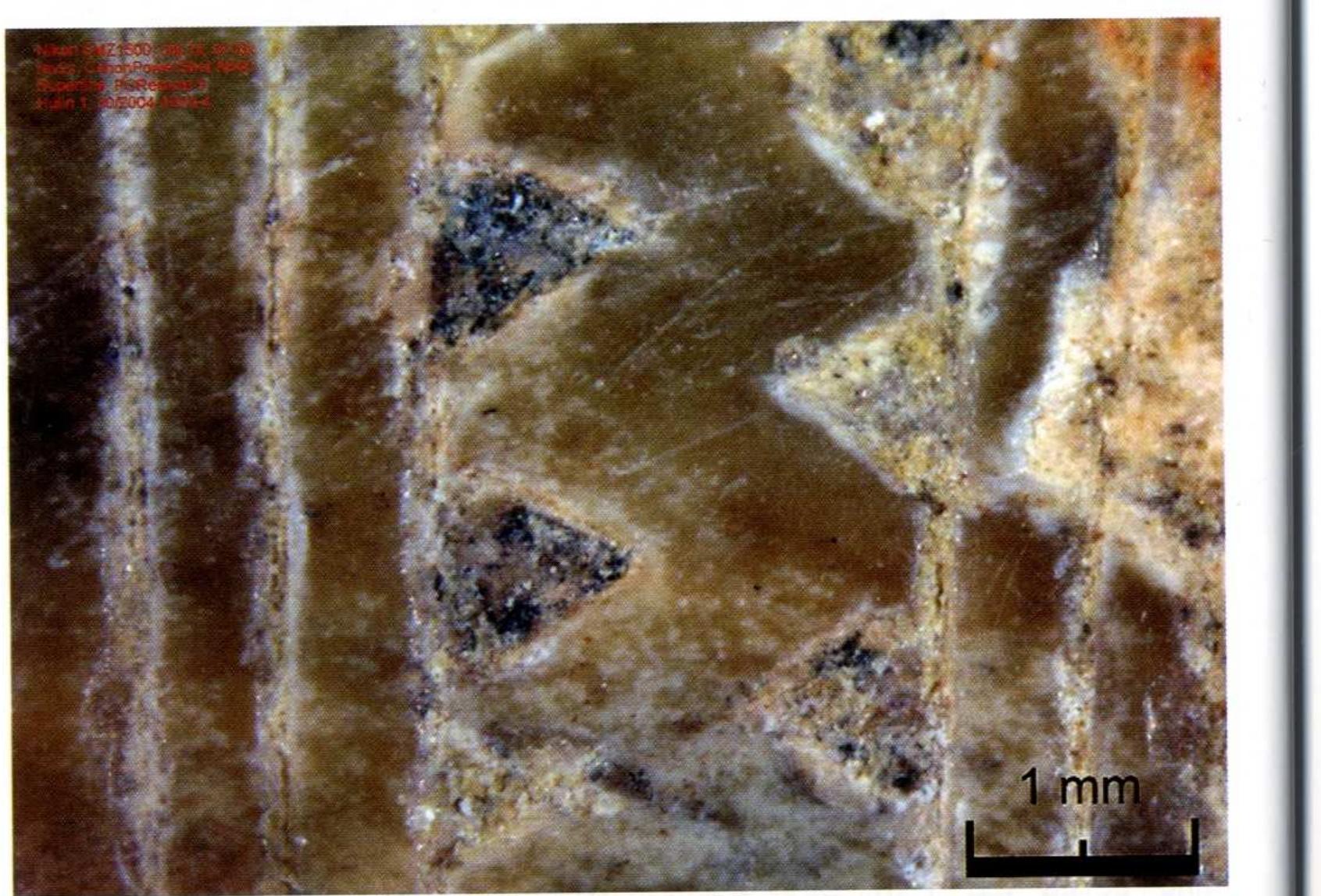
Microscopic examinations revealed the pendants were primarily fashioned from dentin of wild boar tusks, with historical references examined for corroboration, such as findings from Hulin I showcasing traces of enamel and ornamental grooves.
These artifacts predominantly appear in the middle phase of the Bell Beaker culture, as evidenced by their association with funerary assemblages containing decorated beakers, suggesting their decline in significance towards later phases.