The Iron Age ritual building at Uppåkra, southern Sweden
https://doi.org/10.1017/S0003598X00094813Last updatedAbstract
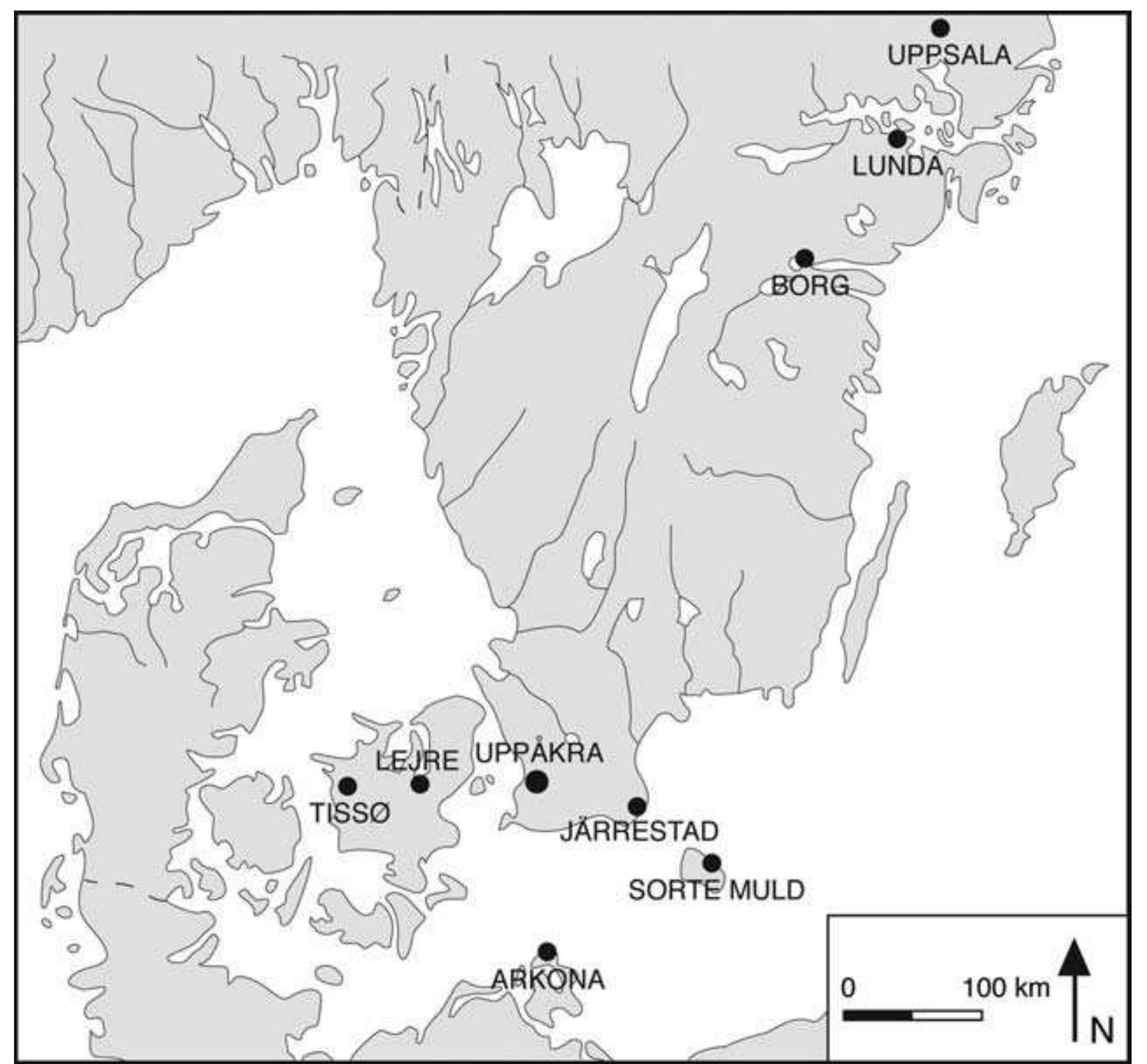
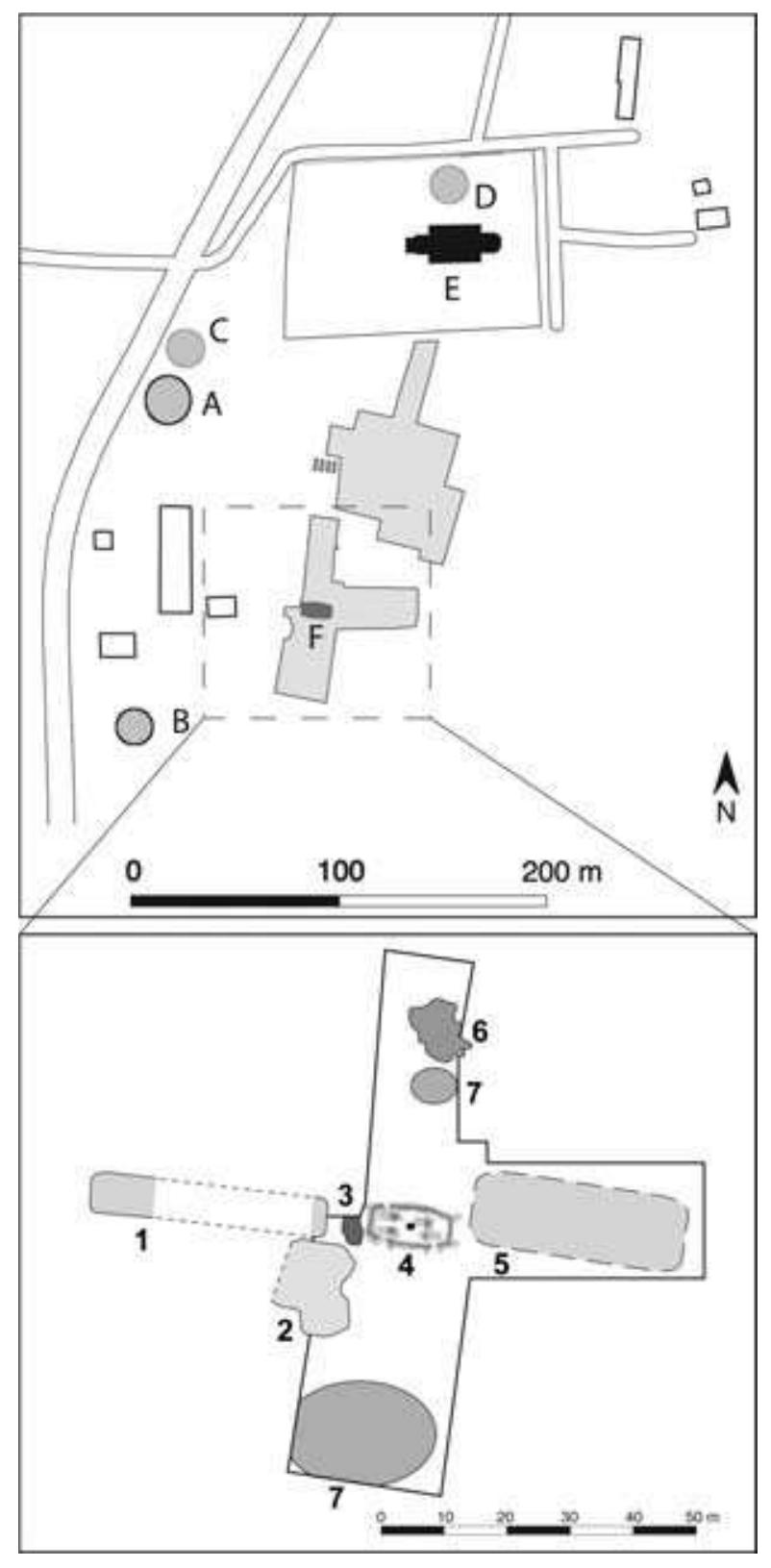
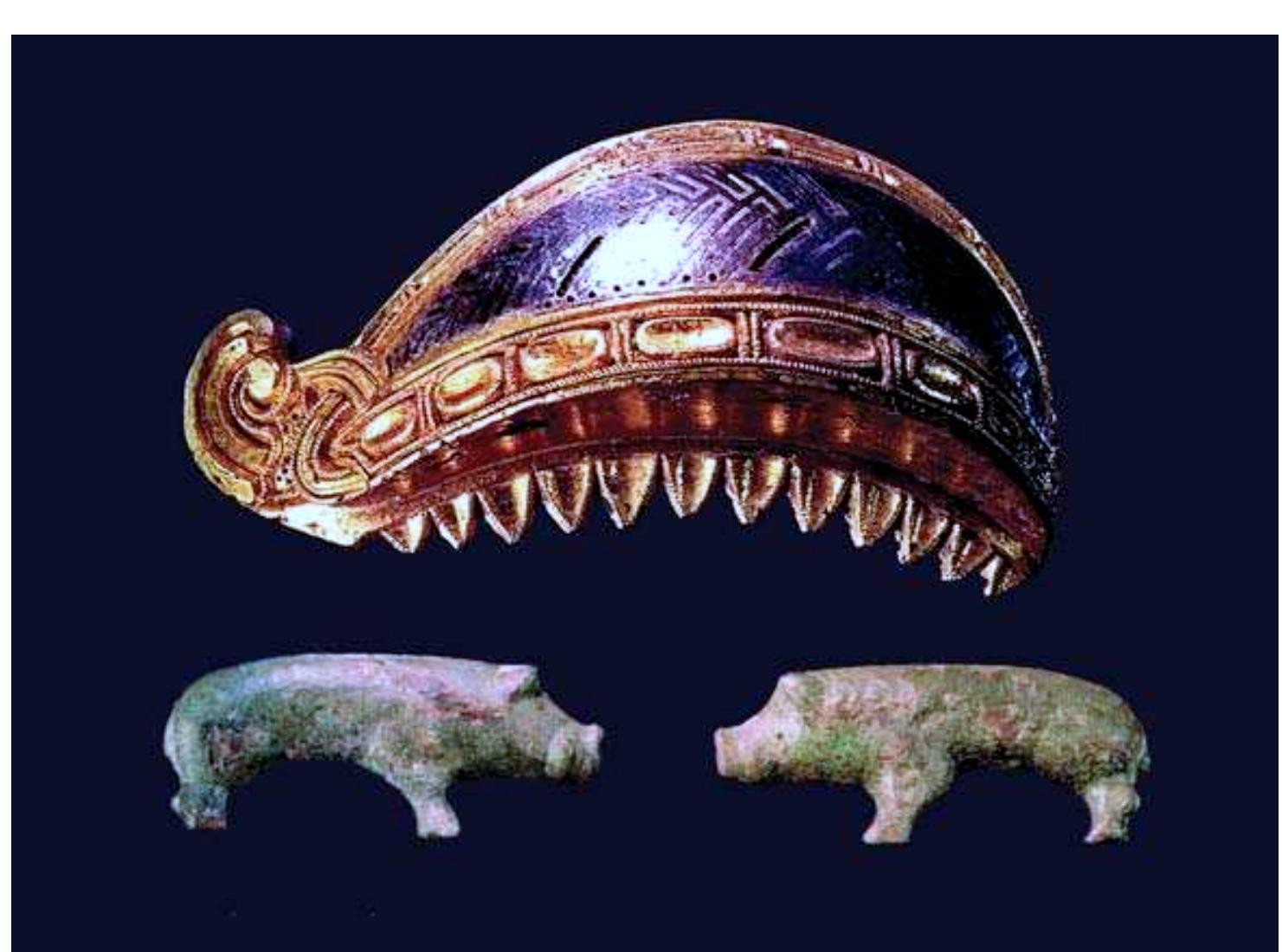
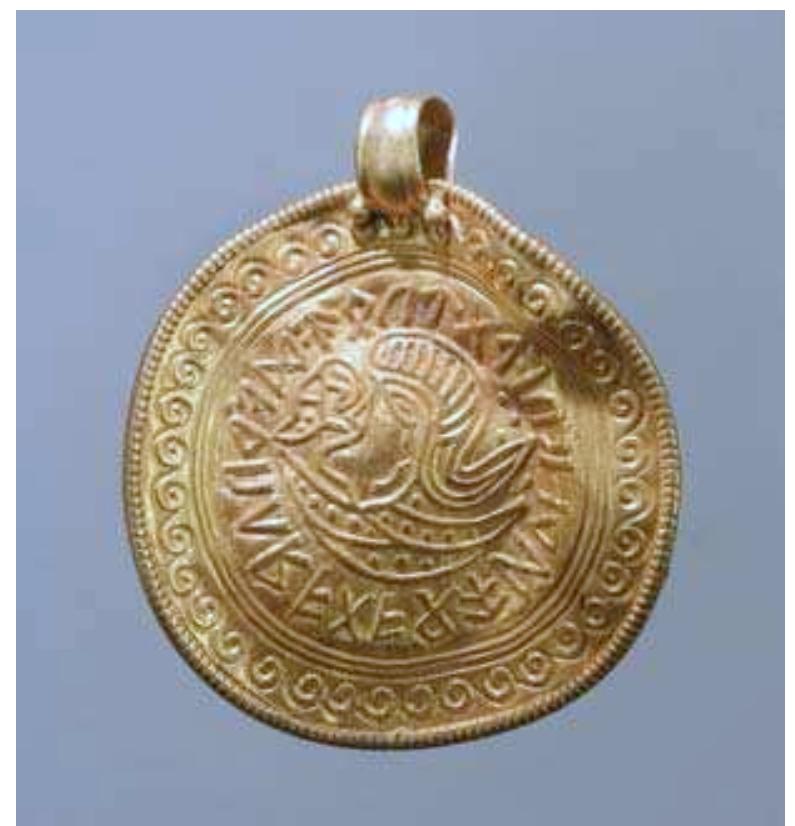
Six years ago we reported the discovery of a central place at Uppåkra in southern Sweden which promised to be unusually rich and informative (Hårdh 2000). At 40ha it already stood out as the largest concentration of residual phosphate in the whole province of Scania, with surface finds of Roman and late Iron Age metalwork (second-tenth century AD). Following this thorough evaluation, the project moved into its excavation phase which has brought to light several buildings of the first millennium AD, among them one that has proved truly exceptional. Its tall structure and numerous ornamented finds suggest an elaborate timber cult house. This is the first Scandinavian building for which the term 'temple' can be justly claimed and it is already sign-posting new directions for the early middle ages in northern Europe.
Key takeaways
AI
AI
- Uppåkra is the largest Iron Age site in southern Sweden, covering 40ha with rich archaeological finds.
- The ritual building, a unique stave house, was in use from the 3rd century AD to the Viking Age.
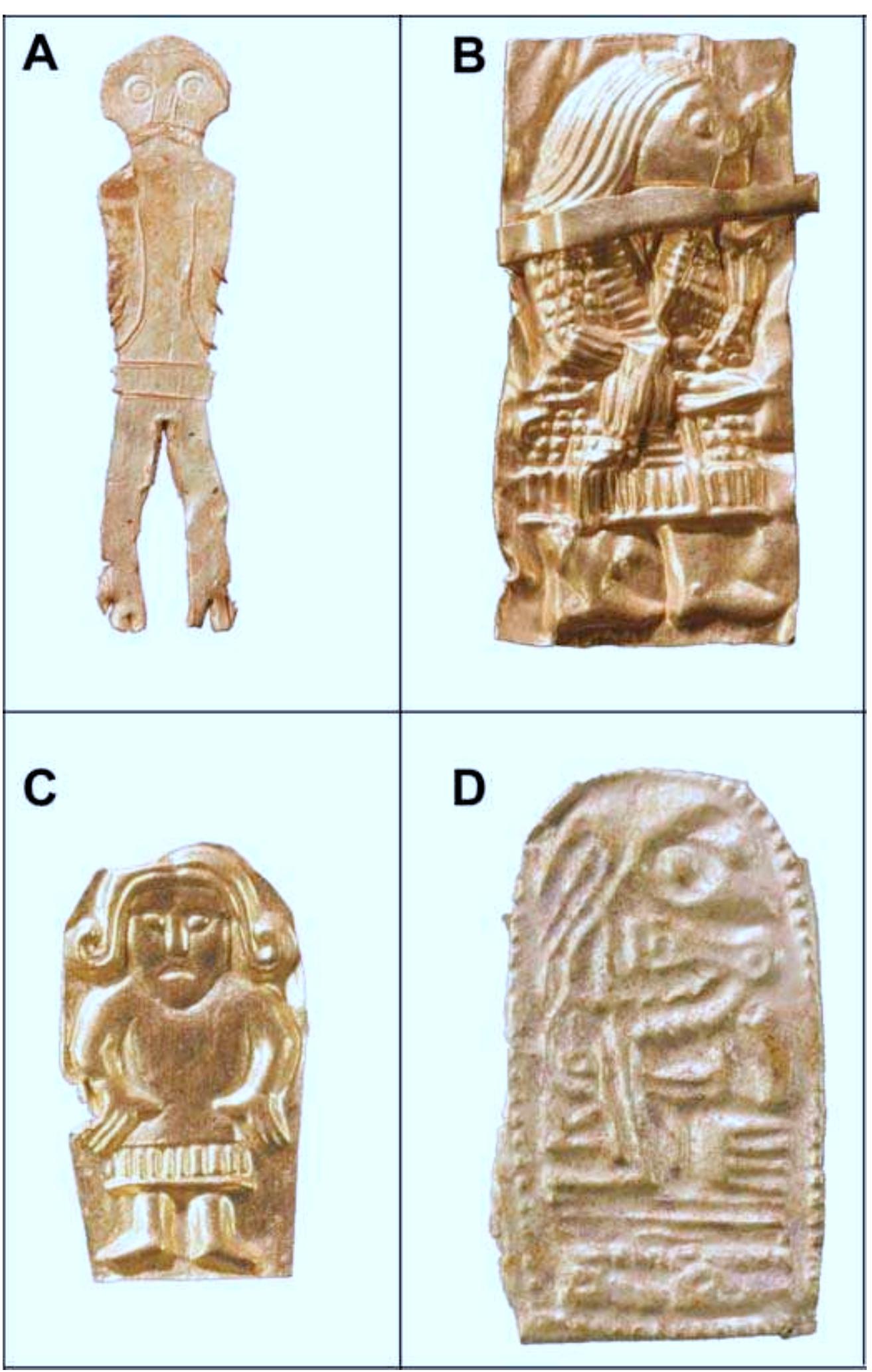
- Excavations revealed over 20,000 finds, including a significant collection of gold-foil figures and metalwork.
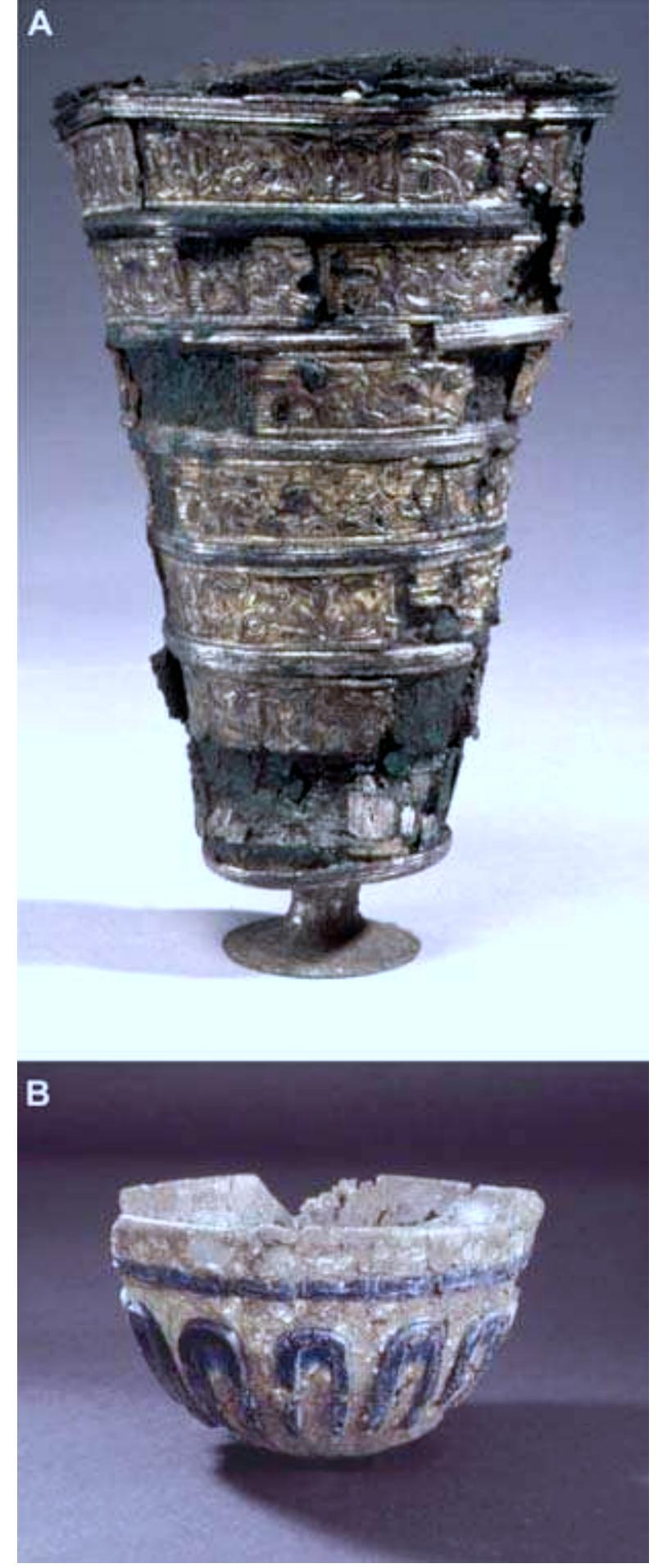
- A cache of a bronze beaker and glass bowl suggests the building's religious significance and high craftsmanship.
- Uppåkra's continuous occupation reflects its long-standing political, social, and religious importance in Iron Age Scandinavia.
References (52)
- Adam Of Bremen. History of the Archbishops of Hamburg-Bremen. Translated with an introduction and notes by Francis J. Tschan. 1959. New York: Columbia University Press.
- Andersson, G., L. Beronius J örpelan, J. Dun ér, S. Fritsch & E. Skyllberg. 2004. Att föra gudarnas talan ( Riksantikvarieämbetet Arkeologiska Undersökningar Skrifter 55). Stockholm: Riksantikvarieämbetet.
- Andr én, A. 2002. Platsens betydelse. Norrön ritual och kultplatskontinuitet, in K. Jennbert, A. Andrén & C. Raudvere (ed.) Plats och praxis. Studier av nordisk förkristen ritual (Vägar till Midgård 2): 299-342. Lund: Nordic Academic Press.
- Arrhenius, B & Eriksson, G. (ed.). 1997. SIV, Svealand i vendel-och vikingatid. Studier från delprojekten vid Stockholms universitet. Duplicate. Stockholm: Department of Archaeology.
- Artursson, M. 2005. Böndernas hus, in A. Carlie (ed.). Järnålder vid Öresund. Skånska spår - arkeologi längs Västkustbanan. Stockholm: Riksantikvarieämbetet.
- Christensen, T. 1991. Lejre -syn og sagn. Roskilde: Roskilde Museums Forlag.
- Fabech, L. 1994. Reading society from the cultural landscape. South Scandinavia between sacral and political power, in P. O. Nielsen, K. Randsborg & H. Thrane (ed.) The Archaeology of Gudme and Lundeborg. Papers presented at a conference at Sverdborg, October 1991: 169-83. Copenhagen: Akademisk Forlag.
- -1999. Centrality in sites and landscapes, in C. Fabech & J. Ringtved (ed.) Settlement and landscape. Proceedings of a conference in Århus, Denmark May 4-7 1998: 455-73. Aarhus: Jutland Archaeological Society.
- Gr äslund, A. 2001. Ideologi och mentalitet. Om religionsskiftet i Skandinavien från en arkeologisk horisont (Occational Papers in Archaeology 24). Uppsala: Department of Archeaology and Ancient History.
- H • ardh, B. 2000. Uppåkra -a centre in south Sweden in the 1st millenium AD. Antiquity 74: 640-8. -2003. The contacts of the central place, in L. Larsson & B. Hårdh (ed.) Centrality -Regionality. The social structure of southern Sweden during the Iron Age (Uppåkrastudier 7/Acta Archaeologica Lundensia, Series in 8 • , 40): 27-66. Stockholm: Almqvist & Wiksell International.
- -2004. The metal beaker with embossed foil bands, in L. Larsson (ed.) Continuity for centuries. A ceremonial building and its context at Uppåkra, southern Sweden (Uppåkrastudier 10/Acta Archaeologica Lundensia, Series in 8 • , 48): 49-91. Stockholm: Almqvist & Wiksell International.
- Hedeager, L. 1990. Danmarks jernalder. Mellem stamme og stat. Aarhus: Aarhus Universitetsforlag. -2000. Migration period Europe: the formation of a political mentality, in F. Theuws & J. L. Nelson (ed.) Rituals of power. From Late Antiquity to the Early Middle Ages: 15-57. Leiden: Brill.
- -2001. Asgard reconstructed? Gudme -a 'central place' in the North, in M. De Jong & F. Theuws (ed.) Topographies of Power in the Early Middle Ages: 467-507. Leiden: Brill.
- -2002. Scandinavian 'central places' in a cosmological setting, in B. Hårdh & L. Larsson (ed.) Central Places in the Migration and Merovingan Periods. Papers from the 52 nd Sachsensymposium Lund, August 2001 (Uppåkrastudier 6/Acta Archaeologica Lundensia Series in 8˚, 39): 3-18. Stockholm: Almqvist & Wiksell International.
- Helgesson, B. 2002. Järnålderns Skåne. Samhälle, centra och regioner (Uppåkrastudier 5/Acta Archaeologica Lundensia, Series in 8 • , 38). Stockholm: Almqvist & Wiksell International.
- -2004. Tributes to be spoken of. Sacrifice and warriors at Uppåkra, in L. Larsson (ed.) Continuity for centuries. A ceremonial building and its context at Uppåkra, southern Sweden (Uppåkrastudier 10/Acta Archaeologica Lundensia, Series in 8 • , 48): 223- 39. Stockholm: Almqvist & Wiksell International.
- Herschend, F. (ed.). 1997. SIV, Svealand i vendel-och vikingatid. Studier från delprojekten vid Uppsala universitet. Duplicate. Uppsala: Department of Archaeology.
- -1997. Livet i hallen (Occasional Papers in Archaeology 14). Uppsala: Institutionen för arkeologi och antikens historia.
- -1998. The idea of the good in Late Iron Age society (Occasional Papers in Archaeology 15). Uppsala: Institutionen för arkeologi och antikens historia.
- Hultkrantz, Å. 1991. Vem är vem i nordisk mytologi. Gestalter och äventyr i Eddans gudavärld. Stockholm: Prisma.
- IlkjAEr, J. 1990. Illerup Ådal 1. Die Lanzen und Speere. Textband (Jutland Archaeological Society Publications XXV:1). Aarhus: Aarhus University Press.
- Jørgensen, L. 1998. En storgård fra vikingetid ved Tissø, Sjaelland -en foreløbig praesentation, in L. Larsson & B. Hårdh (ed.) Centrala platser, centrala frågor. Samhällsstrukturen under Järnåldern (Uppåkrastudier 1/Acta Archaeologica Lundensia, Series in 8 • , 28): 233-48. Stockholm: Almqvist & Wiksell International.
- -2002. Kongsgård -kultsted -marked. Overvejelser omkring Tissøkompleksets struktur og funktion, in K. Jennbert. A. Andrén & C. Raudvere (ed.) Plats och praxis. Studier av nordisk förkristen ritual (Vägar till Midgård 2): 215-47. Lund: Nordic Academic Press.
- Larsson, L. 2001. A building for ritual use at Uppåkra, southernmost Sweden. Antiquity 75: 679-80.
- -2002. Uppåkra -research on a central place. Recent Excavations and Results, in B. Hårdh & L. Larsson (ed.) Central places in the Migration and Merovingian Periods. Papers from the 52nd
- Sachsensymposium Lund, August 2001 (Uppåkrastudier 6/Acta Archaeologica Lundensia Series in 8˚, 39): 19-30. Stockholm: Almqvist & Wiksell International. -2003. The Uppåkra Project. Preconditions, performance and prospects, in L. Larsson & B. Hårdh (ed.) Centrality -Regionality. The social structure of southern Sweden during the Iron Age (Uppåkrastudier 7/Acta Archaeologica Lundensia, Series in 8 • , 40): 3-26. Stockholm: Almqvist & Wiksell International.
- Larsson, L. & K.-M. Lenntorp. 2004. The enigmatic house, in L. Larsson (ed.) Continuity for centuries. A ceremonial building and its context at Uppåkra, southern Sweden (Uppåkrastudier 10/Acta Archaeologica Lundensia, Series in 8 • , 48): 3-48. Stockholm: Almqvist & Wiksell International.
- Lenntorp, K.-M. & B. Piltz-Williams. 2002. Rapport. Arkeologisk förundersökning Stora Uppåkra 8:3, Fornlämning 5, Uppåkra socken, Staffanstorps kommun, Skåne län. Uppåkra 2002. Duplicate. Lund: Department of Archaeology.
- Mortensen, P. & B. M. Rasmussen (ed.). 1988. Fra Stamme til Stat i Danmark 1. Jernalderens stammesamfund (Jysk Arkaeologisk Selskabs Skrifter XXII:1). Aarhus: Aarhus University Press.
- -(ed.). 1991. Fra Stamme til Stat i Danmark 2. Høvdingesamfund og Kongemagt (Jysk Arkaeologisk Selskabs Skrifter XXII:2). Aarhus: Aarhus University Press.
- N äsman, U. 1998. The Justinianic era of South Scandinavia: an archaeological view, in R. Hodges & W. Bowden (ed.) The Sixth Century. Production, Distribution and Demand: 255-78. Leiden: Brill.
- -2000. Exchange and politics: the eighth-early ninth century in Denmark, in I. Lyse Hansen & C. Wickham (ed.) The long eighth century: 35-69. Leiden: Brill.
- N äsman, U. & E. Roesdahl. 2003. Scandinavian and European perspectives -Borg I:1, in G. Stamsø Munch, O. S. Johansen & E. Roesdahl (ed.) Borg in Lofoten. A chieftain's farm in north Norway: 283-99. Trondheim: Tapir Academic Press.
- Nielsen, A.-L. 1997. Pagan cult and votive acts at Borg. An expression of the central significance of the farmstead in the Late Iron Age, in H. Andersson, P. Carelli & L. Ersgård (ed.) Visions of the past. Trends and traditions in Swedish medieval archaeology (Studies in Medieval Archaeology 19): 373-92. Stockholm: Almqvist & Wiksell International.
- Nordahl, L. 1996. . . . templum quod Ubsola dicitur . . . i arkeologisk belysning (AUN 22). Uppsala: Department of Archaeology and Ancient History.
- Nordberg, A. 2003. Krigarna i Odins sal. Dödsföreställningar och krigarkult i fornnordisk religion. Stockholm: Religionshistoriska institutionen.
- Olsen, O. 1966. Hørg, hov og kirke. Historiske og arkaeologiske vikingetidsstudier. Aarbøger for nordisk oldkyndighed og historie 1965:1-307.
- The Poetic Edda. Translated by C. Larrington. 1996. Oxford: Oxford University Press.
- Price, N. 2002. The Viking Way. Religion and War in Late Iron Age Scandinavia (AUN 31). Uppsala: Department of Archaeology and Ancient History.
- Saxo Grammaticus. Danmarks Riges Krønike. Edited by N. E. S. Gruntvig. 1924. Copenhagen.
- Siemek, R. 1984. Dictionary of Northern Mythology. Woodbridge: Boydell & Brewer.
- Snorri Sturluson. Edda. Translated by A. Faulkes. 1997. London: Everyman.
- S öderberg, B. 2005. Aristokratiskt rum och gränsöverskridande. Järrestad och sydöstra Skåne mellan region och rike 600-1100 (Riksantikvarieämbetet. Arkeologiska undersökningar Skrifter 62). Stockholm: Riksantikvarieämbetet.
- Stjernquist, B. 1996. Uppåkra, a Central Place in Skåne during the Iron Age. Lund Archaeological Review 1995: 89-120.
- -1999. Glass from Uppåkra: A Preliminary Study of Finds and Problems, in B. Hårdh (ed.), Fynden i centrum. Keramik, glas och metall från Uppåkra (Uppåkrastudier 2/Acta Archaeologica Lundensia, Series in 8 • , 30): 67-94. Stockholm: Almqvist & Wiksell International.
- -2004a. A Magnificent Glass Bowl from Uppåkra, in L. Larsson (ed.) Continuity for centuries. A ceremonial building and its context at Uppåkra, southern Sweden (Uppåkrastudier 10/Acta Archaeologica Lundensia, Series in 8 • , 48): 103-51. Stockholm: Almqvist & Wiksell International.
- -2004b. A Glass Beaker with Cut Decoration, Found at Uppåkra, in L. Larsson (ed.) Continuity for centuries. A ceremonial building and its context at Uppåkra, southern Sweden (Uppåkrastudier 10/Acta Archaeologica Lundensia, Series in 8 • , 48): 152-66. Stockholm: Almqvist & Wiksell International.
- Sundqvist, O. 2002. Frey's Offsprings. Rulers and Religion in Ancient Svea Society (Acta Universitatis Upsaliensis. Historia Religonum 21). Uppsala. -2004. Uppsala och Asgård. Makt, offer och kosmos i forntida Skandinavien, in A. Andrén, K. Jennbert & C. Raudvere (ed.) Ordning mot kaos. Studier av nordisk förkristen kosmologi (Vägar till Midgård 4). Lund: Nordic Academic Press.
- Vierck, H. 1981. Imitatio imperii und interpretatio Germania vor der Wikingerzeit, in R. Zeitler (ed.) Les Pays du Nord et Byzance (Scandinavie et Byzance). Actes du colloque nordique et international de byzantinologie tenu à Uppsala 20-22 avril 1979: 64-113. Uppsala.
- Vifot, B.-M. 1936. Järnåldersboplatsen vid Uppåkra. Meddelanden från Lunds universitets historiska museum 1936: 97-141.
- Watt, M. 1991. Sorte Muld. Høvdingesaede og kultcentrum fra Bornholms yngre jernalder, in P. Mortensen & B. M. Rasmussen (ed.) Fra Stamme til Stat i Danmark 2. Høvdingesamfund og Kongemagt (Jysk Arkaeologisk Selskabs Skrifter XXII:2): 89-106. Aarhus: Aarhus University Press. -2004. The gold-Figurefoils ("Guldgubbar") from Uppåkra, in L. Larson (ed.) Continuity for centuries. A ceremonial building and its context at Uppåkra, southern Sweden (Uppåkrastudier 10/Acta Archaeologica Lundensia, Series in 8 • , 48): 167-221. Stockholm: Almqvist & Wiksell International.
- Zachrisson, T. 2004a. Det heliga på Helgö och dess kosmiska referenser, in A. Andrén, K. Jennbert & C. Raudvere (ed.) Ordning mot kaos. Studier av nordisk förkristen kosmologi (Vägar till Midgård 4): 243-87. Lund: Nordic Academic Press. -2004b. The holiness of Helgö, in H. Clarke & K. Lamm (ed.) Excavation at Helgö XVI. Exotic and Sacral Finds from Helgö: 143-75. Stockholm: Almqvist & Wiksell International.
FAQs
AI
What key features distinguish the ritual building at Uppåkra?
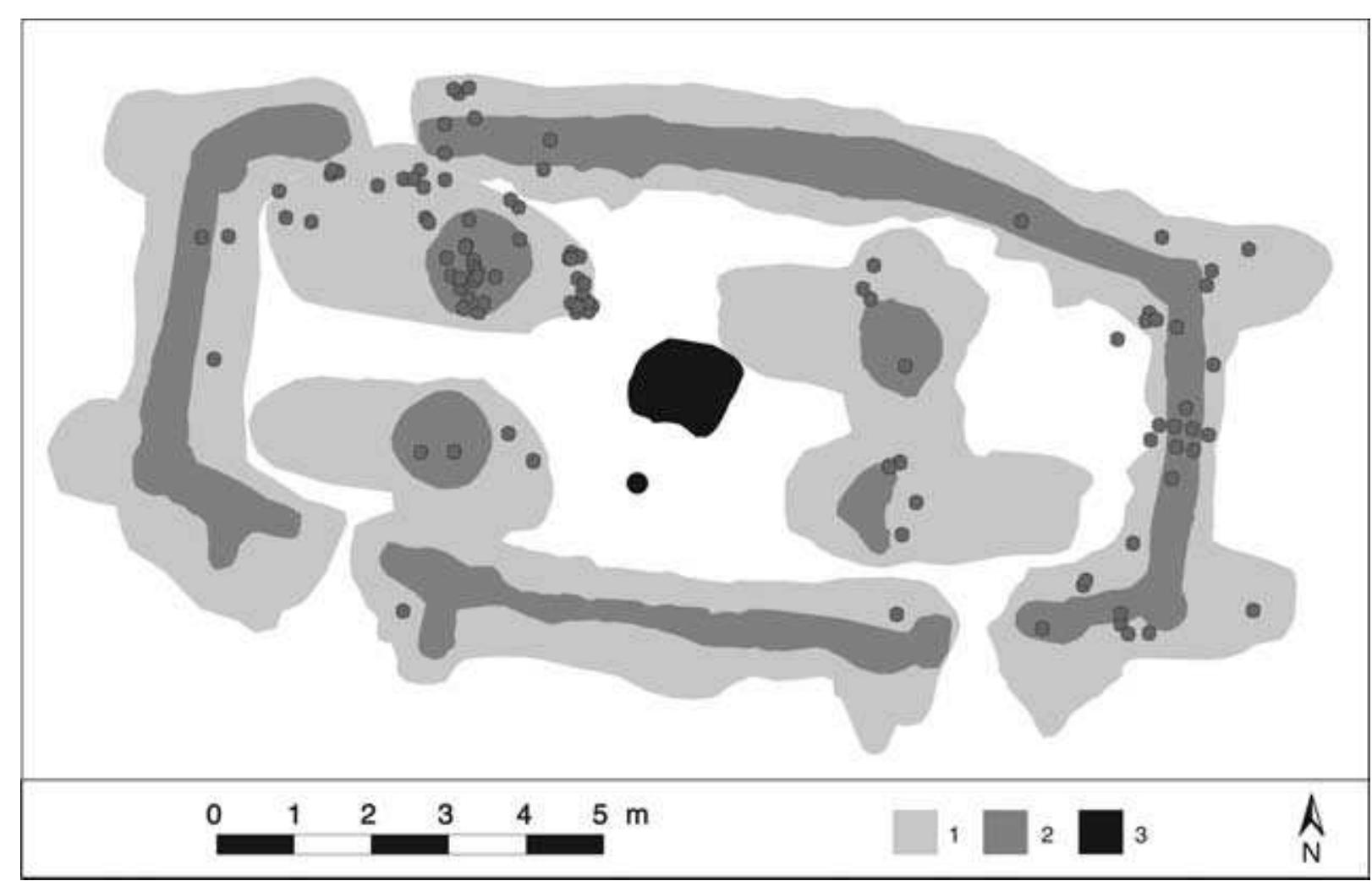
The ritual building measured 13.5m by 6m and included a central fireplace, distinctively preserved post-holes, and multiple entrances, indicating its monumental significance during the Iron Age.
How does the timeline of construction phases at Uppåkra correlate with historical periods?
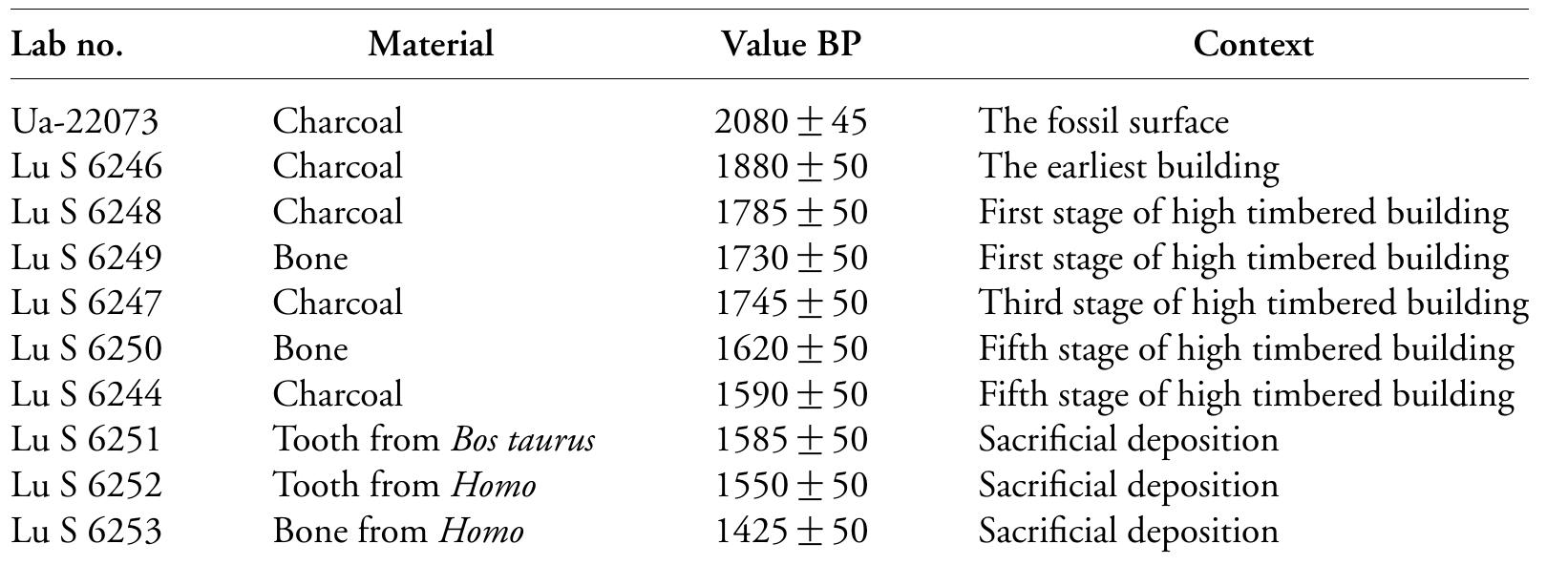
Radiocarbon dating shows the first building phase began in the 3rd century AD, continuing through the Viking Age, reflecting a usage span of over 600 years.
What types of artifacts were discovered surrounding the ritual building?
Artifacts included a bronze and silver beaker dated around AD 500, and over 111 gold-foil plaques, forming the second-largest collection in Scandinavia.
What implications do weapon depositions at Uppåkra have for understanding Iron Age beliefs?
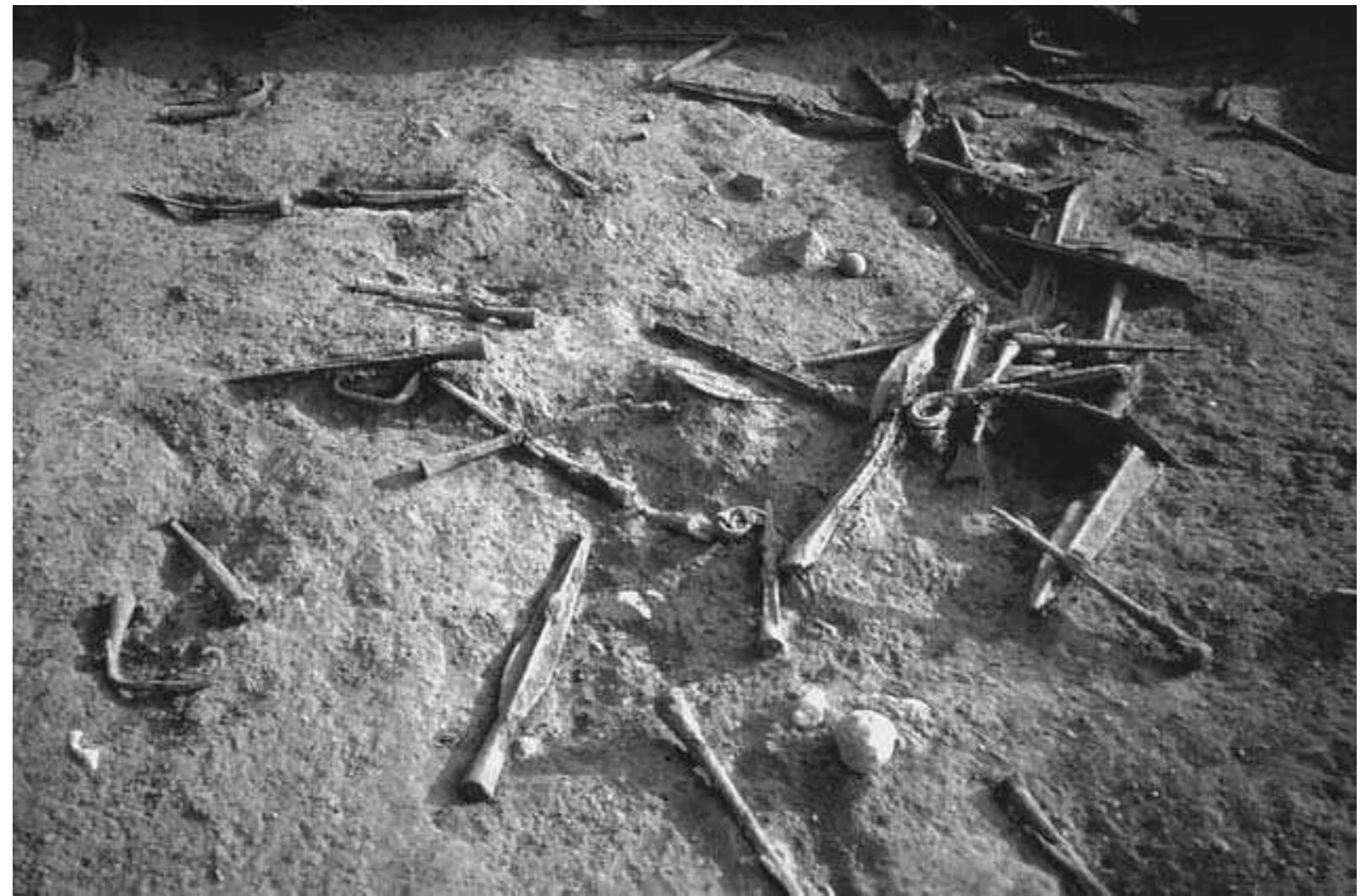
The north and south deposits contained over 300 weapons, suggesting ritualistic practices possibly linked to sacrifices during the 6th and 7th centuries AD.
How does the structural uniqueness of Uppåkra relate to its cultural significance?
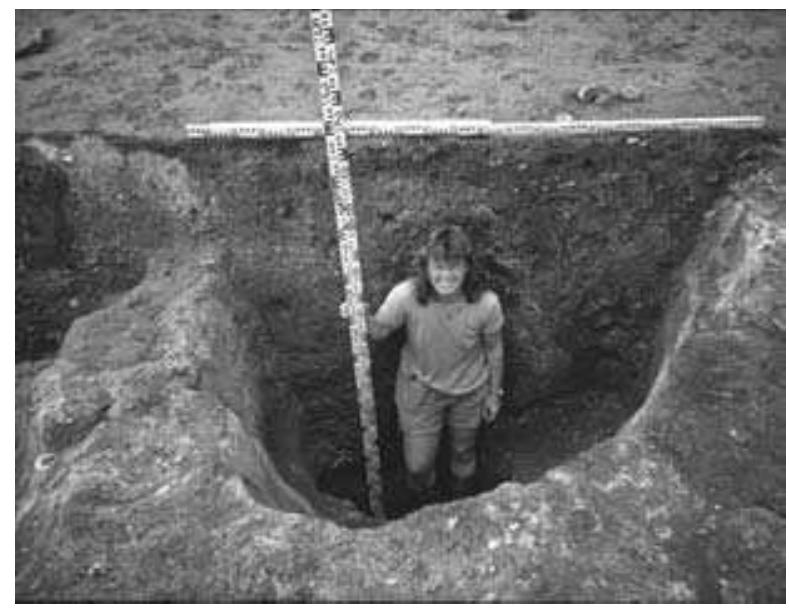
The building's oversized corner posts and stave-wall construction represent a blend of local tradition and ceremonial importance, reflecting societal stability over several centuries.
Lars Larsson