
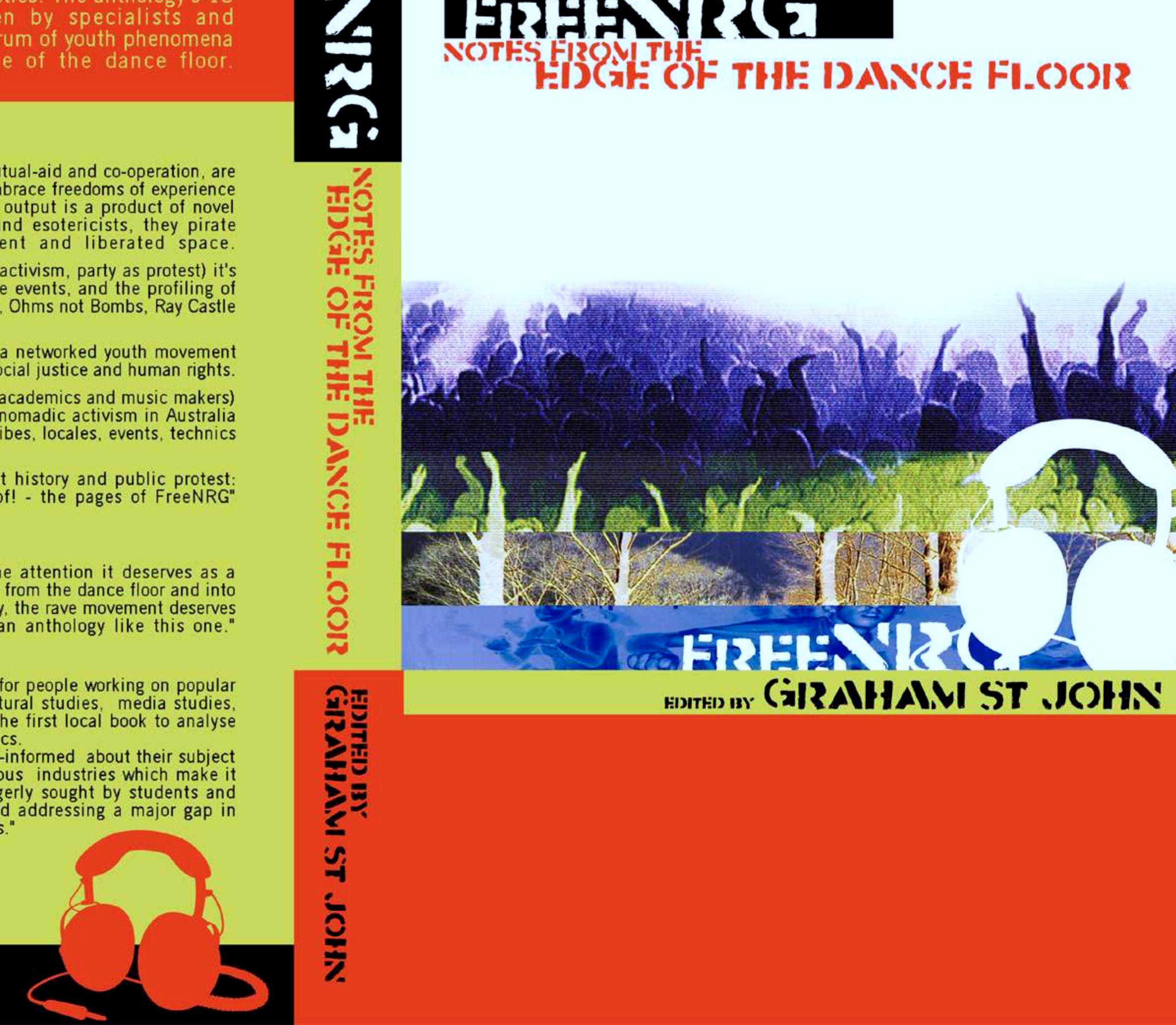
FreeNRG: Notes From the Edge of the Dance Floor (Commonground, 2001)
2001
…
210 pages
Sign up for access to the world's latest research
Abstract
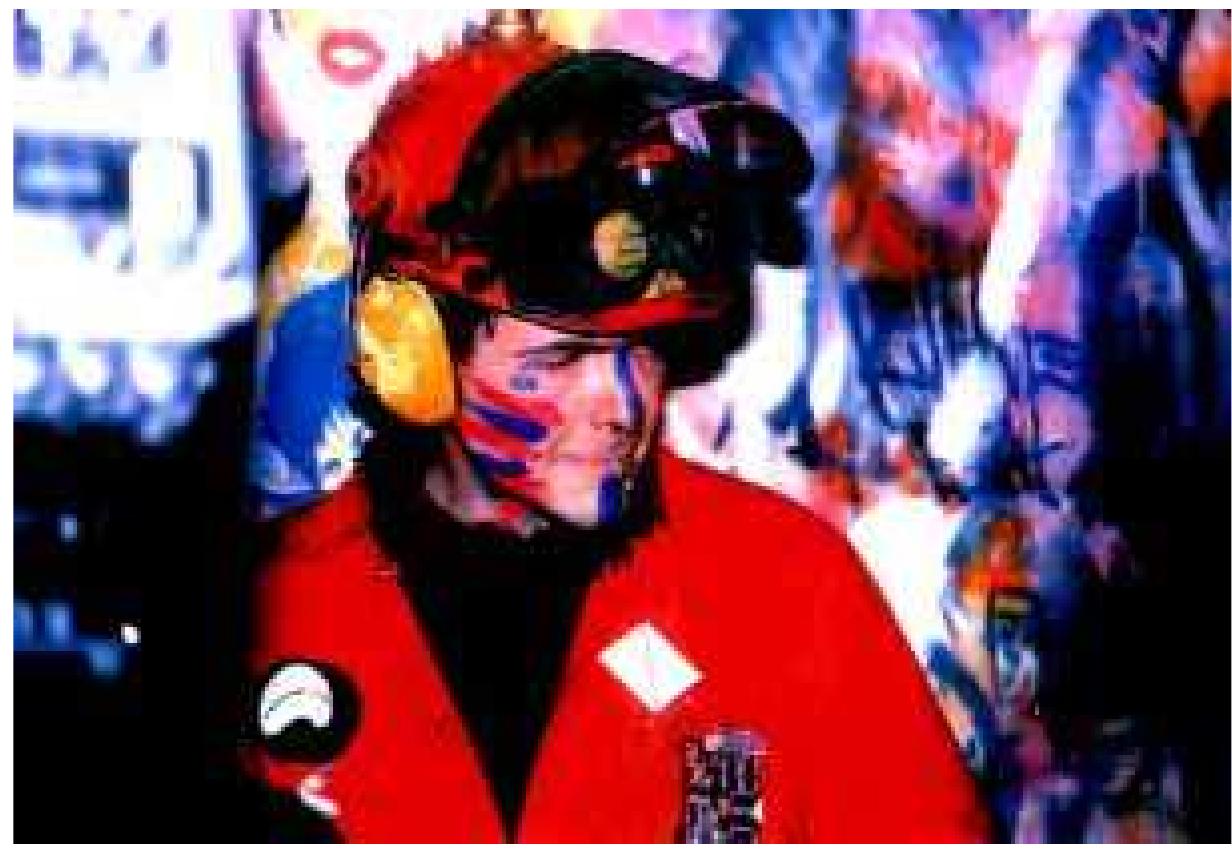
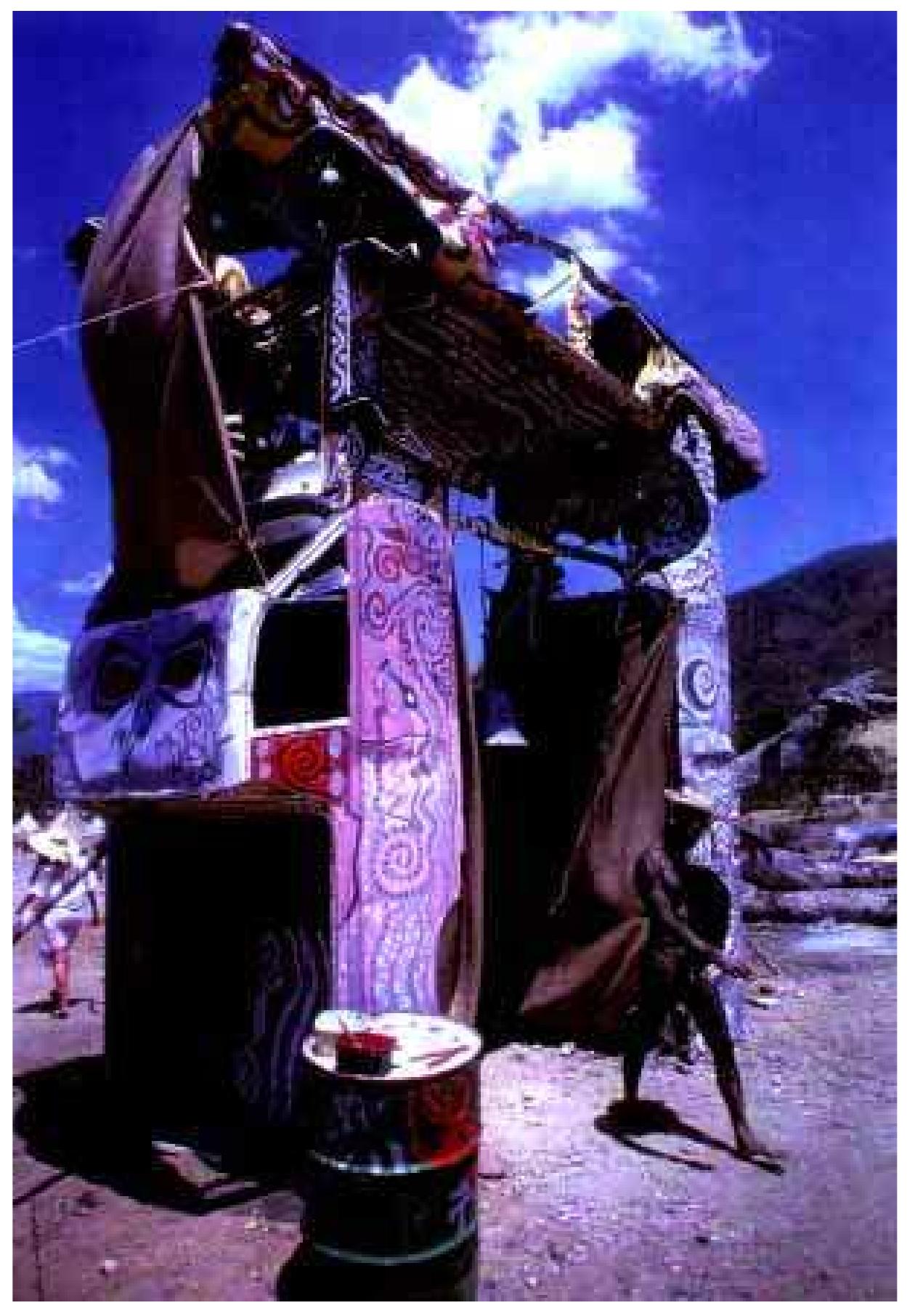
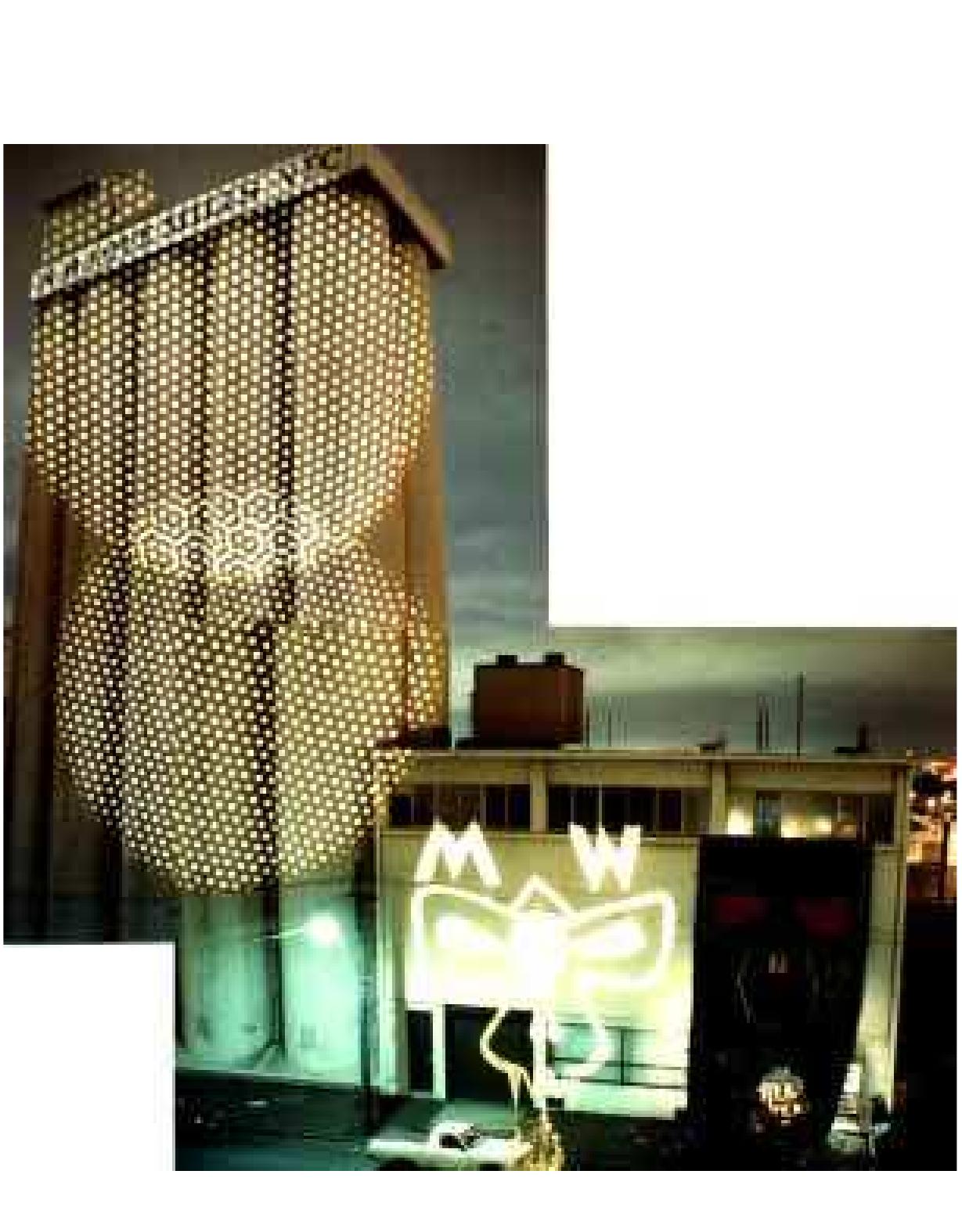
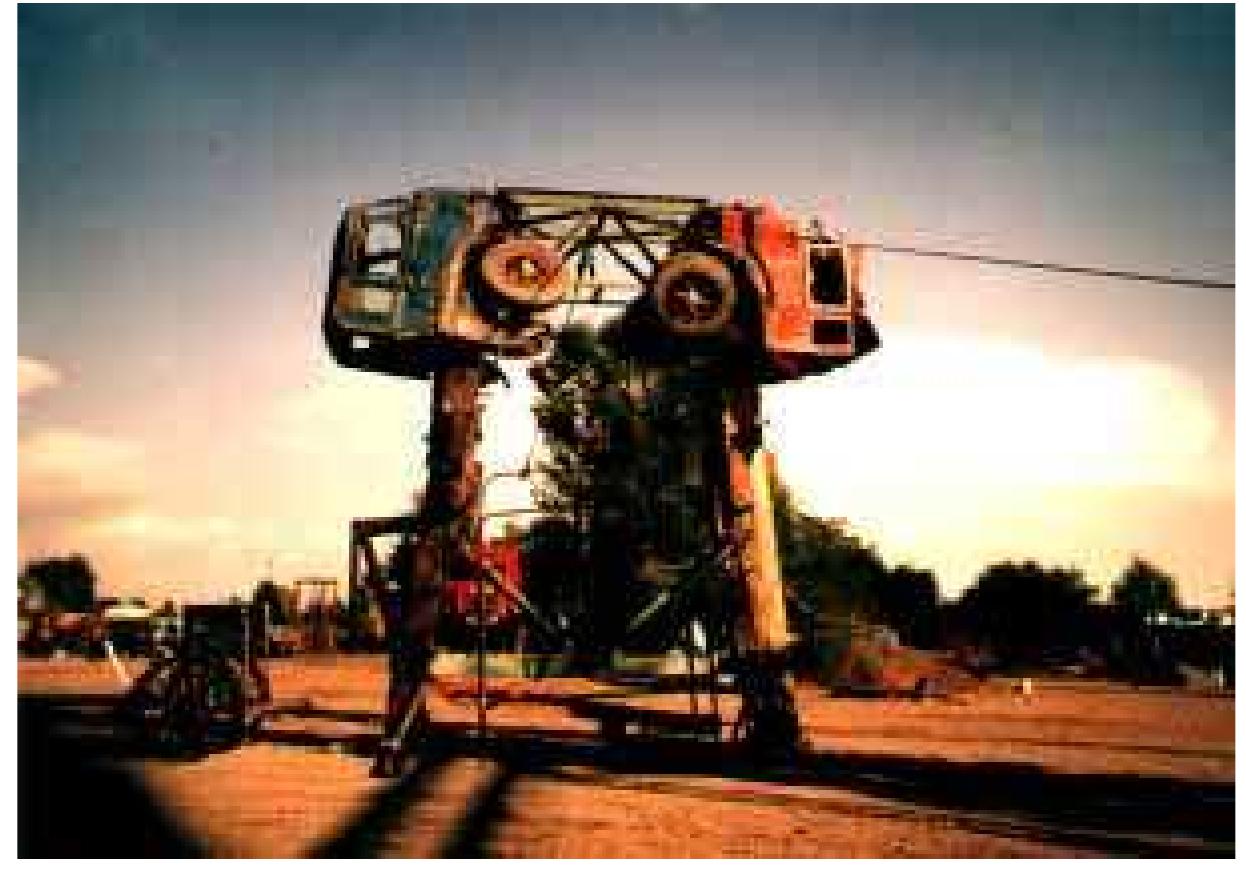
FreeNRG is a collection of frontline communiques on technotribes, contemporary musical practices and events transpiring on the fringes of Australian dance culture throughout the nineties. The anthology's 13 essays are written by specialists and affiliates of a spectrum of youth phenomena found at the edge of the dance floor. Edited by Graham St John, the anthology examines DiY culture, a networked youth movement committed to voluntarism, ecological sustainability, social justice and human rights. FreeNRG people subscribe to an economy of mutual-aid and co-operation, are committed to the non-commodification of art and embrace freedoms of experience and expression. Artists and activists, their cultural output is a product of novel mixtures of pleasure and politics. Technicians and esotericists, they pirate technologies in the pursuit of re-enchantment and liberated space. "









Related papers
2005
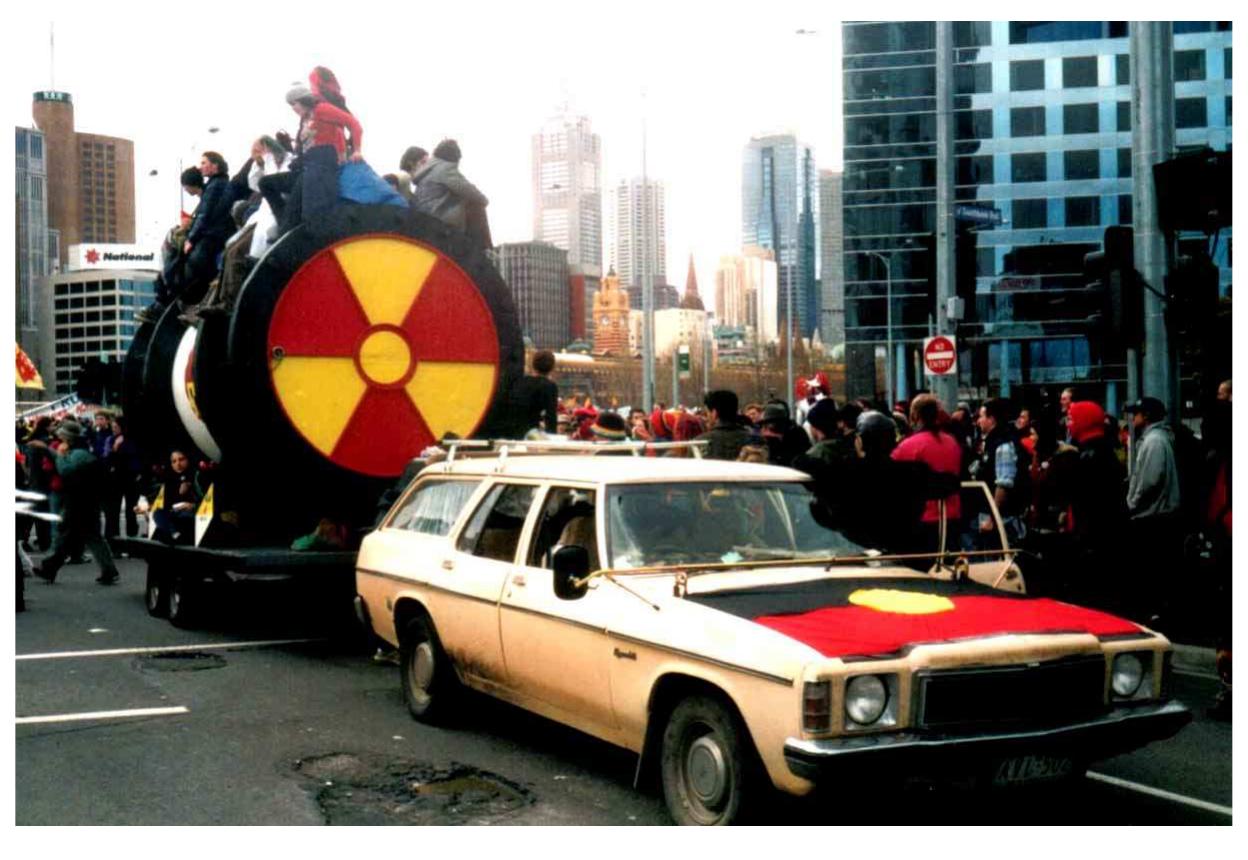
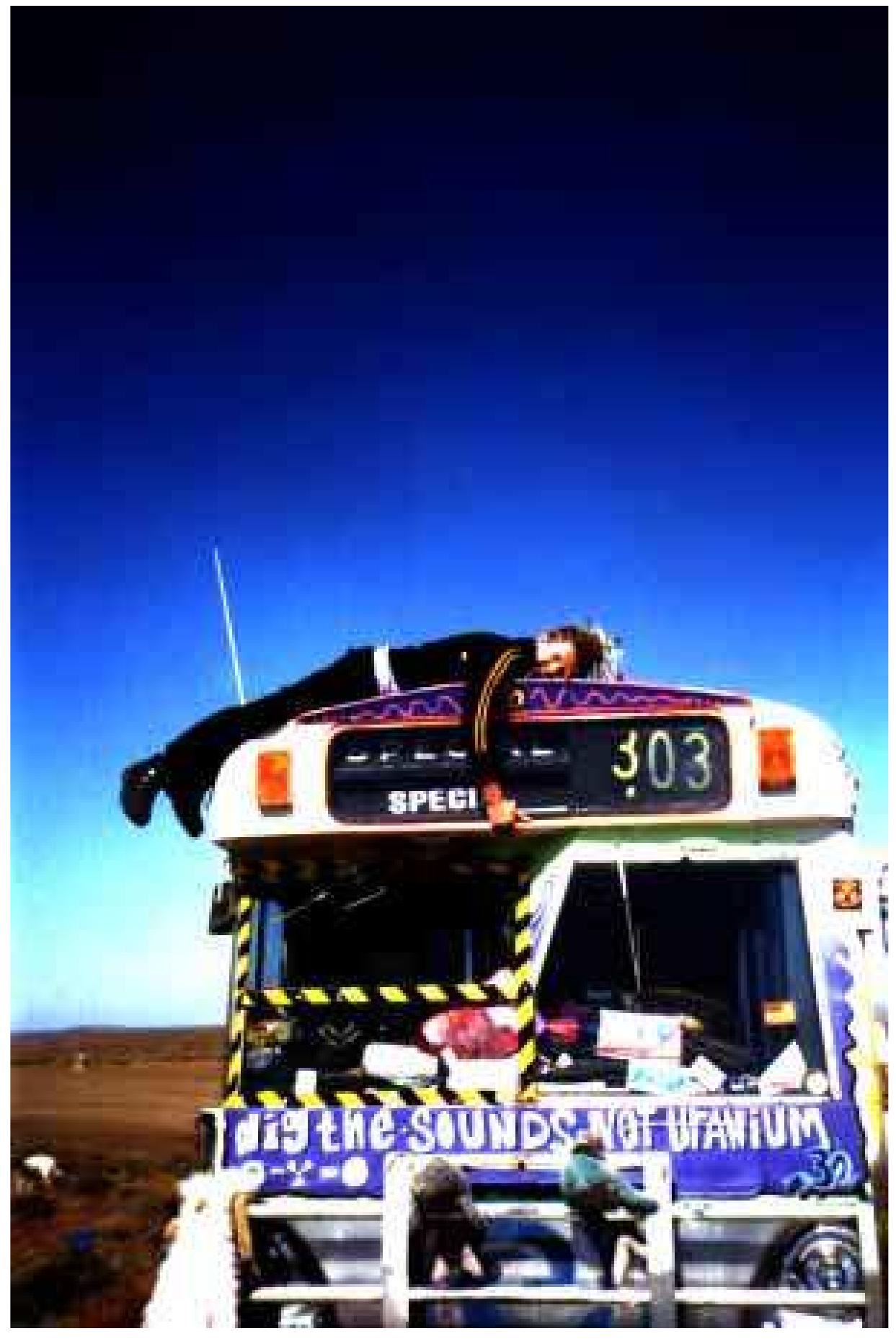
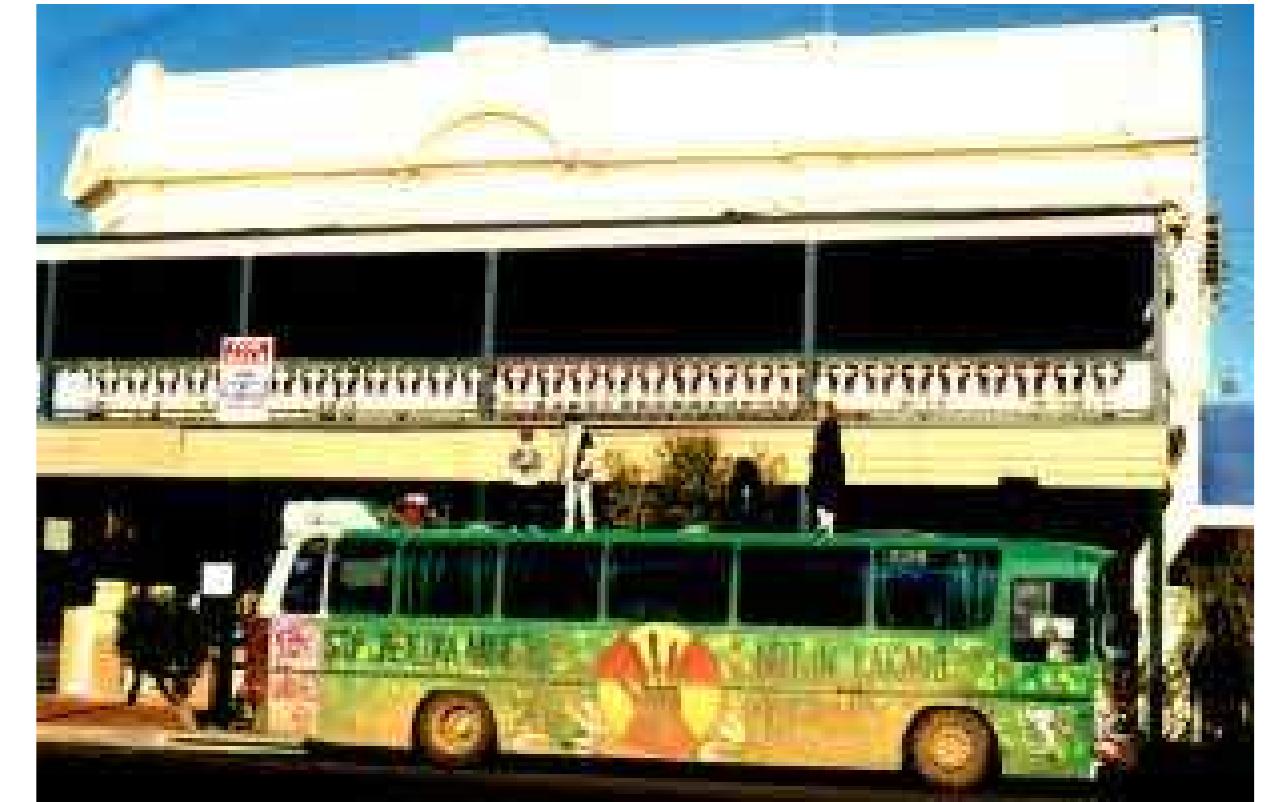
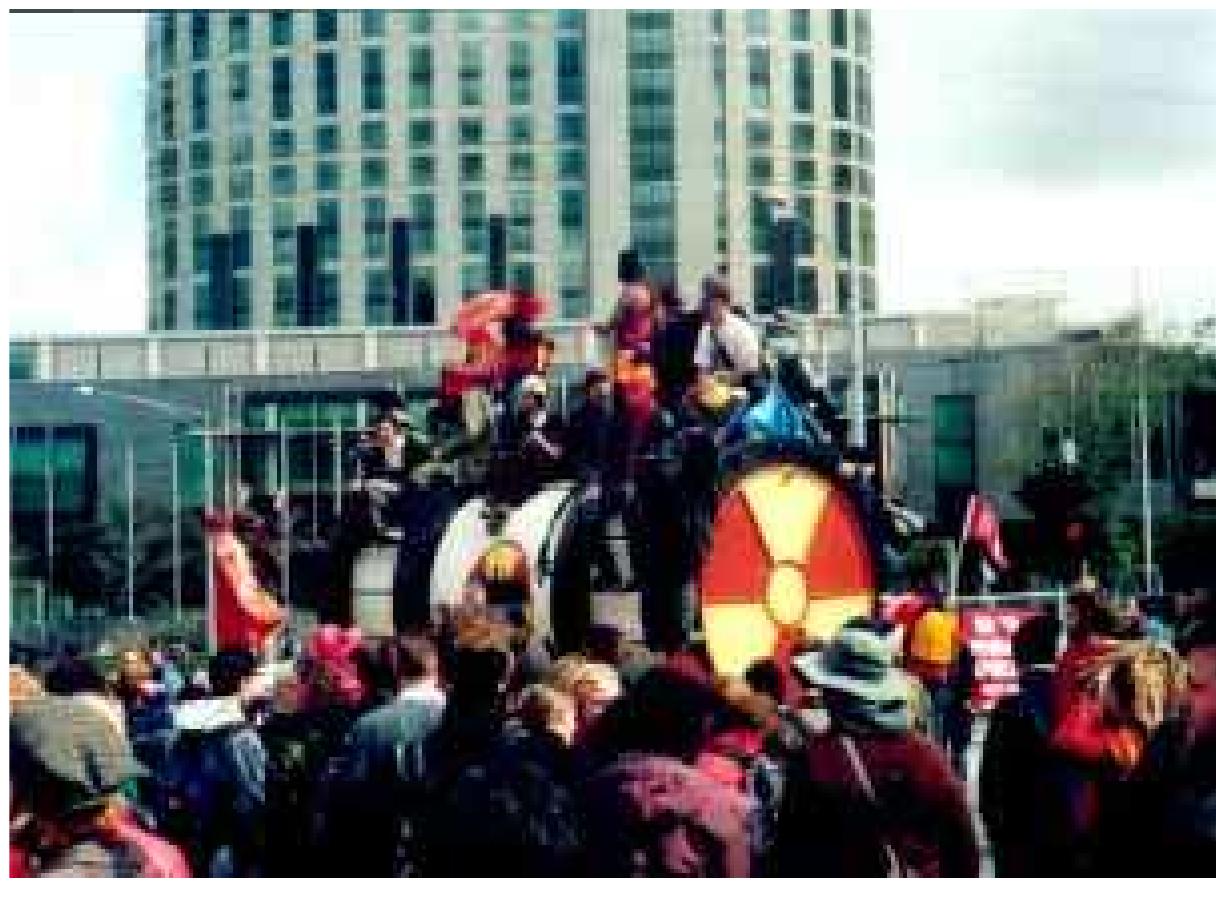
It is Sydney 1998 and, ‘like some crazed pirate galleon on wheels’, a strange bus was seen making its way around the city. Equipped with a PA and ‘DJ booth’ facing out from its rear hatch, the Peace Bus was reported to ‘broadside renegade dance floors or earth destroying mining companies, with a barrage of sonic arsenal’. The ‘steel pulse of protest techno’ was heard from speakers positioned in the luggage hatches, as the bus made its way around Sydney ‘rattling people’s cappuccino cups’. The enthusiastic report concluded: ‘If this is a war for the future of Australia then this brightly coloured tank is there firing a funky arsenal designed to activate people into joining the growing movement for a more sustainable future.’ Committed to a nuclear-free Australia, the Ohms not Bombs techno-circus was in the driver’s seat. Likened to ‘stormtroopers spearheading a generation’s demands’ that their continent’s ecosystems be safeguarded from the radioactive perils of the nuclear industry (Daly, 1999, p. 9), Ohms were multimedia activists mobilizing for a sonic assault on the comfort zones of the nation’s psyche. But as the interventions of these and other techno-protagonists would illustrate, there was more than a nuclear-free future at stake. Impacted by a DiYactivist sensibility that can be traced back to the 1960s, appropriating new and alternative technologies and operating mobile events, these young technomad pioneers were implicated in a movement for legitimate presence and belonging in post-settler Australia. Exploring the characteristics of a ‘groovement’ (Strong, 1994) in evidence from the early 1990s, the article tracks the ‘intimate’ and ‘tactical’ aesthetics of a counter-colonial momentum.
2018
This chapter addresses a transnational network of relationships within electronic dance music in the context of the machine aesthetic of techno. It will be shown that a sense of a global music scene is nevertheless possible. Beyond historically shaped post-colonial and socio-economic links that underpin a range of global popular cultural forms, the techno aesthetic arguably responds to, and inoculates against, a sense of post-human alienation and a dominance of electronic communication and information technologies of the technoculture. Accompanied by a form of futurism, techno scenes embrace the radical potential of information technologies in a seemingly deterritorialised manner, producing locally specific responses to the global technoculture that can differ in aesthetics and identity politics. In this sense, the electronic dance music floor embodies a plurality of competing “technocracies”.
Dancecult: Journal of Electronic Dance Music Culture, 2015
Focussing on the UK’s vibrant alternative festival scene, this article examines how traces of the free party movement in the late 1980s continue to pervade the ethos and aesthetic register of contemporary events. It considers the potent DiY ethic of the campsite that emerged as a result of the convergence of Travellers with sounds systems such as Spiral Tribe, Exodus and Bedlam. It examines how the aesthetics and ethics of these rural, grassroots gatherings hark back to a particular moment in British history and how the sights, sounds and cultures of the current festival circuit are intimately connected to the histories from which they grew. The article argues for a reading of outdoor space, as experienced within the frame of the alternative festival, as a locale for the performance of political and personal freedoms. It asks how the cultural legacy of opposition through dancing outdoors serves as an expression of democratic culture and as spatial practice of belonging. The article makes explicit the links between alternative forms of democratic participation and sensations of individual and collective well-being that arise from outdoor dance experiences. Finally, it considers the role of rurality in constructing a festival imaginary that promotes participation, agency and connectivity.
Dear colleagues, We are delighted to meet you all at the third KISMIF International Conference ‘Keep It Simple, Make It Fast!’ (KISMIF) International Conference, here at Porto, this year dedicated to the theme ‘DIY Cultures, Spaces and Places’. This initiative follows the great success of the two first KISMIF Conference editions (held in 2014 and 2015), seeking to voice the will of the many researchers who have sought to promote an annual scientific meeting for the discussion of underground music scenes and do-it-yourself culture at the highest level . The KISMIF Conference 2016 is once again focused on underground music, directing its attention this time towards the analysis of DIY cultures’ relationship to space and places. Thus, we challenge students, junior and senior teachers/researchers, as well as artists and activists, to come to the KISMIF International Conference and present works which explore the potential of the theoretical and analytical development of the intersection of music scenes, DIY culture and space under a multidimensional and multifaceted vision. We hope with this to enrich the underground scenes and DIY cultures analysis by producing innovative social theory on various spheres and levels, as well as focusing on the role of DIY culture in late modernity. Indeed, the role of music and DIY cultures is once more an important question – taking place in a world of piecemealed yet ever-present change. The space, spaces, places, borders, zones of DIY music scenes are critical variables in approaching contemporary cultures, their sounds, their practices (artistic, cultural, economic and social), their actors and their contexts. From a postcolonial and glocalized perspective, it is important to consider the changes in artistic and musical practices with an underground and/or oppositional nature in order to draw symbolic boundaries between their operating modalities and those of advanced capitalism. Territorialization and deterritorialization are indelible marks of the artistic and musical scenes in the present; they are related to immediate cosmopolitanisms, to conflicting diasporas, new power relations, gender and ethnicity. As in previous KISMIF Conferences, it is our intention to welcome reflexive contributions which consider the plurality that DIY cultural practices demonstrate in various cultural, artistic and creative fields and to move beyond music in considering artistic fields like film and video, graffiti and street art, the theatre and the performing arts, literature and poetry, radio, programming and editing, graphic design, illustration, cartoon and comics, as well as others.
Dance Chronicle, 2022
Performance Research, 2021
In Graham St John ed, Rave Culture and Religion, pp. 213-235, 2004
O]nly a mass idealistic fashion within Youth Dance Culture, swelling up from the gene-pool itself and now planet-wide, can produce the sufficiently colossal fractal mutation in Humanity's lifestyle necessary for it to survive and go on to rave among the stars.
Dancecult: Journal of Electronic Dance Music Culture, 2010
Without a doubt, the question of rave culture’s politics – or lack thereof – has polarized debate concerning the cultural, social and political value of rave culture not only within electronic dance music culture (EDMC) studies, but in disciplines that look to various manifestations of subculture and counterculture for political innovation. It is time for the groundwork of this debate to be rethought. Ask not what rave culture’s politics can do for you; nor even what you can do for it. Rather, ask what the unexamined account of politics has ever done for anyone; then question all that rave culture has interrogated – from its embodied and technological practices to its production of ecstatic and collective subjectivities – and begin to trace how it has complicated the very question of the political, the communal and the ethical. This complication begins with the dissolution of the boundaries of labour and leisure and the always-already co-optation of culture. To the negation of ethics, community and politics, this tracing calls for the hauntology of technics, precarity and exodus. And it ends with a list of impossible demands demonstrating the parallax gap of rave culture’s politics.
Cogent Social Sciences, 2024
This article scrutinises the rationales for dancing in the world and how they affect dance sustainability. These rationales are assumptions about societal values of dance that underlie national as well as international cultural policies, so basic that they are rarely challenged. The authors bring a challenge by asking if there is one universally valid and sustainable rationale for dancing, which makes sense to the totality of the global population, given the extreme difference in living conditions. It is written out of a concern that some economically privileged parts of the world's population are promoting the story of a universally valid rationale for dancing under the term dance art. It draws attention to an alternative rationale for dancing based on the Ubuntu philosophy of the Bantu peoples of Africa. IMPACT STATEMENT This article asks questions about the status of the art concept in the field of dance. As coined in Europe and exported to the world, is art about to become the only rationale for dancing? The article discusses the concept of Ubuntu as an additional rationale and compares the two concepts in terms of sustainability.

Loading Preview
Sorry, preview is currently unavailable. You can download the paper by clicking the button above.
Graham St John