

 Char Yar


580 California St., Suite 400
San Francisco, CA, 94104


AI
The paper explores the significance of the term "Zurvan" within Manichaean literature, showing how the Prophet Mani employed it to denote the Supreme God. It references various ancient texts and translations that highlight Zurvan's association with concepts of eternity, light, and divinity. Additionally, it touches on the continuation of Zurvan's significance in contemporary Manichaean practices.
AI
AI
Ancient Manichaean texts frequently mention Zurvan, such as hymns praising Him for blessings and victory. Scholarly works assert that Mani explicitly used Zurvan in reference to the supreme deity.
Zurvan is described as the 'Eternal King of Light,' indicating His association with infinity and time. Manichaeans view Zurvan as existing outside of conventional time and space.
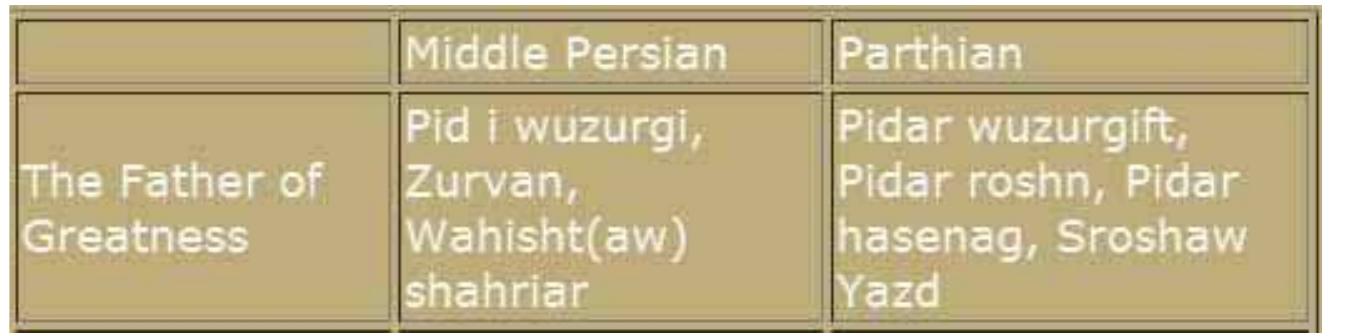
The 'Father of Greatness' and Zurvan are both prevalent titles used in Manichaean literature. Scholarly analyses confirm these terms are often used interchangeably in definitive texts.
The Realm of Light is said to be ruled by the Father of Greatness, also identified as Zurvan. This duality enriches the understanding of divine governance in Manichaean thought.
Mani introduced the name Zurvan during his preaching at the Sassanian court, aligning it with existing Persian beliefs. This contextualization helped establish a syncretic understanding of deity among followers.
