Academia.eduAcademia.edu

Who are the Illyrians? The Use and Abuse of Archaeology in the Construction of National and Trans-National Identities in the Southwestern Balkans. In: Archaeology and the (De) Construction of National and Supra-National Polities, Archaeological Review from Cambridge, 27.2 – 2012:71-84

2012

Abstract

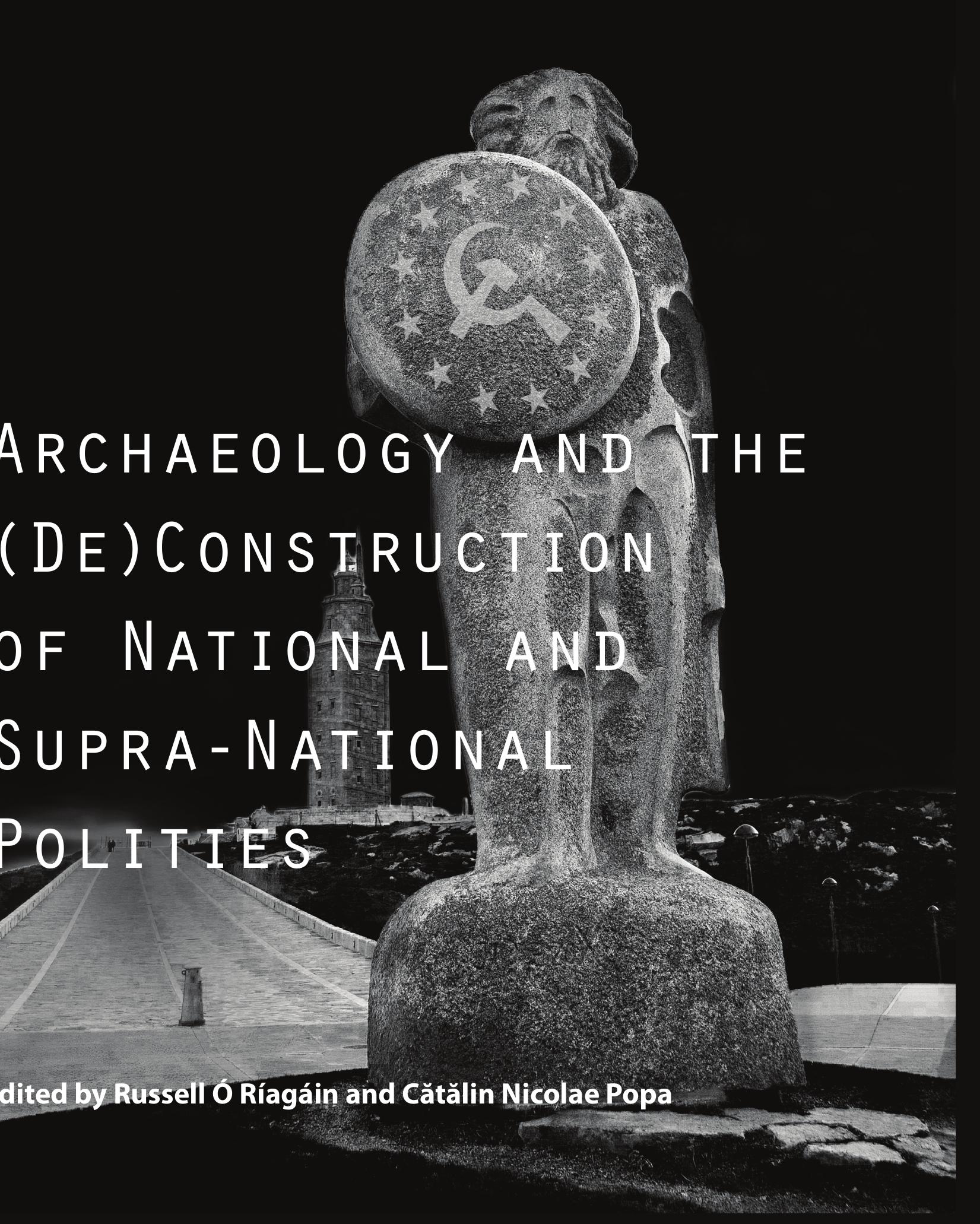
V o l u m e 2 7 . 2 . N o v e m b e r 2 0 1 2 A r c h a e o l o g y a n d t h e (D e) Co n s t r u c t i o n o f N at i o n a

Key takeaways
sparkles

AI

  1. Archaeology profoundly influences identity construction in the southwestern Balkans, particularly regarding the Illyrians.
  2. National identities in the region often exploit archaeological heritage for political claims of self-determination.
  3. The Illyrian concept serves as a critical tool in Albanian national identity claims against neighboring Slavic nations.
  4. The Republic of Macedonia's identity relies heavily on archaeological interpretations linking modern Macedonians to ancient figures.
  5. Ethnogenesis theories have historically shaped national narratives, often distorting archaeological evidence for political ends.

References (40)

  1. Beaton, R. (ed.). 2009. The Making of Modern Greece: Nationalism, Romanticism, & the uses of the past (1797-1896). Farnham: Ashgate.
  2. Brown, K. S. 1994. Seeing stars: Character and identity in the landscapes of modern Macedonia. Antiquity 68: 784-796.
  3. Brown, K. S. 1998. Contests of heritage and the politics of preservation in the Former Yugoslav Republic of Macedonia. In Meskell, L. (ed.), Archaeology under Fire. Nationalism, Politics and Heritage in the Eastern Mediterranean and Middle East. London: Routledge, 68-86.
  4. Ceka, N. 2005. The Illyrians to the Albanians. Tirana: Migjeni.
  5. Collis, J. 1996. Celts and politics. In Graves-Brown, P. Jones, S. and Gamble, C. (eds), Cultural Identity and Archaeology. The Construction of European Communities. London: Routledge, 167-177.
  6. Diaz-Andreu, M. 1995. Archaeology and nationalism in Spain. In Diaz-Andreu M. and Champion T. (eds), Nationalism and Archaeology in Europe. London: University College London Press, 39-56.
  7. Diaz-Andreu, M. and Champion T. 1996. Nationalism and archaeology in Europe: An introduction. In Diaz-Andreu M. and Champion T. (eds), Nationalism and Archaeology in Europe. London: University College London Press, 1-23.
  8. Fabietti, U. 1995. L'identità etnica. Storia e critica di un concetto equivoco. Roma: Carocci.
  9. Falaschi, N. V. 1989. L'Etrusco Lingua Viva. Ulteriori interpretazioni epigrafiche e commenti storico-linguistici in italiano e in inglese. Roma: Bardi.
  10. Fleury-Ilett, B. 1996. The identity of France: Archetypes in Iron Age studies. In Graves- Brown, P. Jones, S. and Gamble, C. (eds), Cultural Identity and Archaeology. The Construction of European Communities. London: Routledge, 196-208.
  11. Garašanin, M. 1988. Considérations Finales. In Garašanin (ed.), Iliri i Albanci/Les Illyriens et les Albanais. Serie de Conferences tenues du 21 mai au 4 juin 1986. Academie Serbe des Sciences et des Arts. Colloques scientifiques XXXIX: 369-375.
  12. Gillman, D. 2010. The Idea of Cultural Heritage. New York: Cambridge University Press.
  13. Hamilakis, Y. 2004. Lives in ruins: Antiquities and national imagination in modern Greece. In Kane, S. (ed.), The Politics of Archaeology and Identity in a Global Context. Boston: Archaeological Institute of America, 51-78.
  14. Hamilakis, Y. 2007. The Nation and its Ruins. Antiquity, Archaeology, and National Imagination in Greece. New York: Oxford University Press.
  15. Hodder, I. 1998. The past as passion and play. Çatalhöyük as a site conflict in the construction of multiple past. In Meskell, L. (ed.), Archaeology Under Fire. Nationalism, Politics and Heritage in the Eastern Mediterranean and Middle East. London: Routledge, 124-139.
  16. Islami, S., Korkuti , M., Komata D., Prendi, F., Ceka, N. and Anamali, S.(eds). 1985. IIème Colloque des Études Illyriennes. Tiranë, 20-24 . XI. 1985. Iliria 15 (2).
  17. Jones S., 1997. The Archaeology of Ethnicity. Constructing the Identity on Past and Present. London: Routledge.
  18. Jones, S. and Graves-Brown, P. 1996. Introduction. Archaeology and cultural identity in Europe. In Graves-Brown, P., Jones, S. and Gamble, C. (eds), Cultural Identity and Archaeology. The Construction of European Communities. London: Routledge, 1-24.
  19. Kaiser, T. 1994. Archaeology and ideology in southeast Europe. In Kohl P. L. and Fawcett, C. (eds), Nationalism, Politics, and the Practice of Archaeology. New York: Cambridge University Press, 99-119.
  20. Karamanolakis, V. 2008. The University of Athens and archaeological studies: The contribution of archaeology to the creation of a national past (1911-1932). In
  21. Damaskos, D. and Plantzos, D., (eds), A Singular Antiquity. Archaeology and Hellenic Identity in Twentieth-Century Greece. Athens: Benaki Museum, 185-195.
  22. Klok, K. 2003. History and the conflict over the name "Macedonia" (1900-1995). Constructing and using historical interpretation. In Hokwerda H., (ed.), Constructions of Greek Past. Identity and Historical Consciousness from Antiquity to the Present. Groningen: Forsten, 63-67.
  23. Korkuti, M. (eds). 1972, La ville illyrienne. Édition spéciale en français à l'occasion du Premier Colloque des Études Illyriennes; 15-21 septembre 1972. Iliria 2.
  24. Kotsakis, K. 1998. Images of Greek Macedonia. In Meskell, L. (ed.), Archaeology Under Fire. Nationalism, Politics and Heritage in the Eastern Mediterranean and Middle East. London: Routledge, 44-67.
  25. Moulakis, A. 2010. The controversial ethnogenesis of Macedonia. European Political Science 9: 495-510.
  26. Novaković, P. 2007. Use of the past, ancestors and historical myths in the Yugoslav wars in 1990s. In Le identità difficili. Archeologia, Potere, Propaganda nei Balcani. Portolano Adriatico III (3): 47-64.
  27. OBC 2008. Fatos Lubonja. L'Accademia albanese, tra pelasgi e illiri (original title, Akademia midis "Ilirëve" dhe "Pellazgëve" Korrieri, 15 January 2008). Website: http://www. balcanicaucaso.org/aree/Albania/L-Accademia-albanese-tra-pelasgi-e-illiri, accessed on 2 February 2012.
  28. Petrova, E. 1996. Brigite na centralniot Balkan vo II i I milenium pred n.e. (Briges in the Central Balkans 2nd-1st Millenium BC). Skopje: Muzej na Makedonija.
  29. Përzhita, L. 2006. Harta Arkeologjike e Kosovës I (The Archaeological Map of Kosova). Pristina: Akademia e Shkencave dhe e Aerteve Kosovës.
  30. Pollo, S. and Puto, A. 1981. The History of Albania from its Origins to Present Day. London: Routledge.
  31. Popa, C. N. In press. The trowel as chisel: Shaping modern Romanian identity through the Iron Age. In Ginn V., Enlander R. and Crozier R. (eds), Exploring Prehistoric Identity. Our Construct or Theirs?. Oxford: Oxbow.
  32. Renfrew, C. 1996. Prehistory and the identity of Europe, or, don't let's be beastly to the Hungarians. In Graves-Brown, P., Jones, S. and Gamble, C. (eds), Cultural Identity and Archaeology. The Construction of European Communities. London: Routledge, 125-136.
  33. Sekulić, T. 2002. Violenza etnica. I Balcani fra etnonazionalismo e democrazia. Roma: Carocci.
  34. Šešel-Kos, M. 2007. Ethnic manipulation with ancient Veneti and Illyrians. In Le identità difficili. Archeologia, Potere, Propaganda nei Balcani. Portolano Adriatico III (3): 11-18.
  35. Smith, L. and Waterton, E. 2009. Heritage, Communities and Archaeology. London: Duckworth.
  36. Terrel,J. E. 2001. Archaeology, Language and History. Essays on Culture and Ethnicity. London: Bergin & Garvey, 1-10.
  37. Tsirtsoni, Z. 2002. Mon récent est plus ancienne que ton moyenne. In Darque, P. (ed.), Mythos. La préhistoire égéenne du XIX au XXI siècle après J. -C. Bulletin de Correspondance Hellénique, Sup. 46: 231-244.
  38. Wickers, M. 1995. The Albanians. A Modern History. London: Tauris.
  39. Wilkes, J. 1992. The Illyrians. Oxford: Blackwell.
  40. Zapatero, G. R. 1996. Celts and Iberians. Ideological manipulations in Spanish archaeology. In Graves-Brown, P. Jones, S. and Gamble, C. (eds), Cultural Identity and Archaeology. The Construction of European Communities. London: Routledge, 179-195.

FAQs

sparkles

AI

What role did archaeology play in constructing national identities in the Balkans?add

The study demonstrates that archaeology has been utilized significantly in shaping national identities by providing tangible 'proofs' of historical claims, especially in Albania and Macedonia since the 1990s.

How did the Illyrian concept influence Albanian nationalism?add

The paper reveals that the Illyrian concept was crucial in Albanian nationalism, particularly during the communist regime, to assert ethnic distinctiveness against Slavic populations in Yugoslavia.

What methodologies were used to analyze the misuse of archaeological evidence?add

The research employs a historical analysis of political documents and archaeological literature, examining how certain narratives were emphasized for national identity construction in the Balkans.

Why is the Iron Age significant in the identity construction processes?add

The Iron Age is portrayed as a 'golden age' in national narratives, with its cultural achievements serving as a foundation for contemporary ethnic identities across Balkans states.

How does linguistic nationalism shape identity in the southwestern Balkans?add

The study finds that in Eastern Europe, particularly in the Balkans, linguistic nationalism has profoundly influenced national identity perceptions, making language a key ethnic characteristic.

About the author
University of Trento, Faculty Member
Papers
128
Followers
4,113
View all papers from Maja Goriarrow_forward