Academia.eduAcademia.edu

The emergence of ejective fricatives in Upper Necaxa Totonac

2006

Abstract

Upper Necaxa Totonac (a.k.a. Patla-Chicontla Totonac) has an unusual phonemic inventory in that it has a series of three ejective fricatives (including the rare / ̊’/), but no ejective stops. This paper examines the diachronic path that has lead to the current situation and dis- cusses some of the phonetic and phonological characteristics.

Key takeaways
sparkles

AI

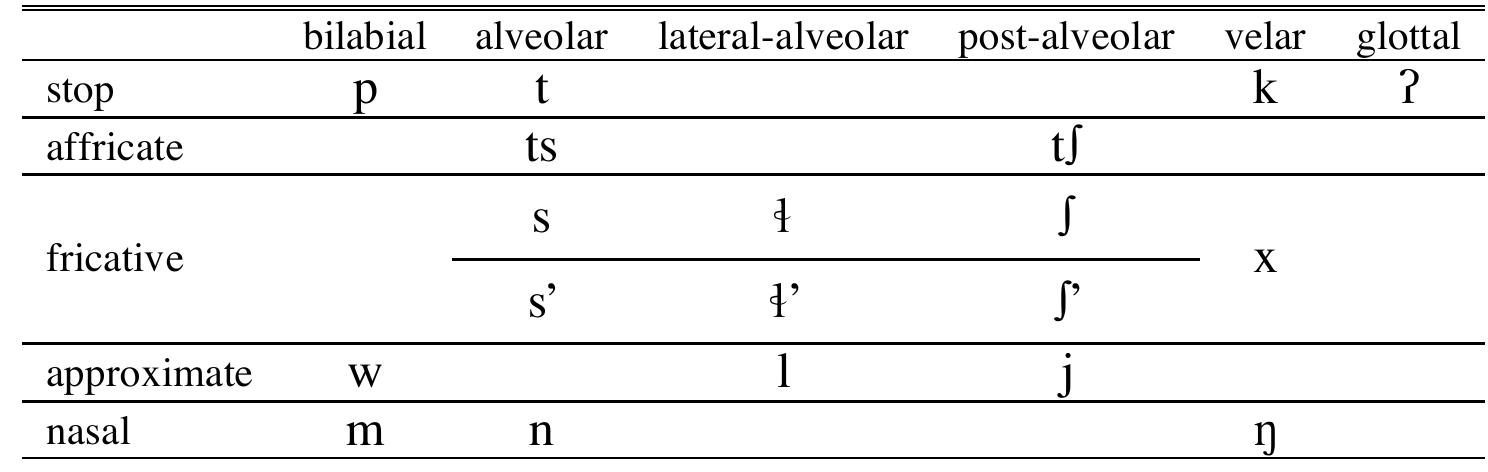
  1. Upper Necaxa Totonac has three unique ejective fricatives, contrasting with typical ejective stop inventories.
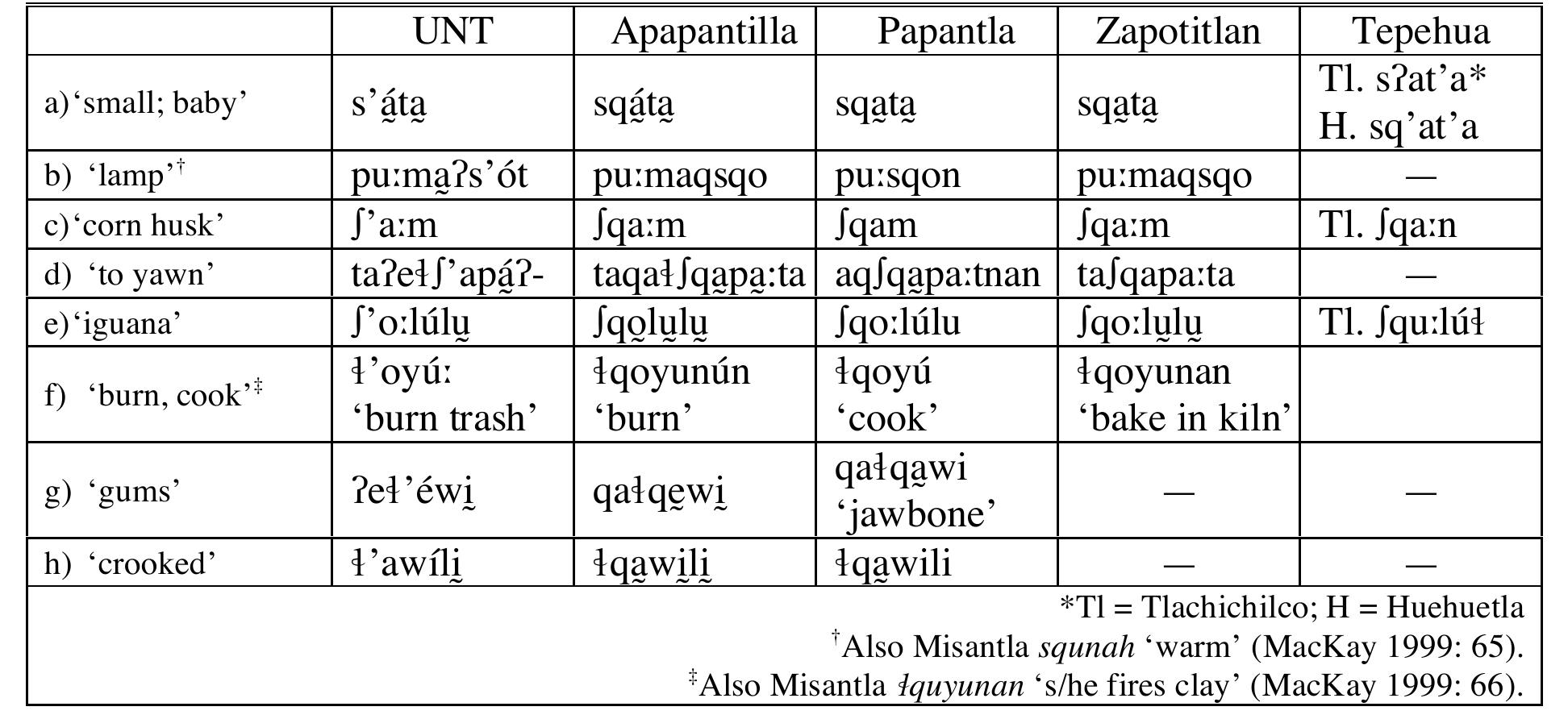
  2. Diachronic changes led to the replacement of historical *q with *÷, creating a distinctive phonemic structure.
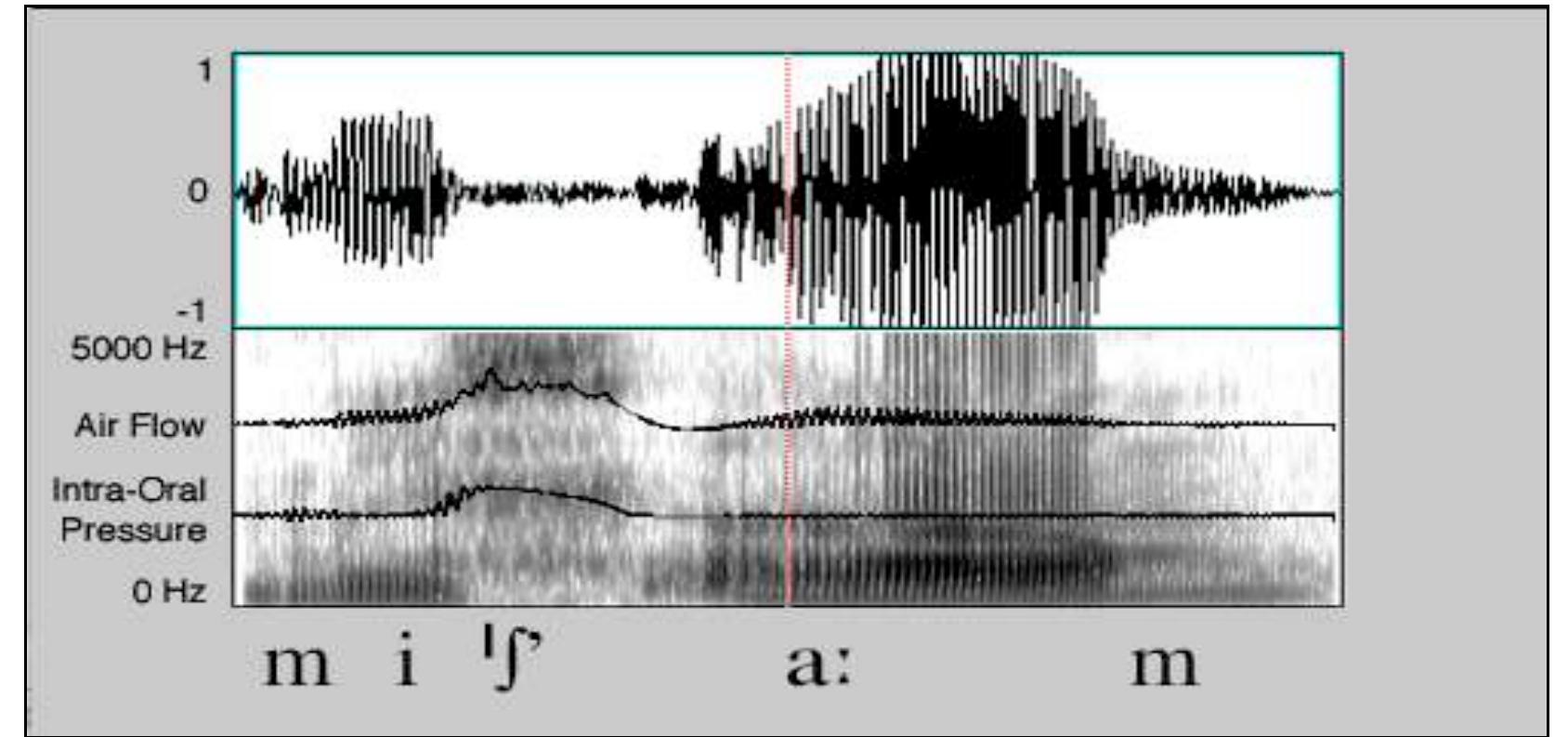
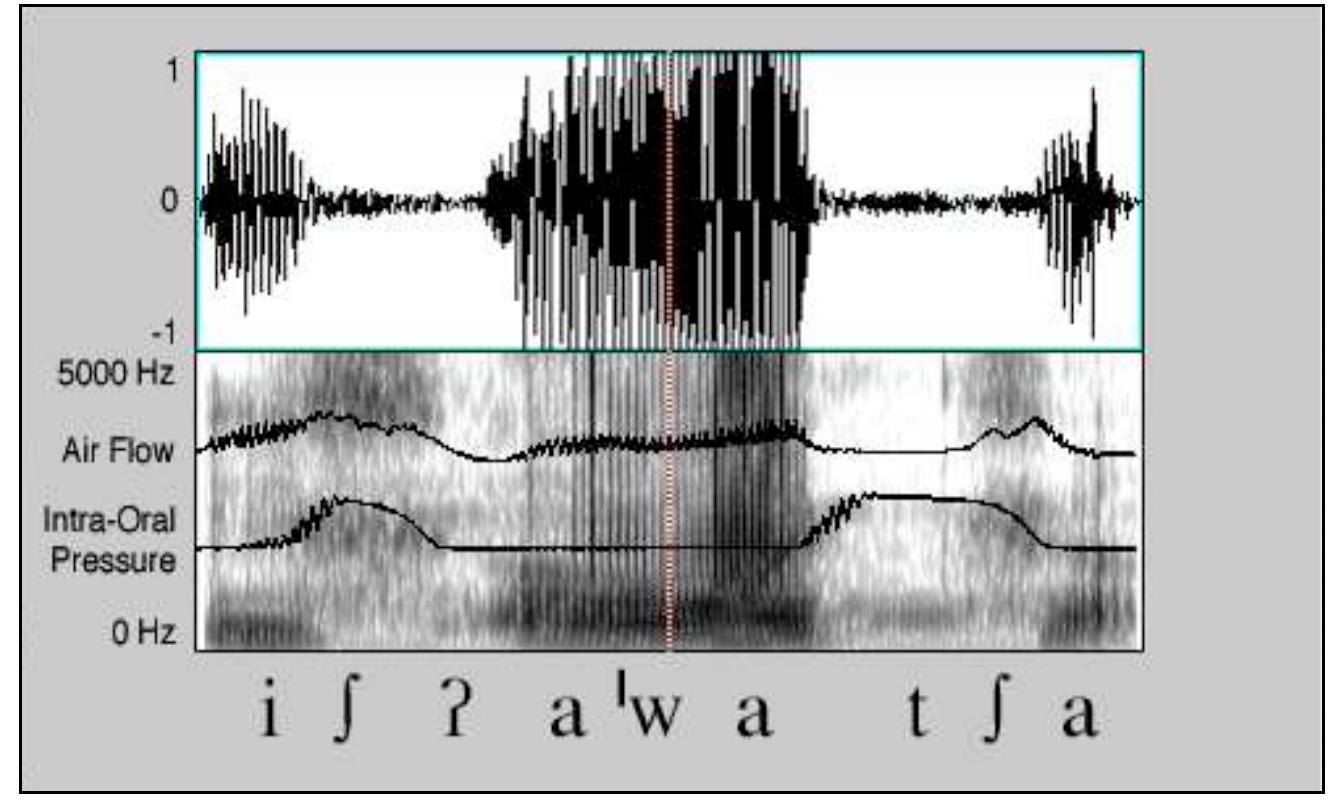
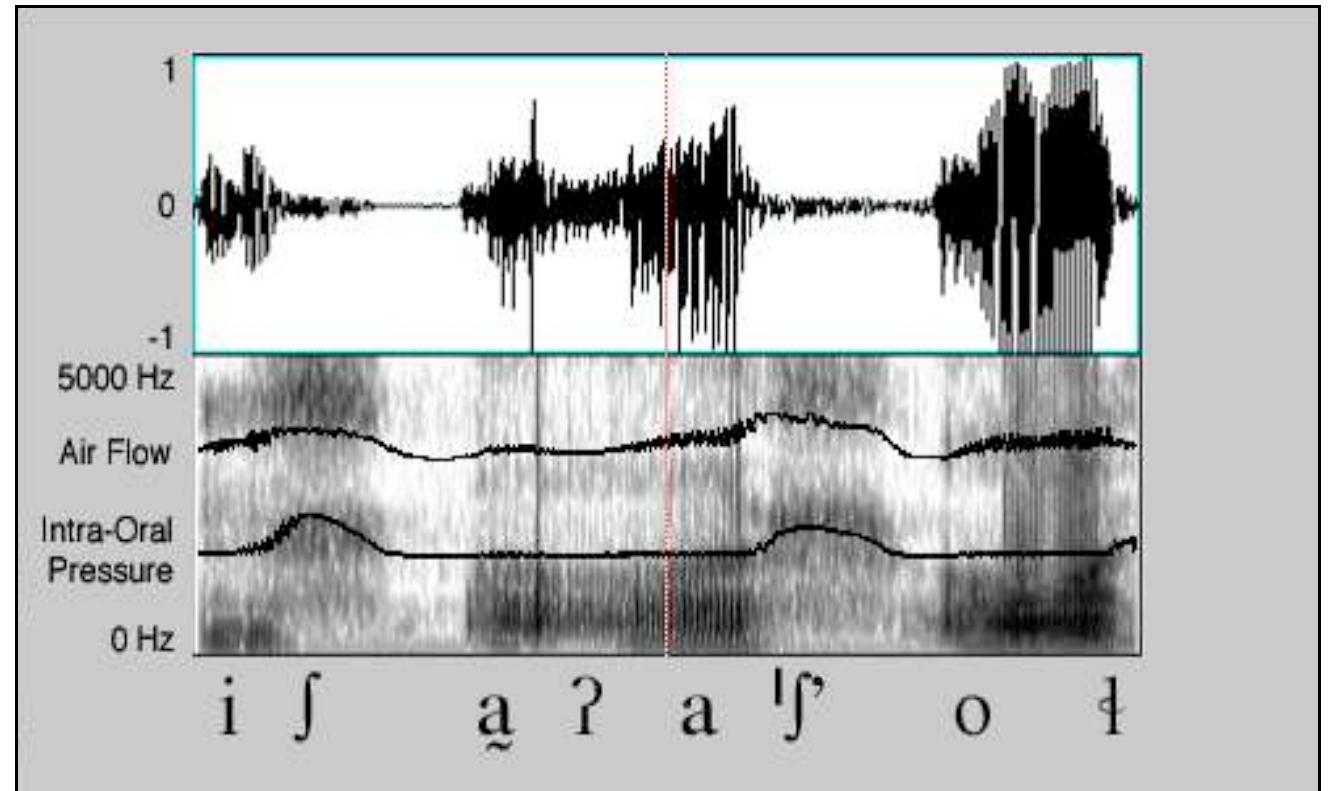
  3. Ejective fricatives are supported by instrumental measurements of air flow and intra-oral pressure.
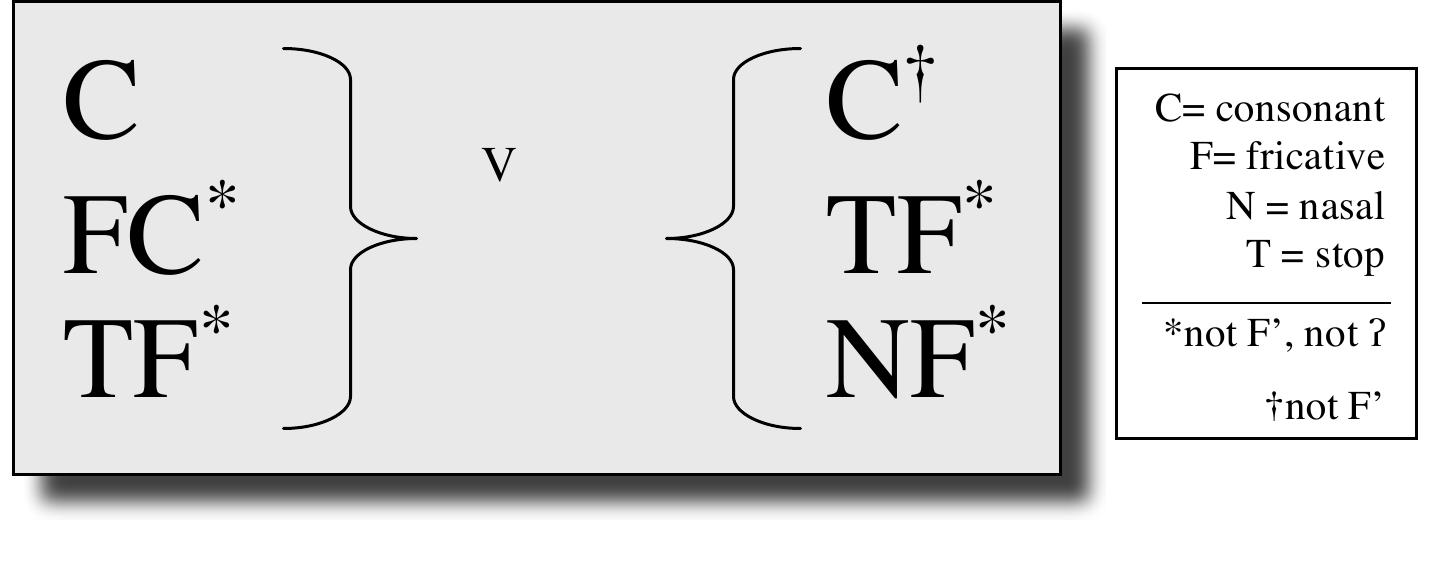
  4. The phonotactic behavior of ejective fricatives parallels that of historical F÷ clusters, showing their origins.
  5. The study aims to confirm the existence and properties of ejective fricatives in Upper Necaxa Totonac.

References (38)

  1. ARANA, EVANGELINA. 1953. Reconstrucción del prototonaco. In Ignacio Bernal (ed.), Huastecos, totonacos y sus vecinos. Revista mexicana de estudios antropológicos no. 23, pp. 123 -30.
  2. ASCHMANN, HERMAN P. 1946. Totonaco phonemes. International Journal of American Linguis- tics 12, 34 -43.
  3. ---1983. Vocabulario totonaco de la Sierra. Mexico: Summer Institute of Linguistics. BARKER, MUHAMMAD ABD-AL RAHMAN. 1964. Klamath grammar. University of California Pa- pers in Linguistics no. 32. Berkeley: University of California Press.
  4. BECK, DAVID. 2000. The syntax, semantics, and typology of adjectives in Upper Necaxa Toto- nac. Linguistic Typology 4, 213 -50.
  5. ---2001. Primer vocabulario del idioma totonaco del Río Necaxa. Edmonton: University of Alberta.
  6. ---2004. Upper Necaxa Totonac. Munich: LINCOM Europa.
  7. BEELER, MADISON S. 1976. Barbareño Chumash: A farrago. In Margaret Langdon and Shirley Silver (ed.), Hokan Studies: Papers from the First Conference on Hokan languages, pp. 251 -69. Janua linguarum, series practica, no. 181. The Hague: Mouton.
  8. BLUST, ROBERT. 1980. More on the origins of glottalic consonants. Lingua 52, 125 -56.
  9. BUCKLEY, EUGENE. 1992. Theoretical aspects of Kashaya phonology and morphology. Disserta- tions in Linguistics. Stanford: CSLI Publications.
  10. CHAFE, WALLACE L. 1976. The Caddoan, Iroquoian, and Souian languages. Trends in Linguis- tics: State-of-the-Art Reports, no. 3. The Hague: Mouton.
  11. COLARUSSO, JOHN. 1989. Proto-Northwest Caucasian (or how to crack a very hard nut). In How- ard I. Aronson (ed.), The non-Slavic languages of the USSR, Linguistic Studies, pp. 20 -55. Chicago: Chicago Linguistic Society.
  12. FALLON, PAUL D. 2002. The synchronic and diachronic phonology of ejectives. Routledge Out- standing Dissertations in Linguistics Series. New York: Routledge.
  13. GARCÍA RAMOS, CRESCENCIO. 1979. Fonología del totonaco del Tajín, Veracruz. Cuadernos An- tropológicos (Veracruz) 2, 133 -76.
  14. GARCÍA ROJAS, BLANCA. 1978. Dialectología de la zona totonaco-tepehua. Honours thesis: Na- tional School of Anthropology and History, Mexico.
  15. GREENBERG, JOSEPH. 1970. Generalizations concerning glottalic consonants. International Jour- nal of American Linguistics 36, 123 -45.
  16. GRIMES, BARBARA F. 2004. Ethnologue: Languages of the World. On-line database (http://ww.ethnologue .com). Summer Institute of Linguistics.
  17. ICHON, ALAIN. 1990 [l973]. La religión de los totonacos de la Sierra. Mexico City: Instituto Na- cional Indigenista.
  18. JACOBSEN, WILLIAM H., JR. 1969. Origin of the Nootka pharyngeals. International Journal of American Linguistics 35, 125 -53.
  19. ---1977. A glimpse of the Pre-Washo pronominal system. In Kenneth Whistler, Robert D. van Valin, Jr., Chris Chiarello, Jeri J. Jaeger, Miriam Petruck, Henry Thompson, Ronya Javkin, and Anthony Woodbury (eds.), Berkeley Linguistics Society no. 3, pp. 55 -73. Ber- keley: Berkeley Linguistics Society.
  20. KIRCHNER, ROBERT, and ELENI VARELAS. 2002. A cue-based approach to the initial and final phonotactics of Upper Necaxa Totonac. In Leora Bar-el, Linda Watt and I. Wilson (eds.), Proceedings of WSCLA 7: The Workshop on Structure and Constituency in the Languages of the Americas, pp. 89 -102. Vancouver: University of British Columbia Working Papers in Linguistics.
  21. LADEFOGED, PETER. 2001. A course in phonetics. New York: Harcourt Brace.
  22. LADEFOGED, PETER, and ELIZABETH ZEITOUN. 1993. Pulmonic ingressive phones do not occur in Tsou. Journal of the International Phonetic Association 23, 13 -15.
  23. LEVINE, ROBERT D. 1981. Review of the Haida Dictionary, by Erma Lawrence et al. Interna- tional Journal of American Linguistics 47, 354 -8.
  24. LEVY, PAULETTE. 1987. Fonología del totonaco de Papantla, Veracruz. Mexico: Universidad Nacional Autónoma de México.
  25. MACKAY, CAROLYN J. 1999. A grammar of Misantla Totonac. Salt Lake City: University of Utah Press.
  26. MADDIESON, IAN. 1998. Why make life hard?-resolutions to problems of rare and difficult sound types. UCLA Working Papers in Phonetics 96, 106 -18.
  27. MADDIESON, IAN, NICOLA BESSELL, and CAROLINE LAWS SMITH. 1996. A preliminary report on the phonetics of Tlingit. UCLA Working Papers in Phonetics 93, 125 -48.
  28. MCLENDON, SALLY. 1973. Proto Pomo. University of California Papers in Linguistics no. 71. Berkeley: University of California Press.
  29. ---1976. The Proto-Pomo pronominal system. In Margaret Langdon and Shirley Silver (eds.), Hokan Studies: Papers from the First Conference on Hokan languages. Janua lingua- rum, series practica, no. 181, pp. 29 -54. Hague: Mouton.
  30. MCQUOWN, NORMAN A. 1977. La familia lingüística totonacana. Chicago: University of Chi- cago Library.
  31. Grámatica de la lengua totonaca. Mexico: Universidad Nacional Autónoma de México. MITCHELL, T. F. 1990. Pronouncing Arabic: I. Oxford: Clarendon Press.
  32. NATER, HANK F. 1984. The Bella Coola language. Ottawa: National Museum of Man. REID, AILEEN A., and RUTH G. BISHOP. 1974. Diccionario totonaco de Xicotepec de Juárez. Mexico: Summer Institute of Linguistics.
  33. RICE, KEREN. 1994. Laryngeal features in Athapaskan languages. Phonology 11, 107 -47.
  34. ROBINS, ROBERT H. 1958. The Yurok language: Grammar, text, lexicon. University of California Papers in Linguistics no. 15. Berkeley: University of California Press.
  35. SKINNER, NEIL. 1971. /ts/ and /k'/ in Hausa. Anthropological Linguistics 133, 301 -10.
  36. TROIANI, DUNA. 2004. Aperçu grammatical du totonaque de Huehuetla, Puebla, Mexique. Mu- nich: LINCOM Europa.
  37. WATTERS, JAMES. n.d.a Una base de datos para la reconstrucción del idioma protototonaco. Ms., Summer Institute of Linguistics.
  38. ---n.d.b. Lexical database for Tlachichilco Tepehua. Shoebox database file.

FAQs

sparkles

AI

What processes led to the emergence of ejective fricatives in Upper Necaxa Totonac?add

The study finds that ejective fricatives arose through a sequence of sound changes: Proto-Totonacan *q shifted to *÷, followed by the collapse of *F÷ to F'. This progression indicates a diachronic transformation unique to Upper Necaxa.

How do Upper Necaxa ejective fricatives differ from standard fricatives?add

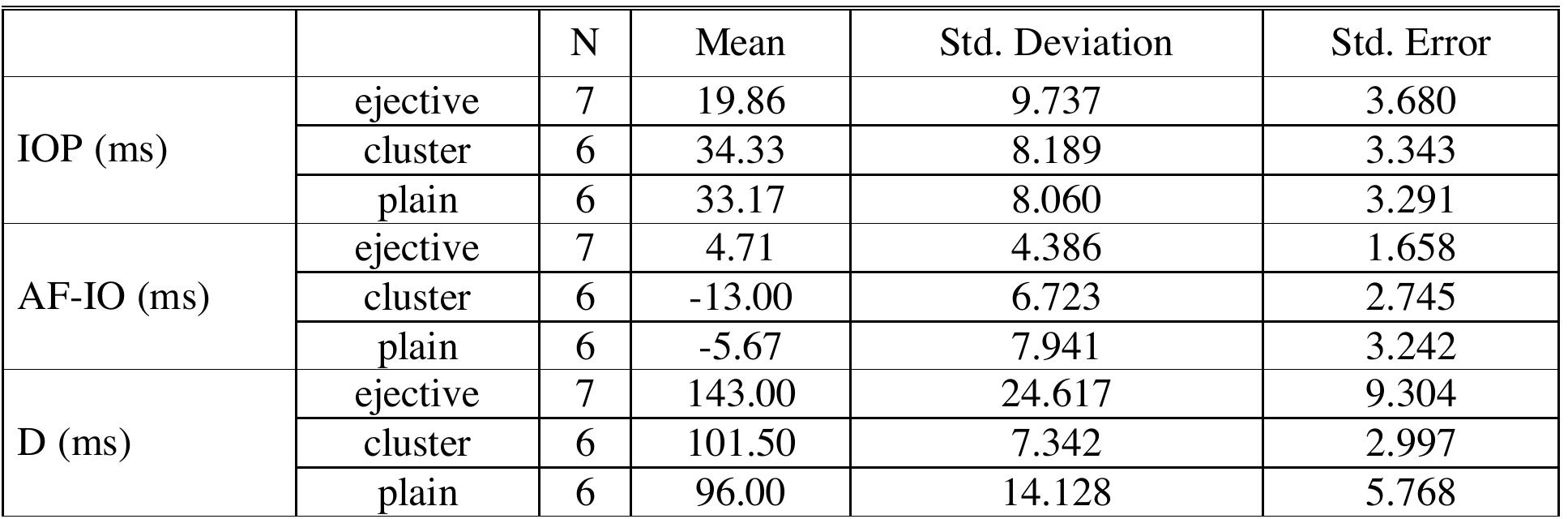
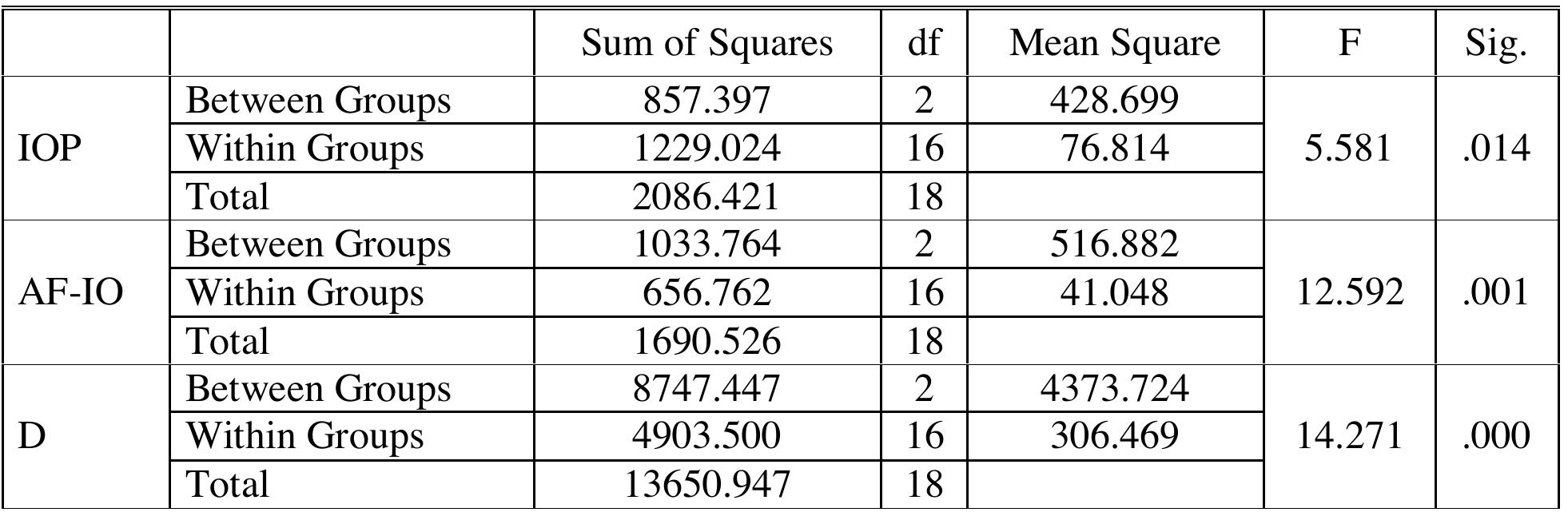
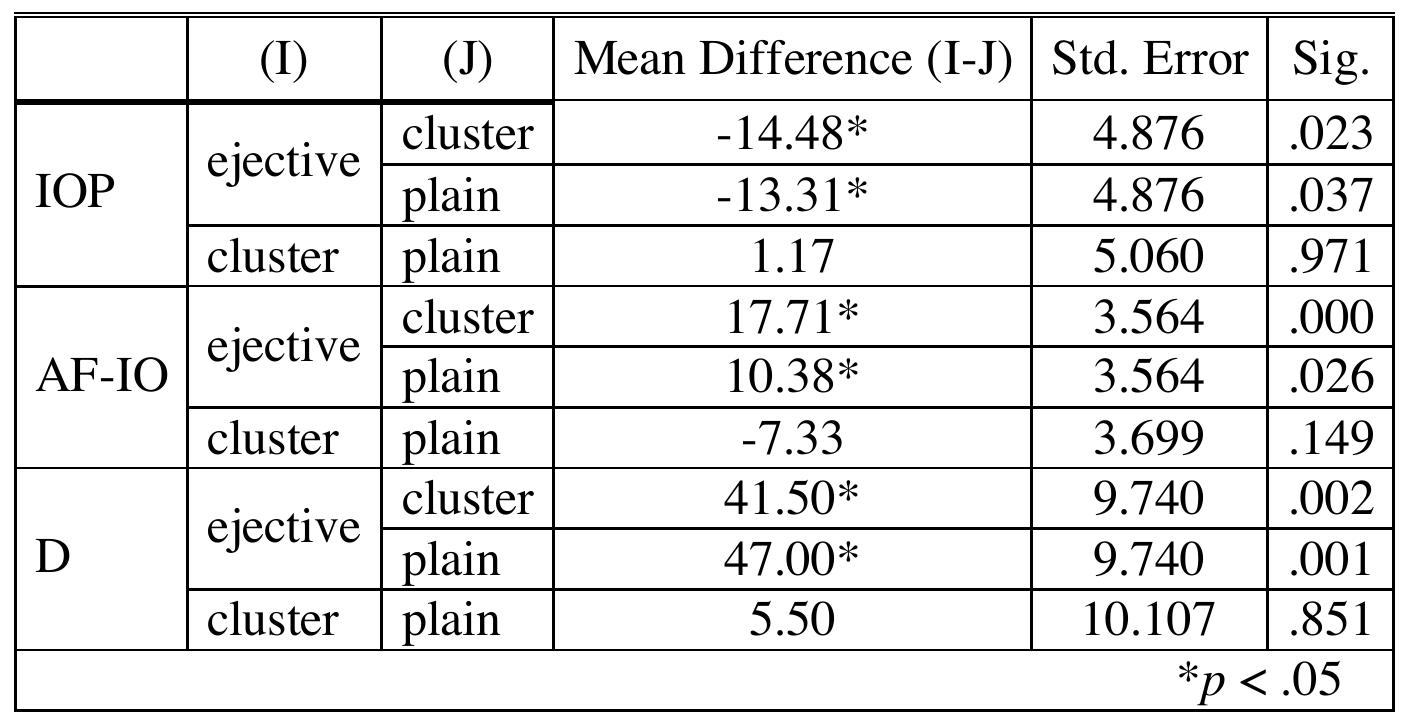
Instrumental studies show that ejective fricatives exhibit distinct measurements in intra-oral pressure and airflow, with a mean fricative duration of 143 ms compared to 90 ms for non-ejectives. The research identifies these differences as significant using ANOVA tests (p < .05).

What phonetic characteristics distinguish ejective fricatives in Upper Necaxa?add

Ejective fricatives exhibit a peak in intra-oral pressure occurring 10 ms before airflow peaks, signaling a unique articulatory process. The data indicates that ejectives maintain a higher pressure and longer fricative duration than their pulmonic counterparts.

What phonological implications do ejective fricatives have in Upper Necaxa Totonac?add

Despite the close historical relation to F÷ clusters, ejective fricatives serve as distinct phonological segments, evidenced by their restricted placement in syllabic onsets. This distinction supports a phonemic classification despite the absence of overt contrastive environments.

When did the sound shift from *q to *÷ occur in Upper Necaxa Totonac?add

The complete shift from Proto-Totonacan *q to *÷ is evidenced by contemporary speakers, marking a significant phonological evolution within the language. This shift serves as a crucial dialect marker in the Upper Necaxa region, as noted in speaker observations.

About the author
University of Alberta, Faculty Member
Papers
44
Followers
325
View all papers from David Beckarrow_forward